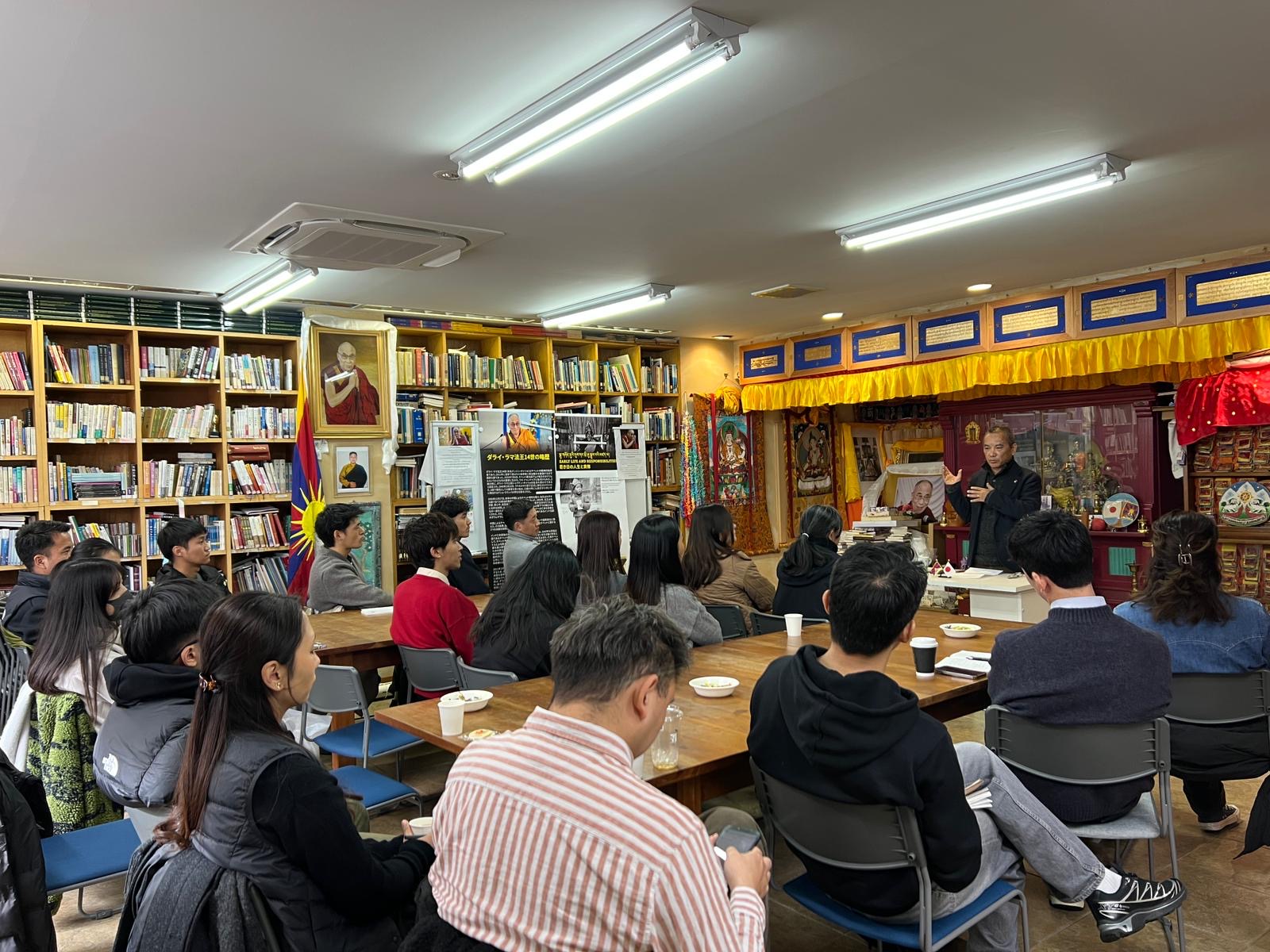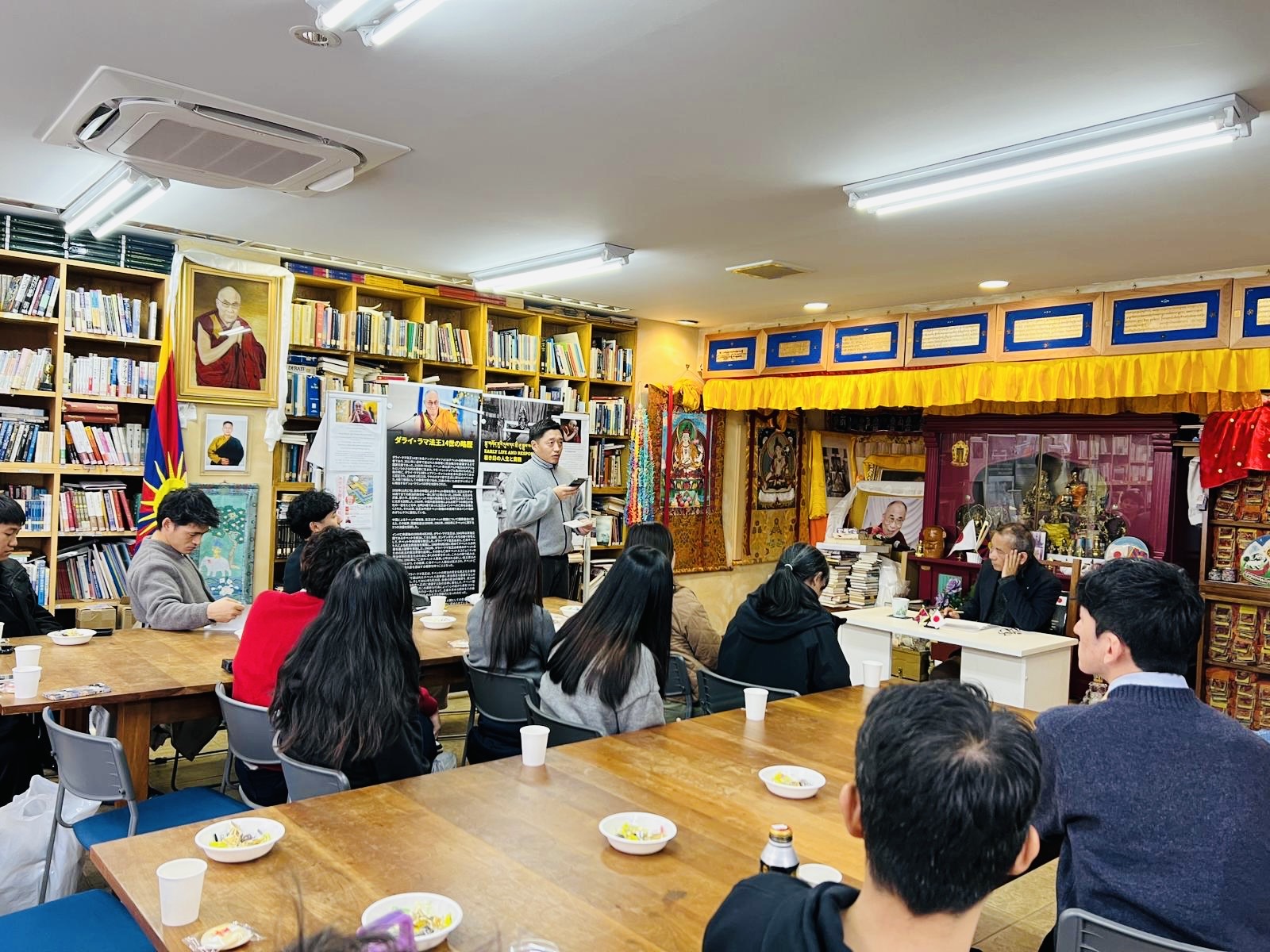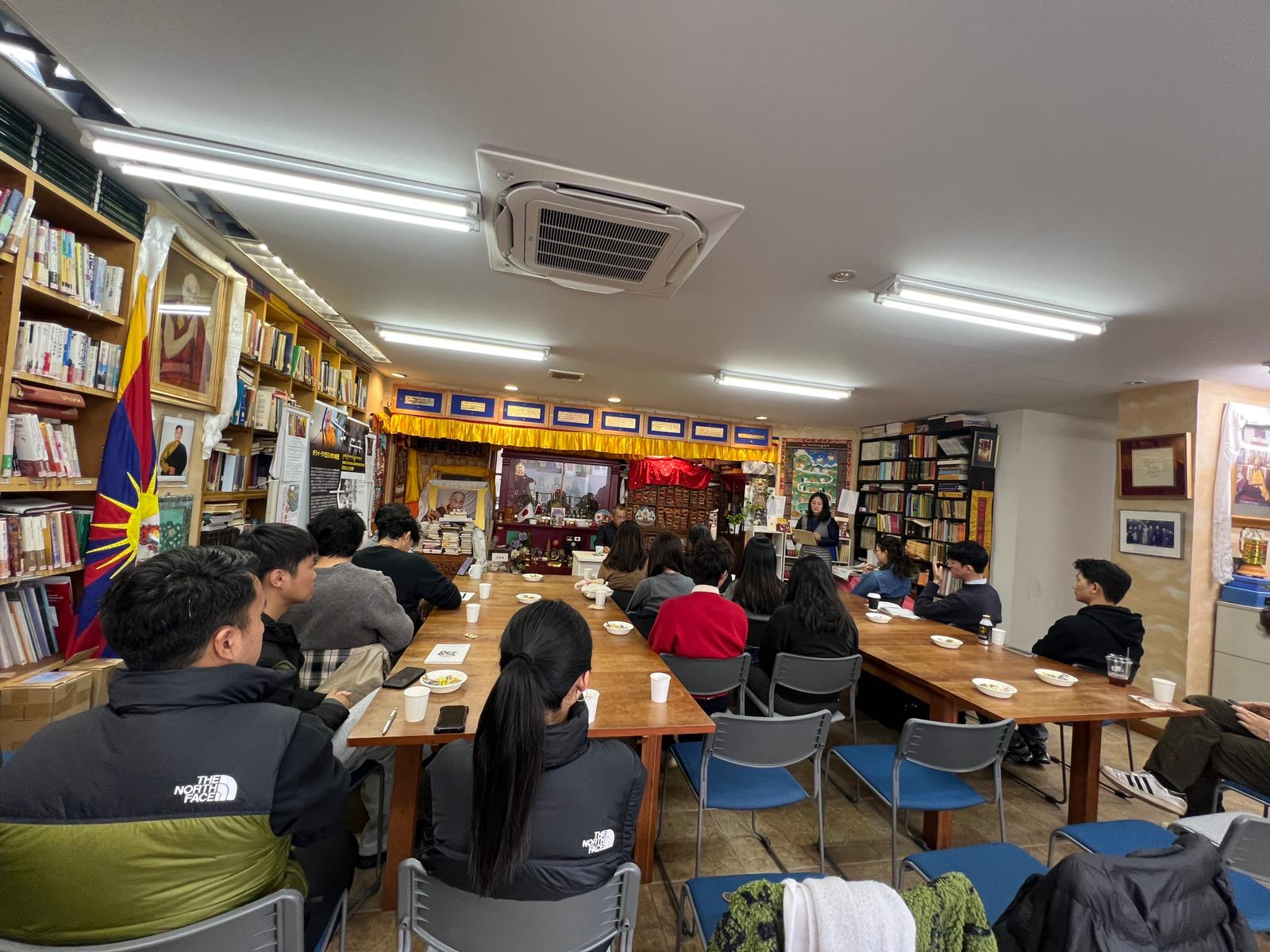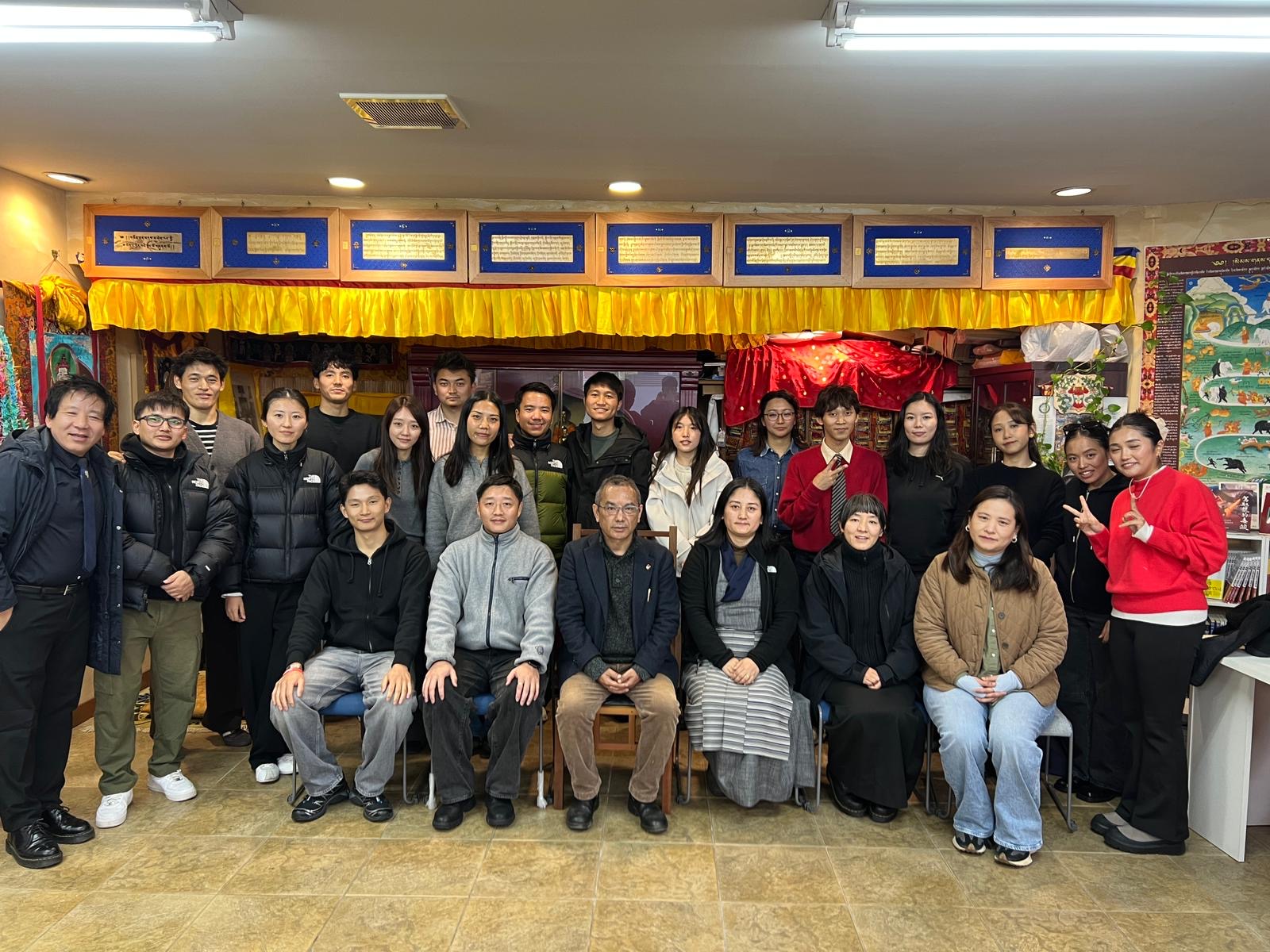

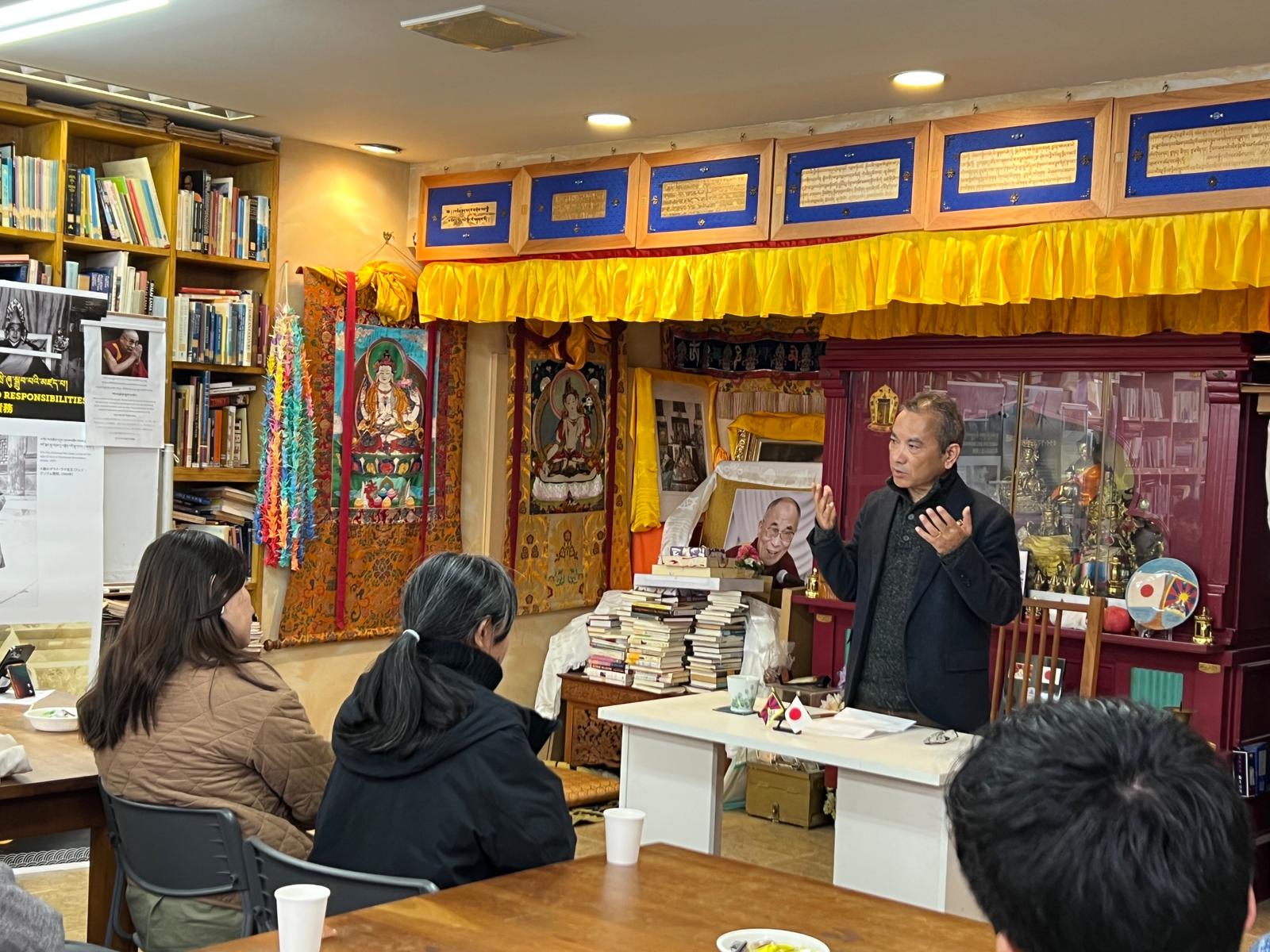
Tokyo, 20 December 2025: Tibet House Japan conducted a Workshop for young Tibetans studying and working in Japan. The workshop aims to strengthen Tibetan identity and remind young people of the purpose of their exile and the importance of their participation in the struggle for freedom and justice in Tibet. It is also to provide a common platform for youngsters to reflect, discuss, and plan how they can positively contribute to the Central Tibetan Administration (CTA)’s mission.
Around twenty-one students, including alumni of the Chiba Institute of Technology (CIT), and others studying and working in Japan, participated in the event. The participants first introduced themselves and shared their experiences studying and working in Japan.
Dr. Arya Tsewang Gyalpo, Representative of the Liaison Office of H.H. the Dalai Lama, greeted the students and the professionals and briefed them on the reasons why Tibetans are in exile and what the Tibetans in Tibet are expecting from those in exile in free countries. He advised them to keep the Tibetan identity and compassionate culture of Tibet intact and contribute to the host country positively.
Briefing them about the Chinese interference in Tibetan religious matters and the Chinese colonial boarding schools, he updated them on the recent mass arrests and communication blackout following protests against gold mining in Kashi, Kham Zachukha. He talked on the importance of keeping in close touch with Tibetan history and politics and asked them to build strong Japanese resources to promote Tibet awareness and a support base in Japan.
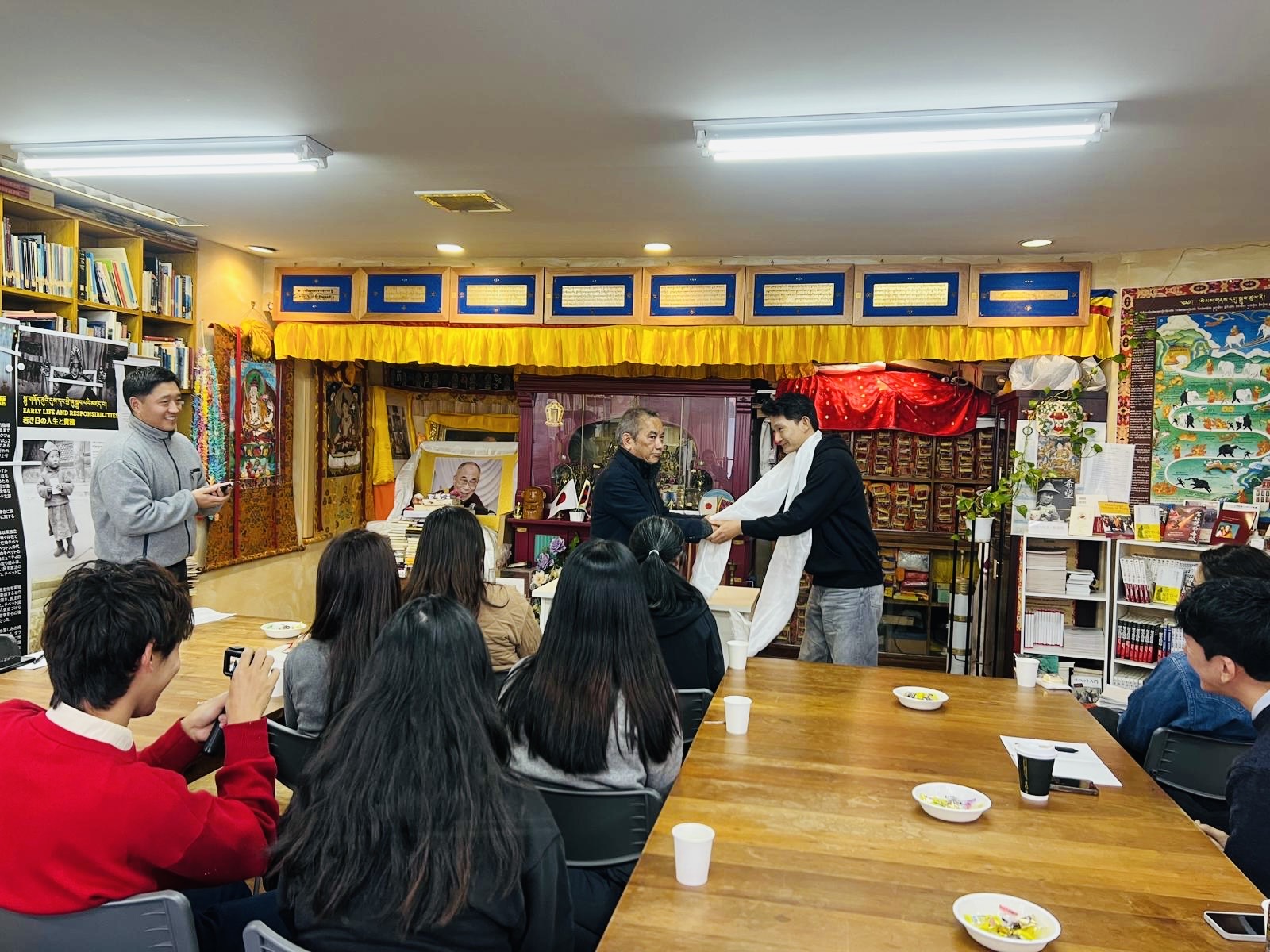
Pema Gyaltsen, the incumbent coordinator of the CIT Alumni, briefly updated the group’s activities and introduced the newly elected Alumni coordinator, Tenzin Tsungmey, and the co-coordinators: Tenzin Paldon and Tenzin Dadul. Representative Arya presented Khatas to both the new and outgoing coordinators.
In the second part of the workshop, the participants actively engaged in discussions covering promotion of Tibetan cultural awareness; contributions made by the community so far; the future of Tibetans in Japan; and ways to strengthen connections between Japan and Tibet. The participants were divided into three groups to discuss the issues and make presentations at the end.
The participants came up with good suggestions and opinions on how effectively they could contribute to raising Tibet awareness in the regions and how they all could help inform Tibetans in India, Nepal, and Bhutan to study and work in Japan. It was encouraged to participate in Tibet Advocacy (VTAG), SFT, and Tibetan Youth Congress activities.
Tashi Yangzom, Secretary of the Tibet House, moderated the event. Tibet House Japan hosted lunch for the participants at the end.
-Report filed by the Office of Tibet, Japan