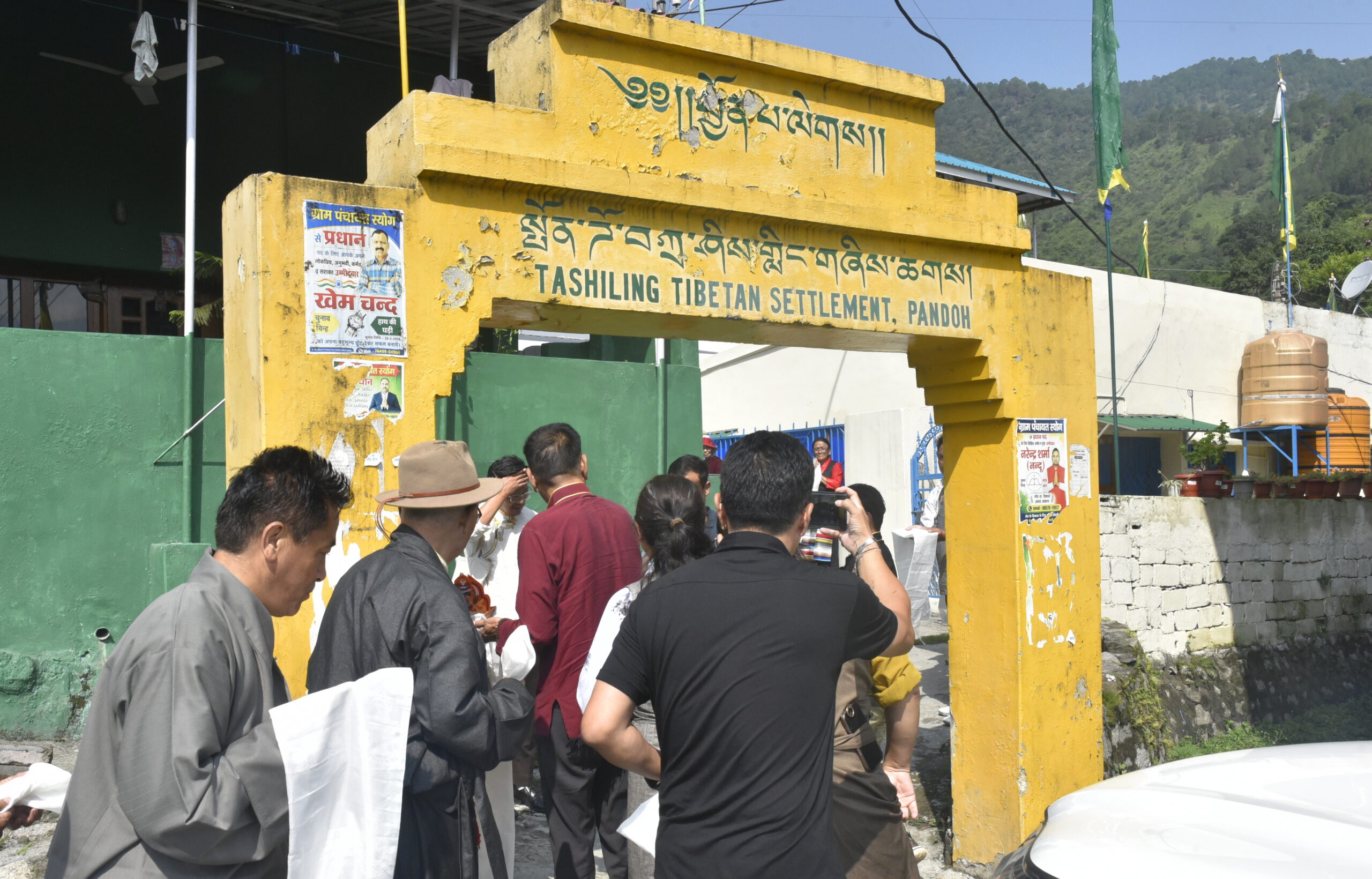
Mandi, Himachal Pradesh: Following the completion of his official assessment visits to Tibetan communities in Kullu and Manali, Sikyong Penpa Tsering continued his official assessment tour to Pandoh Tashiling Tibetan Settlement en route to Mandi on 15 July 2026.
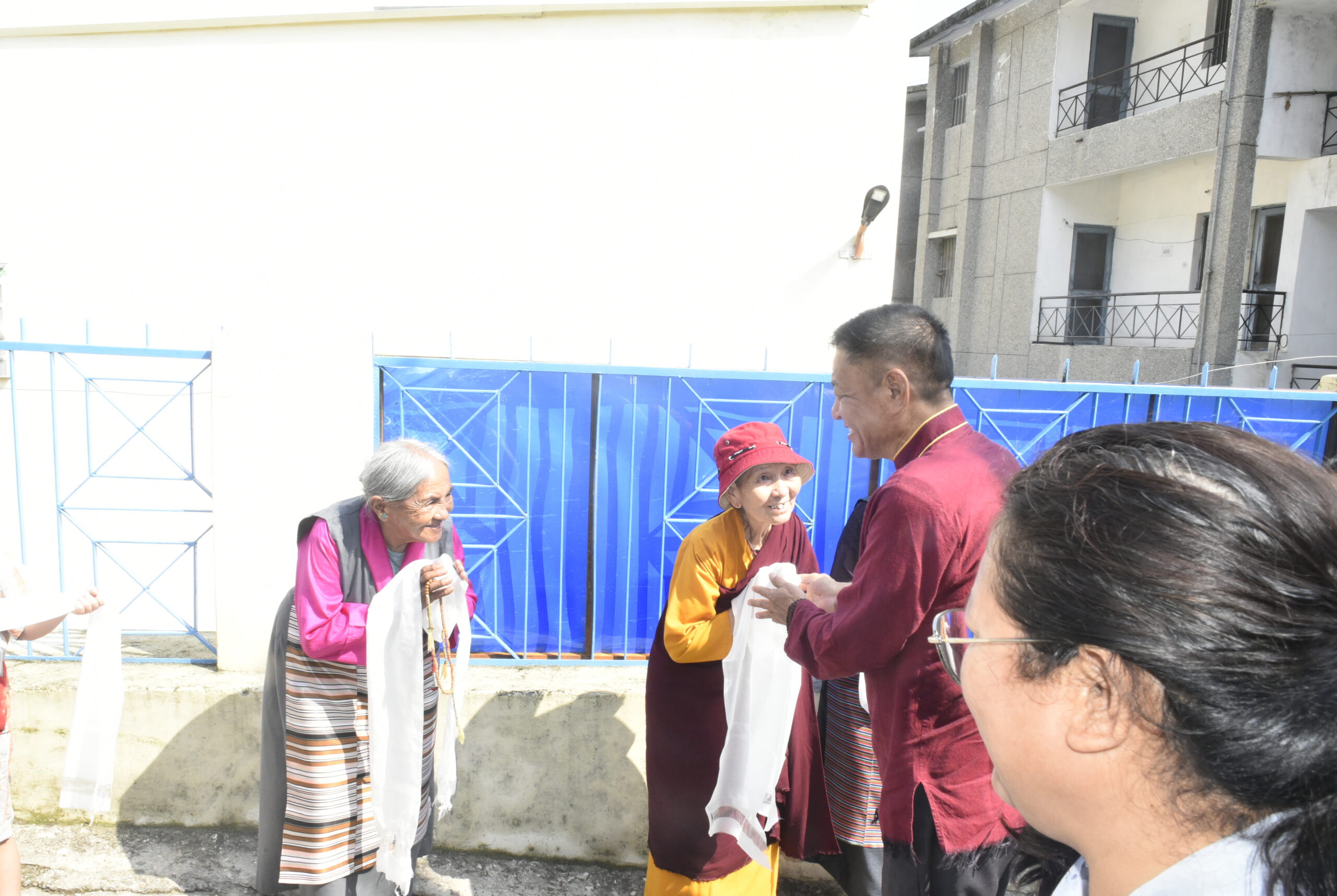
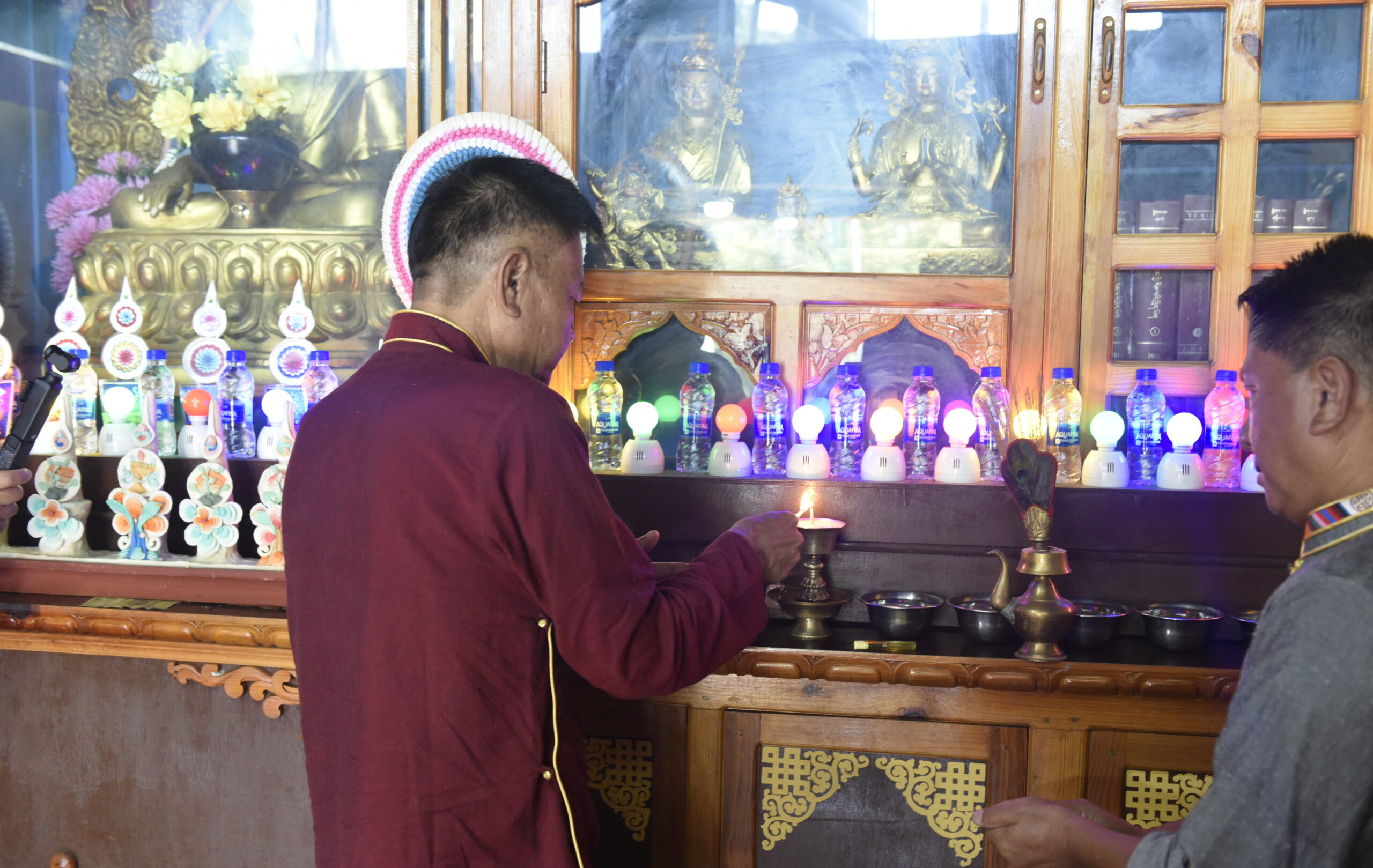
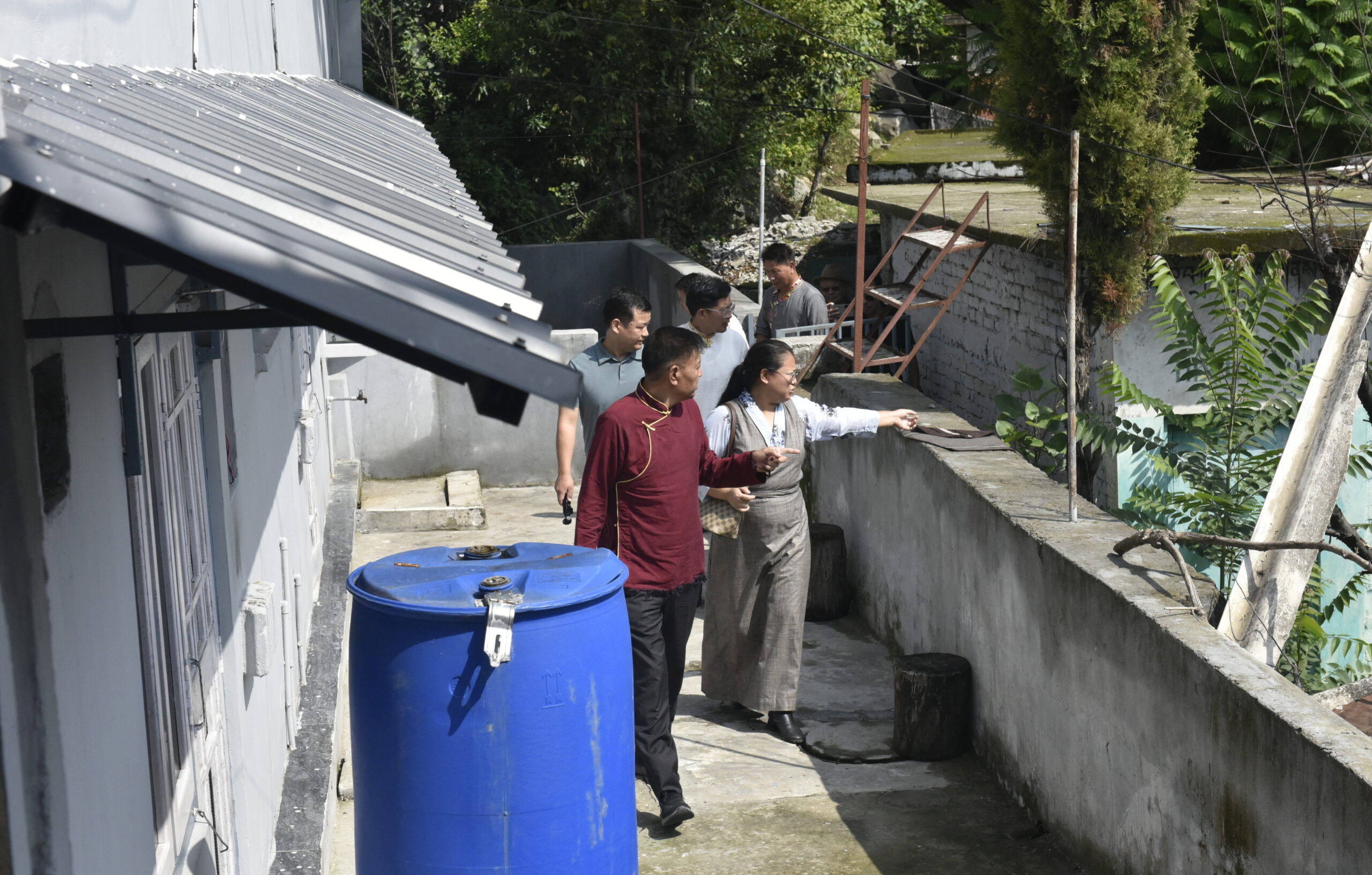
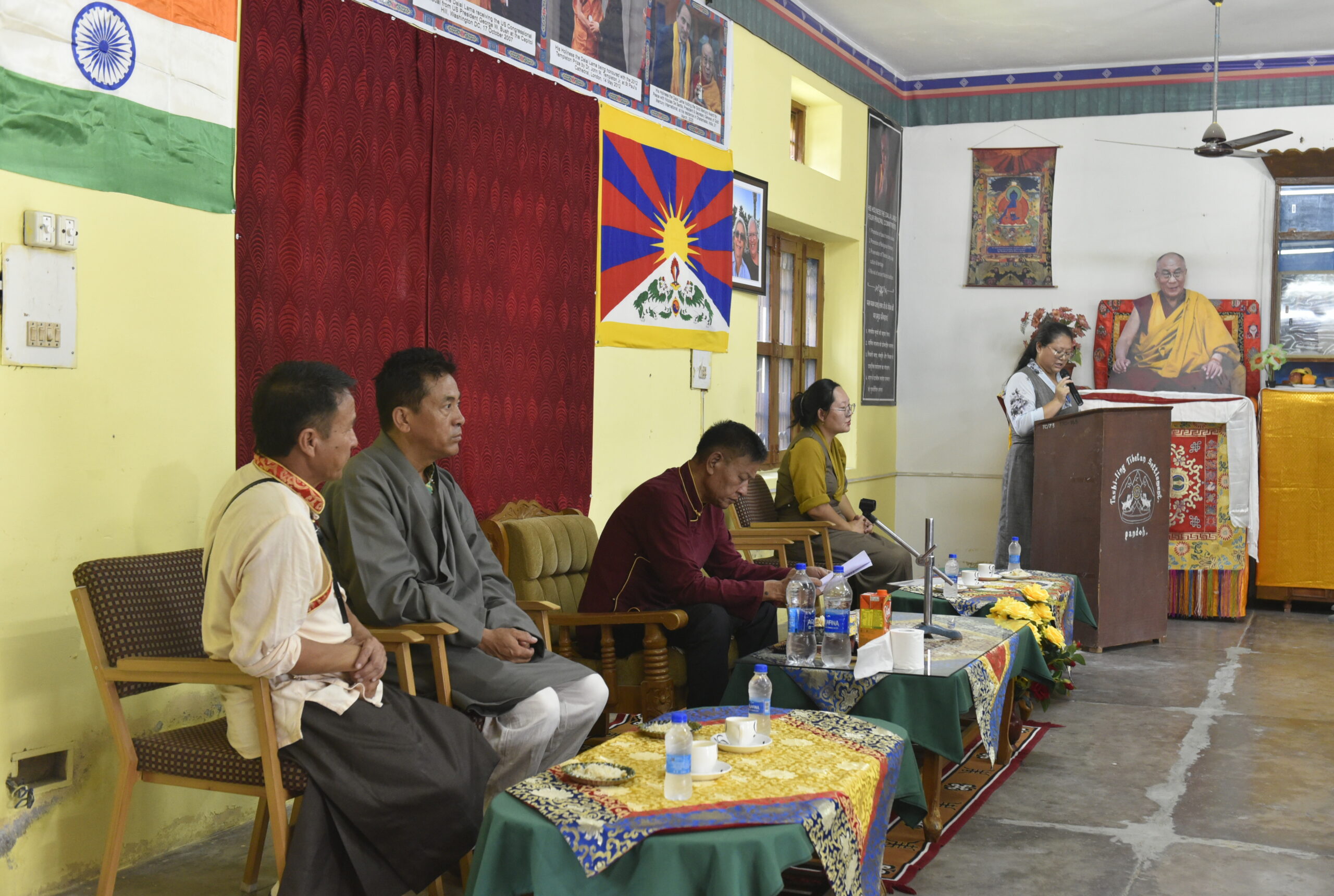
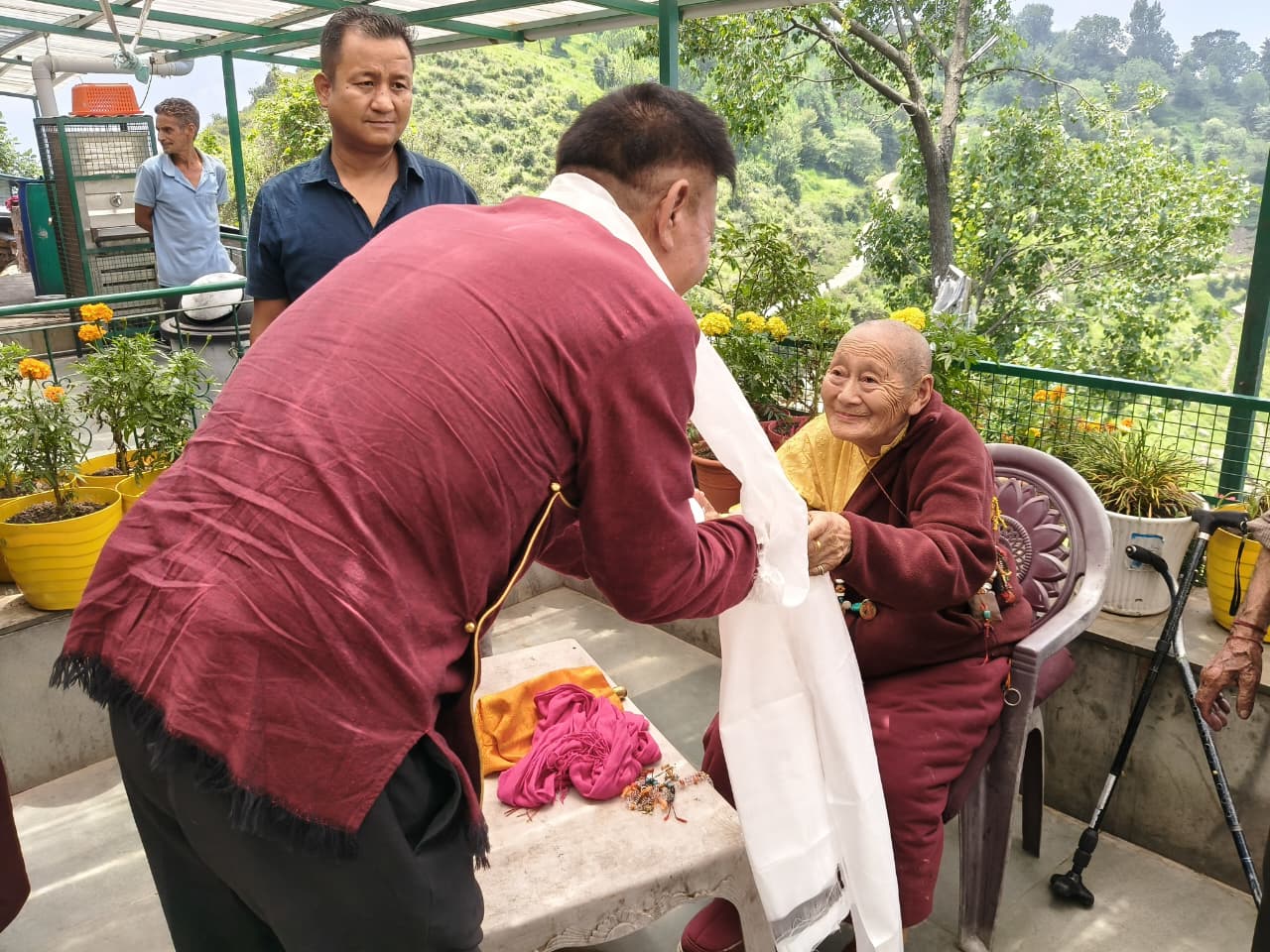
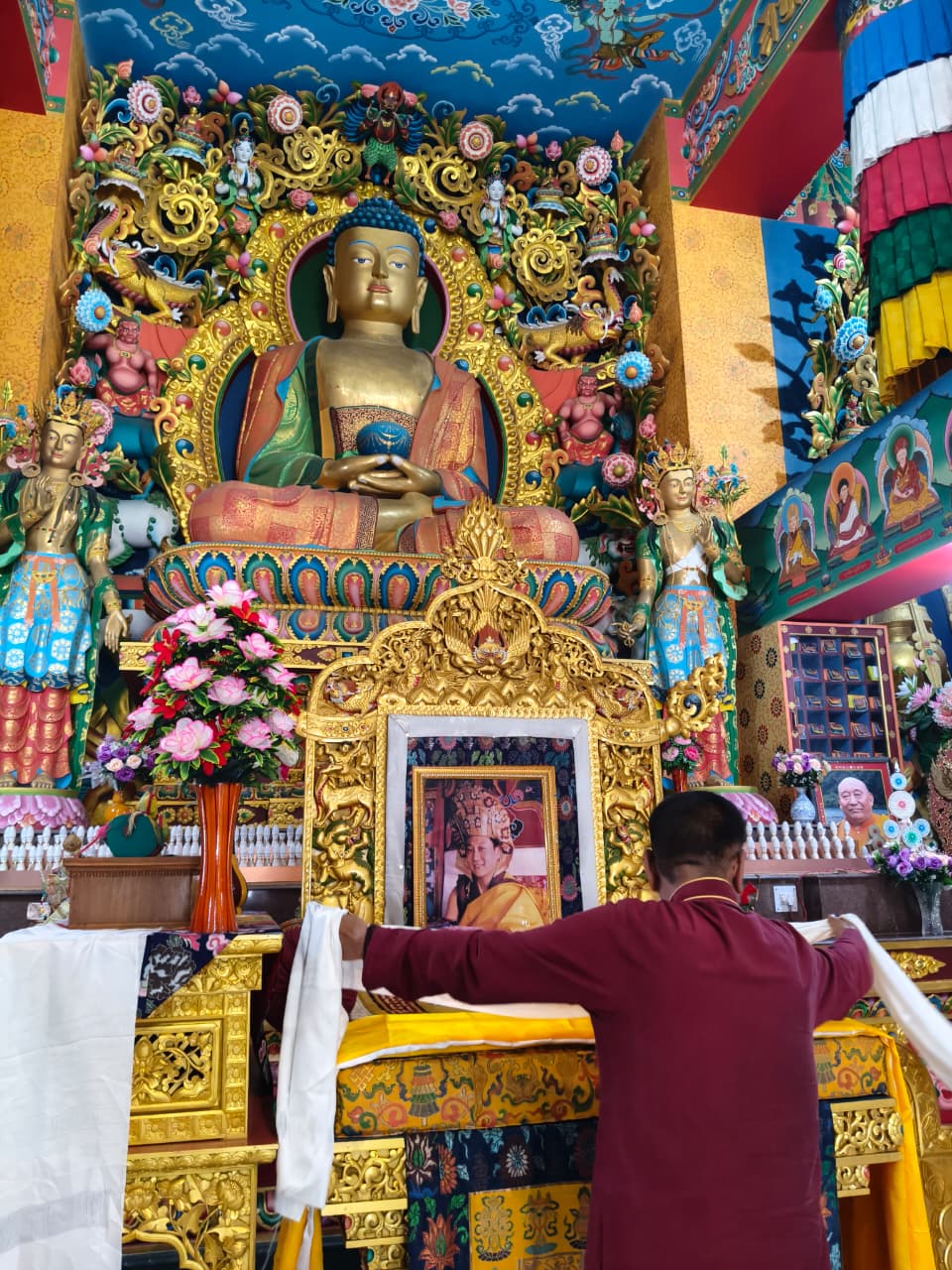
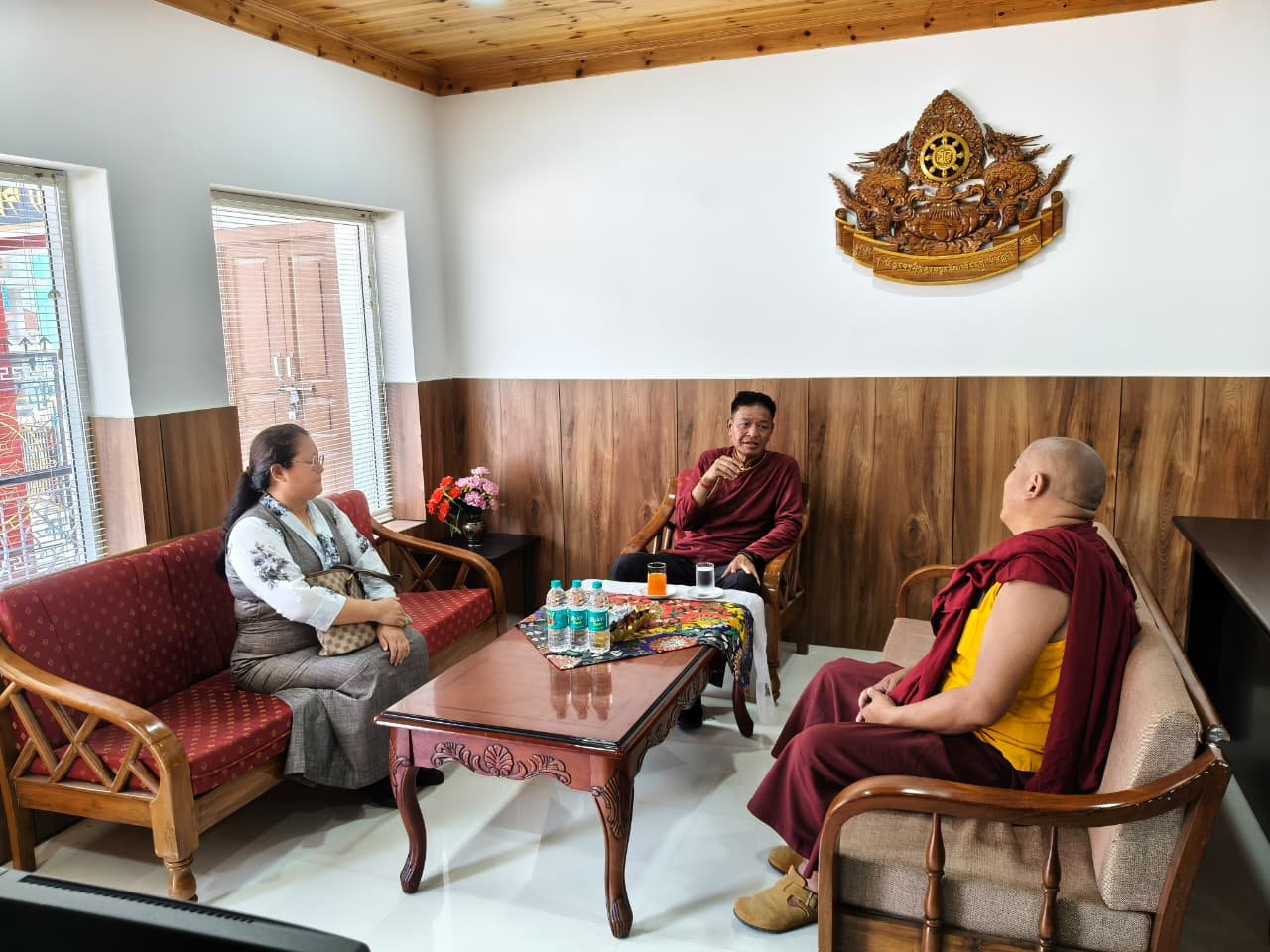
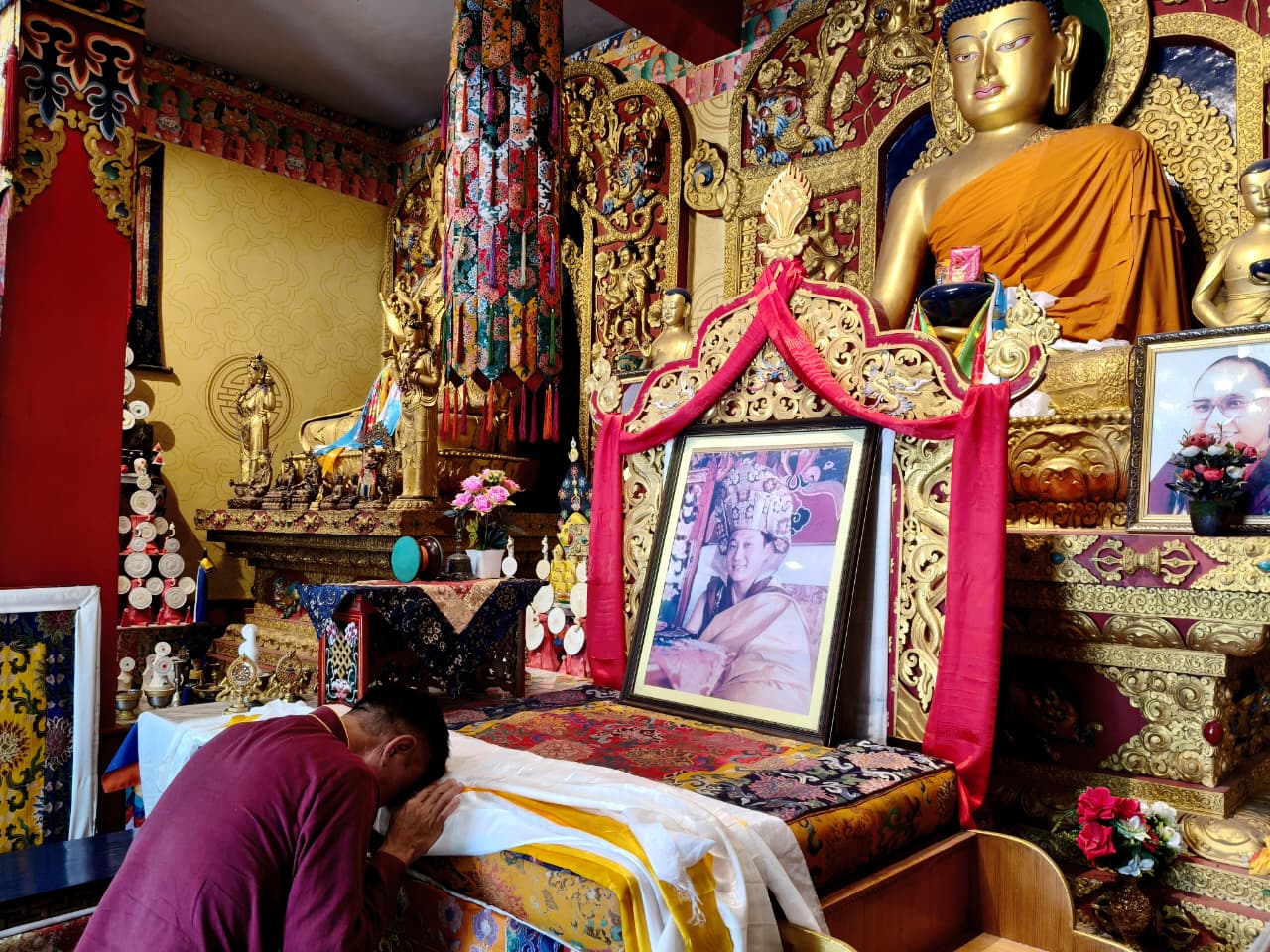
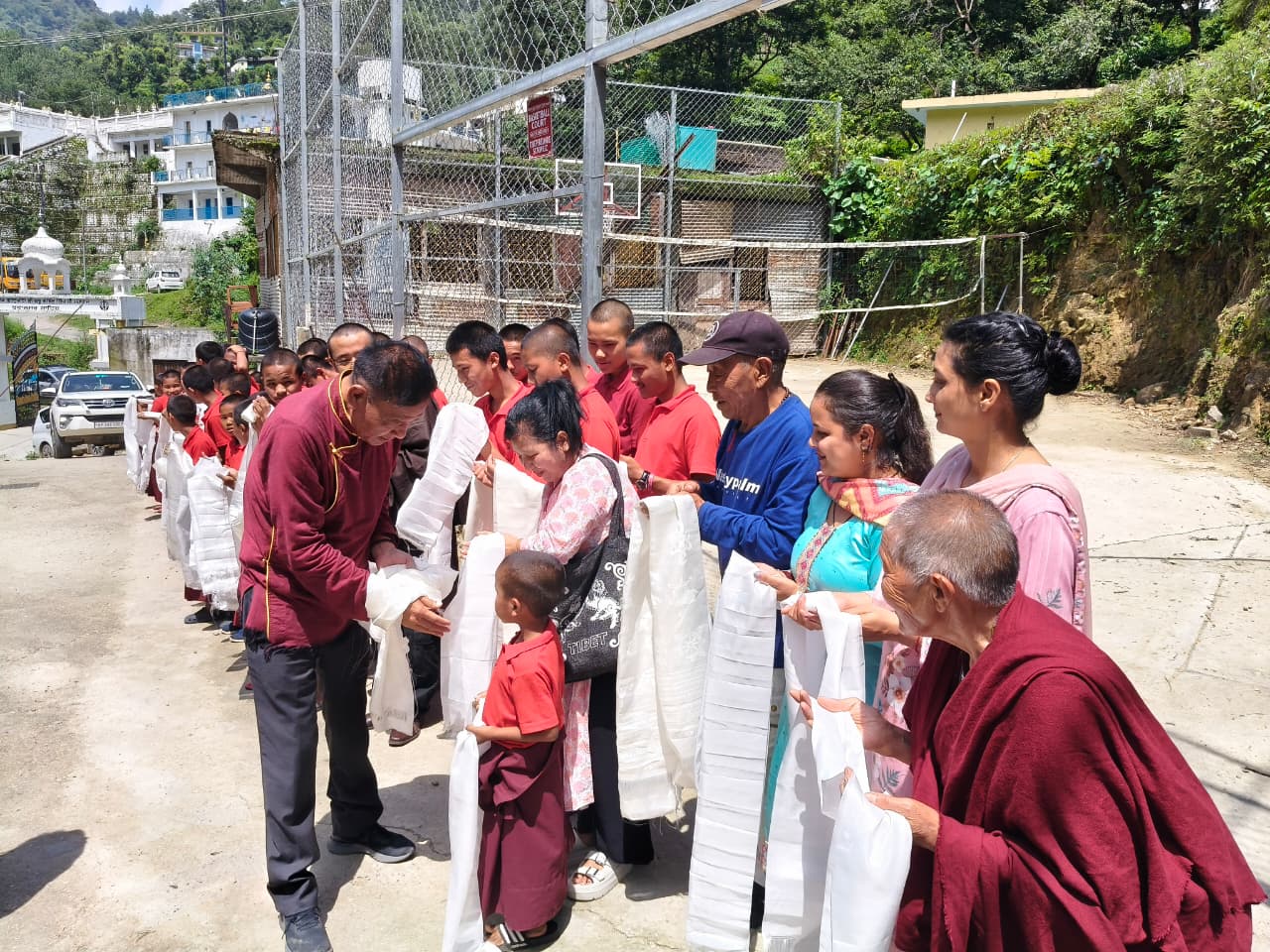
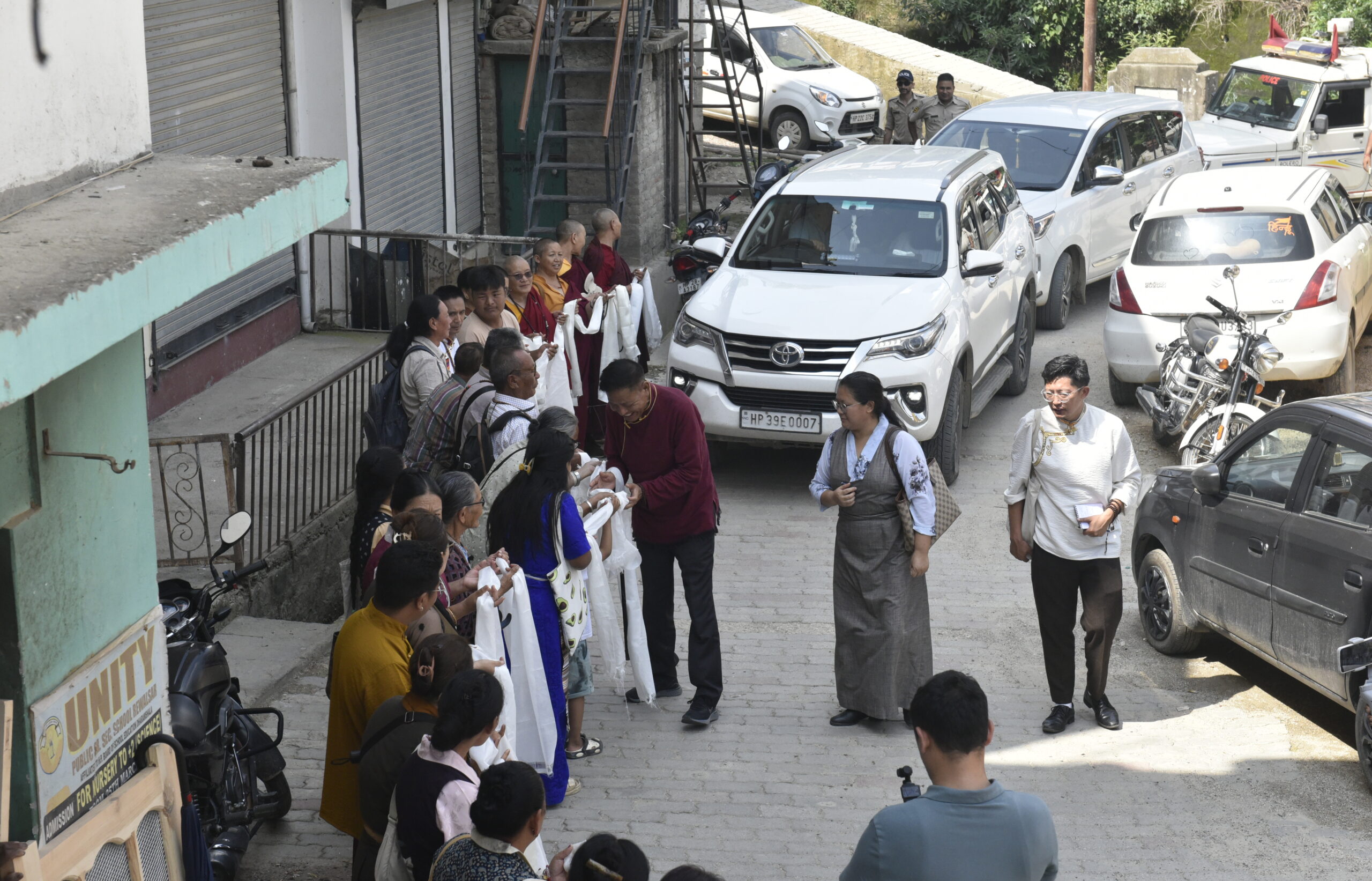
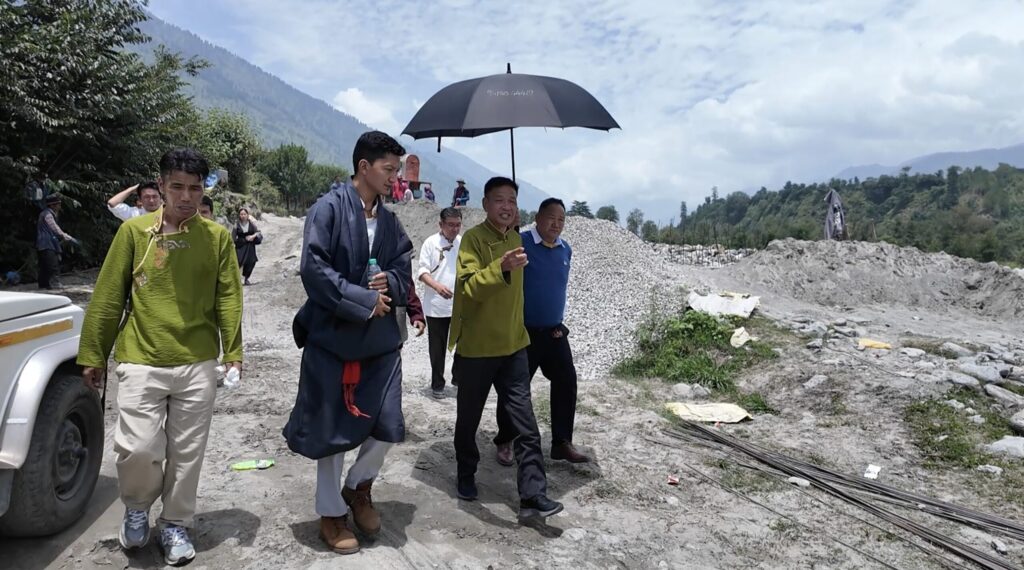
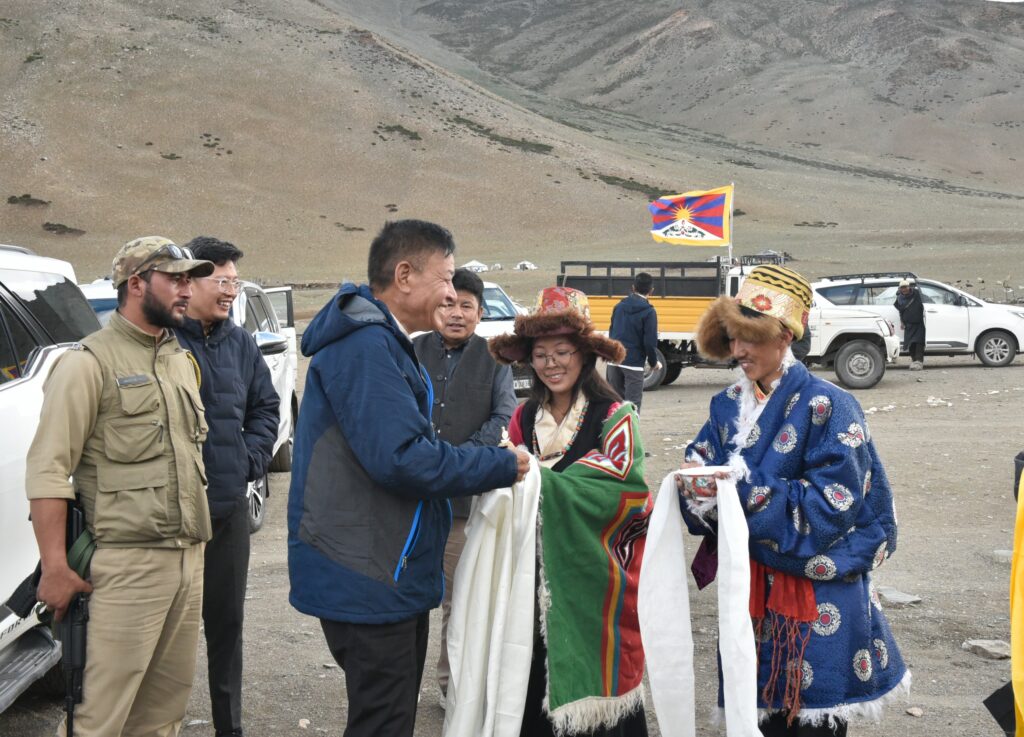
Upon his arrival, Sikyong was warmly received by Settlement Officer Jamyang Dolma, Local Tibetan Assembly Vice Chair Yeshi Dorjee, Rewalsar Coordinator Tenzin Palden, and members of the settlement. During his visit, he paid obeisance at Jangchup Lhakhang and inspected the Pandoh Tashiling Tibetan Settlement residential quarters, the Local Tibetan Assembly Hall, and the Tibetan Settlement Office.
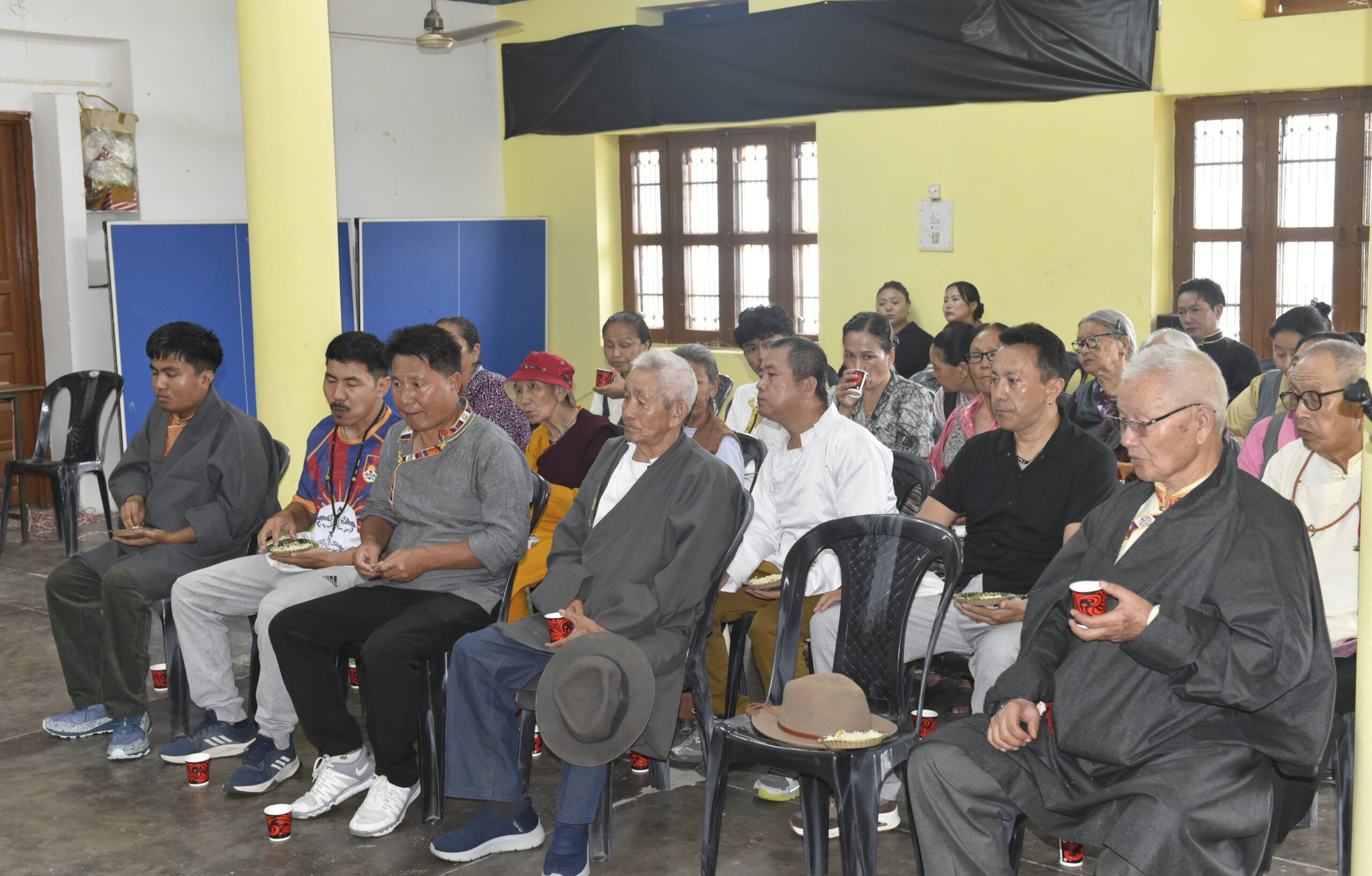
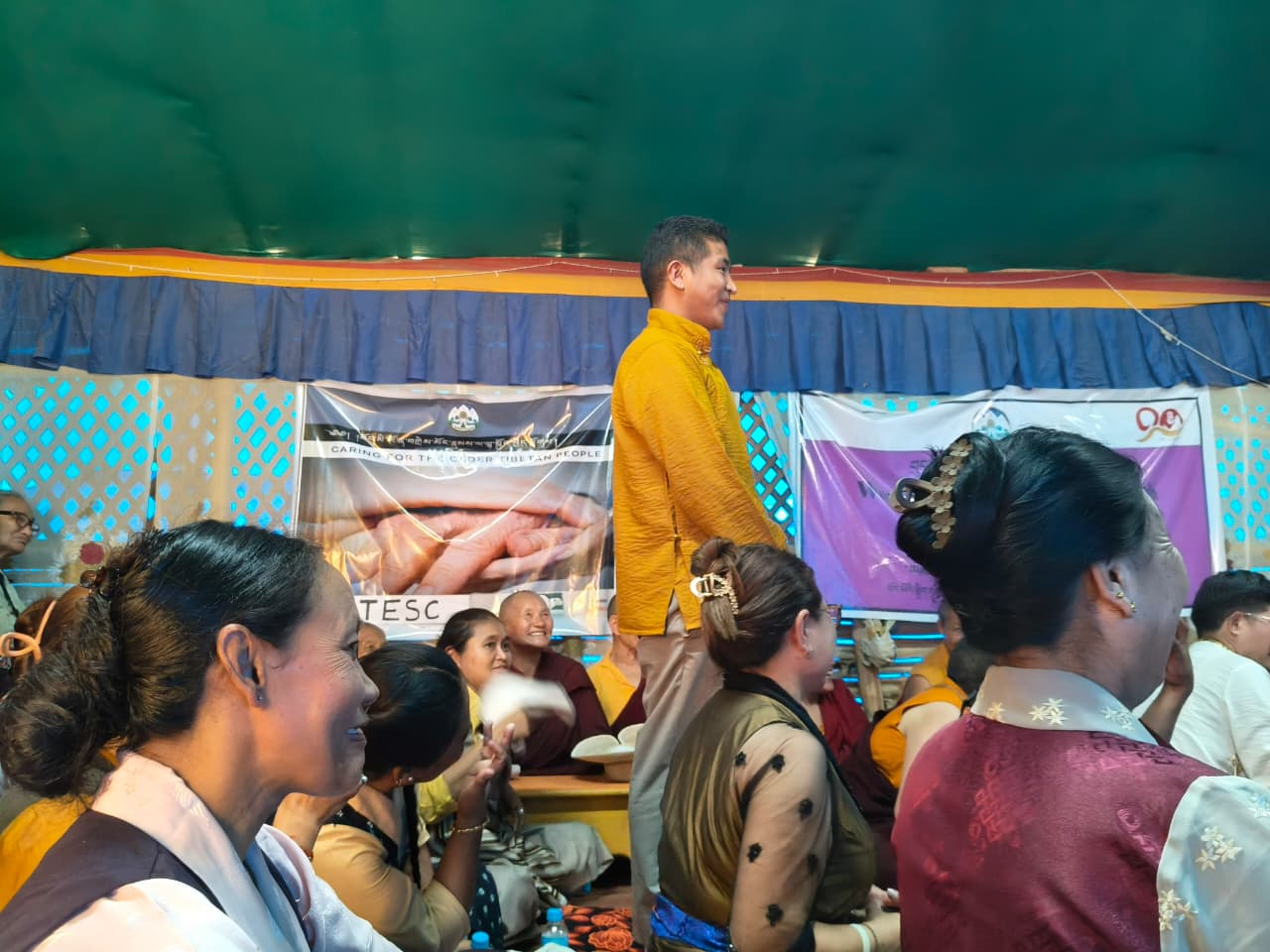
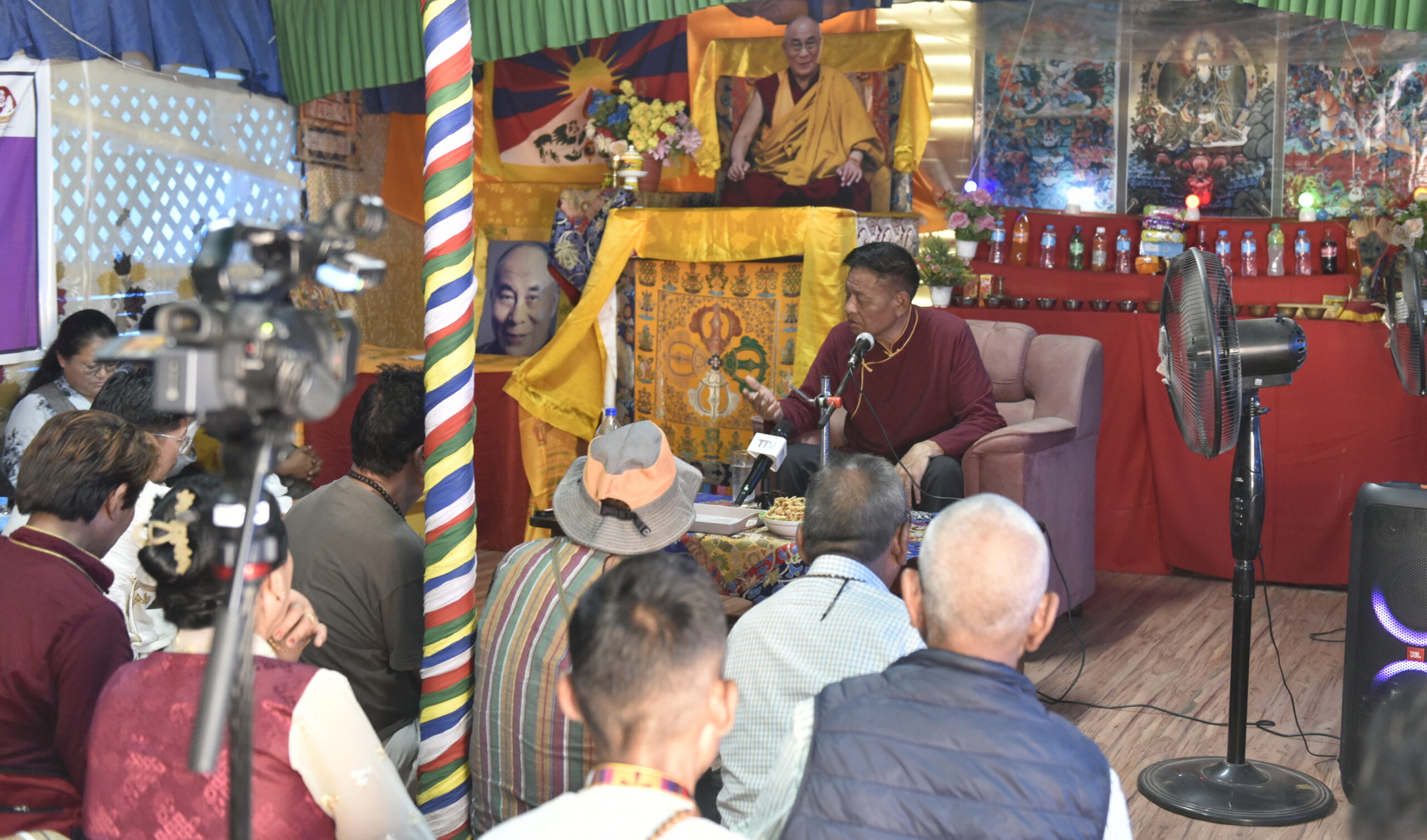
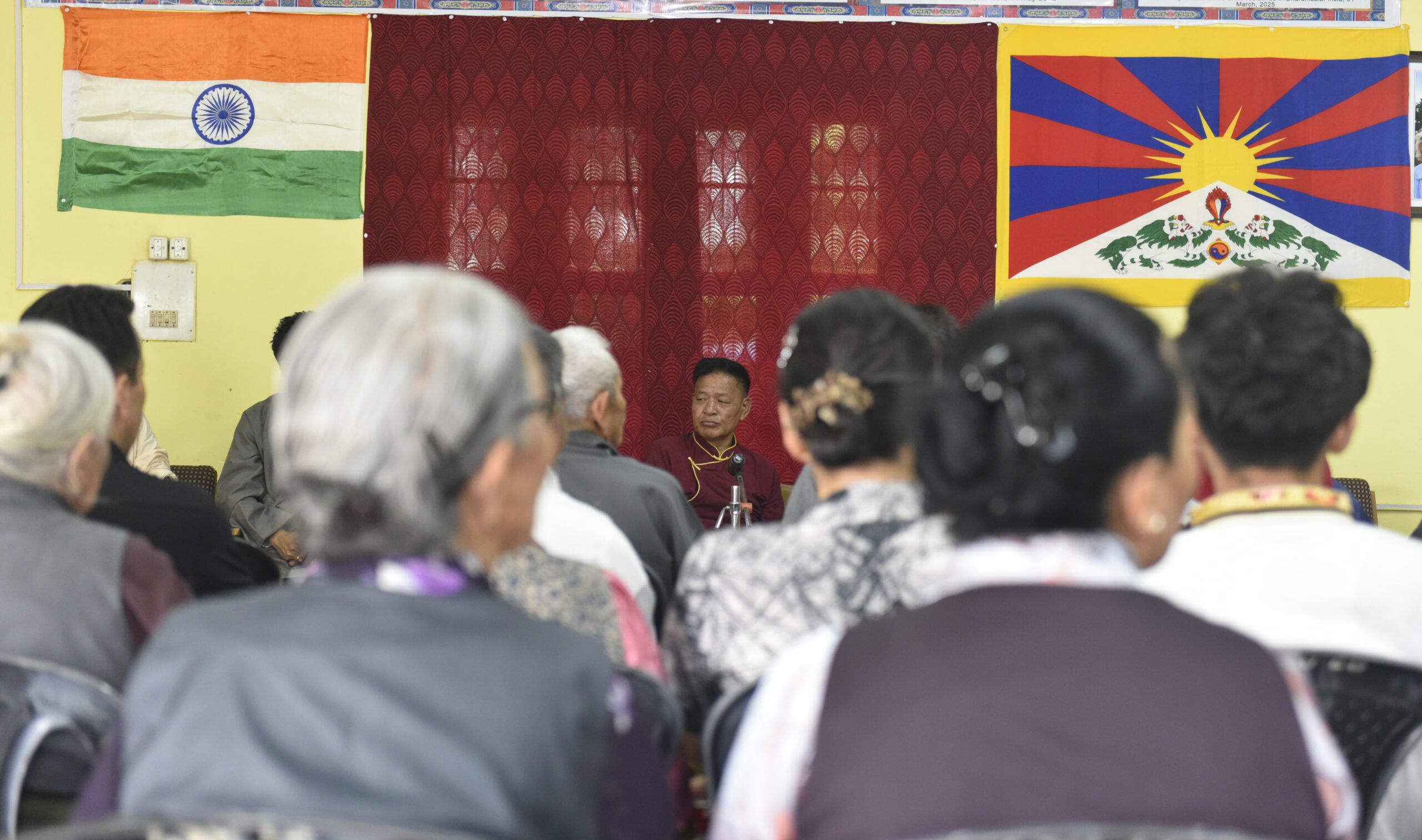
Addressing the gathering, Sikyong urged Tibetans to make the best use of the support and opportunities provided by the Central Tibetan Administration (CTA) and its sponsors for the welfare and development of the Tibetan community. He stressed the importance of safeguarding these resources and using them responsibly for the benefit of future generations.
He noted that the continued progress of the Tibetan community depends on the active participation and cooperation of every individual in preserving Tibetan identity, culture, and heritage while adapting to changing circumstances.
Reaffirming the CTA’s unwavering commitment to the Tibetan freedom struggle, Sikyong called on Tibetans to remain united under the guidance and leadership of His Holiness the 14th Dalai Lama. He expressed profound gratitude to His Holiness for his lifelong service and sacrifices for the Tibetan people, emphasising that unity among Tibetans remains essential to advancing the common cause.
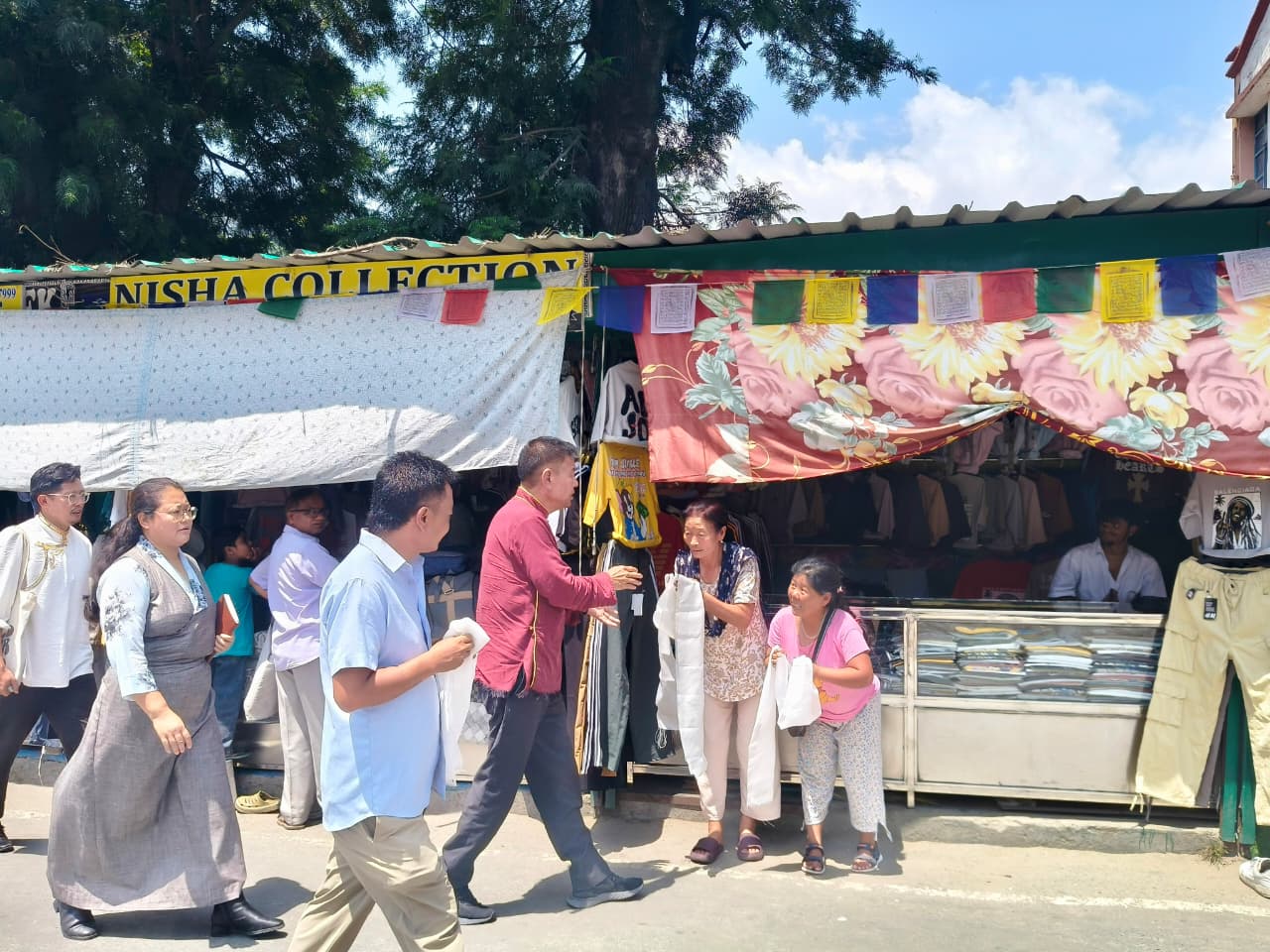
On his way to Rewalsar, Sikyong met and interacted with local Tibetans engaged in small businesses in the Mandi market area.
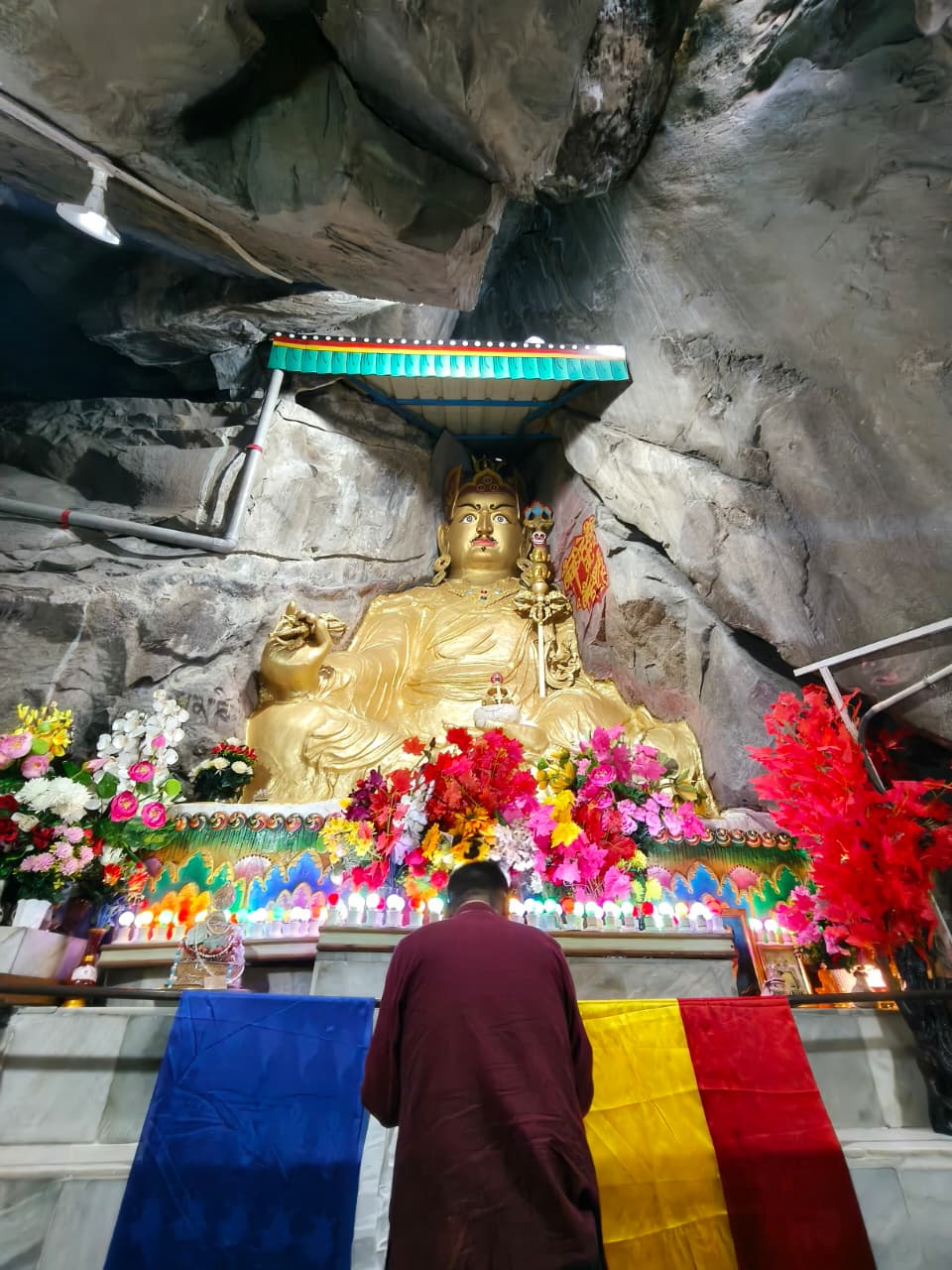
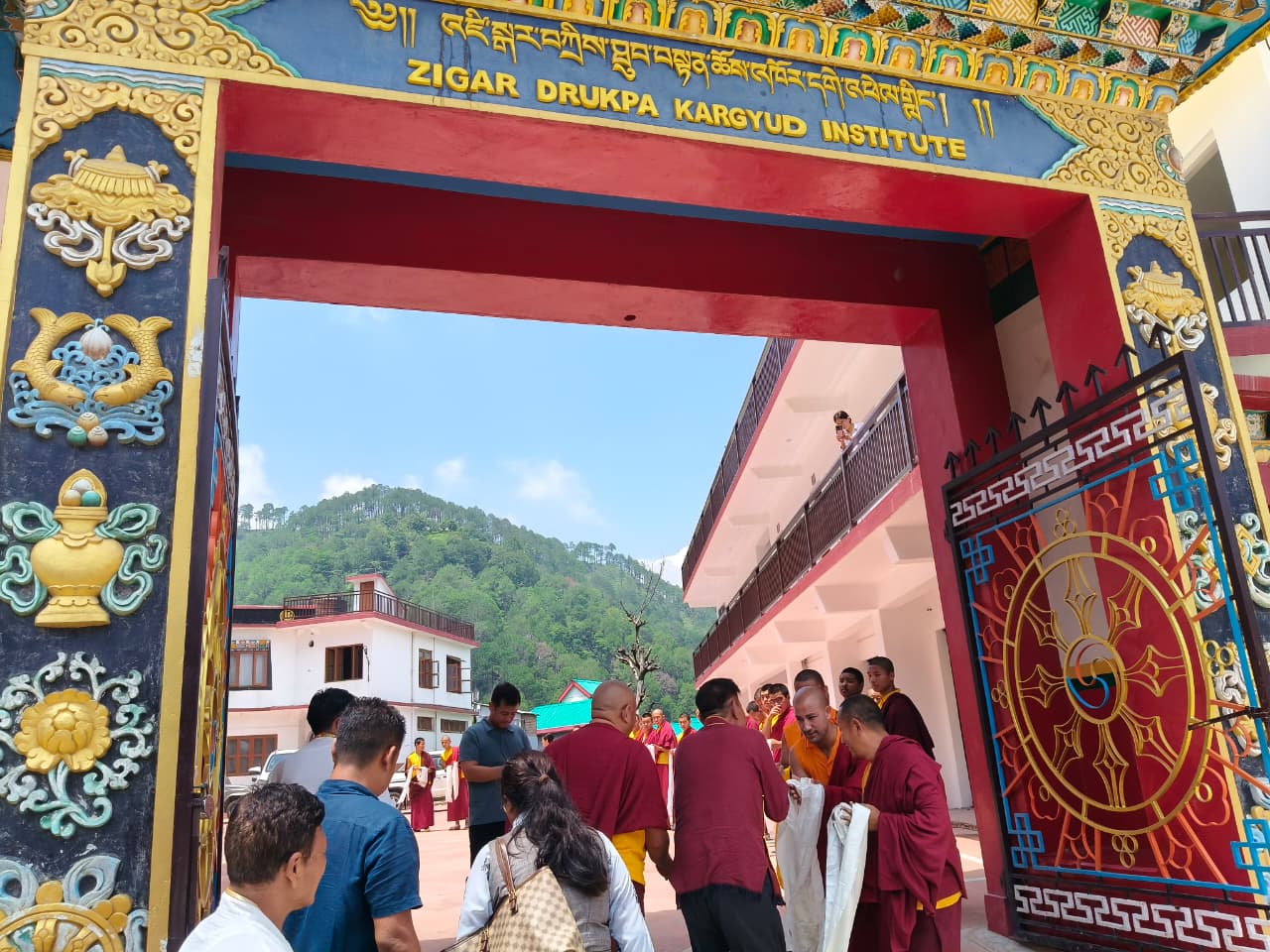
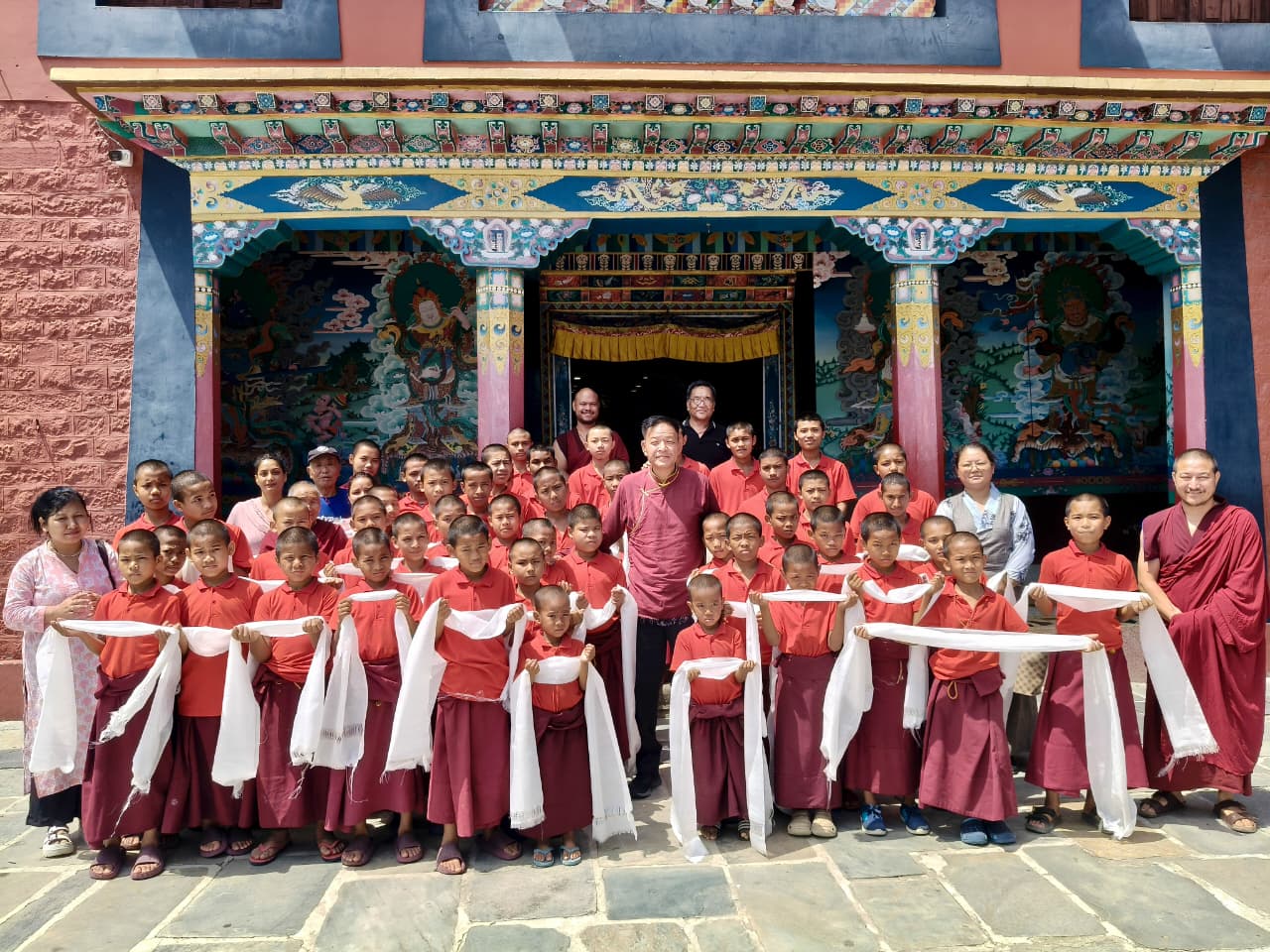
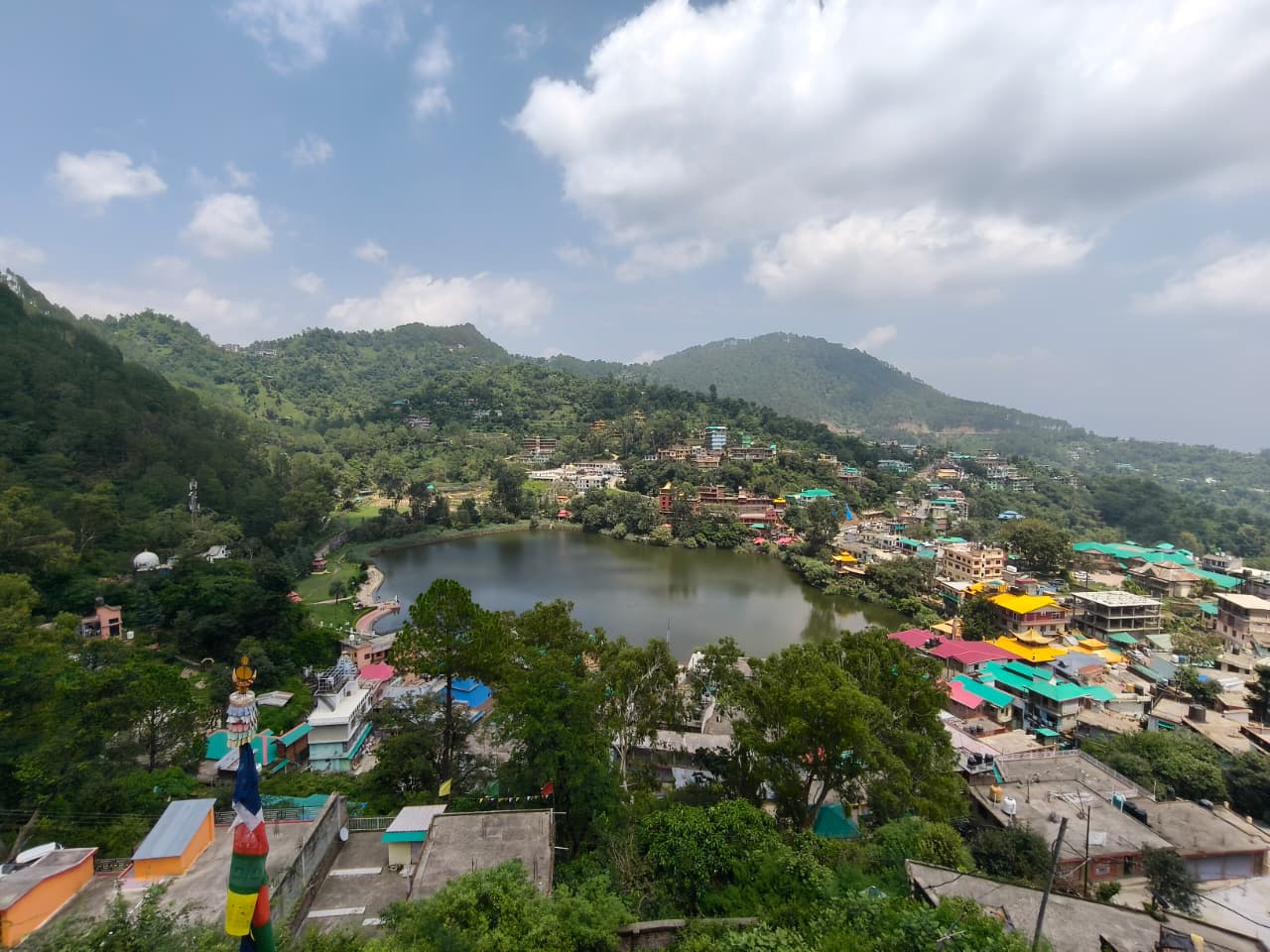
Upon arriving in Rewalsar, he visited the sacred statue of Guru Padmasambhava (Guru Rinpoche), the Nyingma Monastery, Zangdok Palri Monastery, and the Drikung Kagyu Monastery.
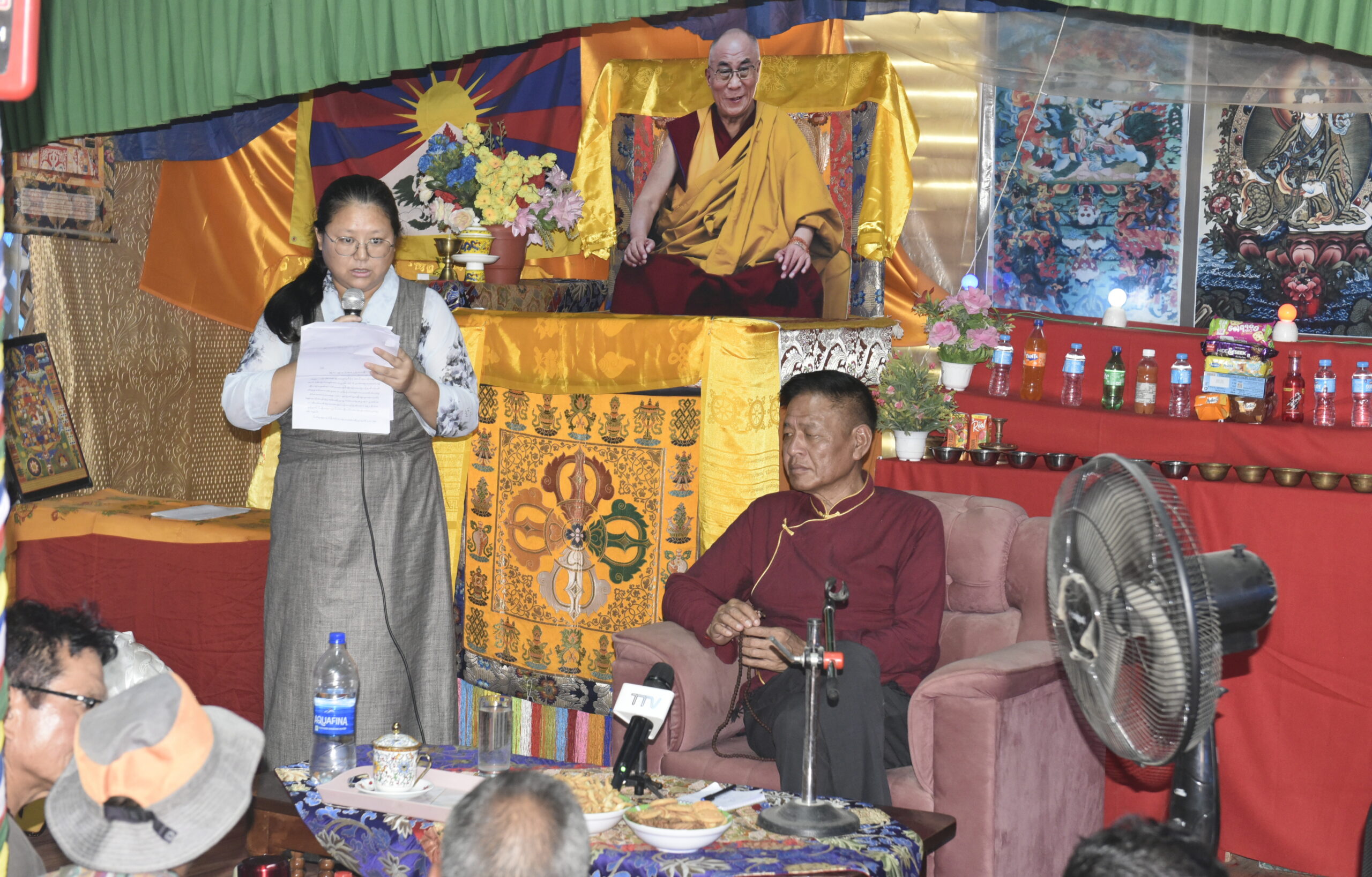
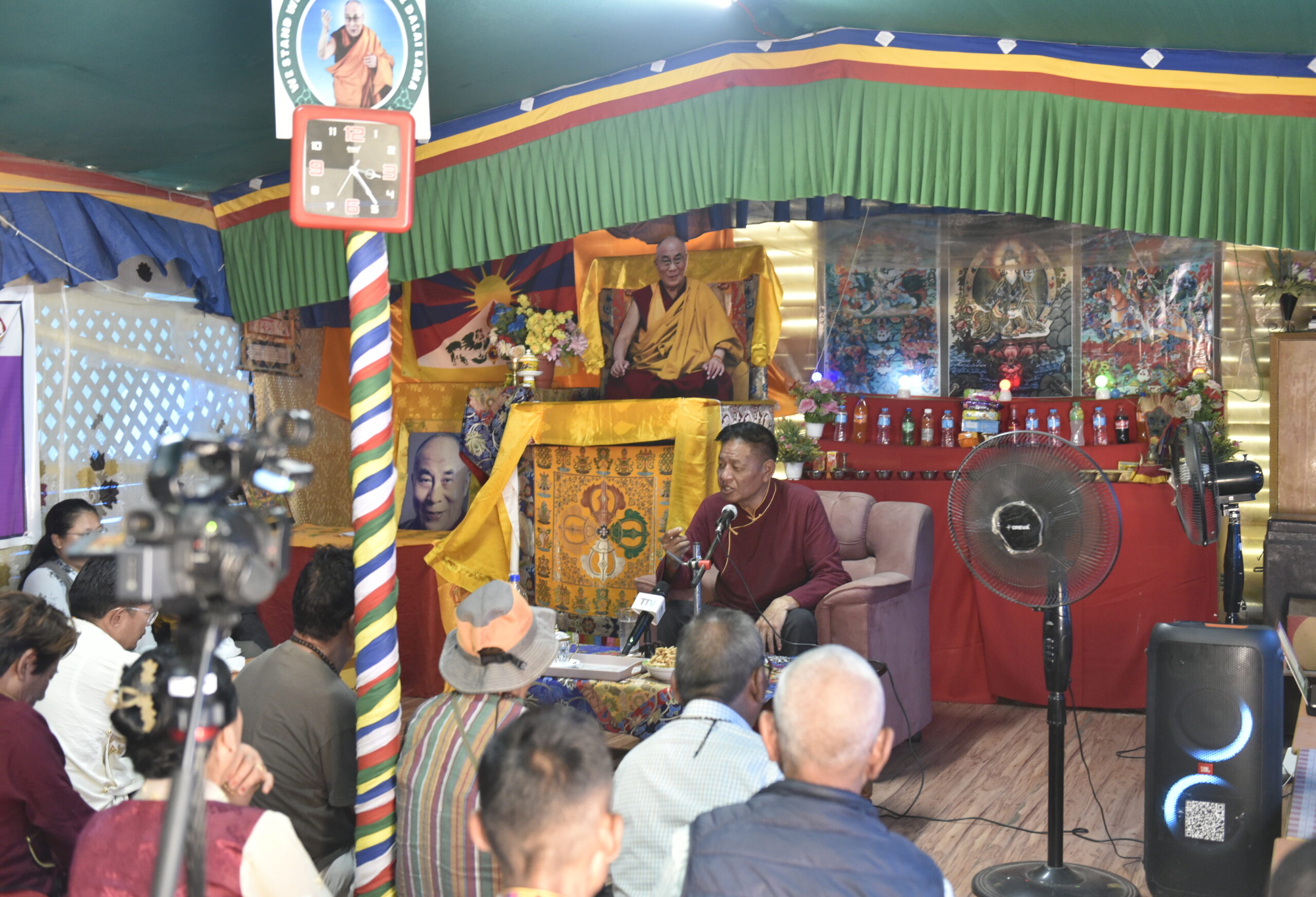
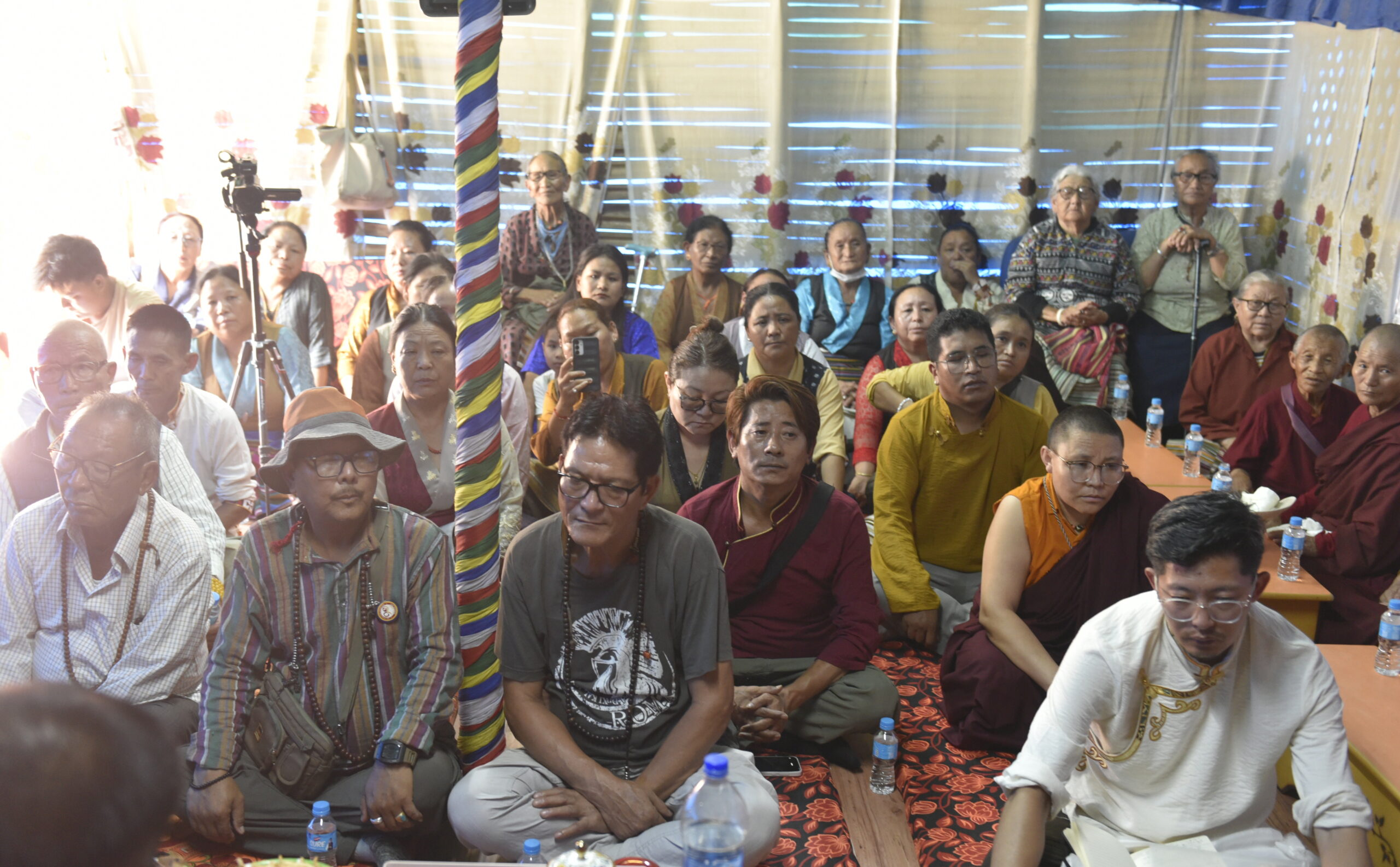
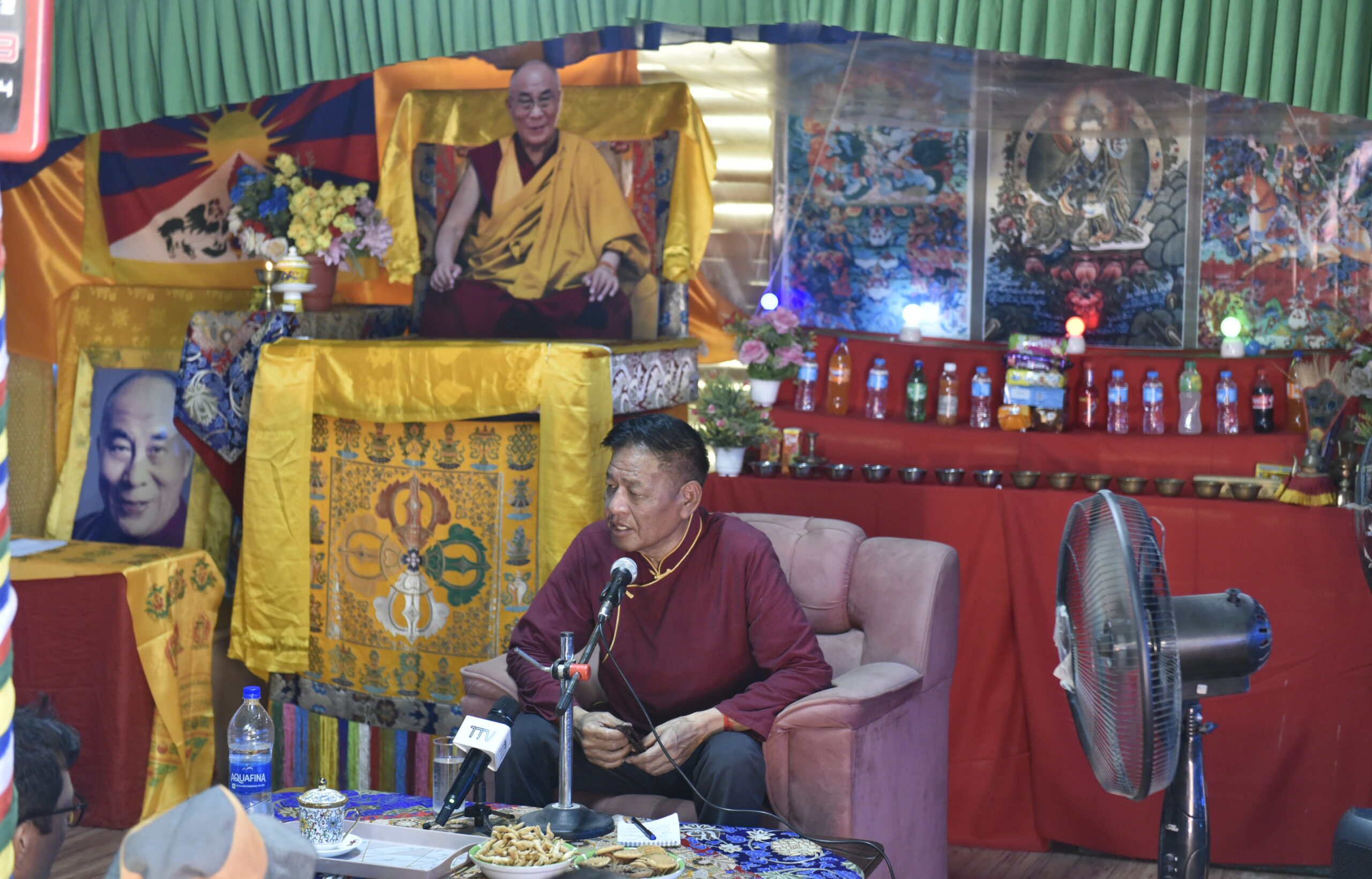
Later, addressing the Tibetan community in Rewalsar, Sikyong spoke about the Tibetan freedom struggle, the importance of collective responsibility for the welfare of the Tibetan community, and the need to preserve unity and strengthen the Tibetan cause under the guidance and leadership of His Holiness the 14th Dalai Lama.
He also underscored the importance of respecting and properly displaying the Tibetan national flag and other national symbols in accordance with the recently issued directives. Encouraging Tibetans to remain informed about international affairs and developments inside Tibet, he said that an informed community is better equipped to advocate effectively for the Tibetan cause.
Reflecting on the early years of exile, Sikyong noted that when Tibetans first arrived in India following China’s occupation of Tibet, many believed their stay would be temporary and hoped to return to their homeland in the near future. Although decades have passed, he said, the CTA continues to work diligently to address the needs of the Tibetan people while making the best use of its available resources.
Sikyong further stated that the current Kashag remains committed to strengthening governance and improving community welfare, thereby enabling future administrations to devote greater attention to other long-term priorities.
Emphasising the importance of good governance, Sikyong said that efficient administration at every level—from local settlements to the Central Tibetan Administration—strengthens the overall functioning of the Tibetan administration and enhances its ability to serve the Tibetan people effectively.
Concluding his engagements in Pandoh Tashiling and Rewalsar, Sikyong departed for Bir Tibetan Settlement and TCV School, Chauntra, to continue his official assessment tour.