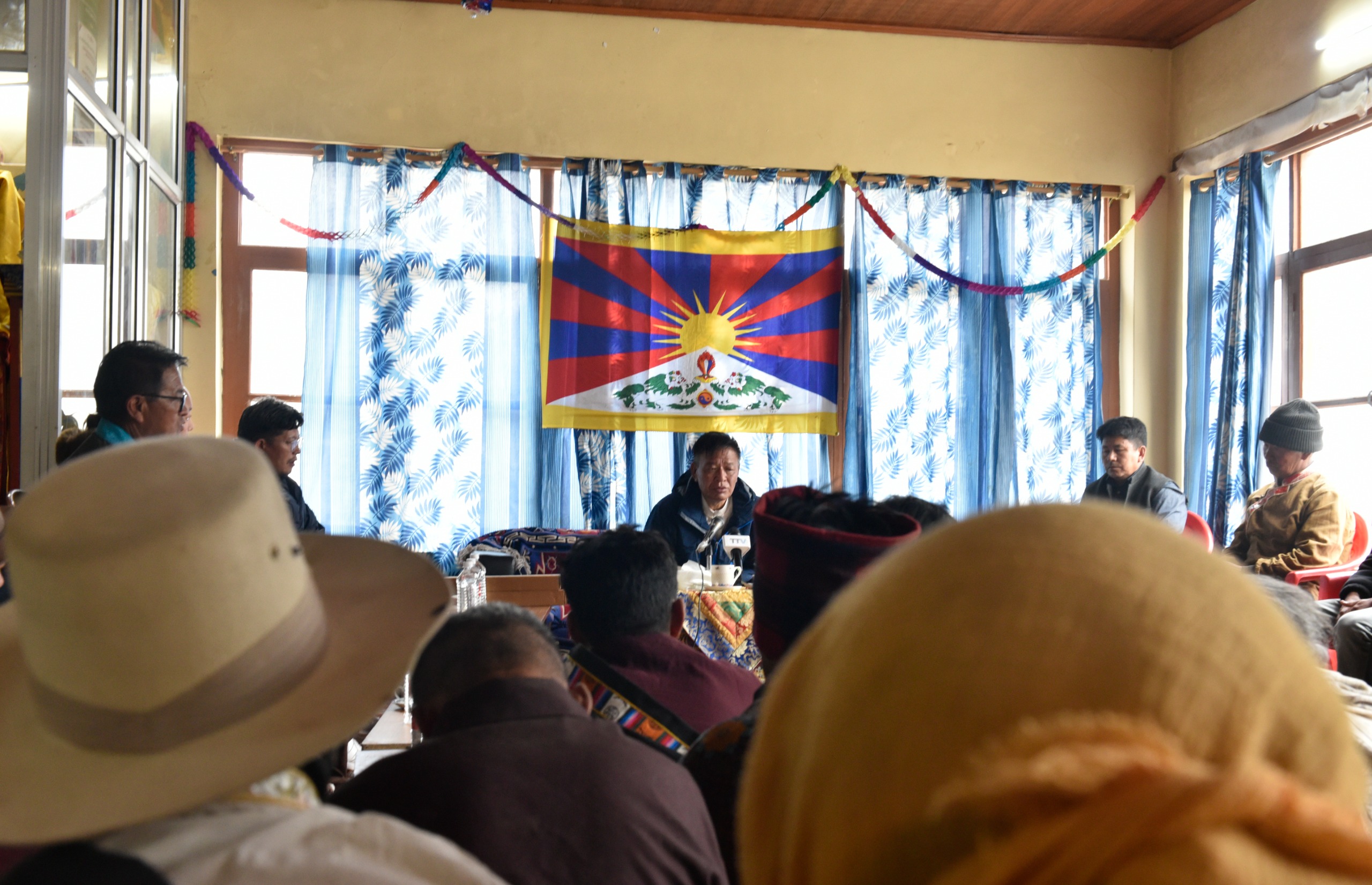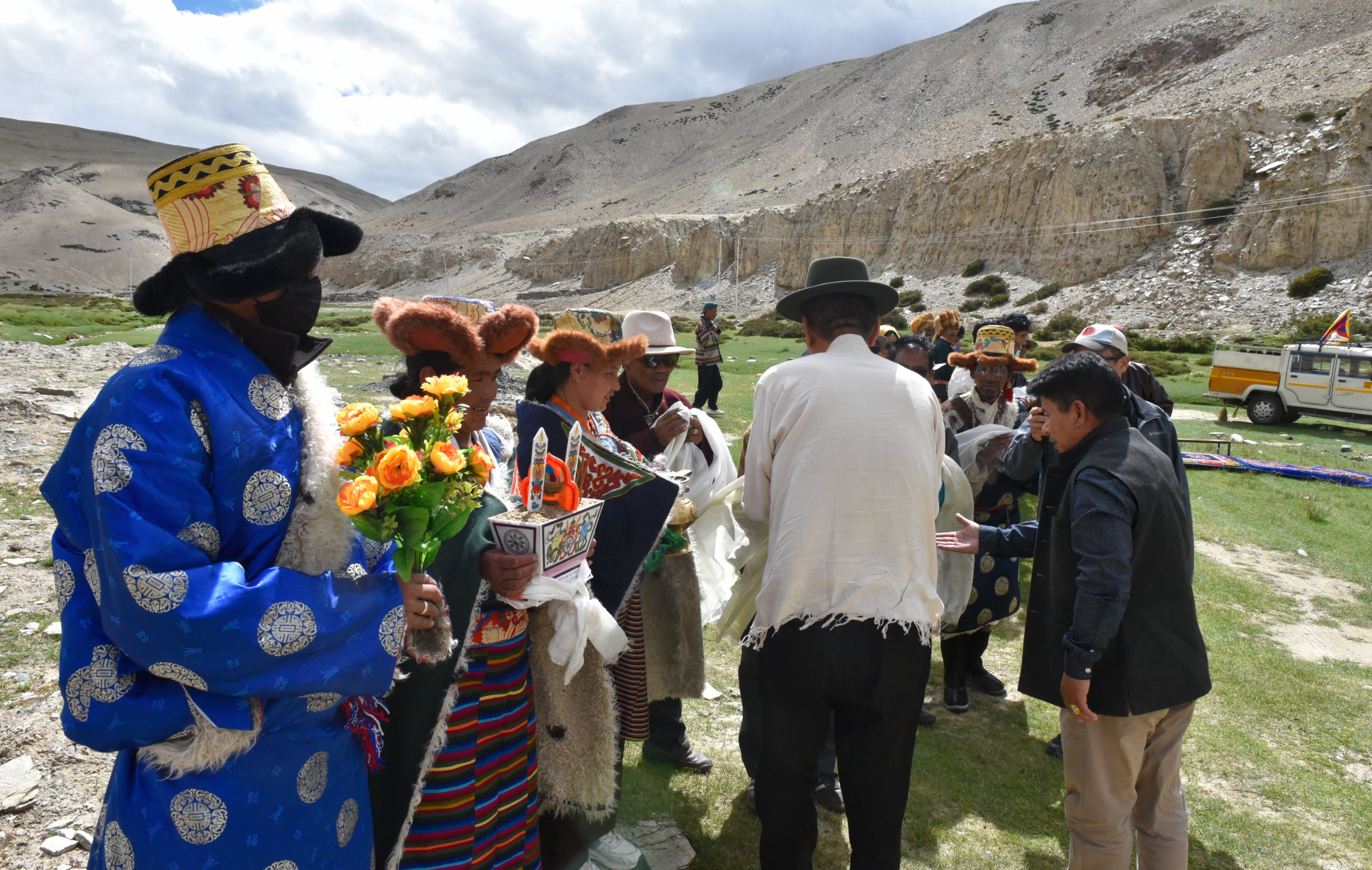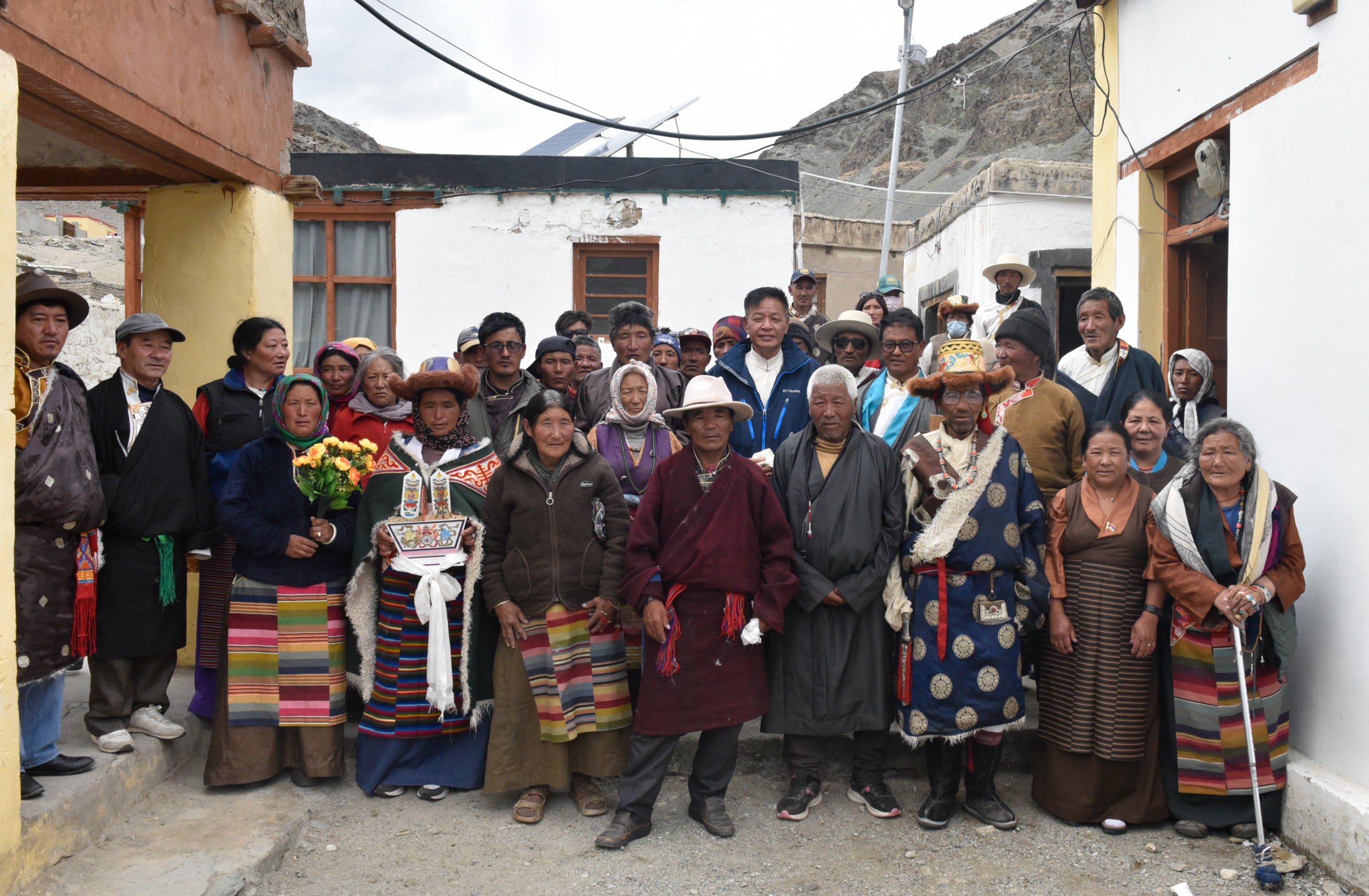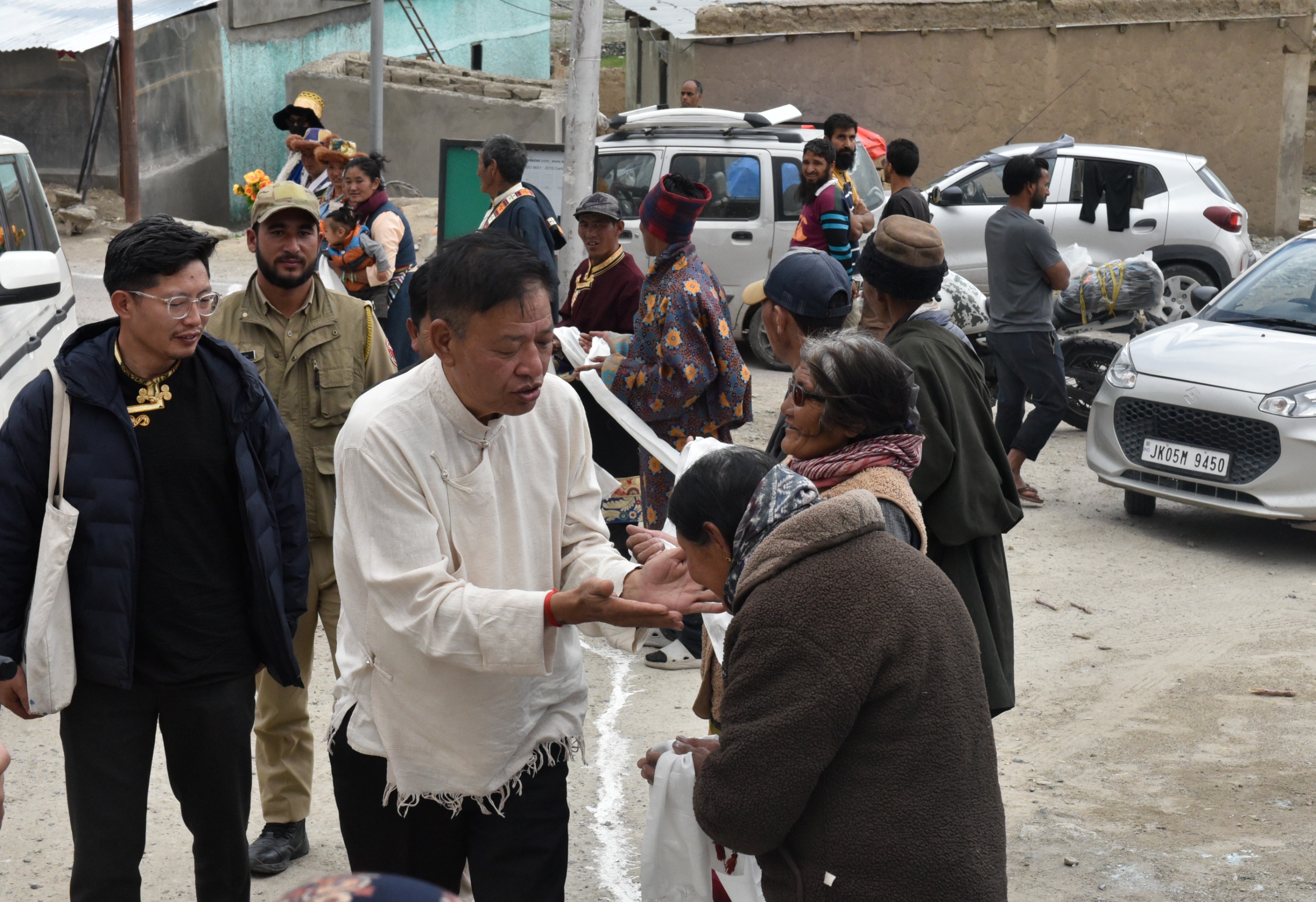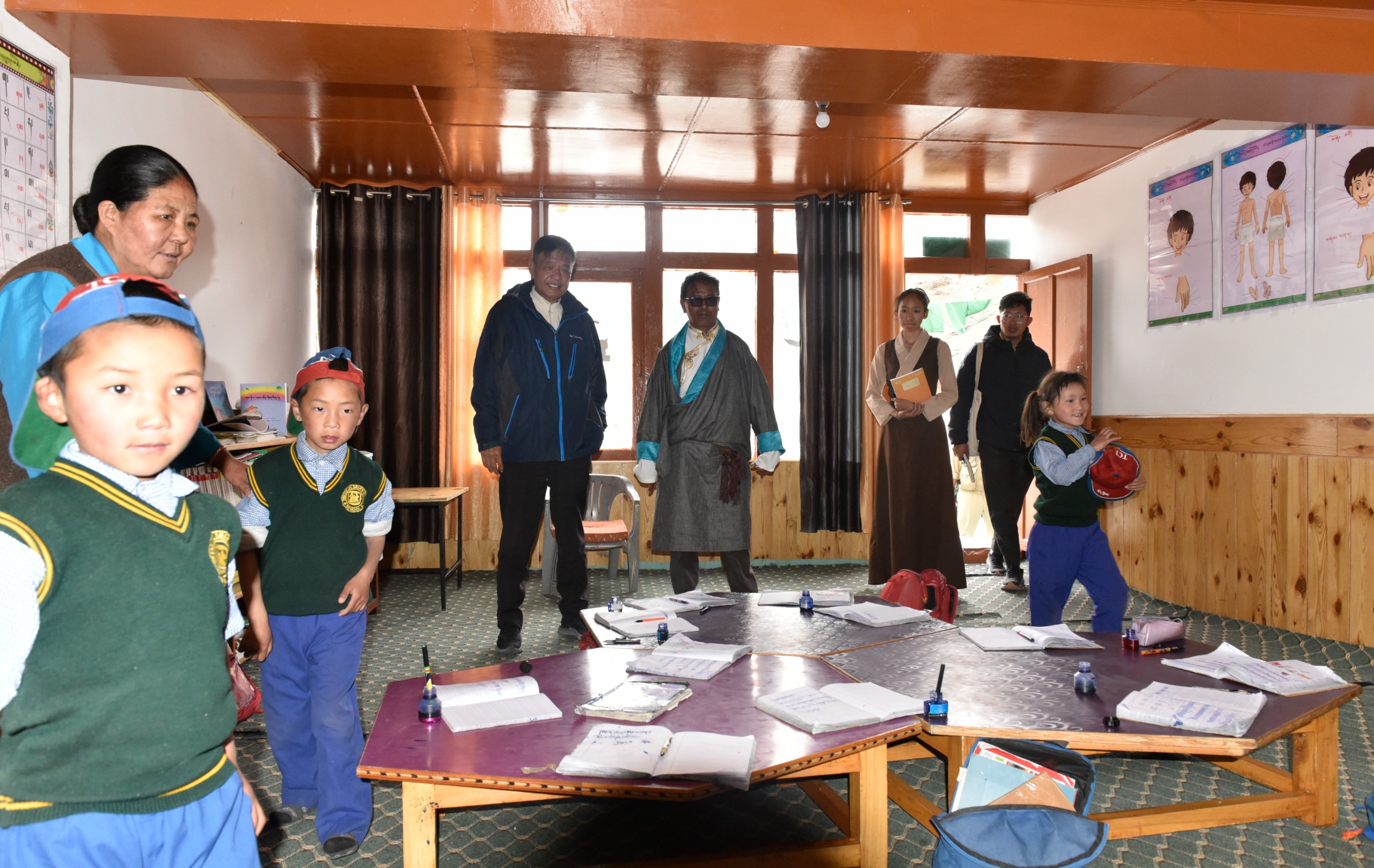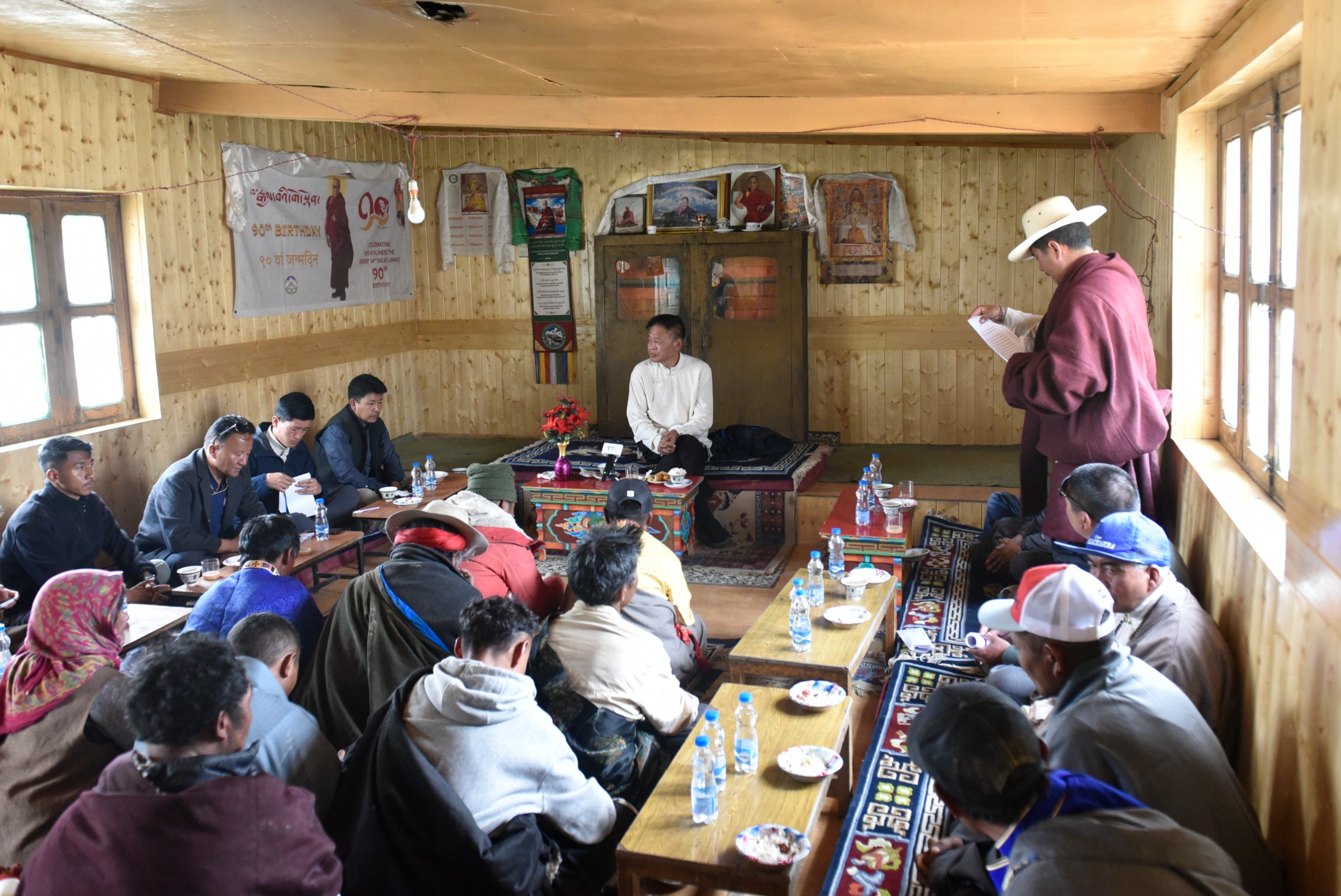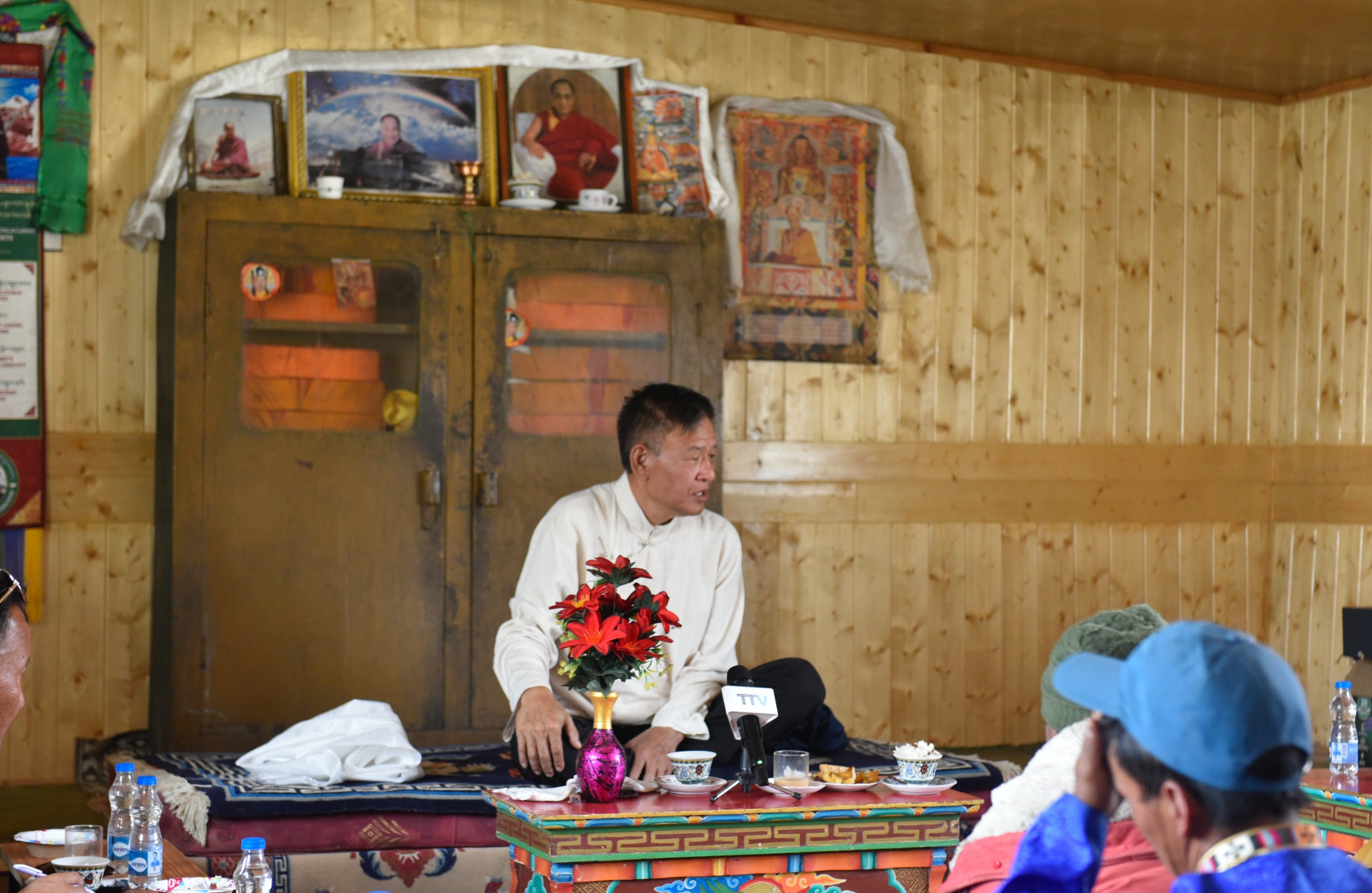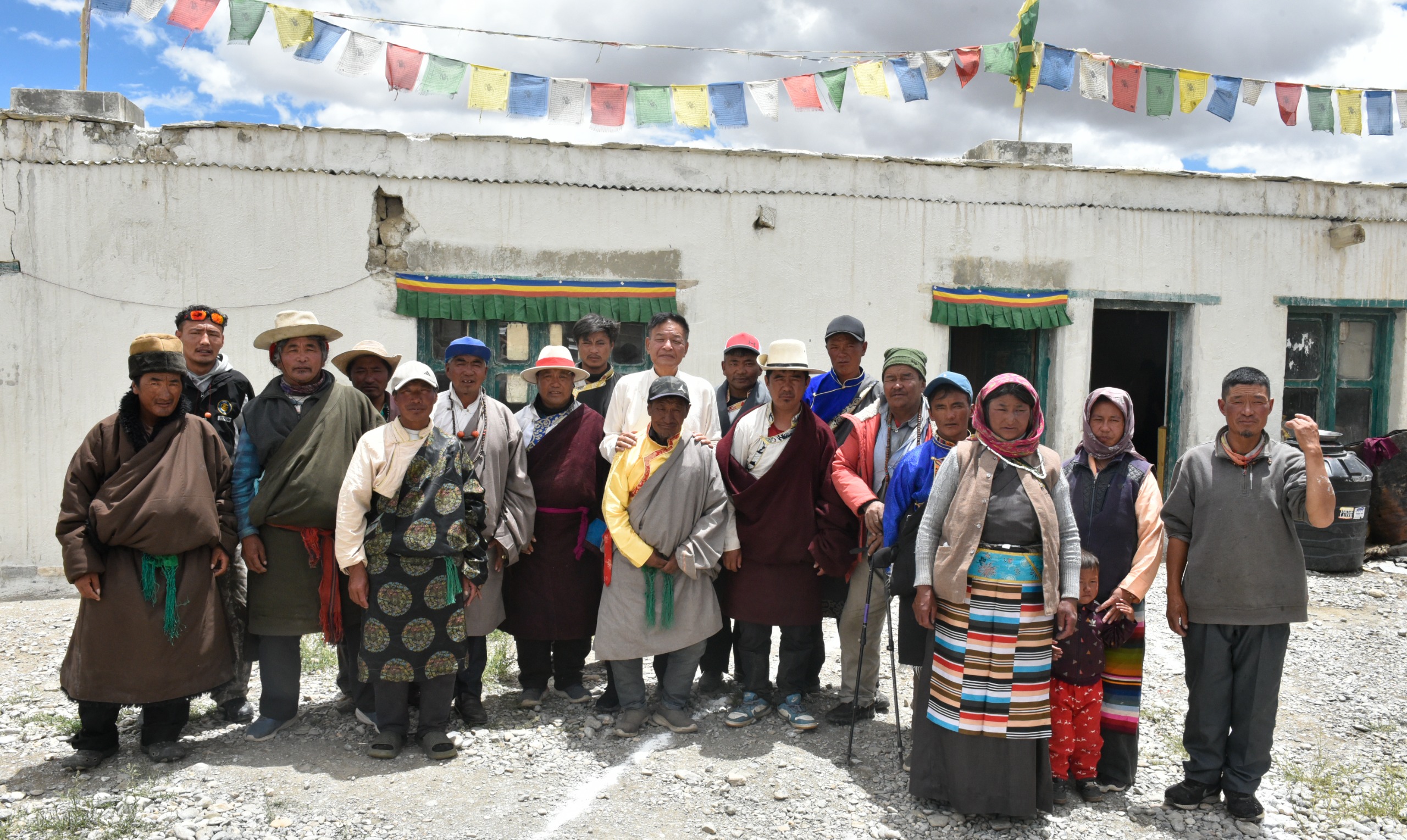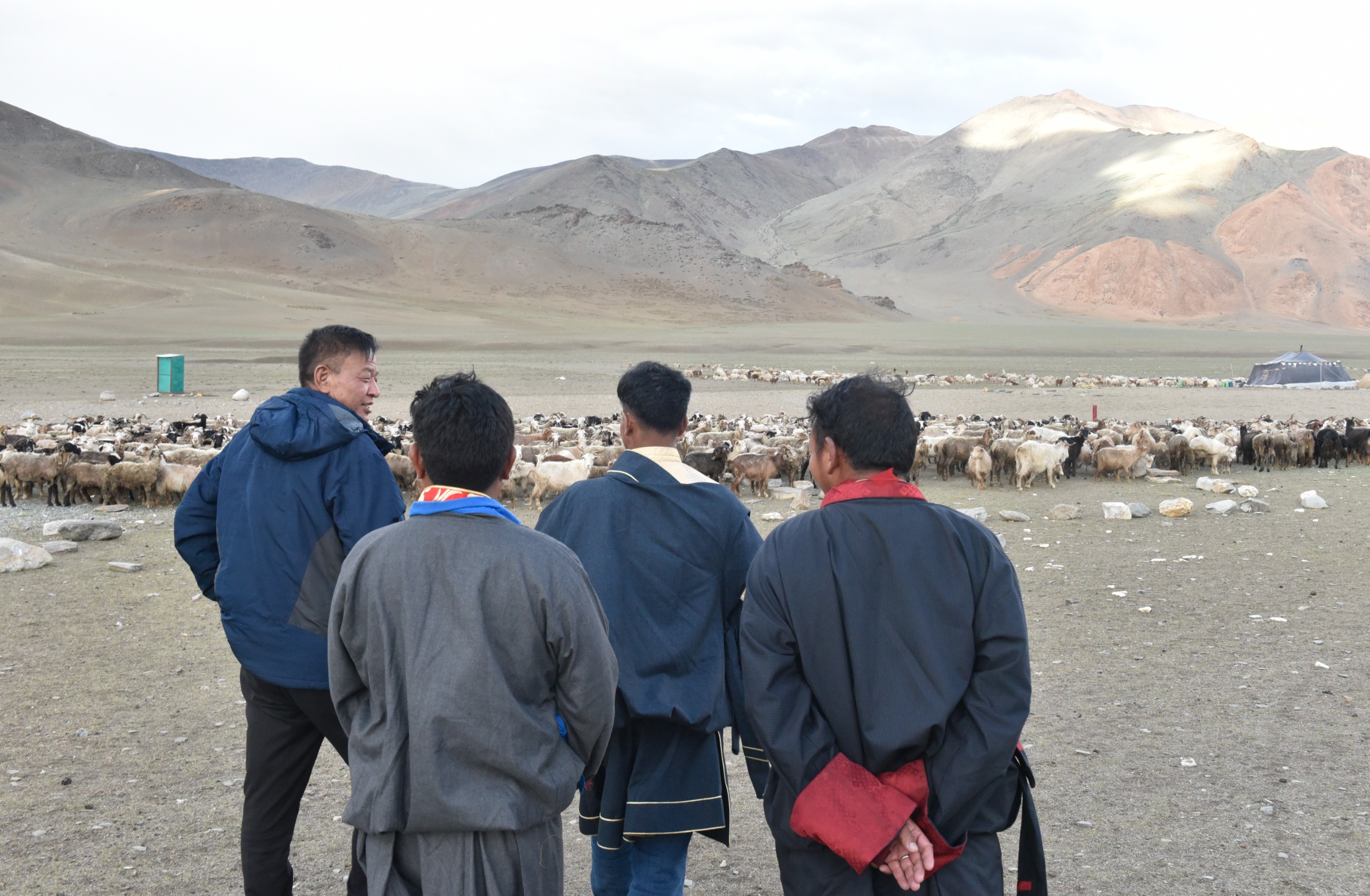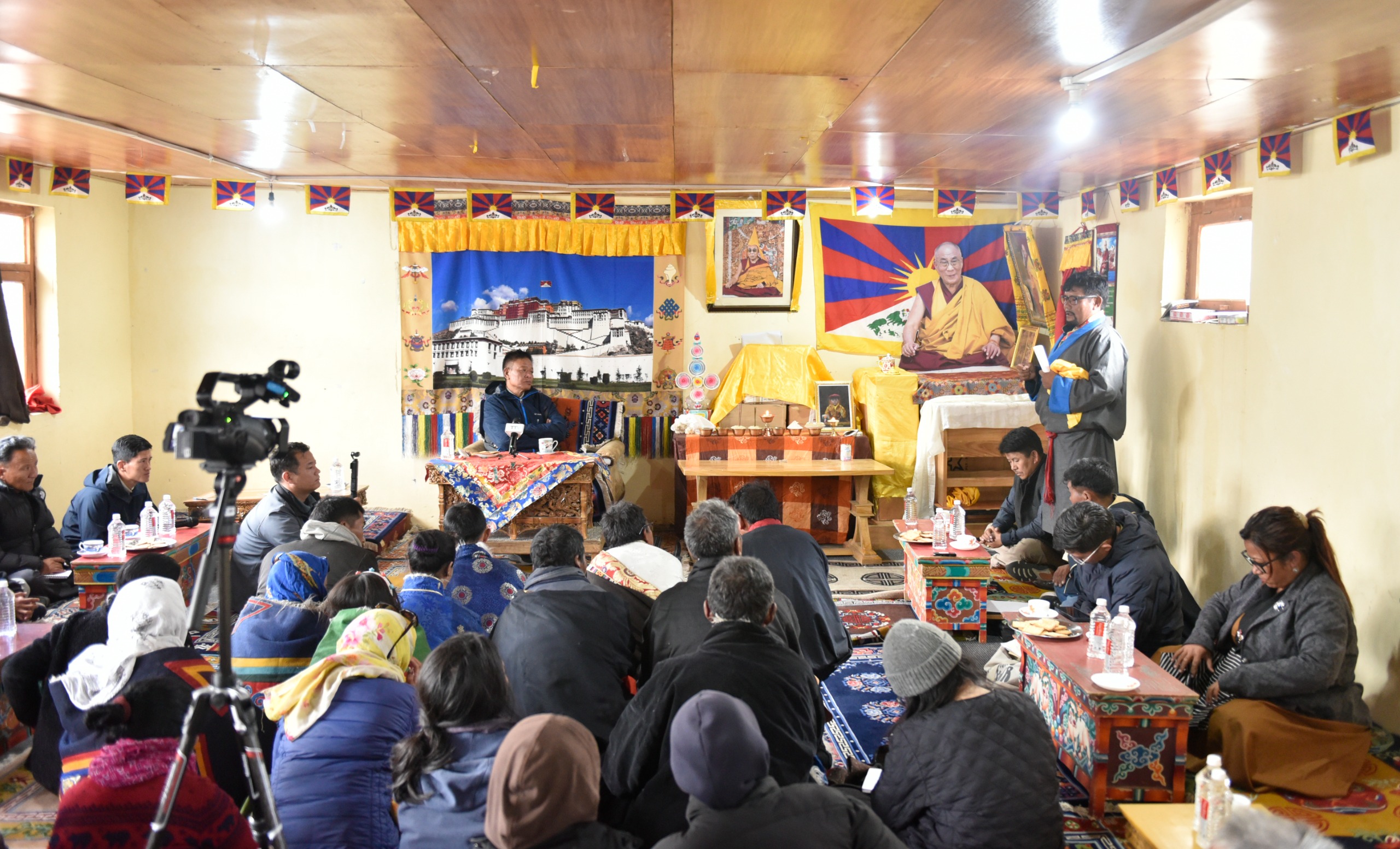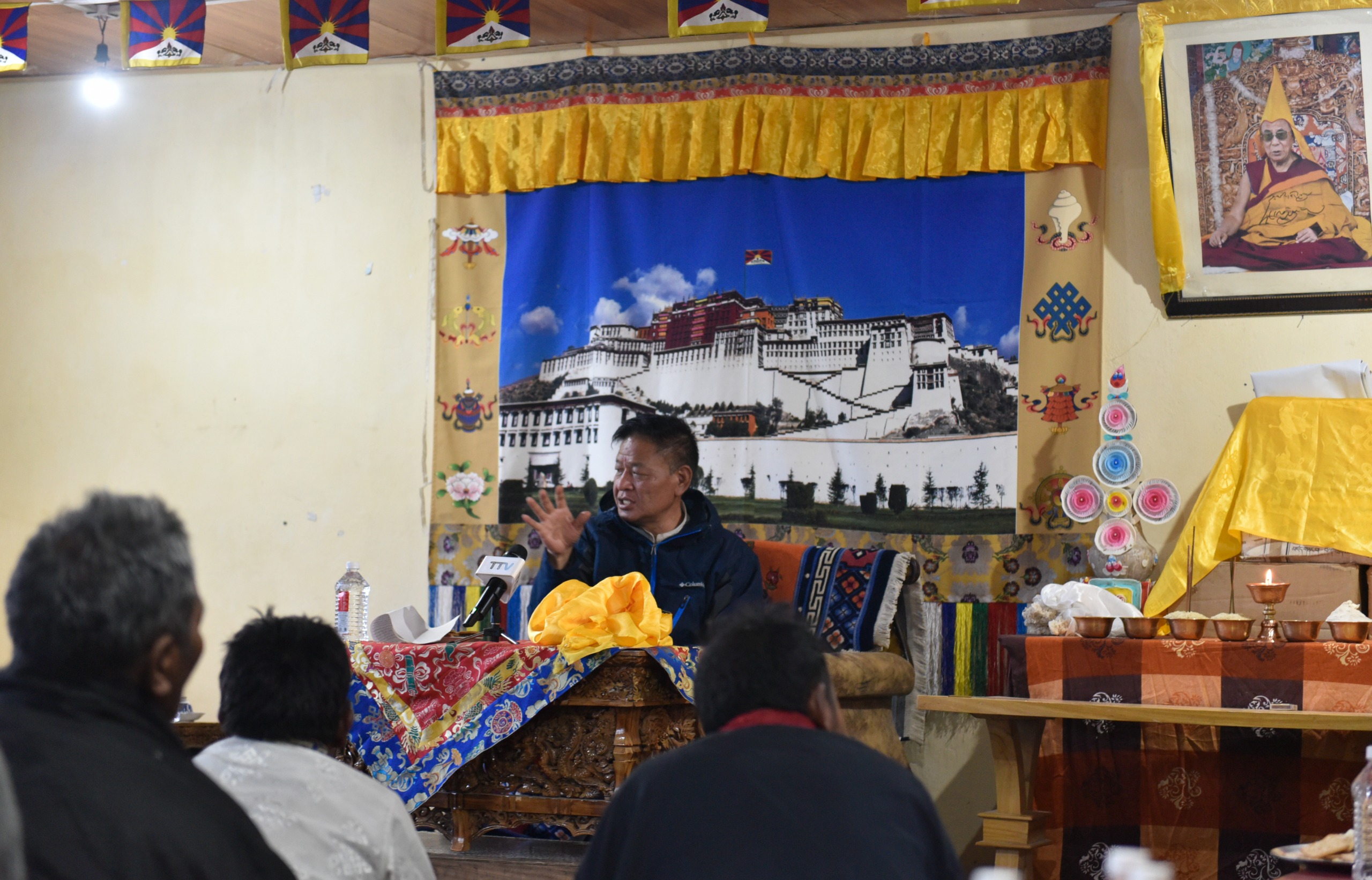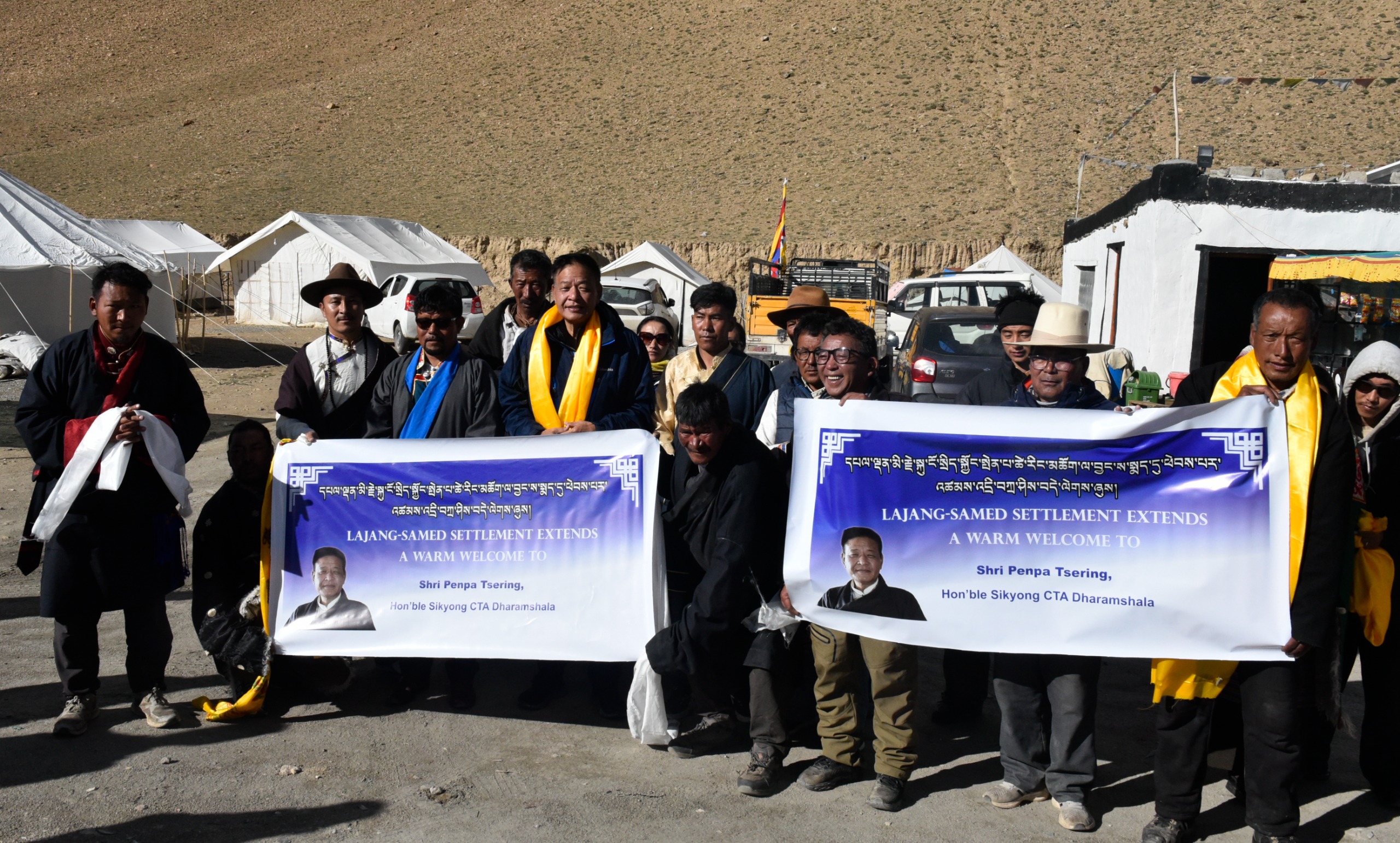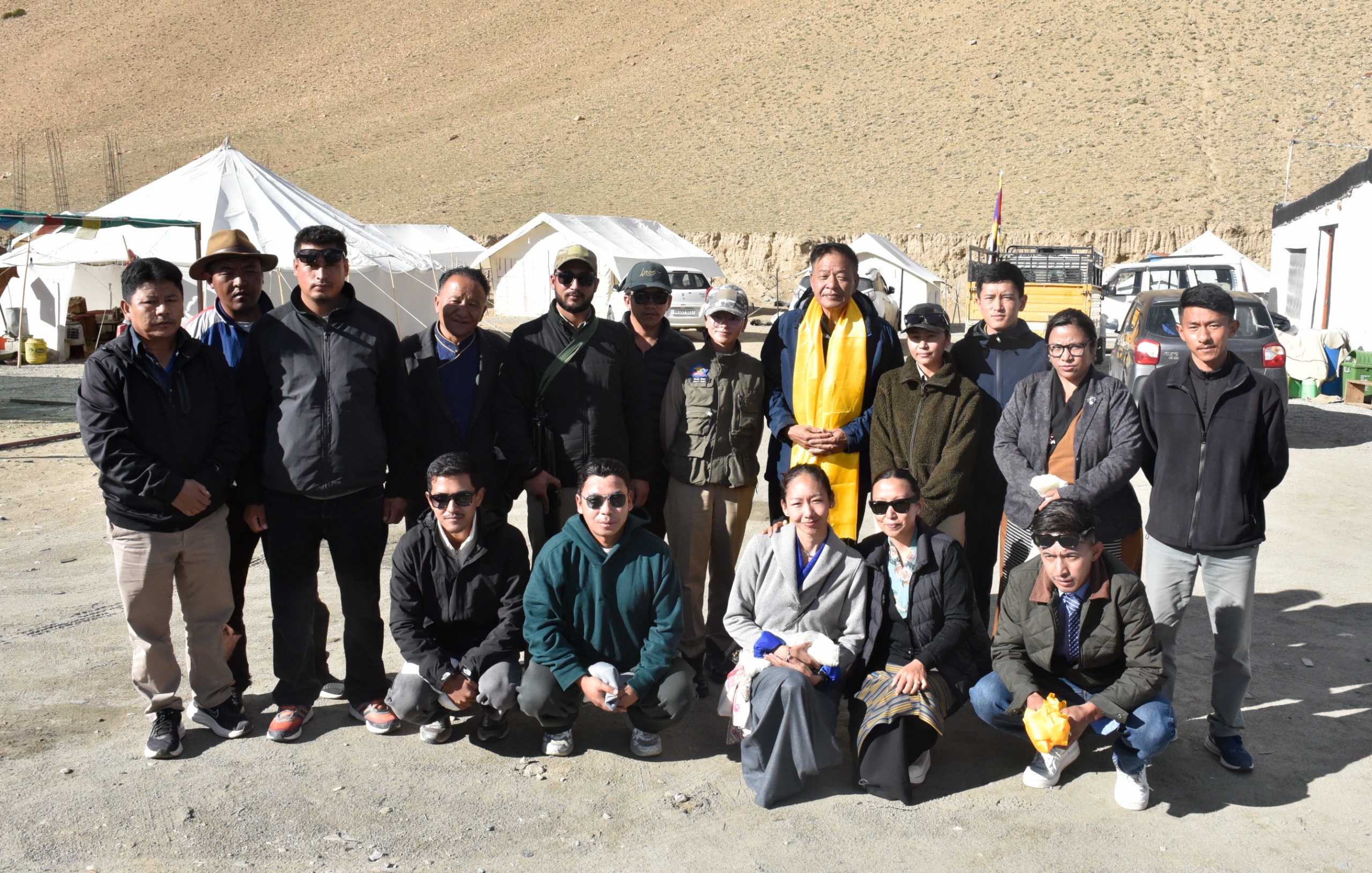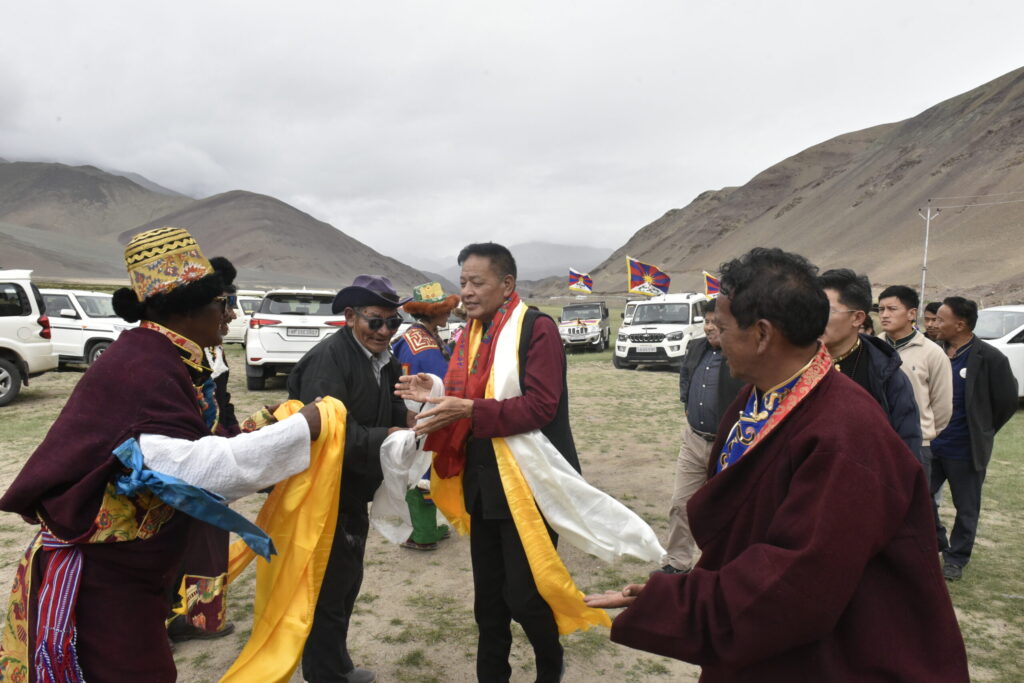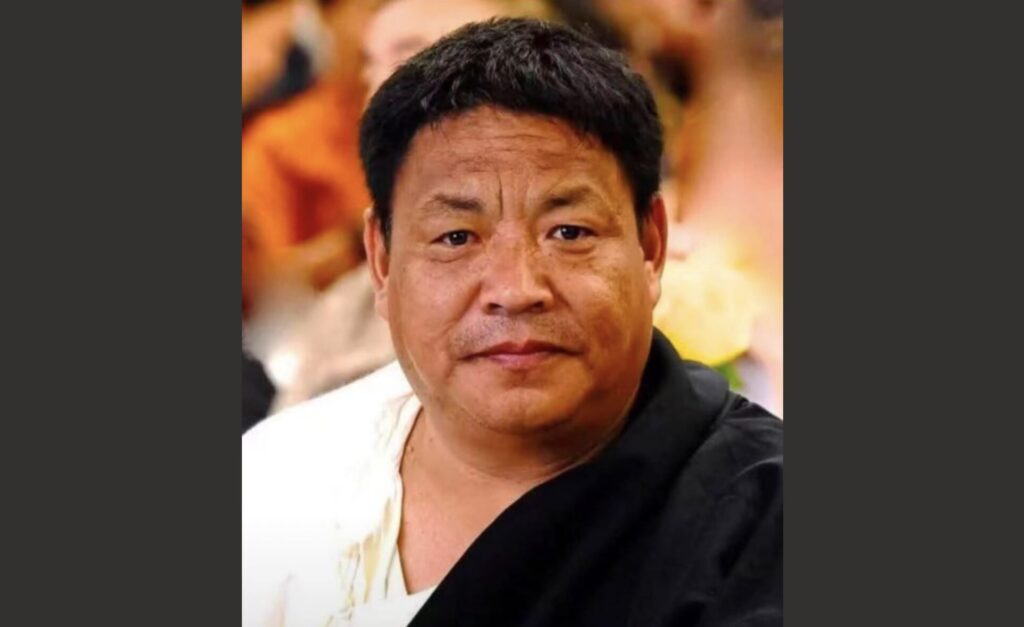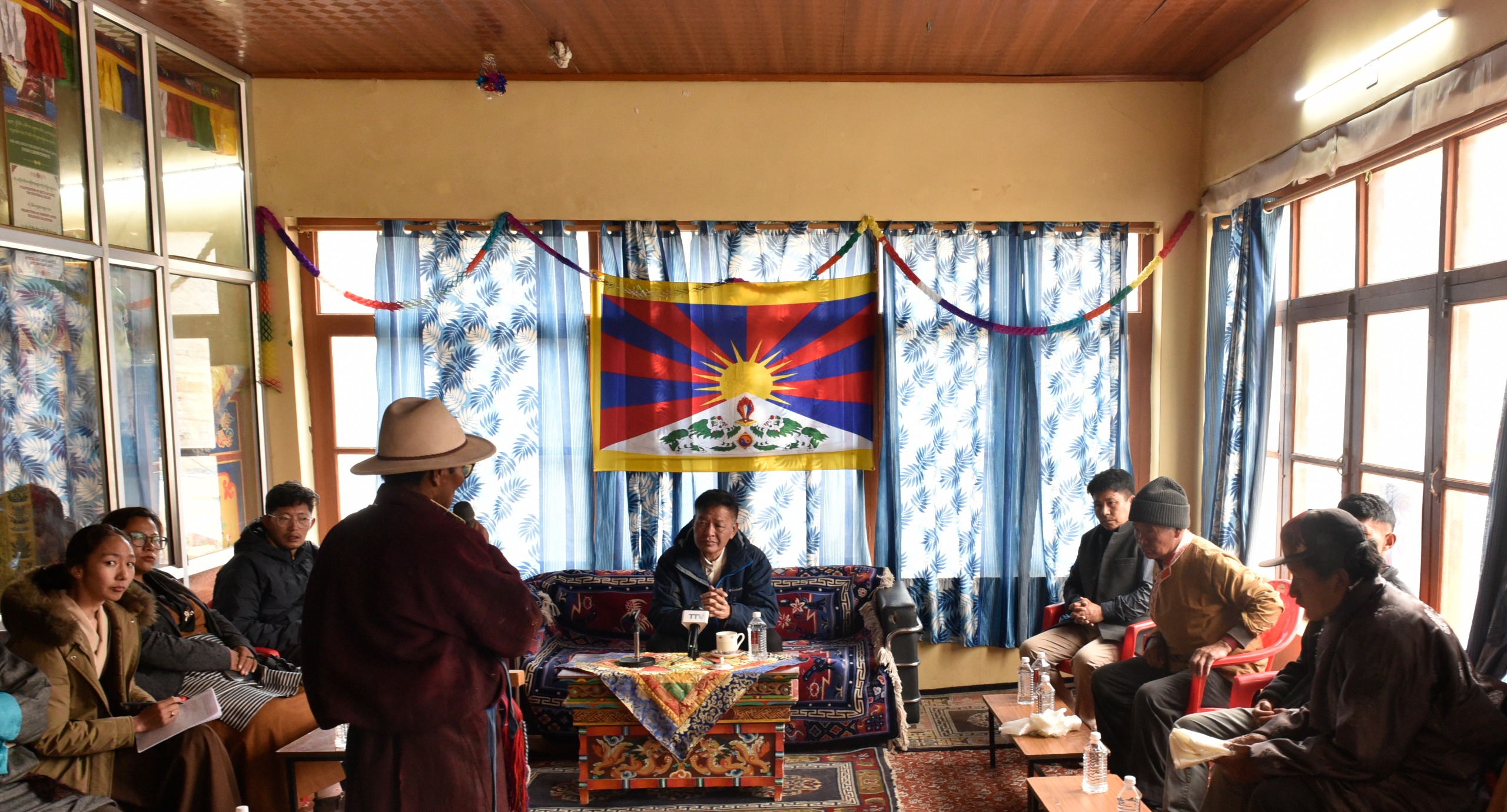
Samey, Jangthang: On 11 July 2026, Sikyong Penpa Tsering of the Central Tibetan Administration (CTA) visited the remaining Tibetan communities in the Jangthang region, including Chumur, Sumdo, the Samey branch school of the Tibetan Children’s Village (TCV), and Samey Tibetan community.
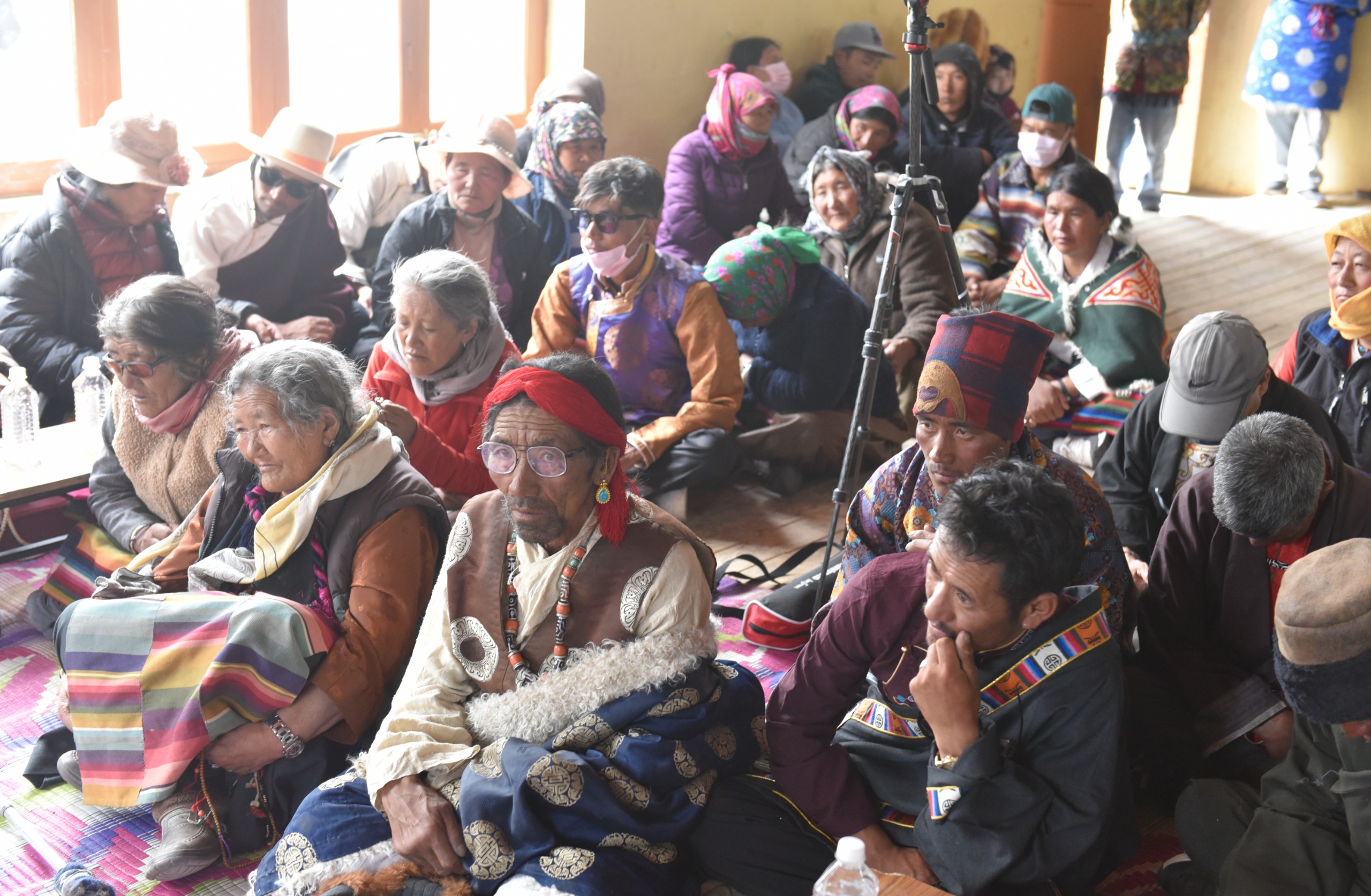
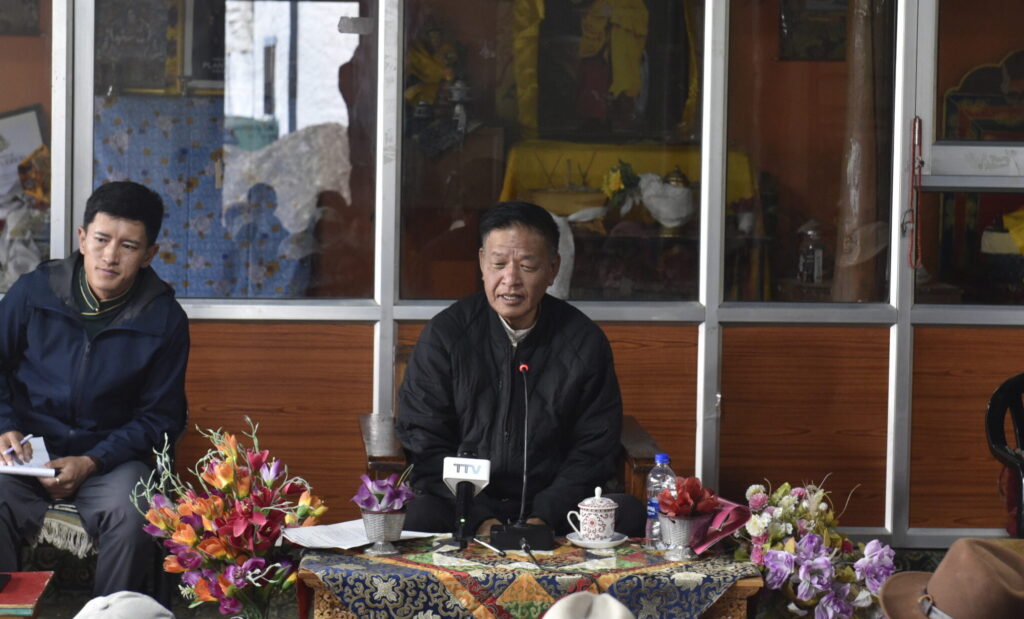
During the public gatherings held at each settlements, Sikyong addressed the community members on a wide range of issues concerning the Tibetan community and the Tibetan cause. He also responded to questions and concerns raised by the public.
Addressing land-related issues in the Jangthang settlements, Sikyong stressed the importance of maintaining clearly demarcated settlement boundaries and ensuring that all land ownership is supported by proper legal documentation. He urged the public to adopt a long-term perspective in all development initiatives. “When implementing any development plan, whether it is the construction of a private home or a project supported by sponsors or donors, it is important to think with a long-term vision,” he said. “Over the years, many changes have taken place in our settlements. Therefore, we must look at issues from a broader perspective while administering and addressing the challenges faced by the Jangthang region.”
Sikyong Penpa Tsering also spoke about China’s New Ethnic Unity and Progress Law, stating that it aims to gradually eradicate Tibetan identity, language, and culture while cautioned that its long-term impact extends beyond Tibetans to other ethnic communities as well. Emphasising the responsibility of Tibetans living in exile, he said that, unlike Tibetans inside Tibet, those in exile enjoy the freedom to preserve and promote Tibetan identity and therefore bear a greater responsibility to do so. Sikyong mentioned the issuance of an urgent international appeal drawing attention to China’s newly enacted “Promoting Ethnic Unity and Progress Law” on behalf of Tibetan people and CTA.
Reiterating the Middle Way Approach, Sikyong explained its benefits and the CTA’s continued commitment to seeking a peaceful and mutually beneficial resolution to the Sino-Tibetan conflict. He noted that the Middle Way Approach has earned growing international support because of its emphasis on dialogue, non-violence, and mutual benefit. Speaking on modernisation efforts within the CTA, Sikyong highlighted the importance of digitisation, including ongoing projects to digitally preserve important Tibetan Buddhist scriptures such as the Kangyur and Tengyur. He explained that digitisation will make these invaluable texts easier to access, search, and preserve for future generations. He further spoke on the significance of e-governance and the growing role of artificial intelligence in improving administrative efficiency and public services.
During his visits to Sumdo and Samey, Sikyong encouraged young Tibetans to acquire practical skills and vocational training aligned with the growing needs of the increasing number of overland tourists visiting the region. He highlighted opportunities in trades such as two-wheeler and four-wheeler mechanics, emphasising that these skills would benefit both individuals and the broader community. He also encouraged community members to explore small-scale tourism-related businesses as a means of fostering sustainable livelihoods and supporting the region’s economic development.
Emphasising the importance of preserving Tibetan religion, culture, and community welfare, Sikyong urged Tibetans to remain united and work collectively for the common cause. In Samey, he further underscored the importance of long-term planning, mutual respect, equality, and maintaining harmonious relationships within the community.
Recalling a remark by Kalon Trisur Professor Samdhong Rinpoche, Sikyong said, “Professor Samdhong Rinpoche once described the Central Tibetan Administration as a ‘necessary evil’,” highlighting the indispensable role of the CTA in administering and serving Tibetans living in exile.
He noted that around 80,000 Tibetans live in exile across India and Nepal, dispersed across numerous settlements and communities. Despite the geographical distances, he stressed the importance of remaining united to strengthen the Tibetan people’s struggle for freedom and justice, and to support one another during challenging times.
Sikyong informed the gathering that the issues and concerns raised during his visit to Leh and Jangthang would be discussed during the upcoming Kashag meeting in Dharamshala. “In the coming Kashag meeting in Dharamshala, we will deliberate on all the issues and concerns raised by the Tibetan communities in Leh and Jangthang and explore the necessary measures to address their needs,” he said.
He further highlighted the priorities of the 17th Kashag, which include improving the welfare of Tibetans living in remote areas and enhancing support for elderly Tibetans and persons with disabilities (special needs) by addressing their basic needs.
Throughout his official engagements in seven diffent Tibetan settlements in Jangthang and two T.C.V. branch school in Jangthang, Sikyong Penpa Tsering was accompanied by Local Tibetan Assembly President Dhondup Tsering; Office Secretary of the Chief Representative’s Office, Office Assistant Karma Rinchen; Jangthang Coordinator Tenzin Kunsang; Executive Officer of the Tibetan Primary Health Care Centre Sonam Lhamtso; Nurse Tenzin Tsephel; Director of TCV SOS Ladakh Tenzin Rabten; Project Officer Tenzin Soepa; Secretary of the Tibetan Cooperative Society Tsewang Namgyal; and camp leaders.