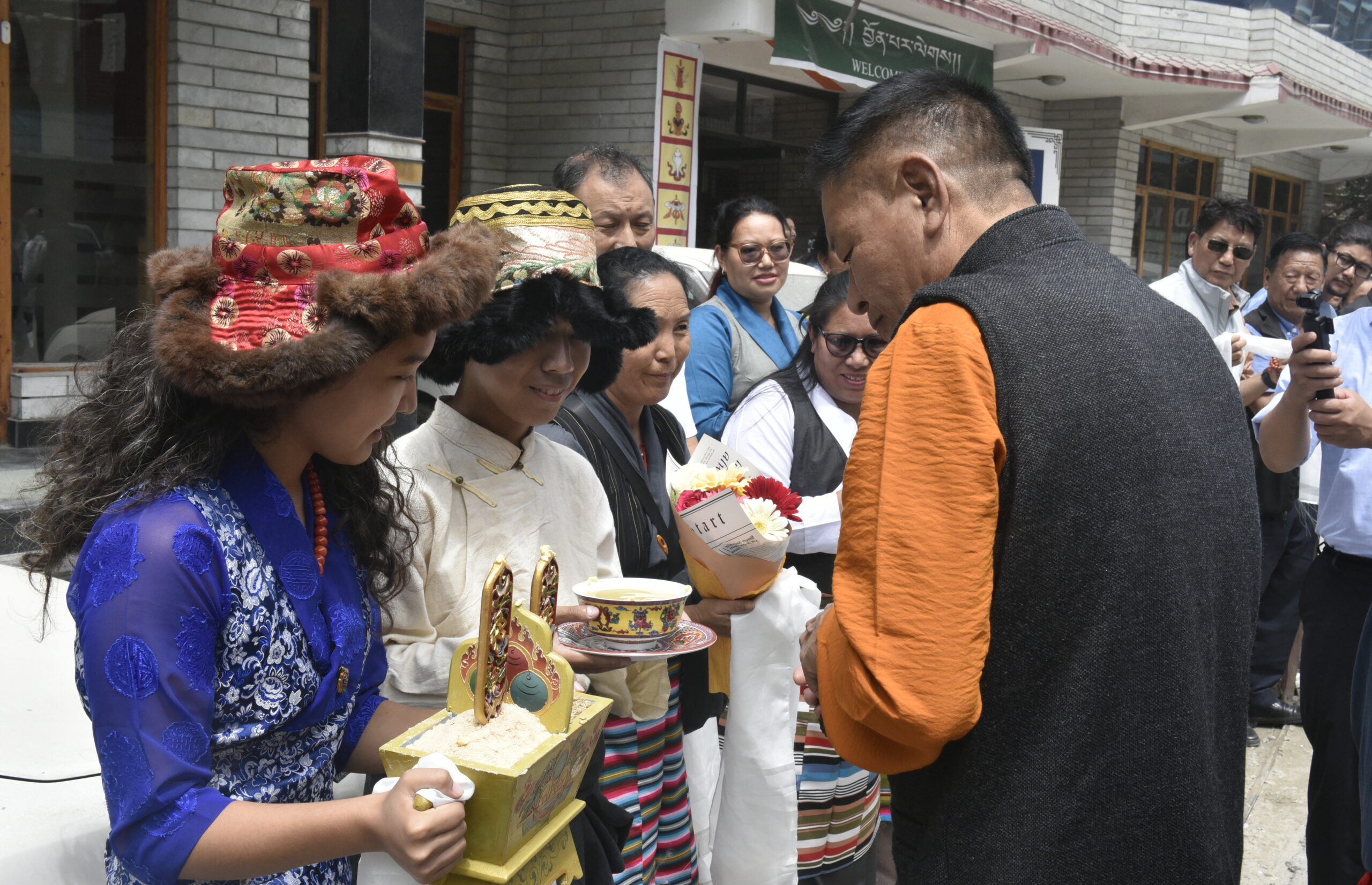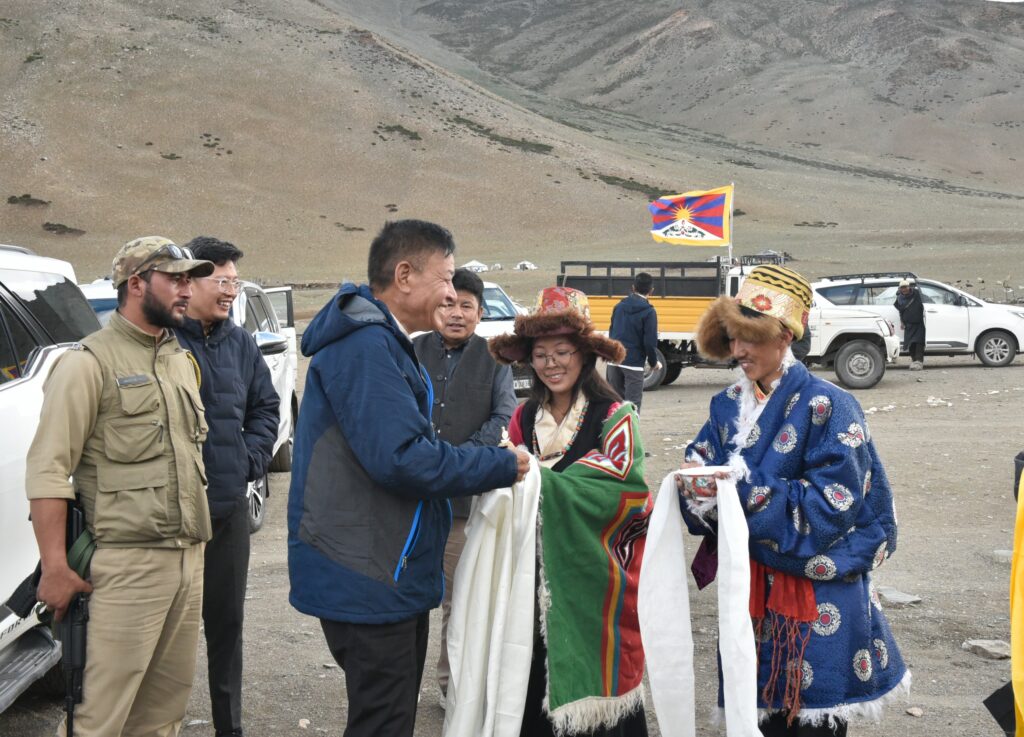

Kullu: On 13 and 14 July 2026, Sikyong Penpa Tsering concluded a two-day official assessment visit to the Tibetan settlements in Kullu-Manali.
Throughout the visit, Sikyong was accompanied by Kullu-Manali Tibetan Settlement Officer Tenzin Tsultem, Office Secretary Tsering Yangchen, Local Tibetan Assembly President Tenzin Mipham, Vice President Tenzin Thokmey, Regional Tibetan Youth Congress President Tenzin Khentse, Regional Tibetan Freedom Movement Cashier Lobsang Younten, and local camp leaders.
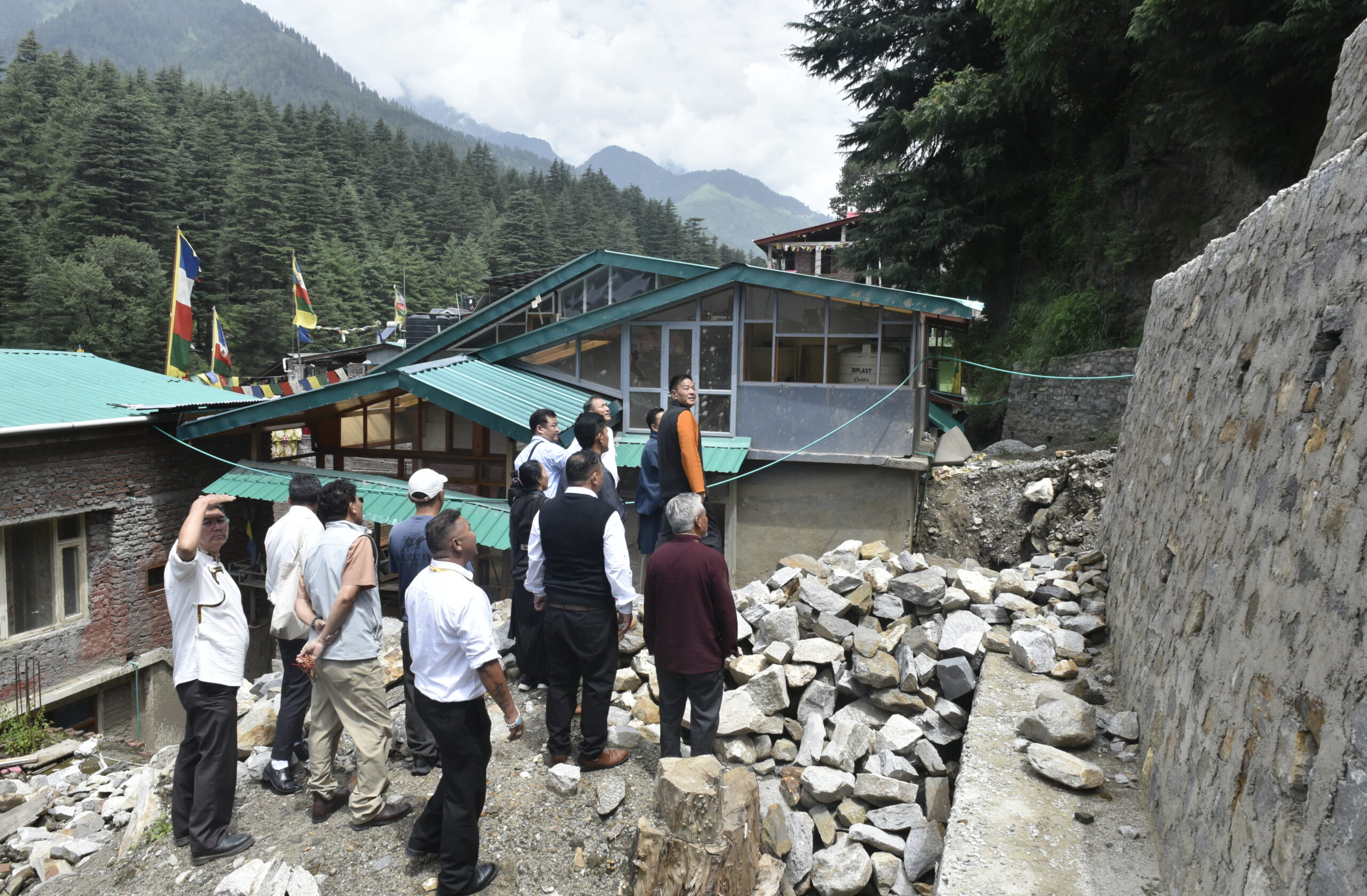
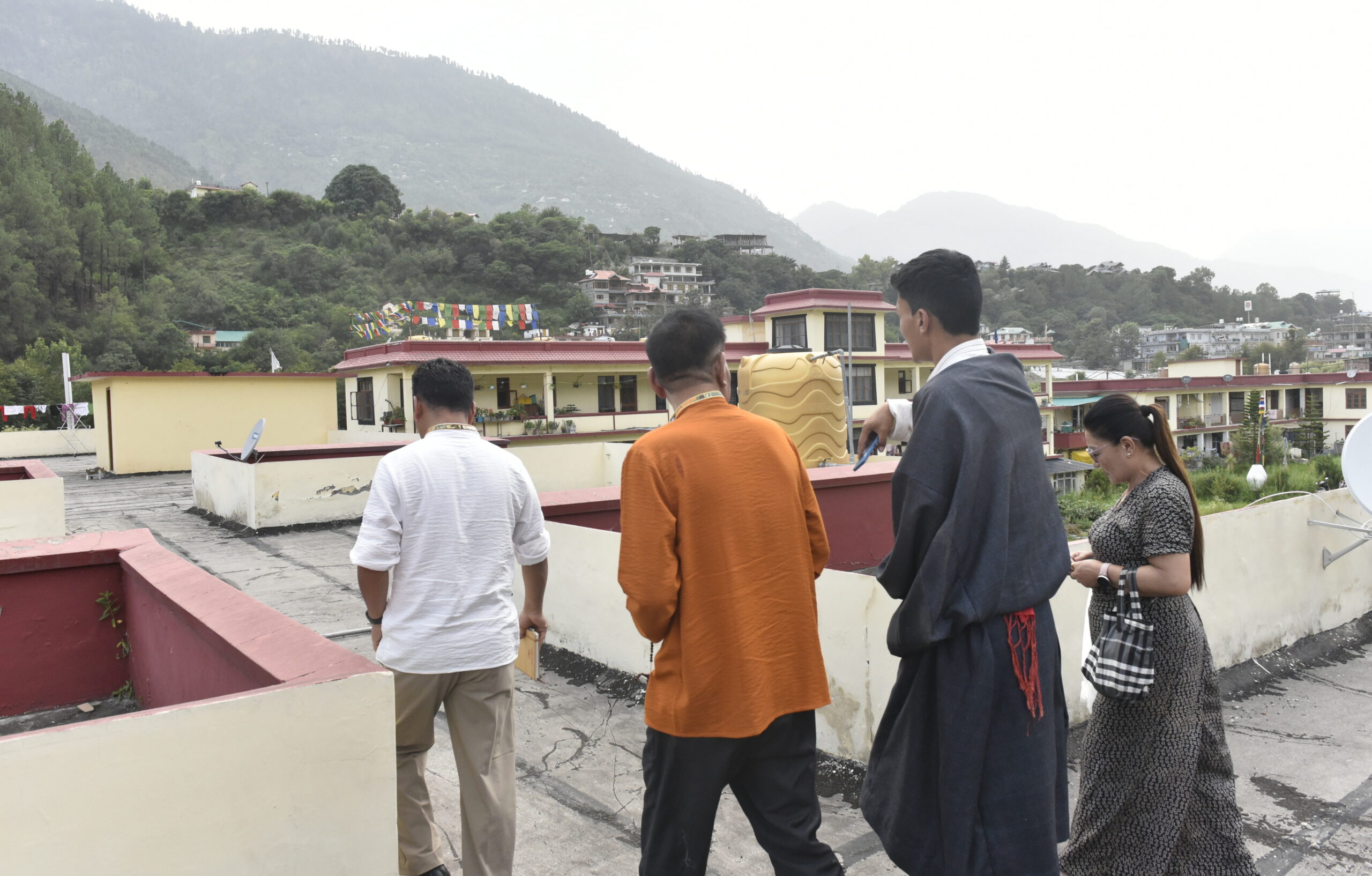
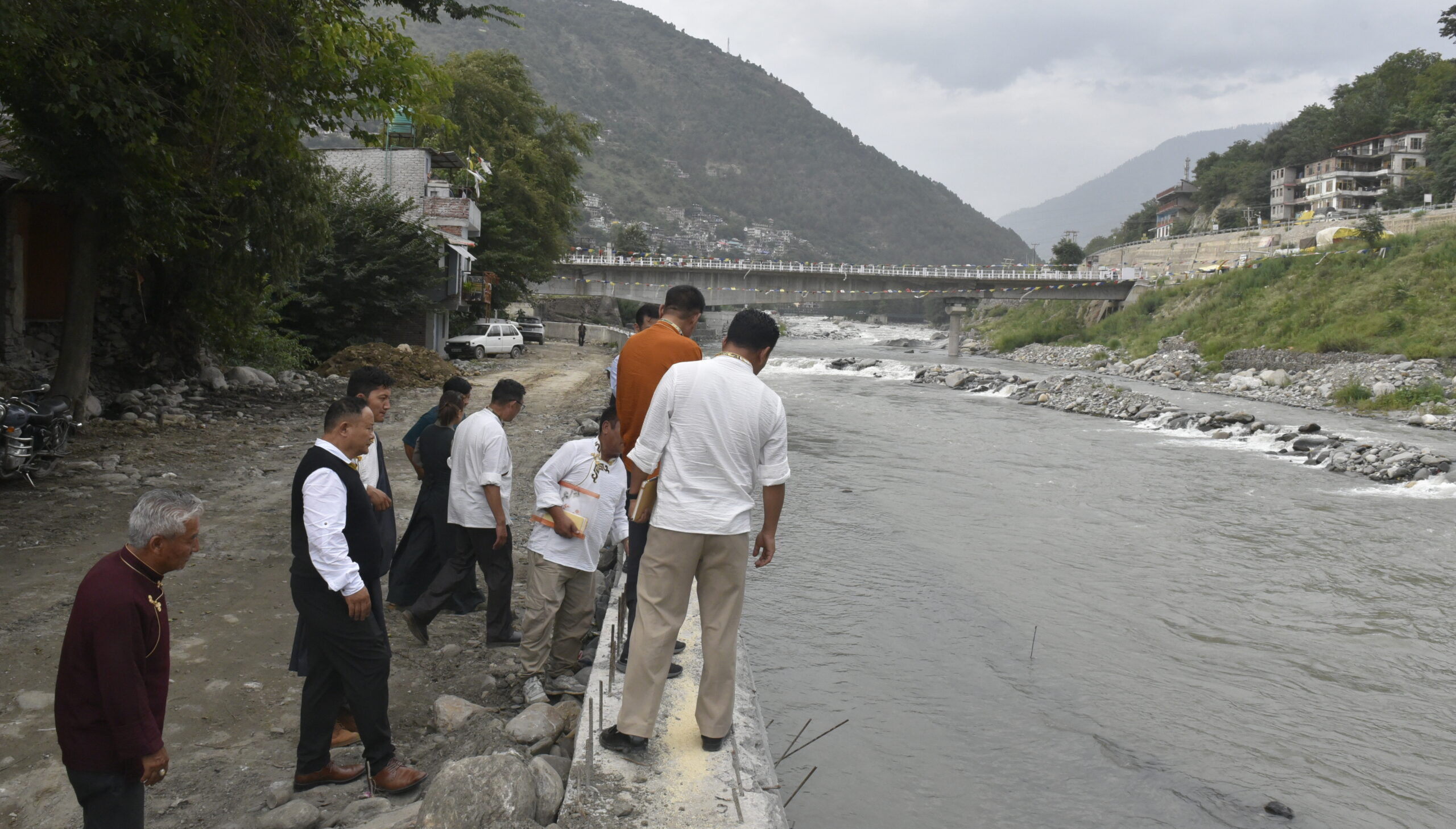
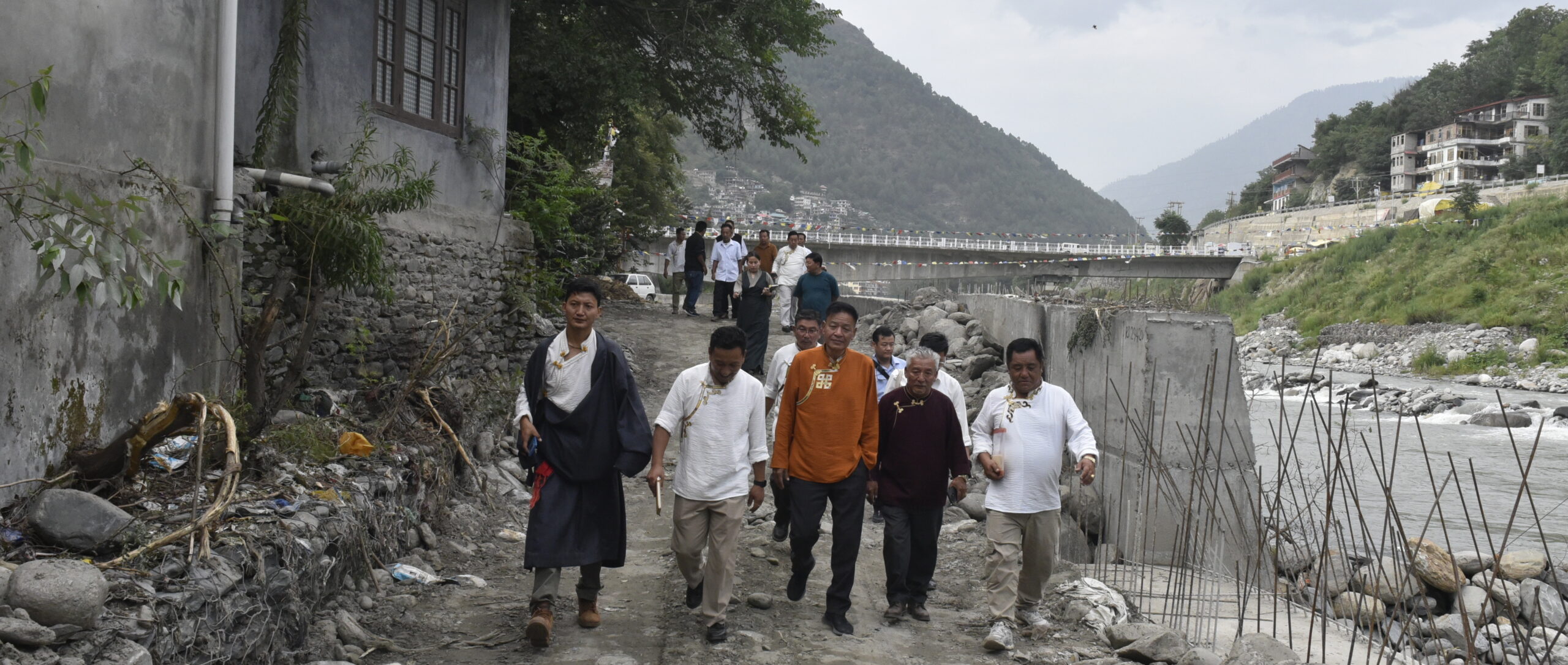
As part of the visit, Sikyong Penpa Tsering reviewed the landslide-affected area in Dekyiling Settlement and the retaining wall, drainage system, and the condition of the riverine community in other settlements.
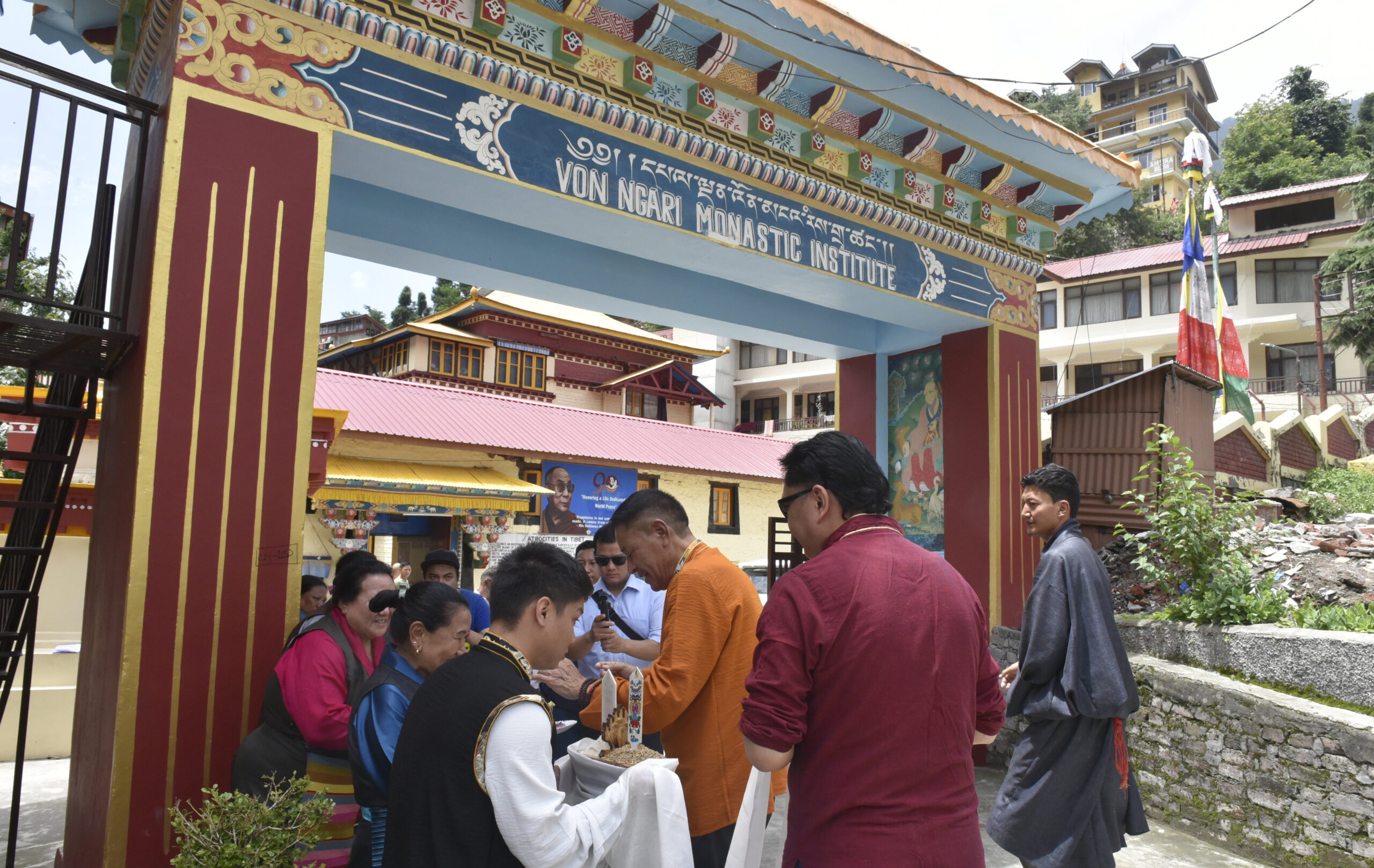
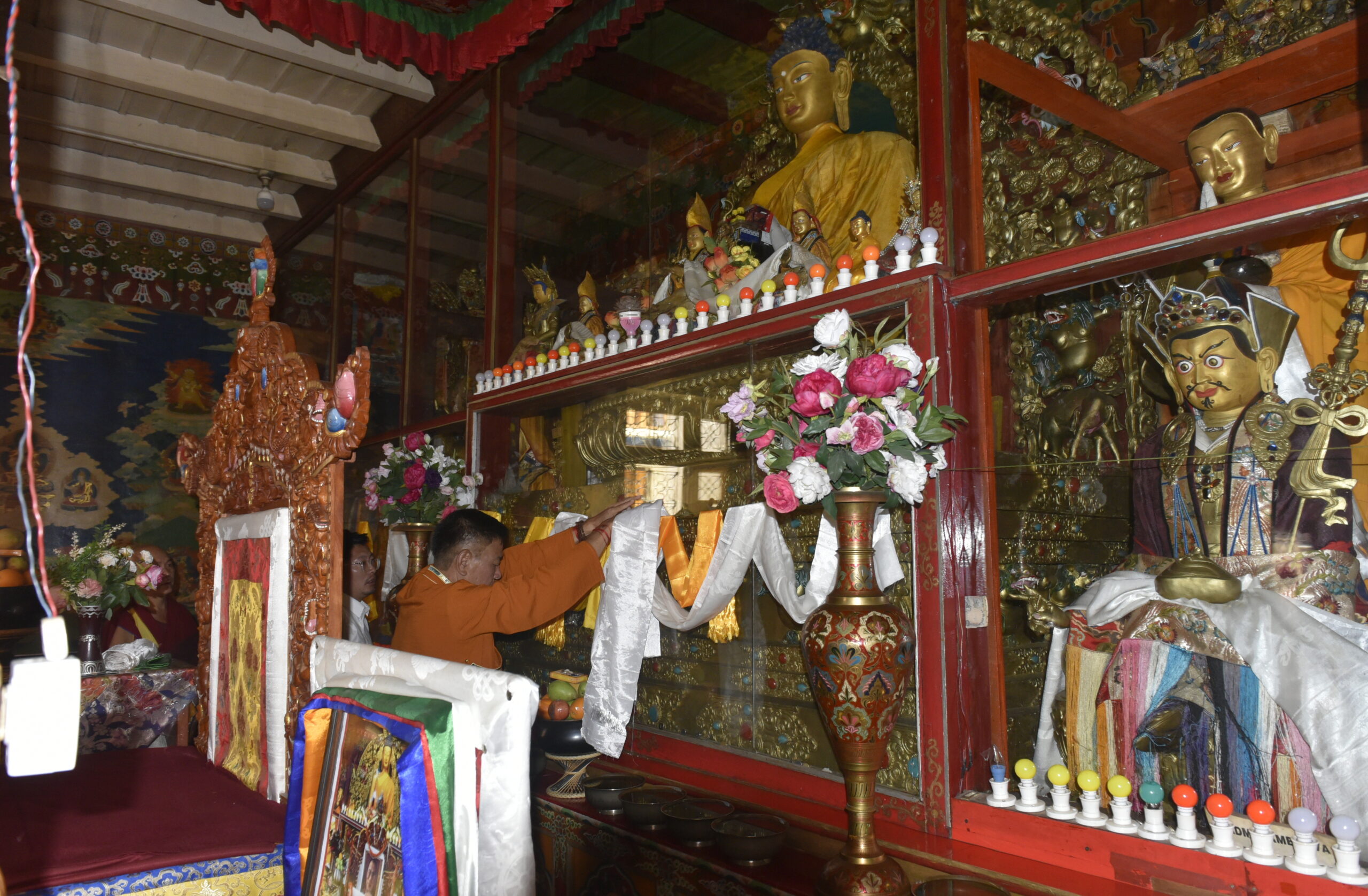
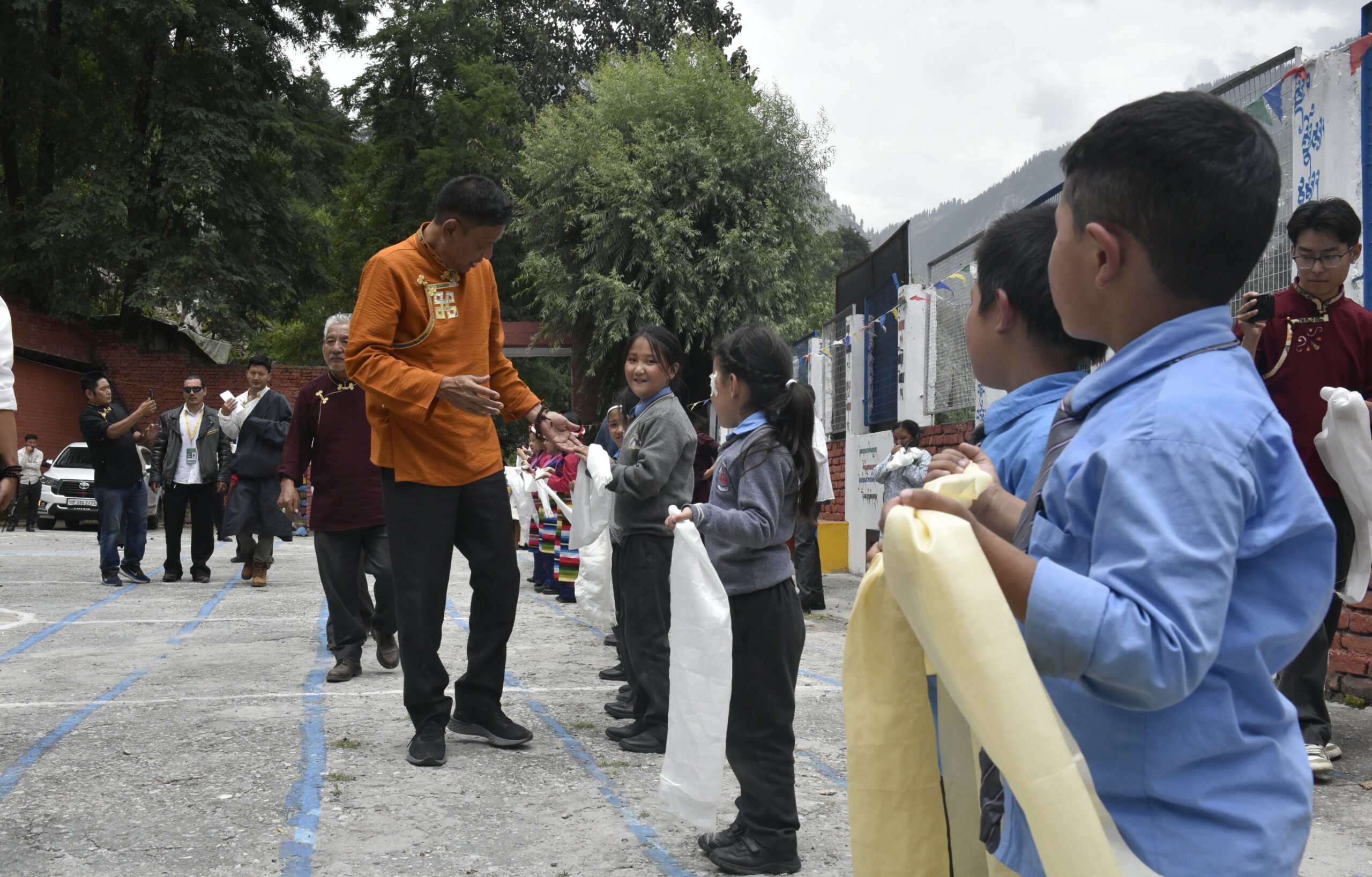
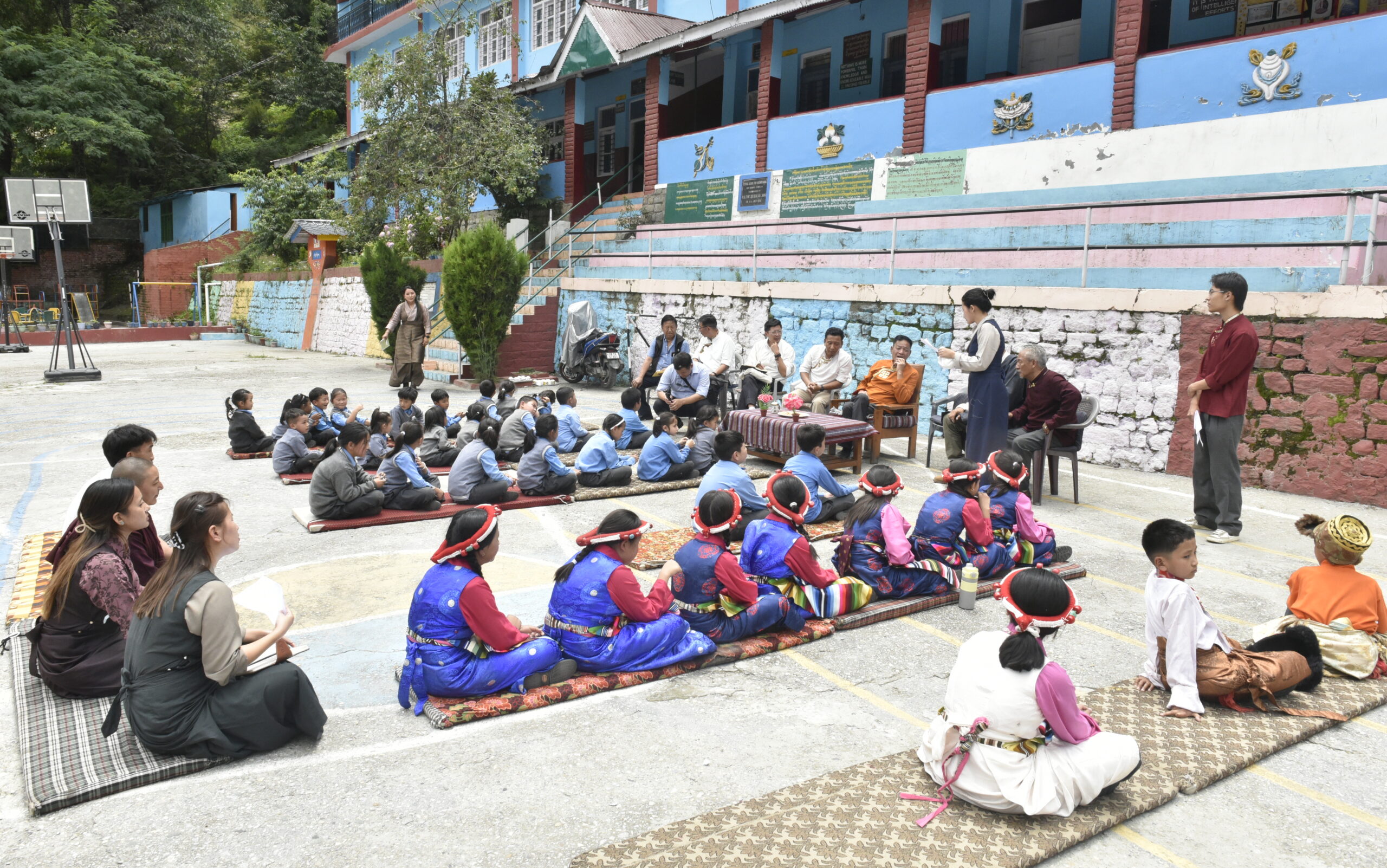
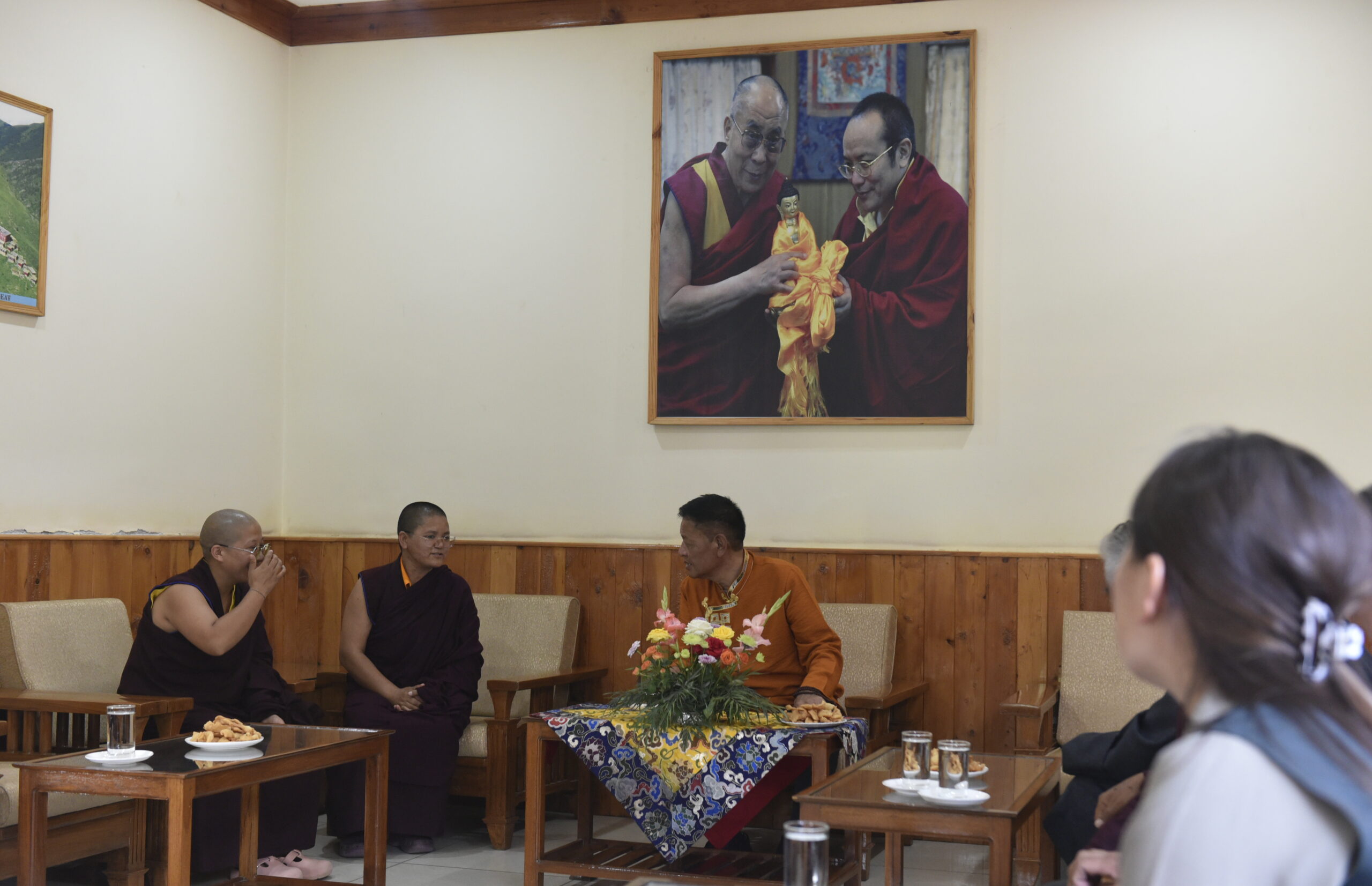
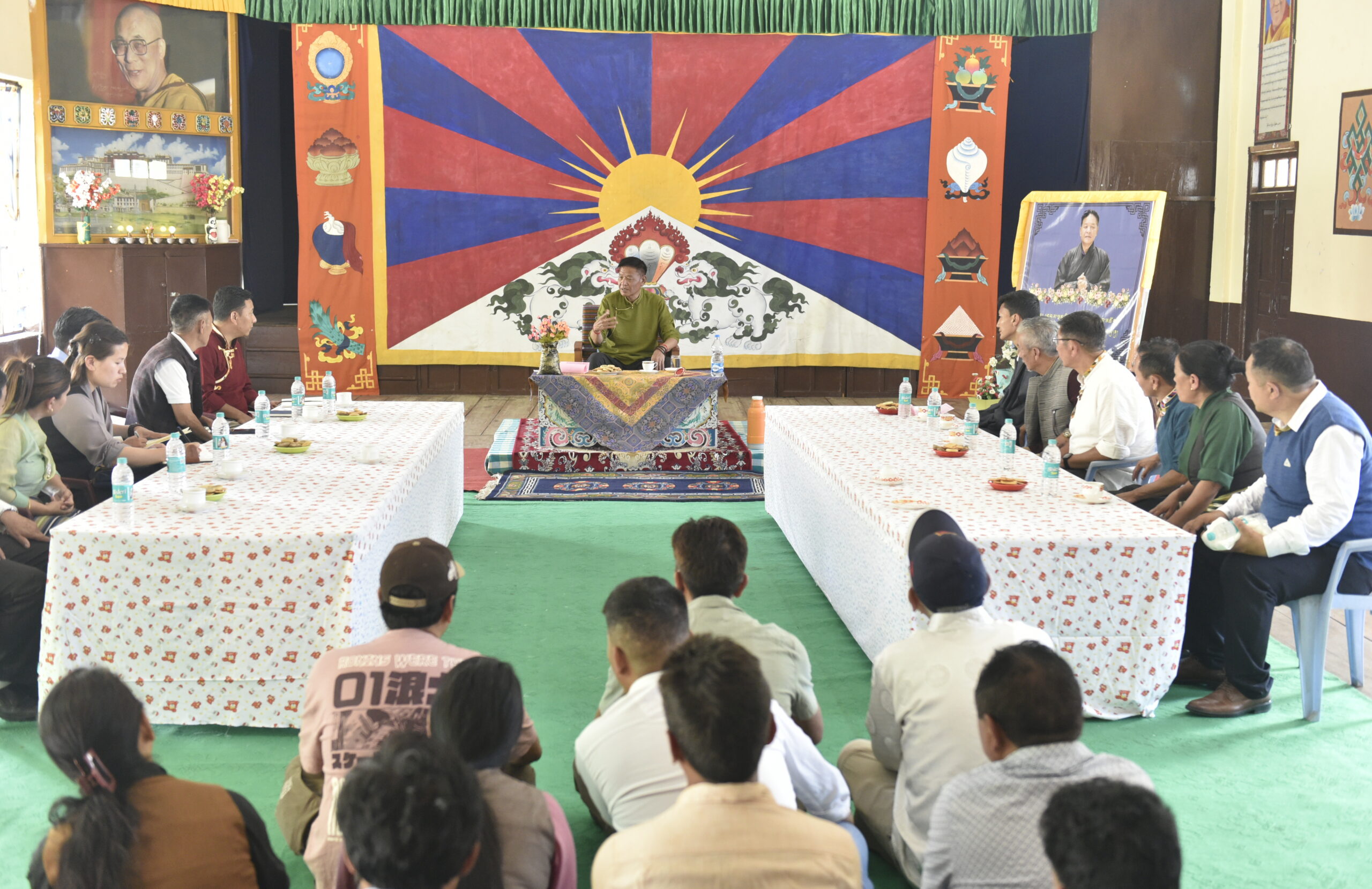
Sikyong also visited Tibetan Buddhist monasteries, educational institutions, the Men-Tsee-Khang branch clinic, the Local Tibetan Assembly Office, the Regional Tibetan Freedom Movement Office, and several Tibetan settlements and clustered communities in Kullu and Manali. During these visits, he met with abbots, school administrators, settlement representatives, and community members to assess local conditions and discuss matters relating to the welfare and development of the Tibetan community.
Throughout his engagements, Sikyong underscored the importance of strict compliance with the Foreign Contribution Regulation Act (FCRA), noting that adherence to the Act is essential for the effective and smooth functioning of Tibetan institutions. He also stressed the need to strengthen the digitisation of institutional records and administrative systems to enhance efficiency, accountability, and good governance.
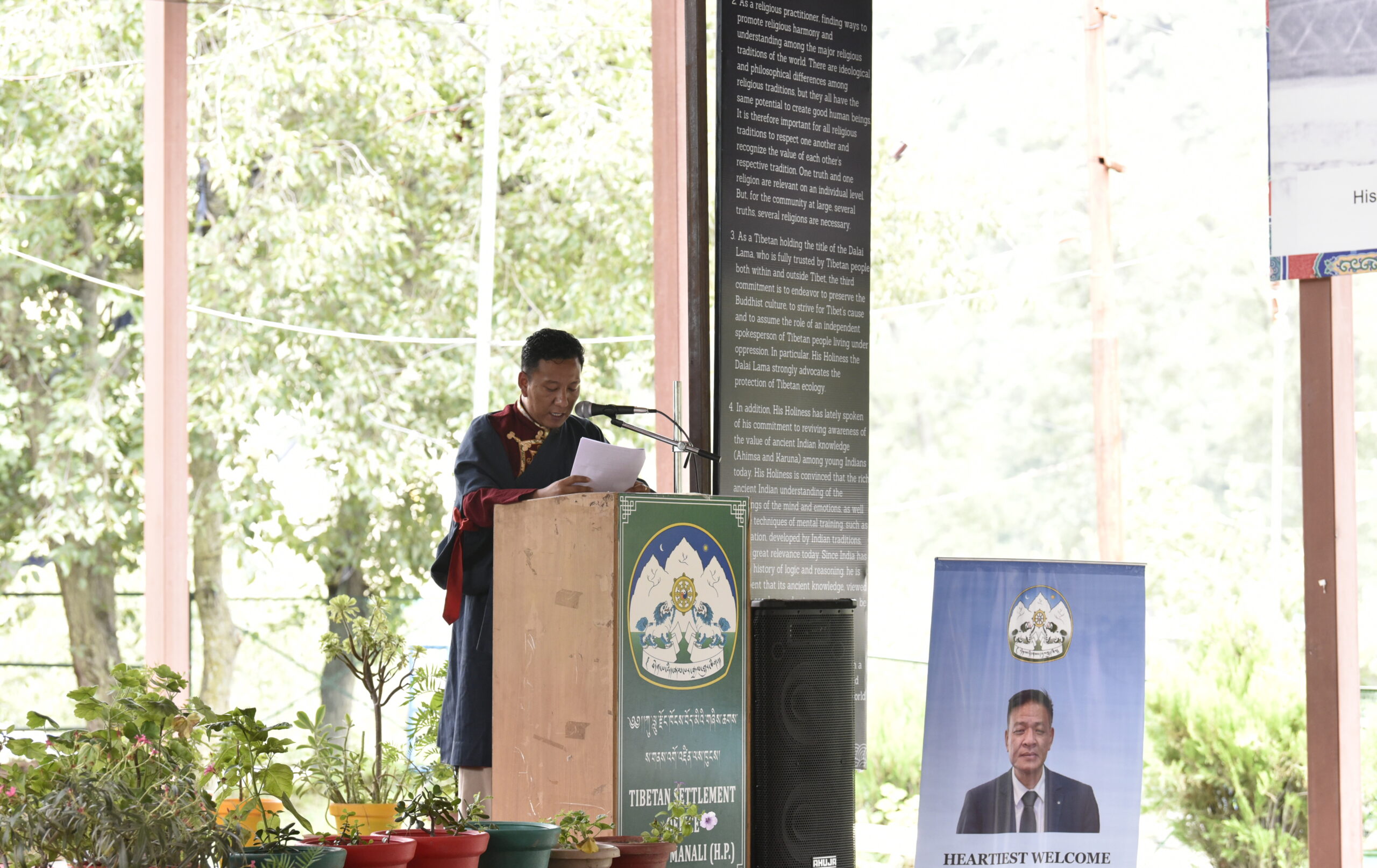
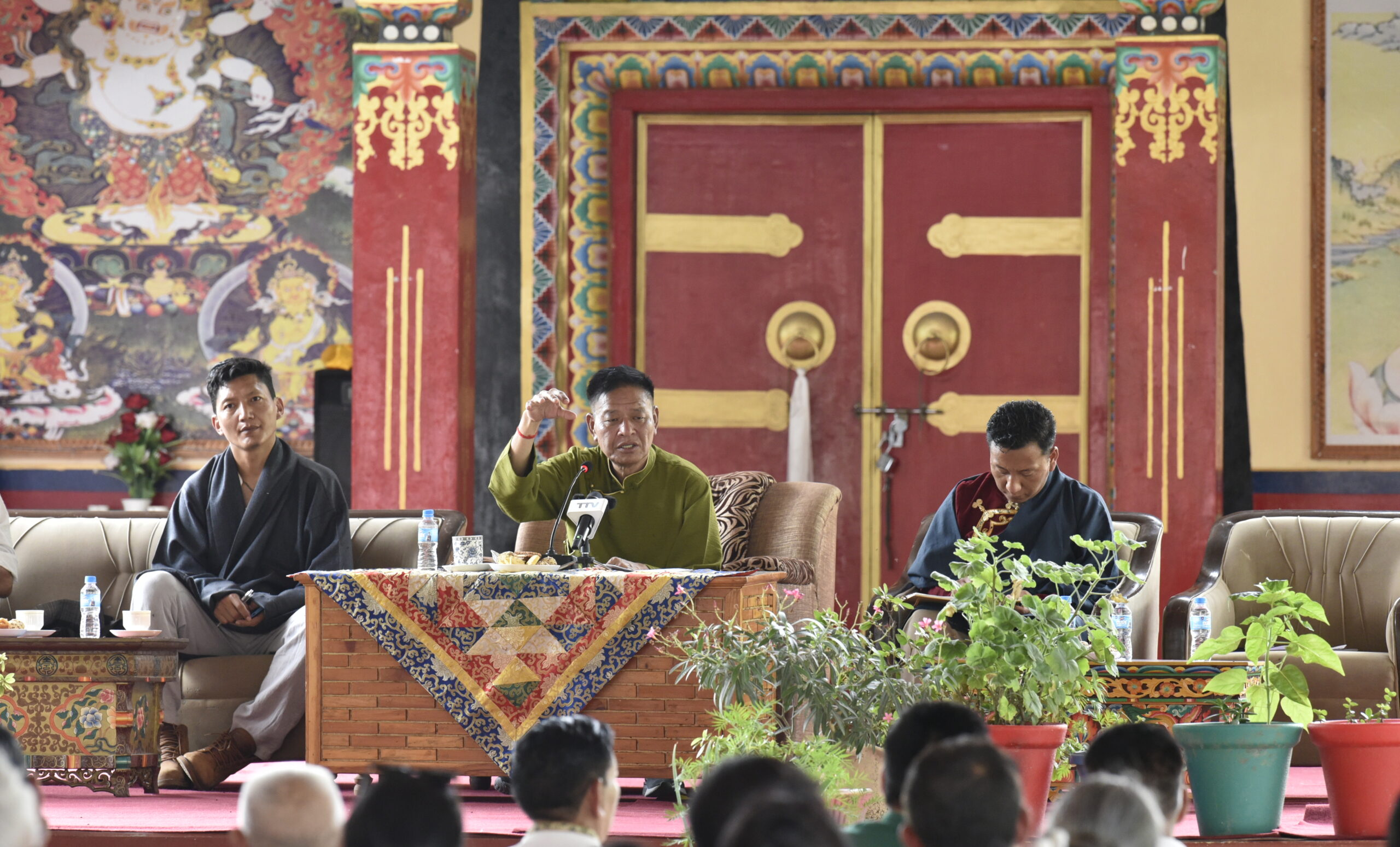
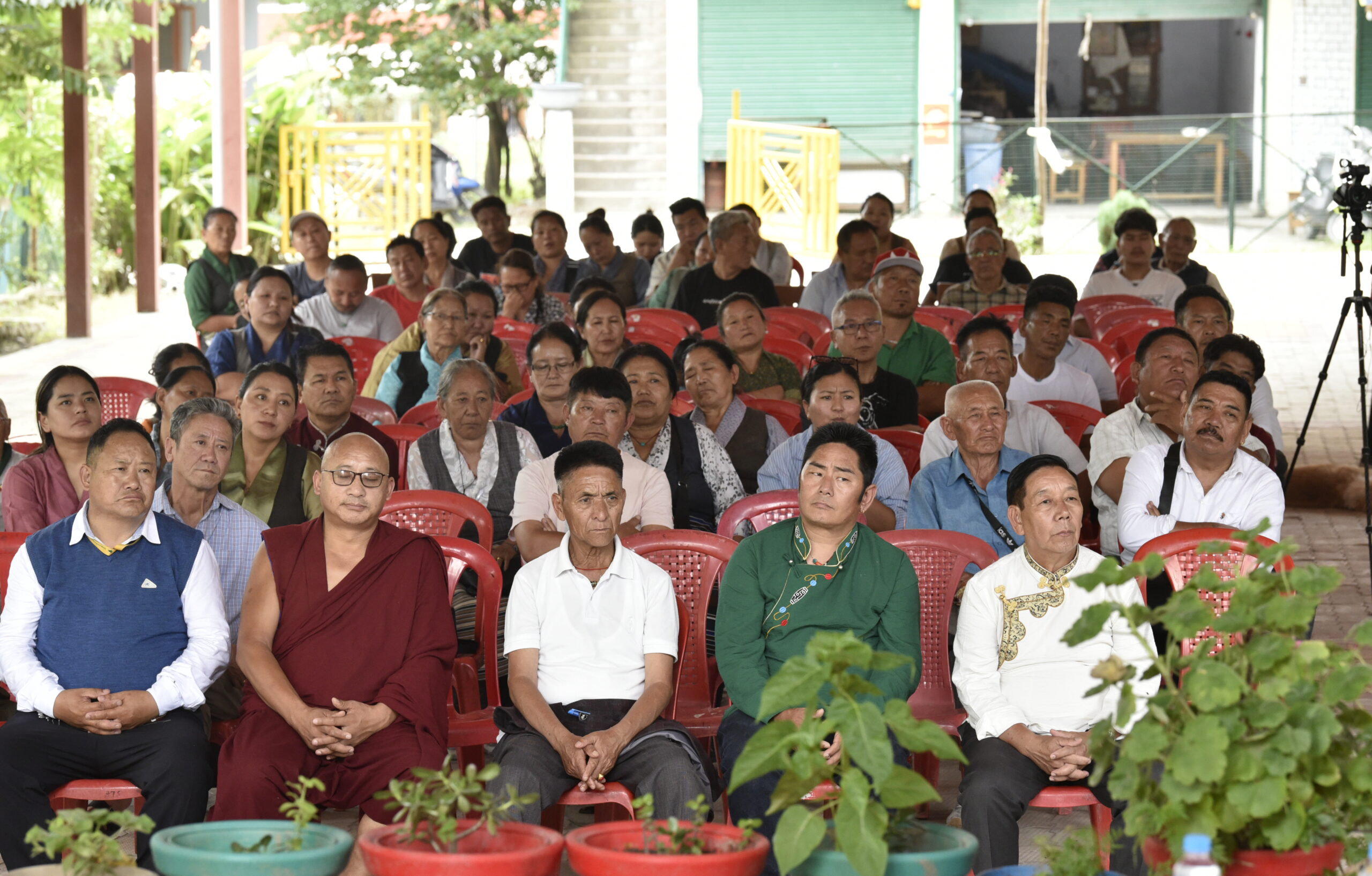
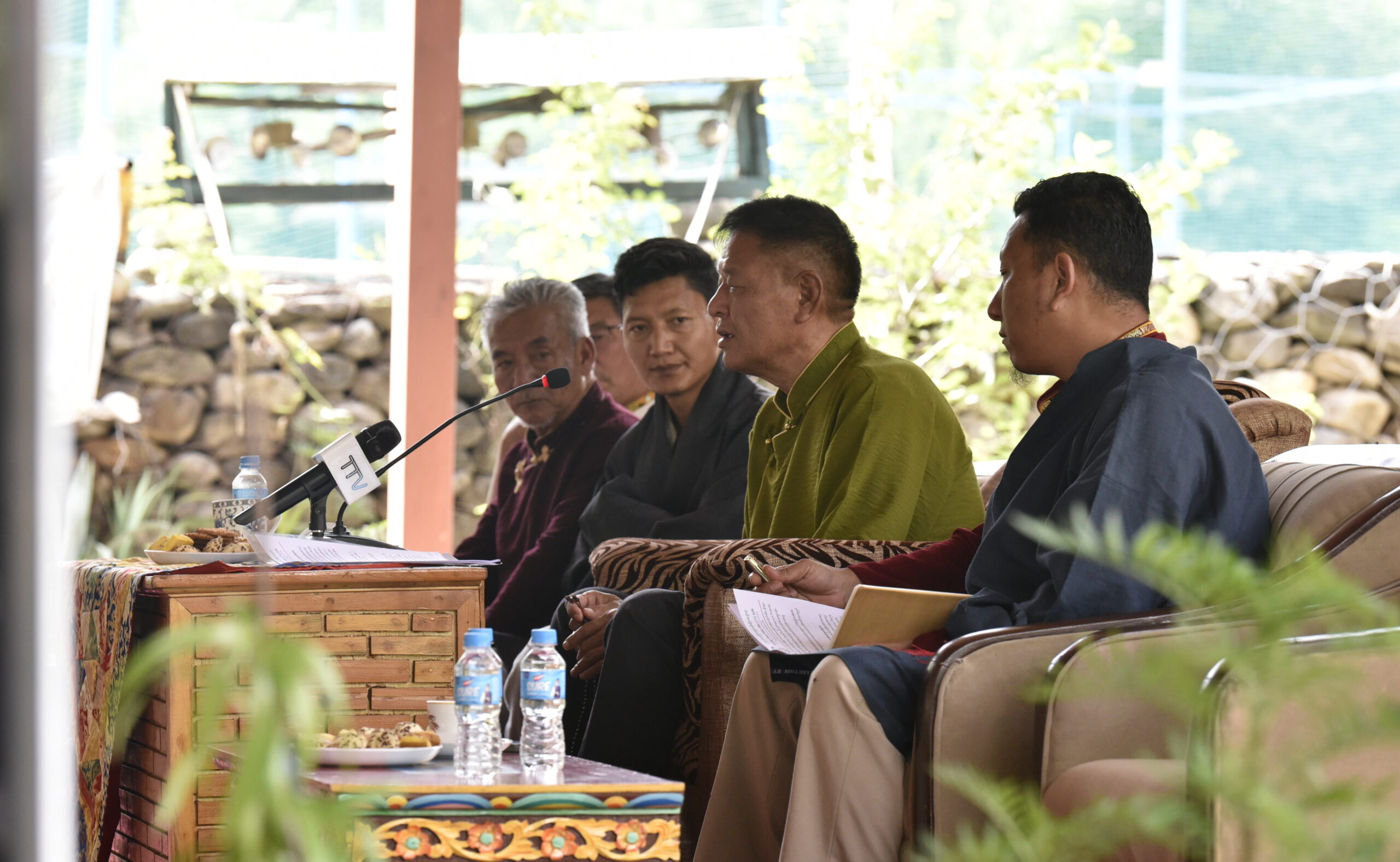
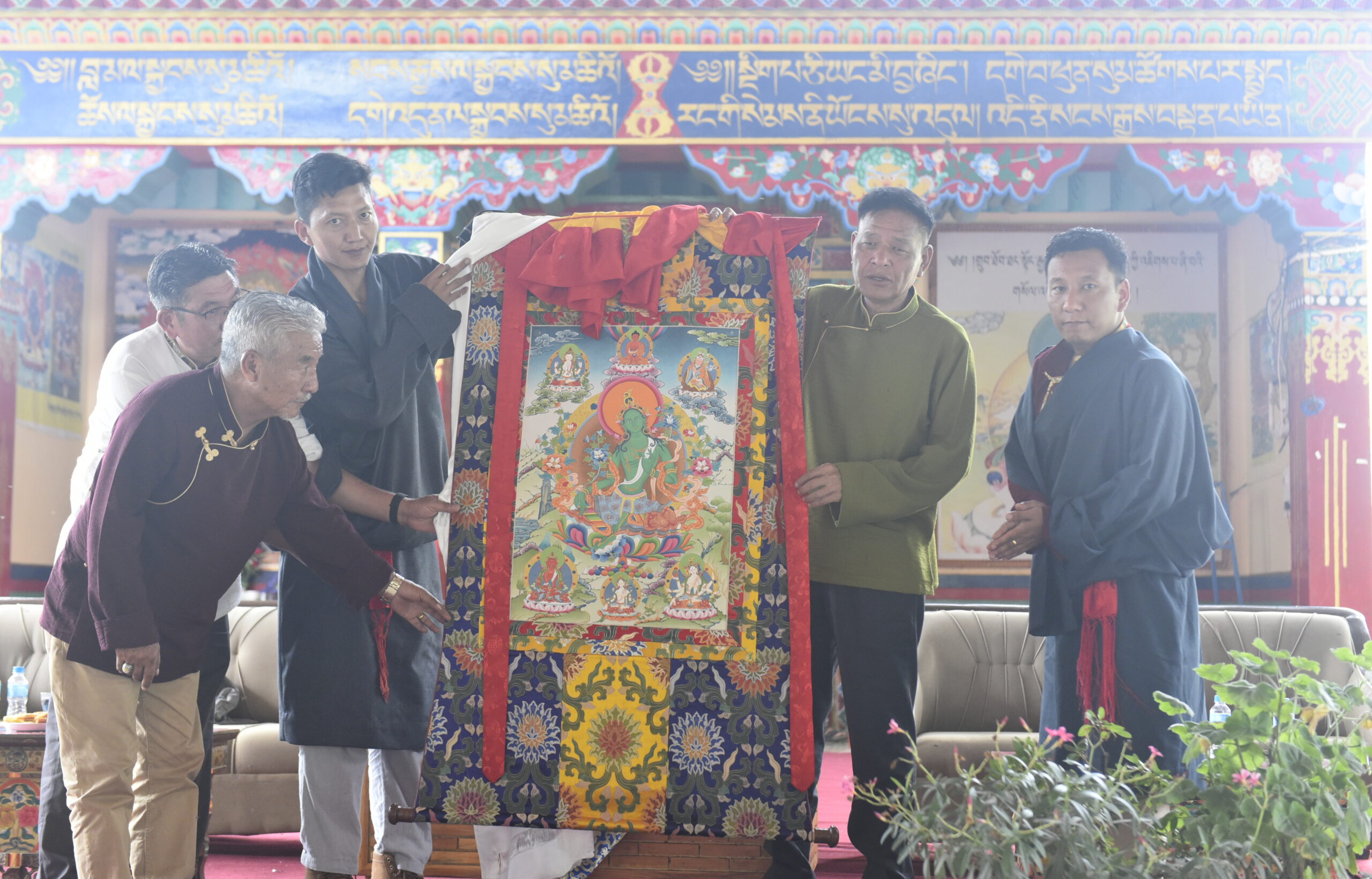
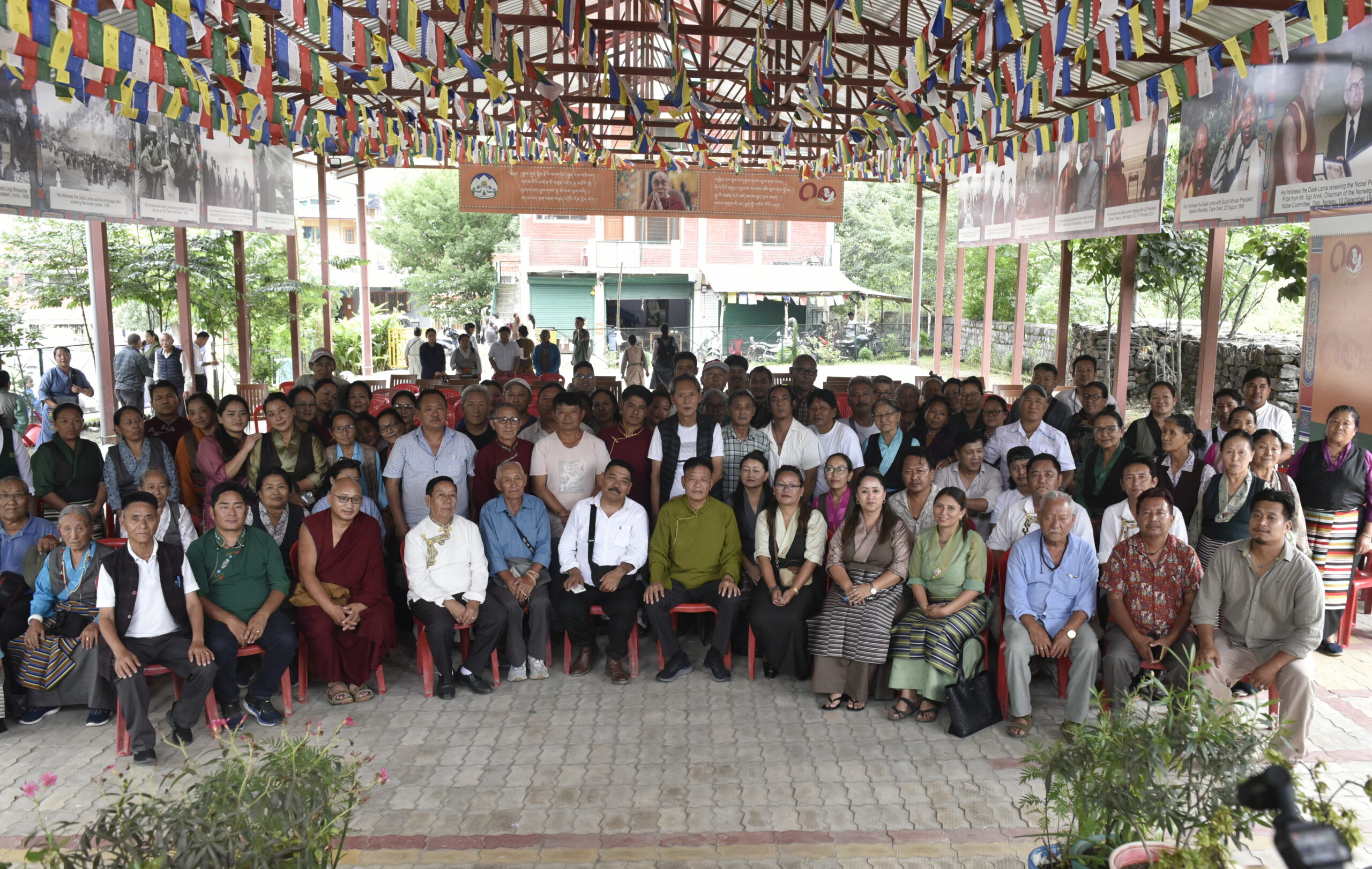
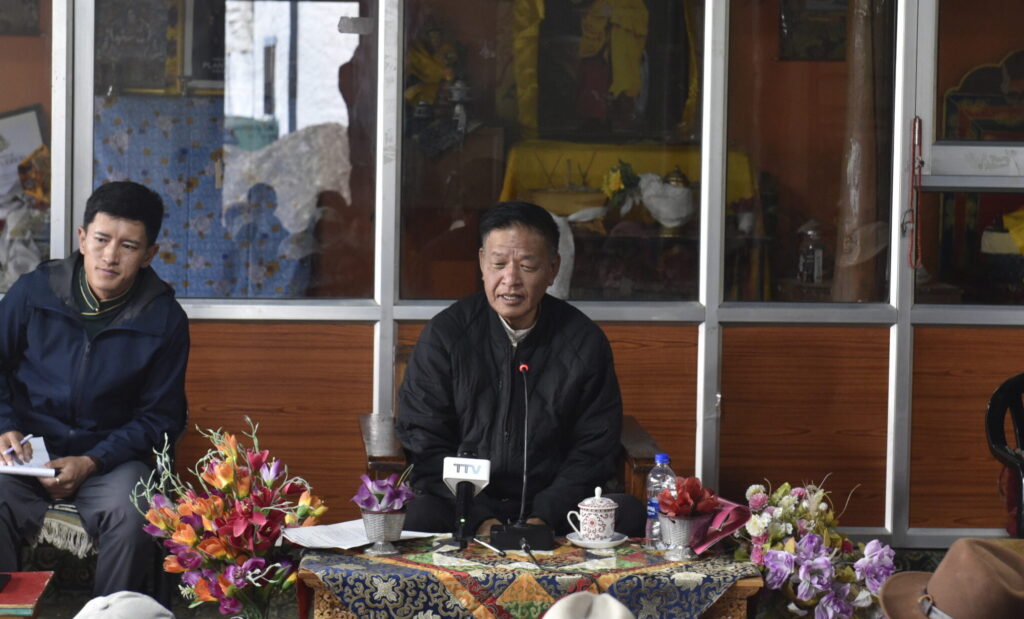
The visit concluded with a public gathering at Palrabling Tibetan Settlement in Dhobhi, where Sikyong Penpa Tsering addressed members of the Tibetan community.
In his public address, Sikyong spoke on a range of issues of pertaining to Tibet and the Tibetan Tibetan cause. He highlighted the current situation in Tibet under Chinese rule, Tibetan plateau’s indispensable role in maintaining Asia’s ecological balance and its global environmental significance, and the continued need to safeguard Tibetan religion, culture, and language for future generations.
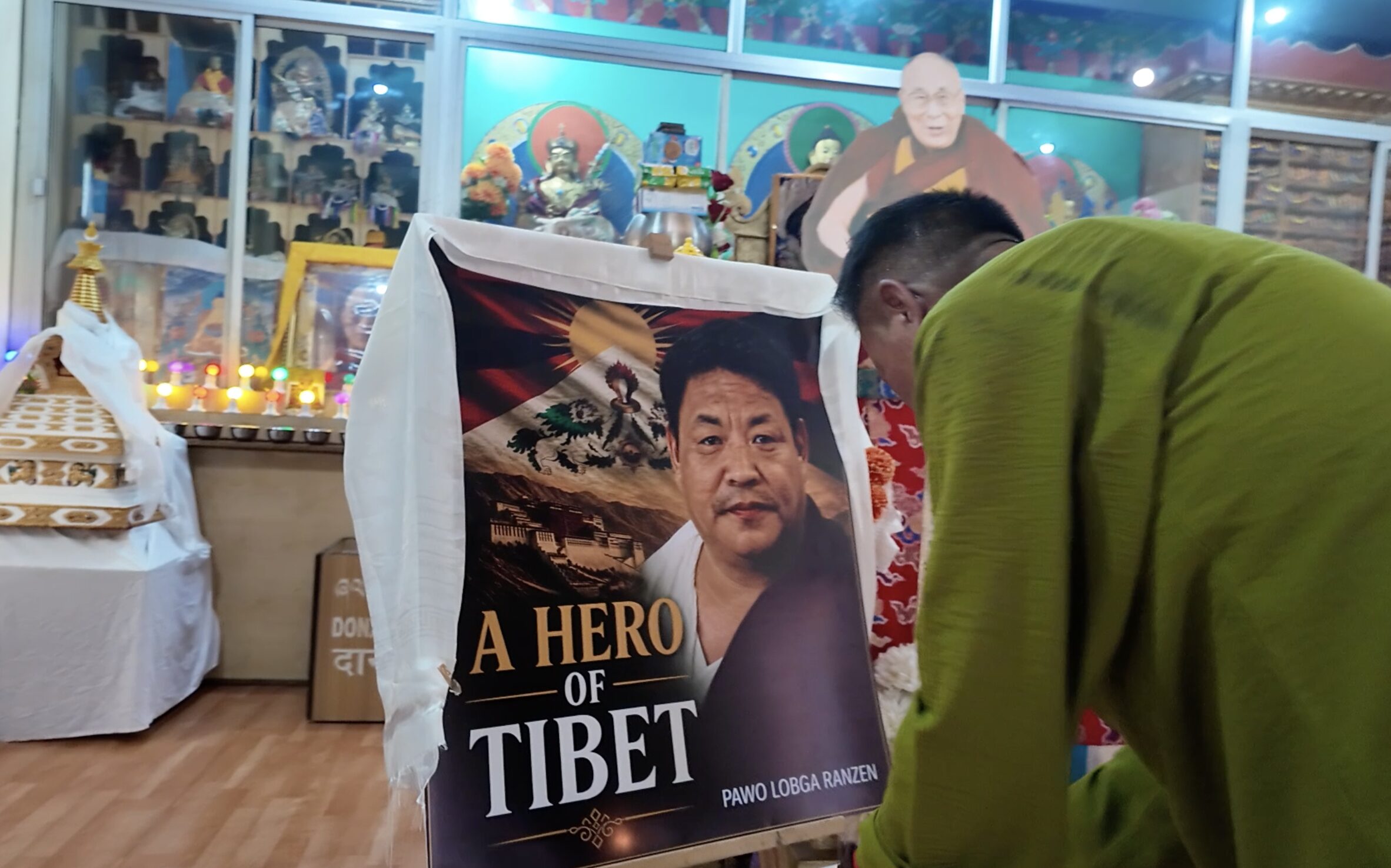
Sikyong also paid tribute to the late Rangzen Lobga, who self-immolated in protest against China’s continued oppressions inside Tibet. Reflecting on the significance of his sacrifice in the Tibetan freedom struggle, Sikyong reaffirmed the collective responsibility to carry forward the aspirations for which he gave his life.
Drawing on his observations during the assessment visit, Sikyong expressed appreciation for the resilience and commitment demonstrated by the Tibetan community in Kullu-Manali despite various challenges. He urged community members to strengthen unity and collective responsibility, support the work of local institutions, and ensure that administrative, educational, and religious establishments continue to serve the community effectively and transparently.
Concluding his address, Sikyong emphasised that preserving Tibetan identity through religion, culture, and language remains the shared responsibility of every Tibetan. He encouraged parents and young people, in particular, to deepen their understanding of Tibet’s history and continue contributing to the Tibetan cause with dedication, integrity, and confidence.