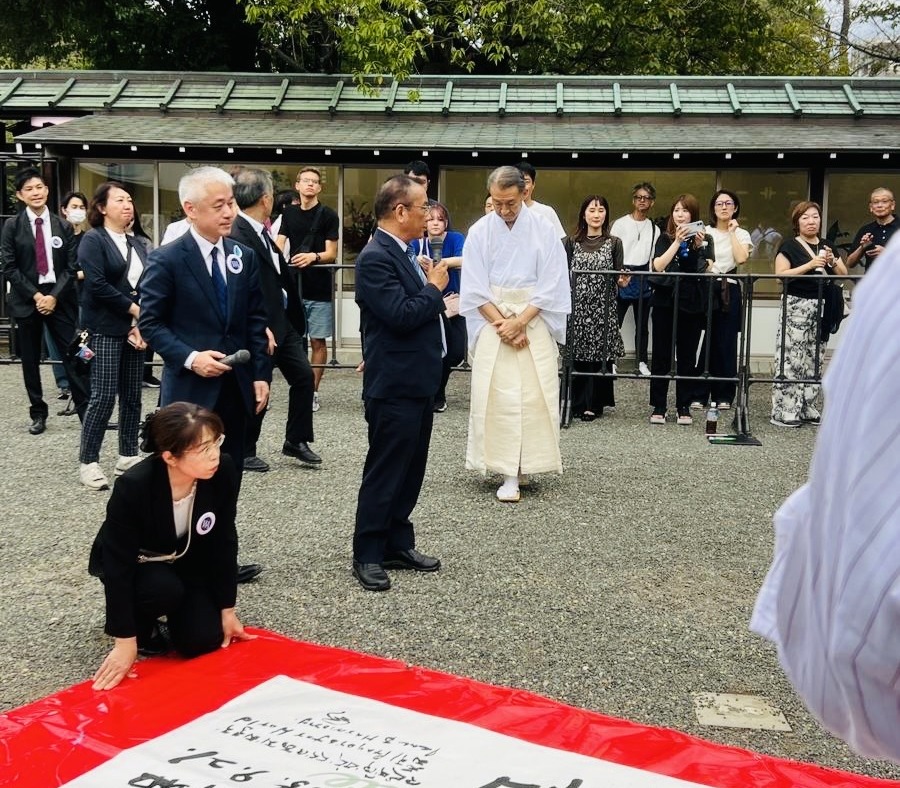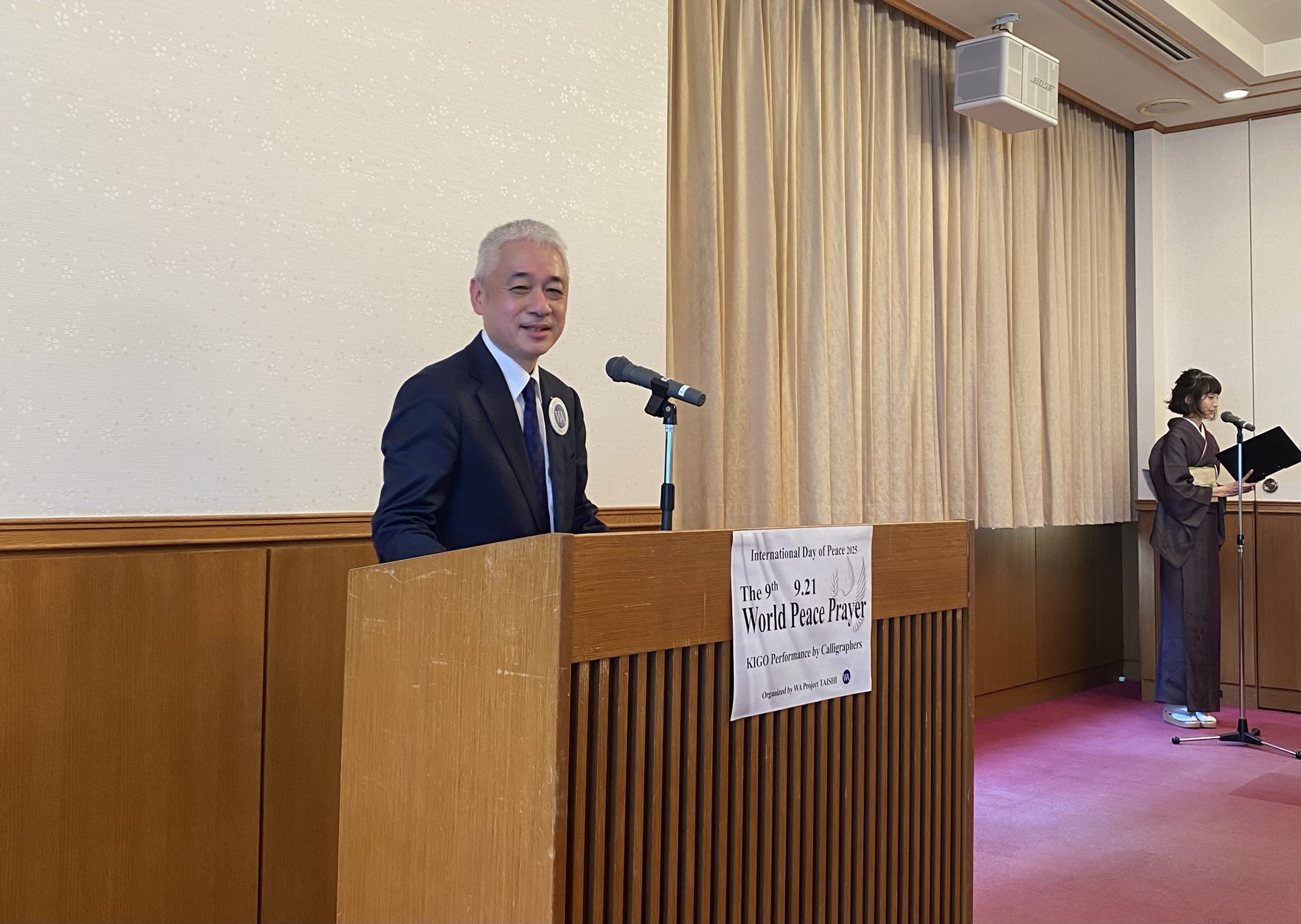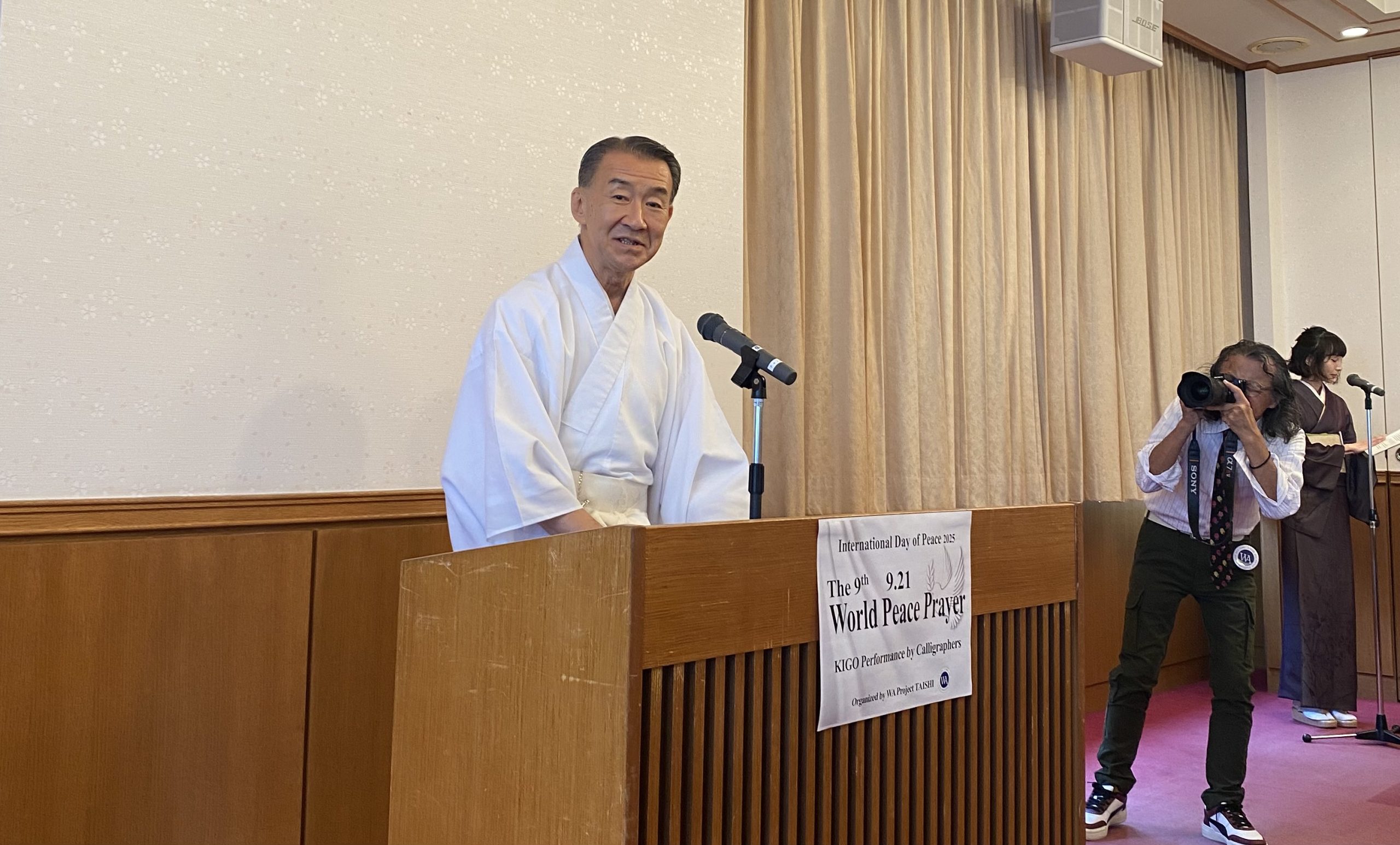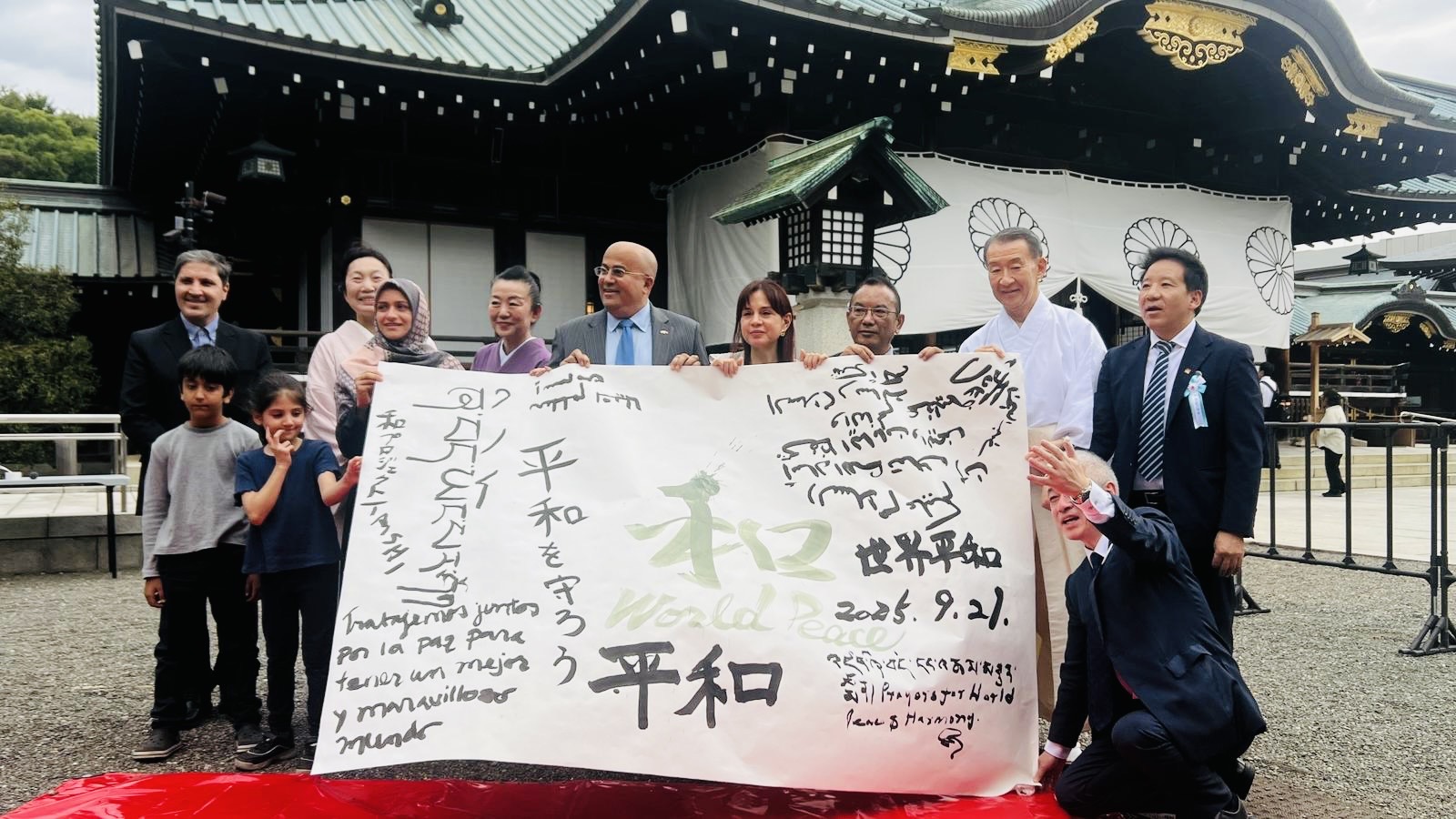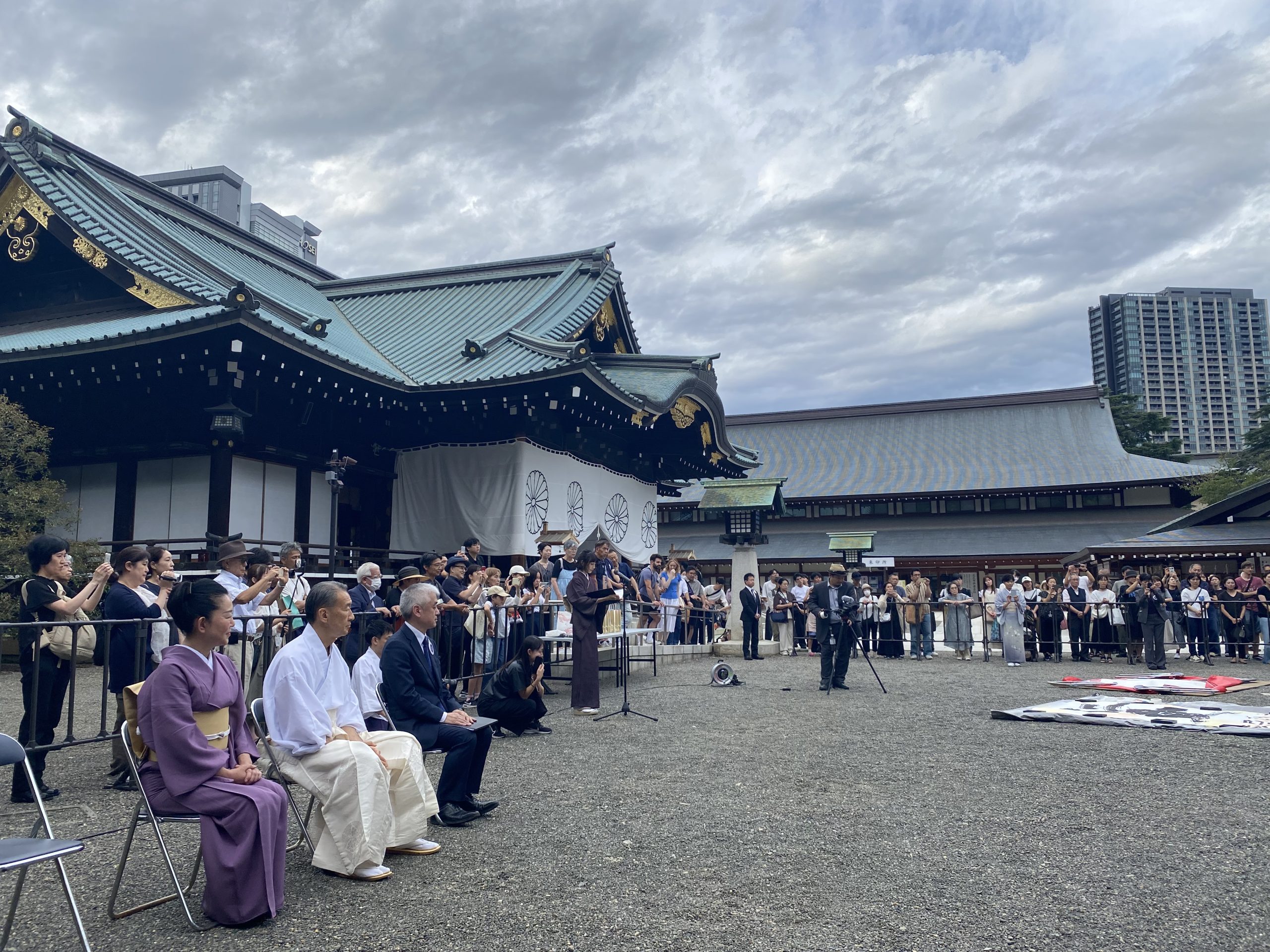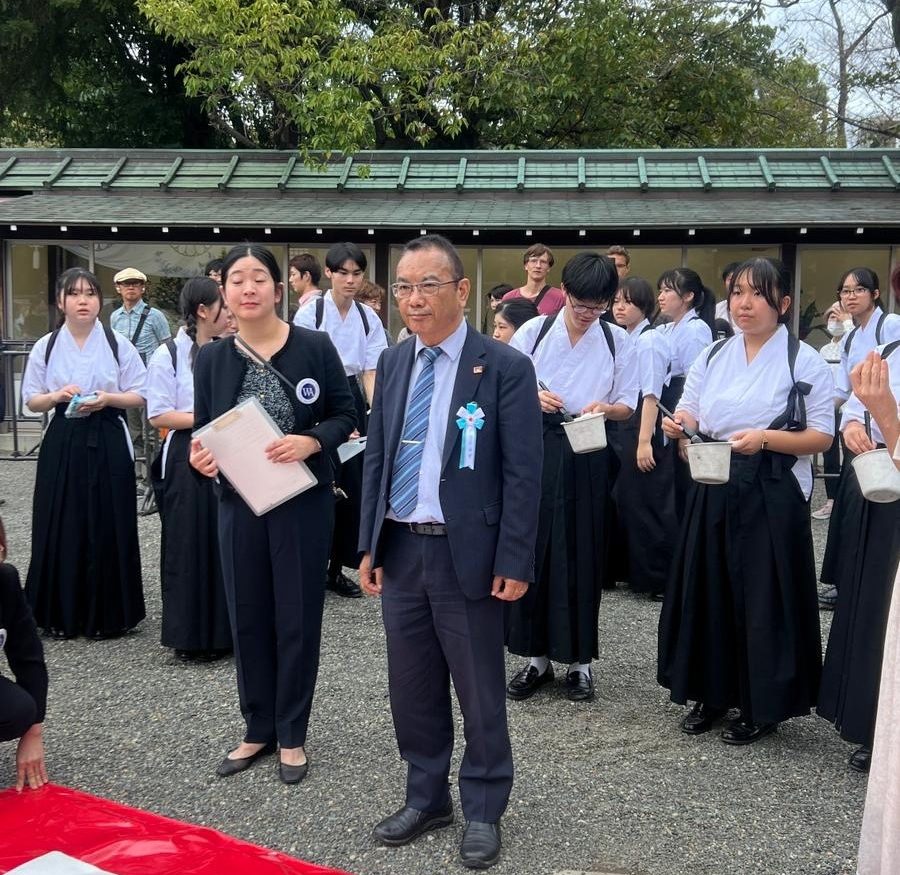
Tokyo: The United Nations declared 21 September as World Peace Day in 1981 to dedicate the day to world peace, promoting peace and harmony around the world. The WA Project Taishi of Japan organised the ‘9th World Peace Prayer’ on the same day at Yasukuni Shrine in Tokyo to commemorate the occasion.
Tatsuhiko Miyamoto, Director of the WA Project Taishi, welcomed the diplomats and the participants and briefed them on the importance of the day by commemorating the 80th anniversary of the end of the war, an important milestone. He talked about the “WA Spirit” as an ancient Japanese philosophy that encapsulates the principles of nature, harmony, and tolerance. He added, “On this occasion, I would like to once again engrave in our hearts the tragedy of war and the preciousness of peace, and to pass these reflections to the next generation.”
Chief Priest of the Yasukuni Jinja, Ven. Umio Otuska greeted the gathering and detailed on Shrine which was built to honour and pray for the souls of all those who sacrificed their lives for the nation. He explained the term Yasukuni as peaceful nation and Japan looks forward to collaborating with the world to achieve a peaceful and harmonious world.
Representative Dr. Tsewang Gyalpo Arya of the Liaison Office of H.H. the Dalai Lama for Japan and East Asia was among the foreign diplomats invited to the event accompanied by Tselha of the Liaison Office of H.H. the Dalai Lama. The event was also attended by Japanese scholars, peace activists, and students.
In his address, Dr Arya reminded the audience of His Holiness’ messages of love and compassion and the concept of the global community and universal responsibility. He conveyed the His Holiness’ teaching by saying:
“The 20th century has been a century of war and we all need to work together to make the 21st century a century of peace and dialogue.” He explained the audiences on how all the sentient beings are temporary guests of this planet earth and need to live in peace and pass on a peaceful world to the next generation.
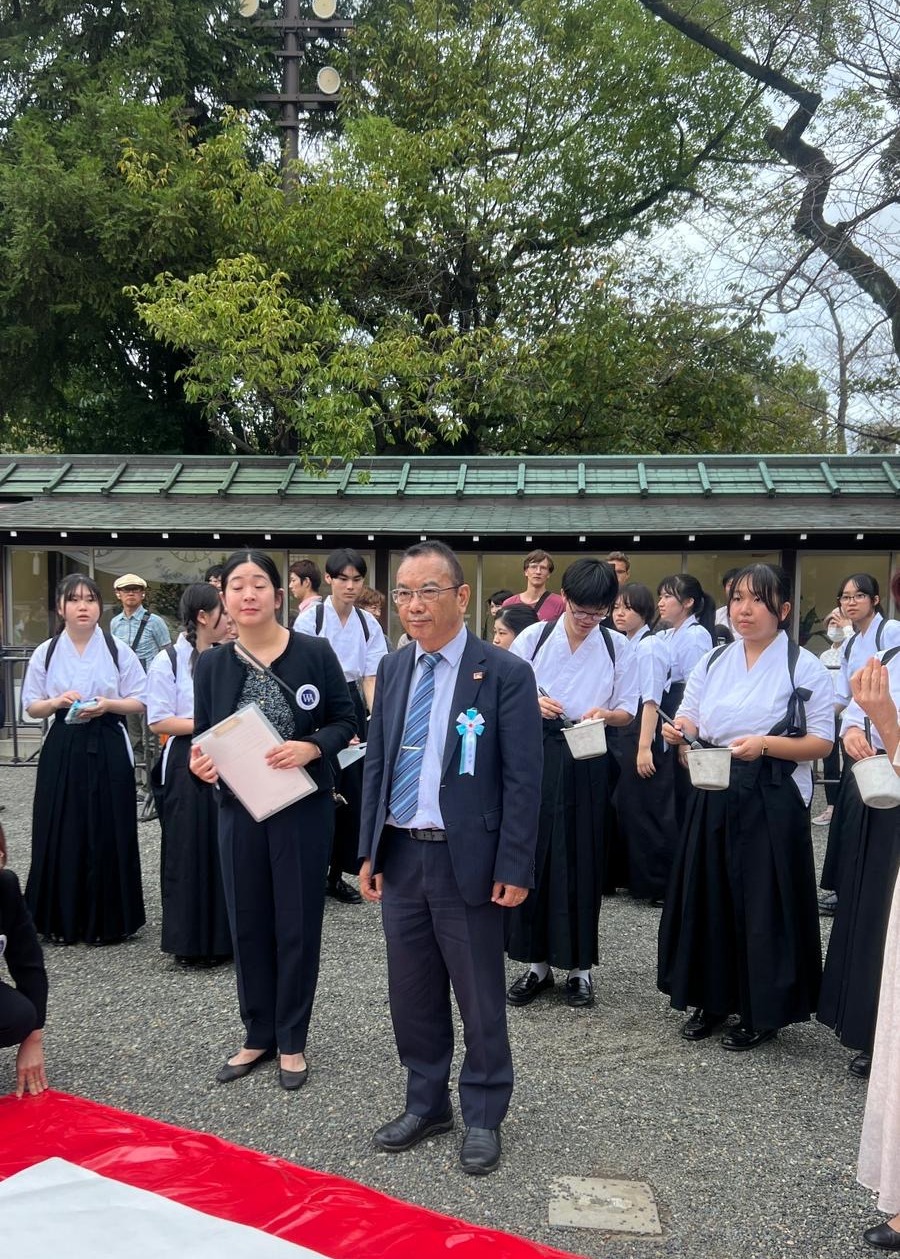
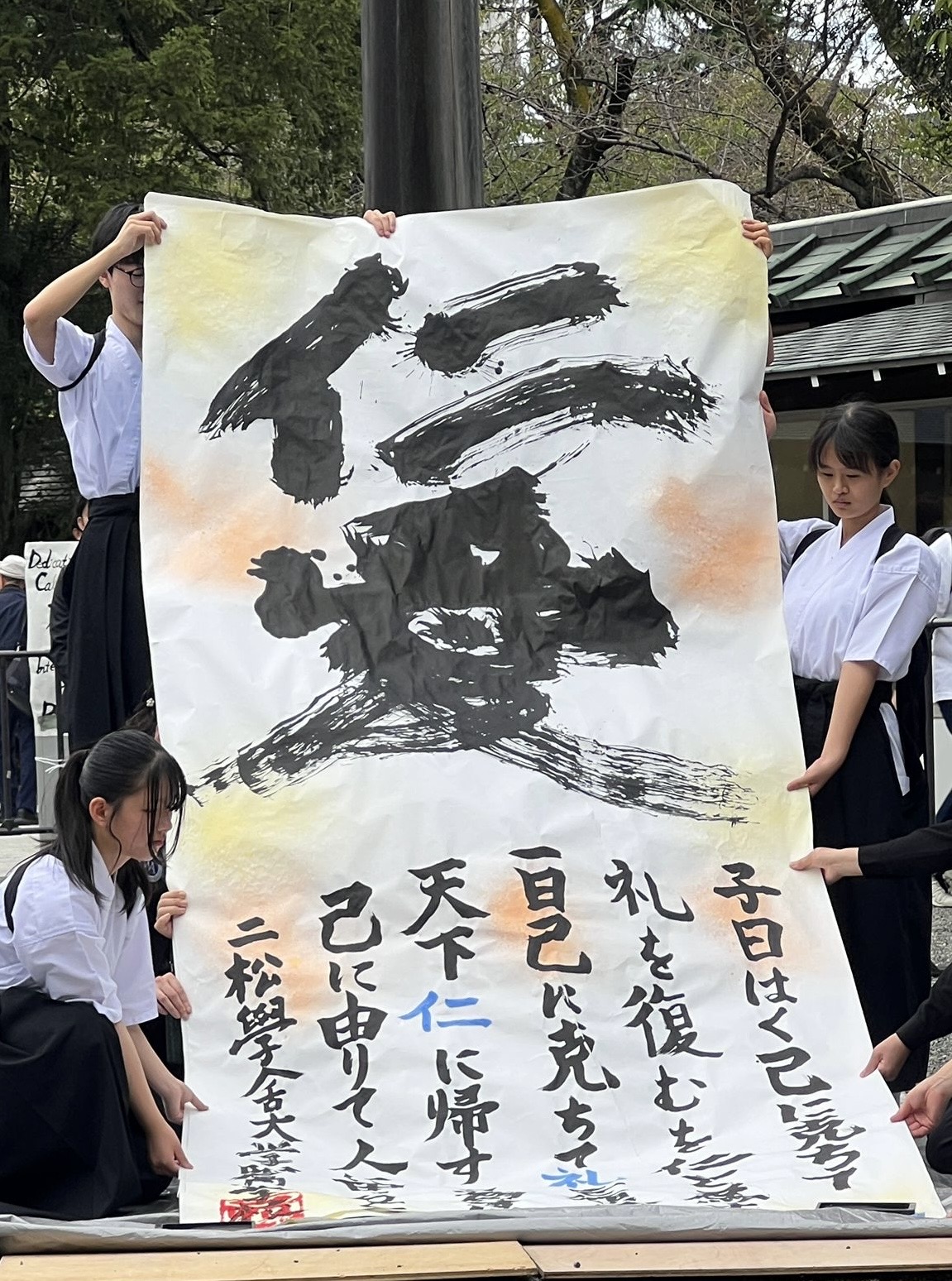
Calligrapher master Kurihara and the students of Nishogakusha high school wrote peace messages in Japanese calligraphy, Shodo, with background music by Kurihara, a crystal bowl artist. Diplomats and the special guests were also invited to write a message of peace in their own language.
The guests were invited to visit the inner sacred sanctuarium of the Shrine. Kanushi, a Shinto priest, introduced the Japanese concept of Kami, a Japanese version of god or divine existence, and how to pray before any Shinto shrine.
-Report filed by the Office of Tibet, Japan