
Kyodo News
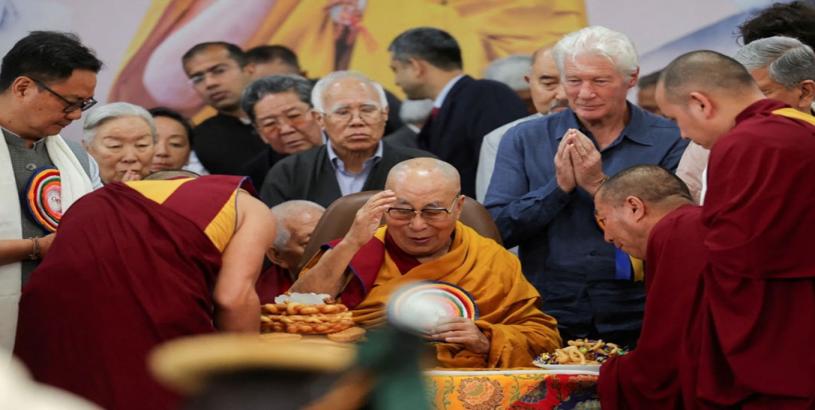
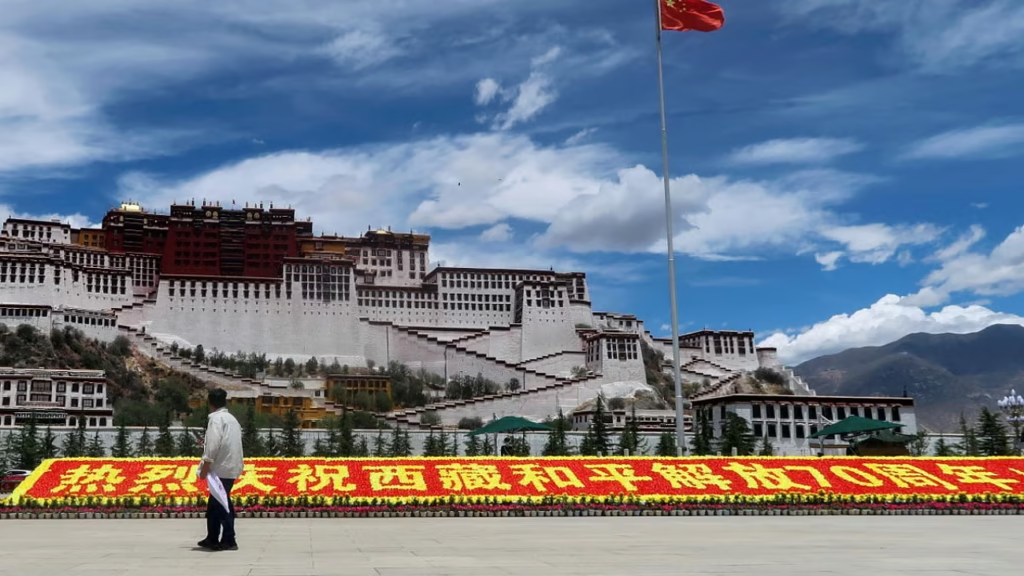
DHARAMSALA, India – With the Dalai Lama, Tibetan Buddhism’s spiritual leader, soon to turn 90, the issue of how to identify his successor, traditionally viewed as his reincarnation, is a key issue facing Tibet’s government-in-exile and China, which took control of the Himalayan region more than 70 years ago.
While China has claimed the sole authority to determine the successor, the current 14th Dalai Lama, who fled to India in 1959, has warned that Tibetans will not respect anyone chosen as his reincarnation by the country they see as having invaded their homeland.
Amid speculation that the Dalai Lama could identify his successor while still alive, potentially through a process of recognition based on “karmic” connection, the president of the Tibetan government-in-exile has told Kyodo News that selection after the spiritual leader’s demise on the basis of reincarnation remains the more likely scenario.
“I cannot say for sure, but what we have listened to (from) His Holiness and what has been going around so far indicate (the successor’s selection would) more likely (be) by reincarnation” than by identification by the spiritual leader, Penpa Tsering said in a recent interview in Dharamsala, northern India.
Dalai Lama has also said in the past that his successor could be a woman.
Tsering said the Dalai Lama will make an announcement in a video message at a meeting of representatives of Tibetan Buddhist monasteries on July 2, four days before he turns 90, although he said he did not know whether the succession issue would be touched on.
Turning to China, Tsering said the key issue for Chinese government officials is selecting a new Dalai Lama “to fulfill their political needs.”
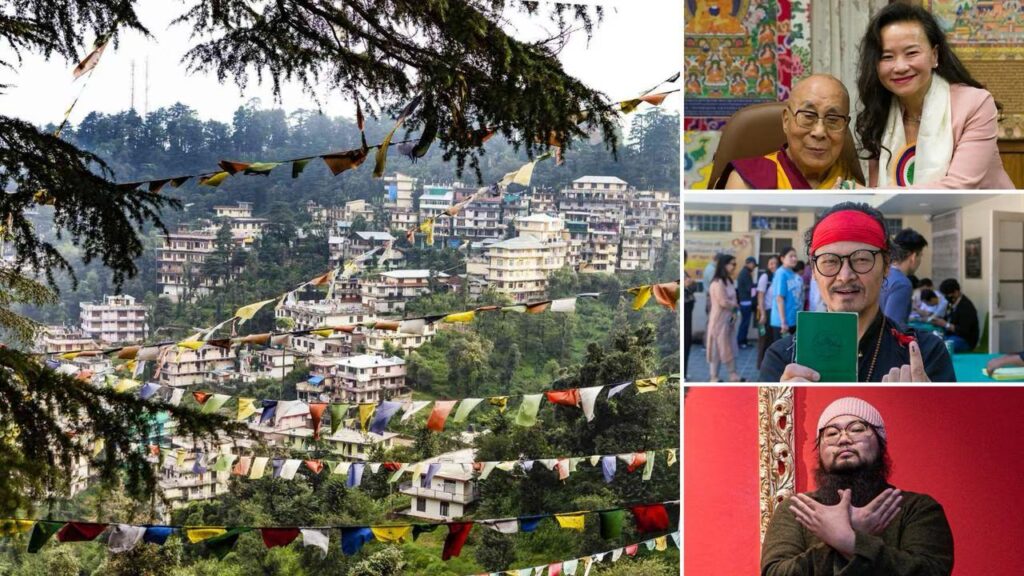
The current Dalai Lama, Tenzin Gyatso, assumed the role in 1950 after being identified as the reincarnation of his predecessor when he was 2 years old. He exiled himself to India soon after the failed Tibetan uprising against China’s imposition of control in 1959. He later established a government-in-exile in Dharamsala.
China considers the current Dalai Lama as a separatist who aims to break Tibet away from China. He, however, has insisted he is seeking autonomy for Tibet, with steps to preserve its religion, culture and language. Click here to read more.