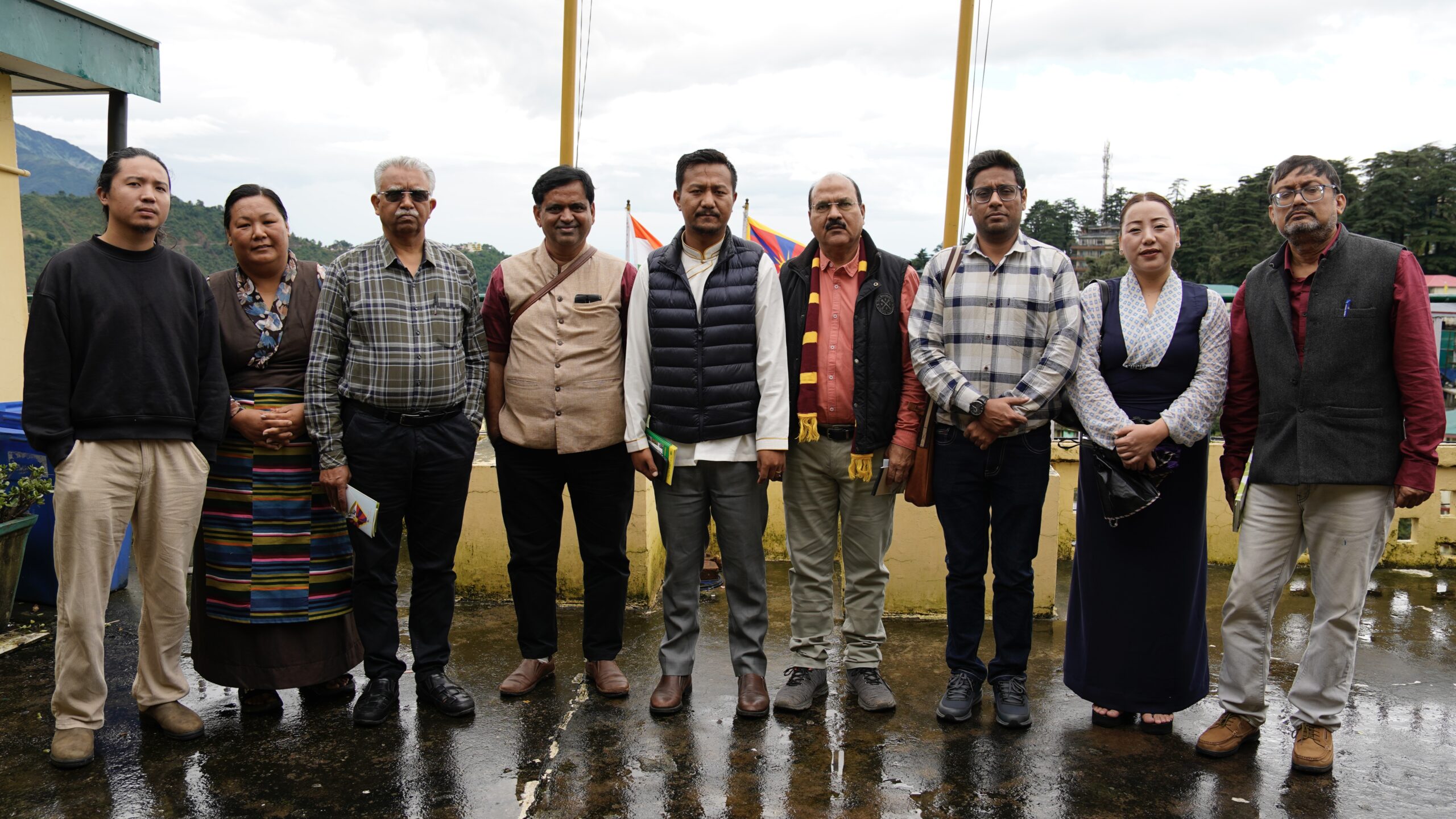

Dharamshala: As part of the annual outreach initiative organised by the India Tibet Coordination Office (ITCO), based in New Delhi, a delegation comprising five senior regional journalists from across India undertook a visit to Dharamshala, Himachal Pradesh, from 31 August to 3 September 2025. The purpose of this visit was to gain firsthand insights into the Tibetan movement, the workings of the Central Tibetan Administration (CTA), and the lived experiences of the Tibetan exile community.
The delegation was accompanied by ITCO Coordinator, Tashi Dekyi, who facilitated meetings, site visits, and interactive sessions designed to deepen understanding of Tibet’s political, cultural, and humanitarian dimensions.
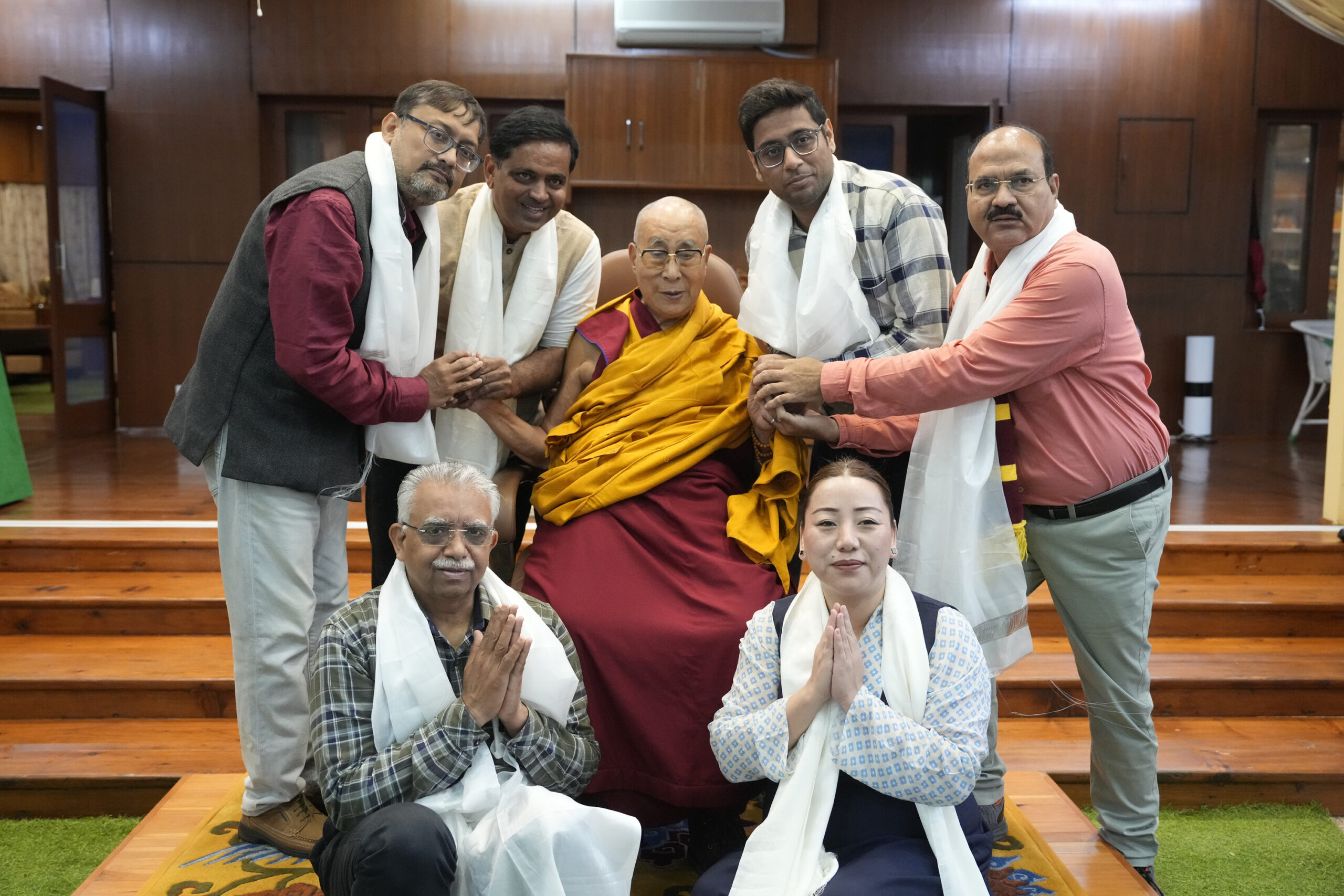
The five delegations were Shri. Agni Roy, Assistant Editor at Ananda Bazar Patrika (ABP) (Bengali Press); Shri. Ravindra Bhat, Executive Editor at Prajavani (Kanada Press); Shri. Ajay Rami, Special Correspondent at Nav Gujarat Samay (Gujarati Press); Dr. (Prof.) Amit Jyotikar, Editor at Prabuddh Jyoti (Gujarati Press), and Shri. Mohd.Gufran Afridi, Reporter at Roznama Rashtriya Sahara(Urdu Press).
Upon their arrival, the delegation’s first-day itinerary involved a visit to the Central Tibetan Administration (CTA) headquarters, a tour of the Tibet Museum, visit at Voice of Tibet and a visit at Tibetan Library of Works and Archive where they explored the exhibition related to Tibet with the assistance of the museum staff.
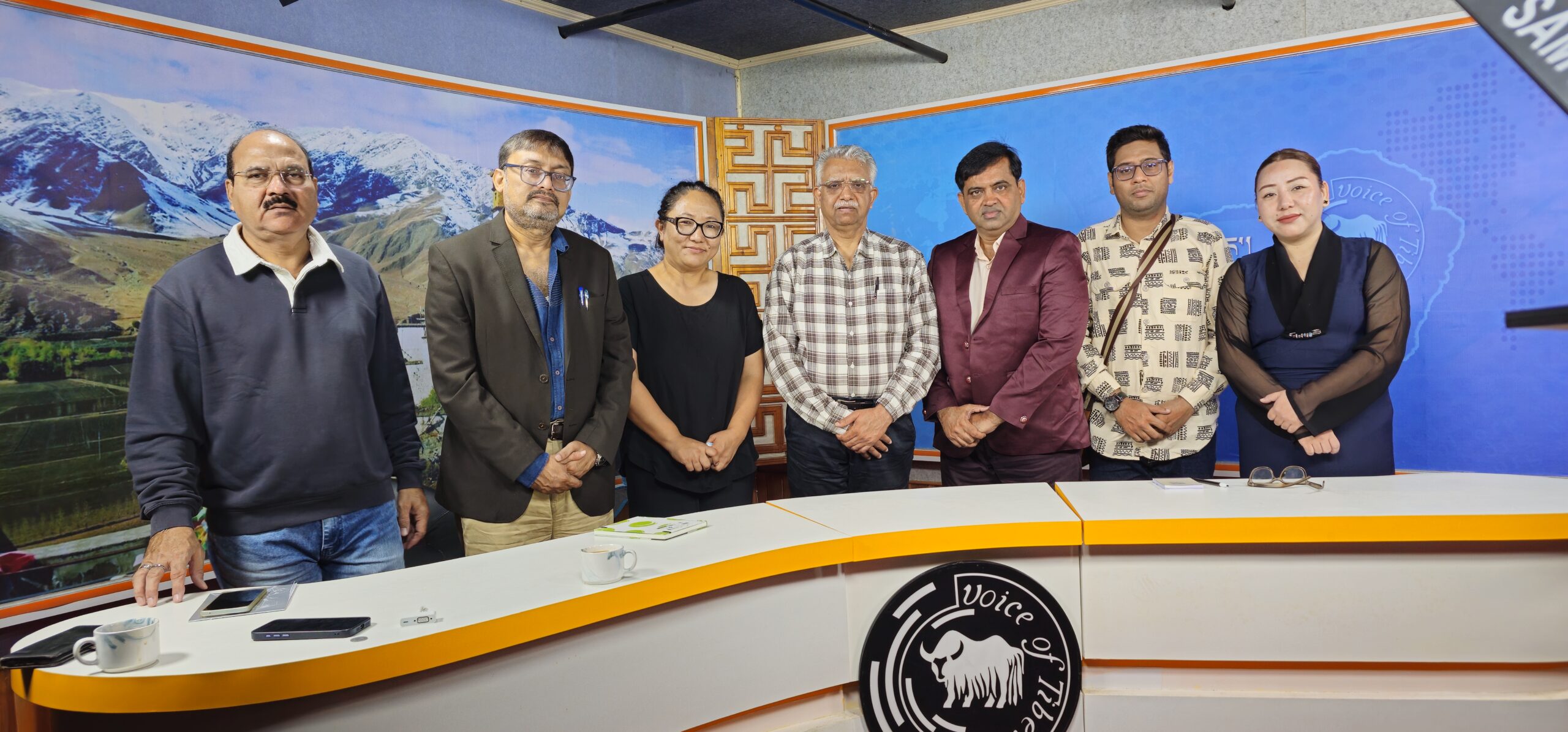
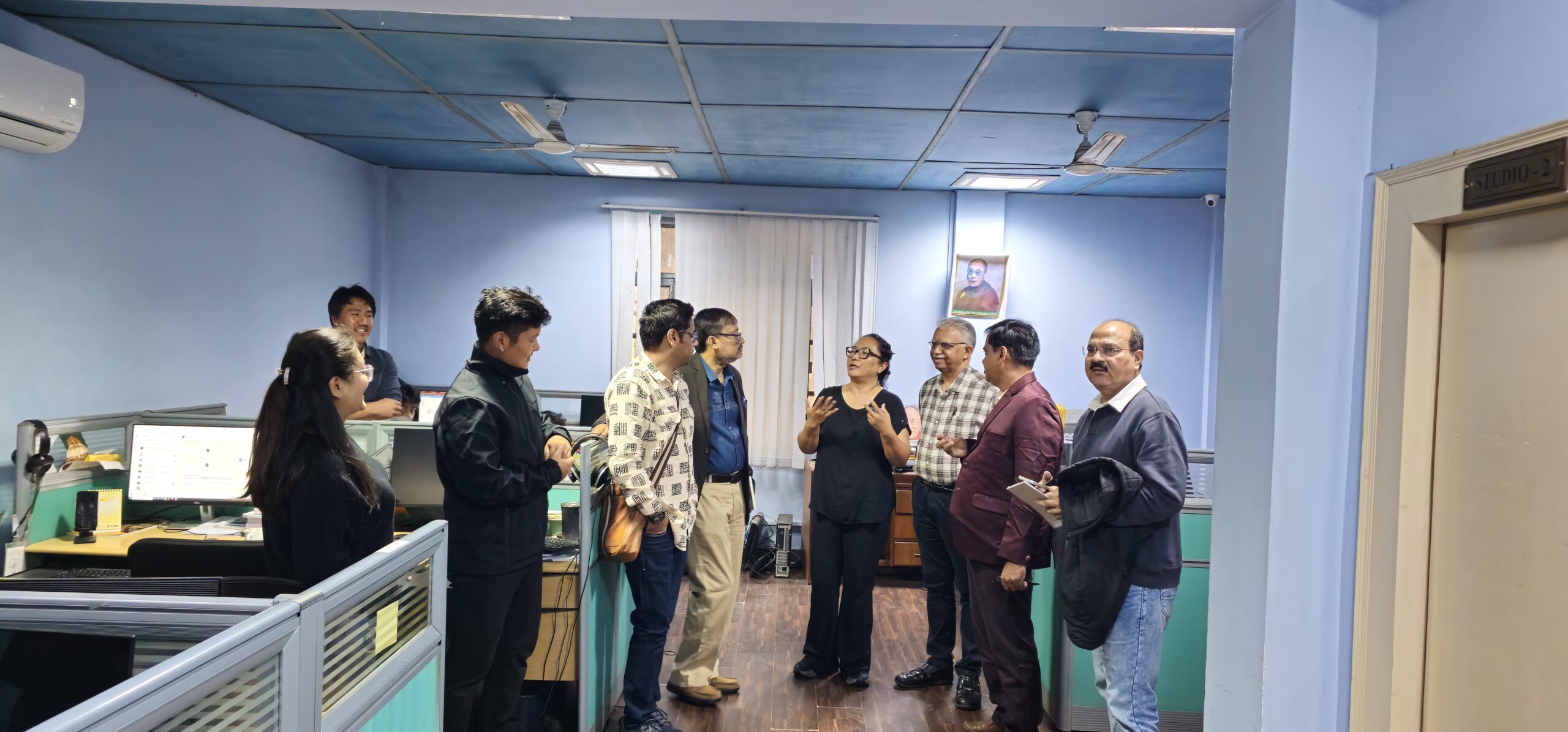
The delegation began their program with a visit to the Voice of Tibet (VoT) office, where they were warmly received by its Executive Director Tenzin Peldon. The Executive Director of VOT provided an overview of the VoT’s founding, and its ongoing commitment to delivering independent news coverage related to Tibet. She highlighted the organisation’s daily operations, its role in disseminating news to Tibetan communities in Diaspora and its efforts to report on developments inside Tibet, despite significant restrictions. The delegation was also briefed on key milestones of VoT’s journey, including its contributions to press freedom and its impact as a trusted source of Tibetan news and advocacy.
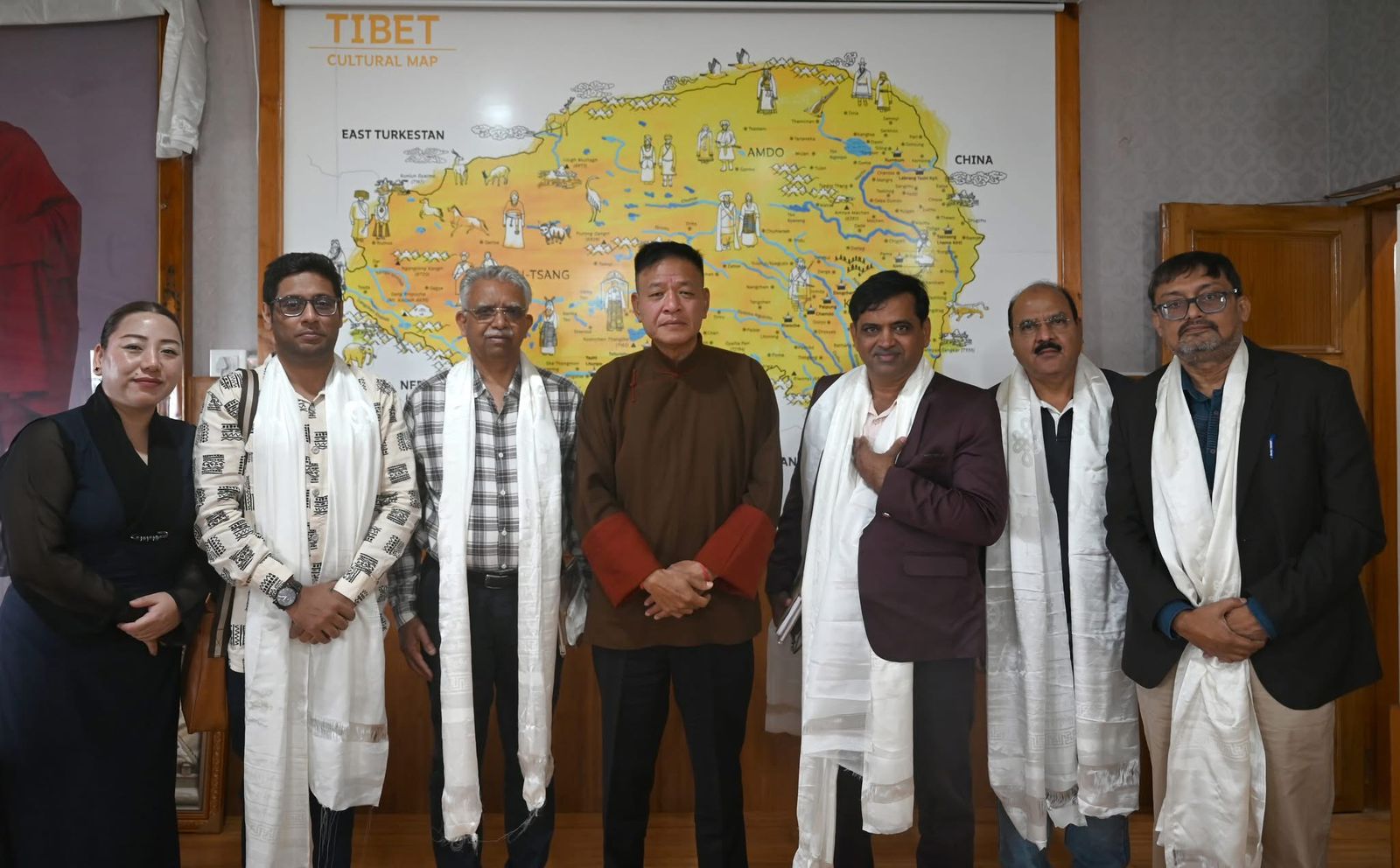
The delegation had the opportunity to meet with Kalon Norzin Dolma, Department of Information and International Relations (DIIR), who provided a comprehensive briefing on the organisational structure of DIIR and the CTA as a whole, followed by an engaging Q&A session. Thereafter, they had the distinct honour of meeting the leadership of CTA, Sikyong Penpa Tsering, President of the Central Tibetan Administration (CTA). Sikyong delivered an insightful address about the global political landscape concerning Tibet (International Advocacy and geopolitical developments), the current situation within Tibet (Human Rights, cultural preservation and environmental challenges), the evolution and resilience of Tibetan democracy and leadership in exile, and India-Tibet relations (highlighting India’s pivotal role in supporting the Tibetan movement and the community. The address was followed by a thought-provoking Q&A session which offered valuable perspective on the CTA’s vision and its diplomatic priorities.
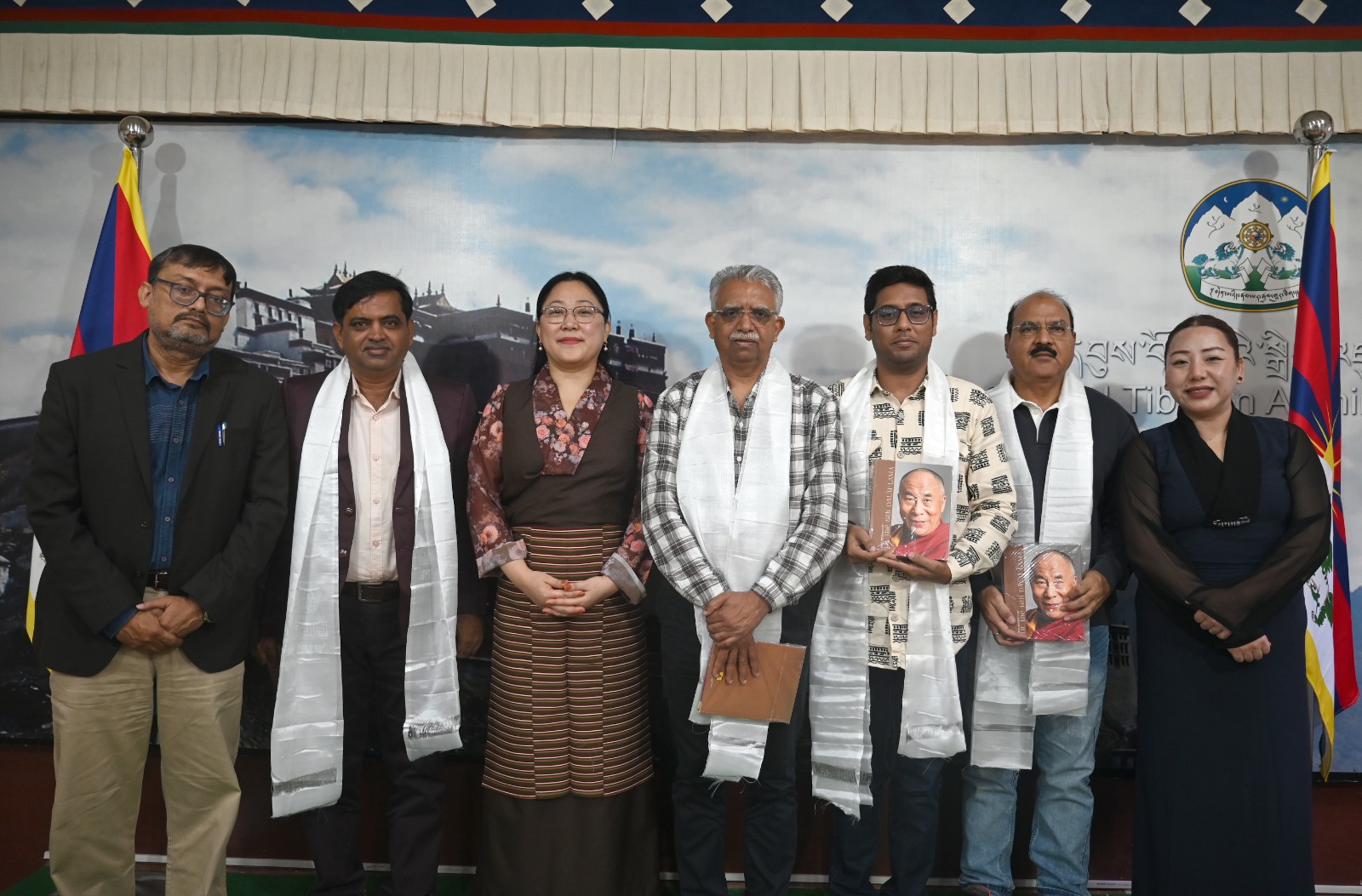
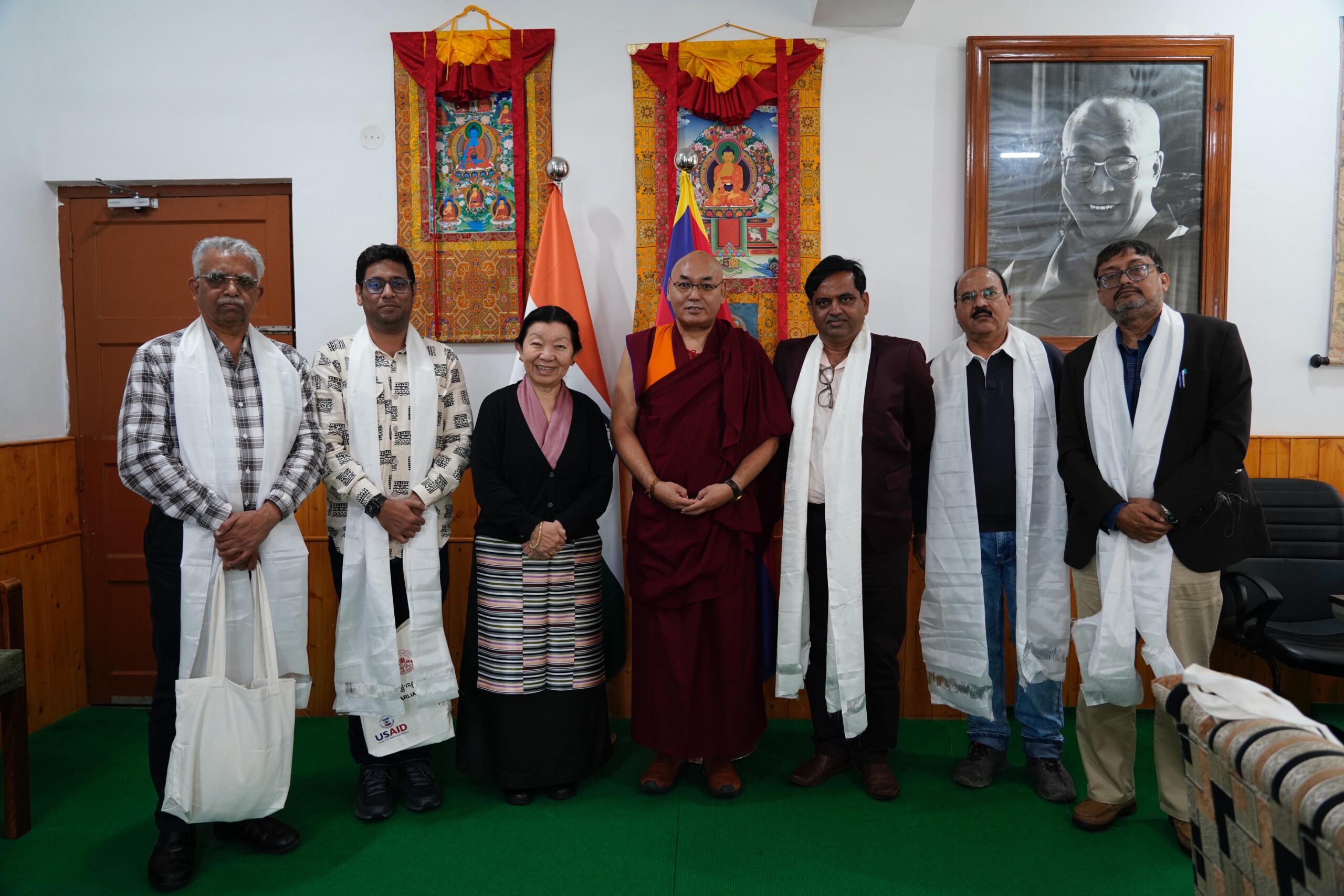
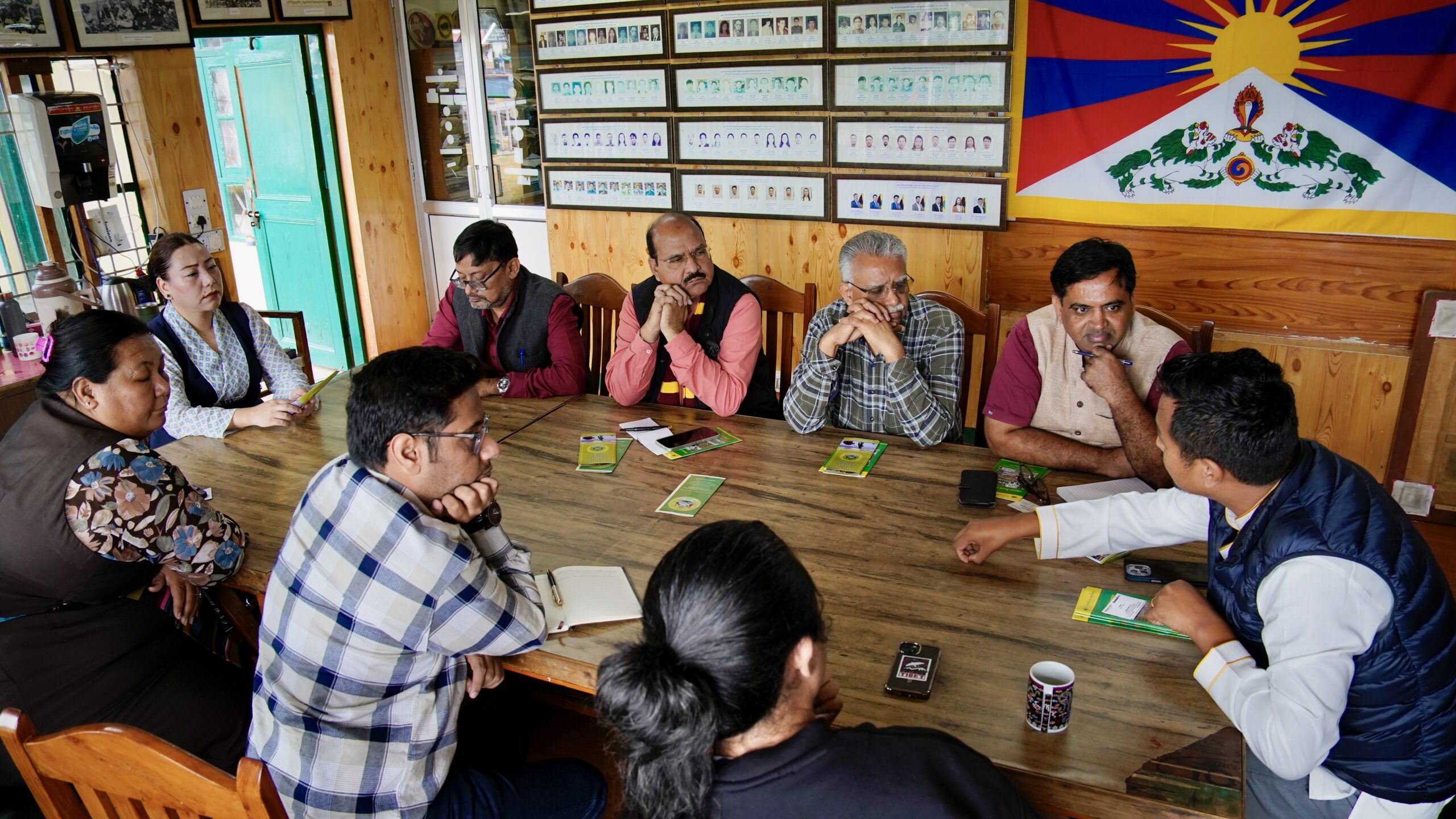
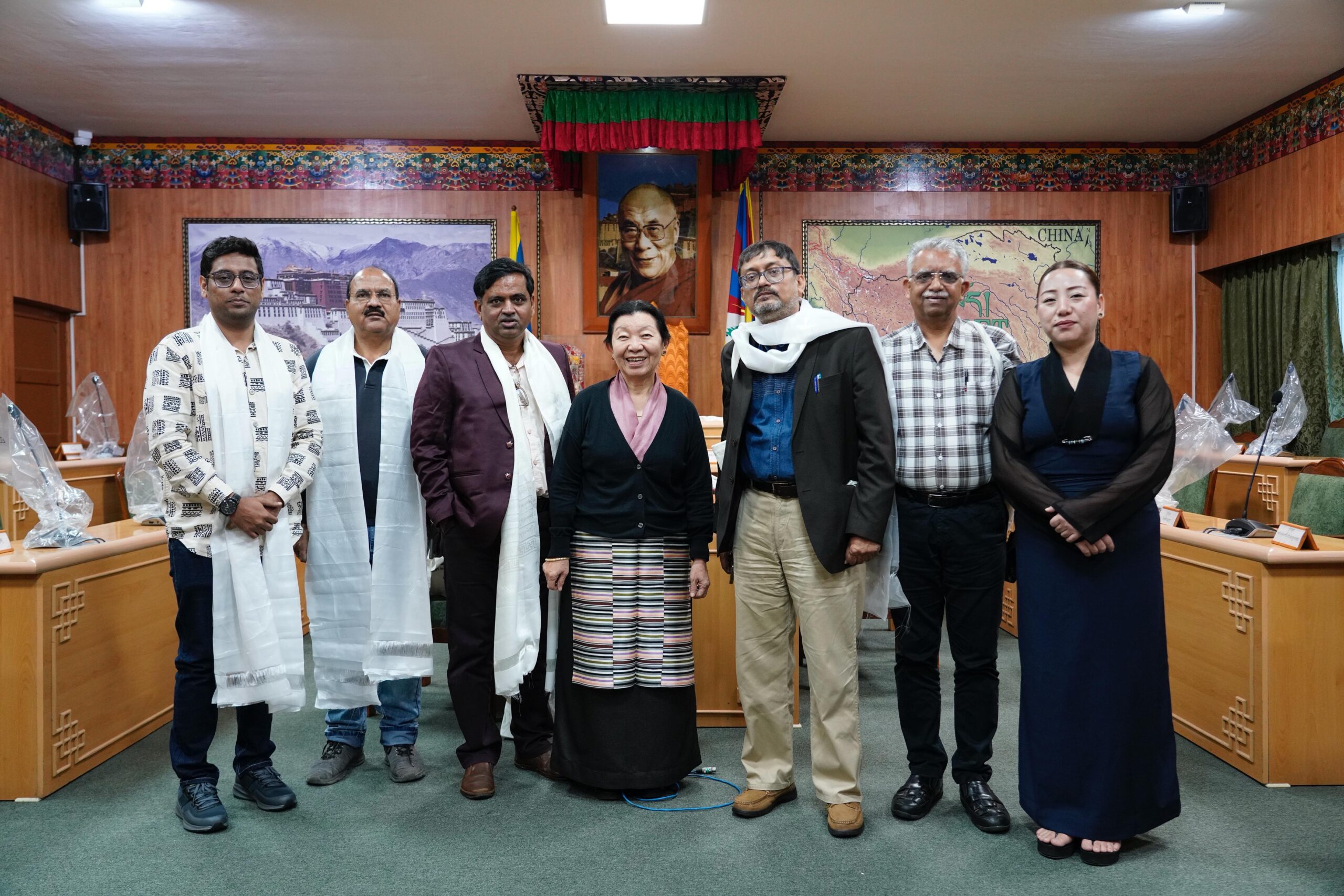
Subsequently, the delegation had the privilege of meeting with the Honourable Speaker Khenpo Sonam Tenphel and Deputy Speaker Dolma Tsering Teykhang of the Tibetan parliament in Exile. During the meeting ,the delegation were presented with multilingual editions of the brochure titled “Why Tibet Matters to India” published in Bengali, Guajarati, Urdu, Hindi and English, reflecting the CTA’s commitment to inclusive outreach and regional engagement across India. The Honorable Speaker and Deputy Speaker provided a detailed briefing on the historical evolution, structure and the functioning of the Tibetan Parliament in Exile. The interaction offered insights on institutional framework of Tibetan governance in exile and its significance in preserving democratic values and cultural identity.
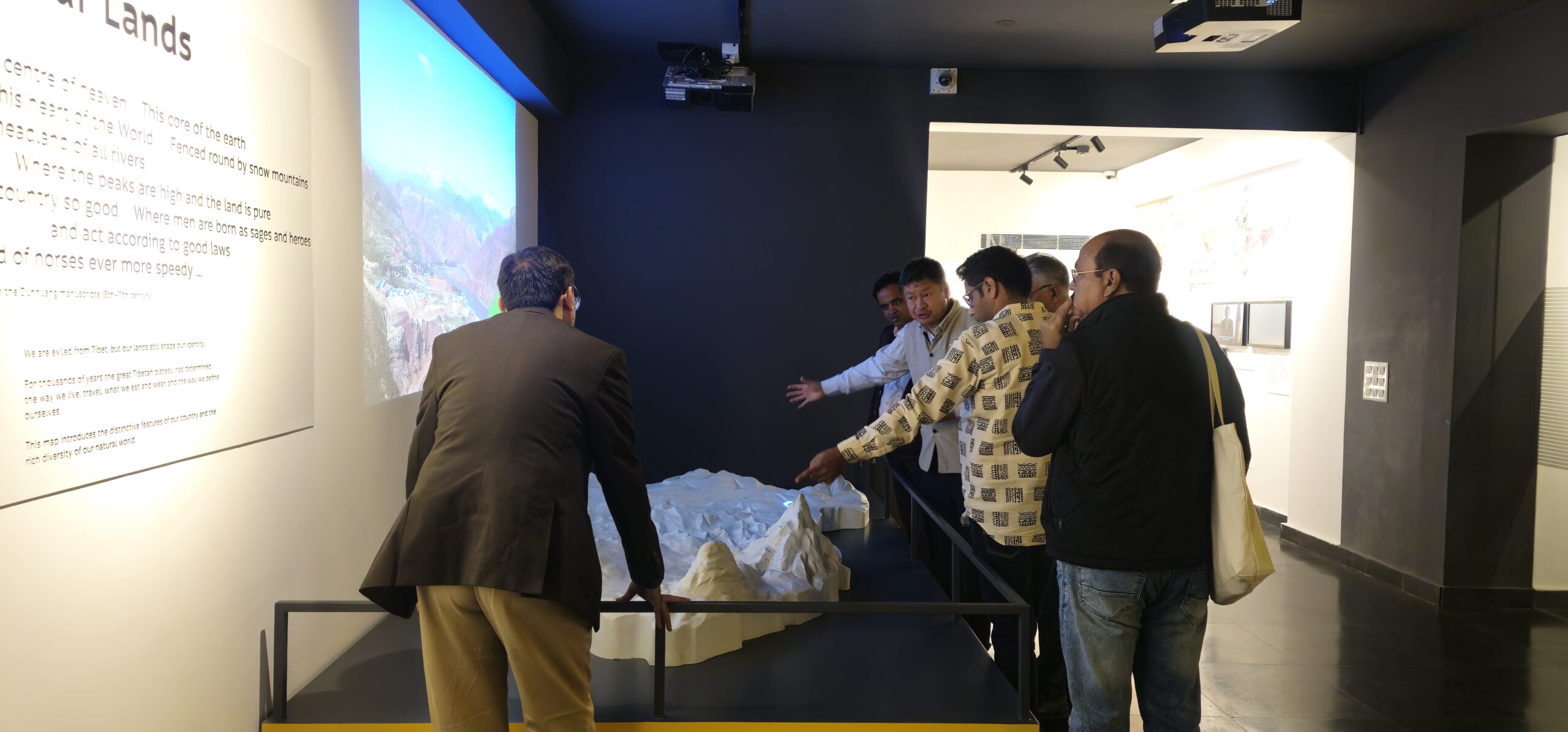
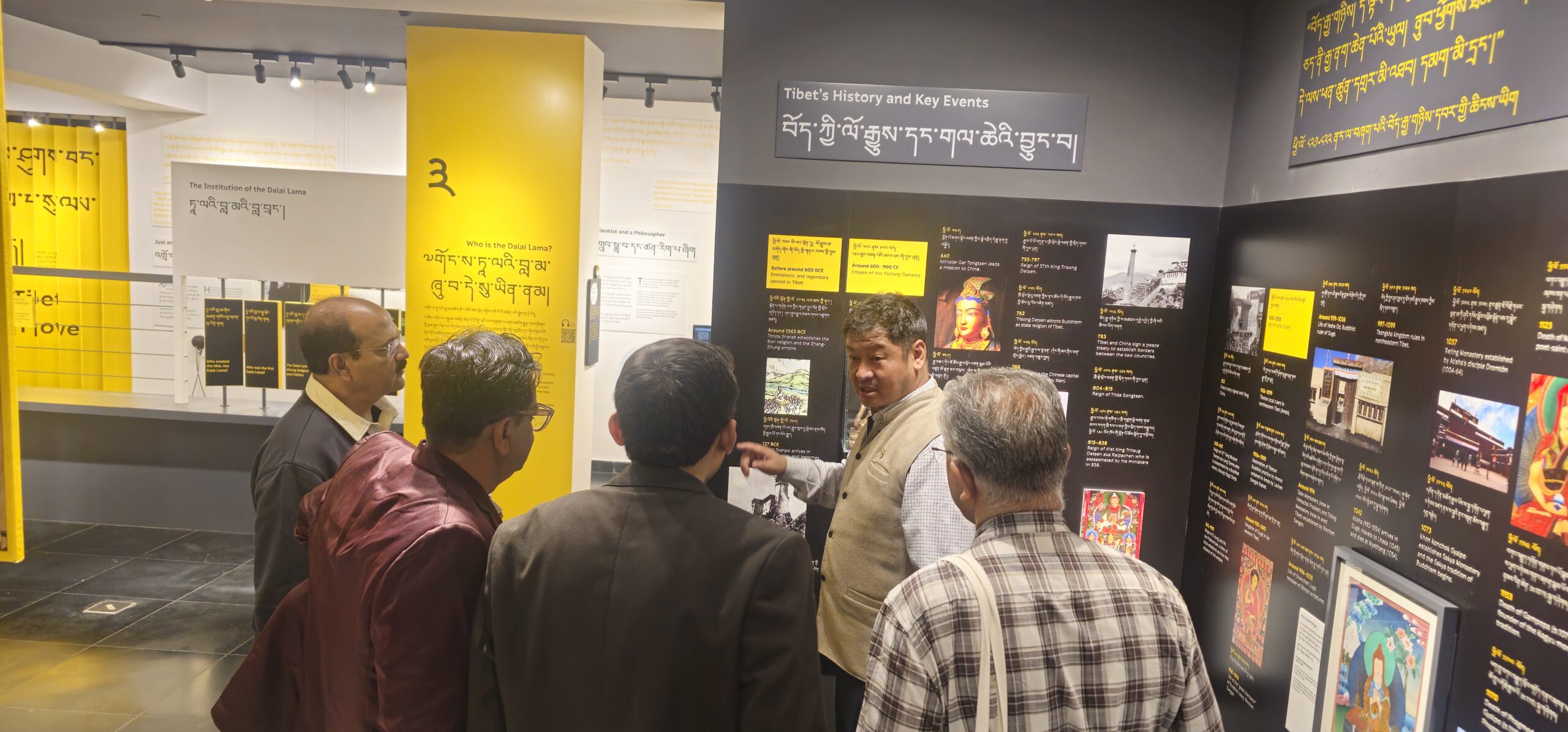
On the following day, the delegation also met with CTA Spokesperson cum Addl. Secretary at the DIIR, Tenzin Lekshay. The interaction was both informative and engaging. Following the meeting, Spokesperson Lekshay offered to personally accompany the delegation on a guided tour of the Tibet Museum. He provided a detailed and comprehensive overview of Tibet’s historical timeline, including significant political, cultural and social developments. He spoke about everything from Tibet’s deep cultural roots and the tough times under occupation to the incredible strength and spirit of the Tibetan people living in exile.
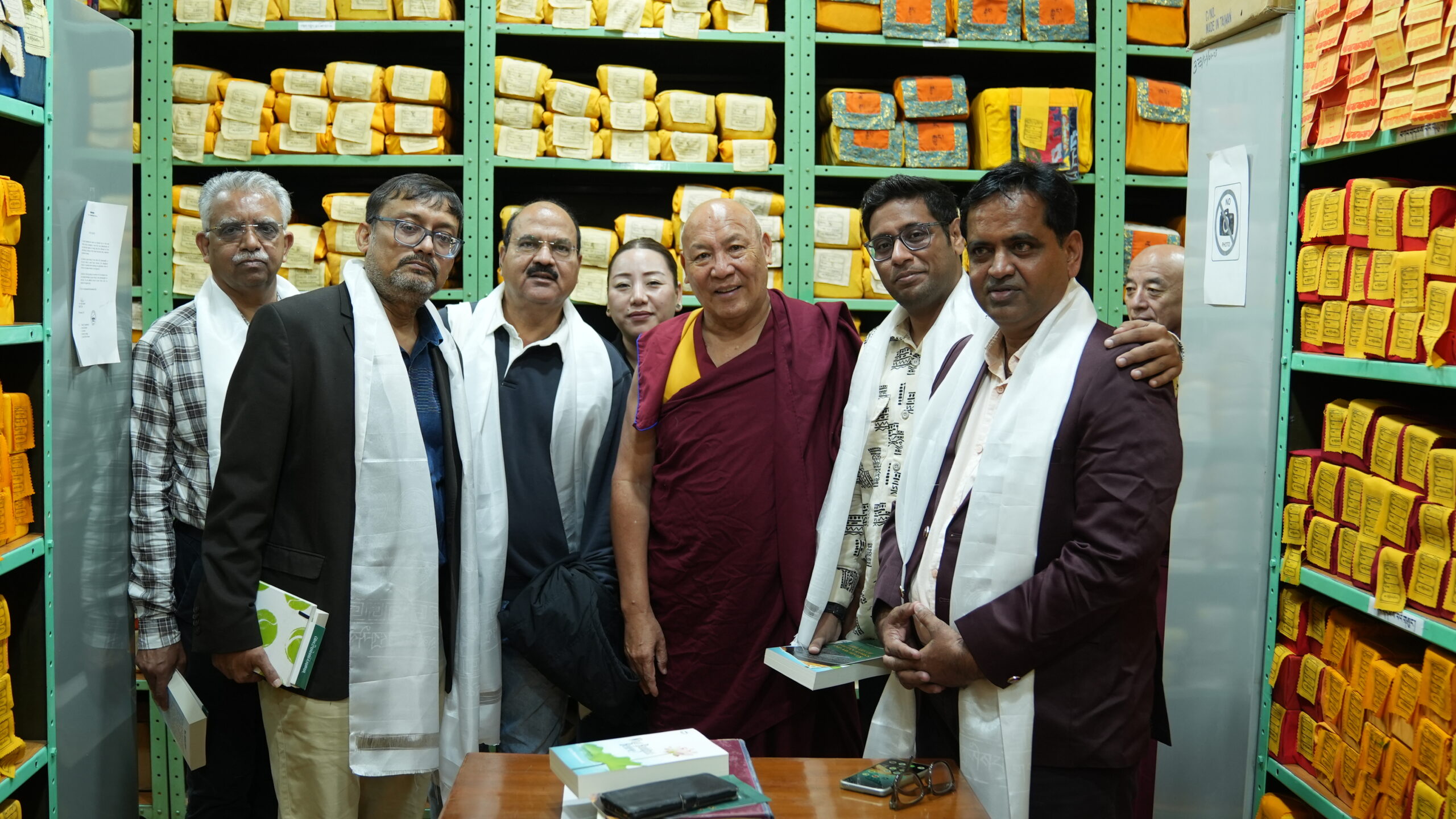
Additionally, the delegation had the distinct privilege of meeting Geshe Lhakdor, Director of the Library of Tibetan Works and Archives (LTWA). Geshe Lhakdor provided an overview of the Library’s founding, its mission to preserve Tibetan culture and literature, and its role as a centre for academic and spiritual learning.
In addition to the institutional briefing, Geshe Lhakdor shared profound reflections rooted in Buddhist philosophy, offering guidance on living a life of contentment, compassion, and ethical purpose. He emphasised the urgent need for altruistic leadership—leaders who foster unity and understanding rather than division—and spoke eloquently on the importance of cultivating mutual respect among nations.
He further underscored the value of interfaith harmony, noting that all religions ultimately aspire toward the same universal goals including peace, happiness, and the well-being of humanity. His insights left a lasting impression on the delegation, offering both intellectual and spiritual depth.
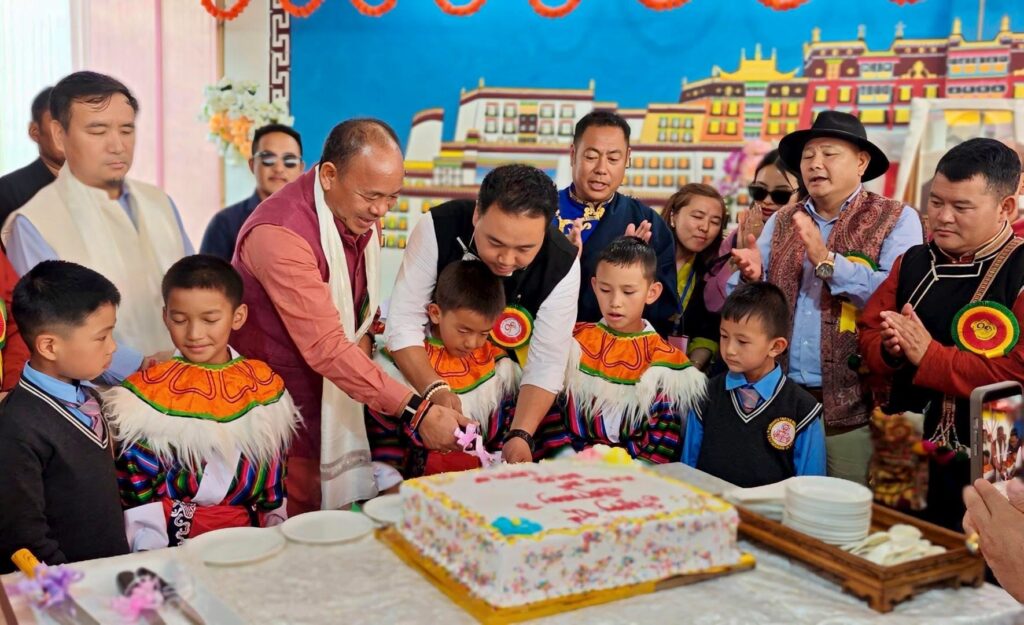
On the Second Day, the delegation observed the celebration of 65th Tibetan Democracy Day, marking the founding of the Tibetan parliament in exile in 1960, a milestone initiated by His Holiness the 14th Dalai Lama to establish democratic governance for Tibetans in exile. Thereafter, the delegation also met with the Director of TIPA, Dhondup, who provided an informative briefing on the history, mission, and global outreach of the institution. TIPA serves as a premier center for the preservation and promotion of Tibetan performing arts. The Director emphasised the institute’s role in international cultural engagement, noting that Tibetan opera and other art forms not only celebrate heritage but also serve as powerful tools for advocacy and awareness on the global stage. Following the day’s official meetings, the delegation had the privilege of attending a captivating cultural performance by the talented artists of the Tibetan Institute of Performing Arts (TIPA). The event showcased traditional Tibetan music, dance, and opera, offering a vivid portrayal of Tibet’s rich artistic heritage and the institute’s commitment to cultural preservation.
Finally, the delegation received an audience with His Holiness the Dalai Lama. During which the delegation had the honour of extending sincere prayers for His Holiness’s continued good health and long life.
The delegation toured the Tsuglakhang temple complex. Following the temple visit, the delegation proceeded to the Tibetan Youth Congress (TYC) office; where they met with the heads of prominent Tibetan Non-Governmental Organisations. The meeting provided a valuable opportunity to learn about the NGO’s ongoing effort in advocacy, cultural preservation, youth engagement and human rights. The leaders shared insights into their global outreach initiatives and reaffirmed their commitment to promoting the Tibetan cause. This segment of the visit offered the delegation a deeper understanding of the grassroots activism and community-driven leadership that continues to shape the Tibetan movement in exile.
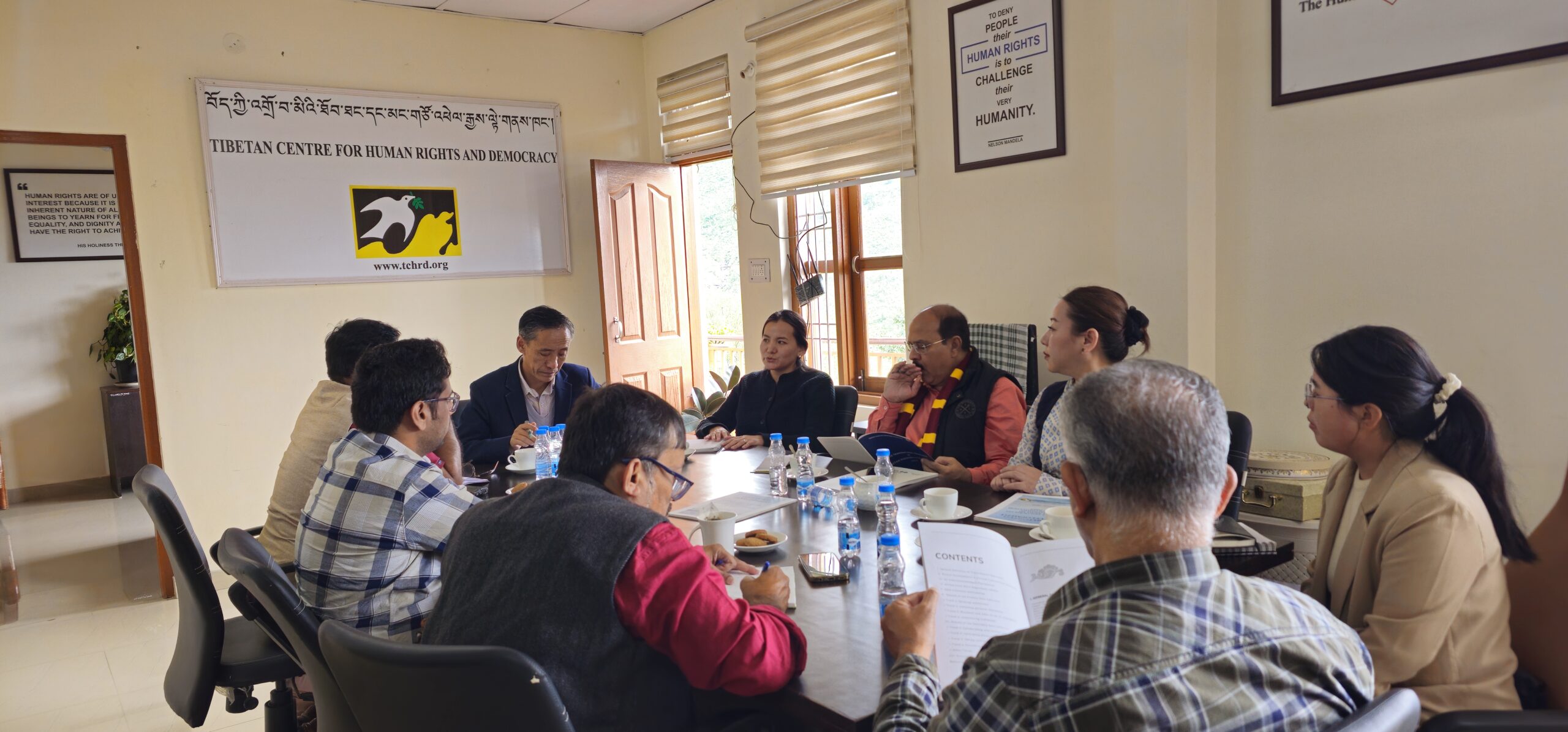
The delegation also met with Executive Director Tenzin Dawa of the Tibetan Centre for Human Rights and Democracy (TCHRD), accompanied by her dedicated and dynamic team. She provided a comprehensive overview of the Centre’s founding, mission, and ongoing work in documenting and advocating for human rights in Tibet and among Tibetan communities in exile. The delegation was also presented with TCHRD’s three-year report, detailing patterns of surveillance, coercion, and diaspora network infiltration.
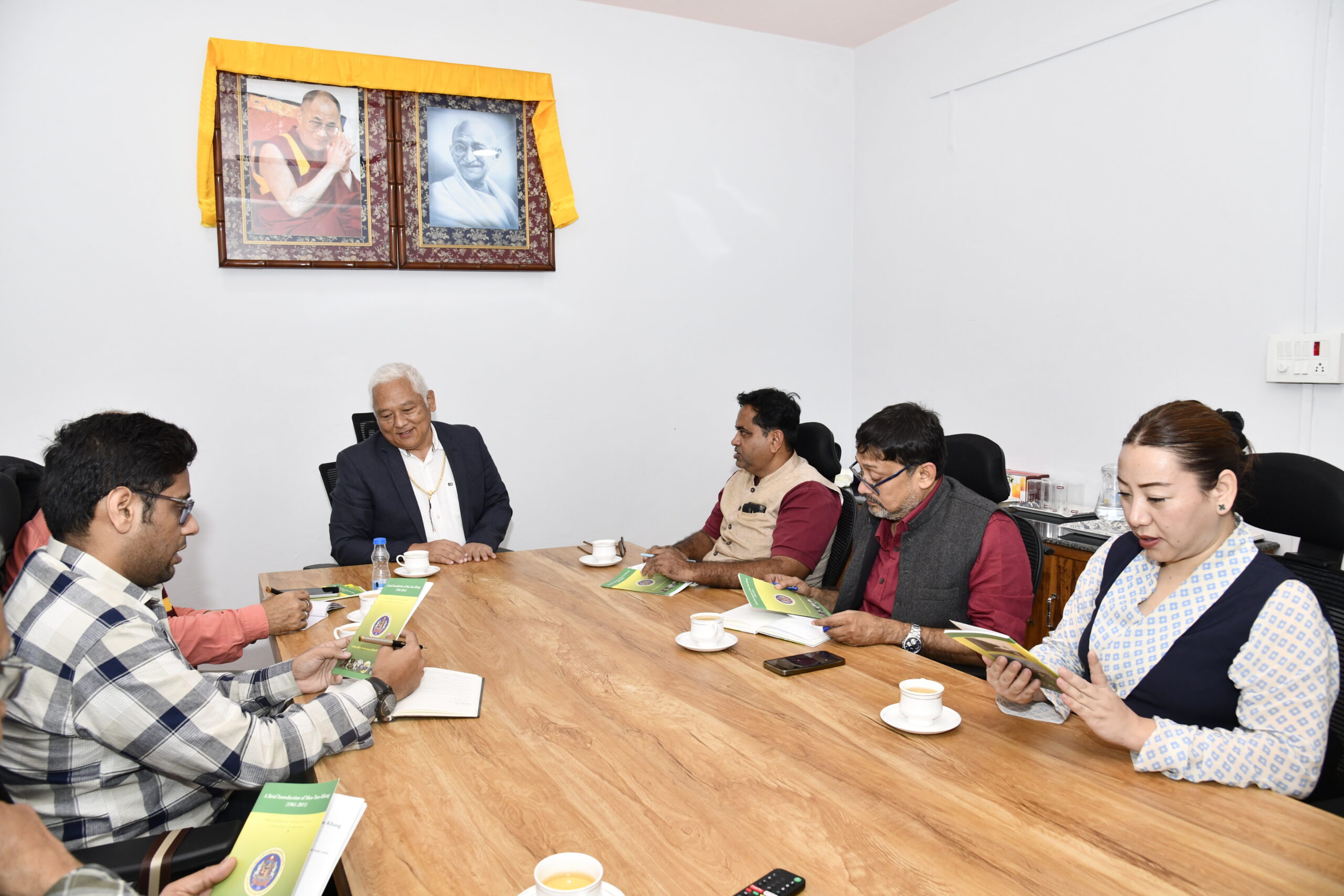
At last, the delegation visited the headquarters of Men-Tsee-Khang, the Tibetan Medical and Astrological Institute, where they met with Thupten Tsering, Director of the Institute and toured the institute campus, including the museum. They also had the opportunity to consult with the institute’s doctors.
This visit provided the delegates with a unique experience, allowing them to witness the Tibetan community and its exile administration. It left them with a deeper understanding of the Tibetan movement and a renewed commitment to support Tibetan Community in India.
-Report filed by India Tibet Coordination Office, DIIR, CTA