
The Tibetan spiritual leader has vowed to reveal a succession plan when his birthday is celebrated on July 6. He may get creative to thwart Chinese interference.
Over the nearly seven decades since the Dalai Lama led his flock of tens of thousands out of Tibet to escape Chinese persecution, he put himself to the grueling work of sustaining a nation in exile.
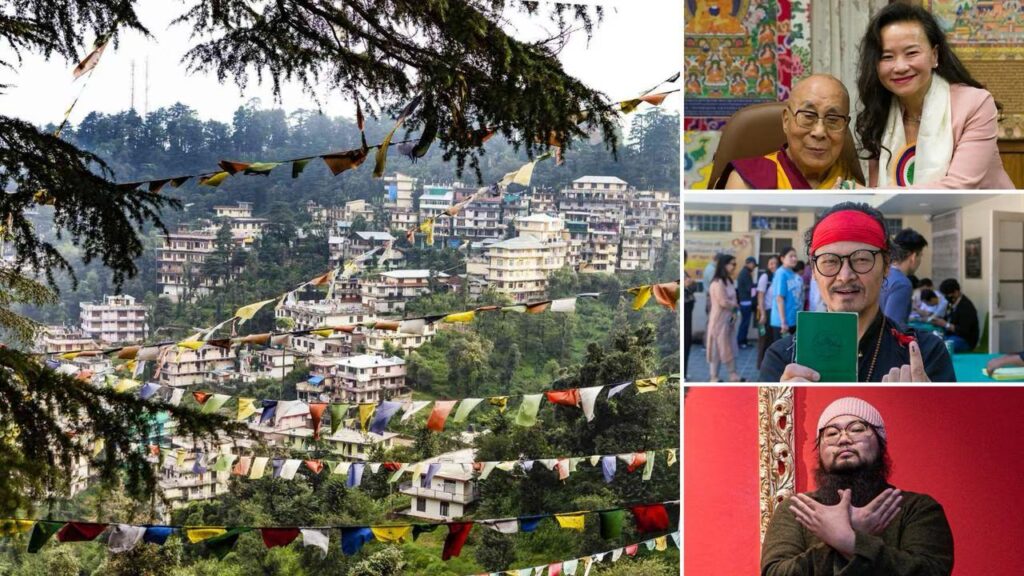
As both the spiritual and political leader of Tibetan Buddhists, he established a little democracy in the Indian Himalayas, complete with a parliament and all its routine bickering and beauty. He entrenched a bureaucracy that encouraged a culture of service among a scattered people. In refugee settlements across India, the Tibetan administration runs schools, clinics, monasteries, agricultural cooperatives and even old-age homes.
But as the Dalai Lama turns 90 next month, Tibetans in exile are anxious about the fate of their stateless nation.
“We are hoping for the best but preparing for the worst,” said Tsering Yangchen, a member of Tibet’s parliament in exile, invoking a refrain from the Dalai Lama himself.
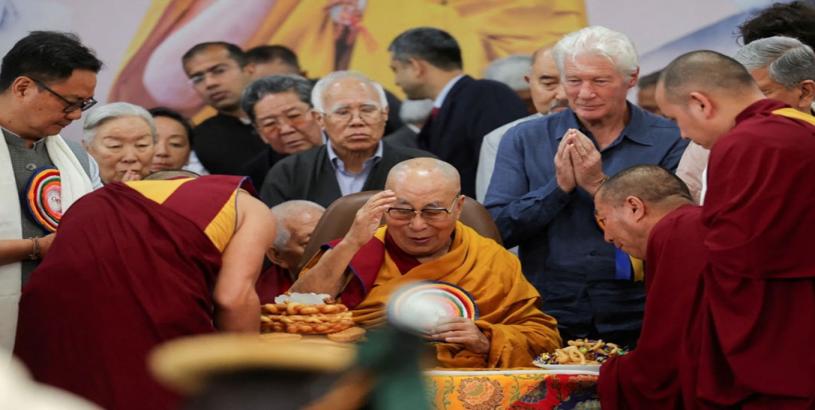
When his birthday is celebrated on July 6, the Dalai Lama has promised, he will reveal a plan for deciding on his successor that factors in the complexities of the moment. The most pressing is dealing with China’s efforts to hijack the process.
Under Tibetan tradition, the search for a Dalai Lama’s reincarnation, who becomes his successor, begins only upon the incumbent’s death. After the next Dalai Lama is identified as a baby, there can be a gap of nearly two decades until he is groomed and takes the reins.
The Dalai Lama has hinted that he might buck these established practices as part of an apparent strategy to throw off the Chinese and avoid a vacuum that Beijing can exploit as it seeks to control Tibetan Buddhism.
He has said that his successor will be born in a free country, indicating that the next Dalai Lama could come from among Tibetan exiles, who number about 140,000, half of them in India. He has also said that his successor could be an adult, and not necessarily a man.
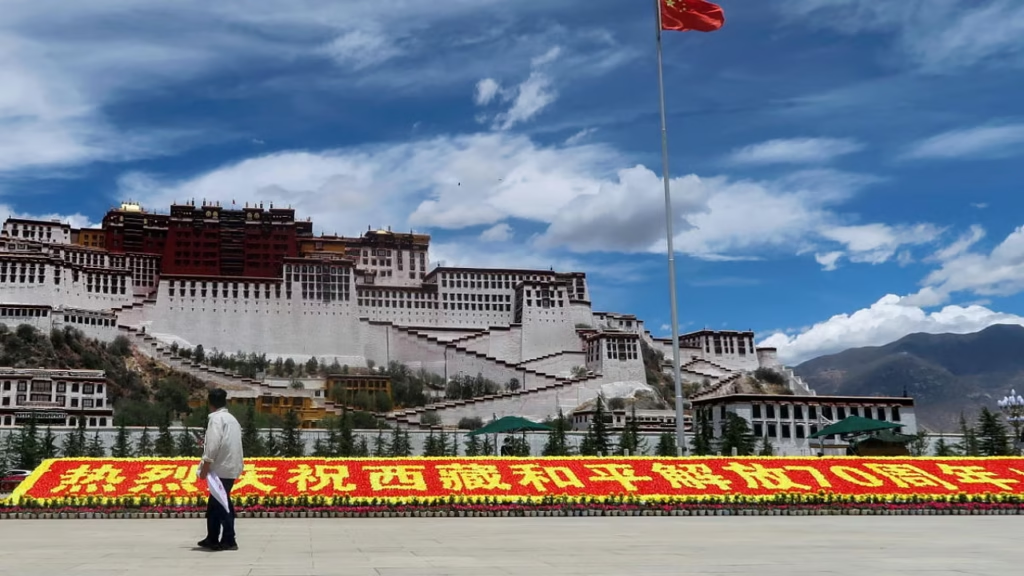
China already has a blueprint for inserting itself in Tibetan successions. After the 10th Panchen Lama, as Tibet’s second highest spiritual figure is known, died in 1989, the boy whom the Dalai Lama recognized as the successor went missing in Tibet when he was 6. He has not been seen since.
In his stead, China selected and promoted its own Panchen Lama. Earlier this month, that lama met with the country’s leader, Xi Jinping, and reaffirmed his allegiance to the Chinese Communist Party.
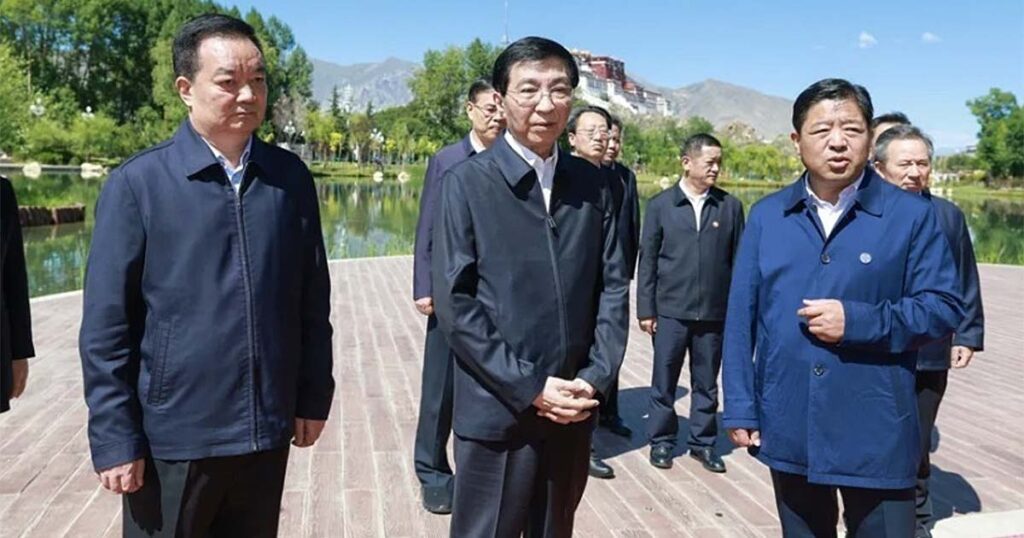
But interfering in the succession of the Dalai Lama runs the risk of provoking unrest among the roughly six million people in Tibet.
“The Dalai Lama has been out of his house and country for 65 years, and that has already created a great sense of pain, anger, frustration and disappointment among the Tibetans inside Tibet,” said Tenzin Tsundue, a Tibetan activist and poet. “This will, you know, burst into volcano.”
The succession question has become more urgent as the Dalai Lama has become more frail, with his public engagements increasingly restricted. Click here to read more.