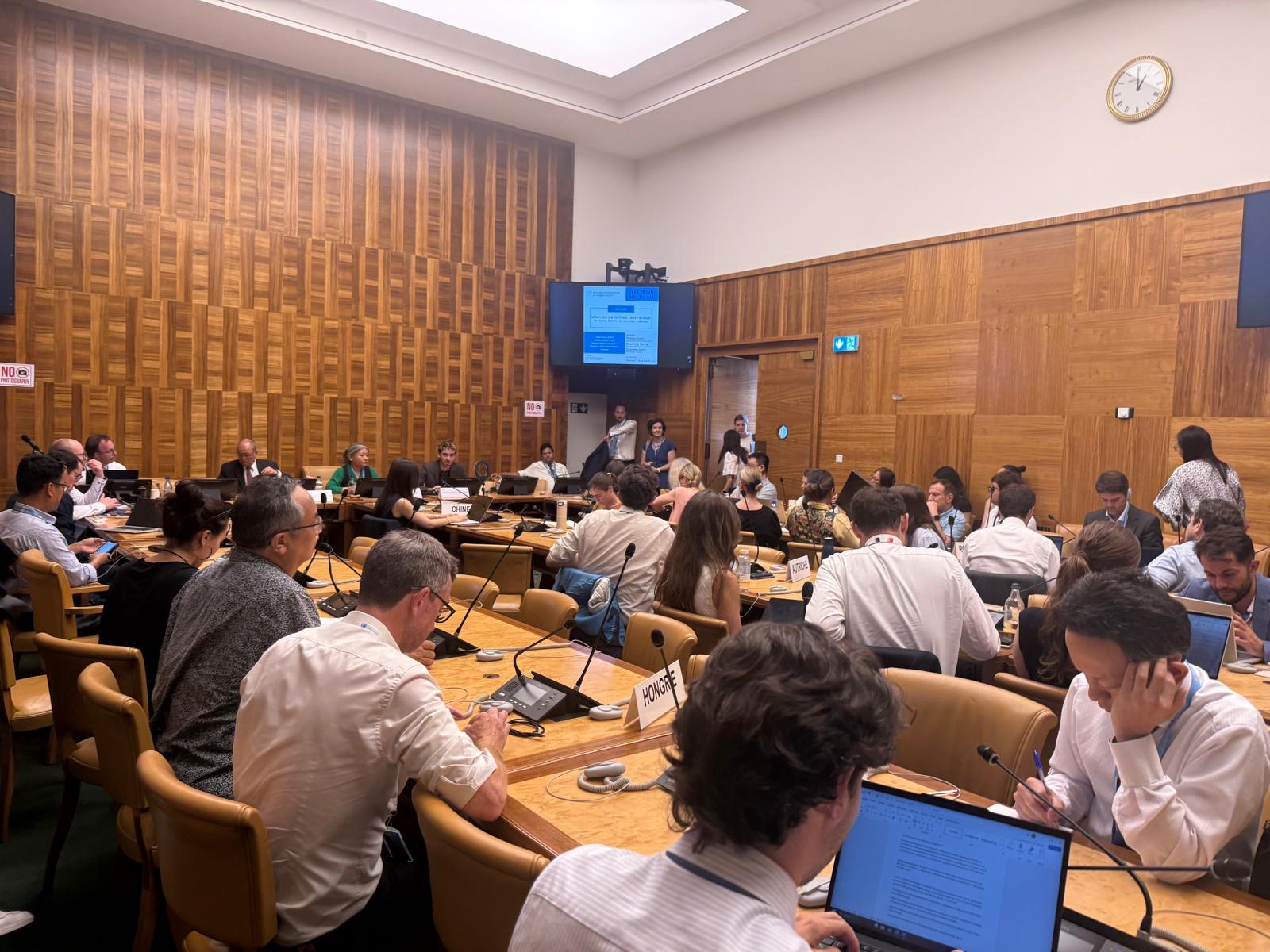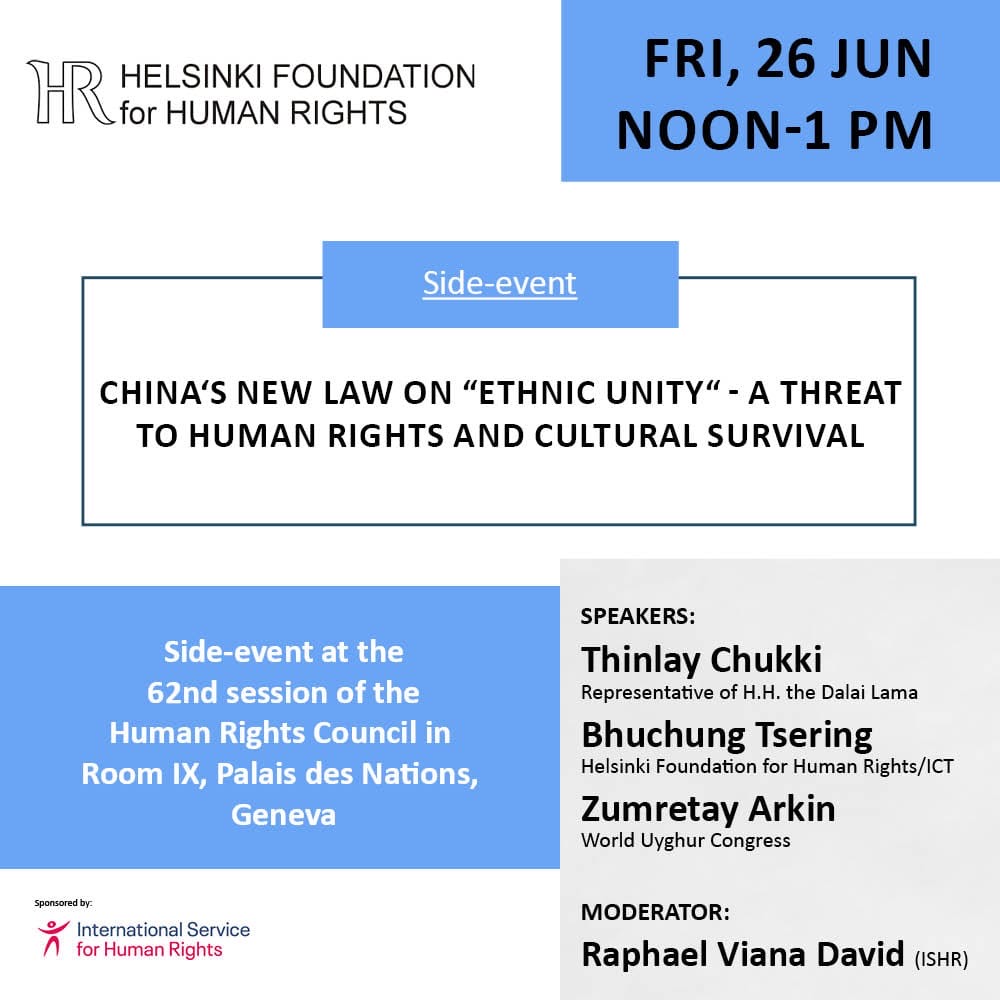

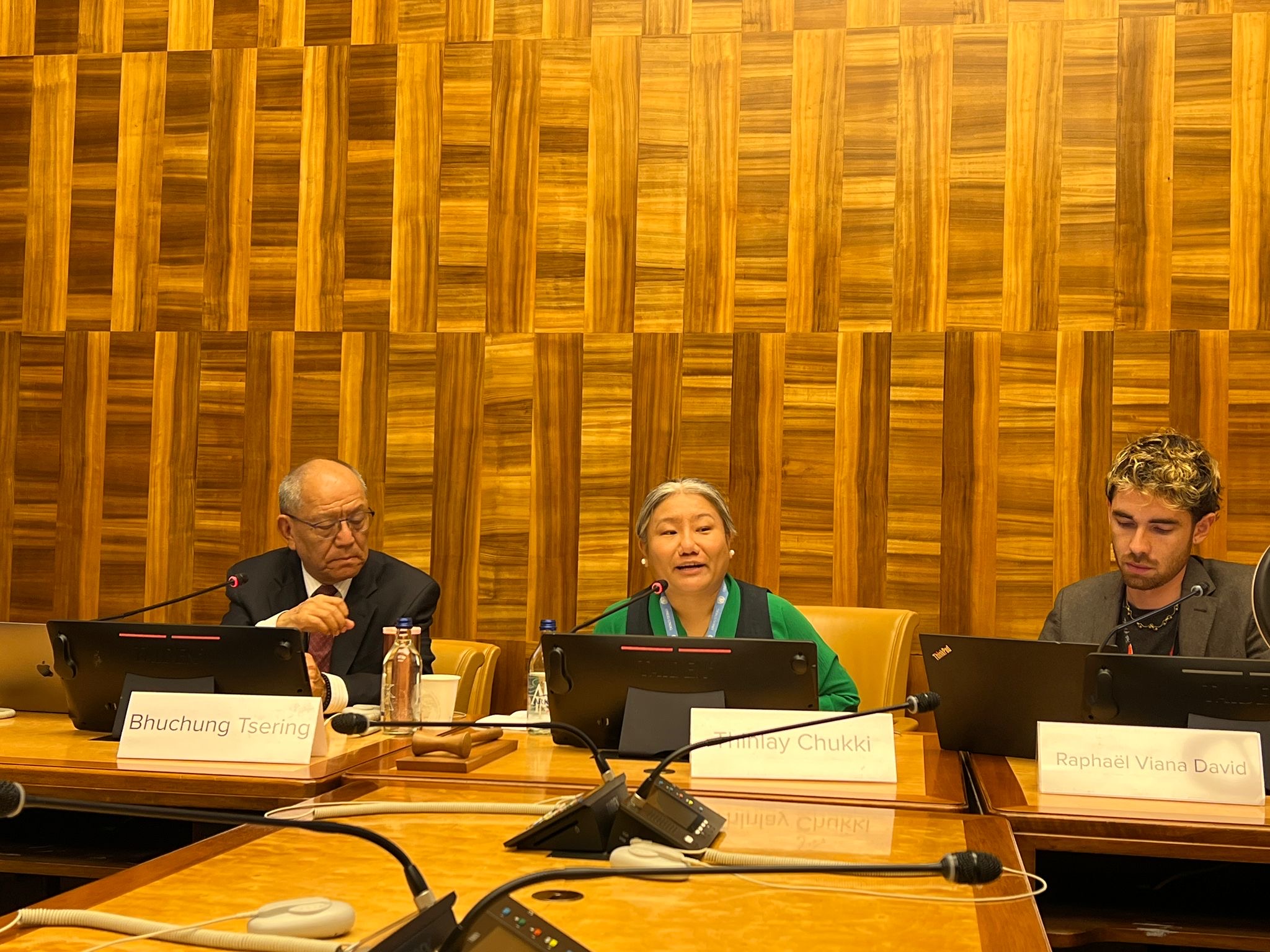
Geneva, 26 June 2026: At a time when the 62nd Session of the United Nations Human Rights Council is underway at the United Nations headquarters (Palais des Nations) in Geneva, the Helsinki Foundation for Human Rights organised a side event to rigorously analyse China’s new “Ethnic Unity Law” and its impacts on human rights, cultural identity, and international law.
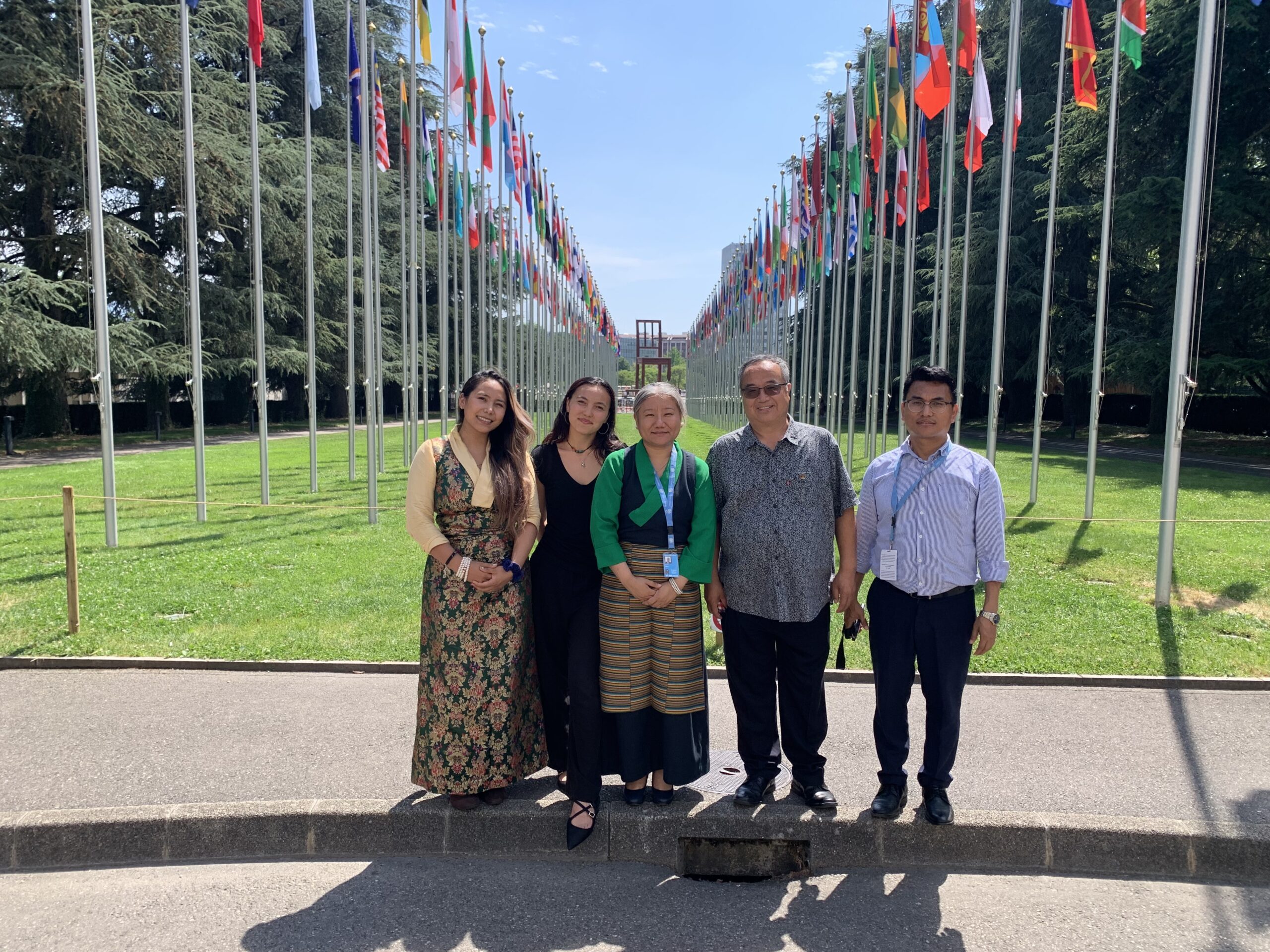
The panel discussion, titled “China’s New ‘Ethnic Unity’ Law: Threats to Human Rights and Cultural Survival,” was moderated by Raphael Viana David from the International Service for Human Rights (ISHR). The distinguished panel of speakers included Thinlay Chukki, Representative of His Holiness the Dalai Lama; Bhuchung K. Tsering, representative of the Helsinki Foundation for Human Rights and the International Campaign for Tibet (ICT); and Zumretay Arkin, Vice President of the World Uyghur Congress. The event was attended by representatives from 17 UN member states, NGO officials, journalists, and Tenzin Chime Lhamo, a young Tibetan advocate. Also in attendance were Dr. Gyal Lo; Tselha from Students for a Free Tibet (SFT); Phuntsok Topgyal, UN Advocacy Officer at the Tibet Bureau in Geneva; and Sangyal Kyab, a Europe Liaison Officer.
Addressing a question on the international community’s stance regarding the law, Representative Thinlay Chukki highlighted the growing concern worldwide. She recalled that during his global updates, the UN High Commissioner for Human Rights expressed deep concern over the negative impact of this law on multi-ethnic societies and urged for its repeal. Furthermore, she cited a joint communication issued by eight UN Special Rapporteurs, which concluded that the legislation contravenes international human rights law and various international treaties.
Turning to the European front, Representative Chukki pointed out that the European Parliament recently passed a resolution condemning the law. Because the legislation violates international legal standards, she called for targeted sanctions against the officials responsible for drafting and implementing it. She also cited a resolution passed by the Czech Republic, which criticised the legislation and expressed serious concern over its compatibility with international law.
Representative Chukki emphasised that resolutions must not remain merely on paper but must be practically enforced through accountability and mechanisms of scrutiny. She stressed the importance of rigorously reviewing whether China is honouring its treaty obligations through UN treaty bodies—such as the Committee on the Elimination of Discrimination against Women (CEDAW) and the Committee on the Rights of the Child (CRC). She also encouraged non-governmental organisations to submit “Shadow Reports” focusing specifically on the implementation of the “Ethnic Unity Law.”
The panel warned that the extraterritorial reach of this legislation could intensify transnational repression against Tibetans and Uyghurs living abroad. Citing recent legal developments in Germany, Representative Chukki urged other countries to strengthen their domestic laws to counter transnational repression. She also called for a review of existing extradition treaties with China to ensure they cannot be weaponised against exile communities and foreign nationals.
Addressing the UN member states directly, Representative Chukki called for this issue to be brought before both the Human Rights Council and the UN General Assembly. She argued that because the law’s impact extends beyond China’s borders, it directly infringes upon the sovereignty of other nations and their legal responsibilities.
Additionally, she requested the Office of the UN High Commissioner for Human Rights to compile a comprehensive report on the human rights situation in Tibet, specifically documenting allegations of long-term cultural assimilation and rights violations.
She further urged the international community to strengthen engagements with the Central Tibetan Administration (CTA), calling on governments to recognise the CTA as the legitimate representative and interlocutor for Tibetans both inside and outside Tibet.
Responding to remarks by Chinese officials who suggested international observers should visit Tibet to witness the law’s implementation firsthand, Representative Chukki welcomed the invitation. However, she firmly requested that official mandates be granted to UN Special Rapporteurs, treaty bodies, and the Office of the High Commissioner to conduct independent, unhindered monitoring inside Tibet.
Bhuchung K. Tsering stated that the Chinese government’s current policies and the “Ethnic Unity Law” must be understood as a massive, systematic effort to alter the identity of future generations of Tibetans. He cited various methods being used to erode Tibetan cultural identity, including the expansion of colonial boarding schools, restrictions on Tibetan language education, and the official renaming of Tibetan places and terms. According to Tsering, the authorities are attempting to ensure that future generations forget Tibetan history, religion, cultural heritage, and particularly knowledge of His Holiness the Dalai Lama, so they no longer identify as Tibetan.
During the discussion, a representative from the Chinese delegation defended the legislation, claiming it is the first comprehensive law on ethnic affairs in China for the new era. The delegate argued that the law implements constitutional principles, promotes national unity, and is similar to the ethnic policies of many other countries. Rejecting criticisms of China’s governance in Tibet, the representative stated that ethnic minorities enjoy equal rights and benefit from preferential policies such as educational opportunities. The delegate emphasised that no country would tolerate separatist activities that threaten national sovereignty and territorial integrity.
In response, Representative Thinlay Chukki categorically rejected the Chinese delegate’s distortion of Tibetan history. She maintained that Tibetans continue to face severe restrictions on their cultural, religious, and linguistic freedoms. She cited a history of forced relocations since the 1950s, unjust detentions, torture, and the widespread destruction of Tibetan monasteries. She reiterated her call for China to translate its public invitation into reality by allowing international observers independent, unrestricted access to Tibet.
When an attendee asked about the responsibilities of foreign nations, Representative Chukki responded that governments have a duty to protect individuals within their jurisdiction from the harmful extraterritorial reach of this law. Warning that the impacts will become immediately apparent as enforcement intensifies, she noted that the law directly targets Tibetans defending their mother tongue by criminalising actions that resist the promotion of the Chinese language.
The discussion concluded with a renewed call to strengthen international scrutiny of the Ethnic Unity Law, to secure deeper engagement from UN human rights bodies, and to foster collective action among member states regarding the pressing concerns facing Tibetans, Uyghurs, and other marginalised communities.
– Report filed by Office of Tibet, Geneva