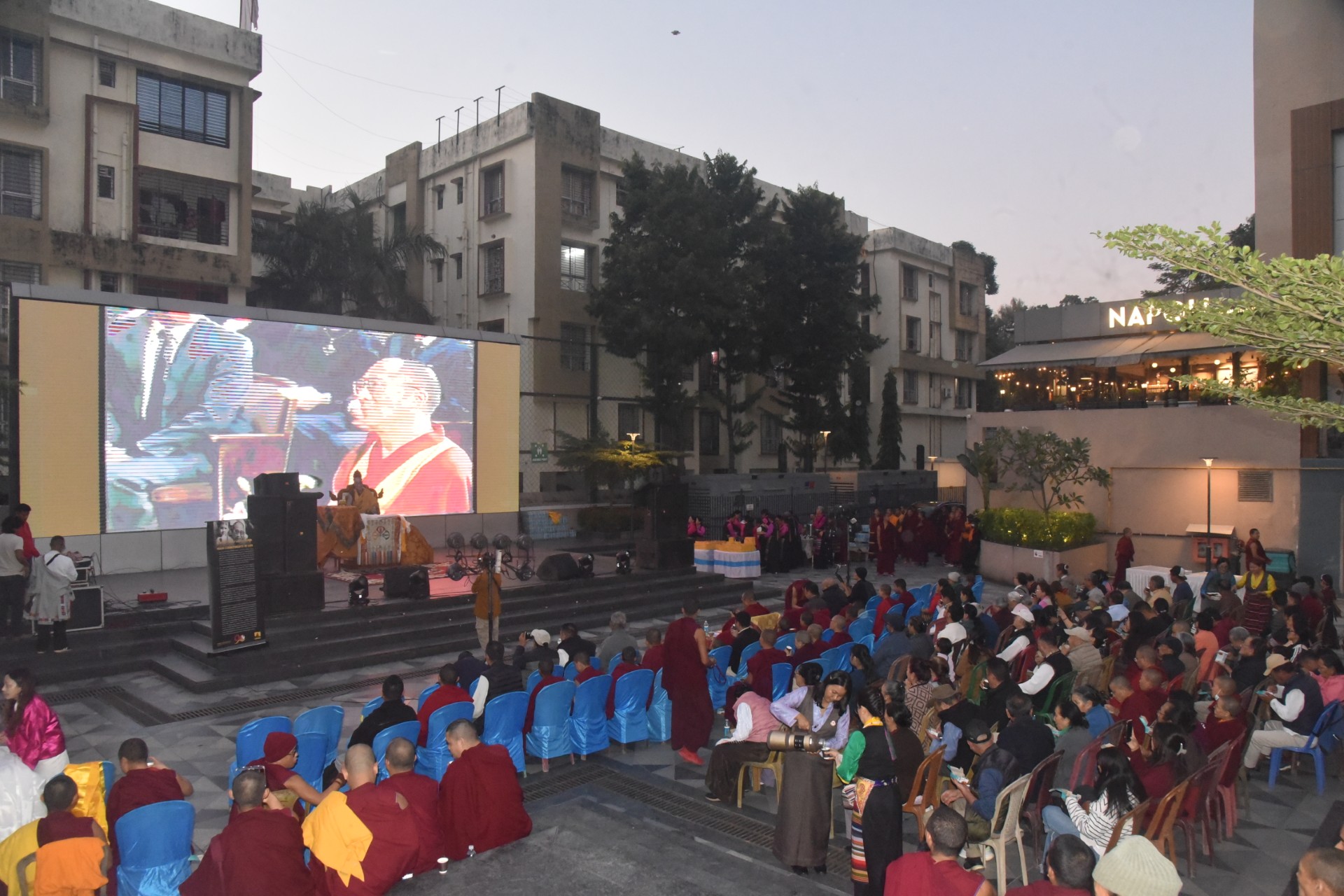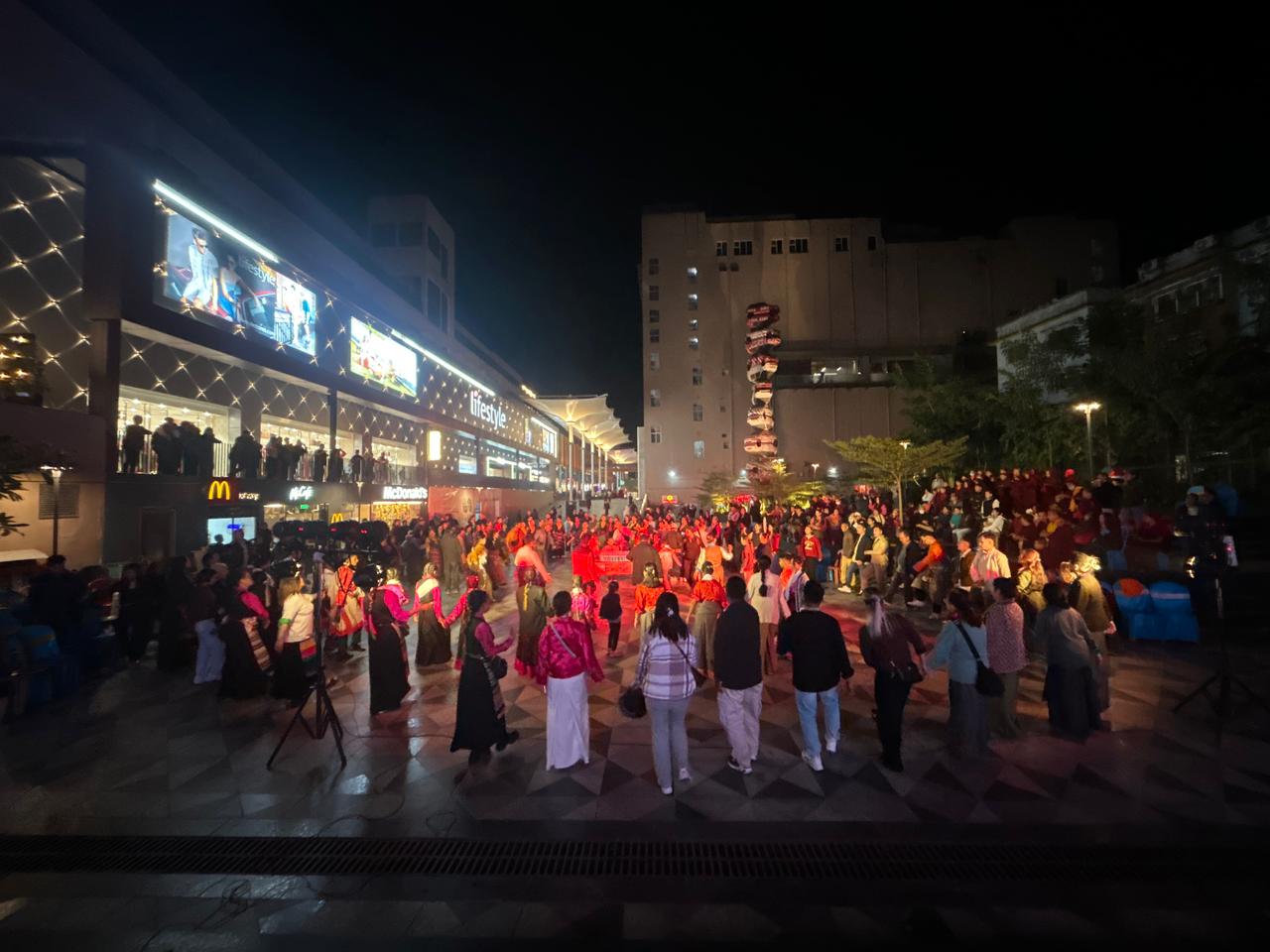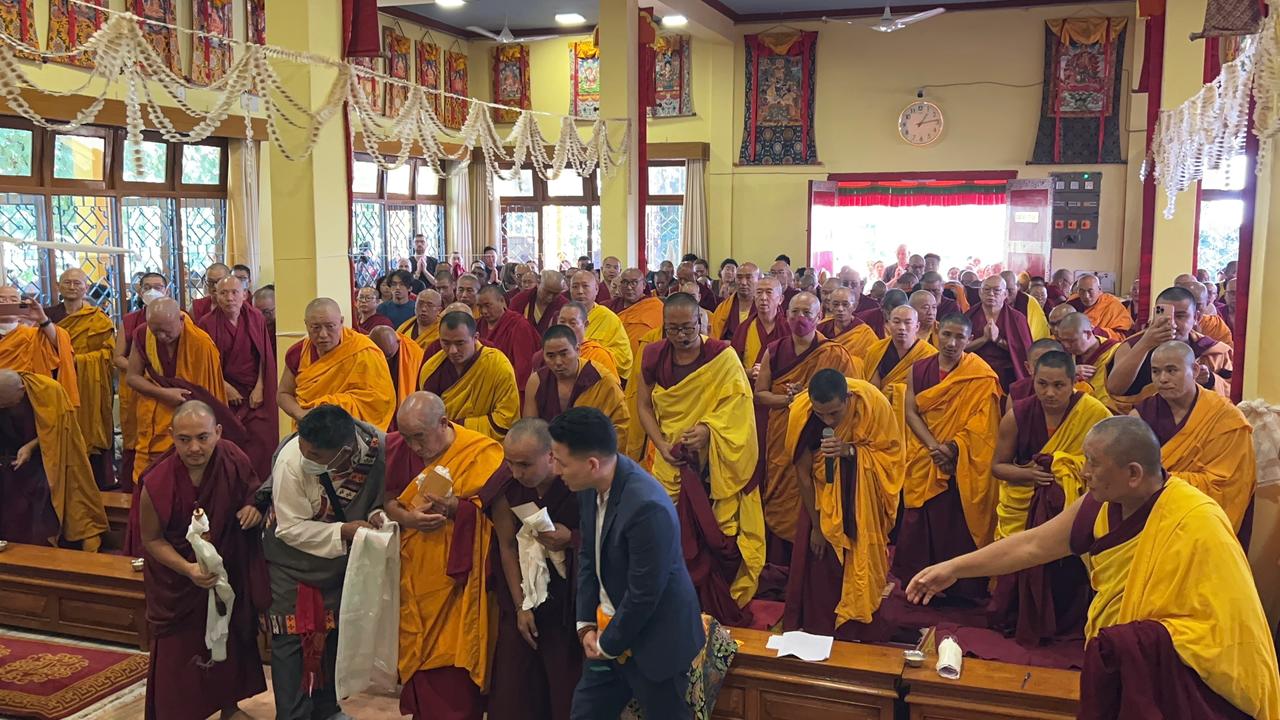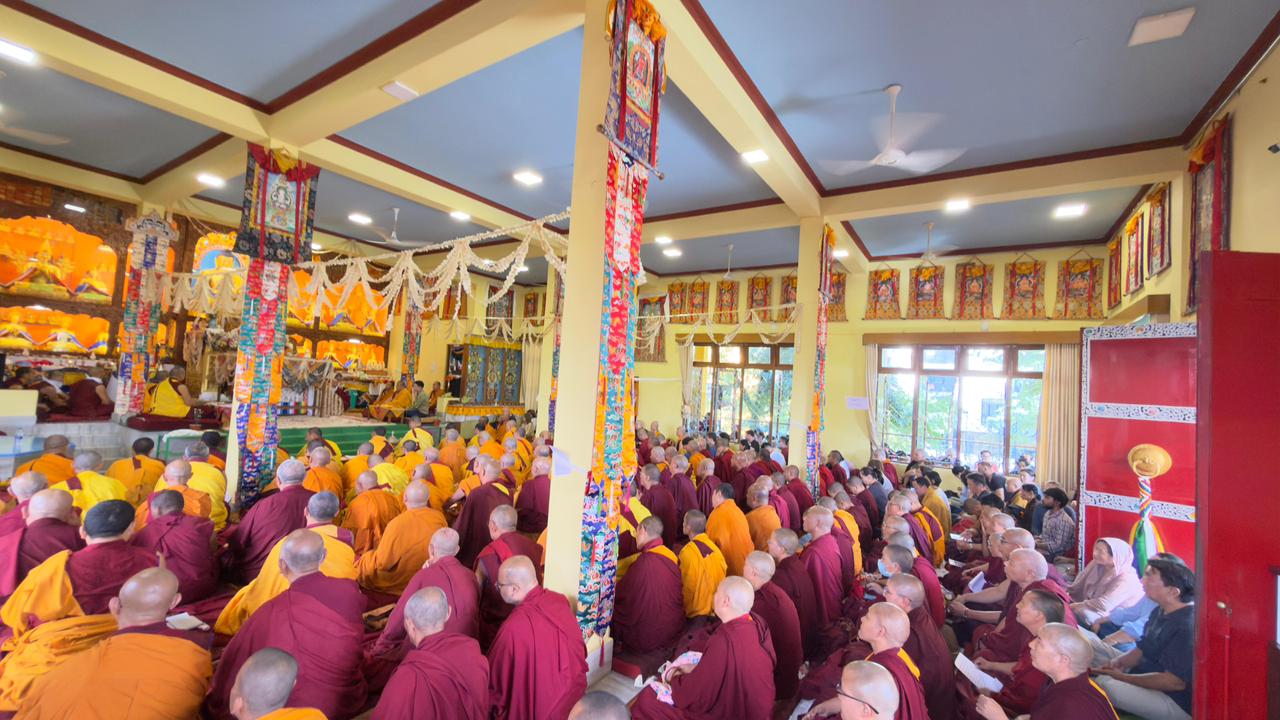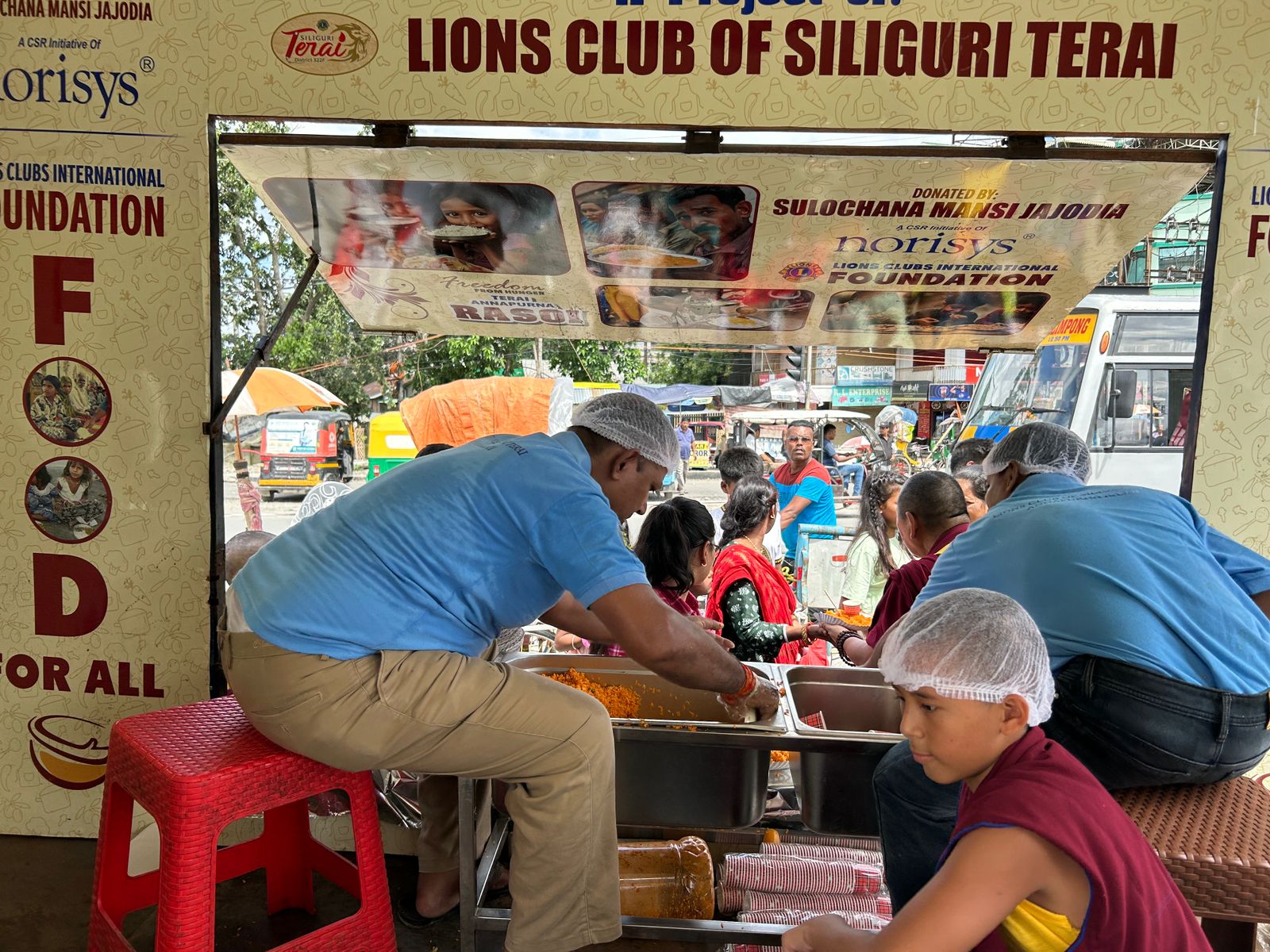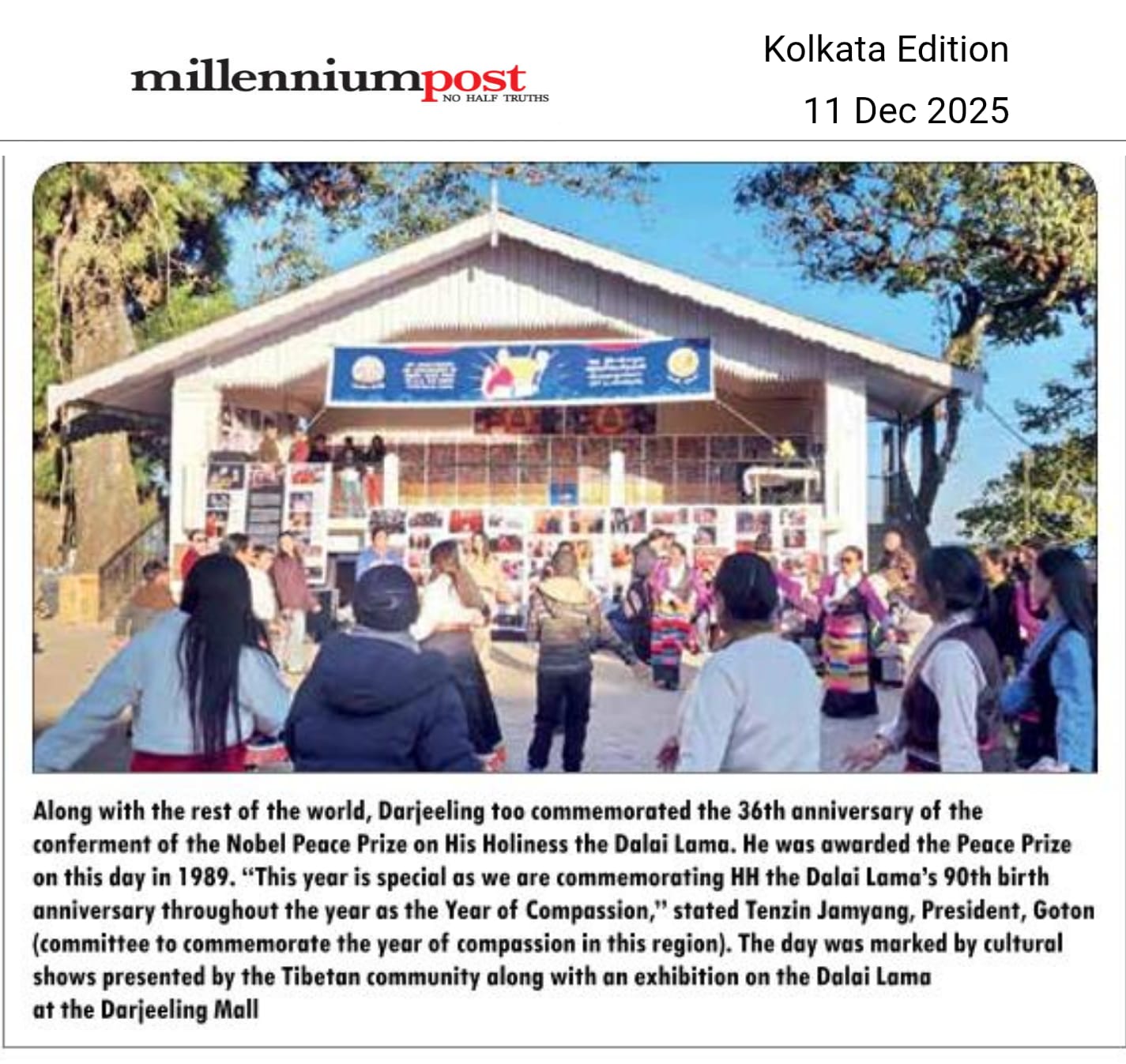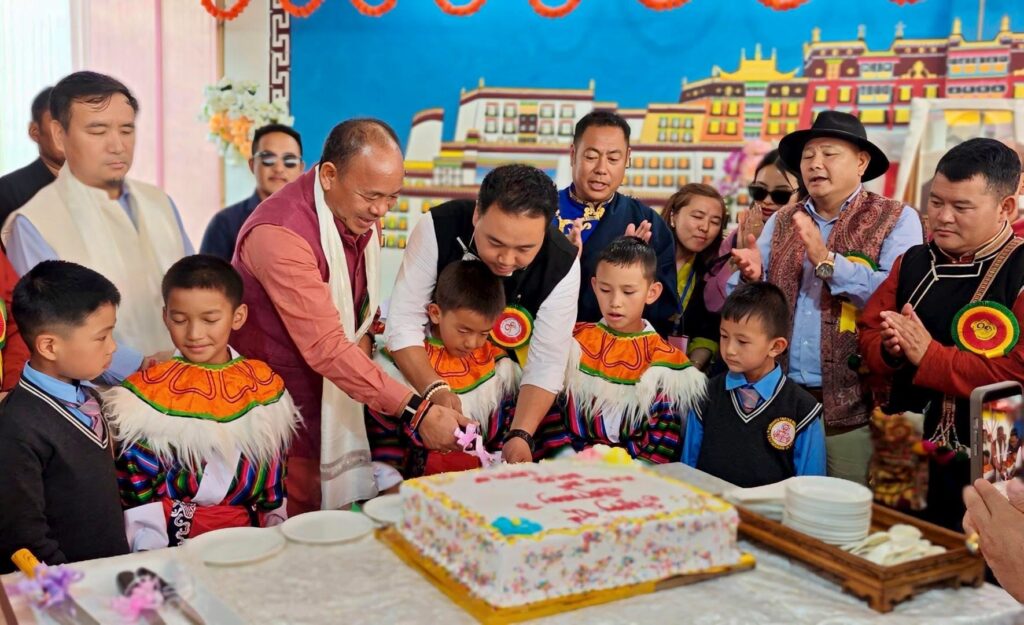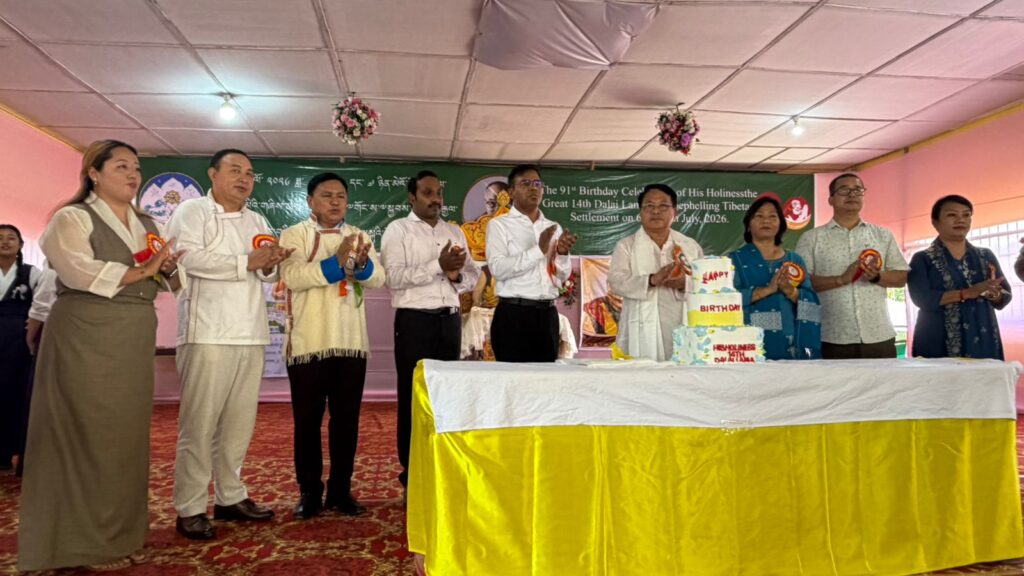

Dharamshala: As this year’s 36th anniversary of the conferment of Nobel Peace Prize on His Holiness the 14th Dalai Lama coincides with the Year of Compassion—celebrating the 90th birth year of His Holiness the Great 14th Dalai Lama—Tibetan settlements across India marked the occasion with festivities and heartfelt gratitude, joined by distinguished guests from the local Indian communities.
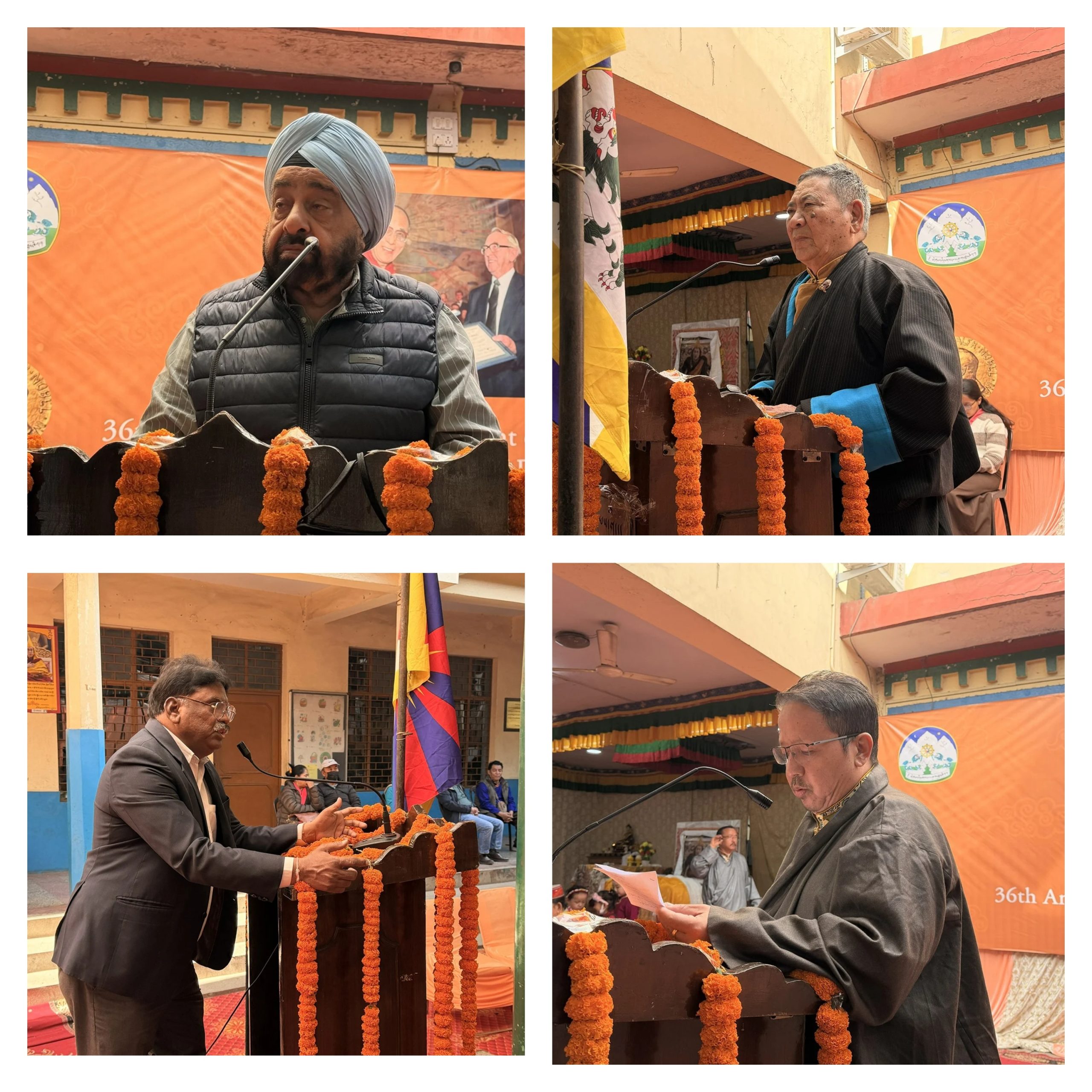
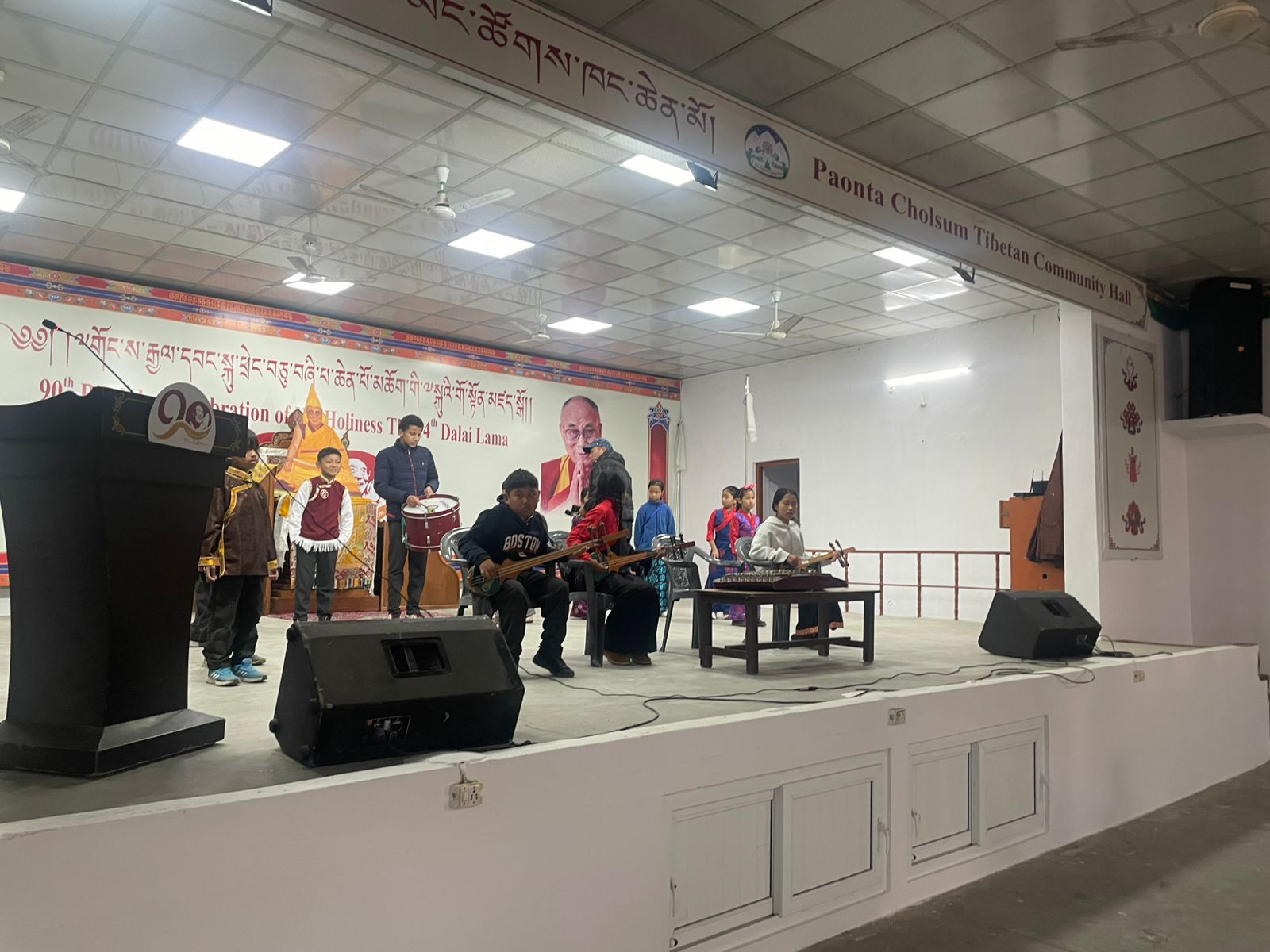
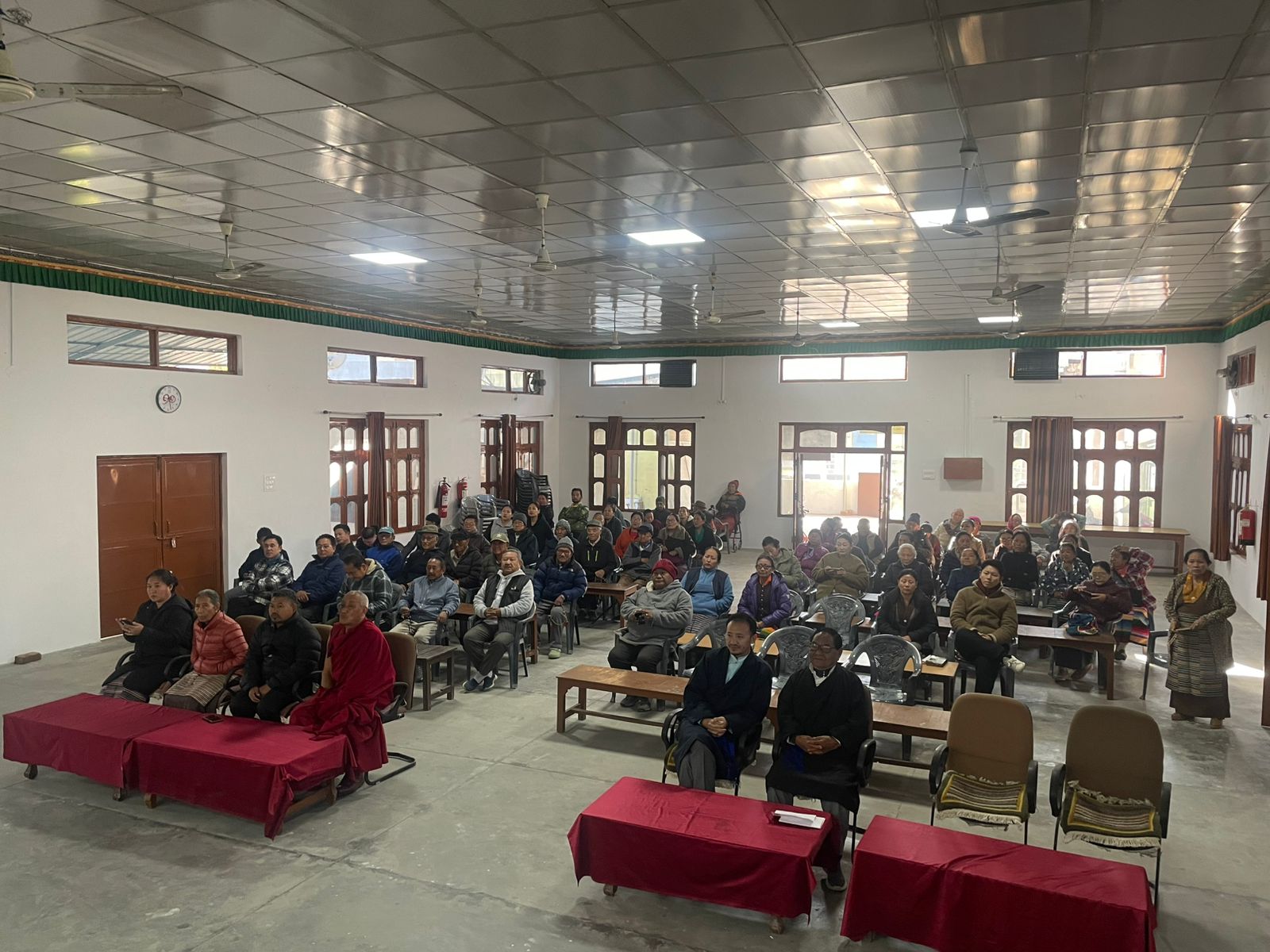
In Poanta Cholsum Tibetan Settlement during the commemoration, Chairman of the Local Tibetan Assembly Konchok Tsering delivered the statement from the Tibetan Parliament-in-Exile, after which the Tibetan Settlement Officer, Gelek Jamyang, read out the Kashag’s statement.
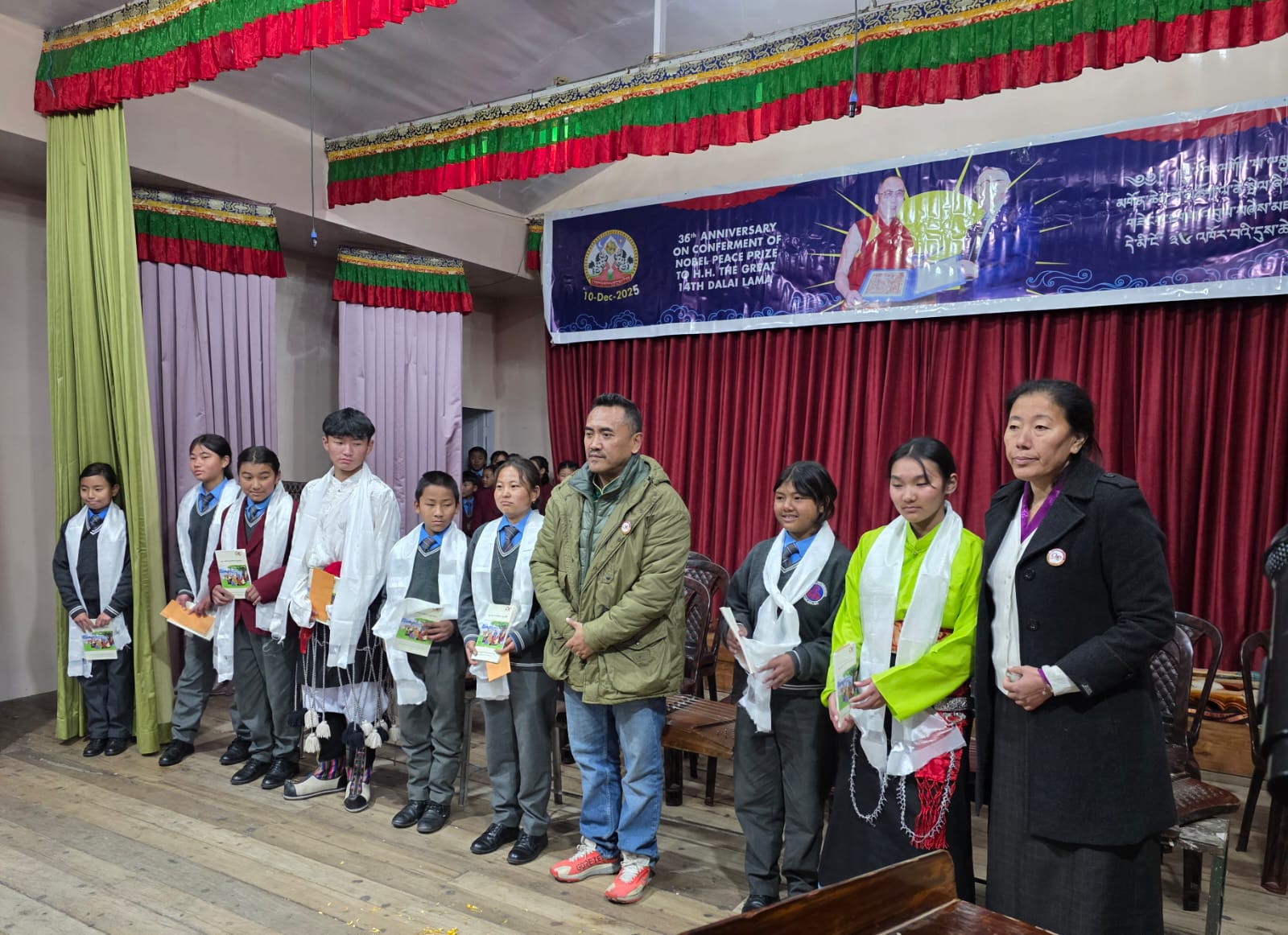
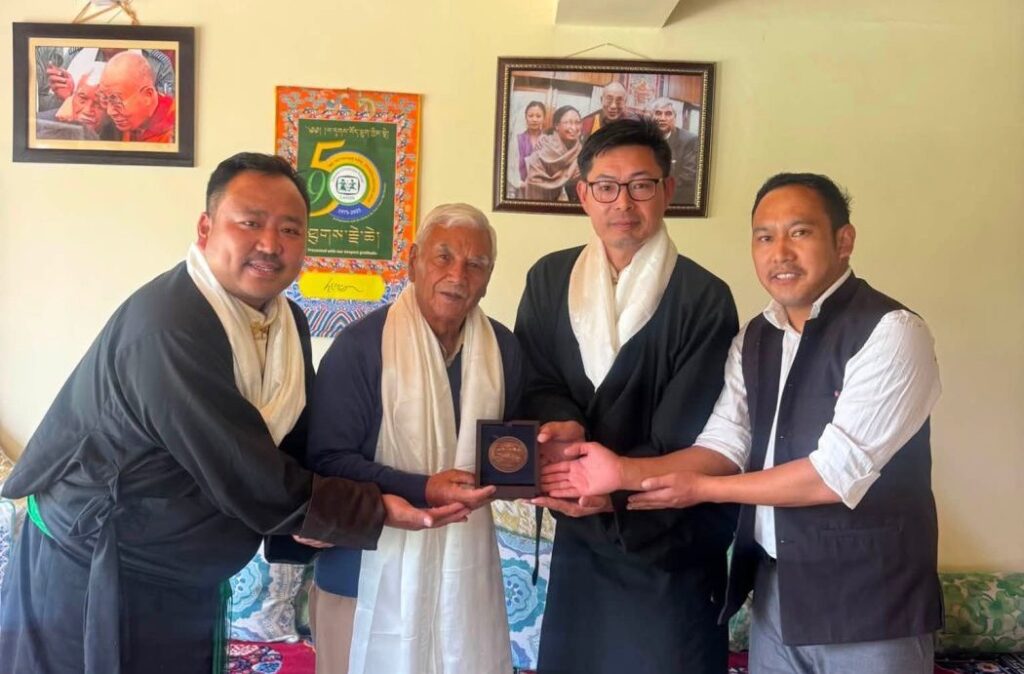
During the programme, the Tibetan Settlement Officer presented certificates of academic excellence to students Trinley Rigsang and Tenzin Nangsel, recognising them as the best students of local Sambhota Tibetan School. Additionally, the Chairman of the Local Tibetan Assembly awarded a certificate and a thangka to Sambhota Tibetan School staff member Tenzin Dolma in recognition of her 25 years of dedicated service.
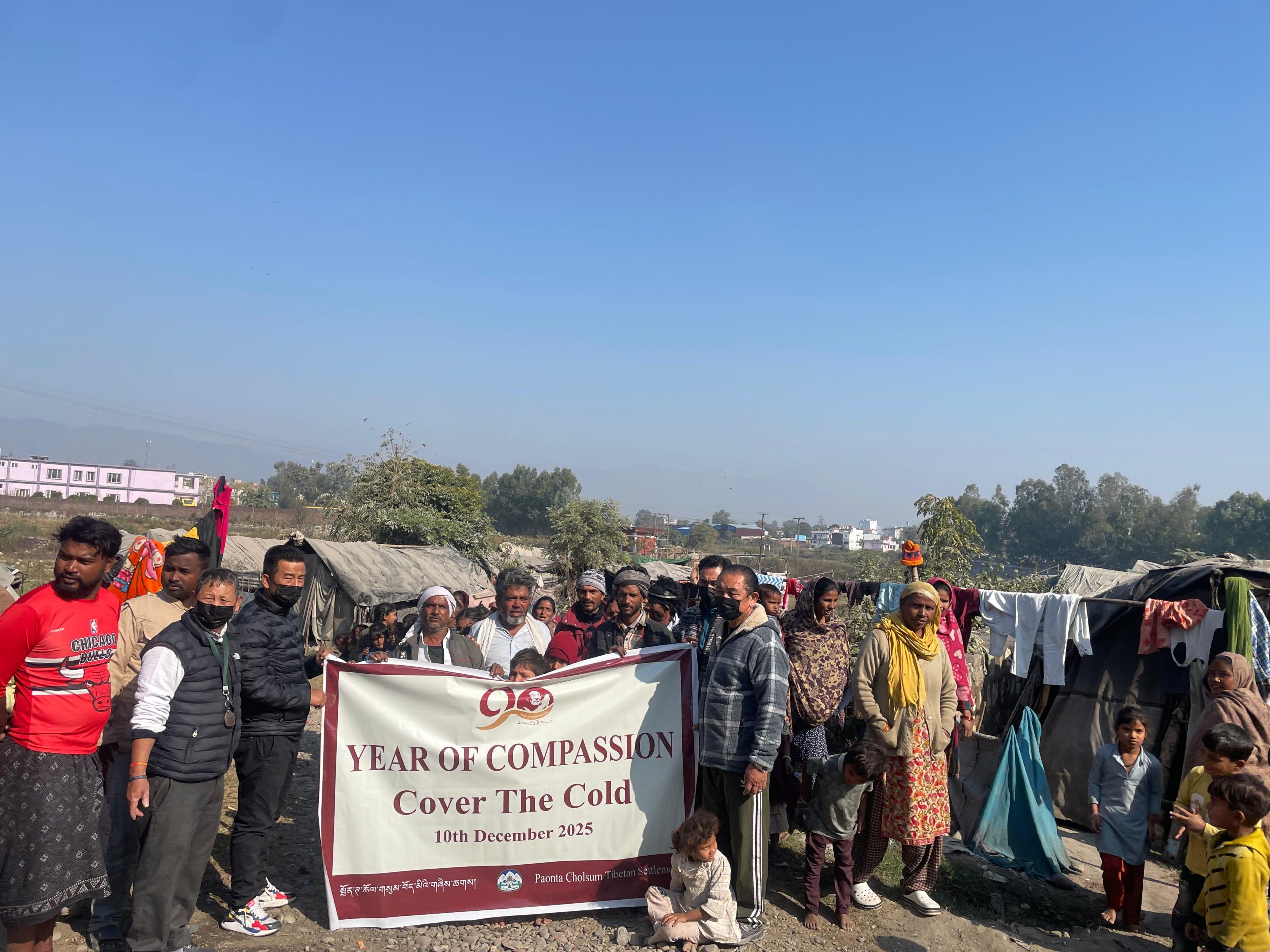
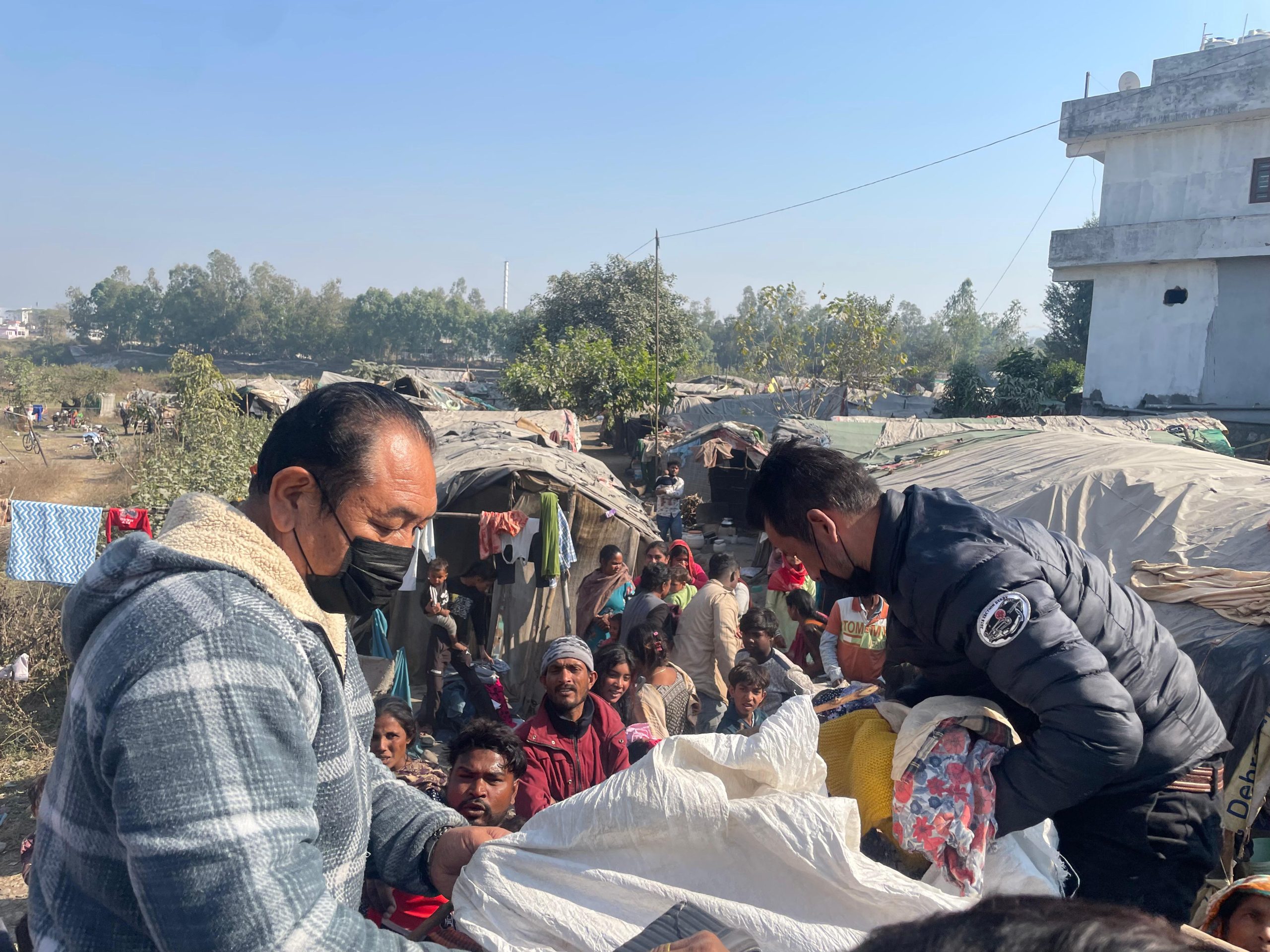
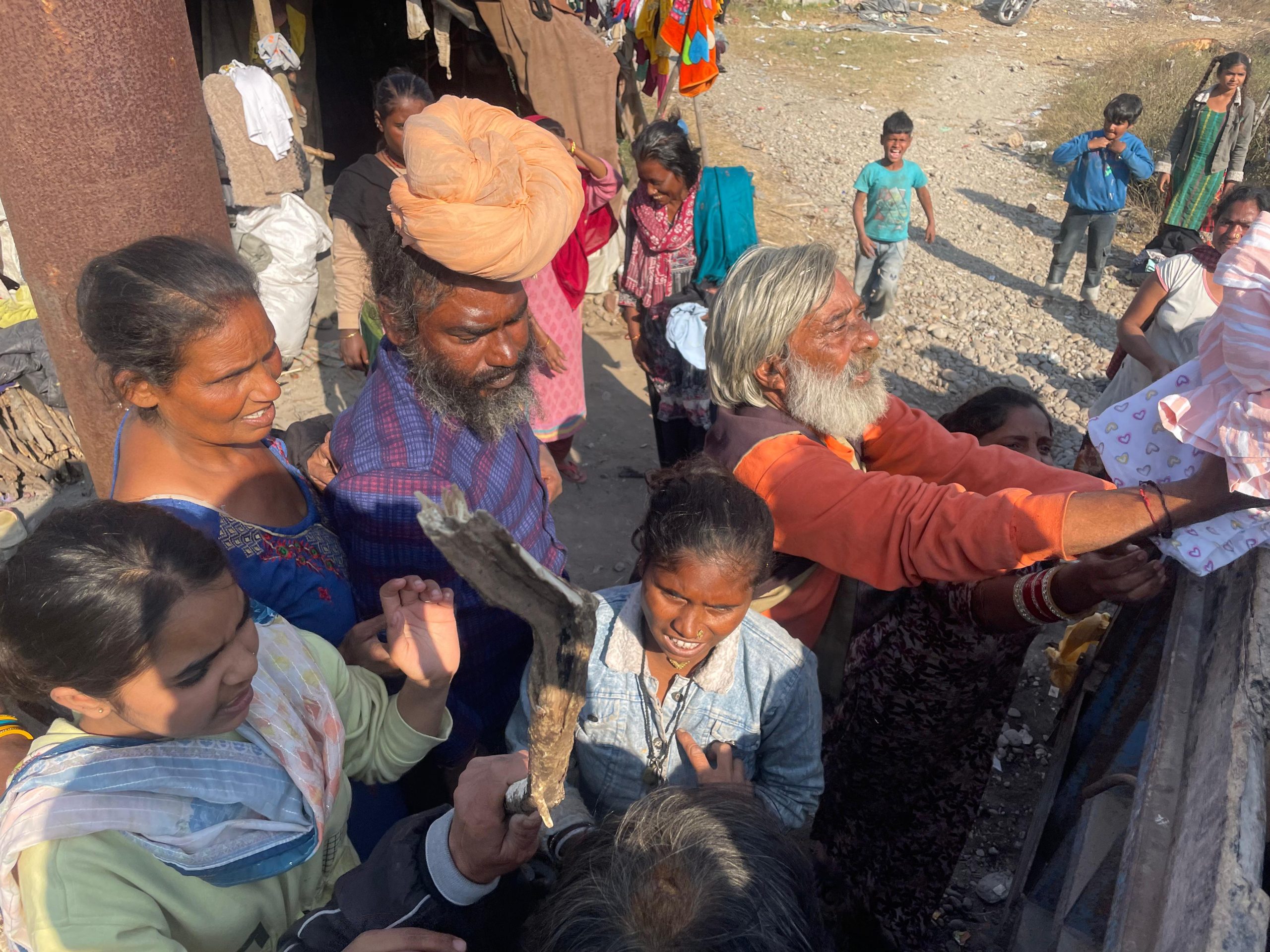
The ceremony concluded with the distribution of clothing donations to underprivileged individuals in the surrounding area, marking the occasion with an act of compassion and community support.
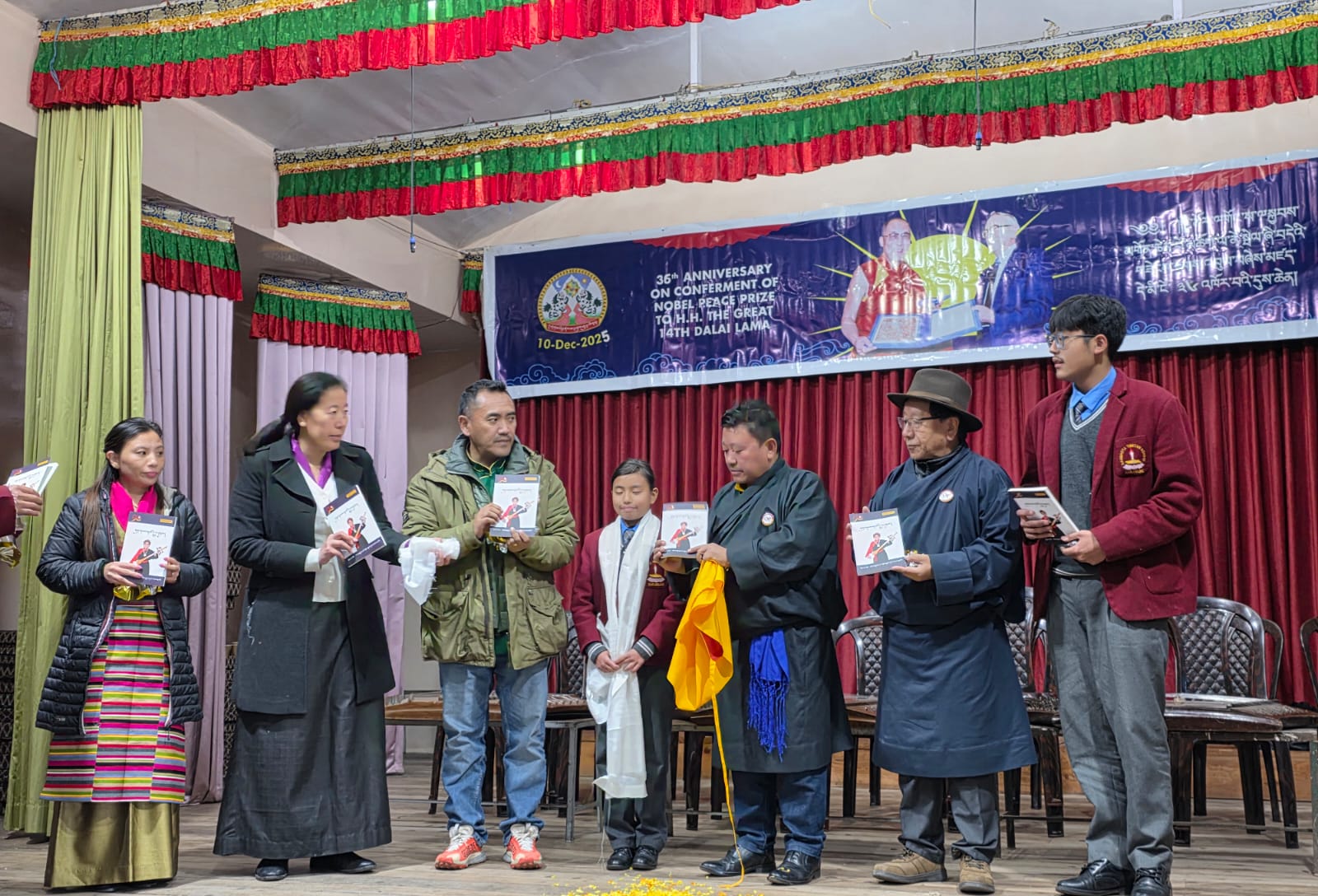
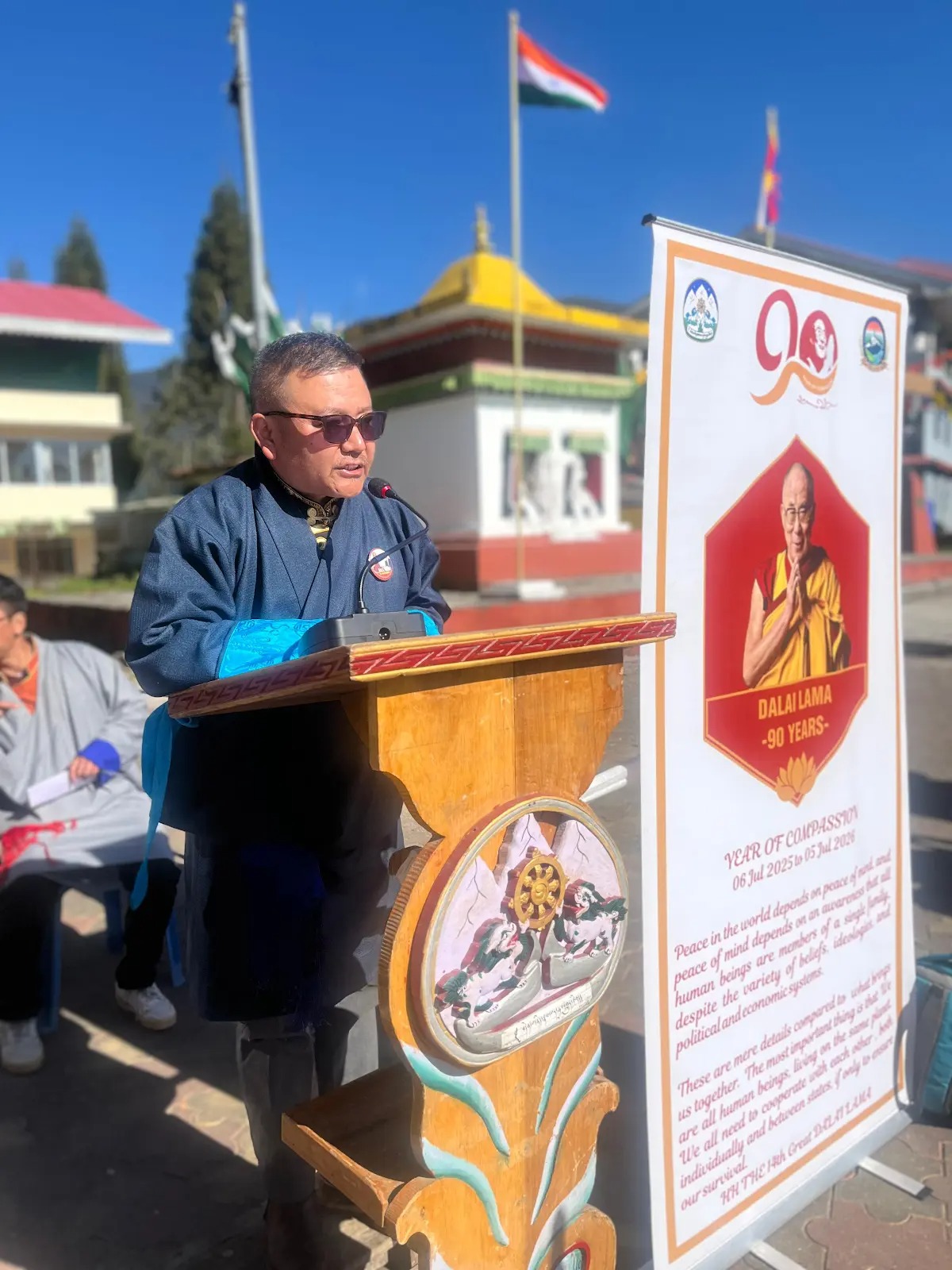
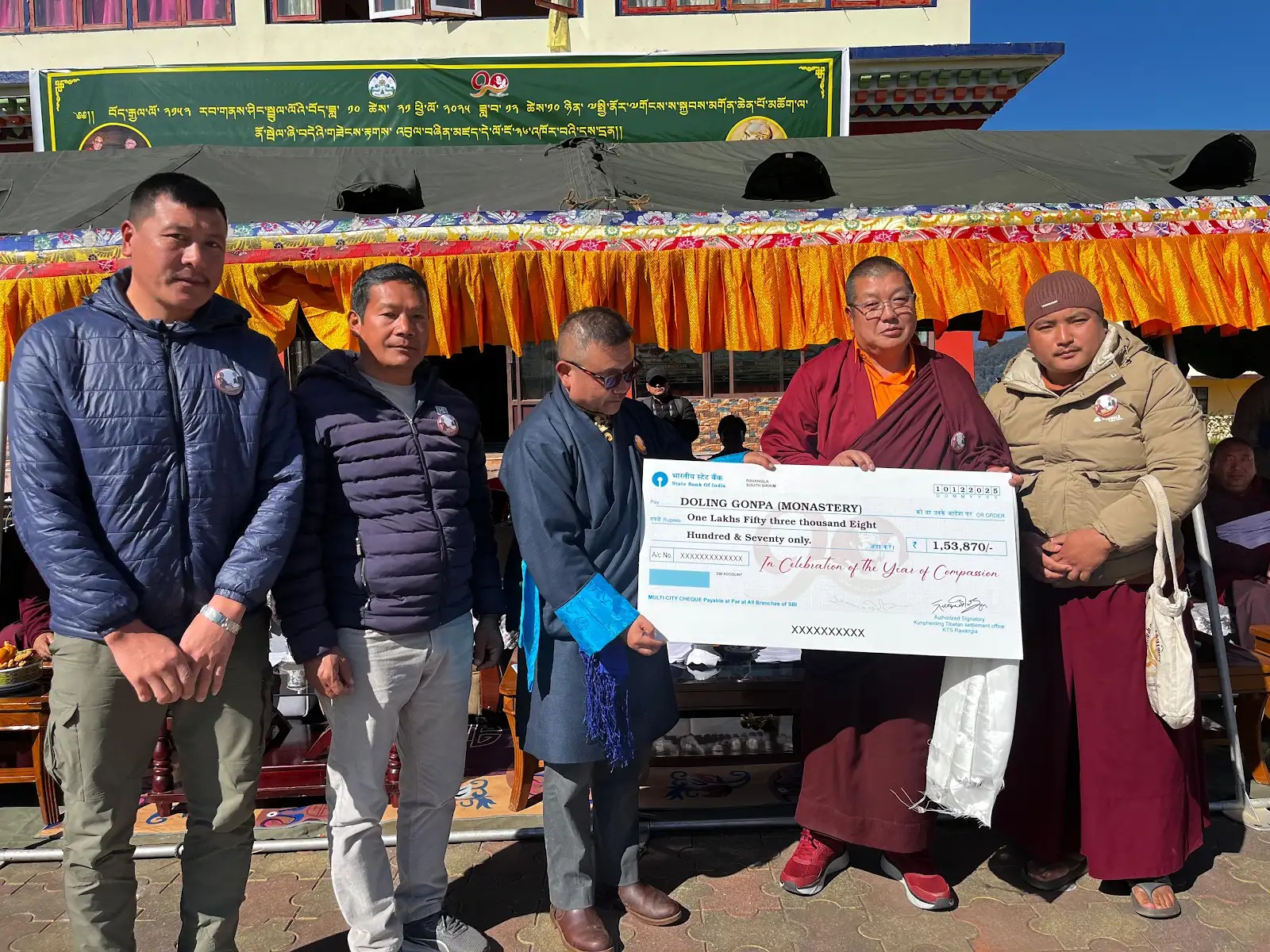
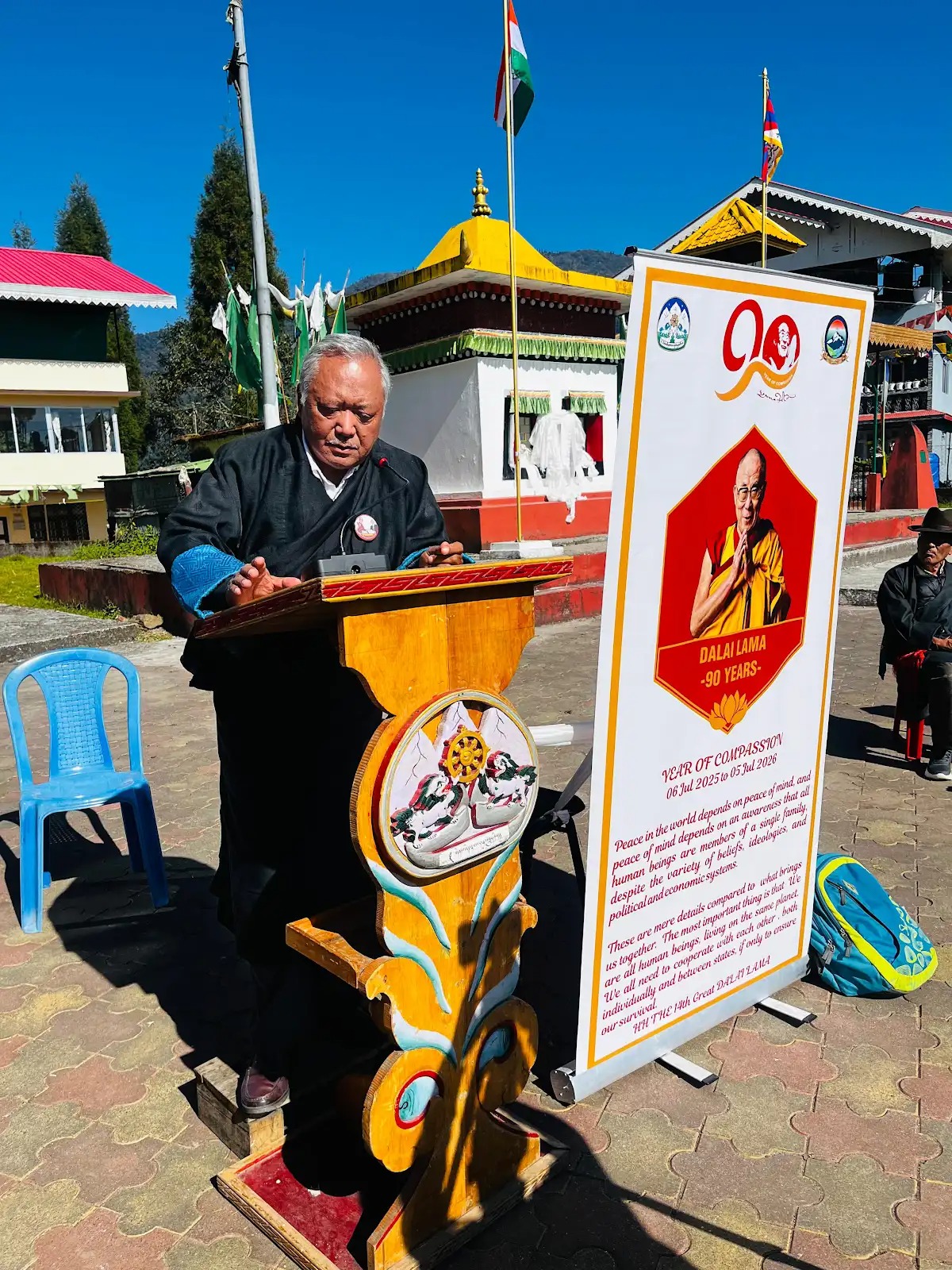
The Kunphenling Tibetan Settlement, Ravangla, observed the 36th Anniversary of the Nobel Peace Prize Day in the presence of the Chief Guest, Lieutenant Colonel of the Indian Army, and Lama Palchen Dorji from Doling Monastery as the Guest of Honour. In honour of the Year of Compassion, the Kunphenling Ghoton Committee made a heartfelt contribution of ₹1,53,870 to Doling Gonpa for the renovation of its sacred stupa. Presenting the offering, Settlement Officer Kalsang Tseten acknowledged the long-standing spiritual and cultural ties between the monastery and the Kunphenling community, noting that Doling Gonpa has served as both a place of spiritual refuge and the final resting place for many Tibetans from the settlement.
The Settlement Officer further expressed profound gratitude to the Government of India and the State Government of Sikkim for their steadfast support to the Tibetan community for over six decades. He emphasised that the preservation of Tibetan religion, culture, and education has been possible only because of India’s enduring generosity and continued assistance.
As part of the day’s programme, the Tibetan Settlement Office also presented Letters of Appreciation to the Kunphenling Regional Women’s Association and the Lhakar Gorshey Tsokpa for their continuous service and commitment to the community. The two groups have supported countless programs through dedicated volunteerism, and their contributions were recognised as exemplary.
Master Calligrapher Jamyang Dorjee Chakrishar, who attended the event as a special guest, delivered an insightful address stressing the importance of maintaining strong, respectful, and friendly relations with the local community. He also touched upon the historical and cultural connection between Kunphenling Settlement and Doling Monastery.
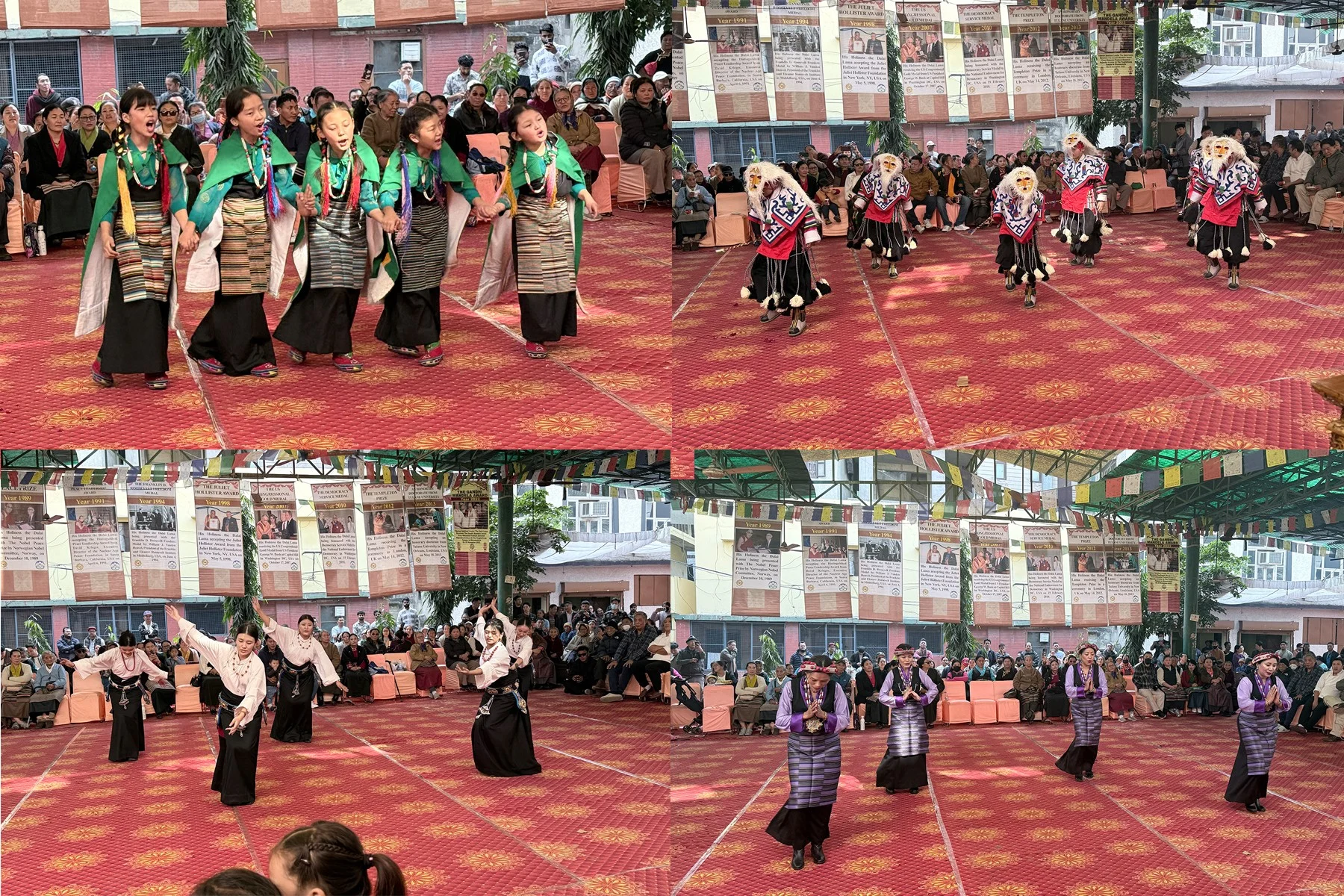
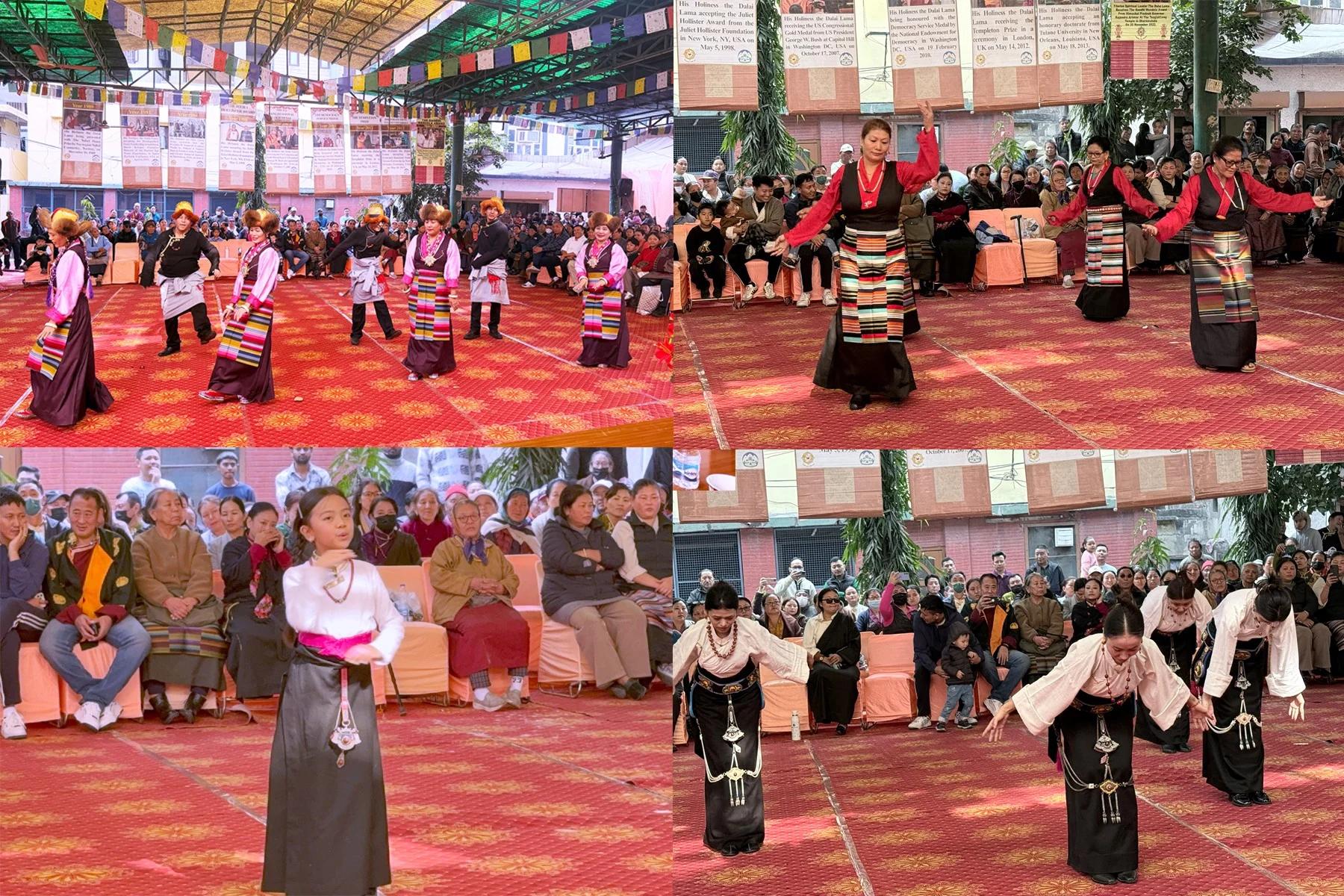
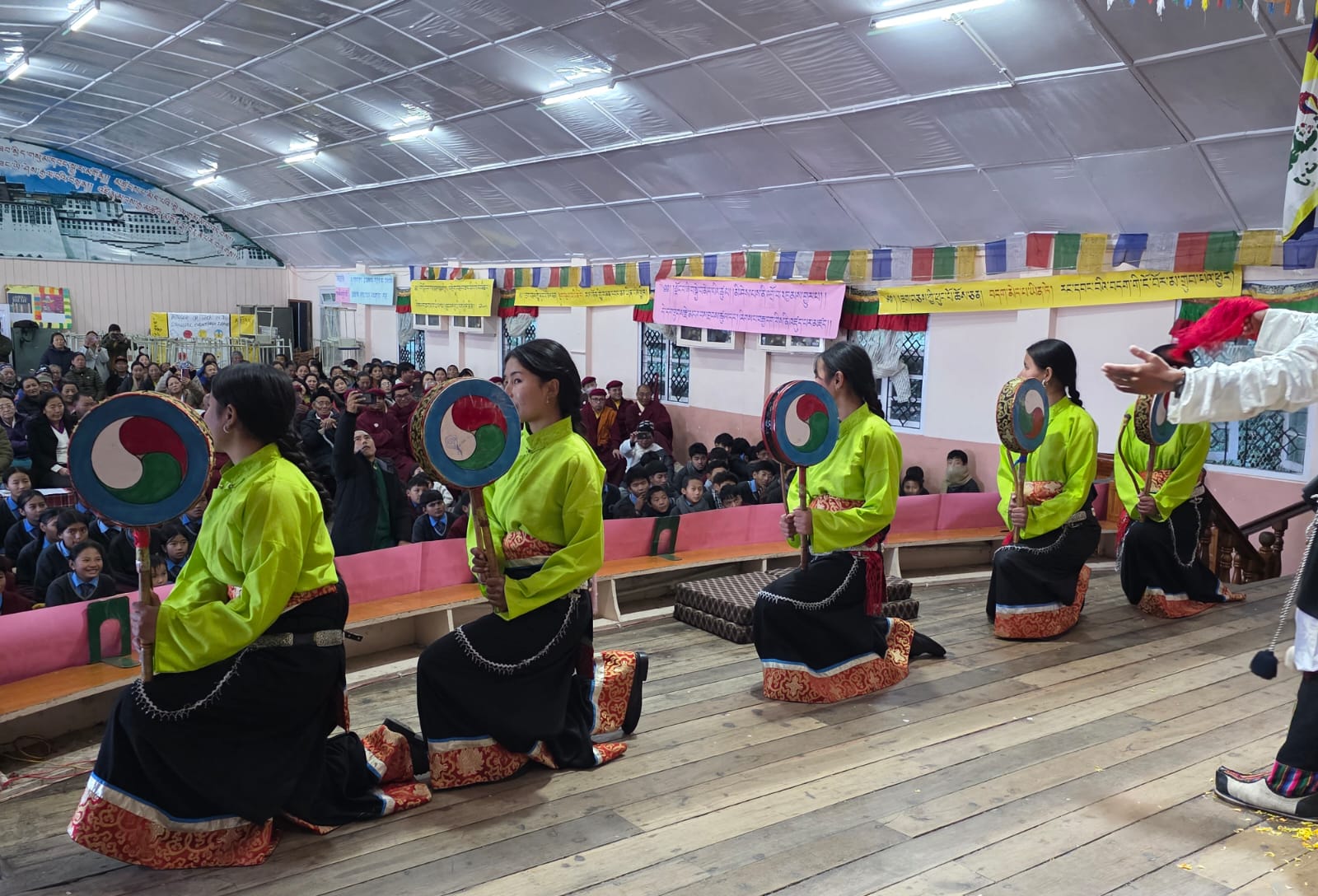
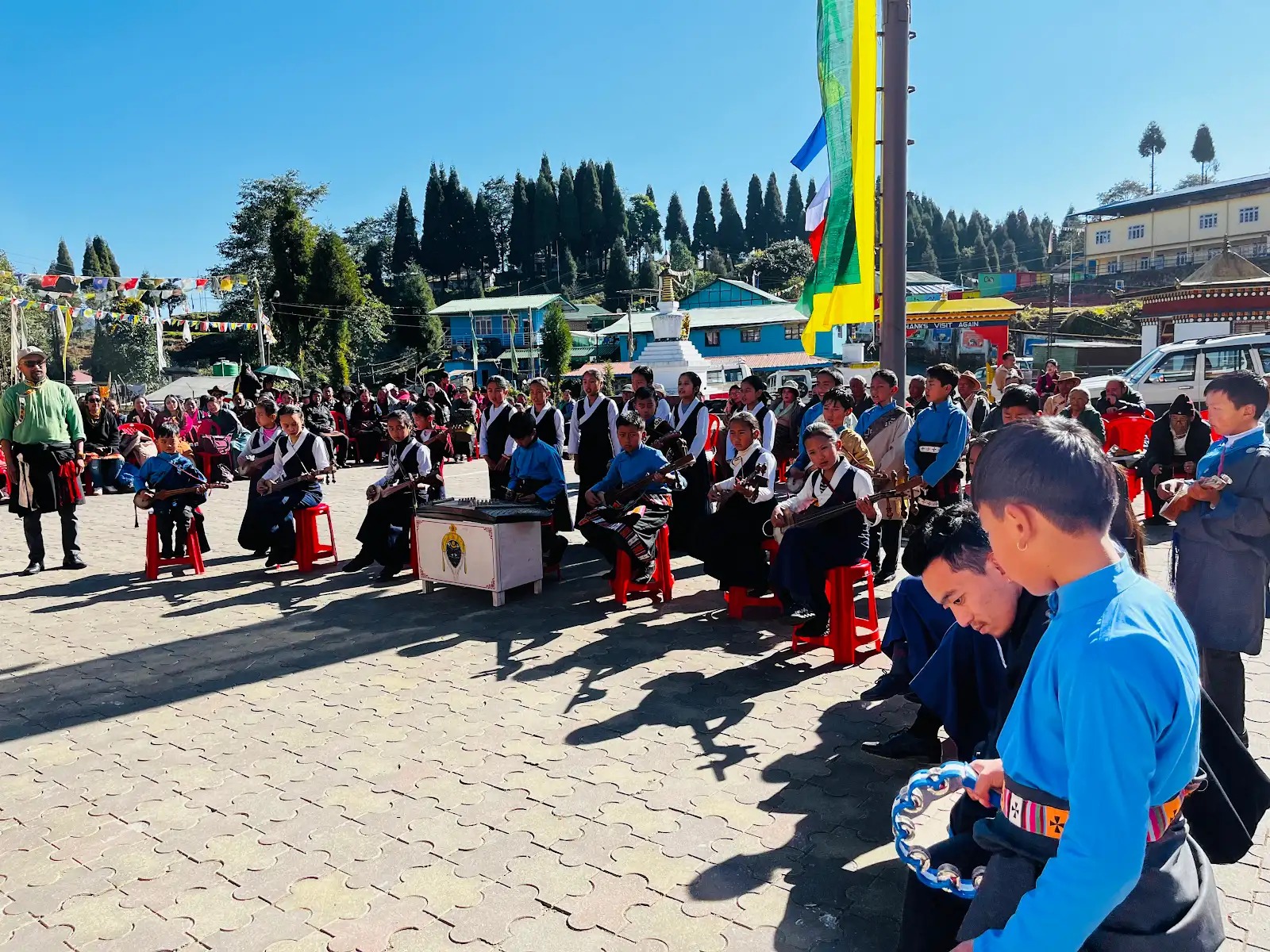
The celebration also featured the reading of the official statements from both the Kashag and the Tibetan Parliament-in-Exile, presented respectively by the Settlement Officer and the Speaker of the Local Tibetan Assembly, Yangdup. The programme concluded with vibrant cultural performances by the students of Sambhota Tibetan School and the Kunphenling Lhakar Gorshey Group, adding colour, energy, and cultural pride to the occasion.
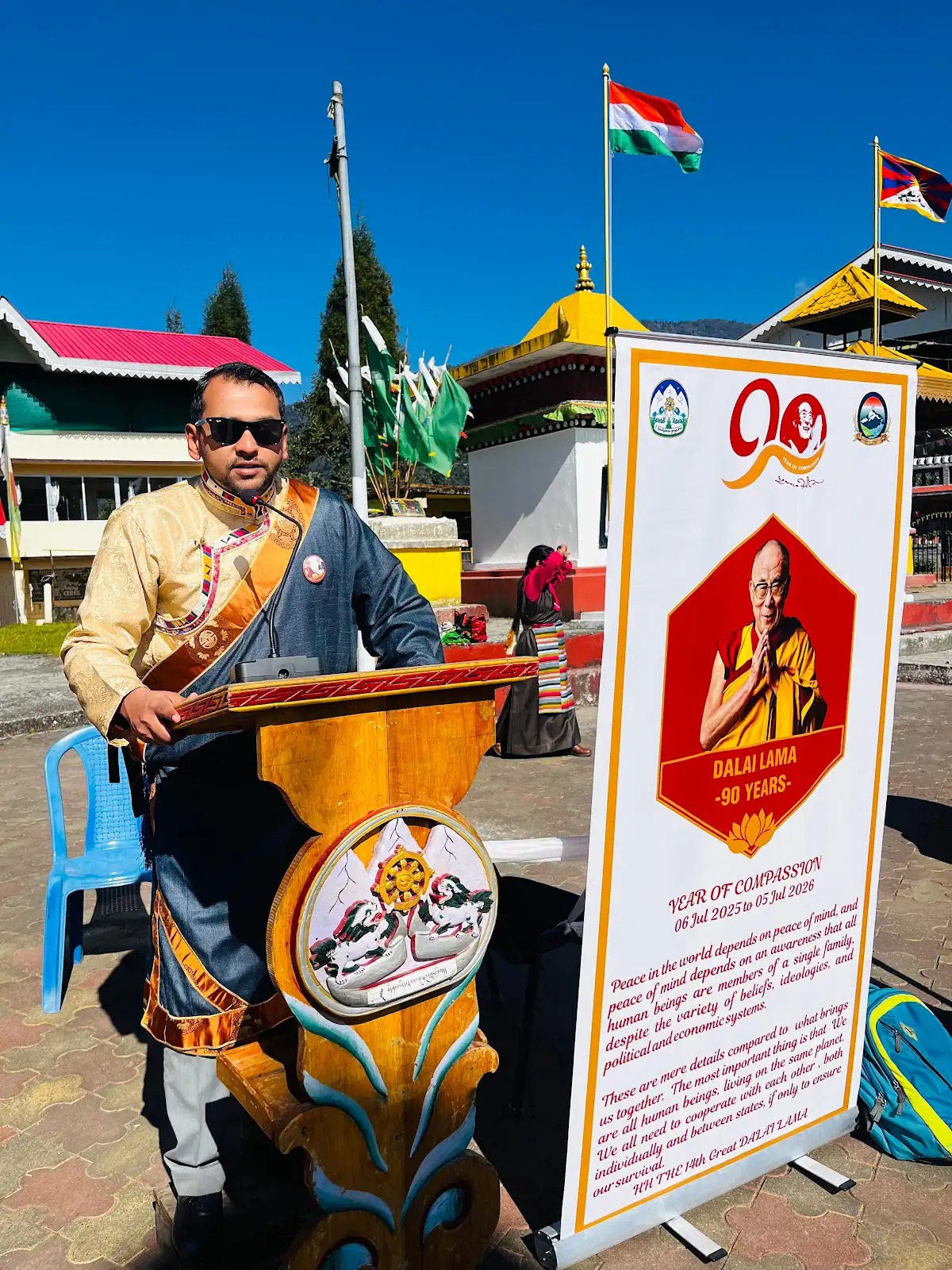
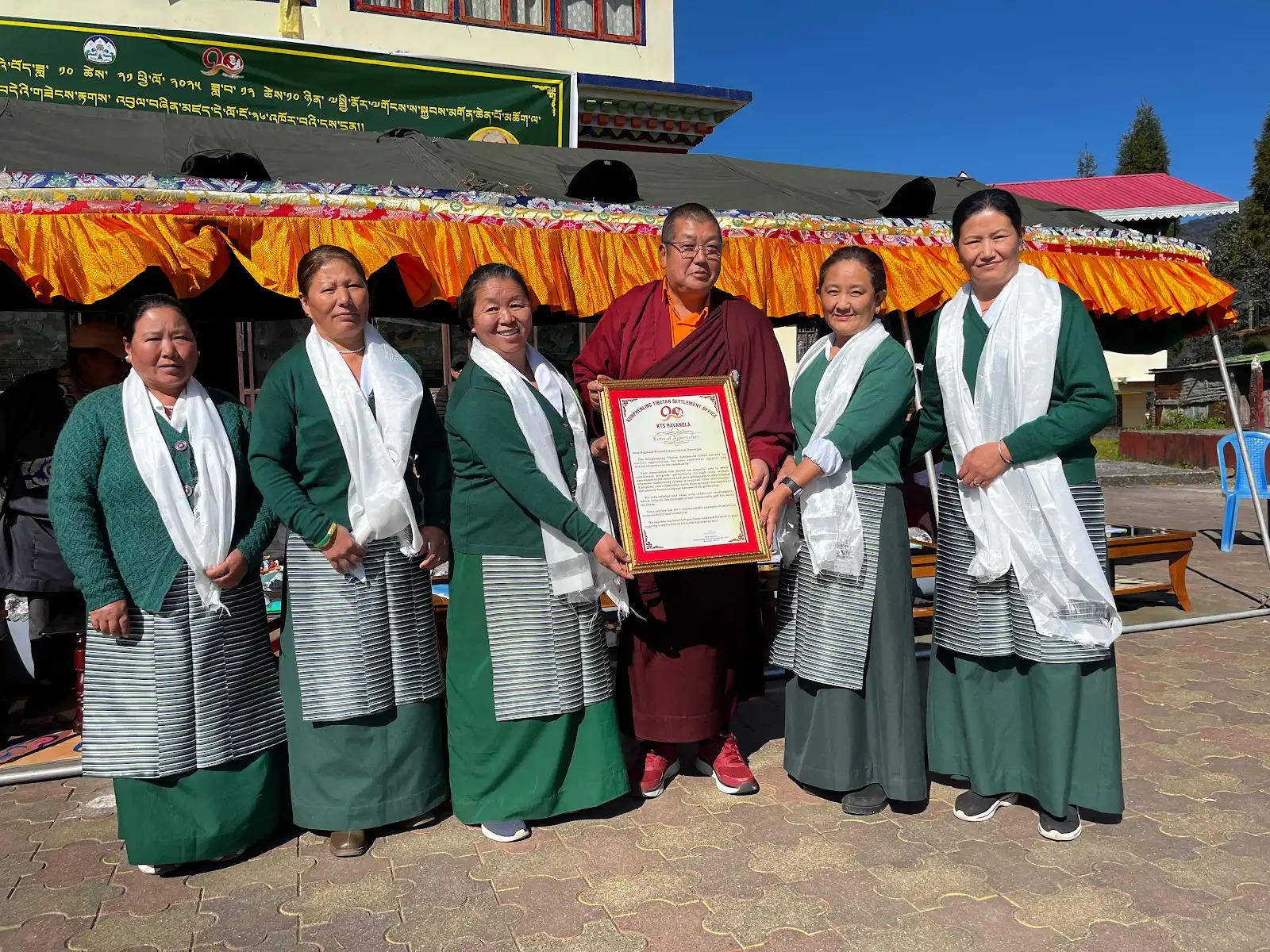
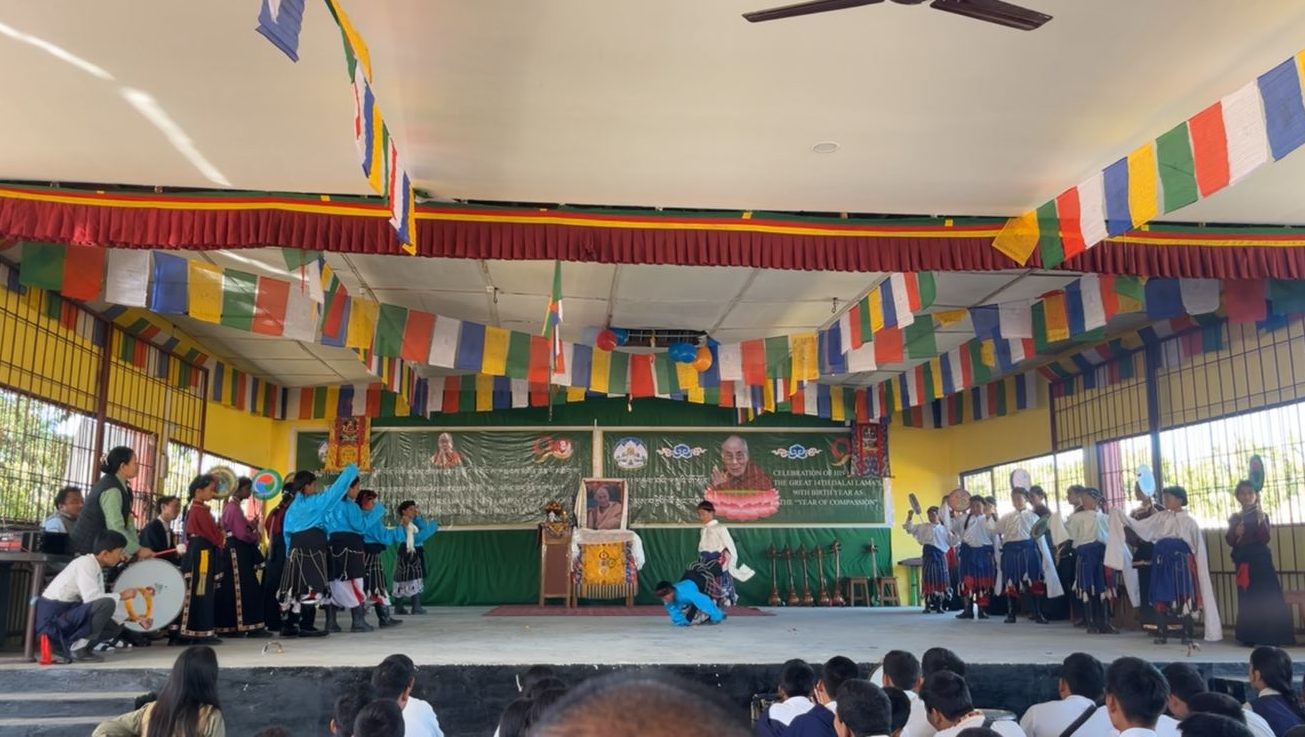
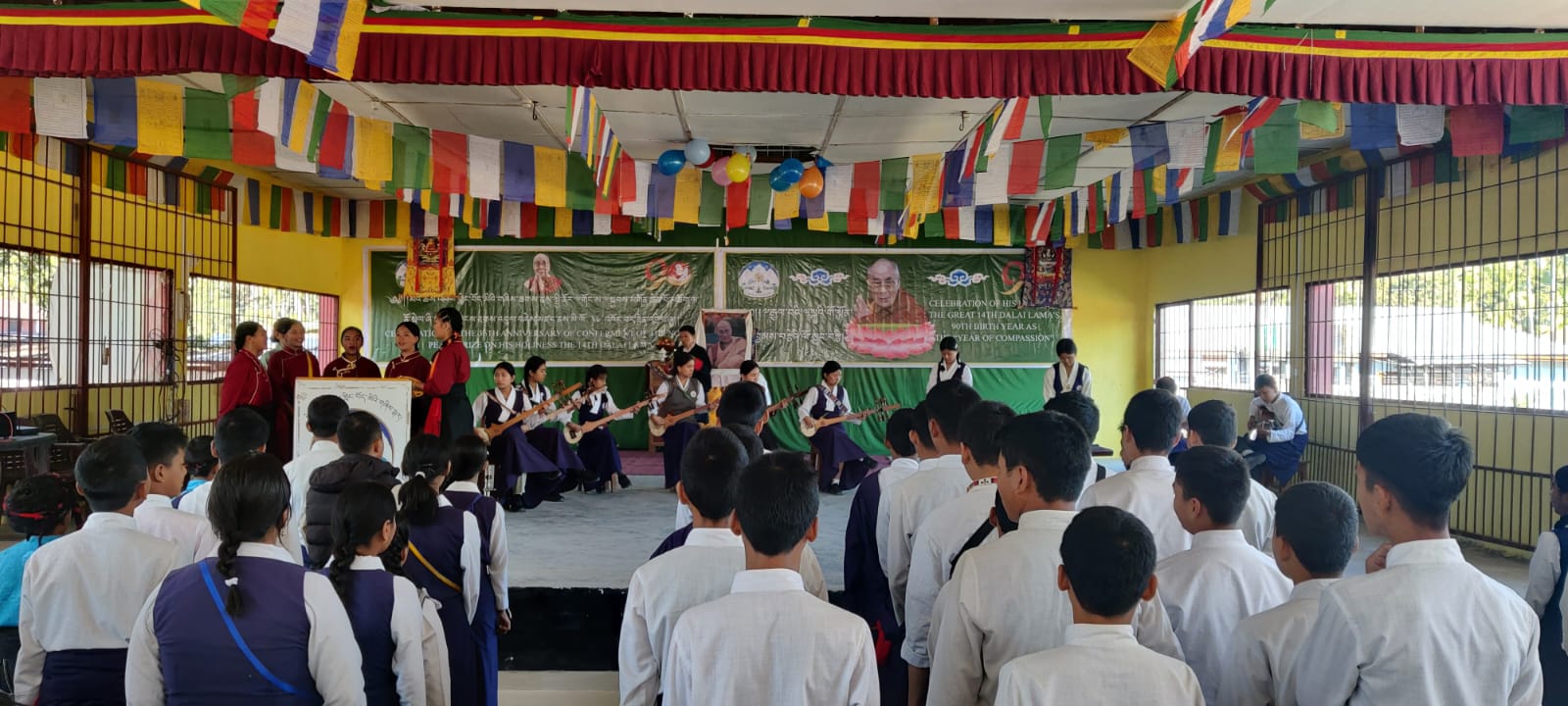
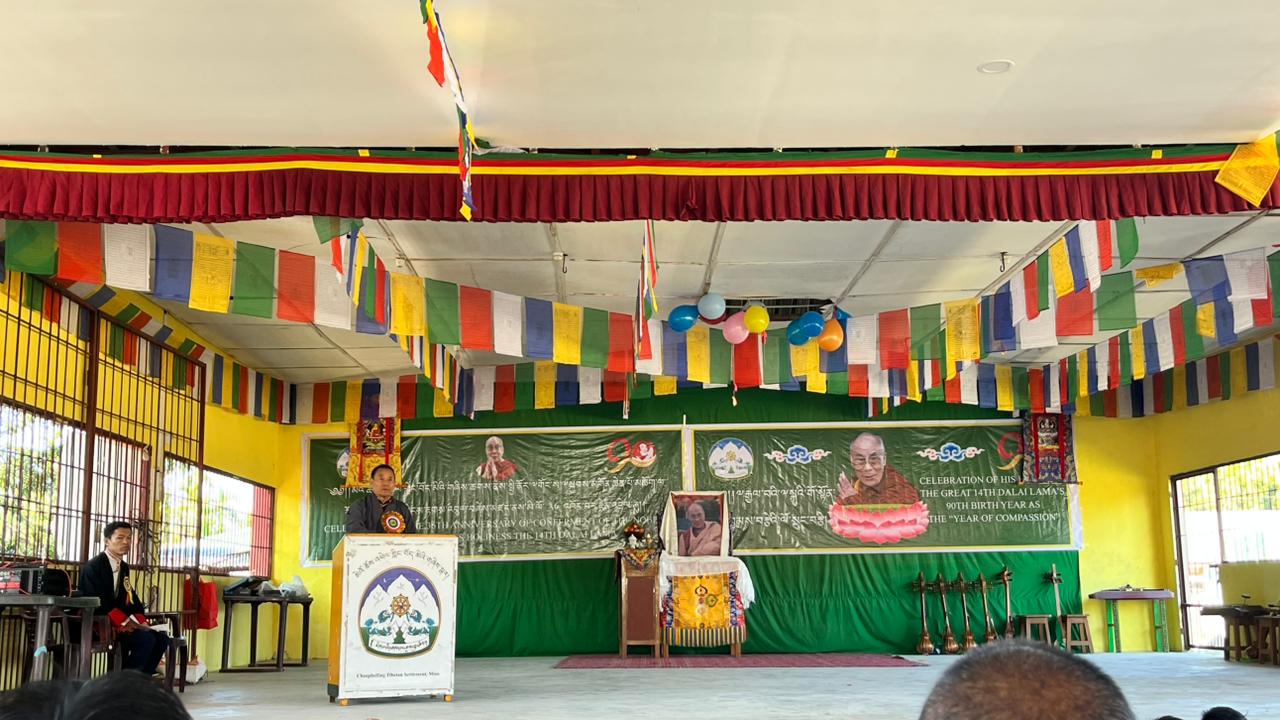
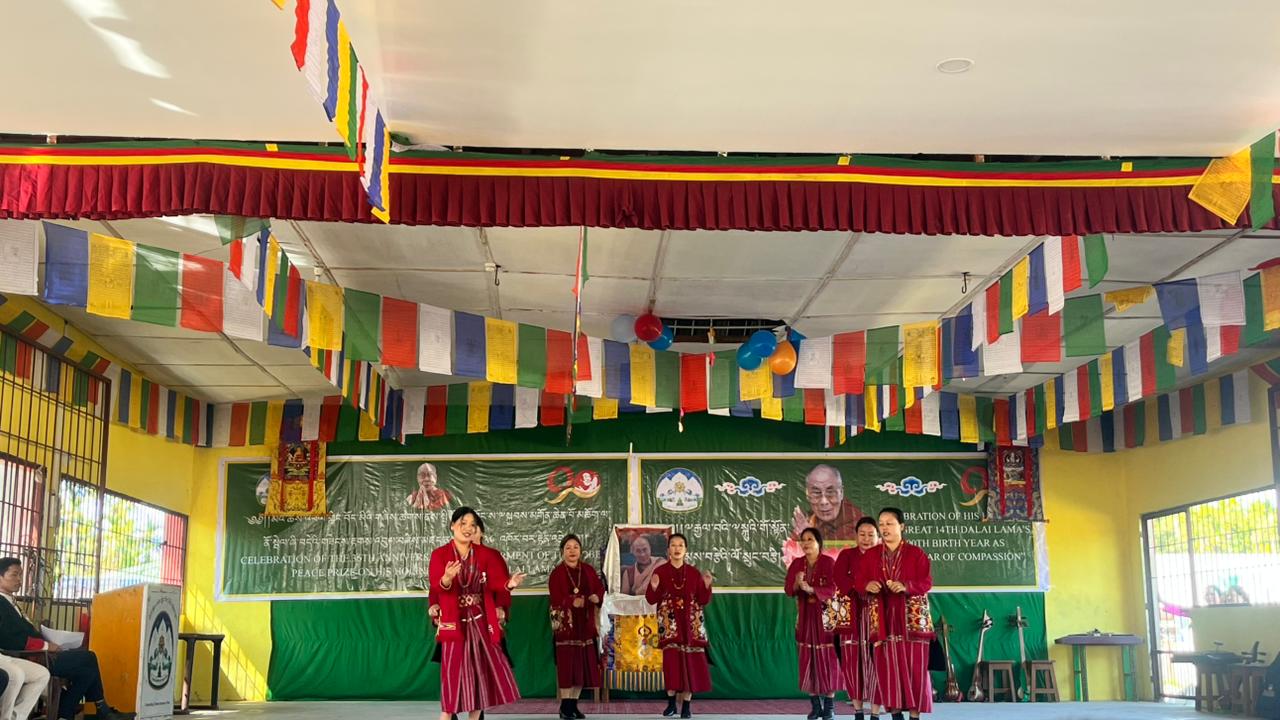
Miao Choephelling Tibetan Settlement marked the occasion with a day-long programme of prayers, cultural performances, and community acknowledgements. The celebration brought together settlement residents, dignitaries, schoolchildren, and representatives from local committees.
The formal programme opened with students from Sambhota Tibetan School, Miao, presenting the Tibetan and Indian national anthems, followed by the Nobel Peace Prize song. The Tibetan Settlement Officer then read the official statement of the Kashag, while the Chairman of the Local Tibetan Assembly presented the statement from the Tibetan Parliament-in-Exile. A series of certificates and recognitions were subsequently awarded, including Exile Tibetan Parliamentary Certificates for Local Tibetan Assembly members (2021–2024), Best Boy and Best Girl Awards from Sambhota Tibetan School, and certificates for former Parent–Teacher Association members. Cultural performances further enriched the event, with contributions from the students of Sambhota Tibetan School, the five camps of the settlement, and the Monpa community from Tawang.
Addressing the gathering, the President of BRDL (Regional Tibetan Freedom Movement) commended the organisers and encouraged the community to continue upholding unity and cultural preservation. The celebration concluded with a communal lunch, followed by games and a football tournament. What began with solemn prayers at the monastery culminated in a joyful atmosphere marked by laughter, community bonding, and a shared sense of cultural pride.
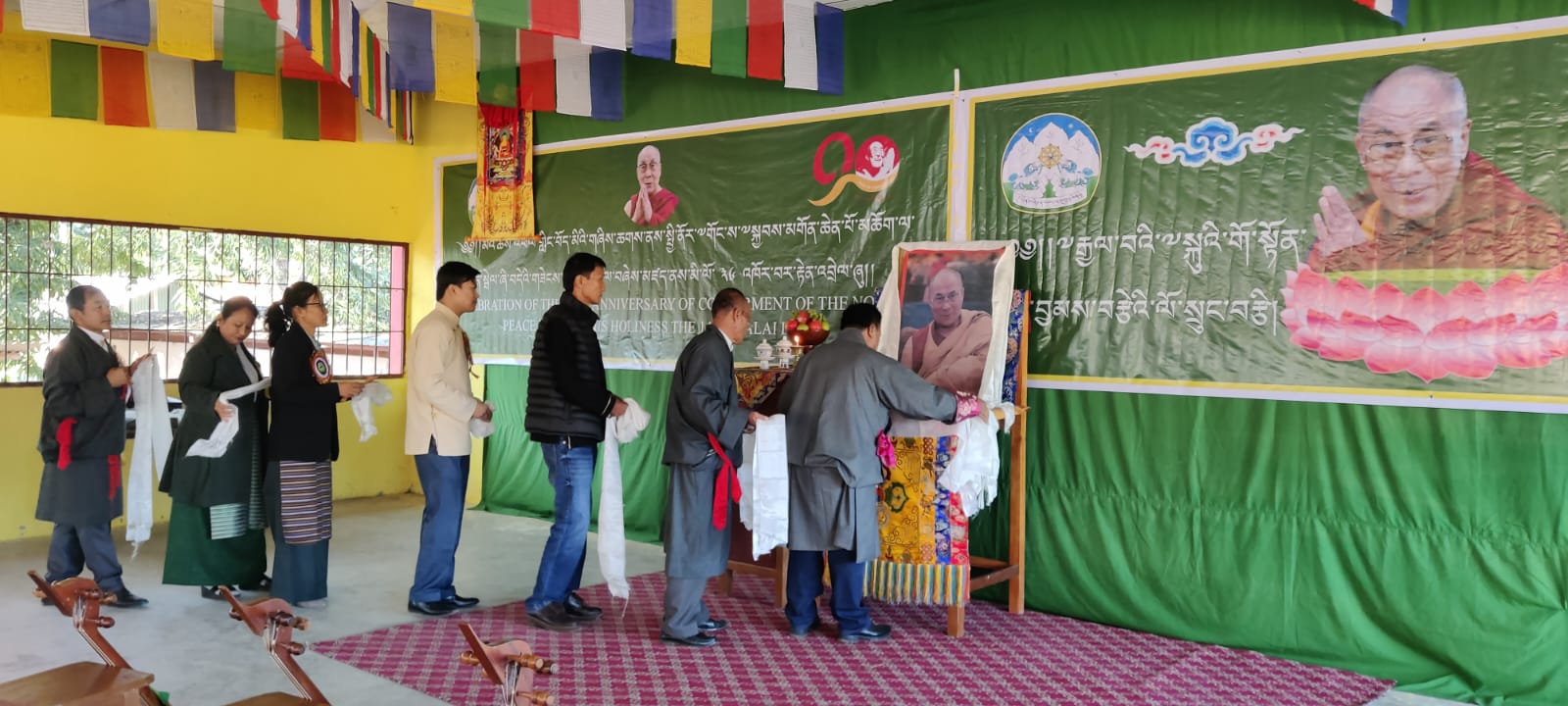
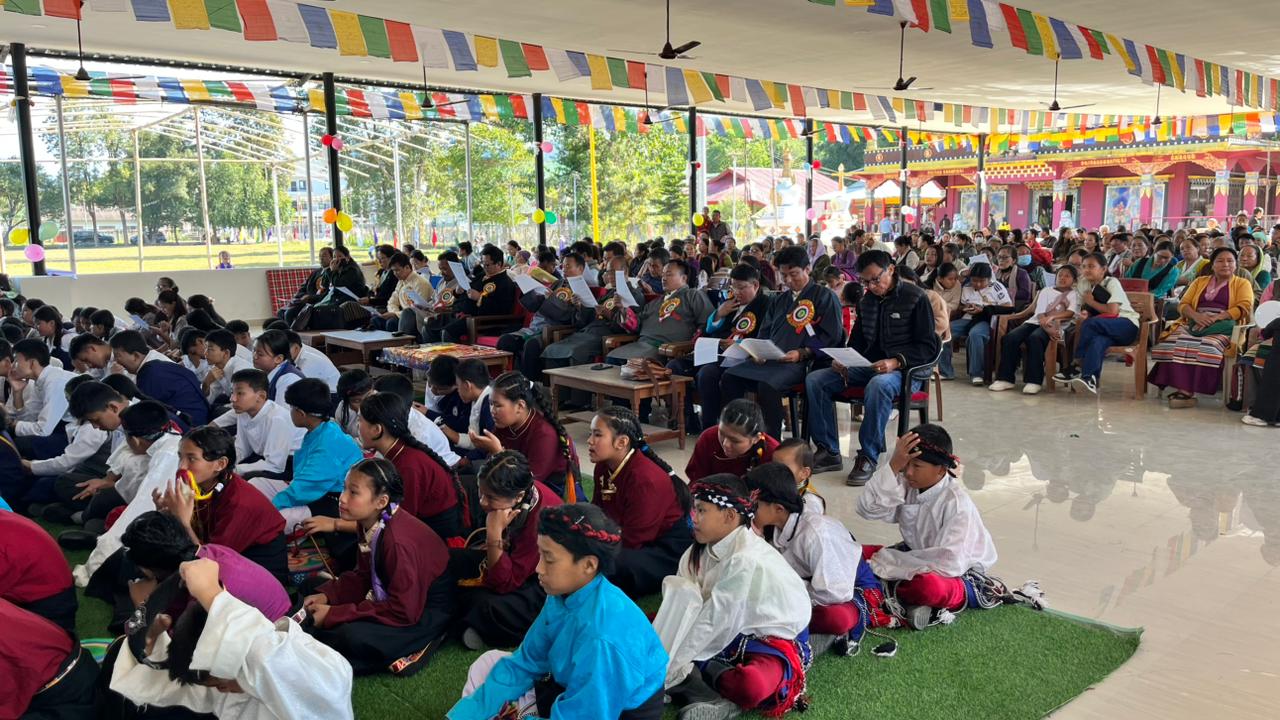
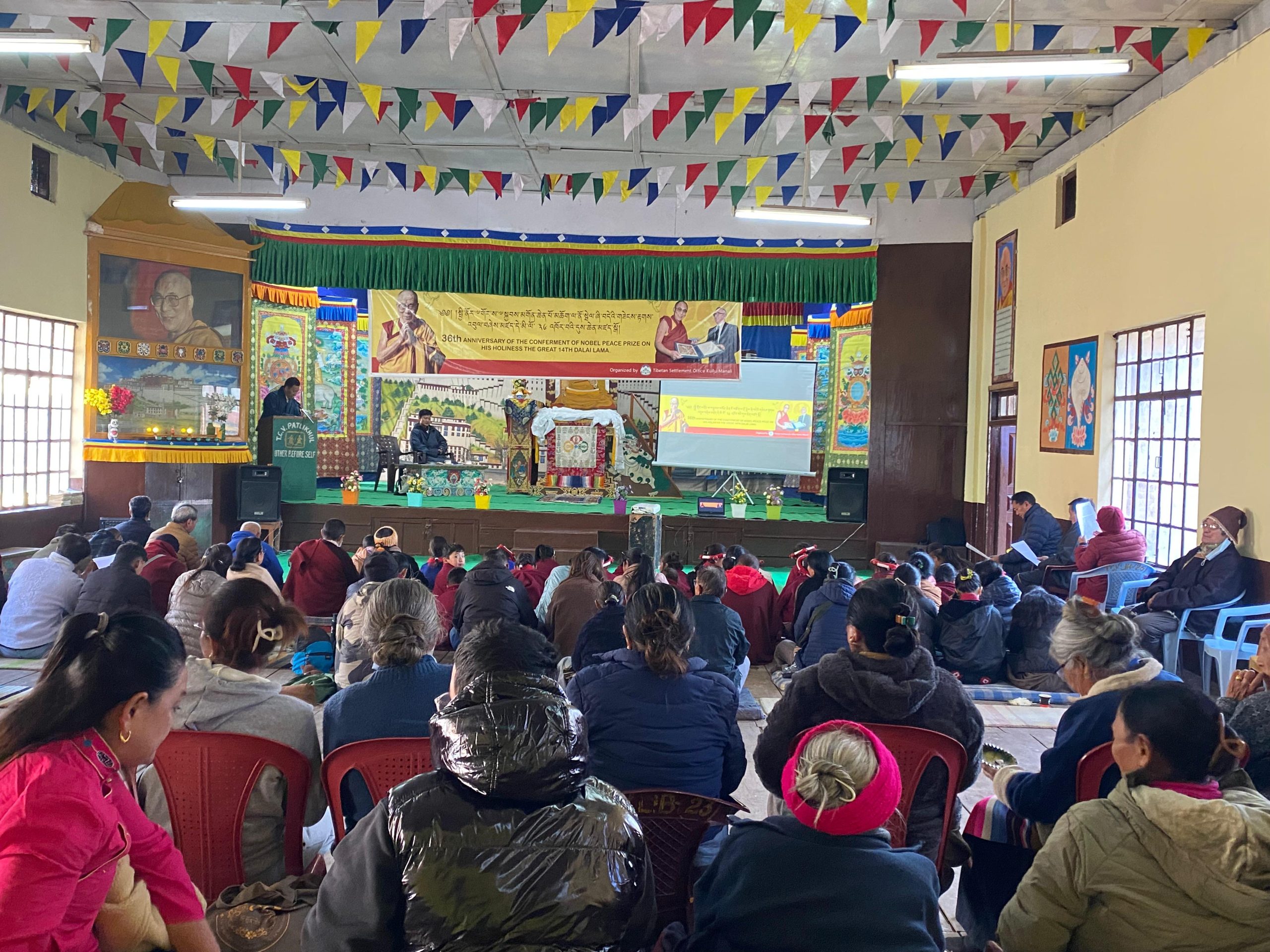
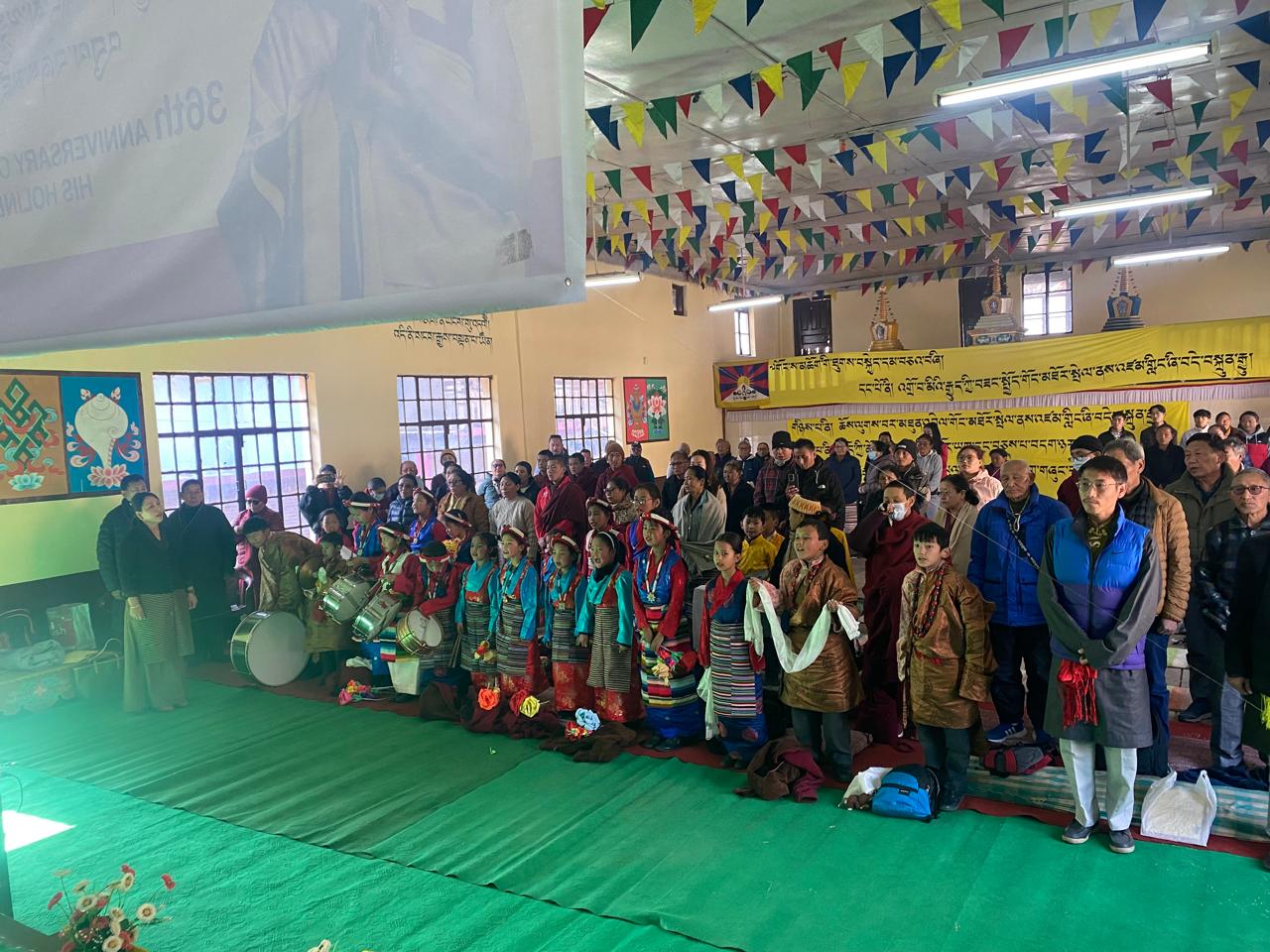
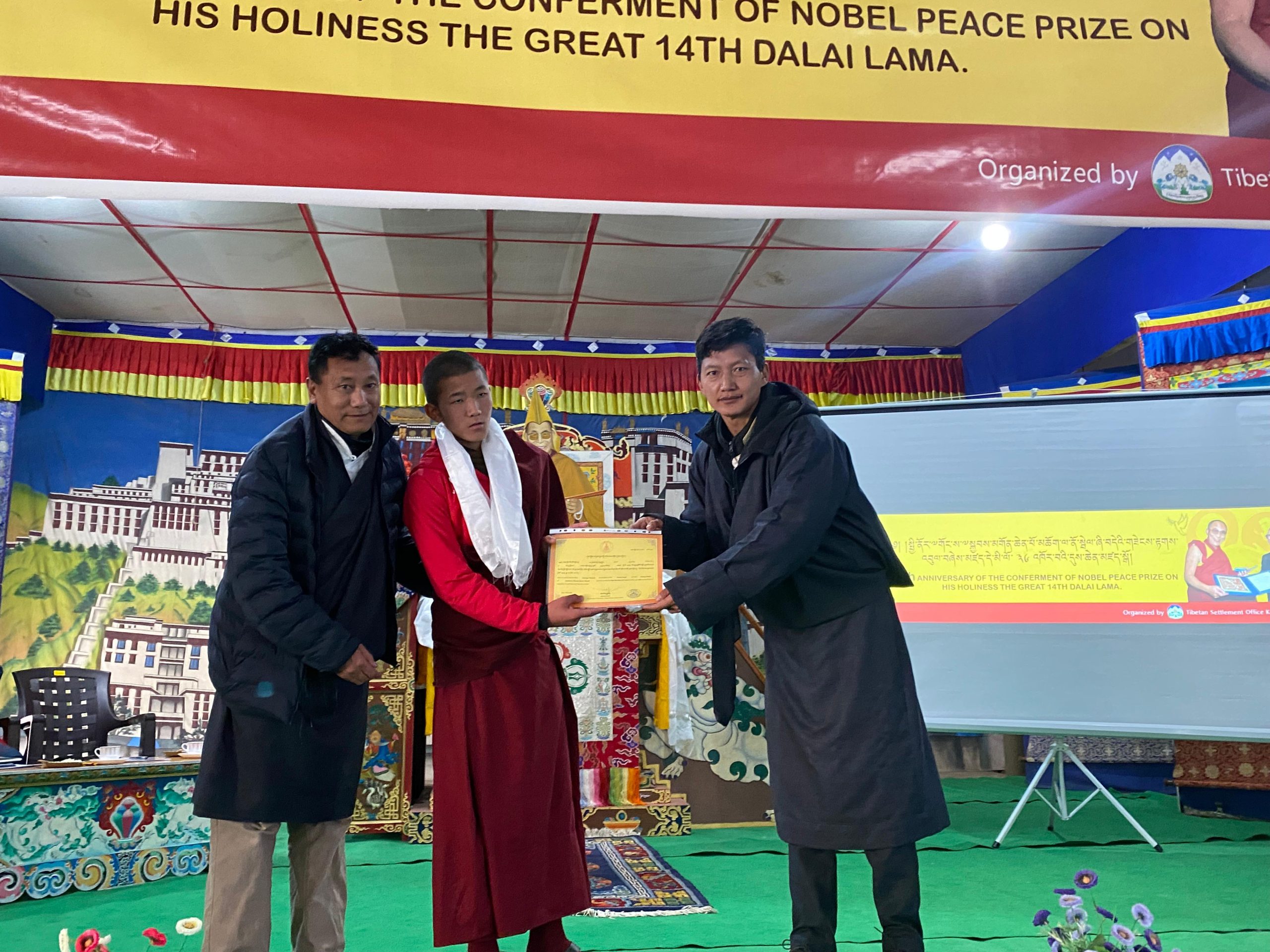
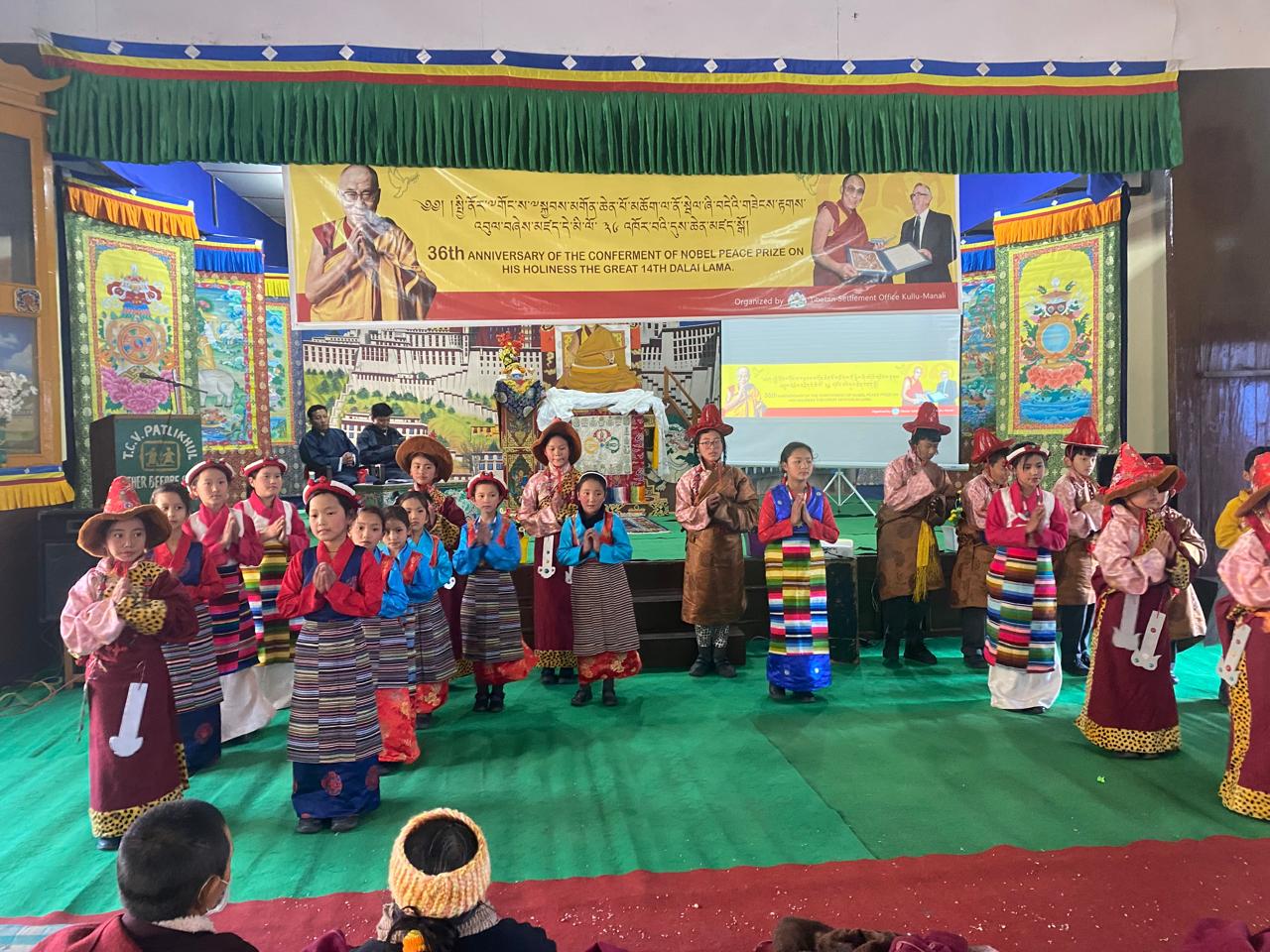
The same day, Tibetan community in the Kullu and Manali, held a commemorative event with offering of prayers and festivities.
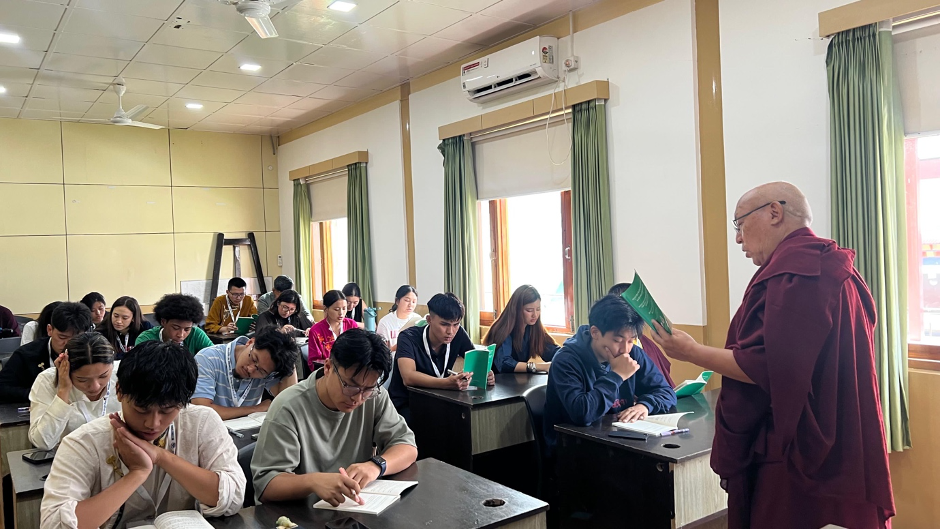
The Tibetan Settlement Officer read the Kashag’s message, followed by the Tibetan Parliament-in-Exile’s message delivered by the chairman of the Local Tibetan Assembly. In accordance with the directive of the Department of Education, awards for the top male and female students of Manali Sambhota Tibetan School for 2025 were presented.
To conclude the event, the Tibetan Settlement Officer briefed the gathering on the upcoming the 2025–26 Sikyong and 18th Tibetan Parliament-in-Exile elections, explaining key aspects of Tibetan democracy, electoral regulations, and the charter. With this informative session, the official programme came to a successful close.
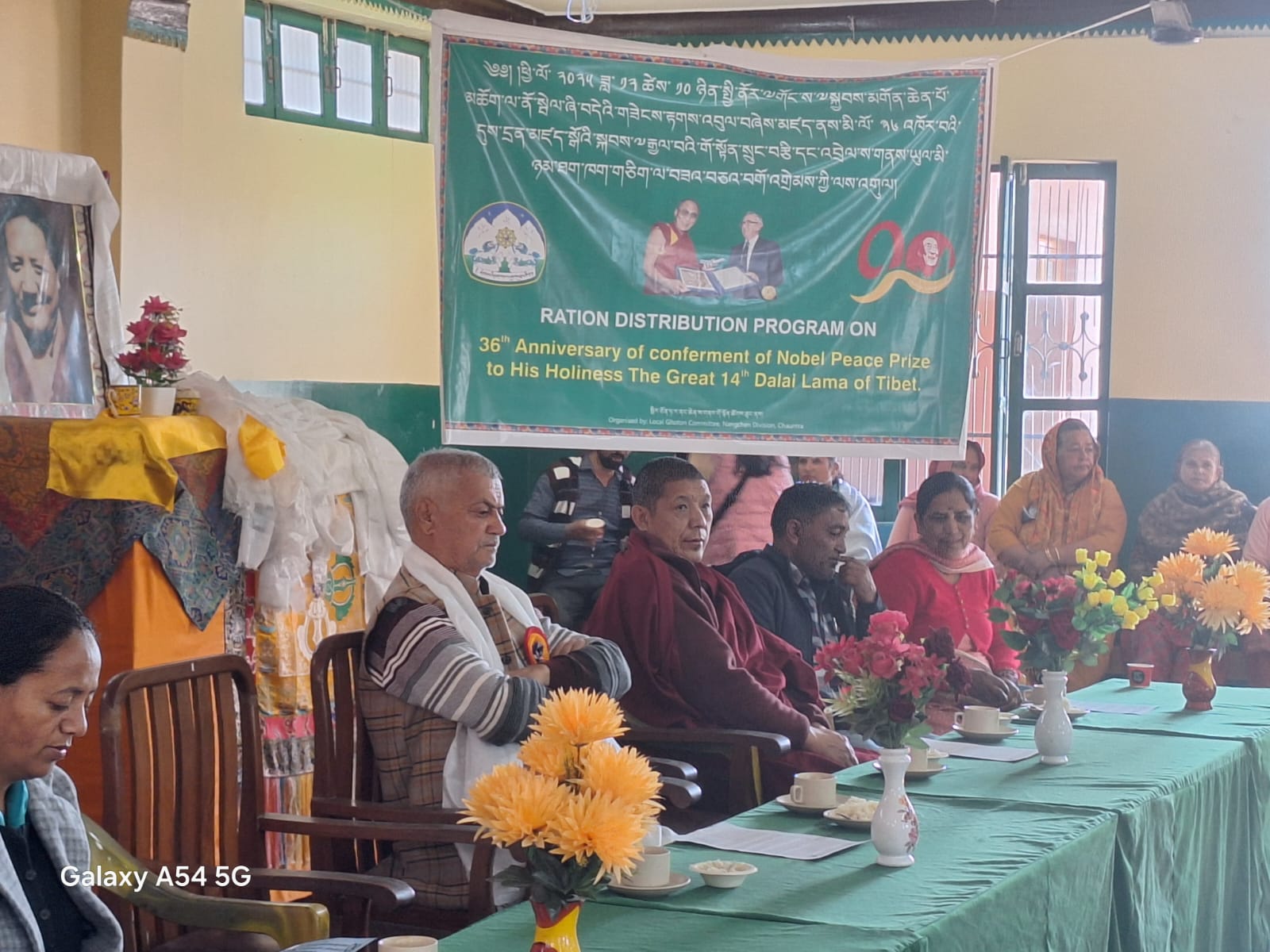
Meanwhile in Chauntra Tibetan Settlement, the commemoration was observed with chief guest Rewat Ram, Vice Pradhan of Chauntra.
With ceremonial commencement, the Tibetan Settlement Officer and Chairman of the Local Tibetan Assembly presented the official statements from the Kashag and the Tibetan Parliament-in-Exile for the day, respectively.
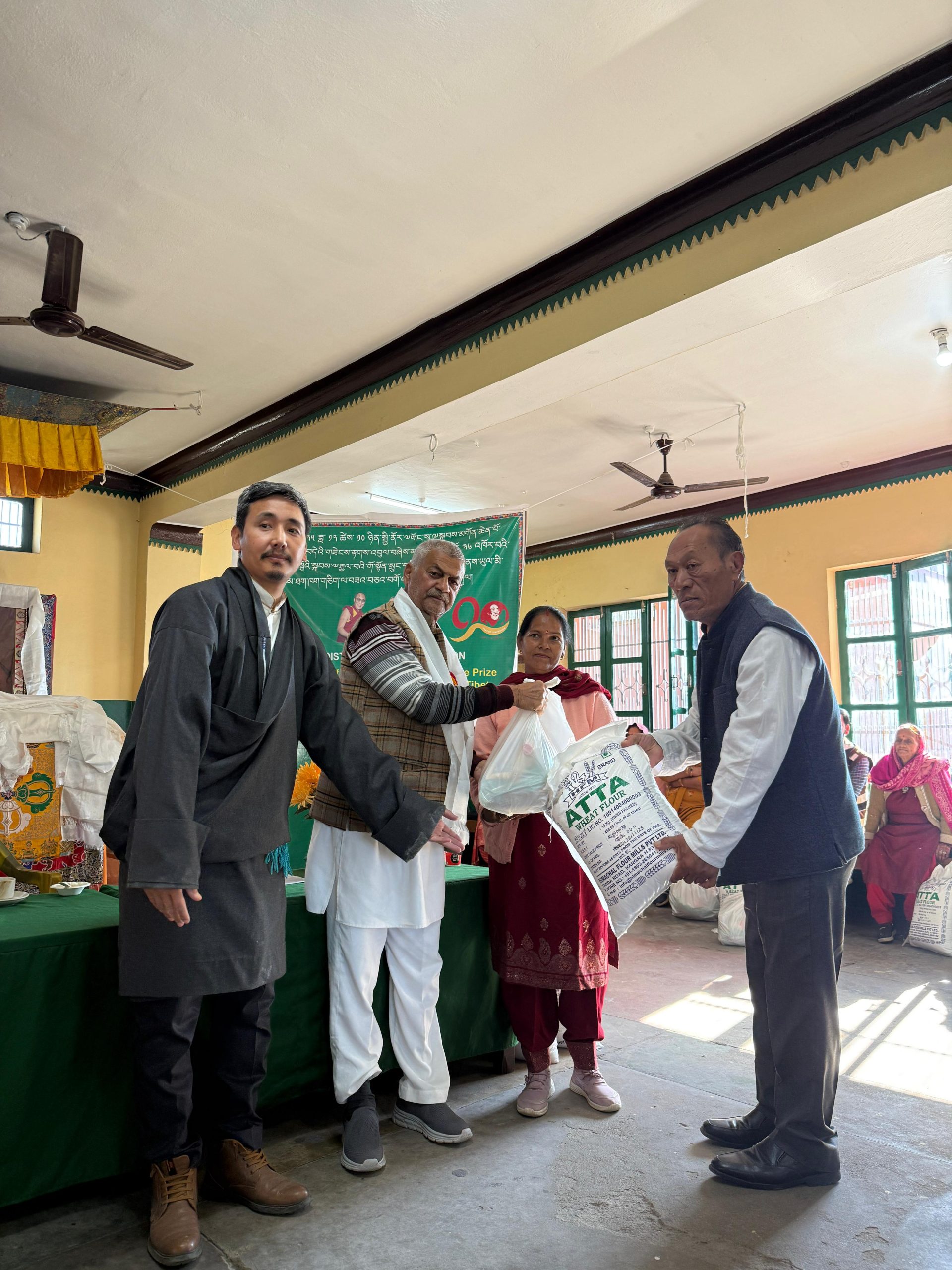
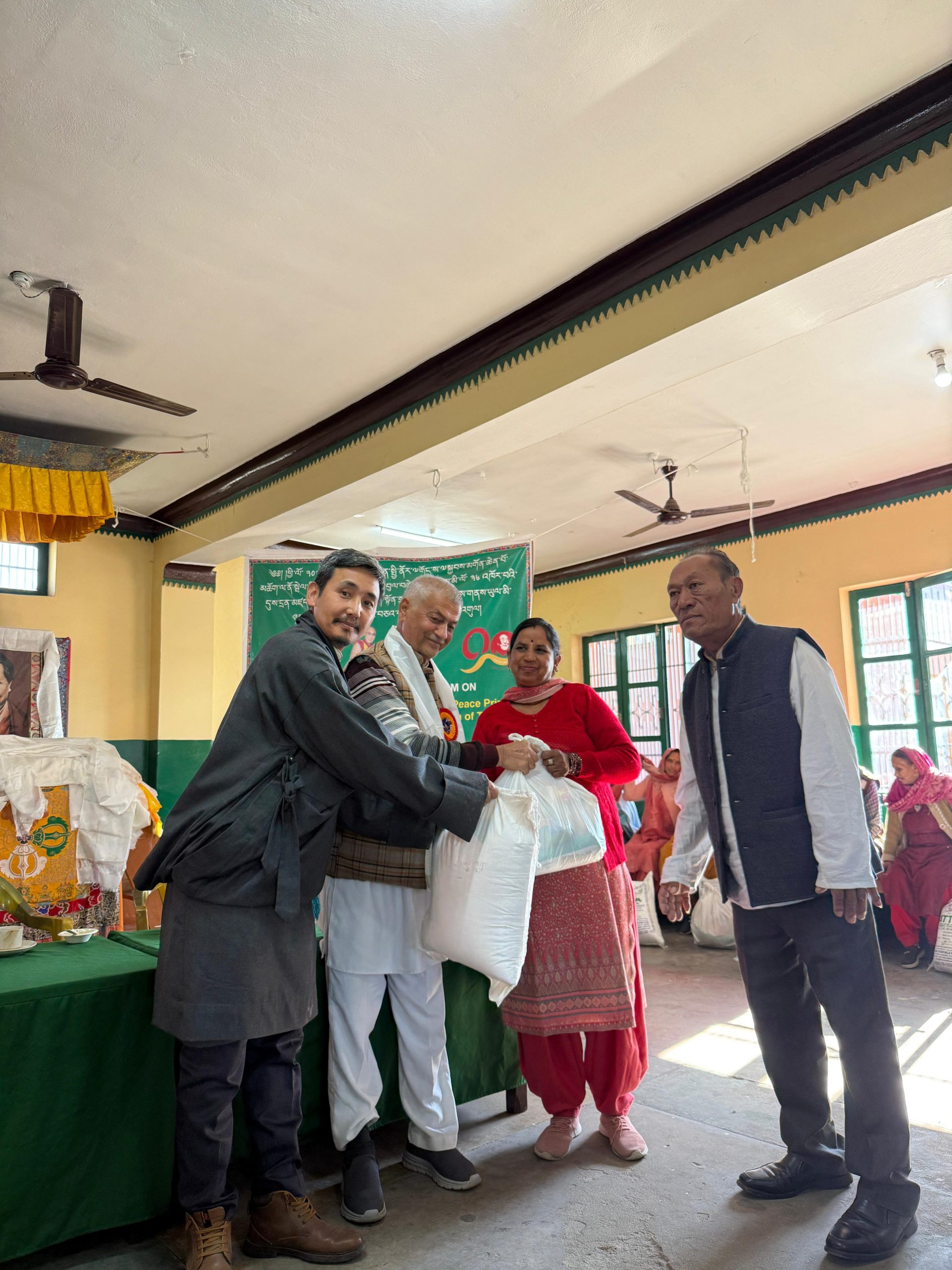
In his address, the chief guest praised His Holiness’ message of peace and compassion as a gift to humanity and offered prayers for his long life. He also expressed gratitude for the invitation. As a token of appreciation, he was presented with a commemorative silk scarf and a traditional Tibetan apron.
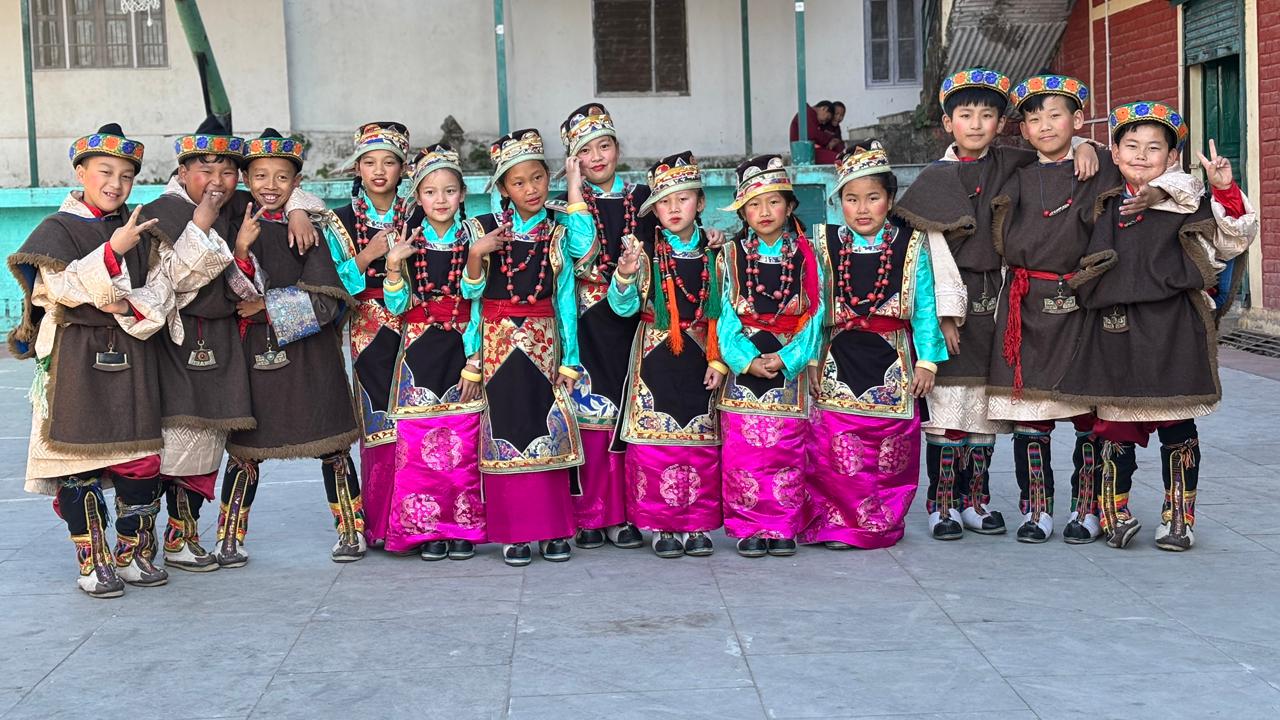
To mark the occasion, food and essential provisions were distributed to around ten underprivileged families from Chauntra. Students from Chauntra Sambhota School added colour to the event with cultural performances, and the ceremony was concluded.
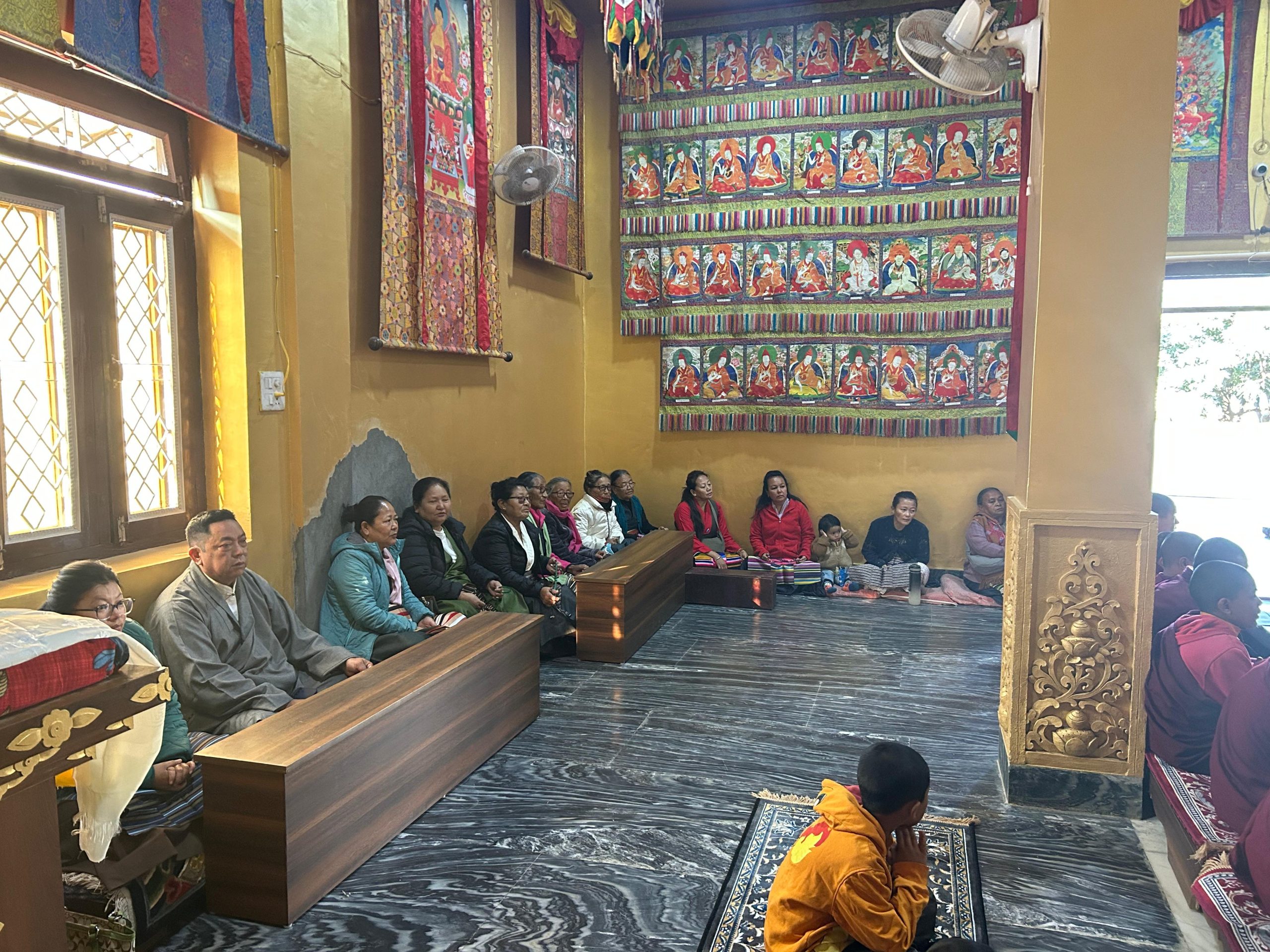
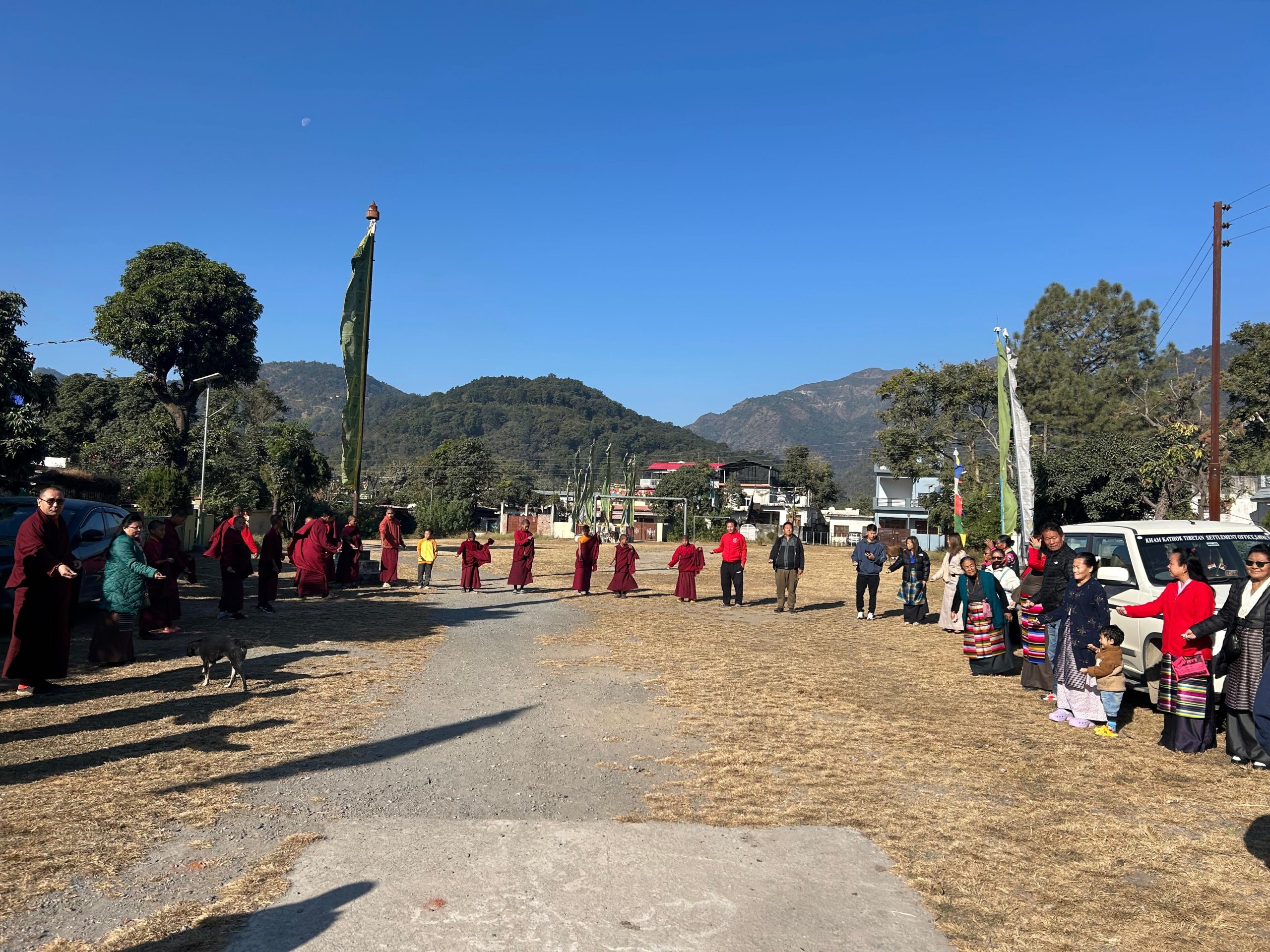
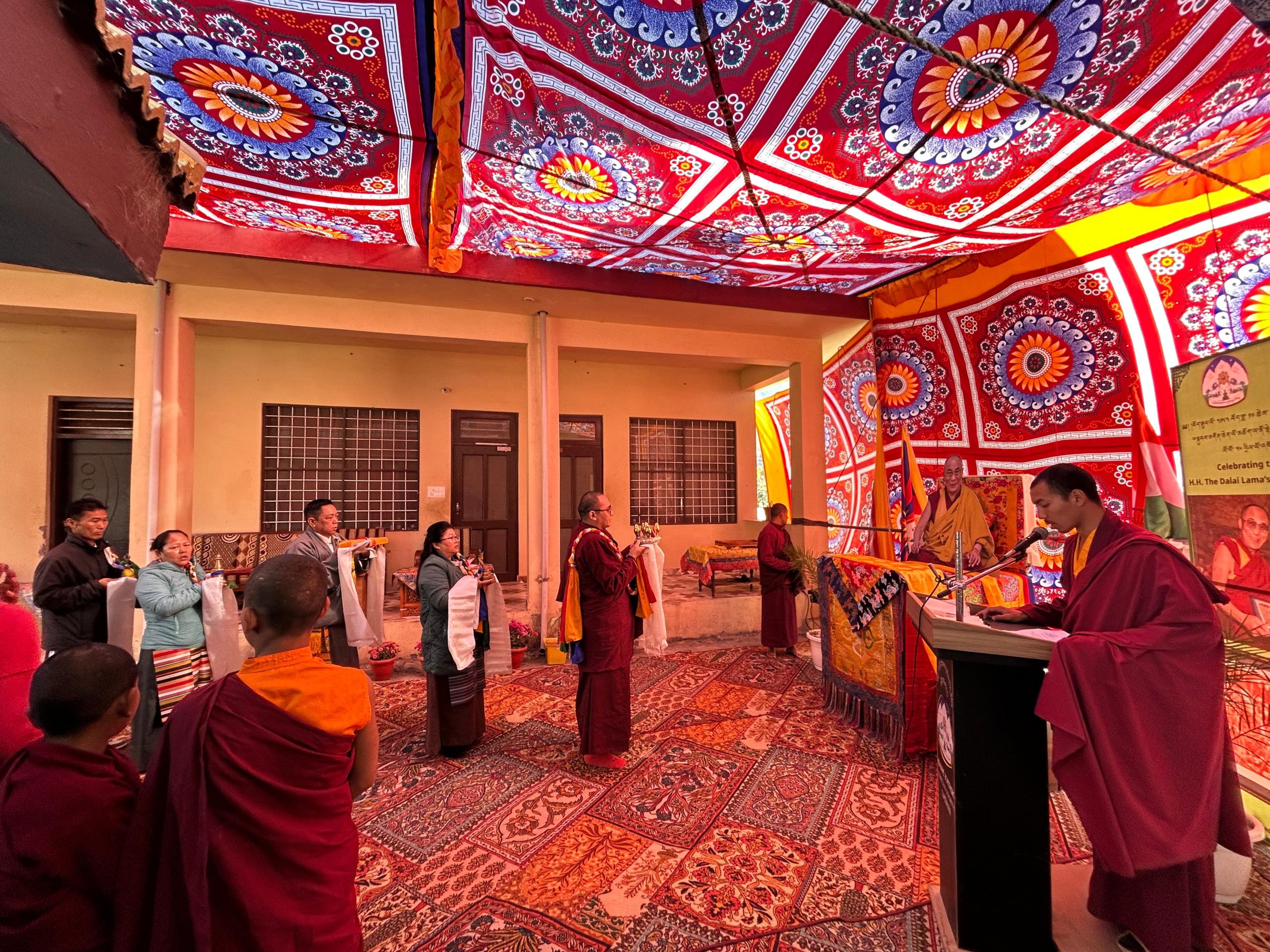
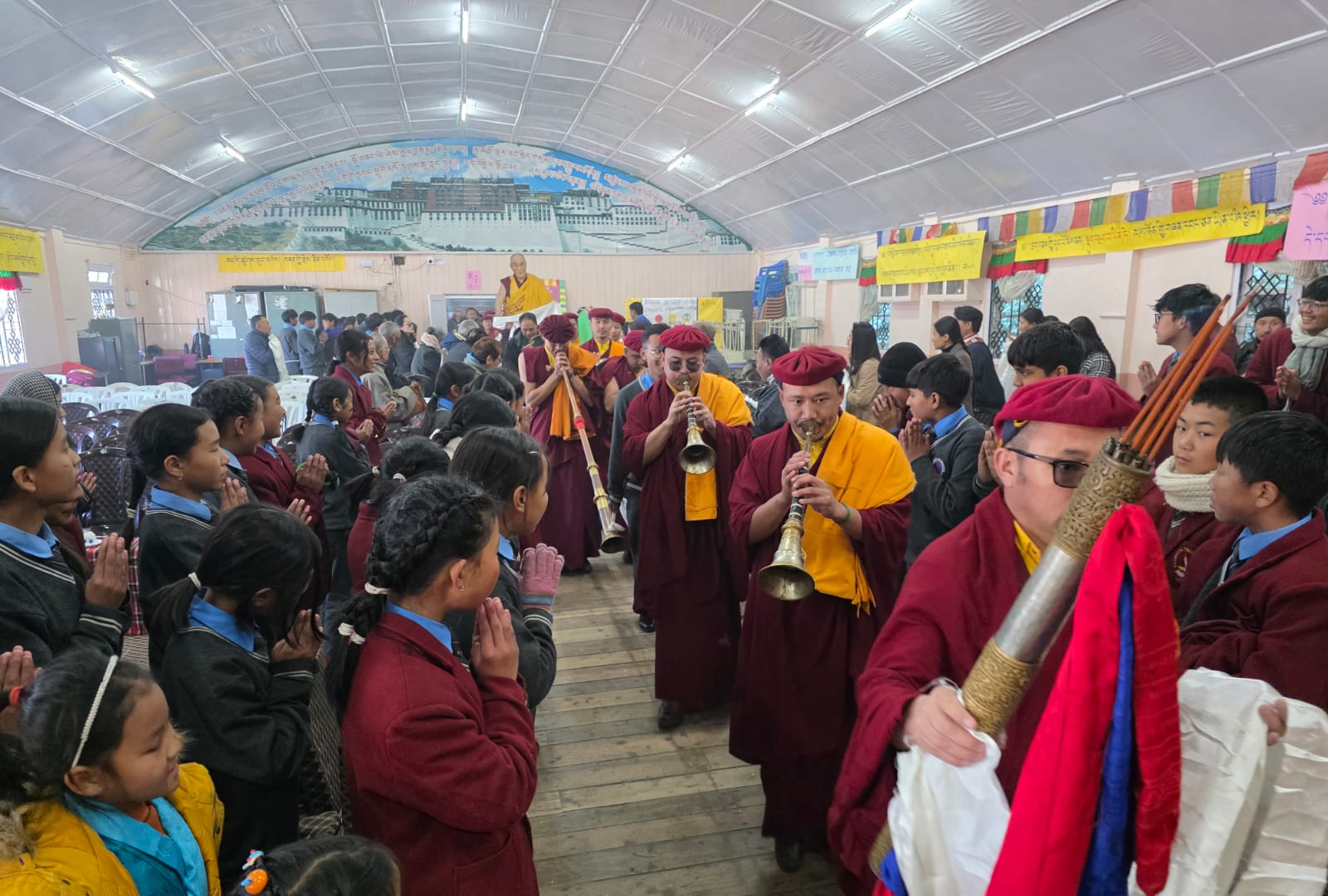
The Kham Kathok Tibetan Settlement in Sataun observed the 36th anniversary of the conferment of the Nobel Peace Prize on His Holiness the 14th Dalai Lama with a series of ceremonial, cultural, and community activities. The programme began with morning sangsol prayers at the Kathok Nyingma Monastery, where monks, officials, and residents gathered to offer long-life prayers, prostrations, and ceremonial scarves to His Holiness’ sacred photograph. This was followed by the singing of the national anthems of India and Tibet, along with songs honouring the Nobel Peace Prize. Tea and sweet rice were then served before the local officer and the local representative chairperson delivered the official statements from the Kashag and the Tibetan Parliament-in-Exile.
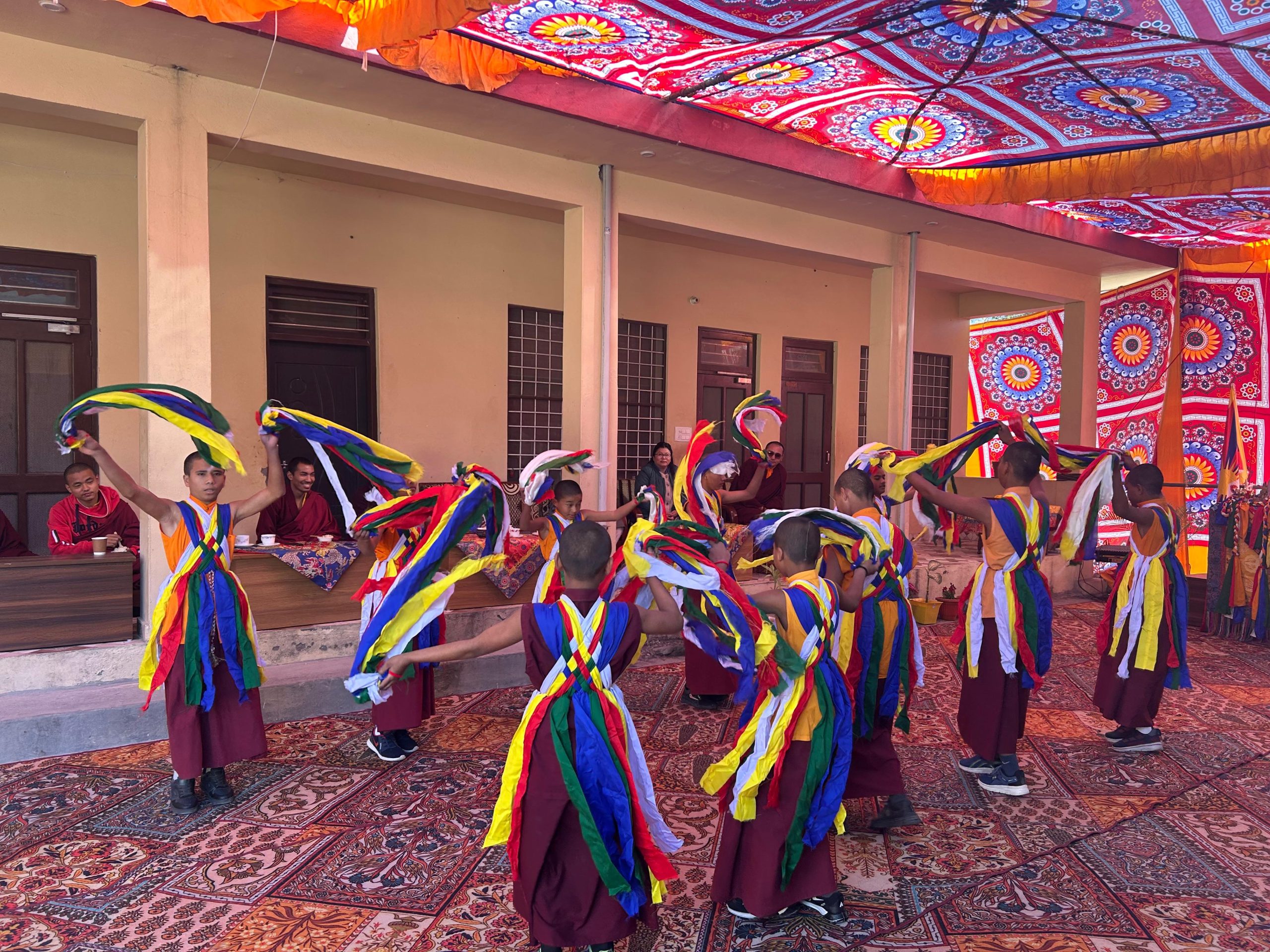
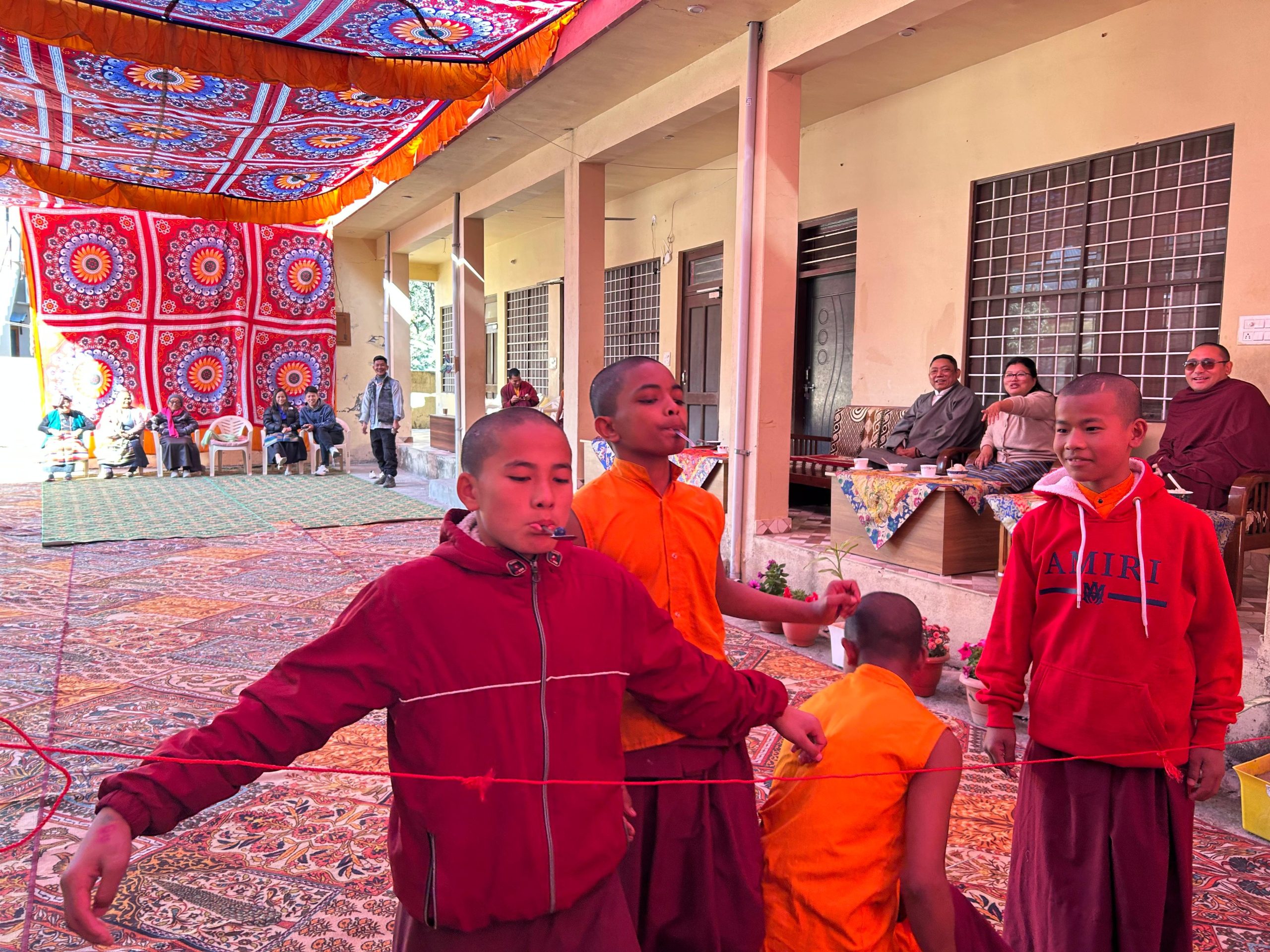
As part of the celebration, the settlement organised a traditional mandel-tendö offering to His Holiness’s image, symbolising devotion and gratitude. The programme continued with cultural presentations, including a vibrant lingdro dance performed by young monks. Various games were also arranged for the monastery students.
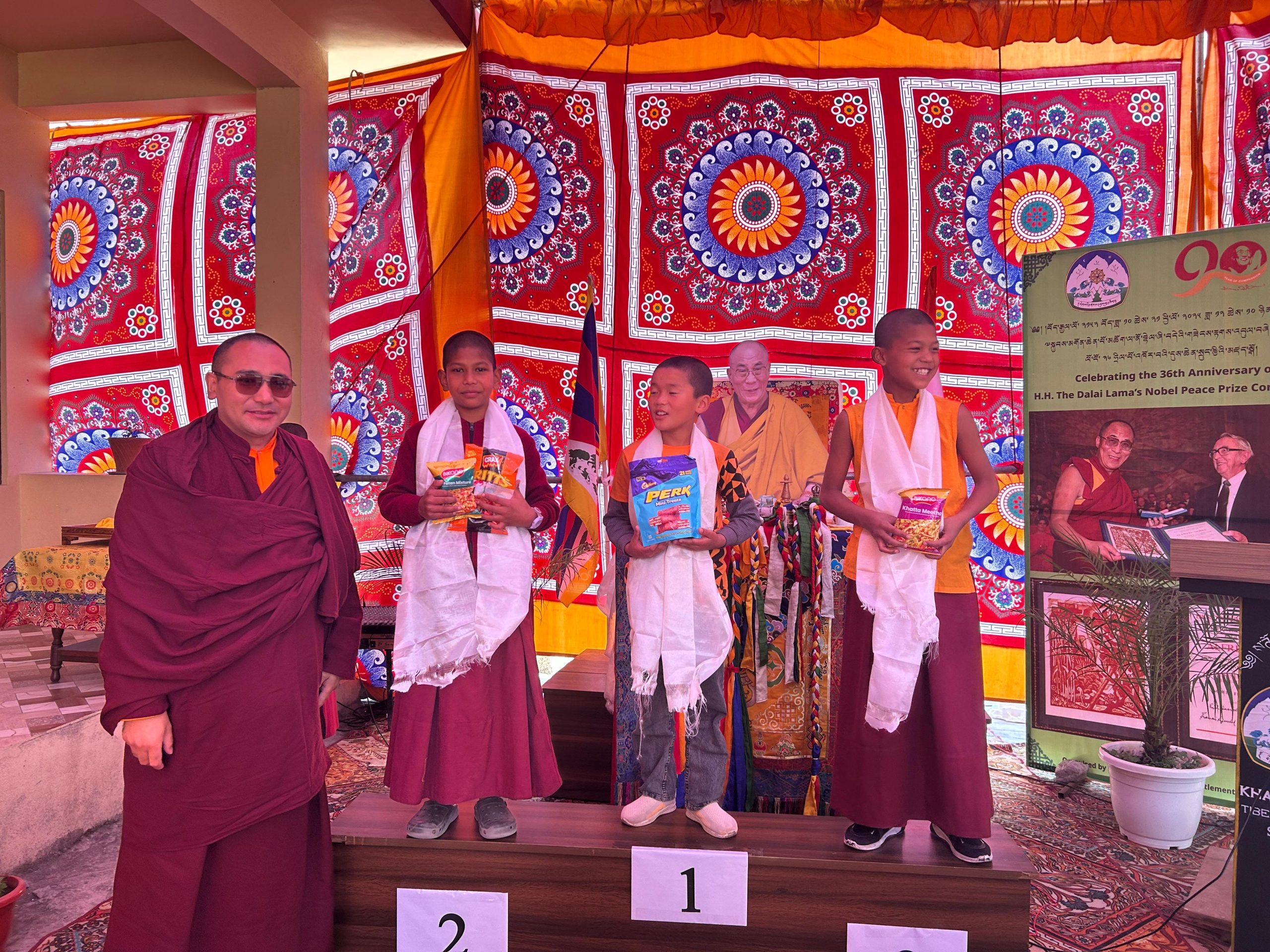
Prizes were awarded to the winners of the games by a senior monk, bringing the day’s celebrations to a joyful and meaningful conclusion.