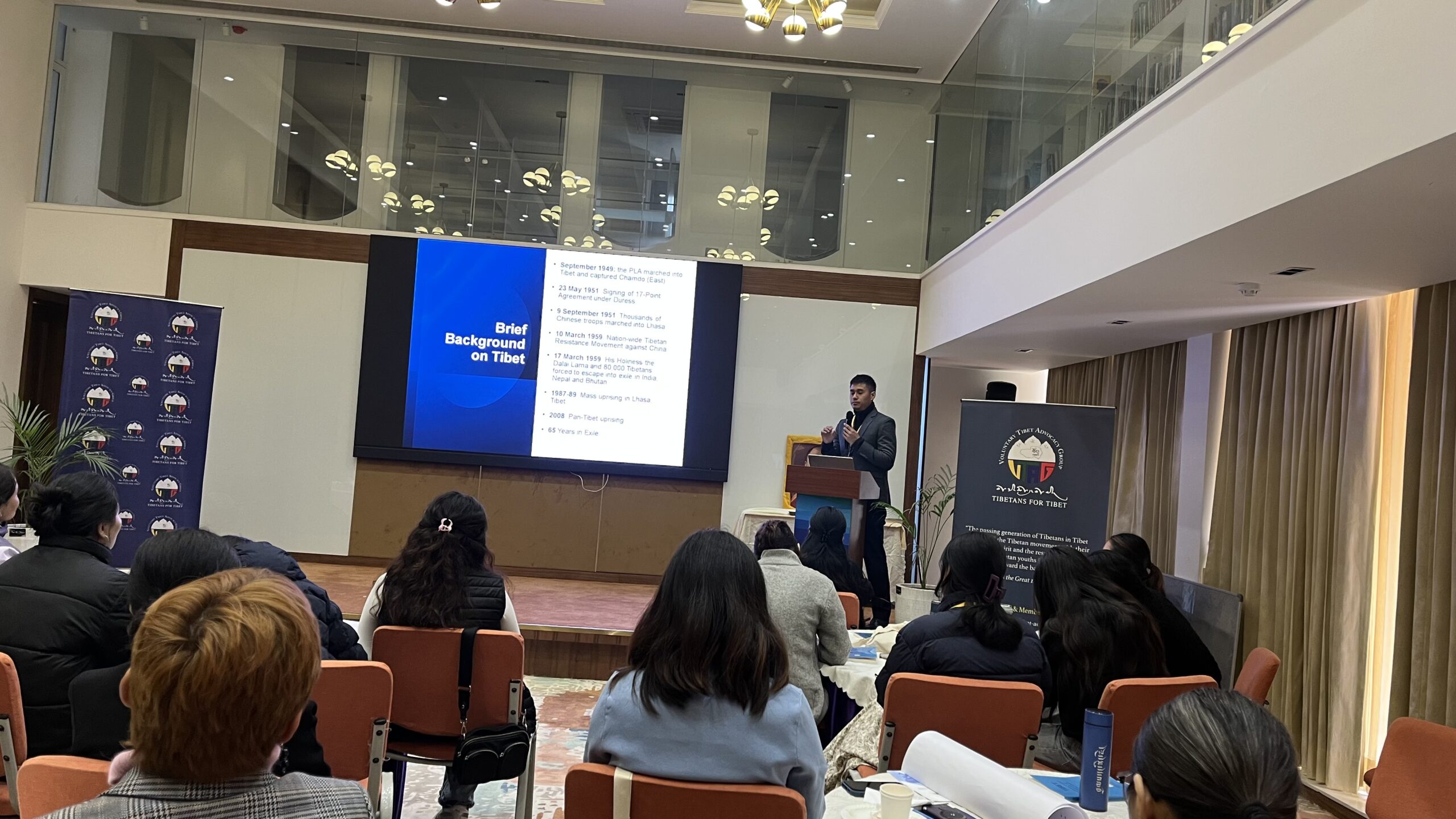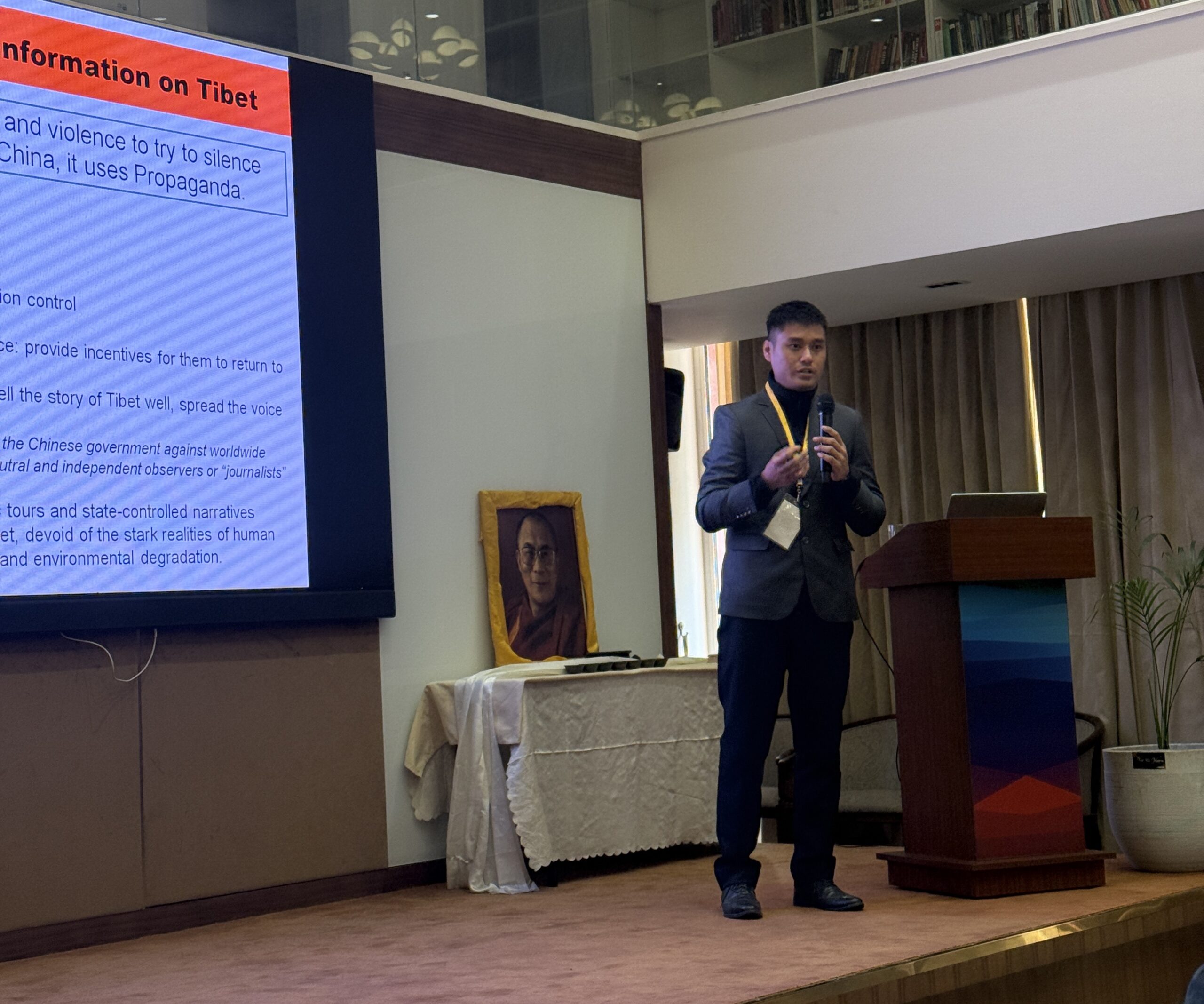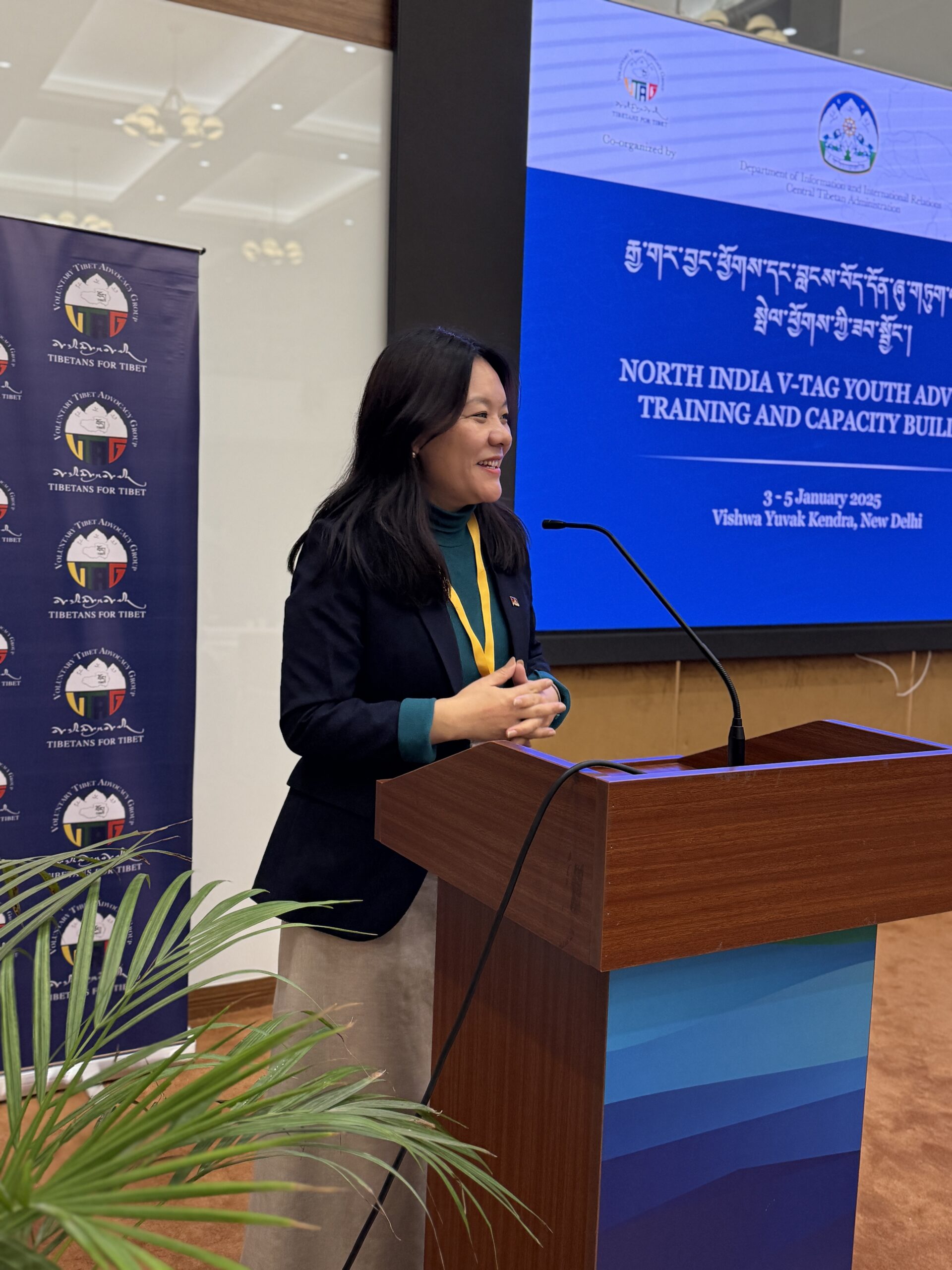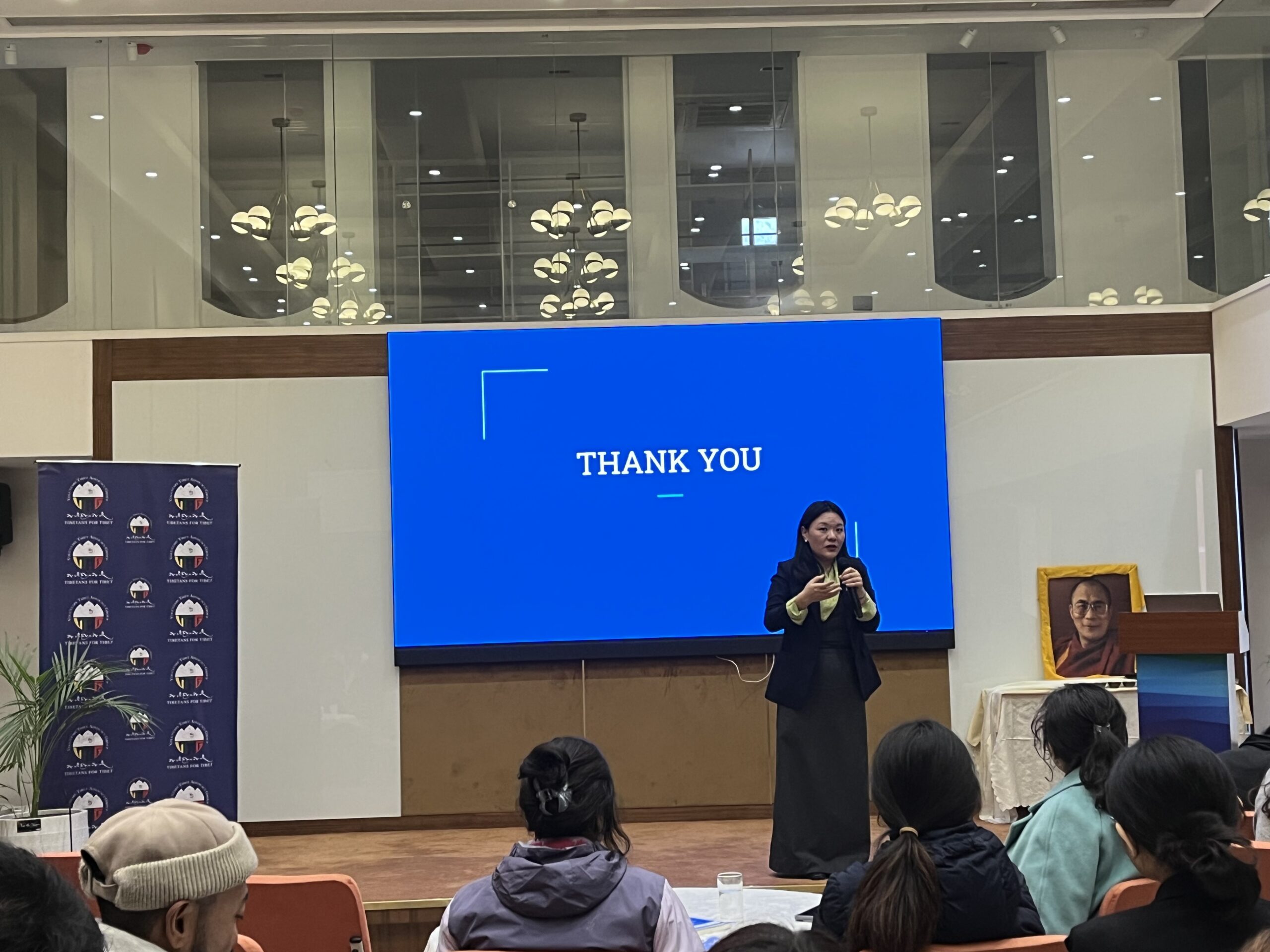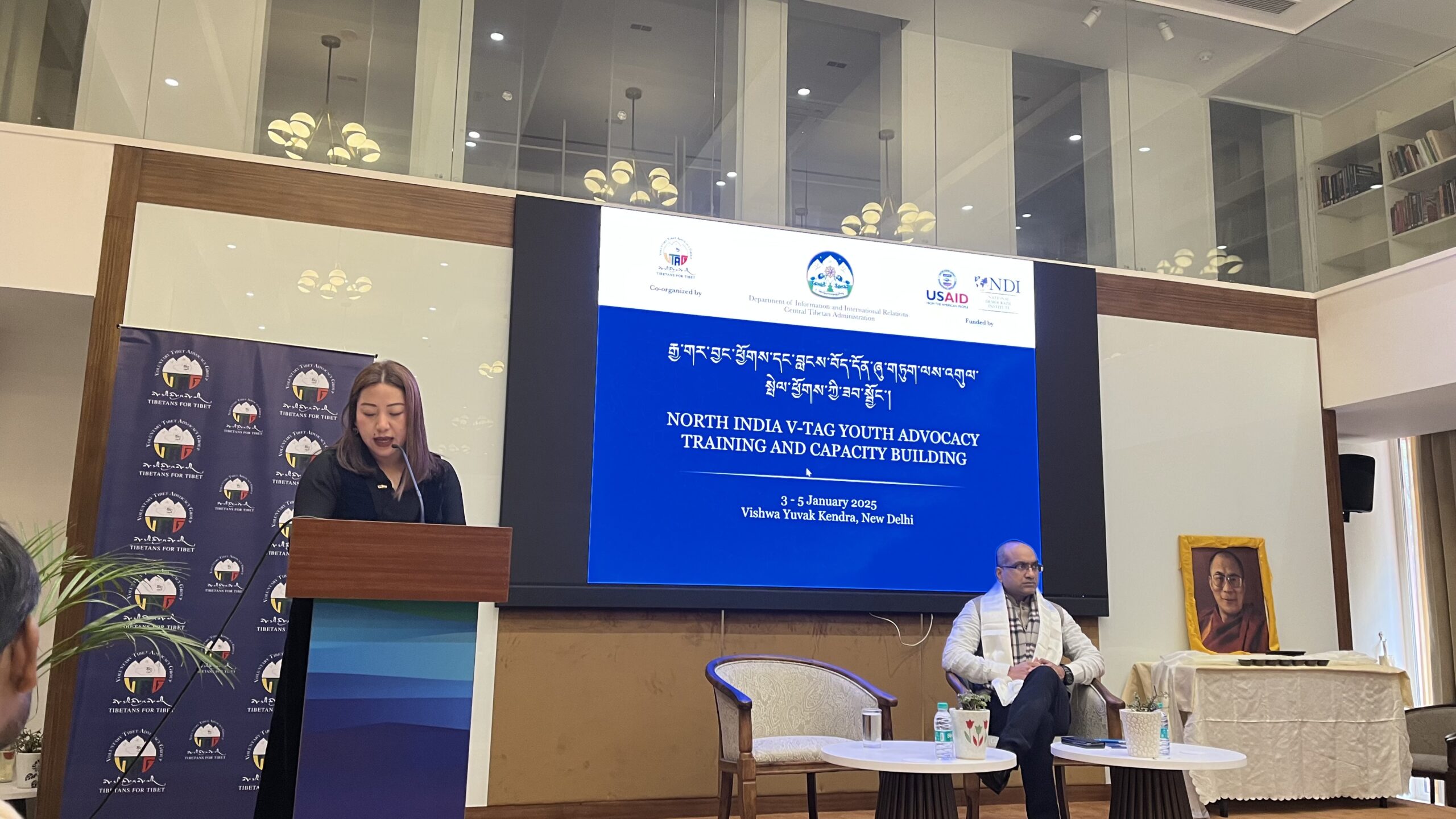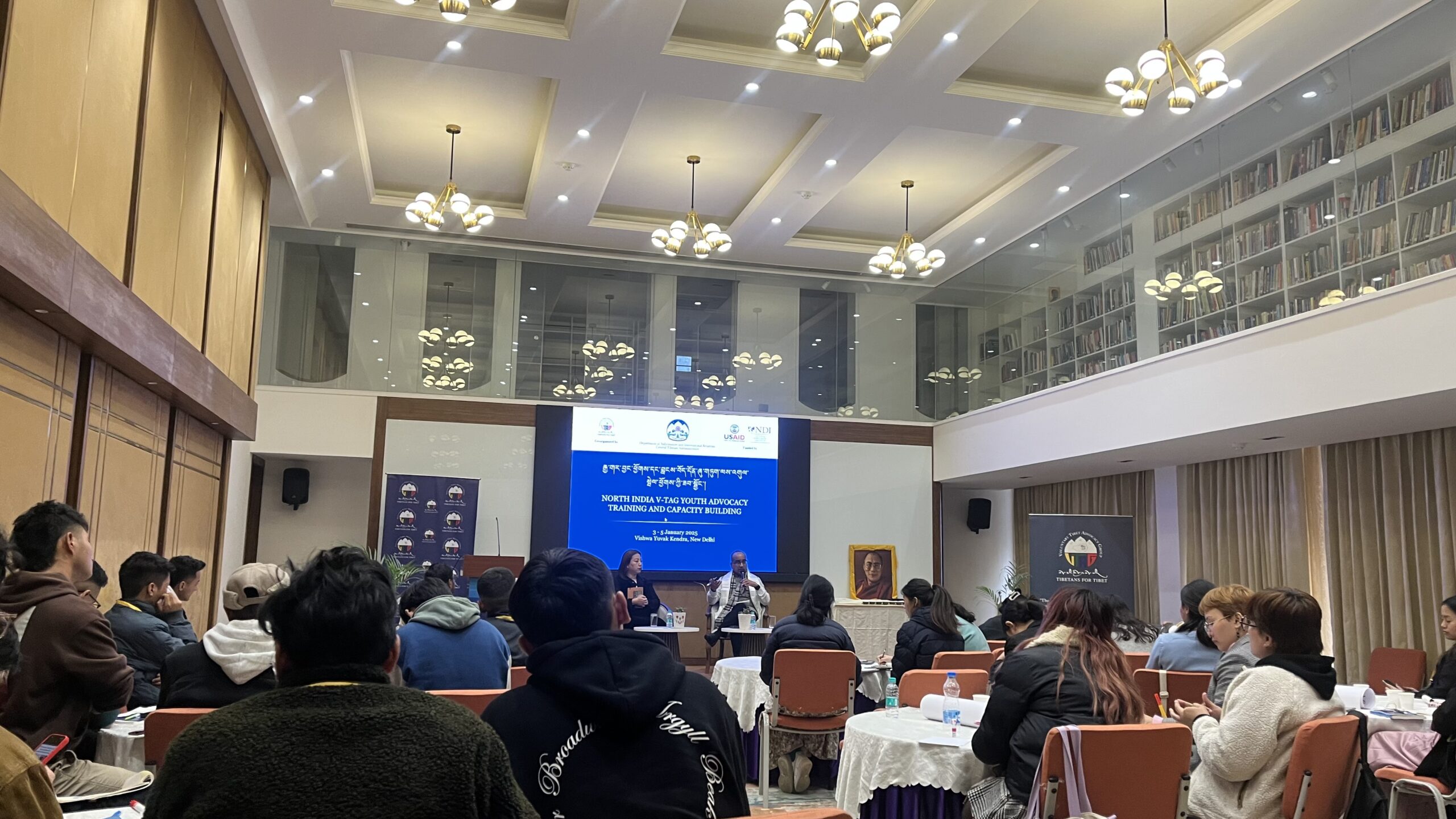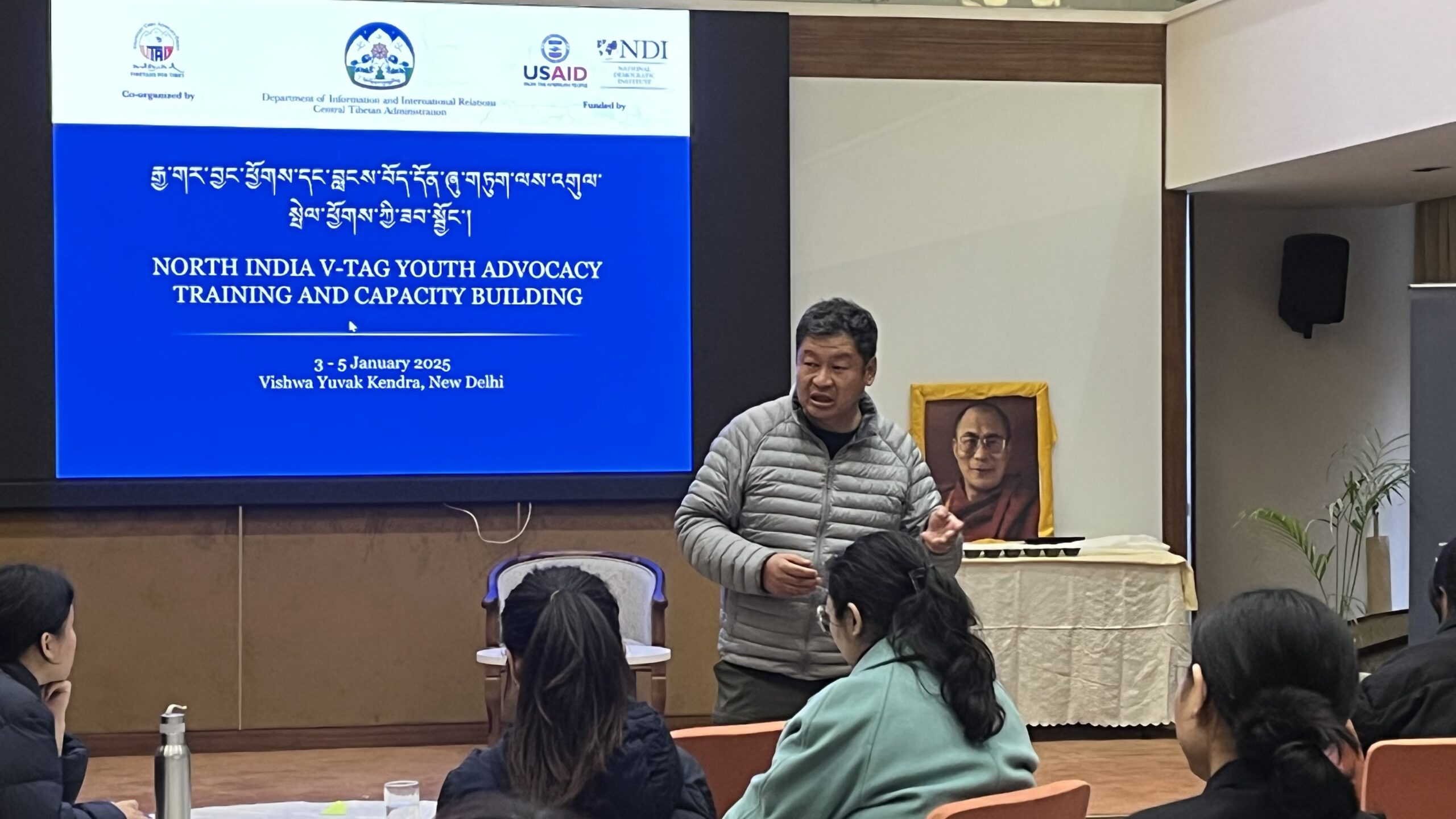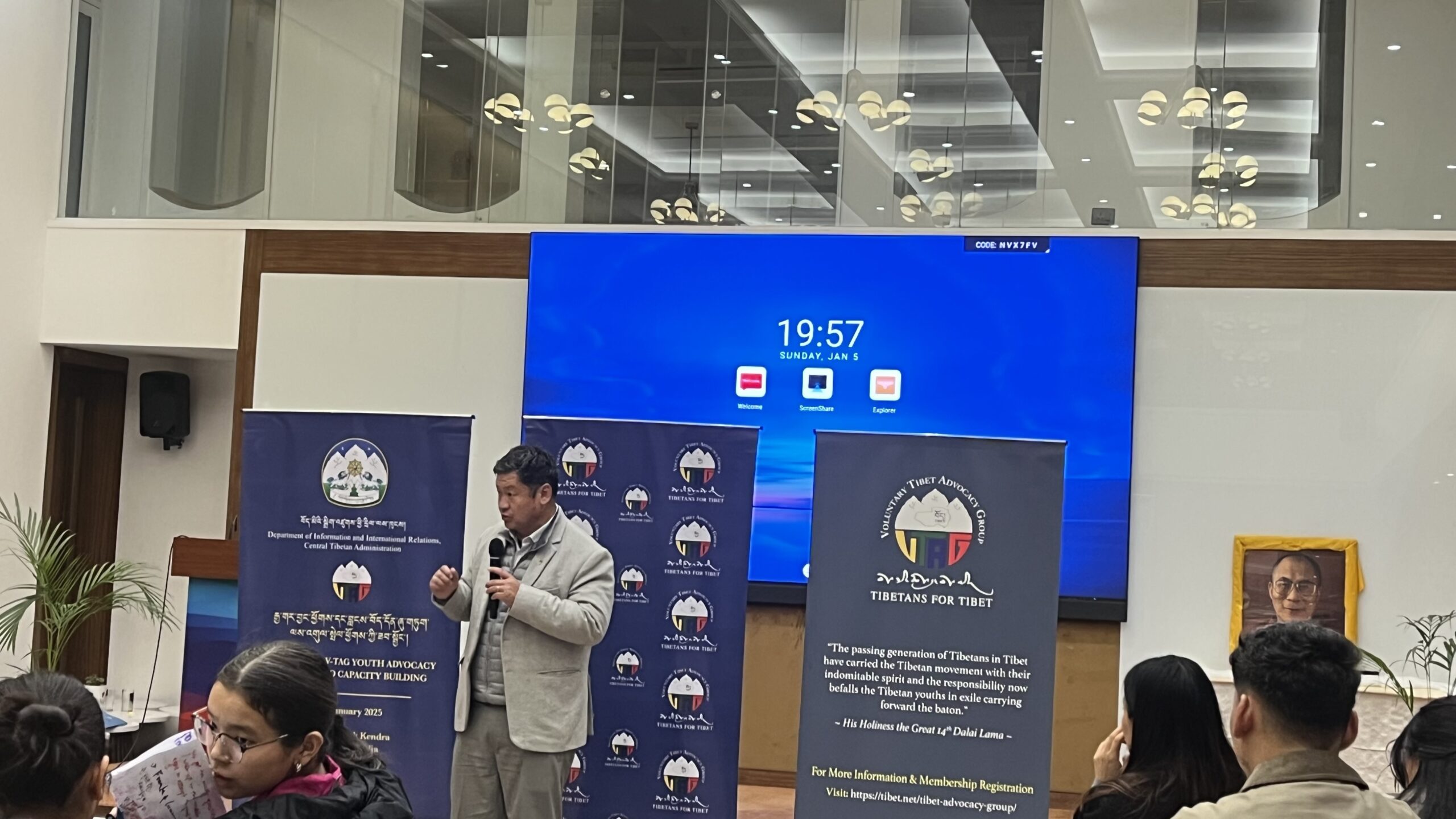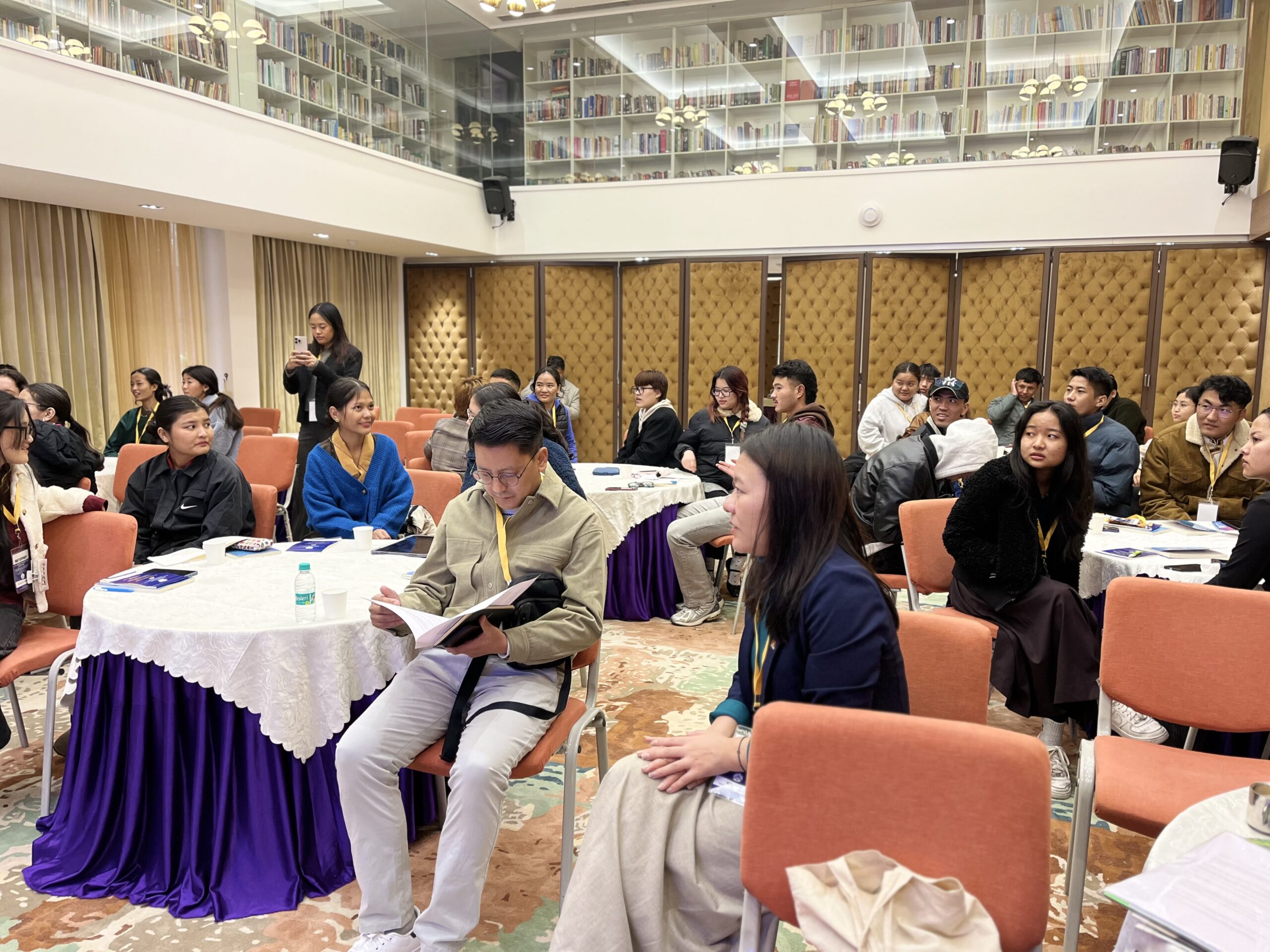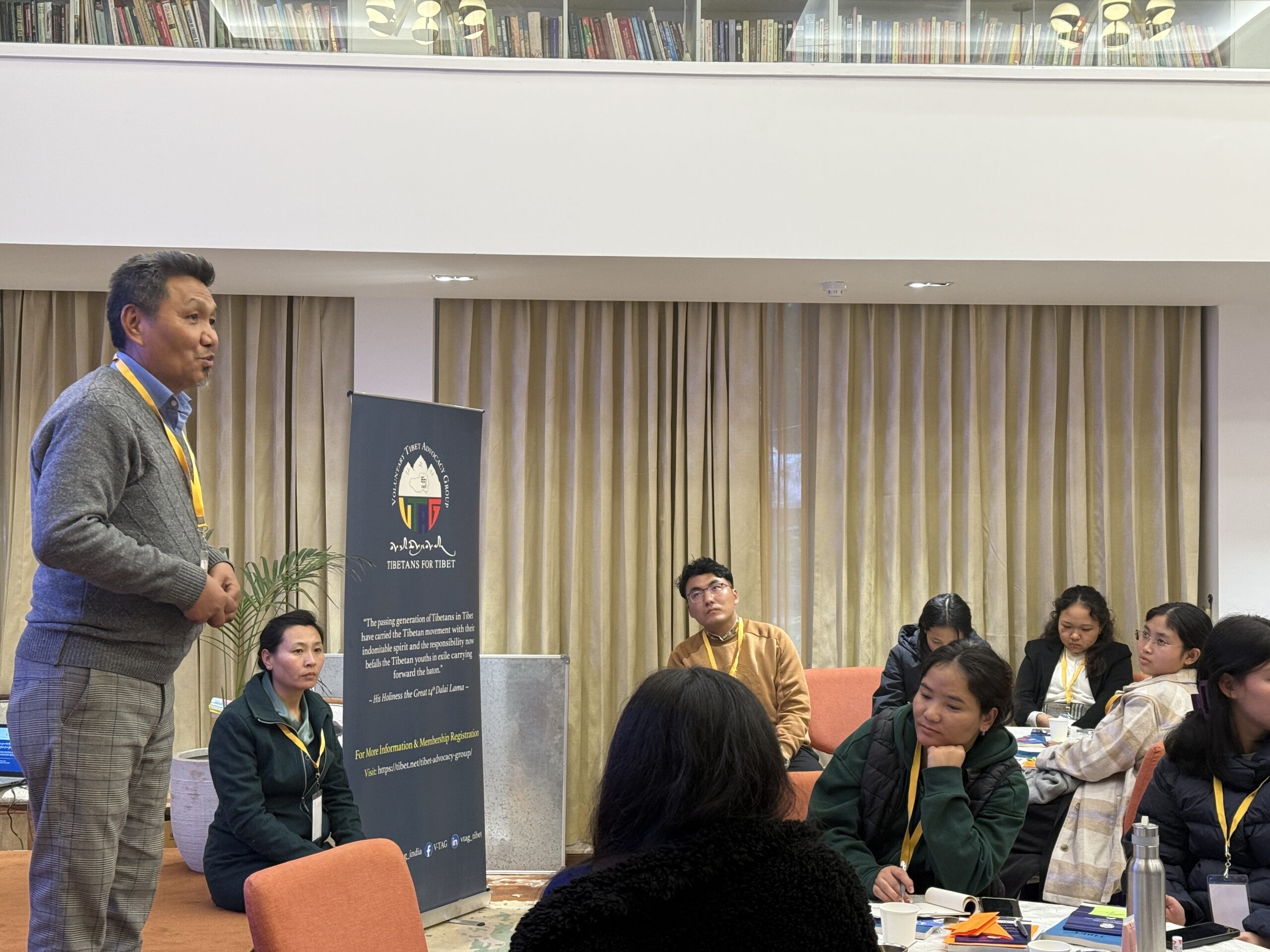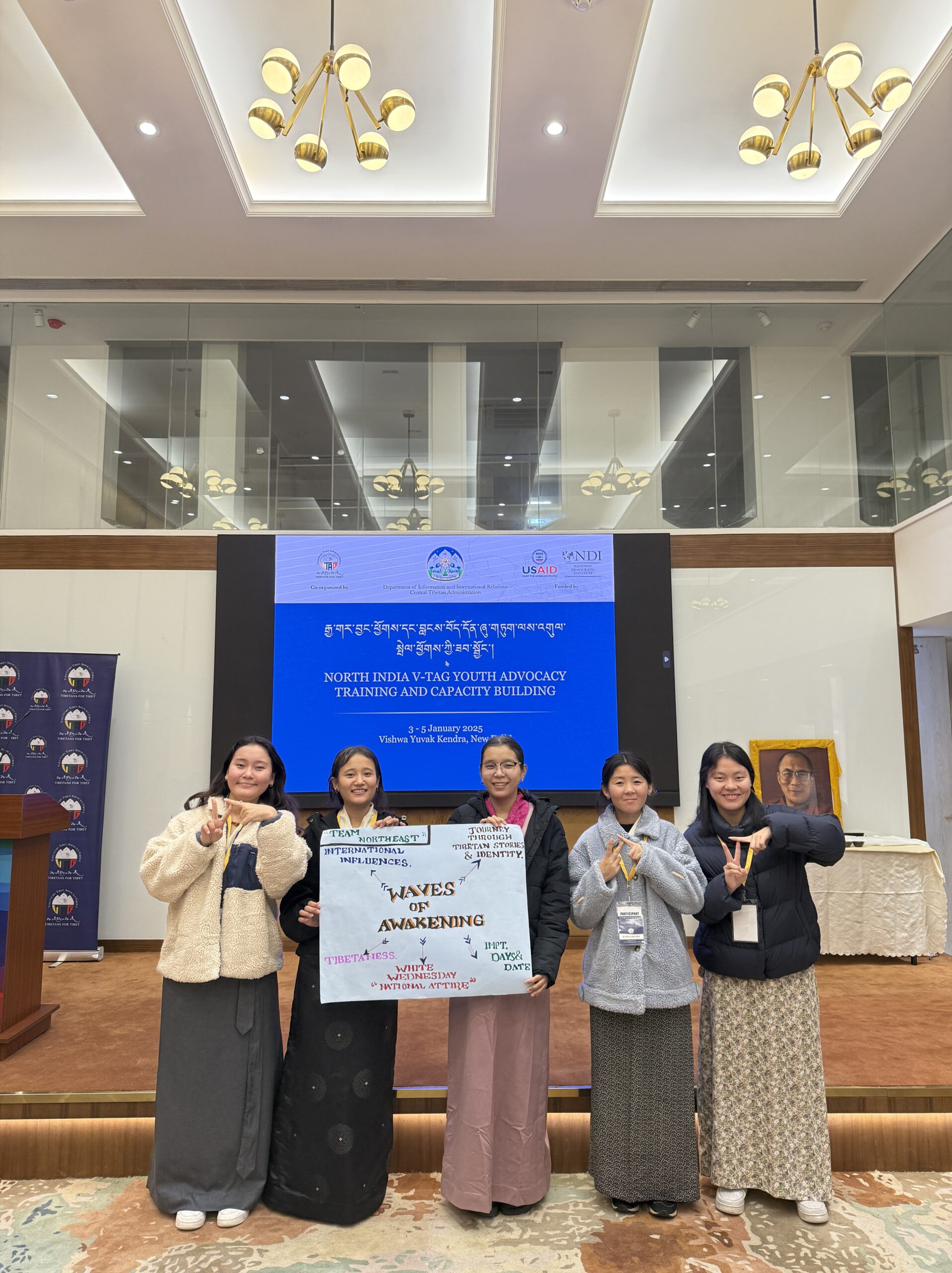

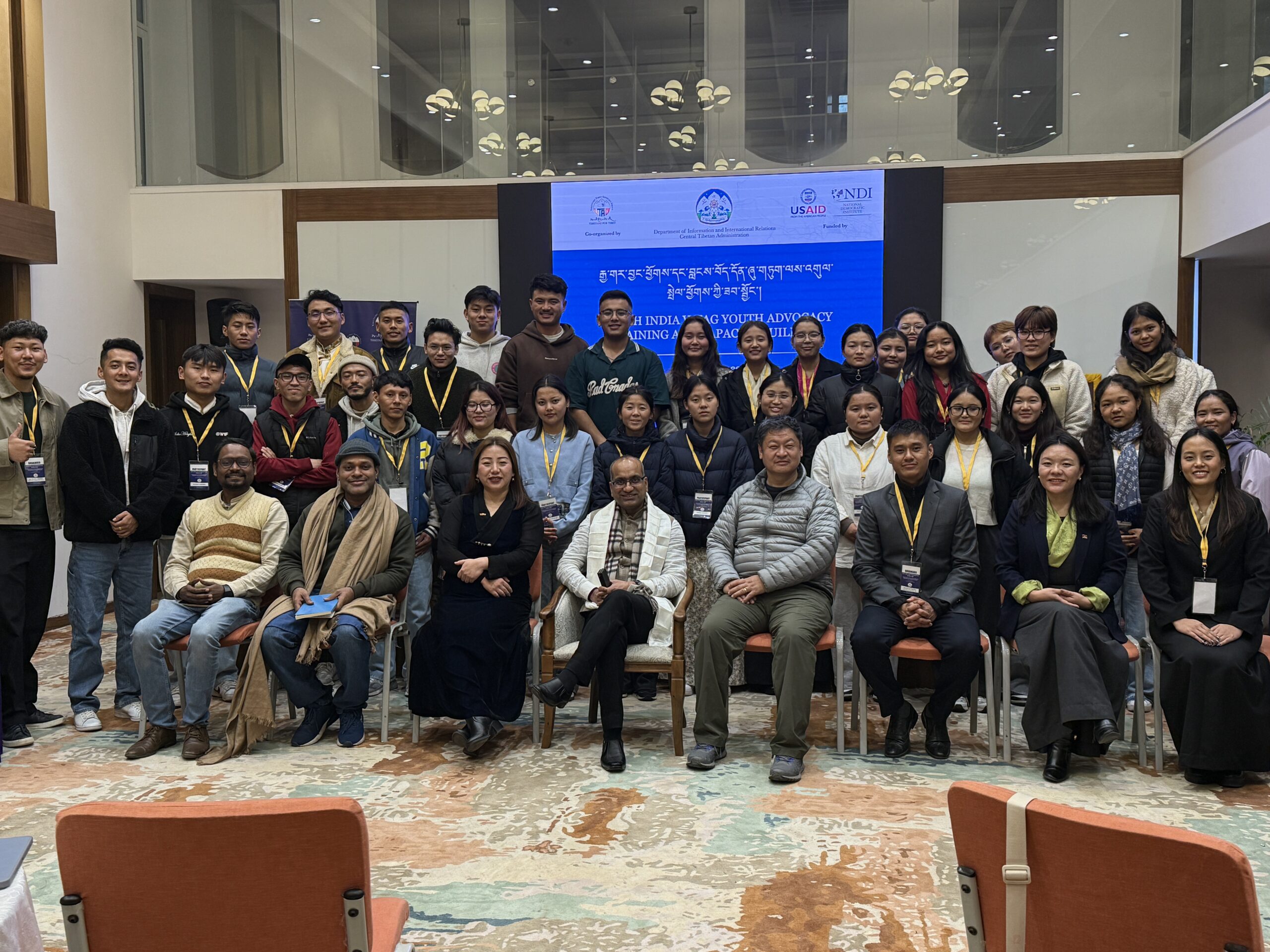
Dharamshala: The Department of Information and International Relations (DIIR) successfully concluded a comprehensive three-day V-TAG capacity building and advocacy training program from 3-5 January 2025, with 35 participants in attendance.
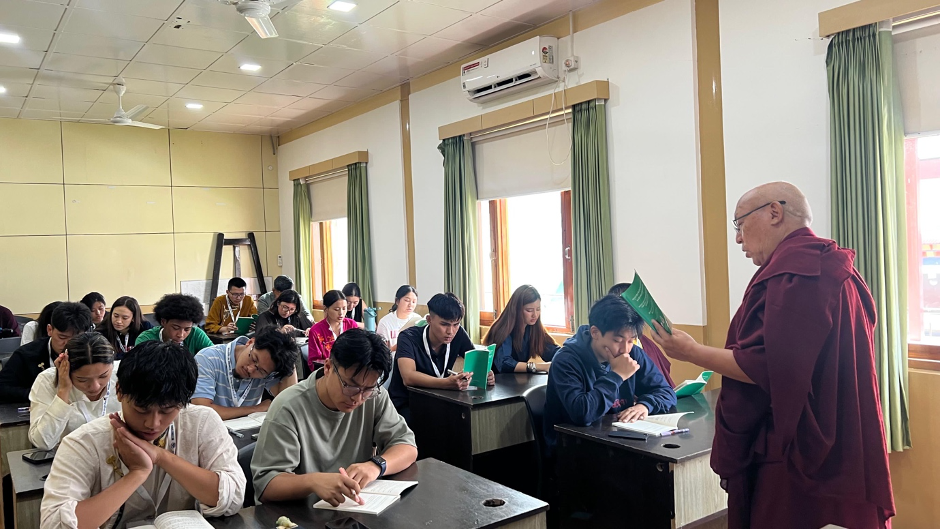
The second day of training featured multiple expert-led sessions focusing on various aspects of Tibet advocacy. Tenzin Thayai from the Tibet Action Institute opened the day with a session on strategic social media advocacy, emphasising methods to amplify Tibet-related initiatives and engage digital communities effectively.
Dr Lobsang Yangtso from ITN followed with a crucial presentation on Tibet’s ecosystem preservation, highlighting the urgent need for global action. Tenzin Kunkhen delivered an in-depth analysis of the current human rights situation in Tibet, outlining contemporary challenges and potential advocacy strategies.
The afternoon sessions featured Rinchen from DIIR’s Tibet Advocacy Section, who introduced participants to the V-TAG initiative. Tenzin Lhatso, Delhi Coordinator of V-TAG India, shared insights into the organisation’s mission and previous advocacy actions, providing inspiration for future strategies.
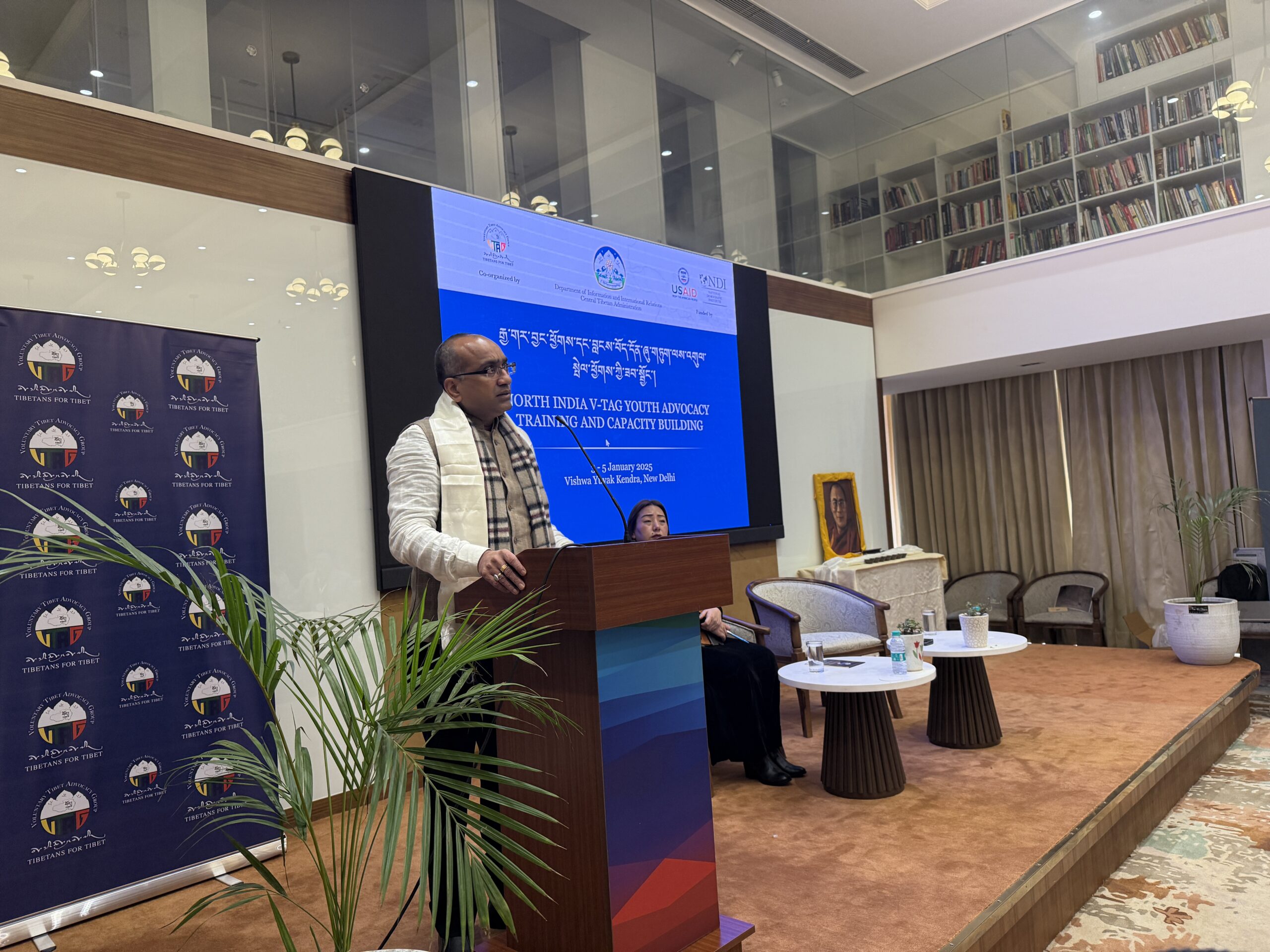
A highlight of the day was an address by Shri Sujeet Kumar, member of Rajya Sabha, who spoke on “Why Tibet Matters: Indian Political Perspective on Tibet.” The day concluded with Tenzin Lekshay, Additional Secretary of DIIR, leading a session on local and national level Tibet advocacy, followed by group discussions on regional action plans.
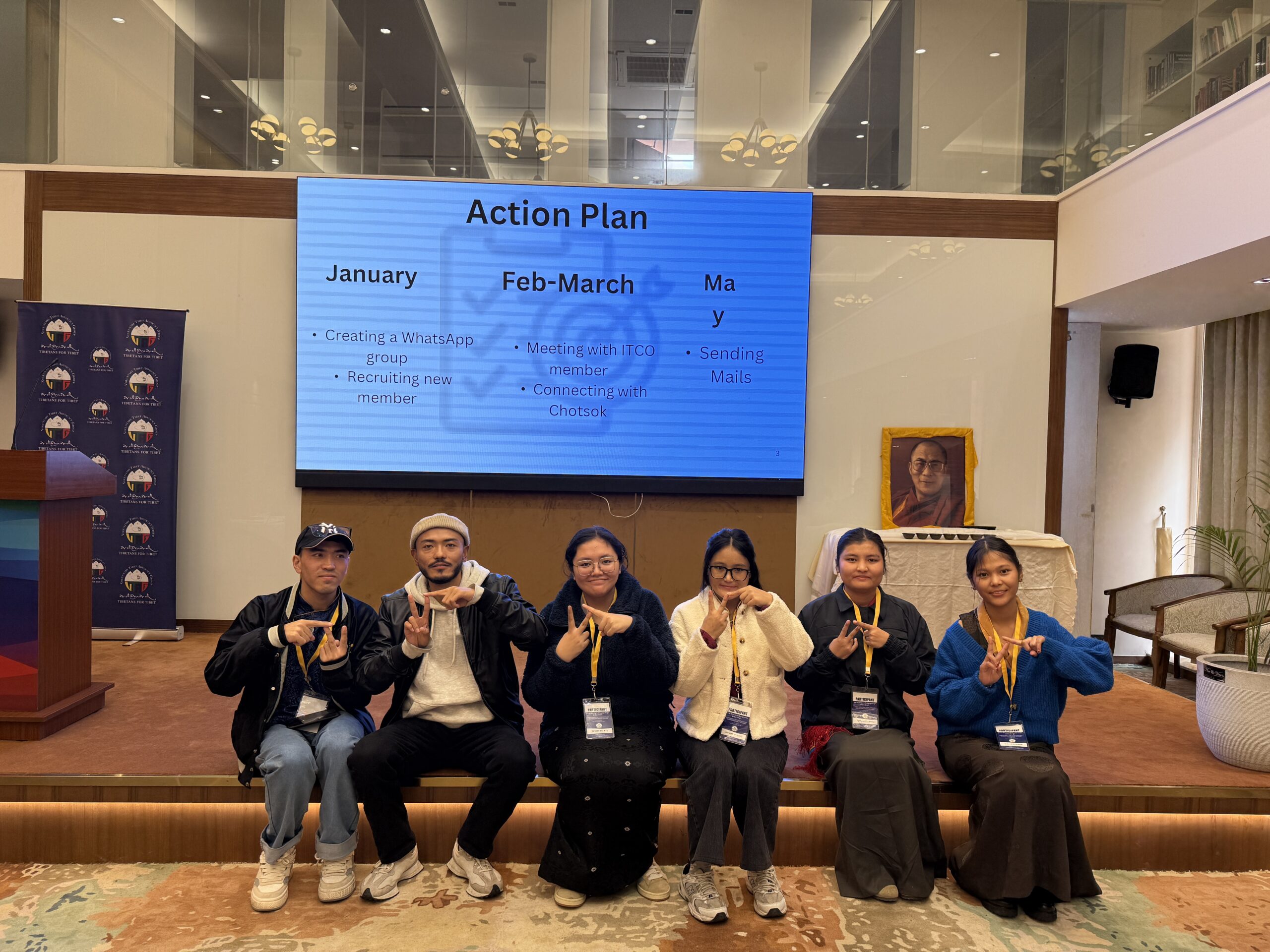
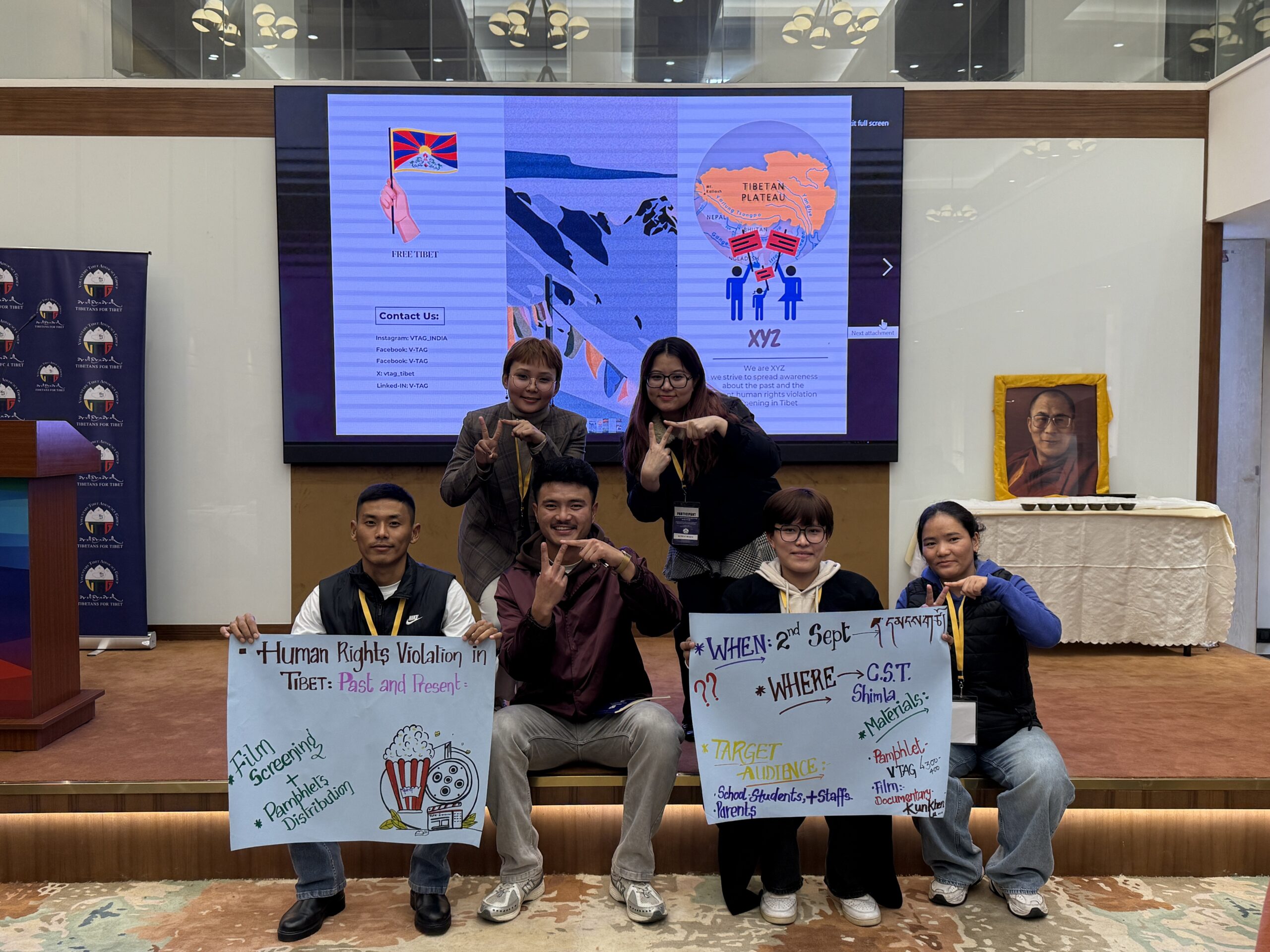
The final day commenced with an academic perspective from Jigme Yeshi Lama, Assistant Professor at the University of Calcutta’s Department of Political Science, who discussed Tibet’s modern history and the significance of Himalayan regions in resolving the Tibet issue. Participants then continued their group discussions and presented their planned advocacy activities for their respective regions.
Tashi Dickey, Coordinator of the India Tibet Coordination Office (ITCO) in New Delhi, conducted the final session on advocating for Tibet with Indian Parliamentarians and political leaders.
The training program concluded with an interactive Q&A session with all speakers and the distribution of participation certificates. Participants committed to implementing their action plans for Tibet advocacy in the coming months.
This intensive training program represents a significant step forward in strengthening Tibet advocacy efforts across North India, equipped participants with practical tools and strategies for effective advocacy at both local and national levels.
-Report filed by Department of Information and International Relations, CTA