Geneva: A coalition of United Nations human rights experts has raised serious concerns over the arbitrary detention, torture, and ill-treatment of Tibetan human rights defender Namkyi, calling on China to provide explanations and accountability.
In a joint communication dated 16 July 2025 (reference: AL CHN 13/2025), six UN Special Rapporteurs and Working Groups wrote to the Chinese government regarding Namkyi’s treatment, warning that her case illustrates violations of international human rights law, including protections against torture, arbitrary detention, and enforced disappearance.
According to the communication, Namkyi was only 15 years old when she was arrested in Ngaba (Aba) Prefecture in October 2015 after participating in a peaceful march with her cousin while carrying portraits of His Holiness the Dalai Lama and Kirti Rinpoche. The demonstration reportedly lasted just 10 minutes before police violently detained the pair without a warrant.
During her detention, Namkyi was allegedly subjected to repeated beatings, sleep deprivation, and extreme heat exposure in interrogation rooms. She was accused of “betraying the Chinese state” and pressured to confess to fabricated crimes. For more than a year after her arrest, her family was not informed of her whereabouts, amounting to enforced disappearance.
In November 2016, Namkyi was tried at Trochu County People’s Court on charges of “separatist activities” and sentenced to three years in prison. The UN experts noted that her trial fell short of fair trial guarantees and that she refused prosecutors’ offers to reduce her sentence in exchange for false confessions.
While imprisoned at Sichuan Province Women’s Prison, she was forced into hard labour, subjected to harsh conditions, denied adequate food and medical care, and placed under strict surveillance that prevented contact with other Tibetan inmates. Even after her release in 2018, she remained under heavy restrictions, including surveillance, intimidation, and pressure on her family and community. After fleeing China, she reportedly continued to face harassment through threats directed at her relatives.
The experts have urged China to clarify the legal basis for Namkyi’s arrest and detention, explain why her family was not informed of her trial, and provide information on whether investigations have been conducted into her allegations of torture and enforced disappearance. They stressed that her case raises wider concerns about reprisals against Tibetans exercising their right to freedom of expression, assembly, and religion.
The experts stated: “We are also concerned that the detention and charges against Namkyi, and the pressure on her family seem to be measures that have been adopted in direct retribution for Namkyi’s exercise of her right to freedom of expression and peaceful assembly, and her work to protect religious freedom in Tibet. Such practices create a profound chilling effect, which deters citizens from expressing their opinions and views, as well as discouraging human rights defenders from carrying out their legitimate work.”
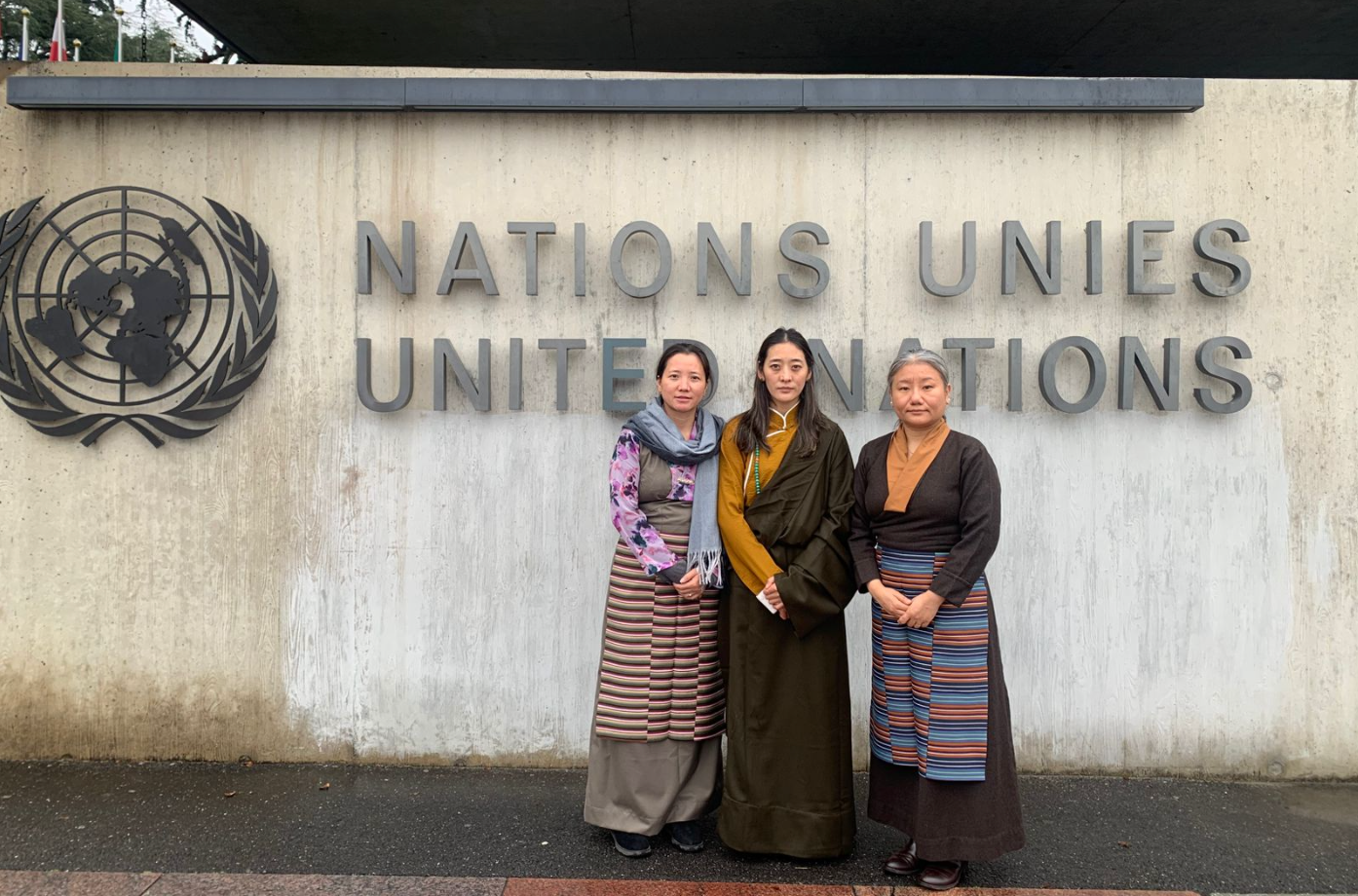
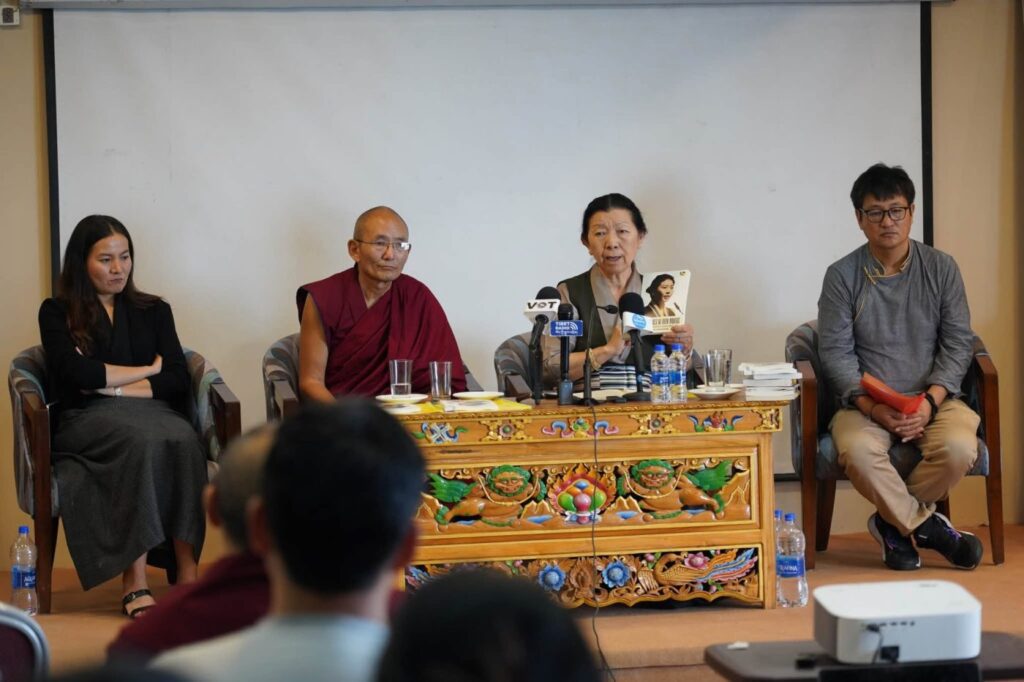
Earlier this year, in February 2025, former political prisoner Namkyi travelled to Geneva to join a five-day advocacy campaign organised by the Tibet Bureau Geneva ahead of the 58th session of the UN Human Rights Council (UNHRC).
From 10 to 14 February, she met with staffers of UN Special Rapporteurs, officials from UN Permanent Missions, and representatives of the Office of the High Commissioner for Human Rights. During these meetings, Namkyi shared her personal testimony of torture and imprisonment under Chinese rule, offering a first-hand account of the suffering endured by Tibetan political prisoners. Her testimony drew attention to the systematic repression faced by Tibetans and provided diplomats and UN officials with direct insight into China’s rights violations in Tibet. They expressed support for Tibet and acknowledged the importance of hearing Namkyi’s story.
This advocacy effort, carried out in coordination with the Tibet Bureau in Geneva and the Department of Information and International Relations, successfully conveyed the human cost of China’s policies in Tibet and set the stage for follow-up action by UN mechanisms, including the present communication by UN experts pressing Beijing for accountability in Namkyi’s case.
“The UN experts’ intervention on Namkyi’s case is a powerful acknowledgement of the grave injustices she suffered as a child under Chinese detention. It also reflects the broader reality of countless Tibetans who continue to face arbitrary arrests, torture, and enforced disappearances for peacefully expressing their identity and beliefs. We urge China to respond meaningfully to this communication and to end its systemic repression in Tibet,” noted Thinlay Chukki, Representative of His Holiness the Dalai Lama in Geneva.
The joint communication was made public after 60 days of issuance and was signed by Mary Lawlor, Special Rapporteur on the situation of human rights defenders; Matthew Gillett, Vice-Chair on Communications of the Working Group on Arbitrary Detention; Gabriella Citroni, Chair-Rapporteur of the Working Group on Enforced or Involuntary Disappearances; Irene Khan, Special Rapporteur on the promotion and protection of the right to freedom of opinion and expression; Gina Romero, Special Rapporteur on the rights to freedom of peaceful assembly and of association; and Alice Jill Edwards, Special Rapporteur on torture and other cruel, inhuman or degrading treatment or punishment.
-Report filed by Tibet Bureau, Geneva