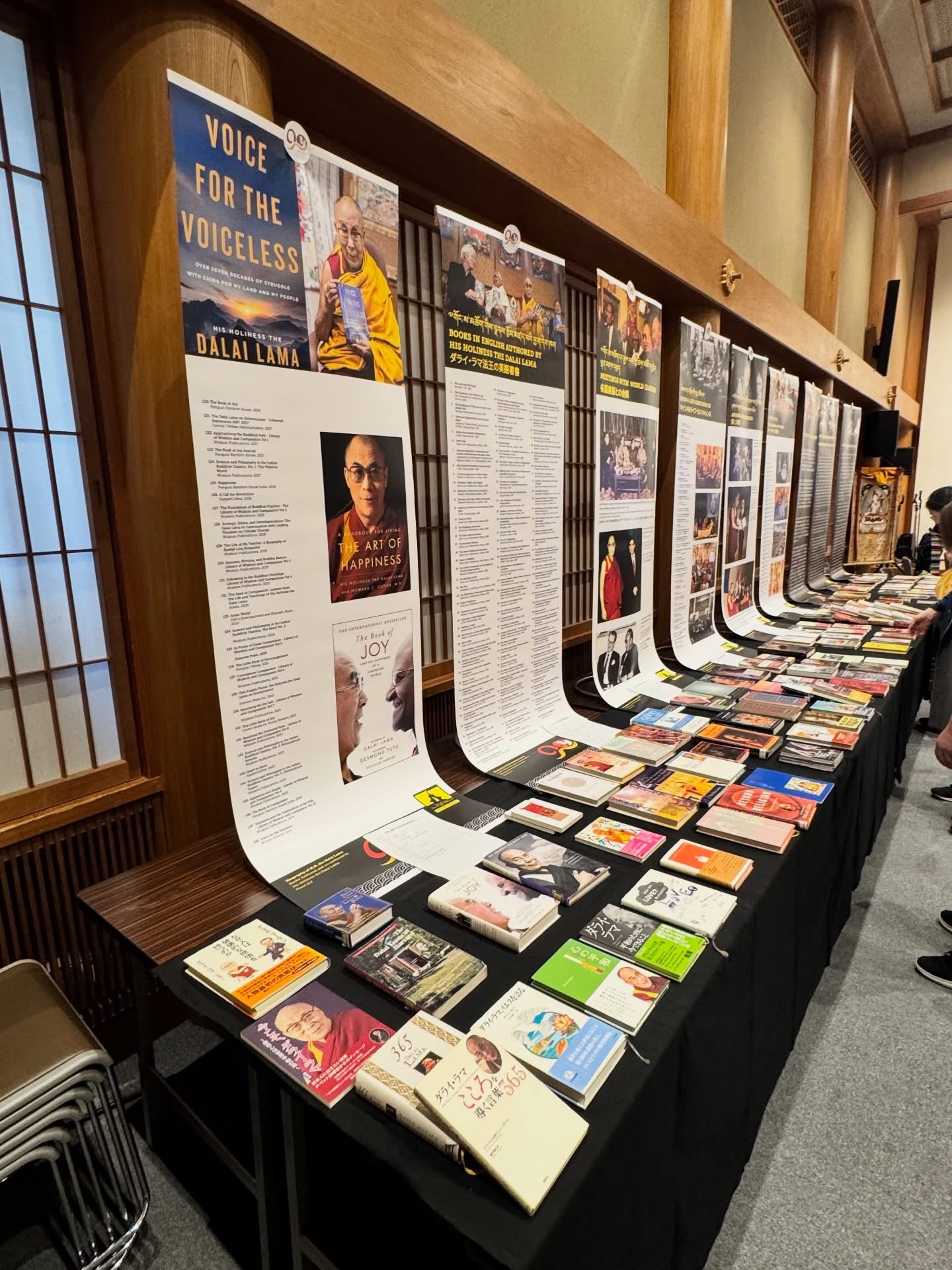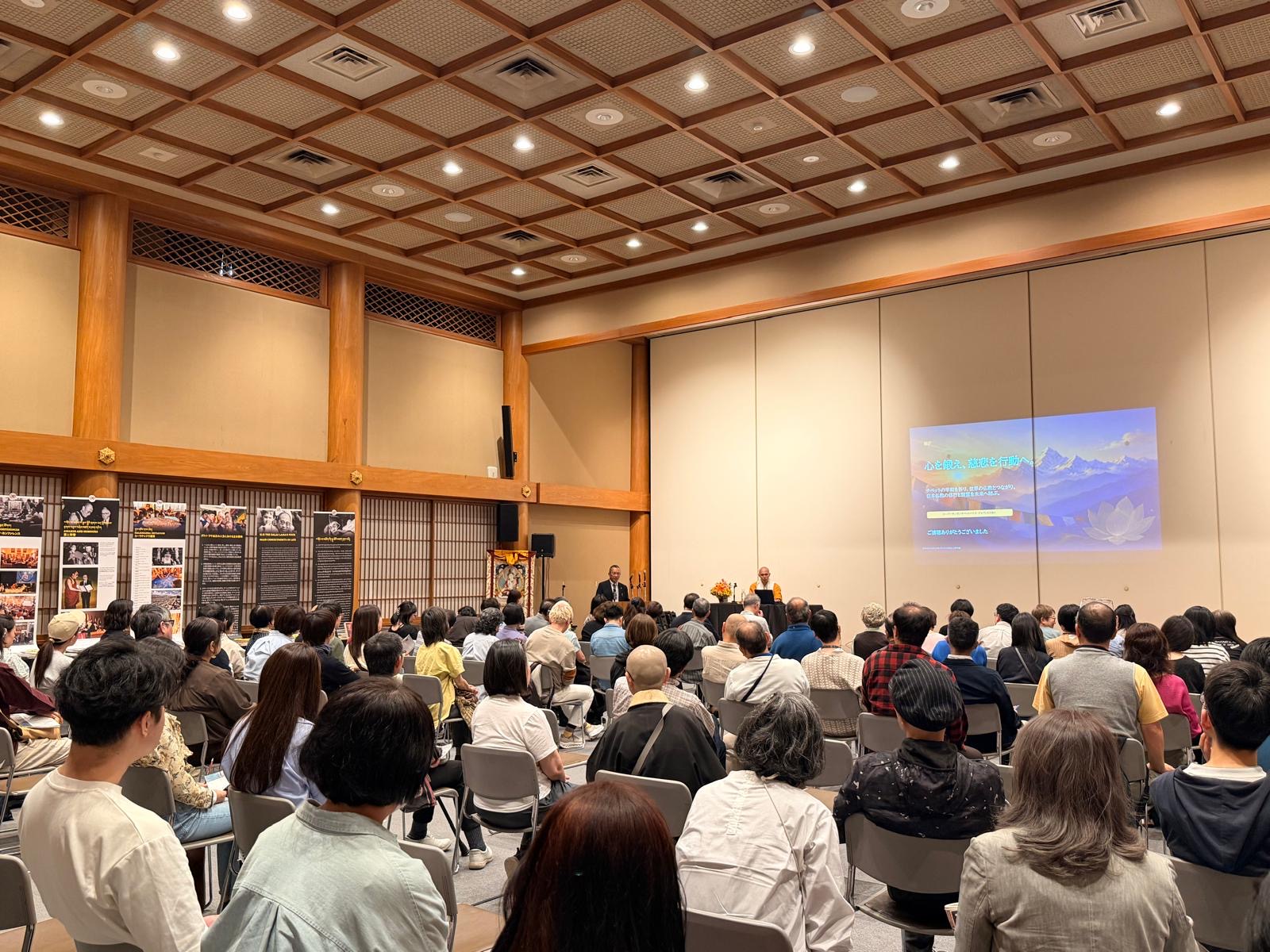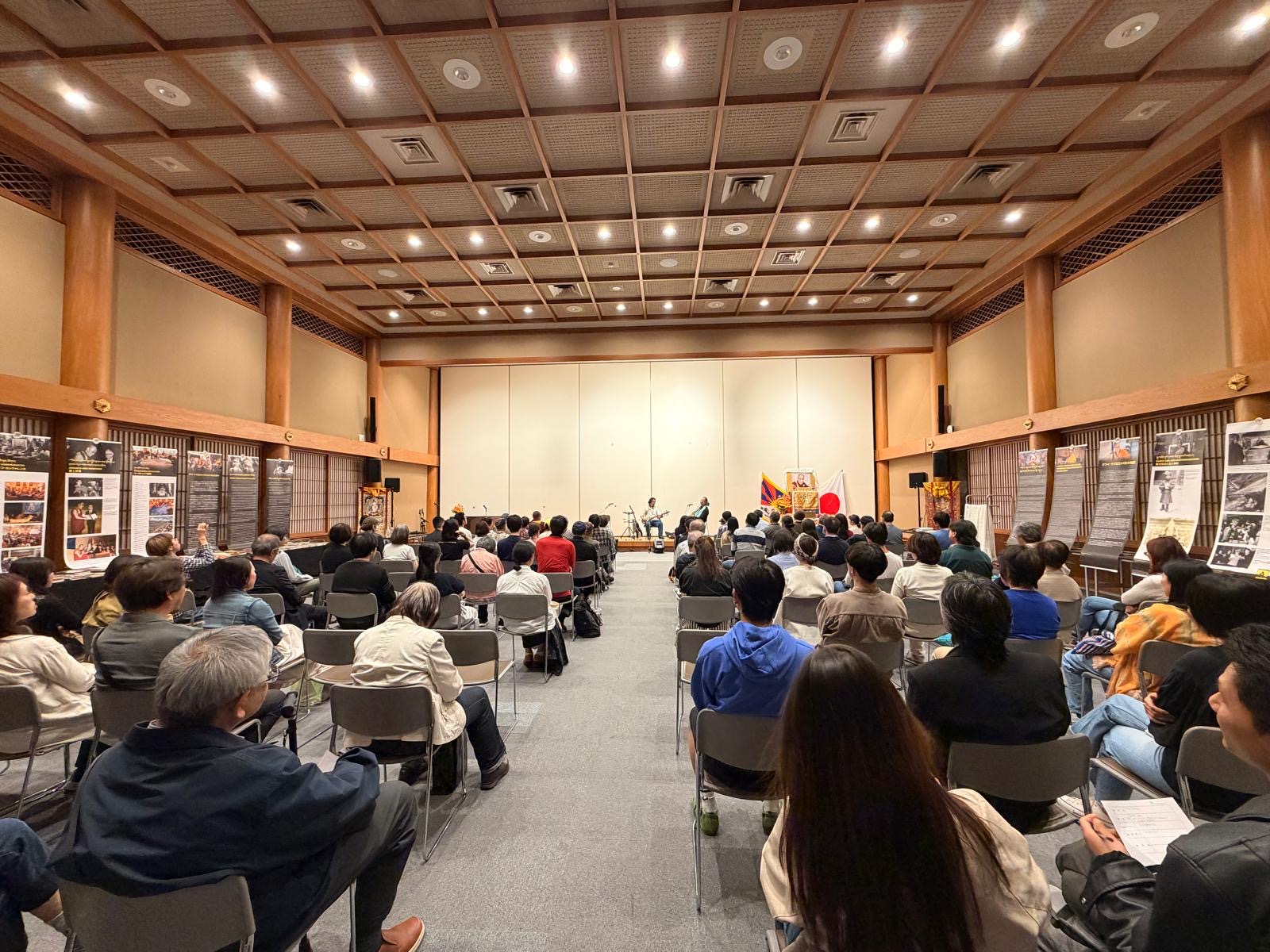


Tokyo: Tibet House Japan and the Save Tibet Network jointly organised a two-day Tibetan Spiritual Festival (May 2-3) at Tsukiji Hongwanji Temple in Tokyo. The Festival also featured a special Photo Exhibition of H.H. the Dalai Lama, showcasing his life, contributions, and his four missions to achieve world peace and a compassionate global community.
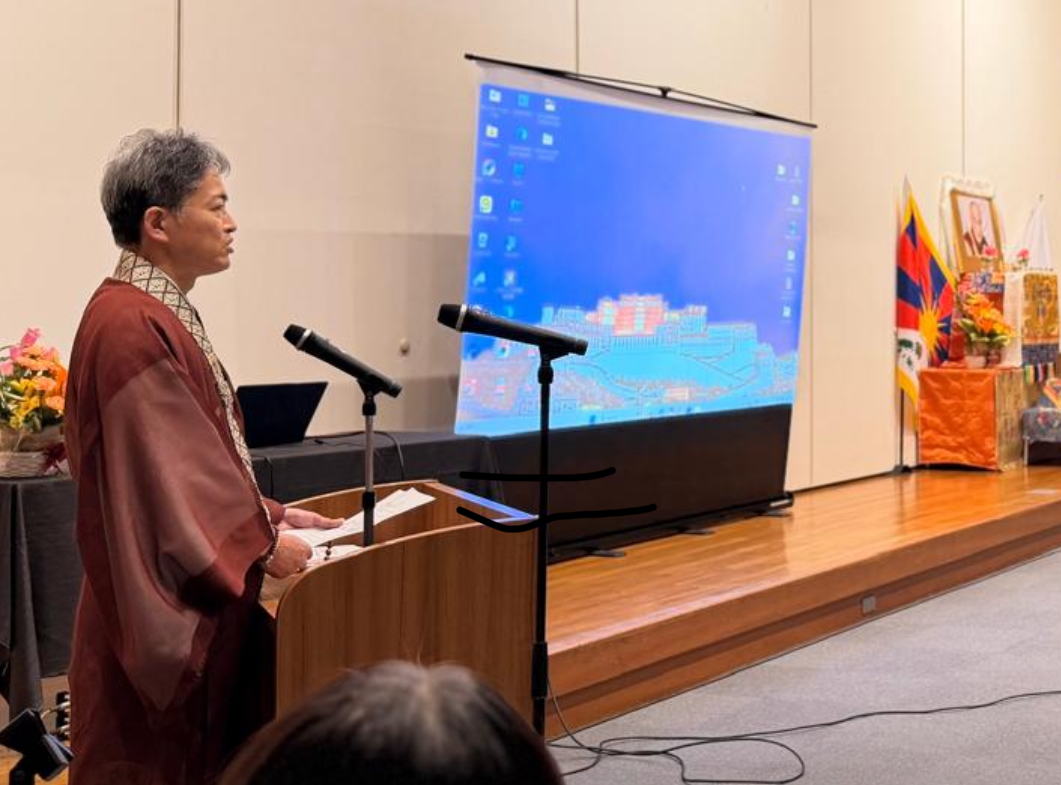
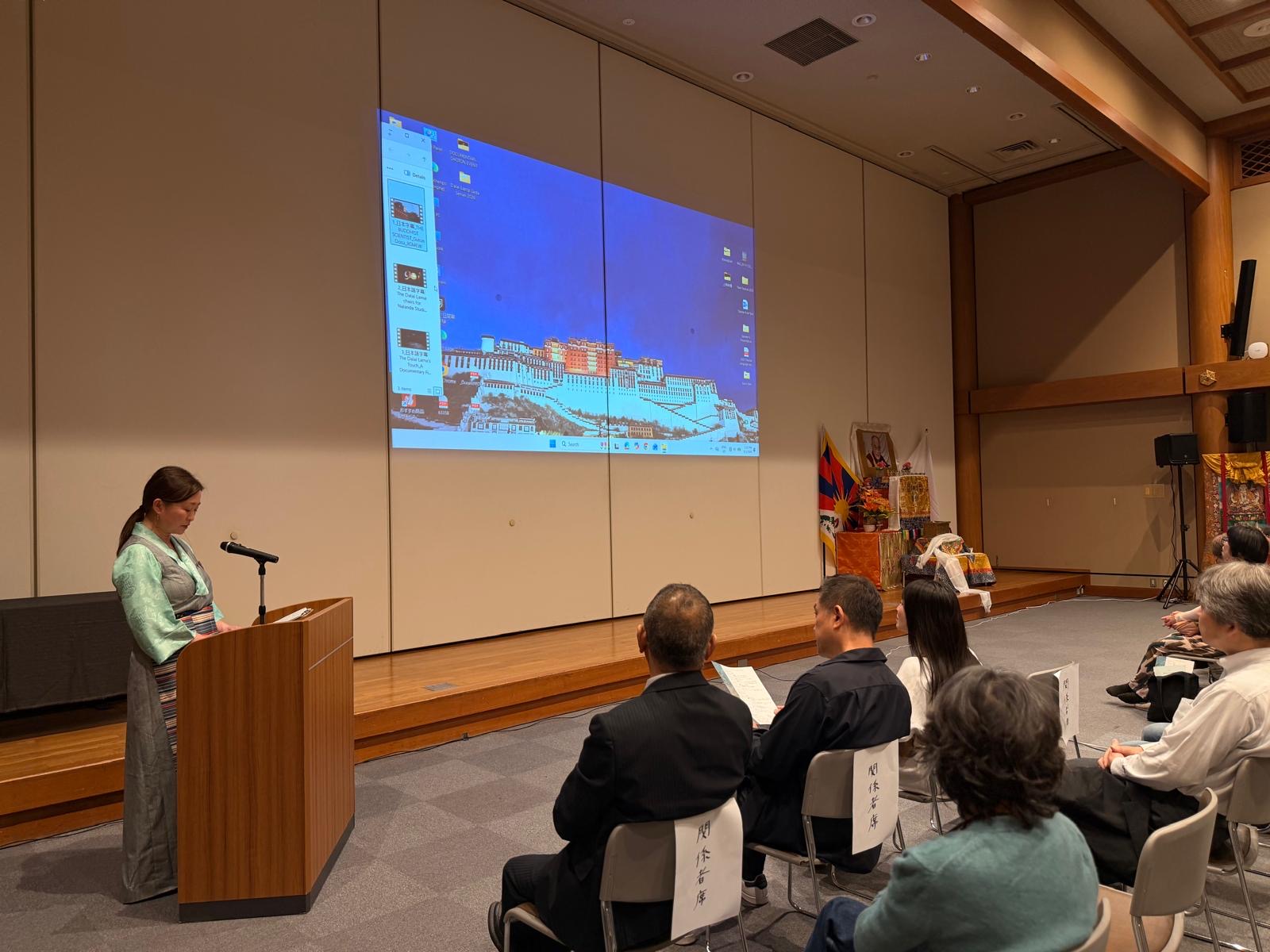
Rev. Kimura Tomohiro of Hongwanji Temple and Dr. Tsewang Gyalpo Arya of the Liaison Office of H.H. the Dalai Lama welcomed the audience and briefly explained the old historical relationship between Tibet and the Hongwanji Temple since the meeting of H.H. the 13th Dalai Lama and Rev. Otani Sonya of the Nishi Hongwanji in 1908 and Taktser Rinpoche, elder brother of the 14th Dalai Lama’s brief stay at the Tsukiji Hangwanji Temple in the early 1950s.
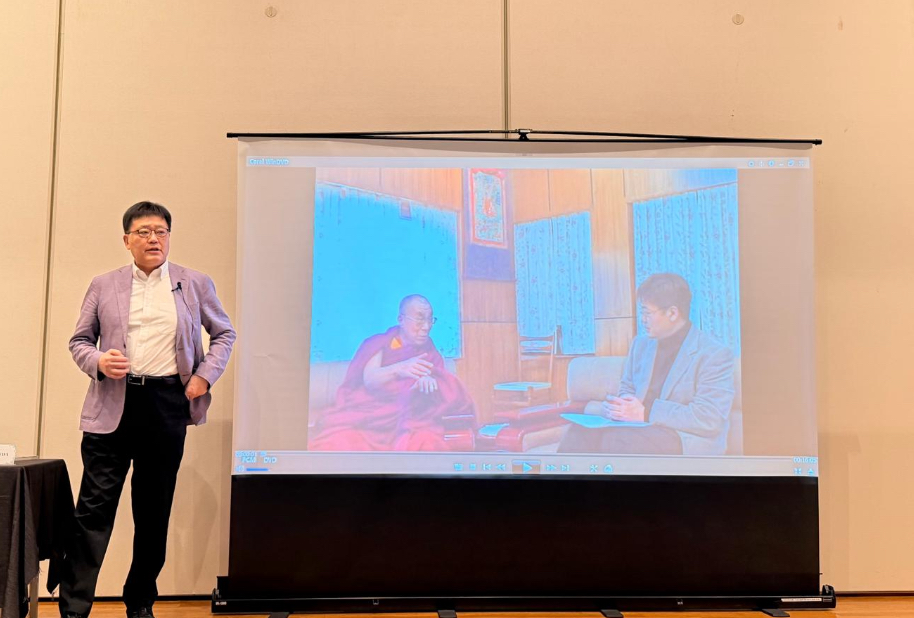
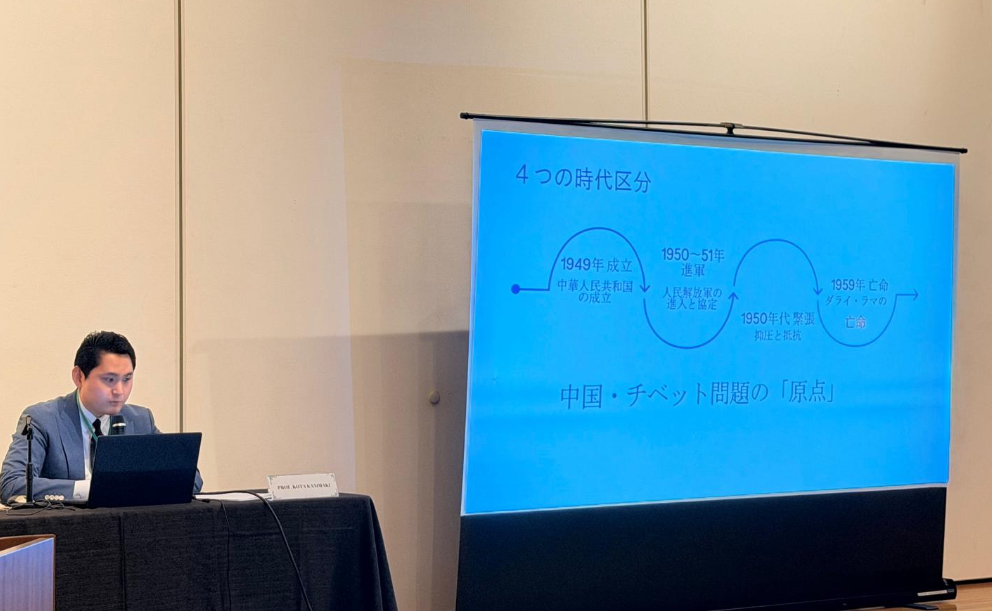
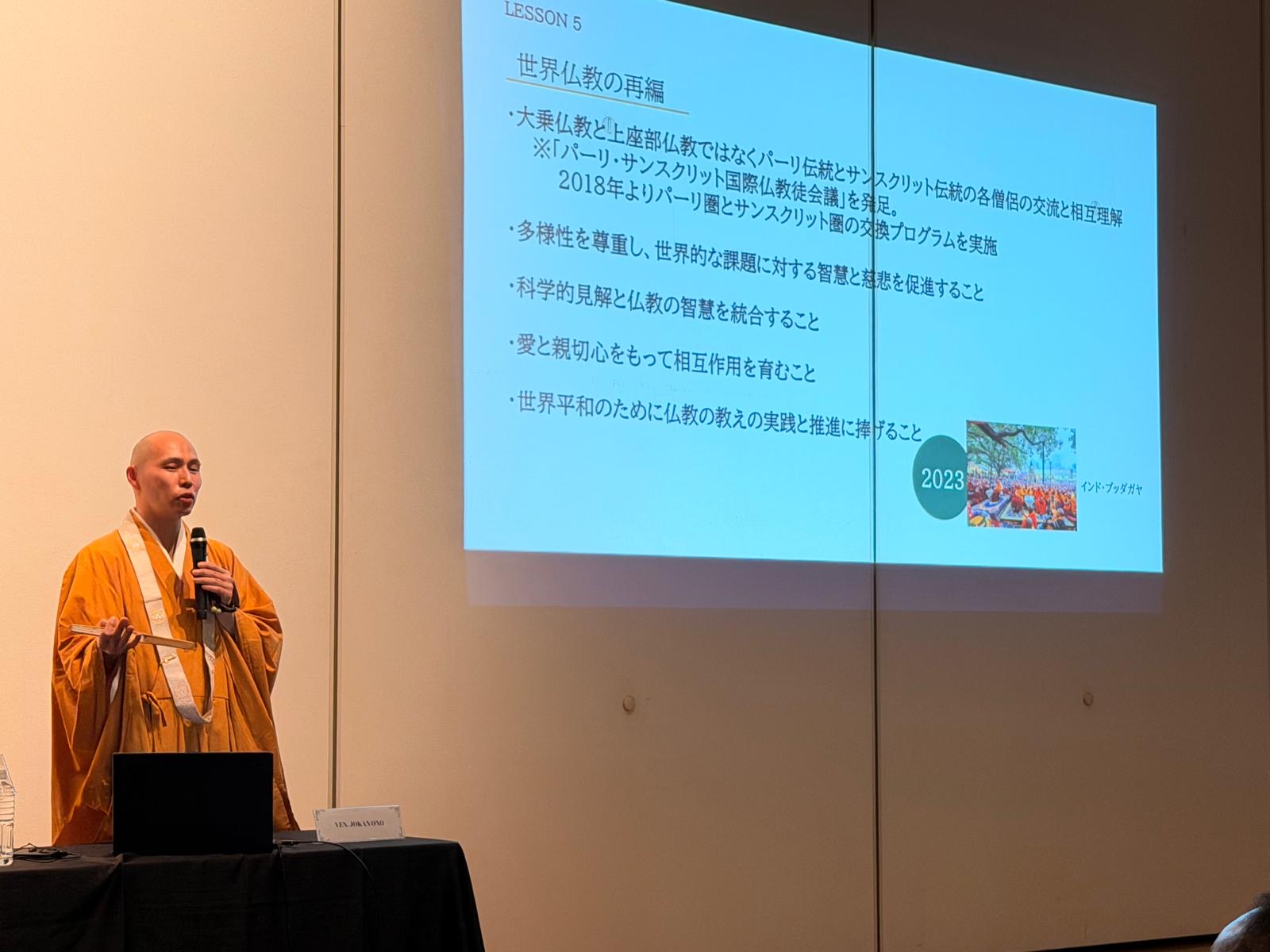
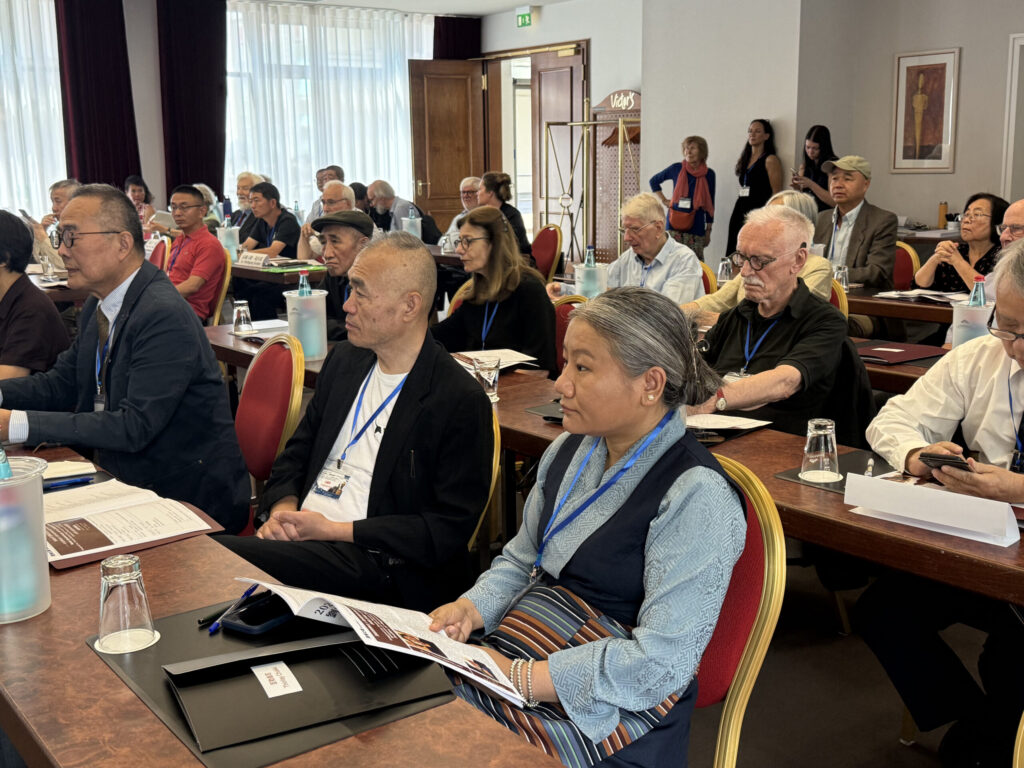
The festival events include talks and presentations by scholars and professors on subjects related to Tibet-Japan relations, Buddhism, H.H. the Dalai Lama, and his teachings. Prof. Ueda Noriyuki of Tokyo University talked about his book “Wake up Japanese Buddhism” and his meeting with H.H. the Dalai Lama, and how Japanese Buddhism needs to be more practical than performing rituals. Prof. Kanemaki Kota of Keiyo University talked about the historical and political aspect of the Tibet-China relation. Rev. Ono Jokan of Fugenji Temple made a presentation of what he has learned from Japanese Buddhism and from H.H. the Dalai Lama. Dr. Tsewang Gyalpo Arya of the Tibet Office elaborated on the four missions of H.H. the Dalai Lama and how the missions connect to world peace and the creation of a compassionate global community.
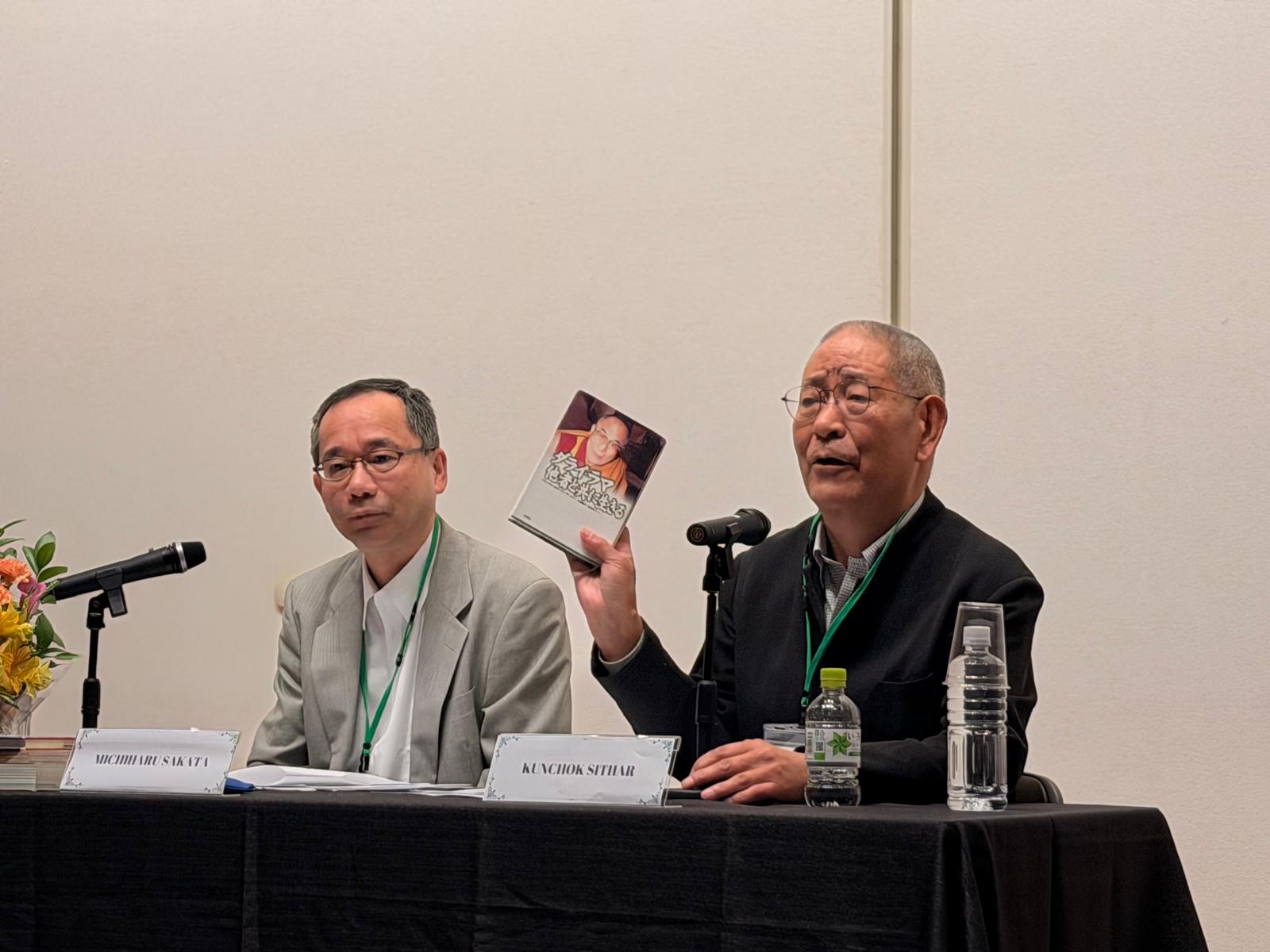
Rev. Kunchok Sithar of Potala College and Journalist Sataka Minoru talked about the books and publications of H.H. the Dalai Lama in the Japanese language and briefly explained the contents of the books. Many of the books were out of print and not available. The books that were available were displayed for the audience to see and read. Ms Kitazawa Anri of the Save Tibet Network moderated the festival’s talk and presentation events.
Three of the six videos under “A Compassion Revolution Series” produced by the Department of Information and International Relations (DIIR) were shown to the audience. Ms. Hasegawa Naoko of the Tibet House briefly explained the content and the message of the videos. The videos are: Buddhist Scientist, A Wisdom for the World, and The Dalai Lama’s Touch.
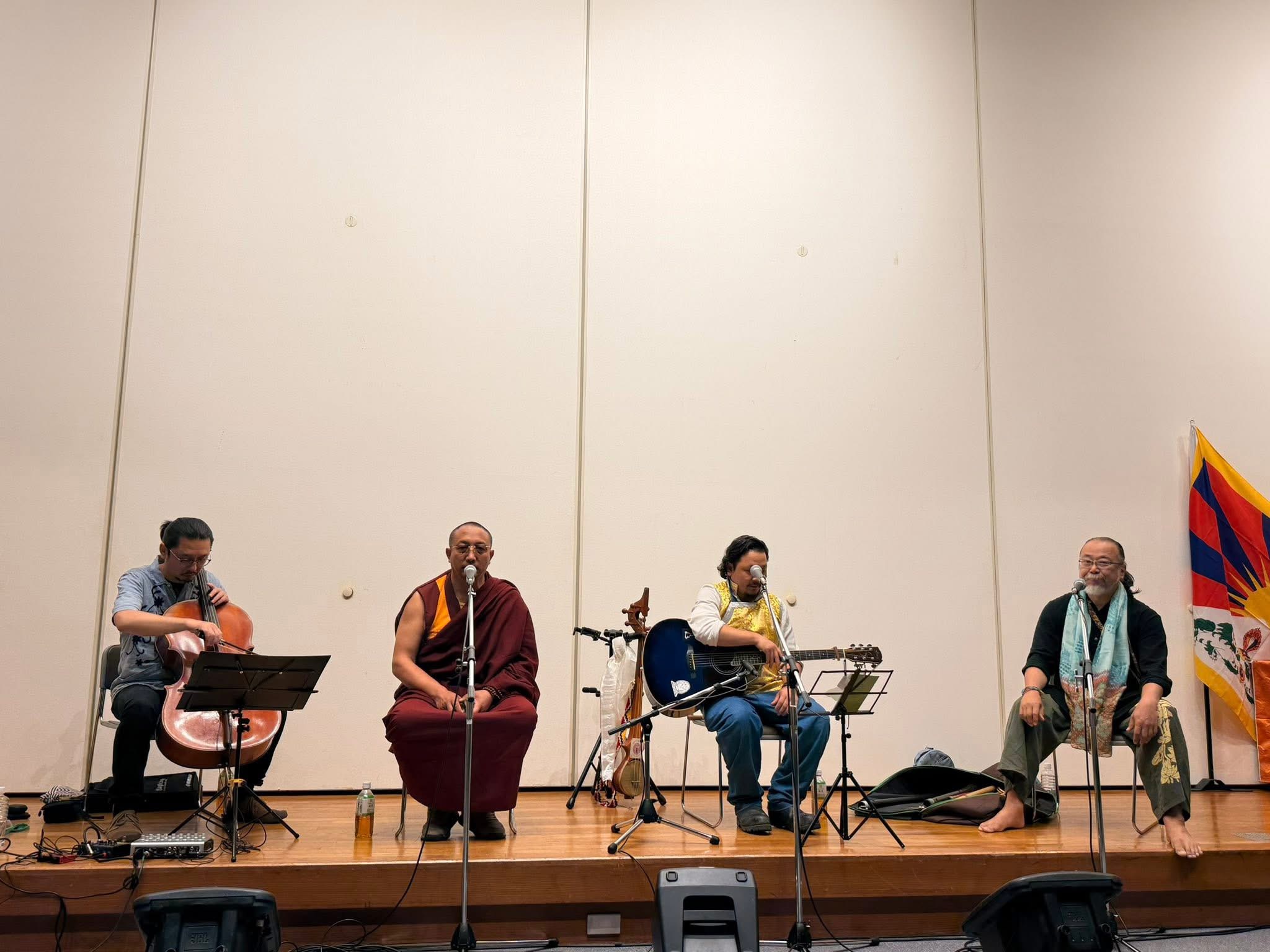
Tenzin Kunsang, a former artist of the Tibetan Institute of Performing Arts (TIPA) and his team, Terahara Kotaro, and Sugahara presented Tibetan songs with dranyen, a Tibetan lute, accompanied with flute and chelo. Geshe Thupten Ngawang from Australia recited Tibetan auspicious prayers and throat chanting. Tenzin Kusang later taught the audience of Tibetan dance steps and led the gathering to gorshe, a Tibetan circle dance. The audience expressed great delight in having the opportunity to learn and participate in Tibetan gorshe dance.
Tashi Delek and Taste of Tibet restaurants maintained food stalls and delighted the visitors with Tibetan delicacies like momo, thukpa, butter tea, and so on. Tibet House, Potala College, Kawachen, Students for Free Tibet, and KIKU sponsorship hosted booths to sell books, handicrafts, clothing, and Tibetan gift items. Tibet House Japan distributed information booklets and pamphlets on Tibet and the activities of the Office. A Tibetan photographer Karma displayed photos on Tibet and offered an opportunity for the visitors to take a photo in a Tibetan dress.
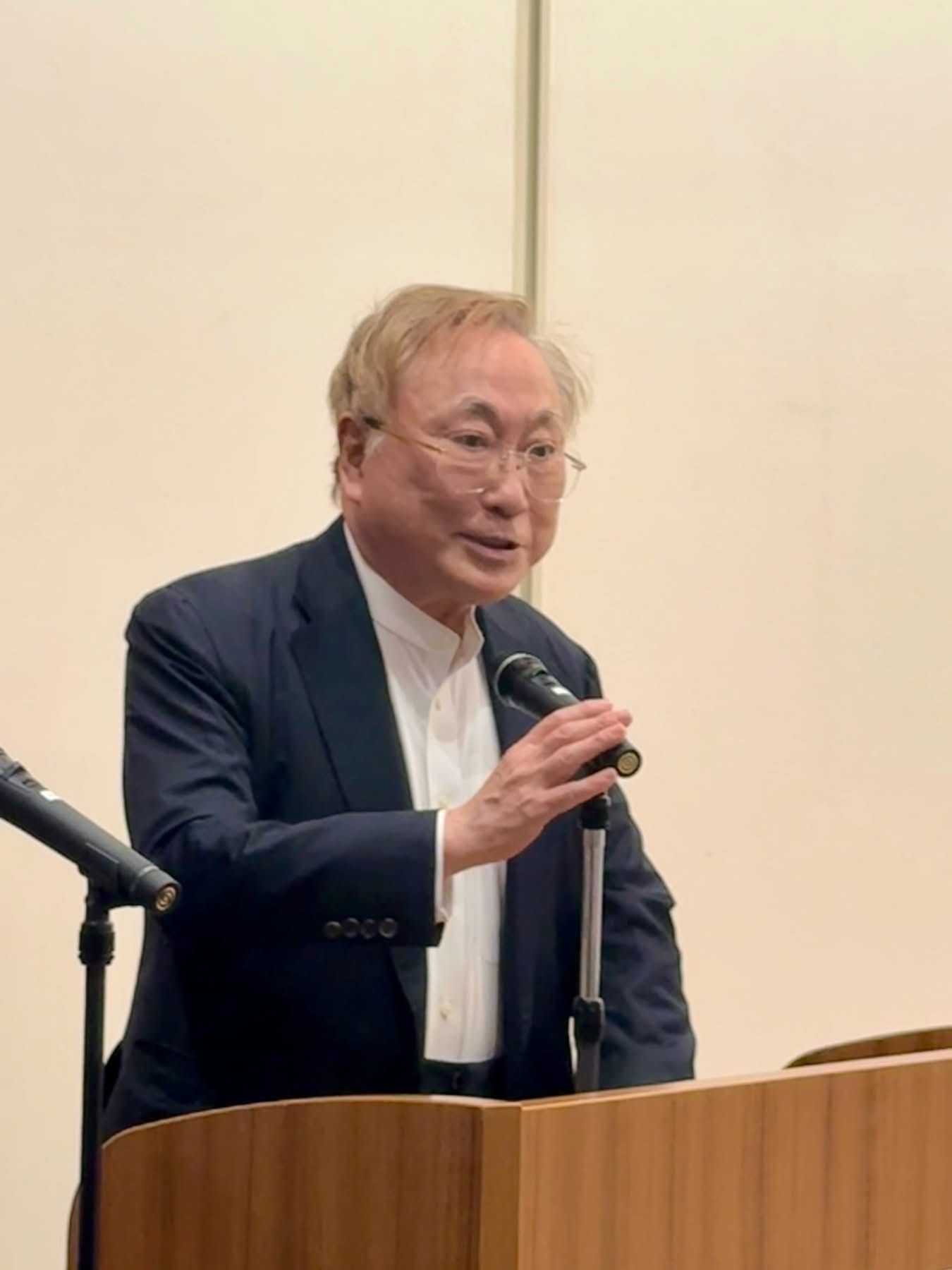
This year, the Festival’s events have been presented without entry fees. Dr. Takatsu Katsuya sponsored the festival. During his opening speech, he expressed great satisfaction in being associated with the Tibetan community and being able to do something to promote the missions of H.H. the Dalai Lama to create a peaceful and compassionate world.
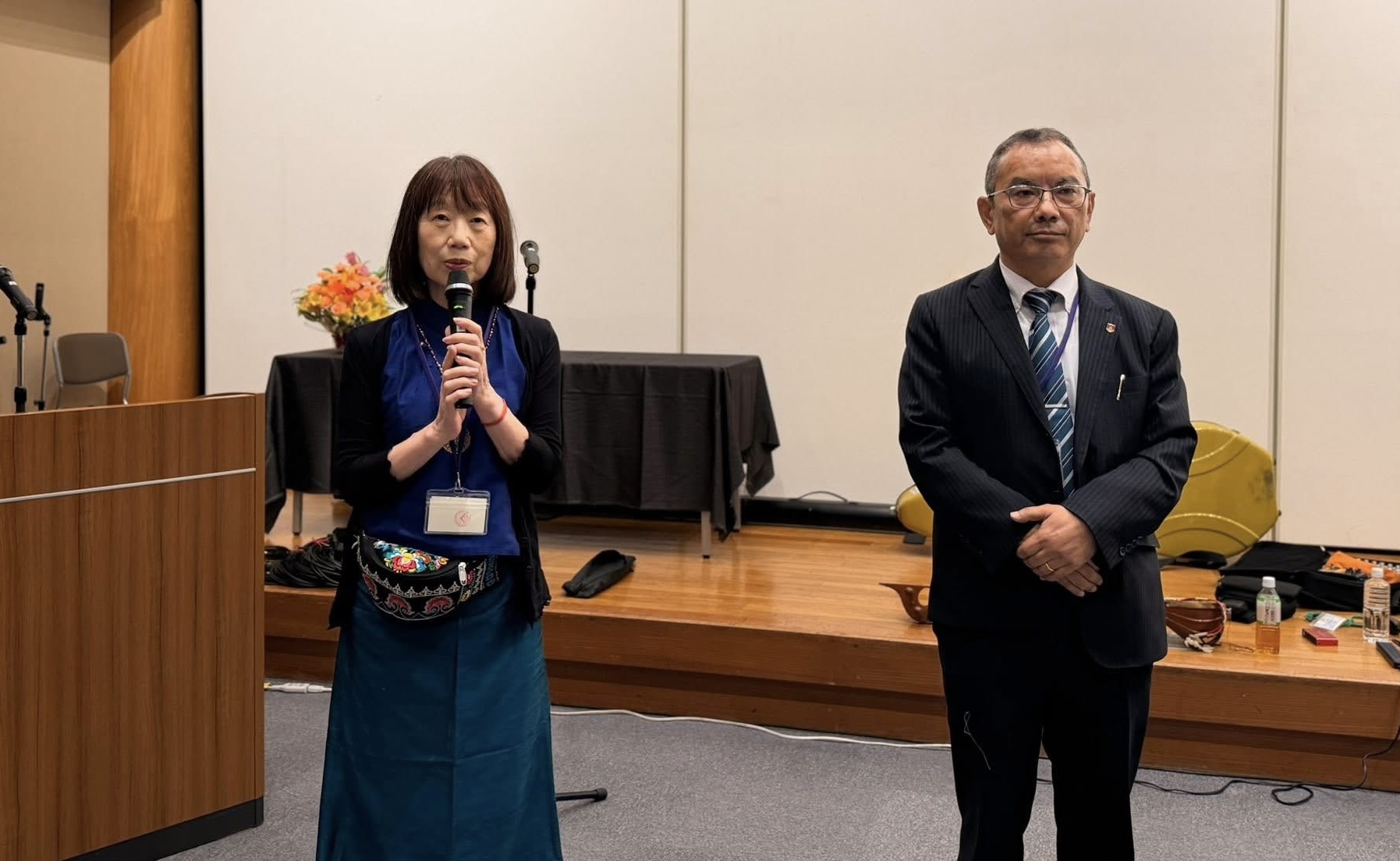
The Festival saw visitors from Japanese, Chinese, Mongolian, Taiwanese, and other communities. The visitors appreciated the events greatly and suggested that such events be organized more often. At the closing event of the Festival, Dr. Arya thanked Tsukiji Hongwanji Temple, visitors, and the volunteers for making the Festival a success in furthering spiritual and cultural bonds between Tibetan, Japanese, and other communities. He also announced a plan of organising Tenshug, Long life prayer offering, to H.H. the Dalai Lama from Japan, and requested the interested people to contact the office.
The Department of Information and International Relations’ (DIIR) Tibet Museum helped in making the photo exhibition materials possible. Ms Sumida helped in translating the captions of the exhibits into the Japanese language. The exhibitions and the talks will continue in the following cities: Shinjuku Culture Center on May 5 and at Bunkyoku Civic Center on June 20 and 21 in Tokyo; Hokkaido on May 24; Ehime Ken on May 30 and 31; Kyoto on June 7; Hiroshima on June 27; Okayama on June 28; and so on.
-Report filed by the Office of Tibet, Japan