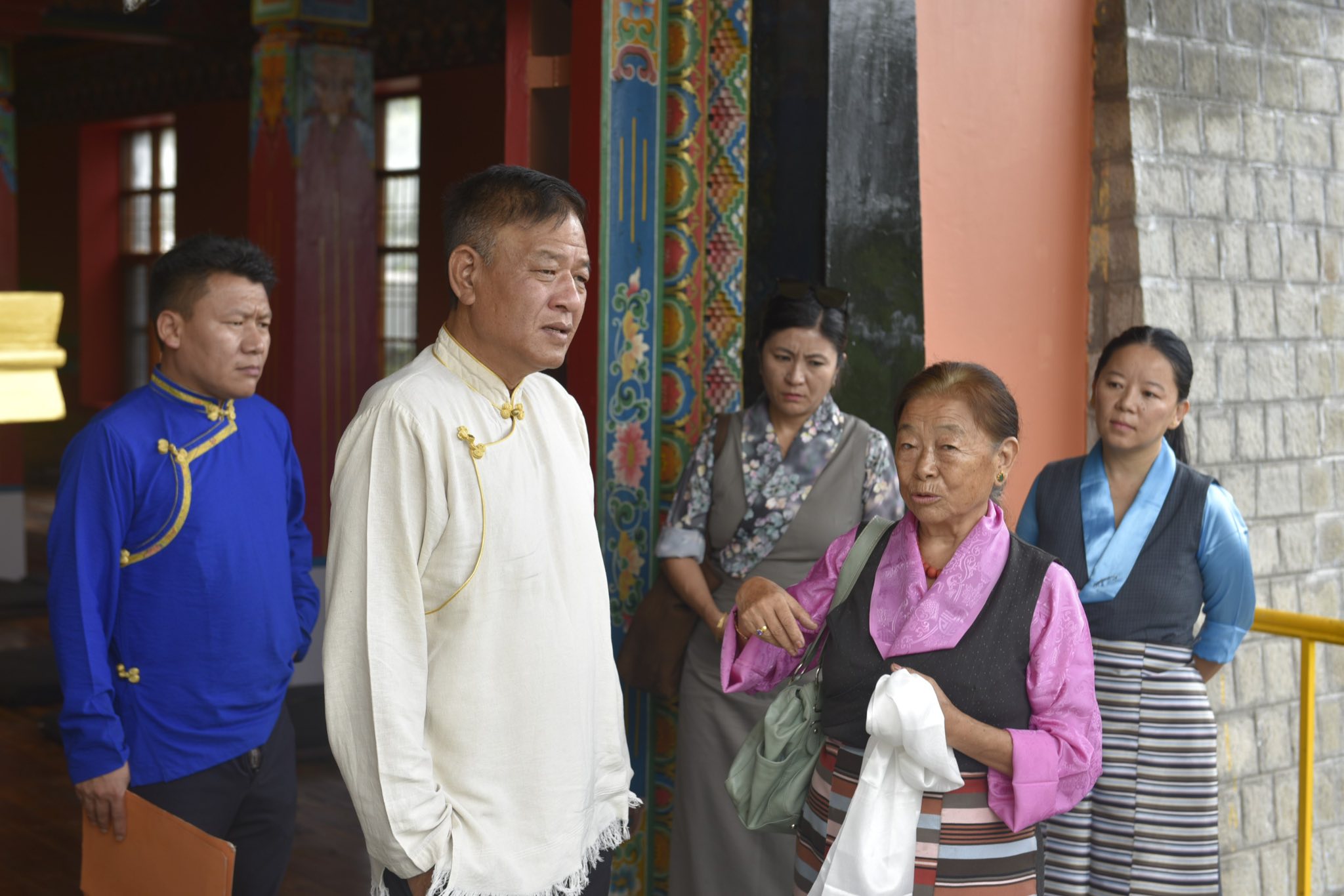
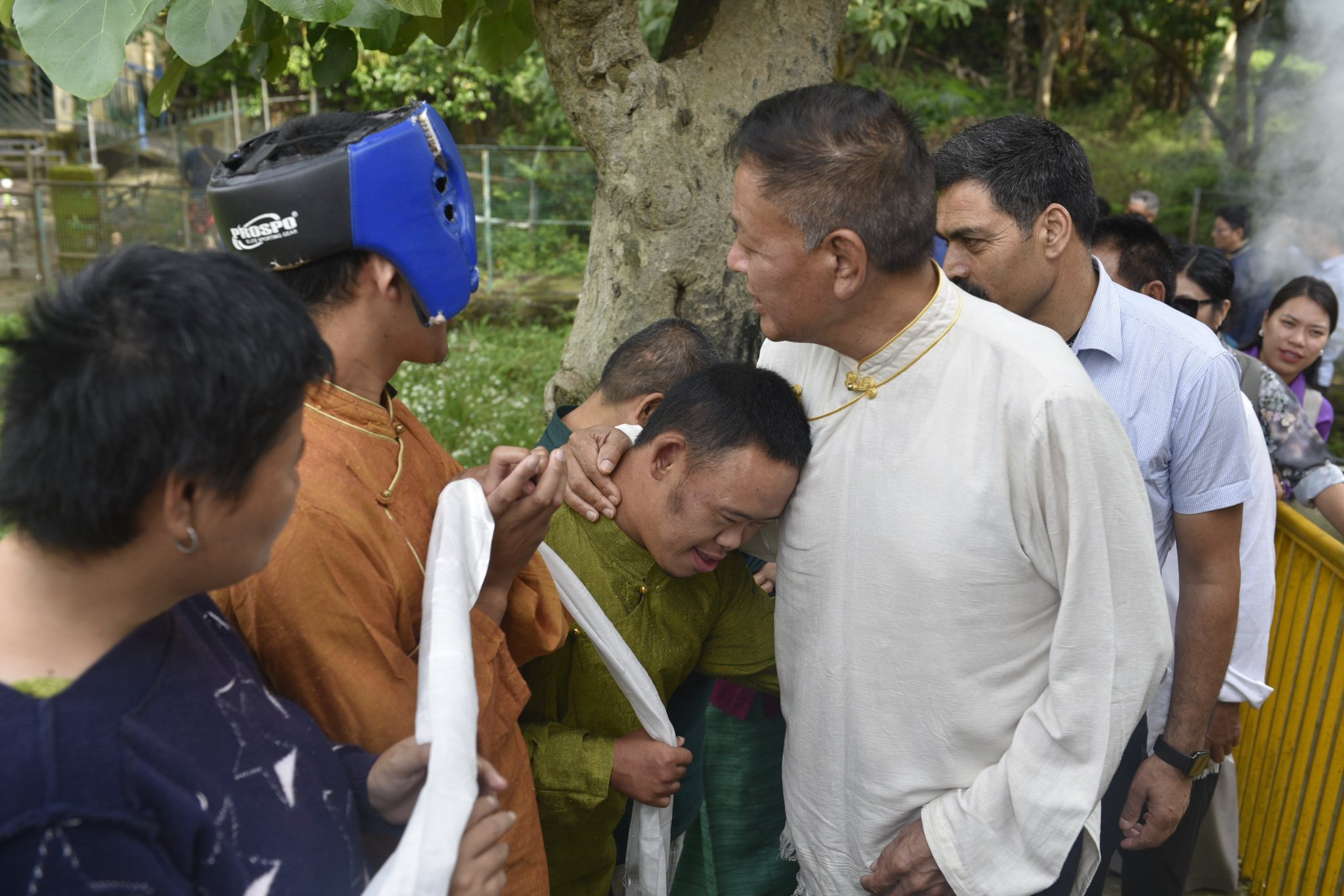
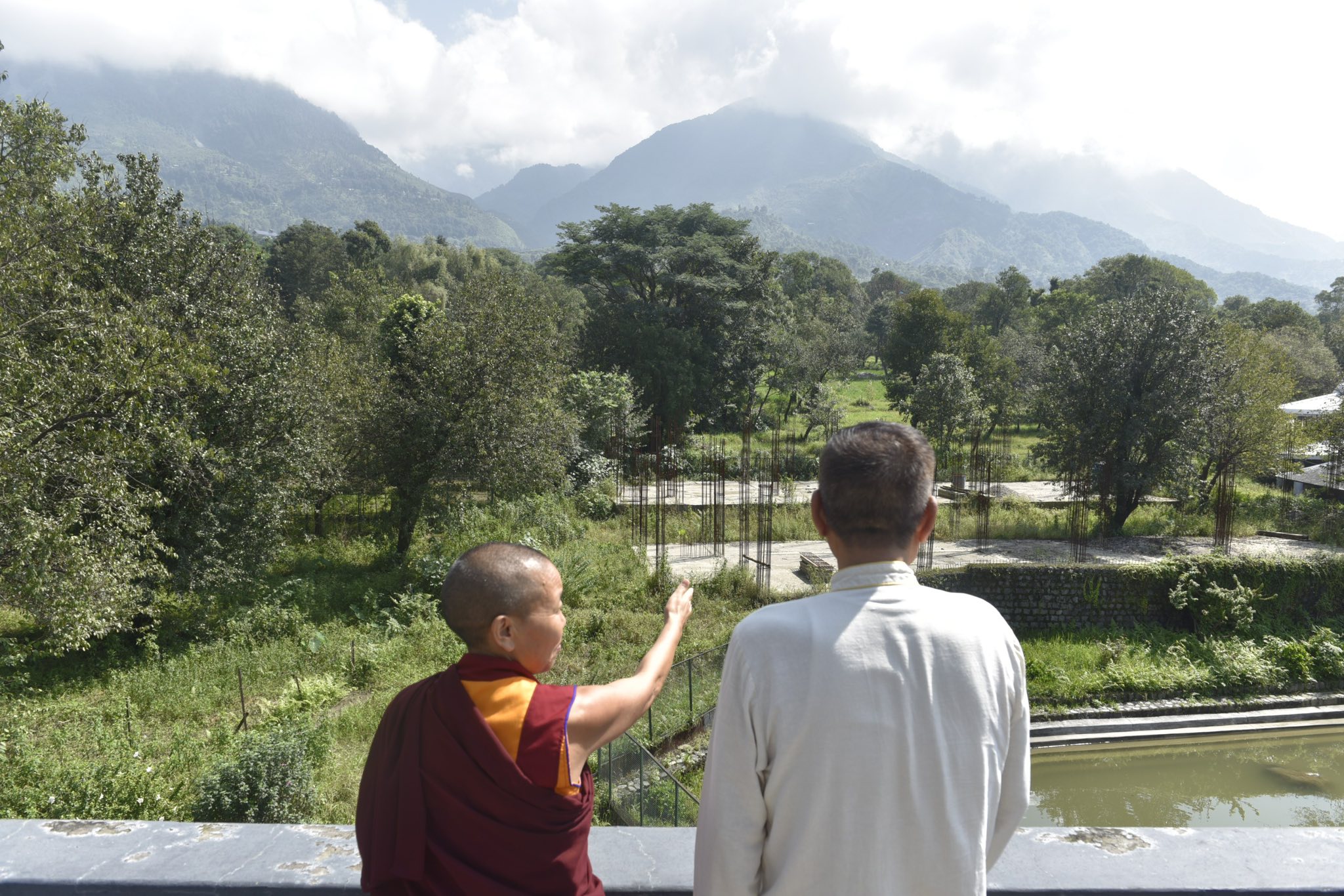
Dharamshala: On the third day of his official visit around Dharamshala, Sikyong Penpa Tsering began with a visit to Nyingtob Ling Society, a centre for children with special needs, where he was warmly welcomed by Director Ngawang Lhamo and Manager-cum-Staff Nurse Tenzin Metok, who briefed him about the institute’s 30 students and 7 staff members.
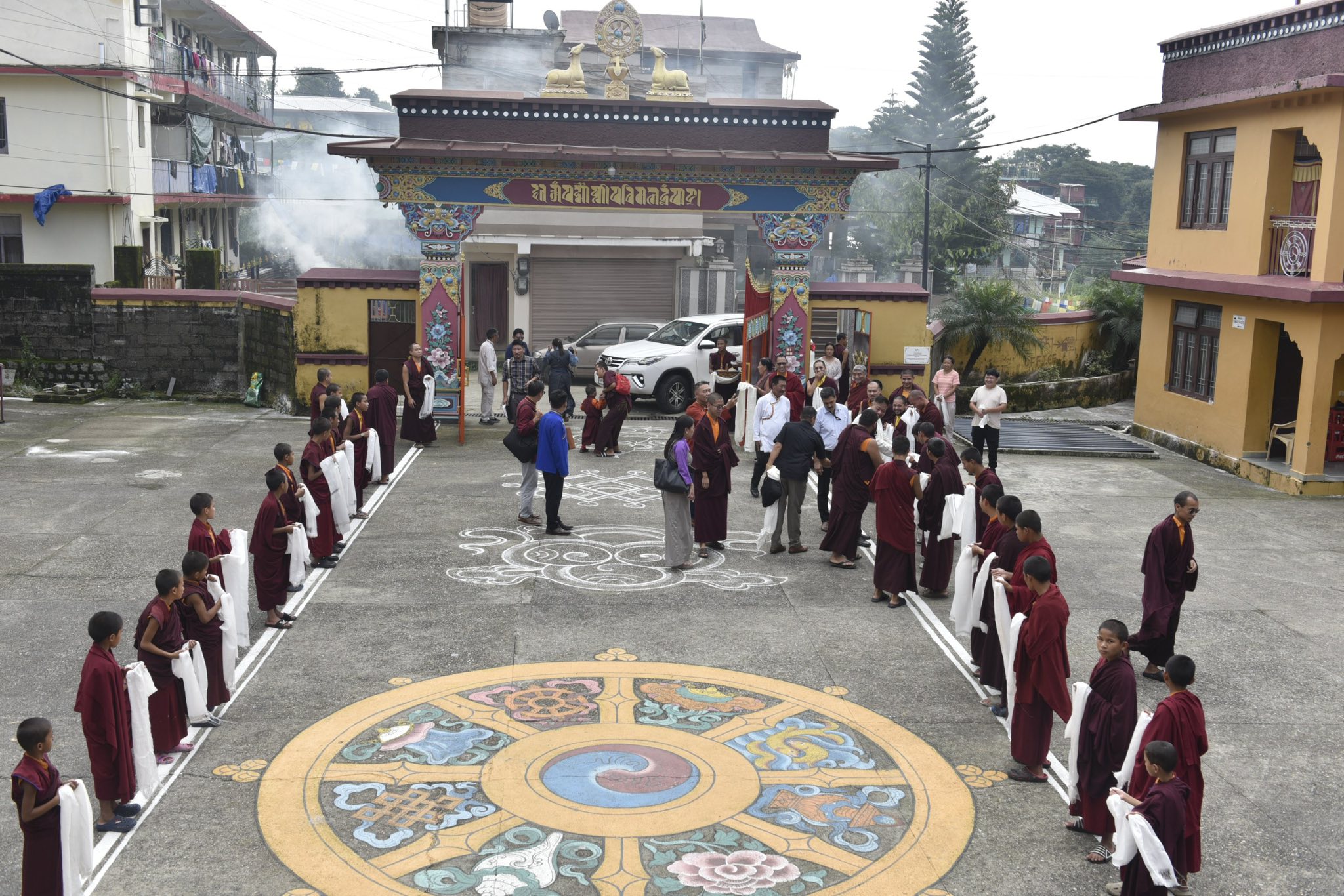
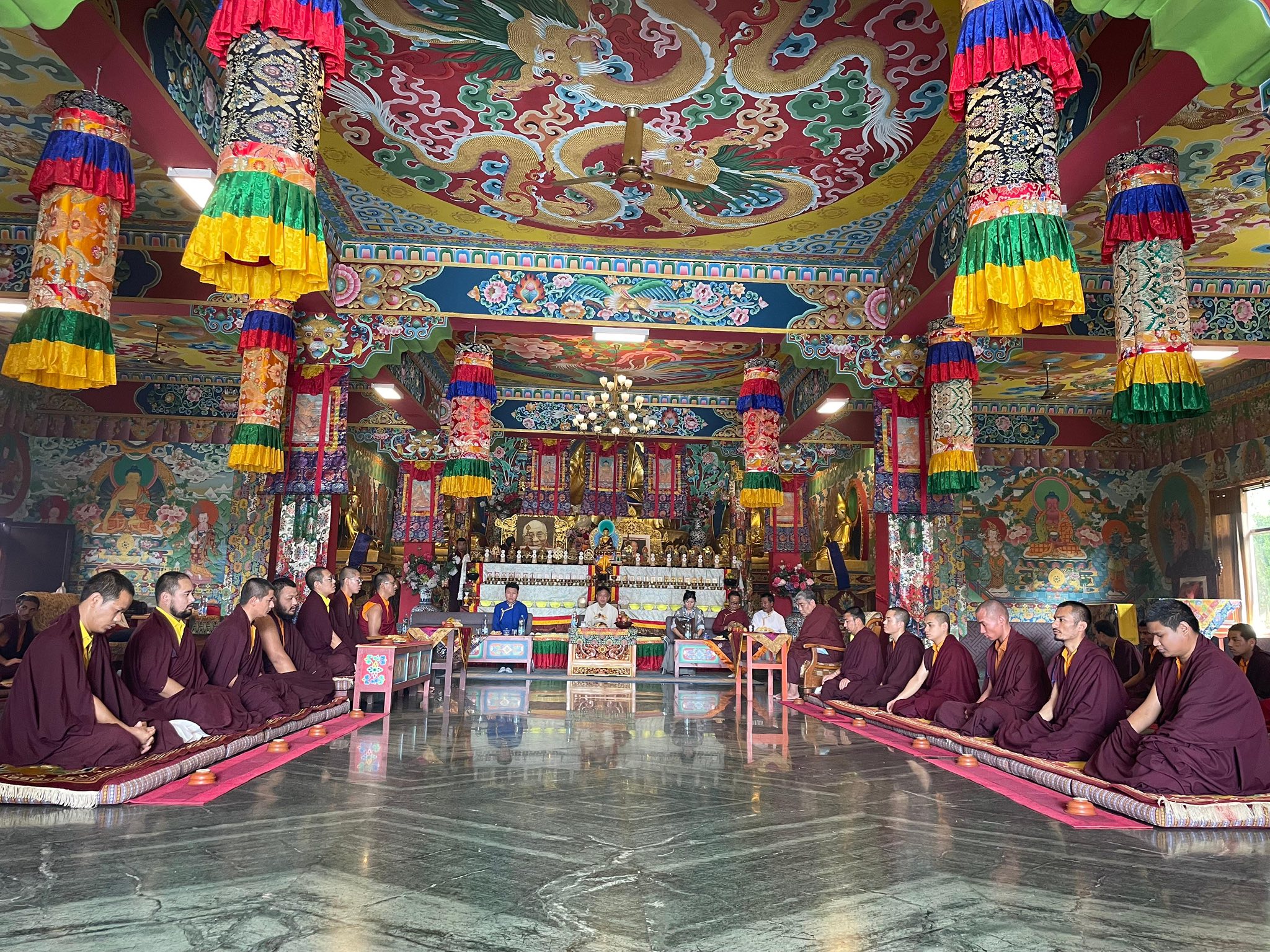
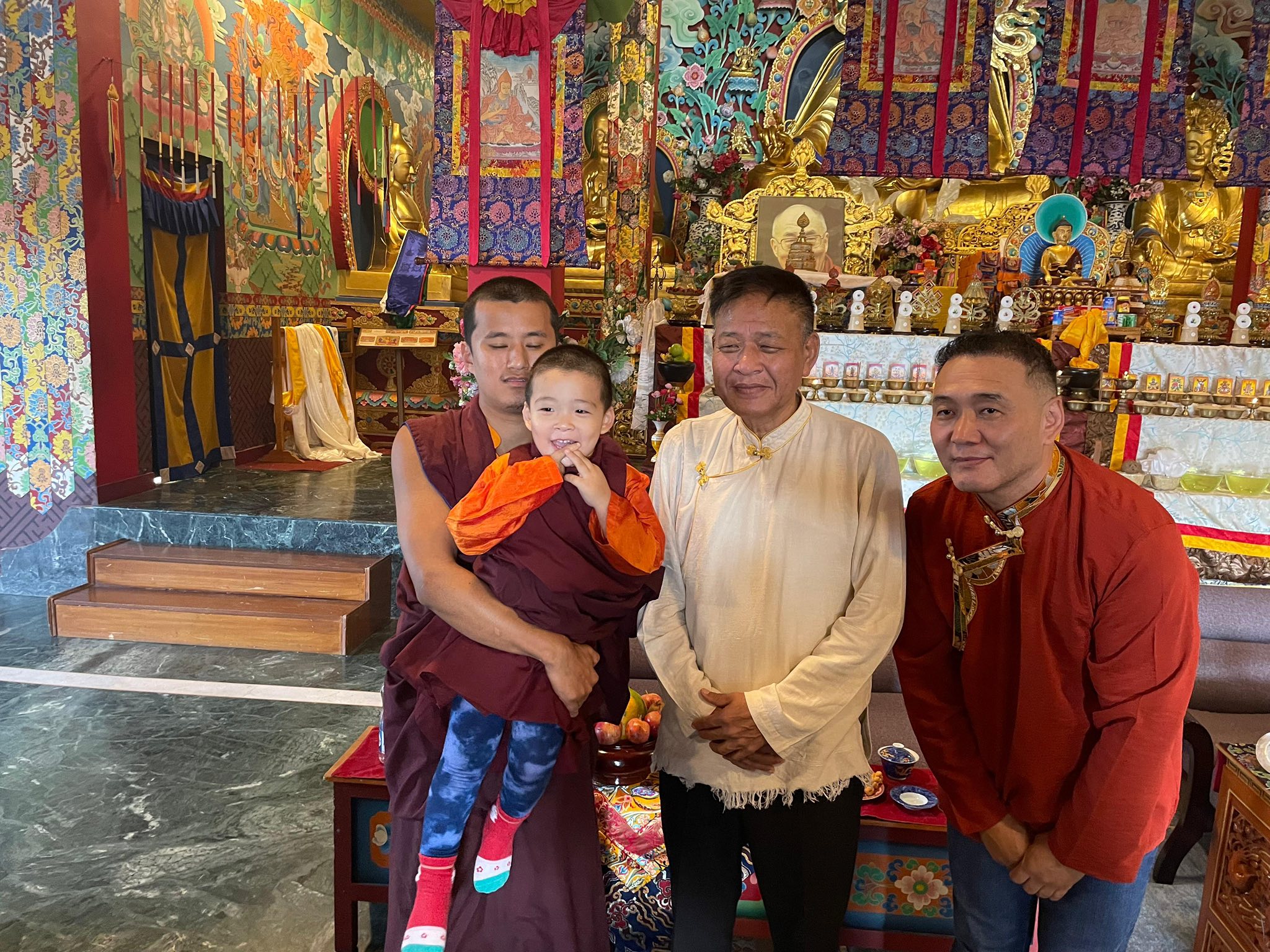
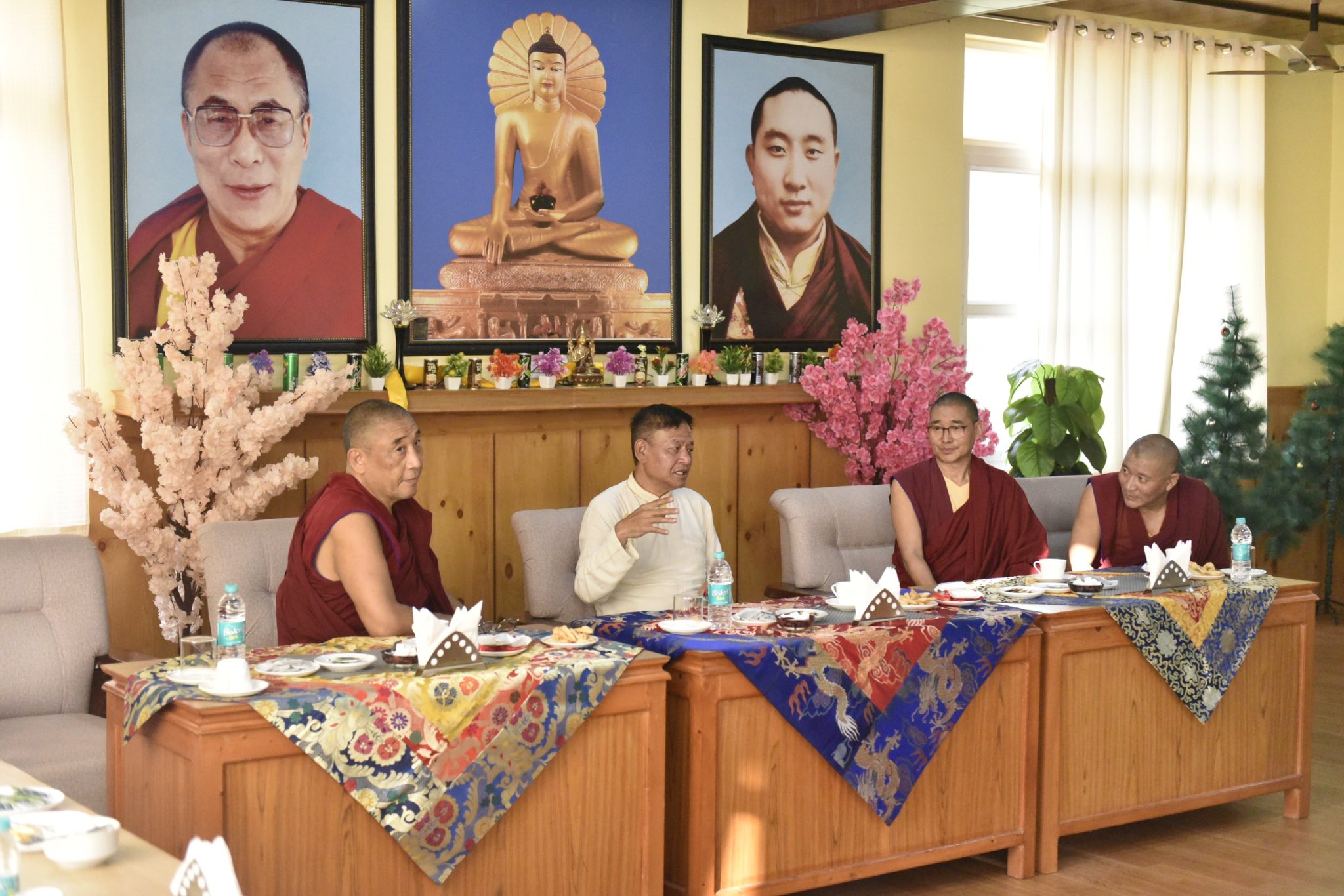
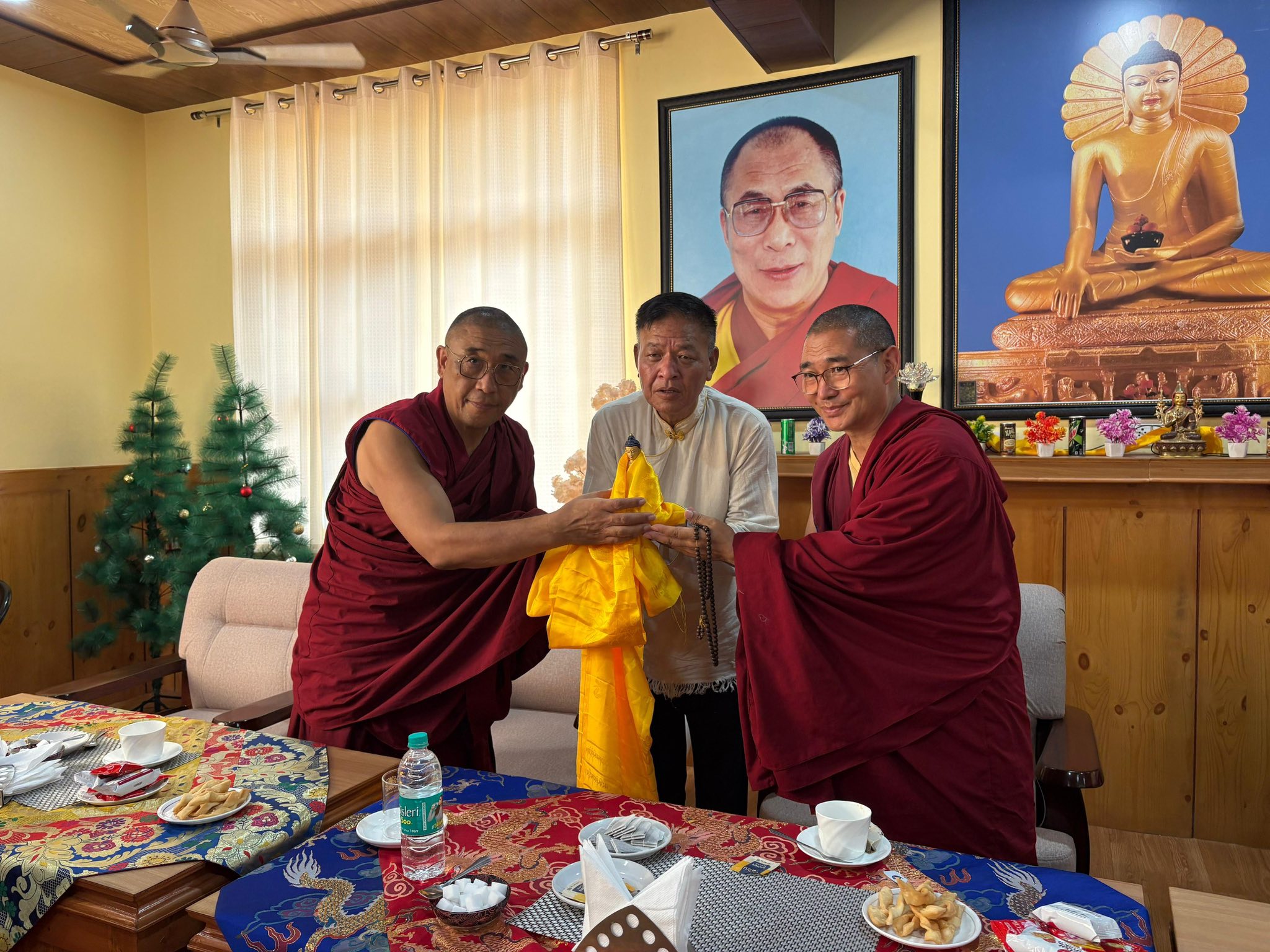
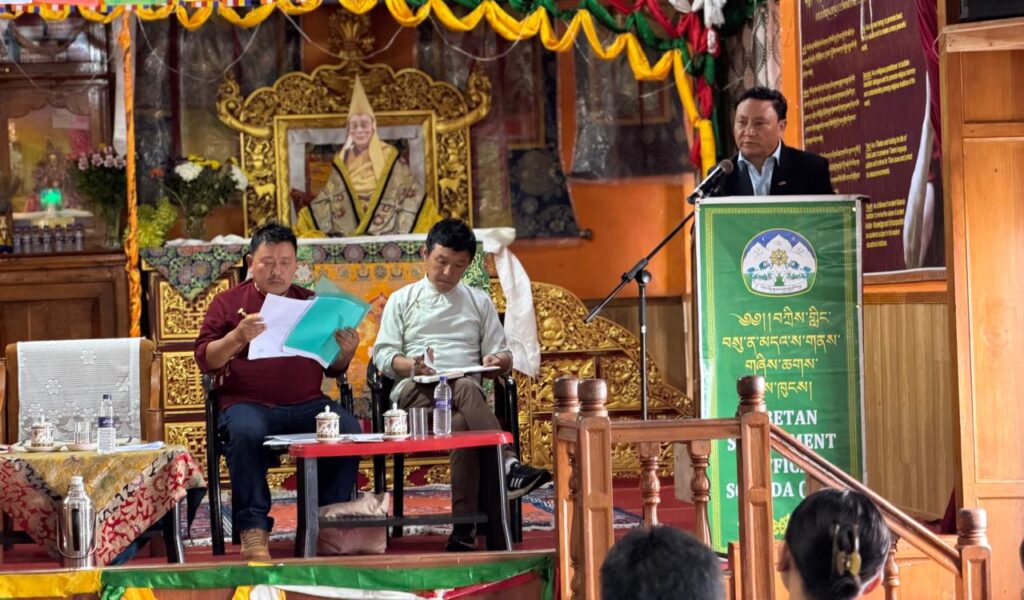
Sikyong then visited Jonang Monastery, followed by Lhundrub Chime Gatsel Ling Monastery, where he addressed the monks. In his remarks, Sikyong highlighted that many monasteries are rooted in the Himalayan regions and stressed the importance of preserving the mother tongue. He urged the monks to carry forward Buddhist teachings in their native communities upon returning home.
Sikyong further underscored that Tibetan monasteries serve as the main source for preserving Tibetan Buddhism in the 21st century and acknowledged the Central Tibetan Administration’s initiatives such as the Neykor App, which enables pilgrims and tourists to access detailed information about monasteries through QR codes. Sikyong further noted that the growing interest in Tibetan Buddhism worldwide continues to rise, which has drawn international support for Tibet’s political cause.
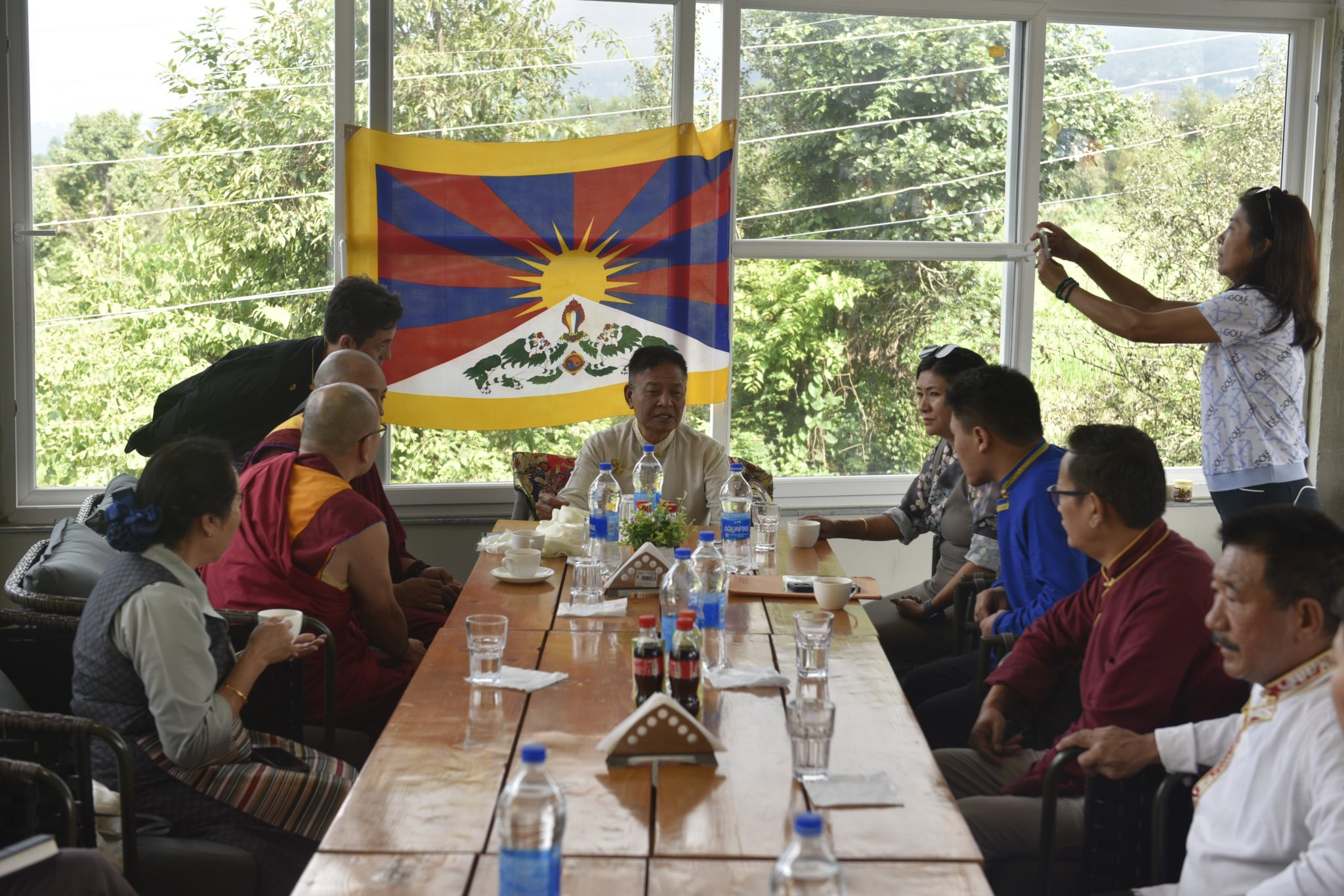
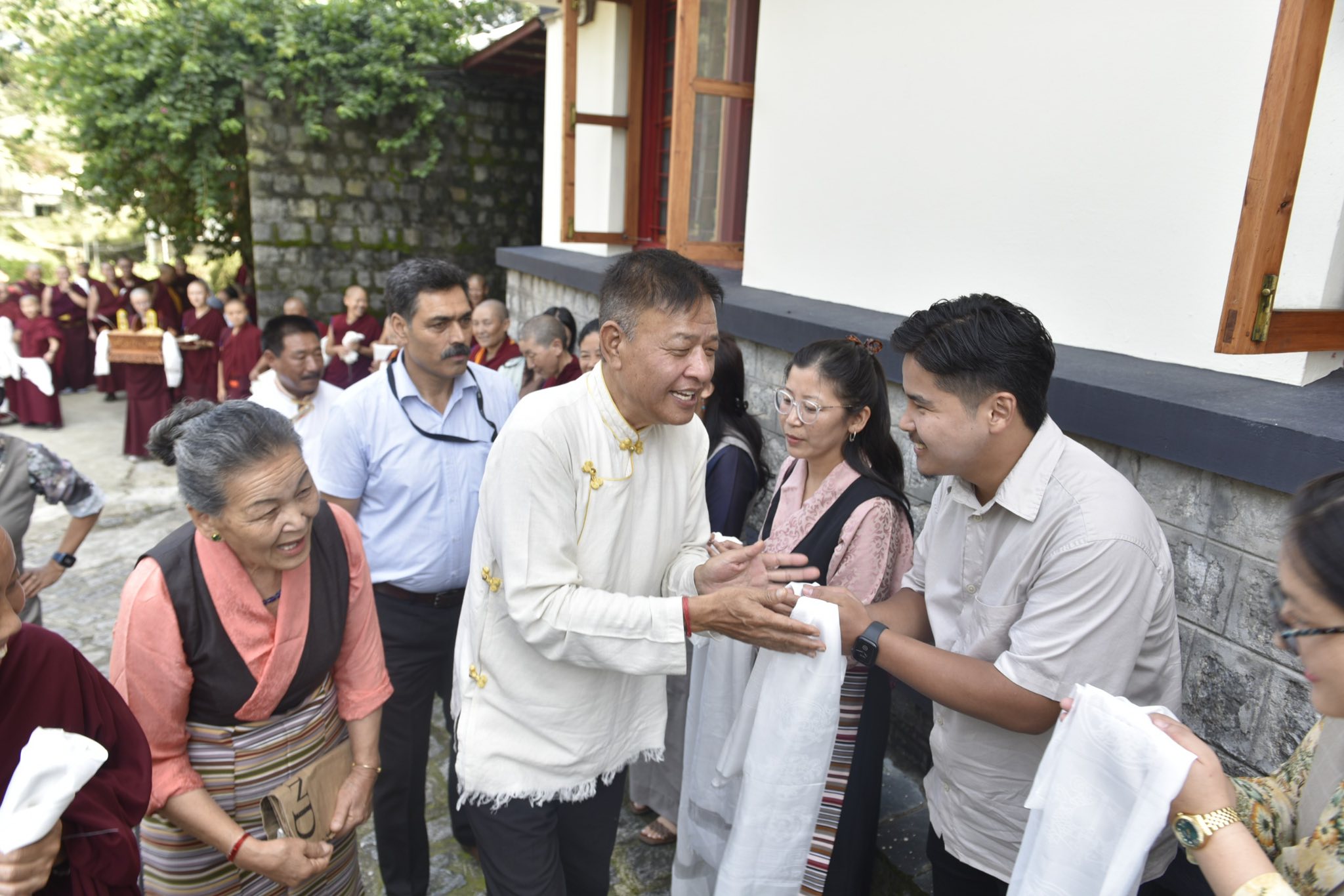
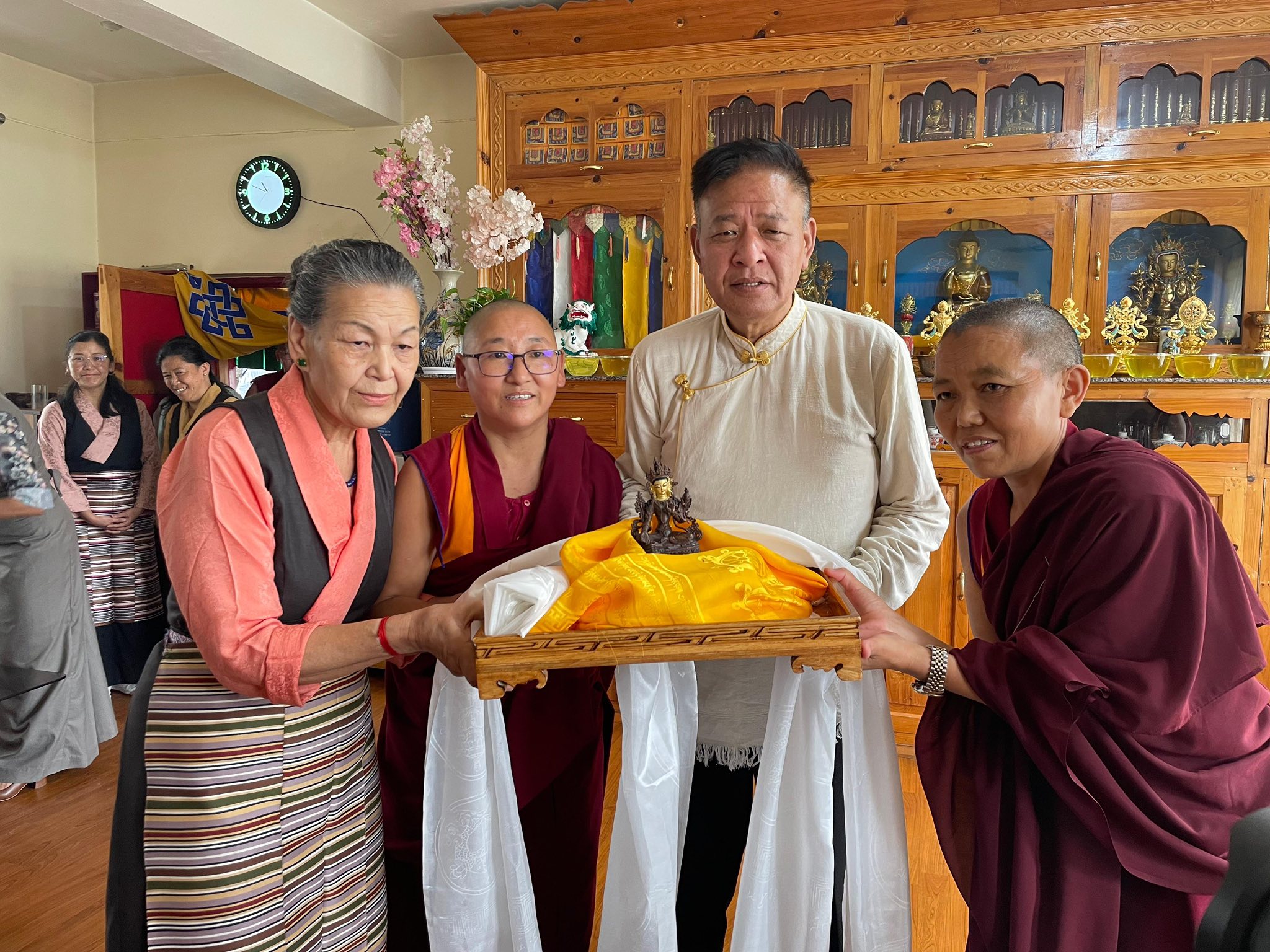
Sikyong continued his visit to Dolma Ling Nunnery and Institute. Welcomed by Director Nangsa Chodon (Tibetan Nuns Project) and Principal Delek Wangmo, Sikyong visited the quarter designated for His Holiness the Dalai Lama and the nunnery’s treasurer’s office, after which a brief discussion on the nunnery’s activities and projects was held.
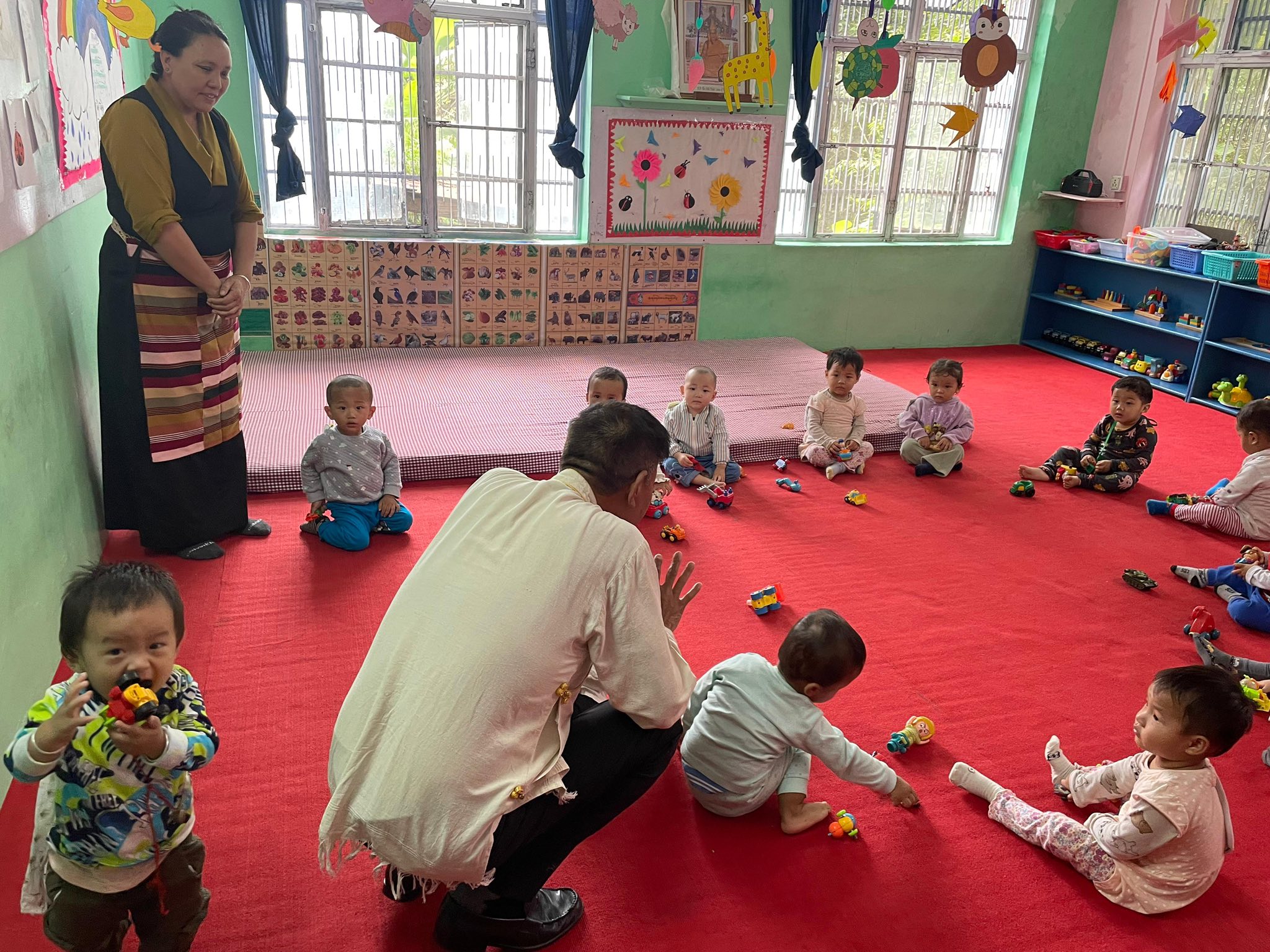
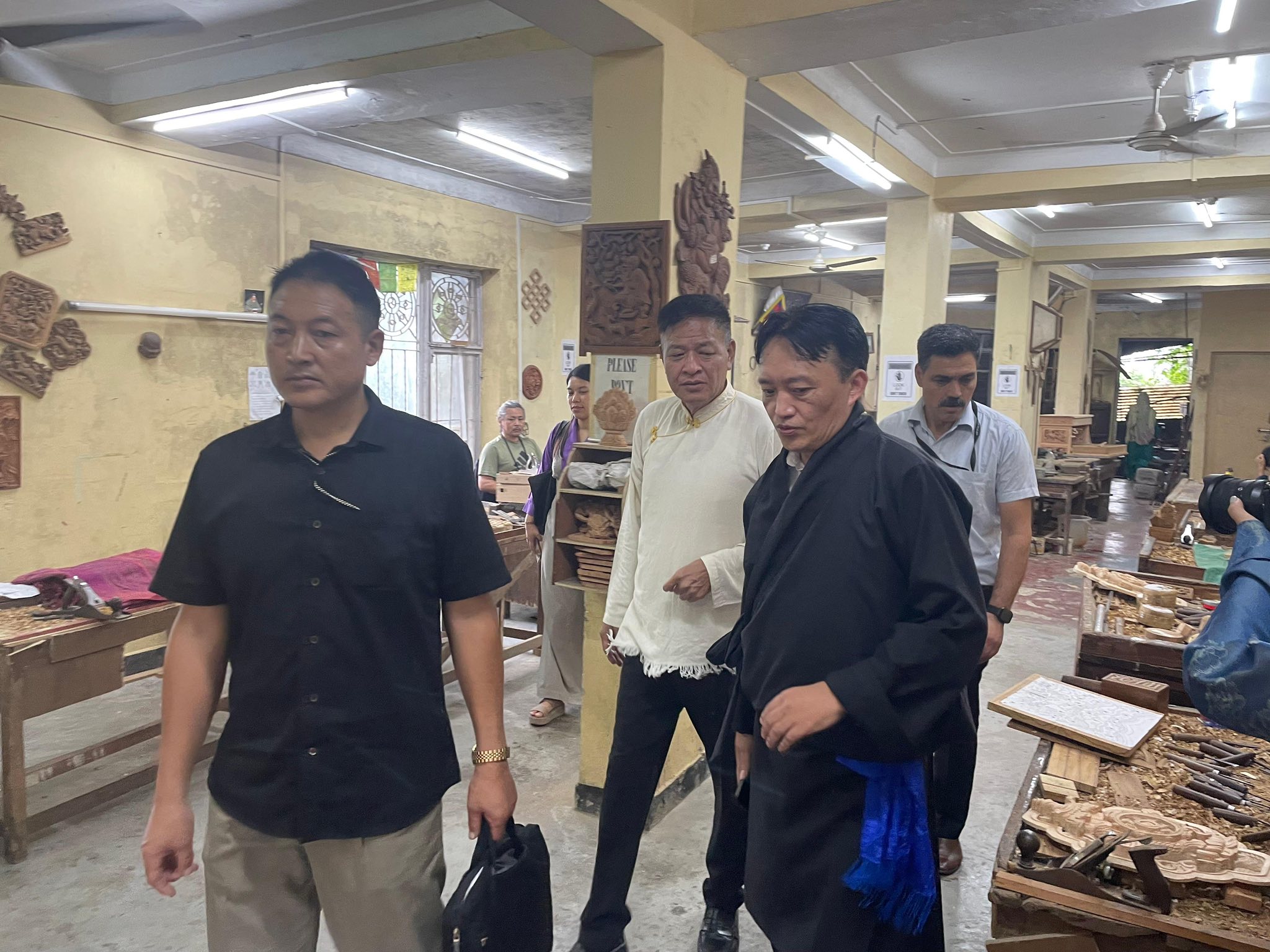
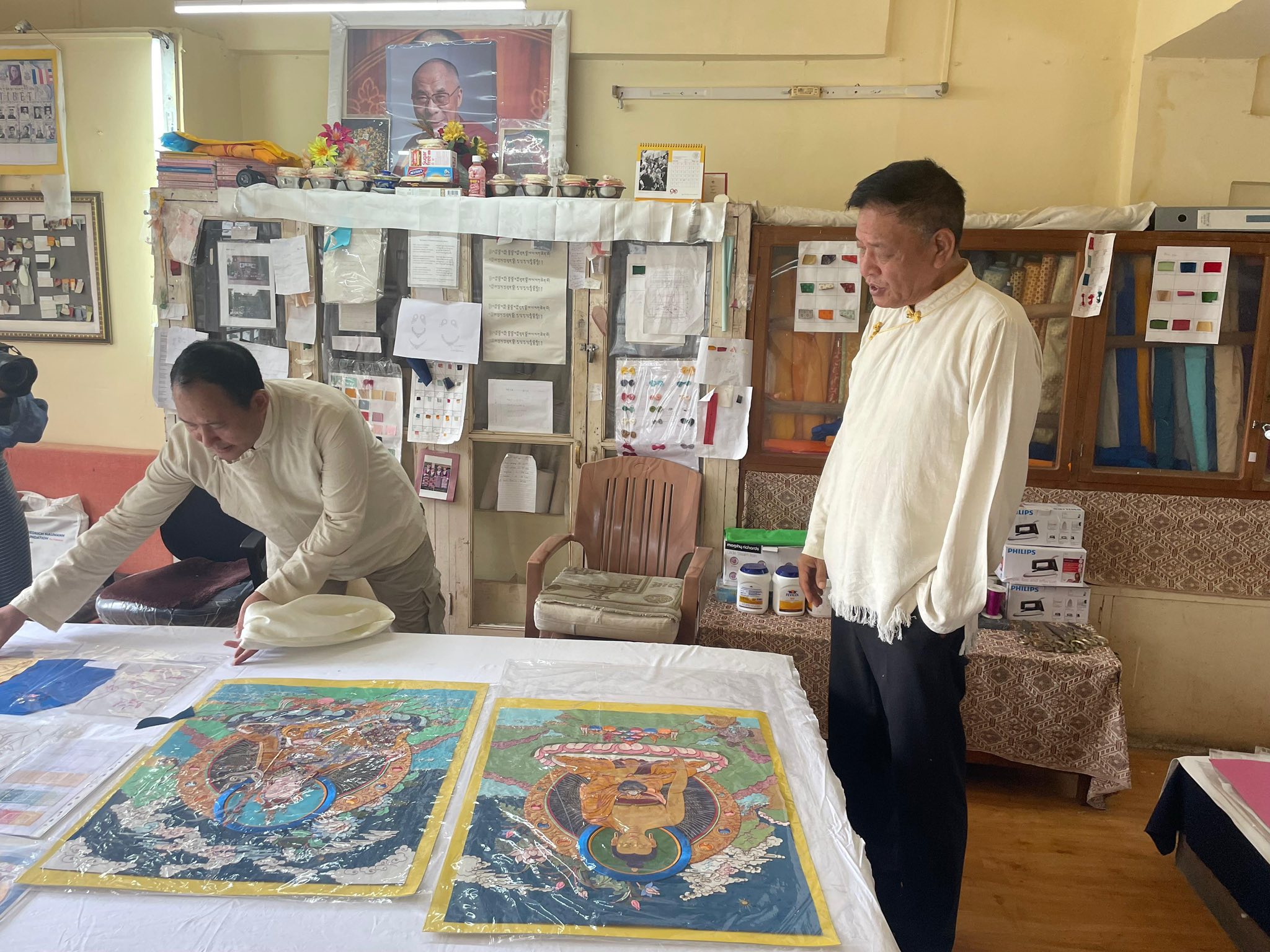
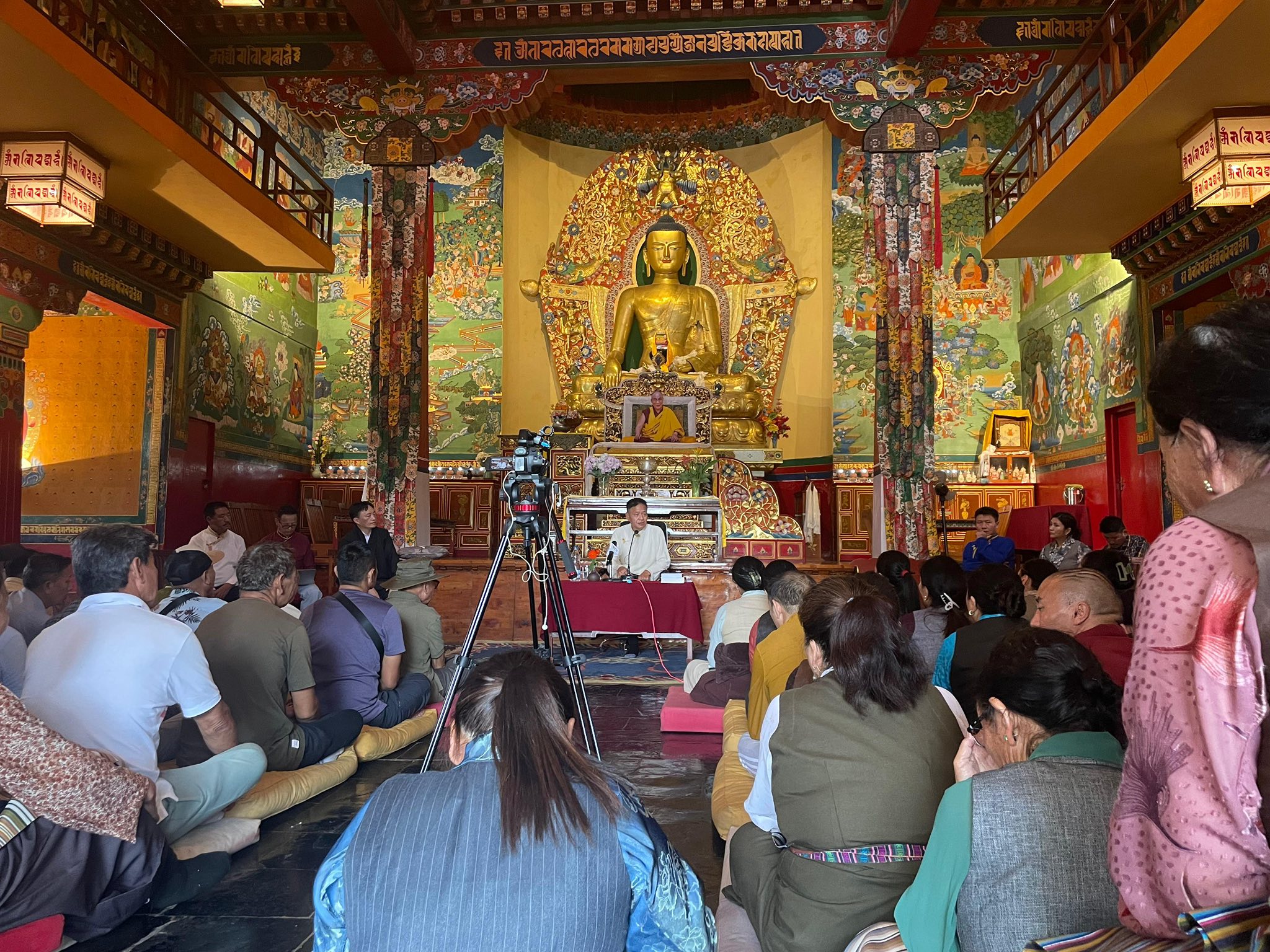
Sikyong next visited Norling Crèche and Kindergarten and the Norbulingka Institute. He toured various facilities, including the handicraft sections, Losel Doll Museum, Thangka Appliqué Studio, carpentry, wood carving, and other workshops. Later, he addressed the local Tibetan community at Norbulingka Deden Tsuklagkhang.
In his address, Sikyong spoke on Tibet’s historical identity and religion. On the political and historical front, he recommended the book Tibet Brief 20/20 and urged young Tibetans to read it to understand the true historical facts of Tibet. He also encouraged them to read His Holiness the 14th Dalai Lama’s book Voice for the Voiceless.
Sikyong further elaborated on the principles of the Middle-Way Approach and key initiatives of the 16th Kashag. Reaffirming the Kashag’s commitment to the Middle-Way Policy, Sikyong reiterated Tibet’s historical independence and shared the ongoing repression inside Tibet. He stressed the importance of knowing and preserving historical evidence of Tibet’s sovereign past.
Sikyong further spoke about the four principal commitments of His Holiness the Dalai Lama—promotion of religious harmony—and reminded the gathering of the need to foster good relations with local Indian communities, acknowledging the unwavering support and generosity extended by the Government and people of India to the Tibetan people.
Sikyong Penpa Tsering concluded by outlining the ongoing initiatives of the 16th Kashag and shared his plan to visit Indian colleges and universities to raise awareness, noting that many Indians remain unaware of the current situation inside Tibet.
Continuing his official engagements, in the afternoon, Sikyong Penpa Tsering visited SOS Tibetan Children’s Village (TCV) at Gopalpur.
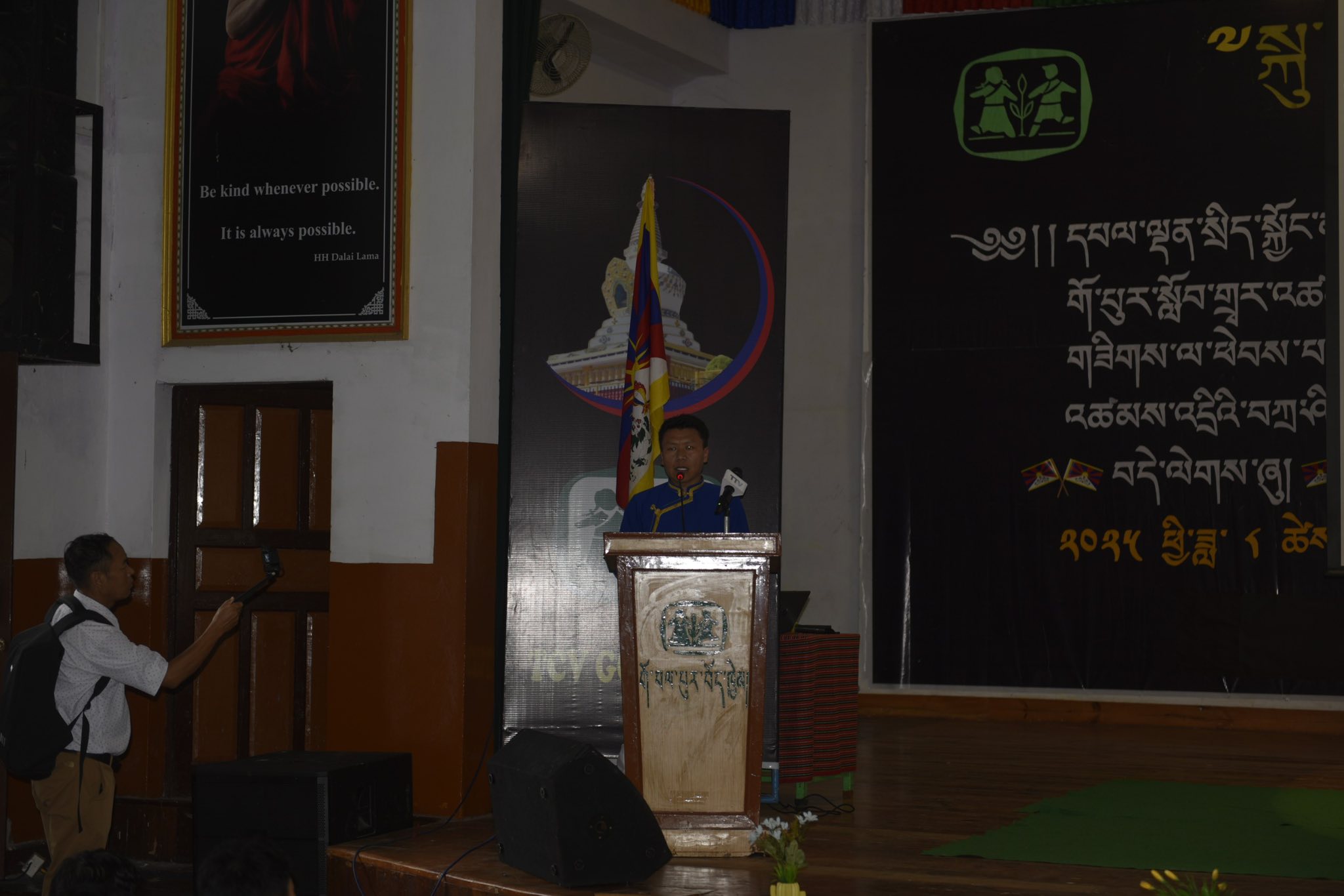
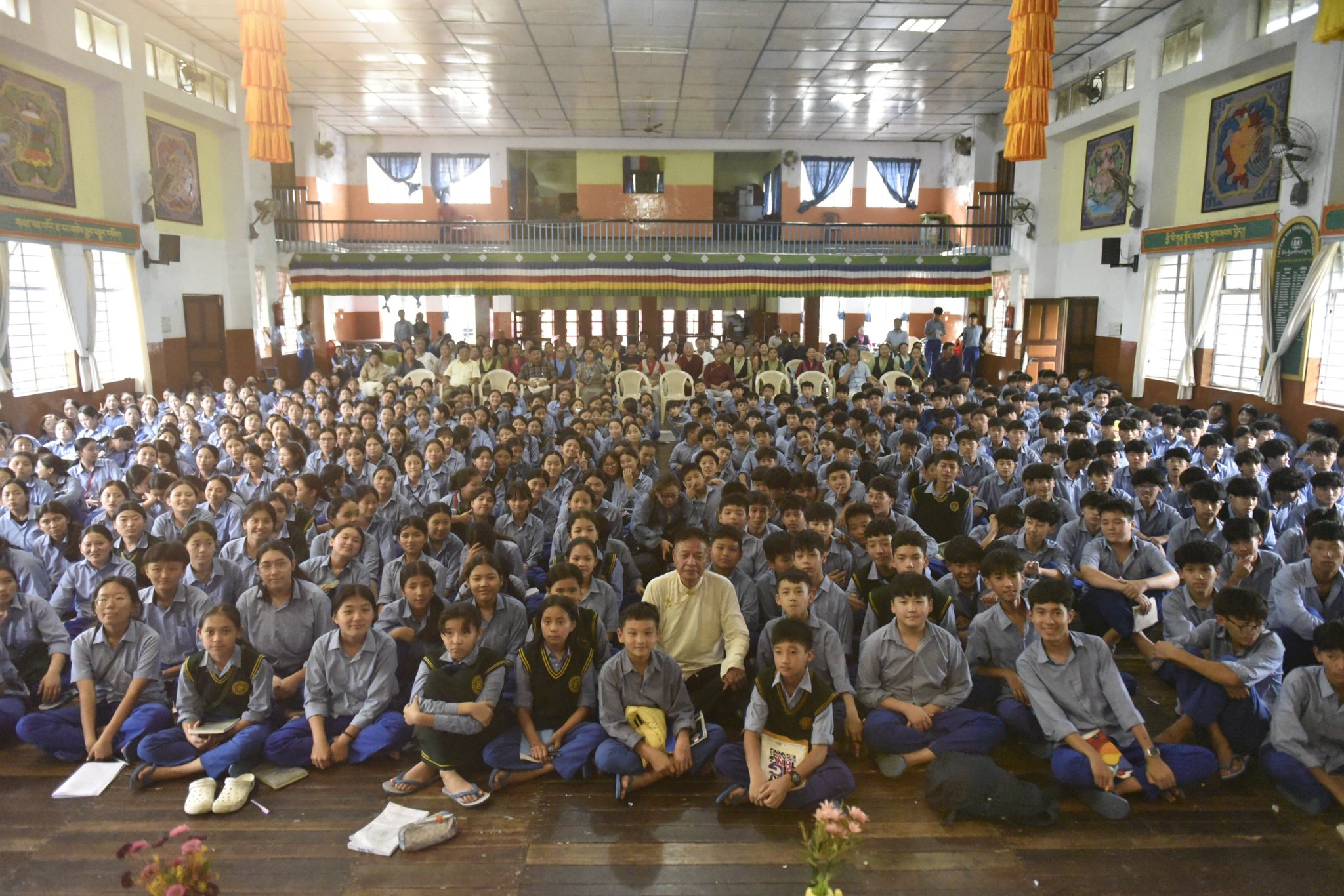
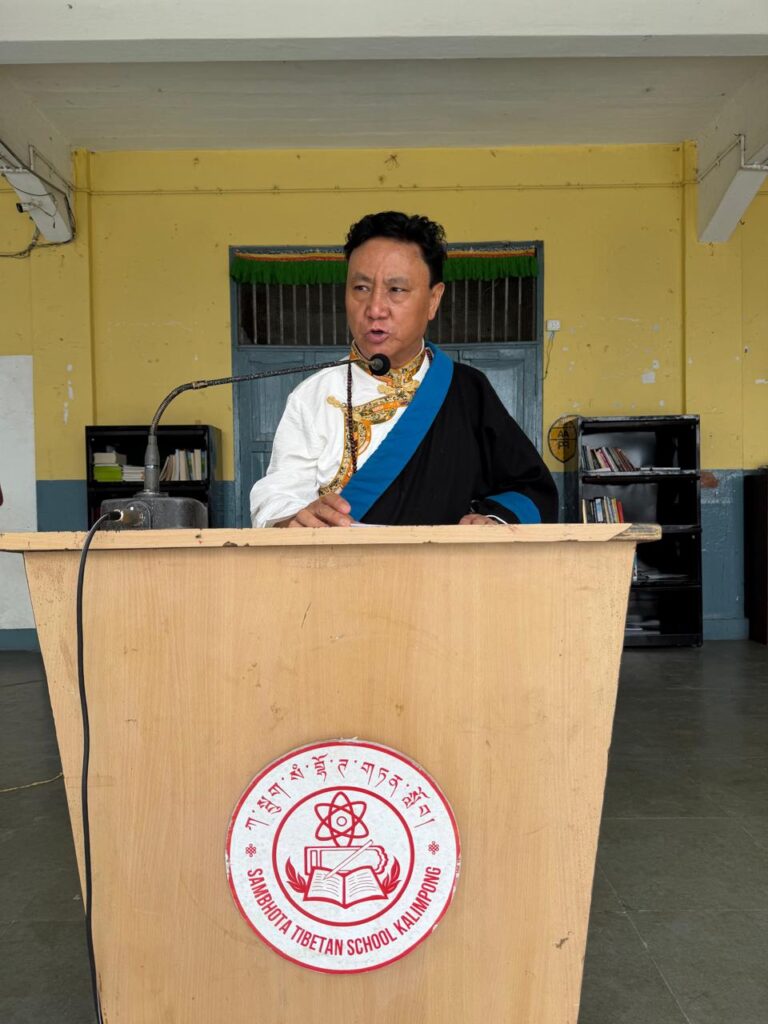
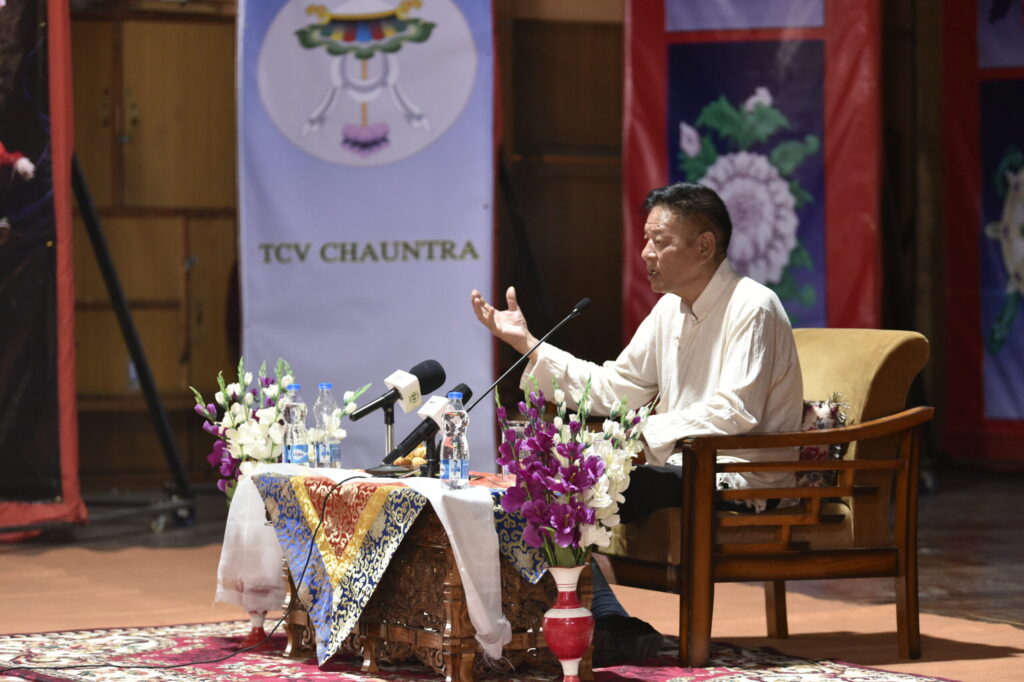
Sikyong was warmly received by Principal Karma Sherab Tharchin, along with faculty, staff members, and students. They held a discussion on the school’s activities and related matters. Following a luncheon hosted at TCV Gopalpur, Sikyong addressed the students, staff, and teachers.
During his address, Sikyong highlighted a range of topics, including Tibet’s history and its historical evolution, geographical features, historical facts with neighbouring countries, and Tibet’s crucial role in contributing to the global environment. The session concluded with an extended question-and-answer interaction with the students.
Sikyong encouraged the younger generation to take pride in their identity and uphold their cultural dignity. He stressed the importance of understanding Tibet’s history and present challenges, introducing the students to the historical development of Tibet, the value and significance of Tibetan writing, and the evolution of the Tibet-China conflict. He urged Tibetan youth to pay close attention to their own history and to gain a deeper understanding of Tibet’s past and the Tibet-China conflict.
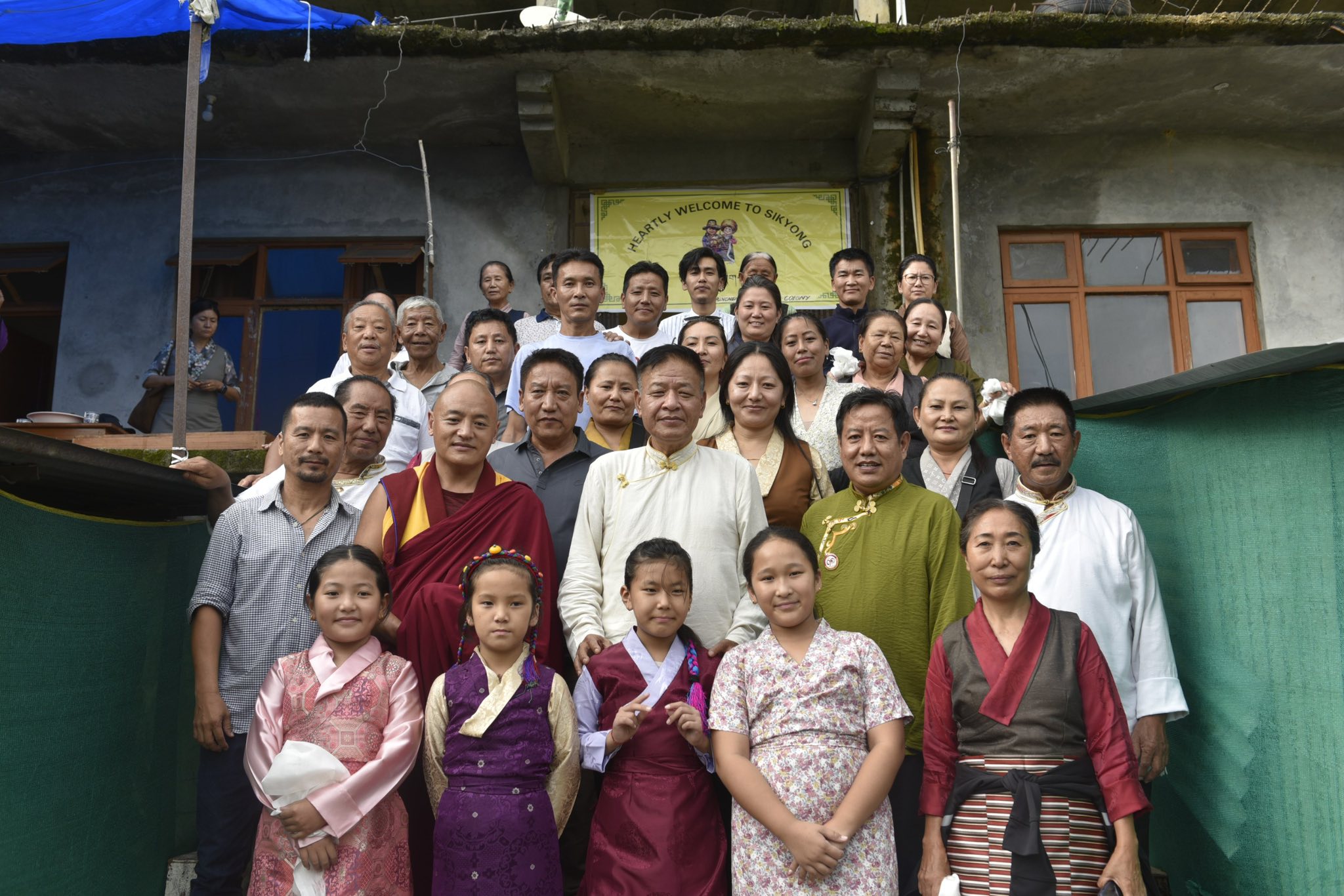
On his return from TCV Gopalpur, Sikyong also stopped at Trinchen Samdupling Colony near the school, where he interacted with the local Tibetan residents.
Later in the day, Sikyong visited Gyuto Tantric Monastery, where he was received by the abbot and the monks. Upon arrival, Sikyong paid his obeisance at the shrines and then visited the monastery’s administrative office for a brief discussion.
With these visits and interactions at TCV Gopalpur, Trinchen Samdupling Colony, and Gyuto Tantric Monastery, Sikyong Penpa Tsering successfully concluded the third day of his official tour in Dharamshala.