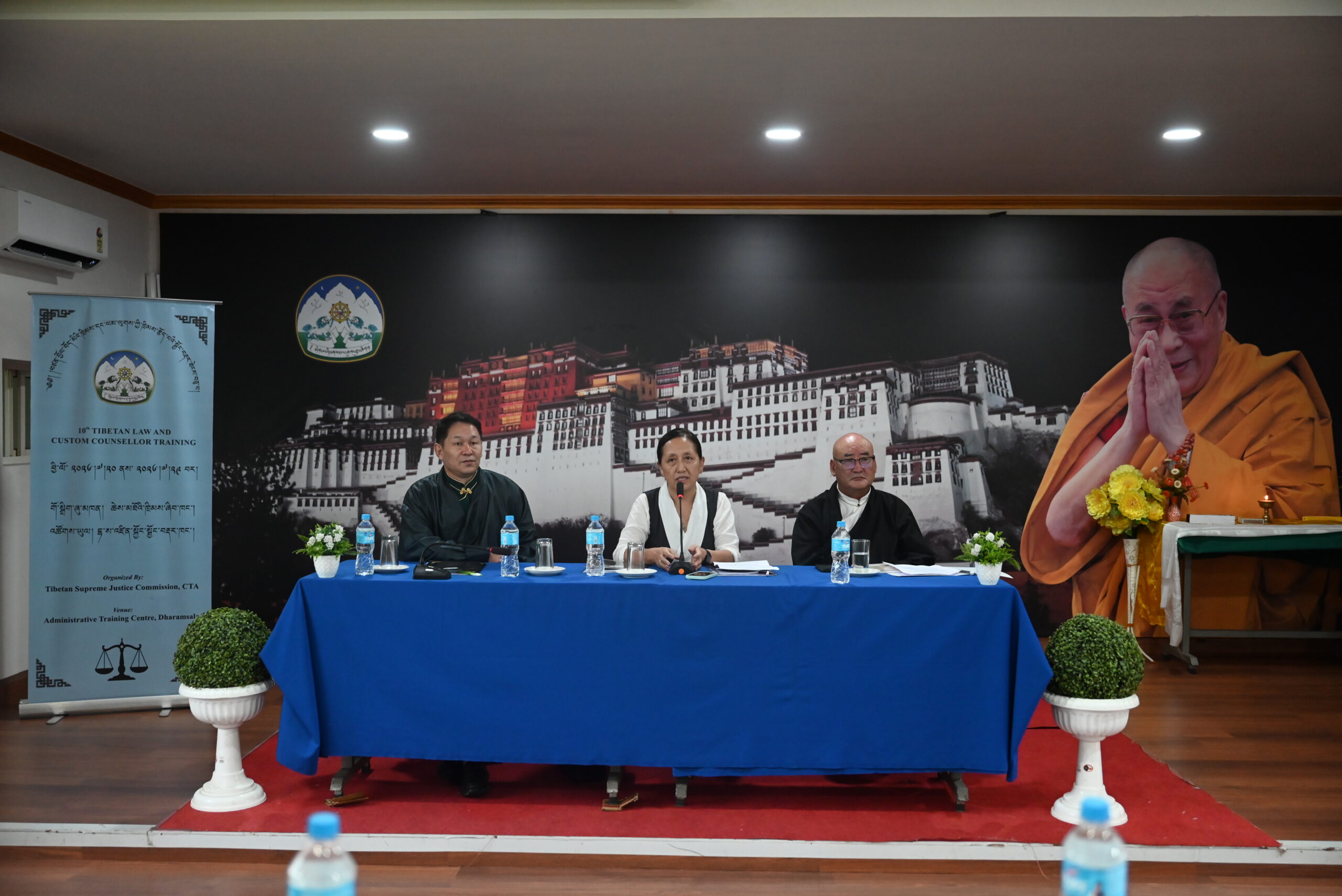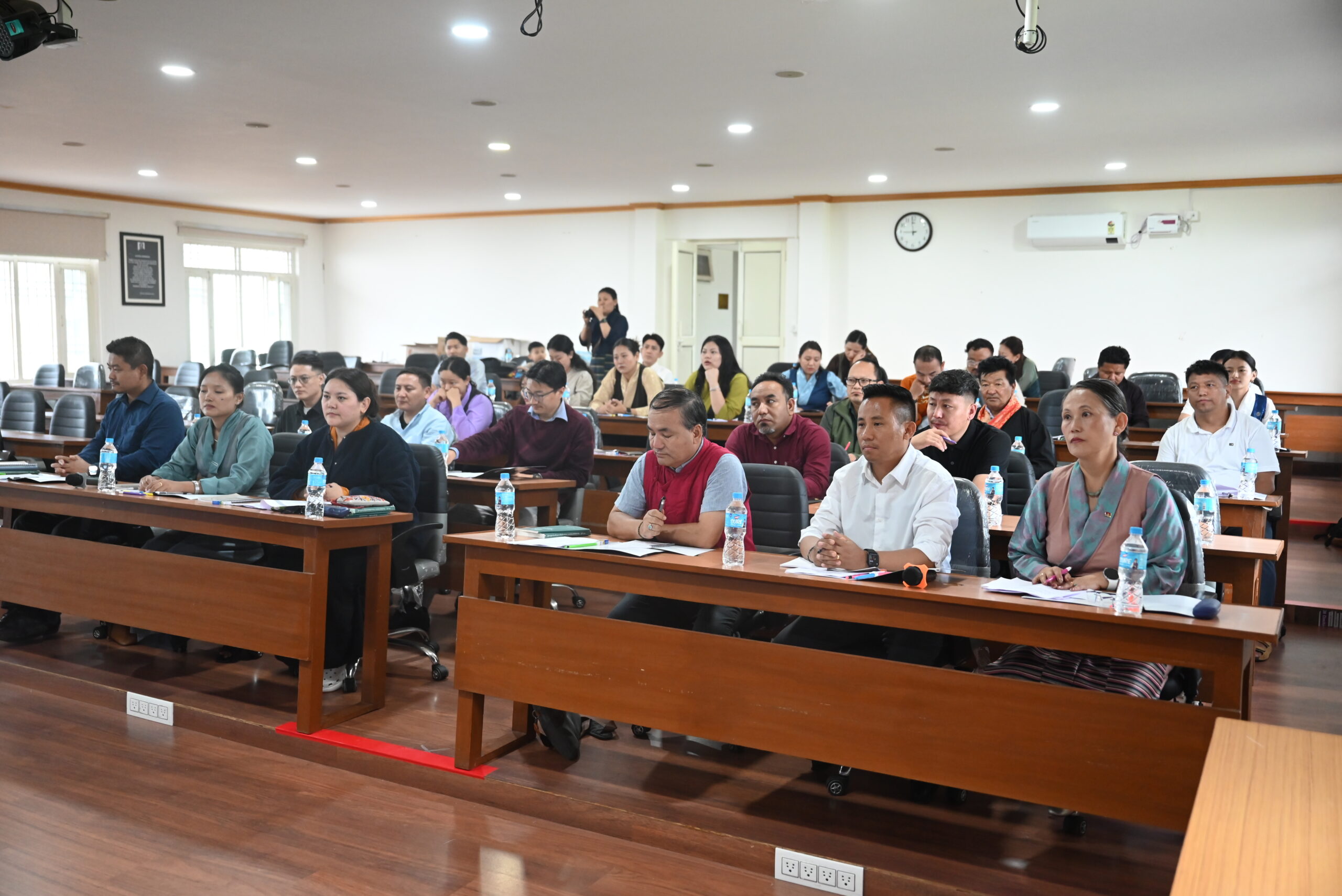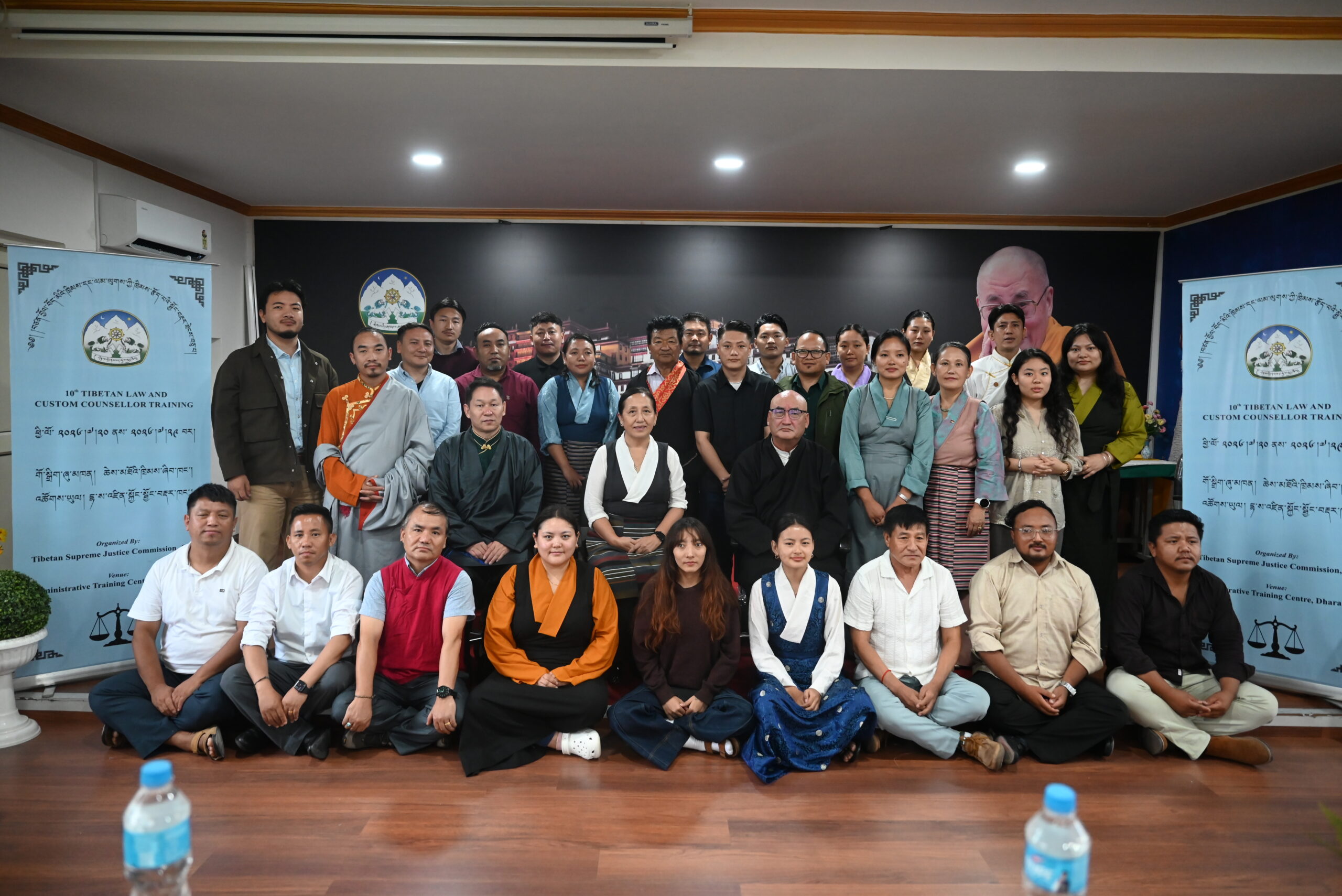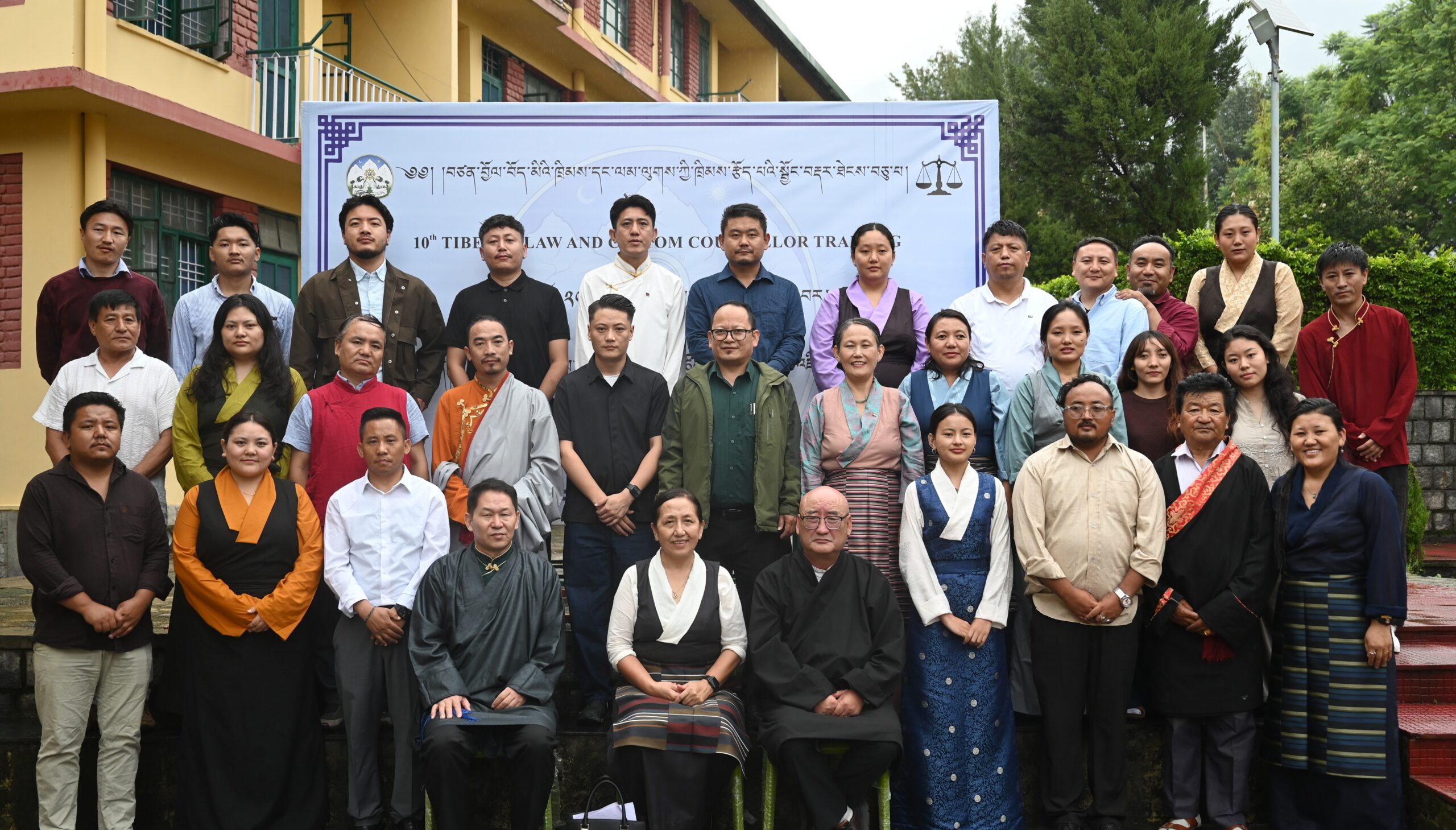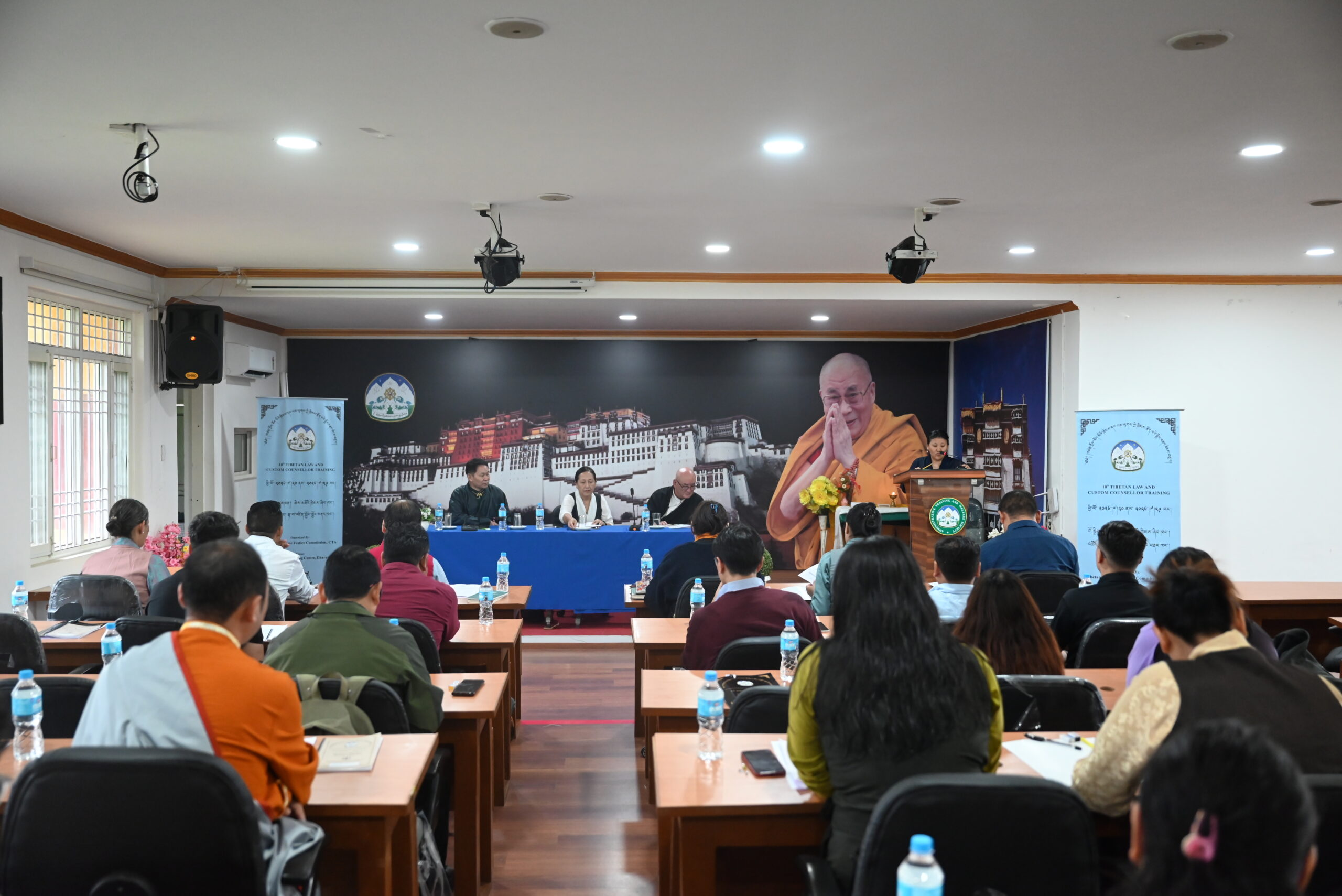
Dharamshala: The Tibetan Supreme Justice Commission (TSJC) of the Central Tibetan Administration (CTA) inaugurated the 10th Tibetan Law and Custom Counsellor Training at the Administrative Training and Welfare Society this morning. The ten-day training, being held from 20 to 29 July, has brought together 25 participants, including Tibetan legal professionals, CTA civil servants, and staff of the Tibetan Supreme Justice Commission.
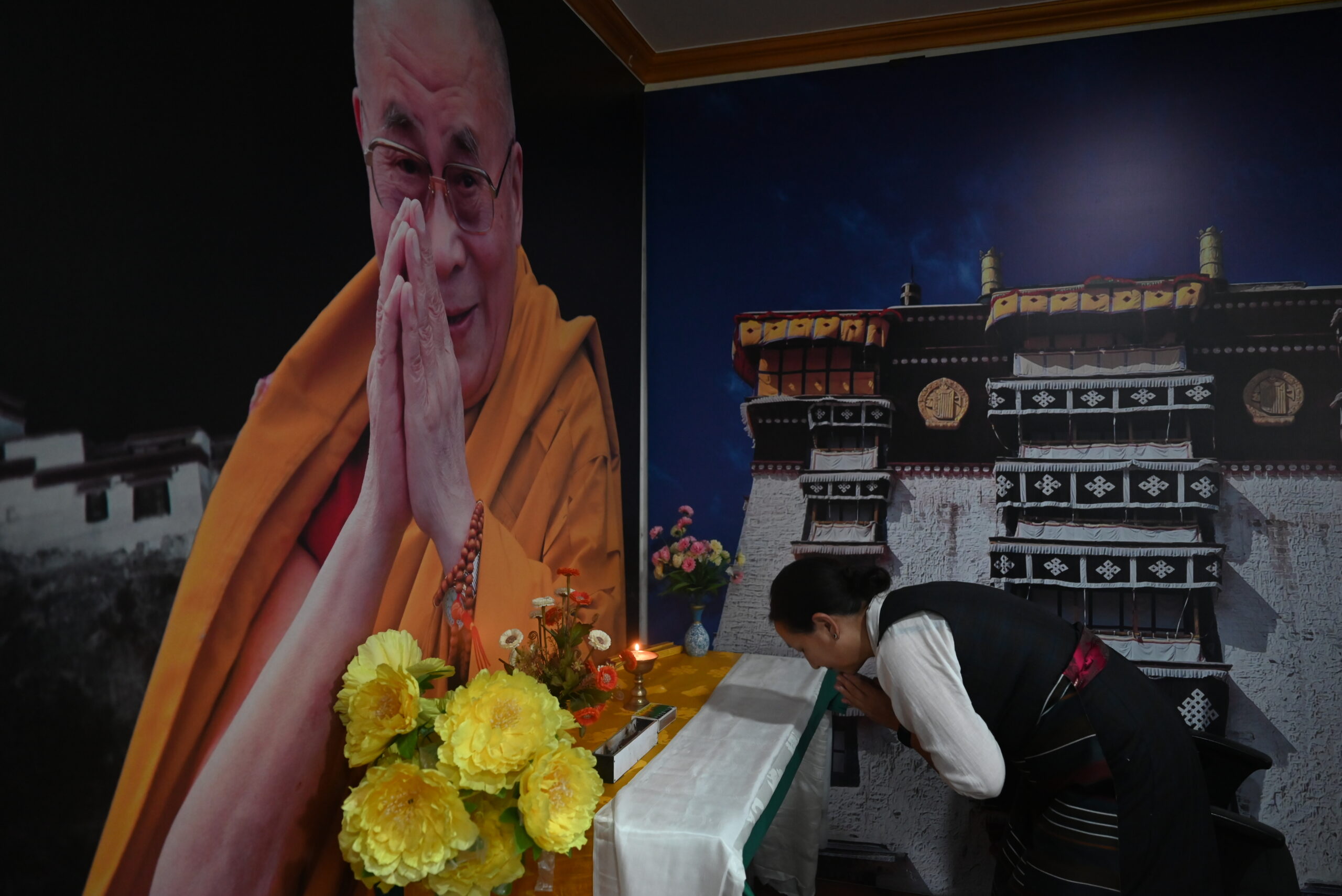
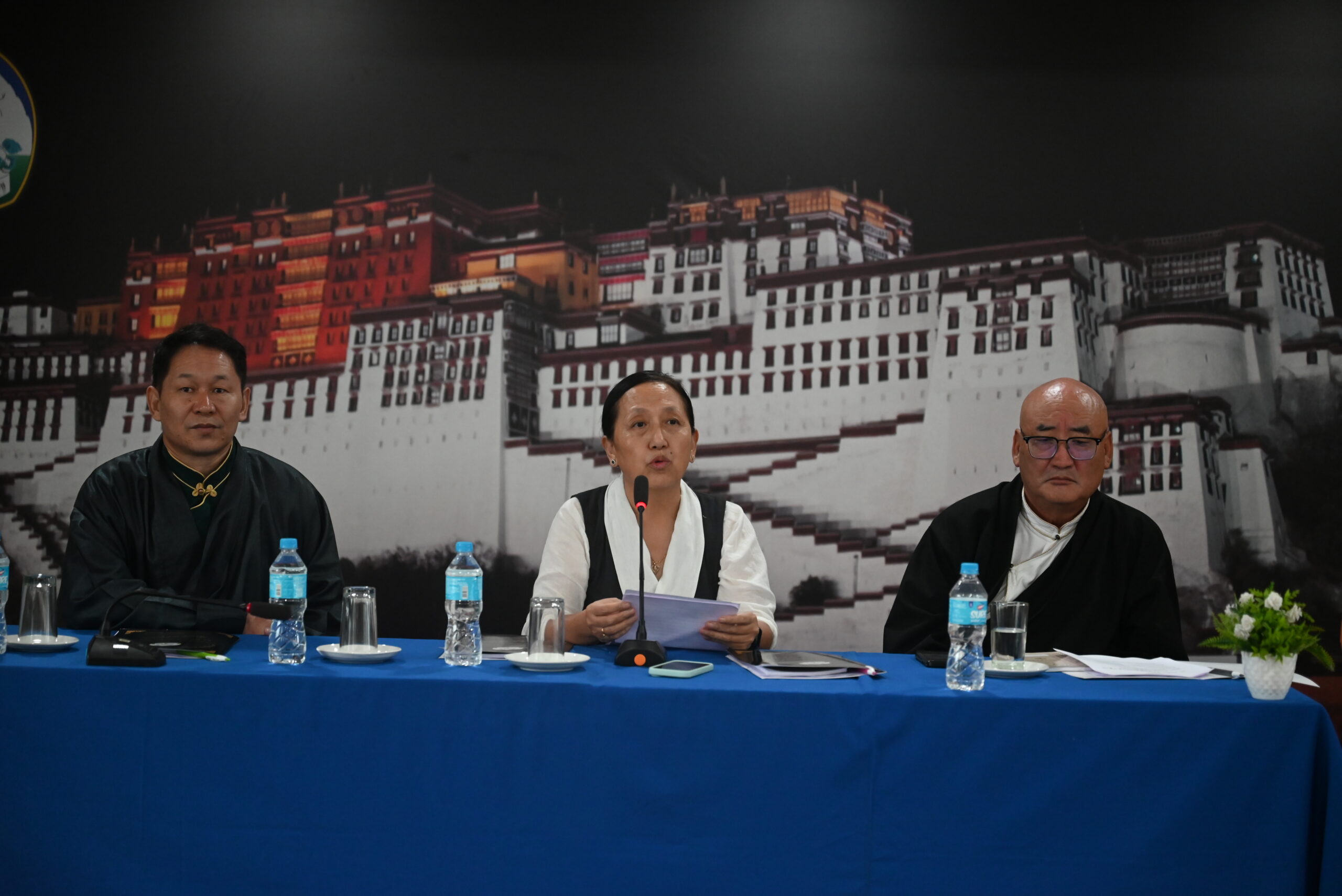
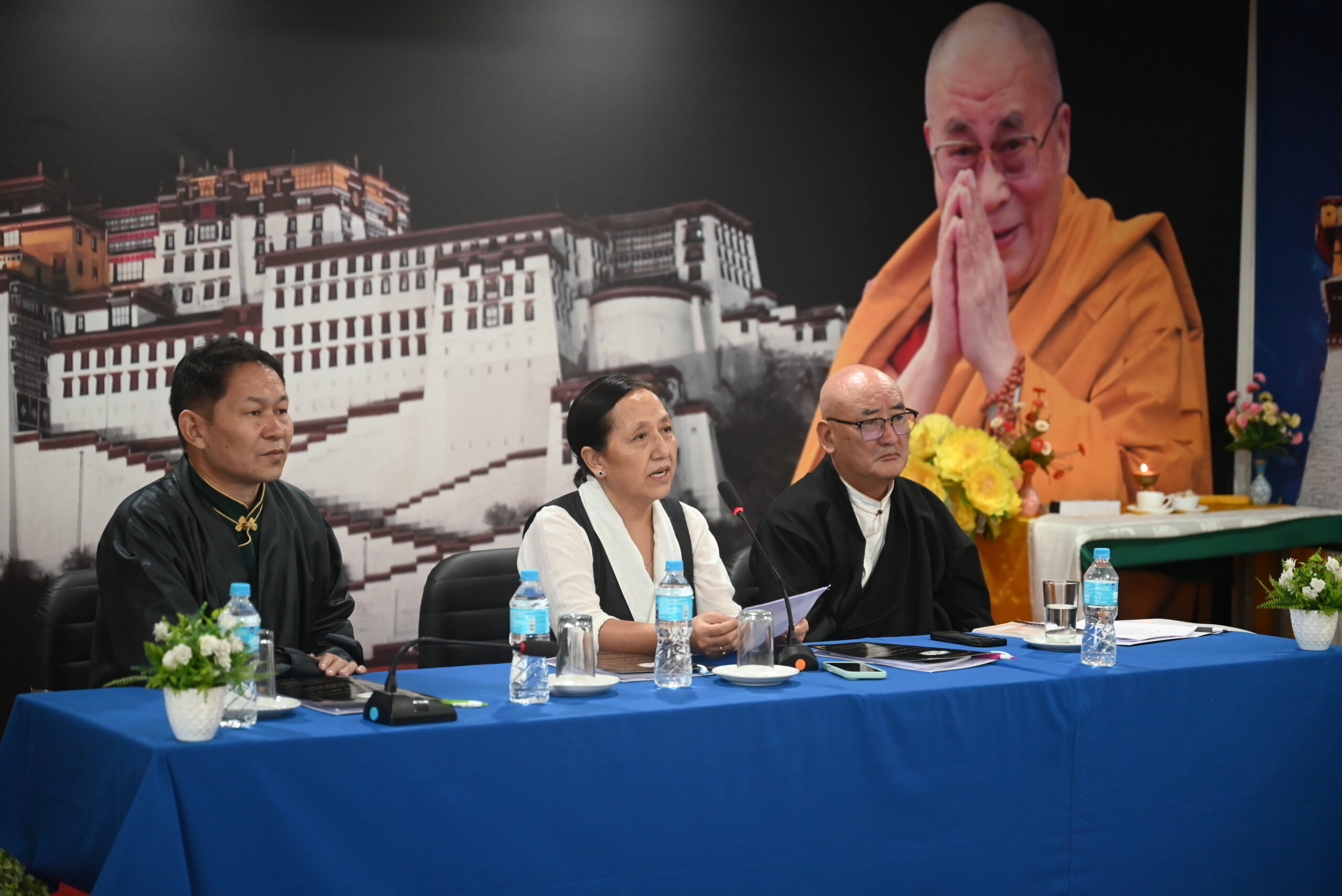
The inaugural ceremony was presided over by Chief Justice Commissioner Yeshi Wangmo, who formally opened the programme by lighting a butter lamp before the portrait of His Holiness the Dalai Lama. She was joined on the dais by Justice Commissioner Phagpa Tsering and Secretary of the TSJC, Lhaduk.
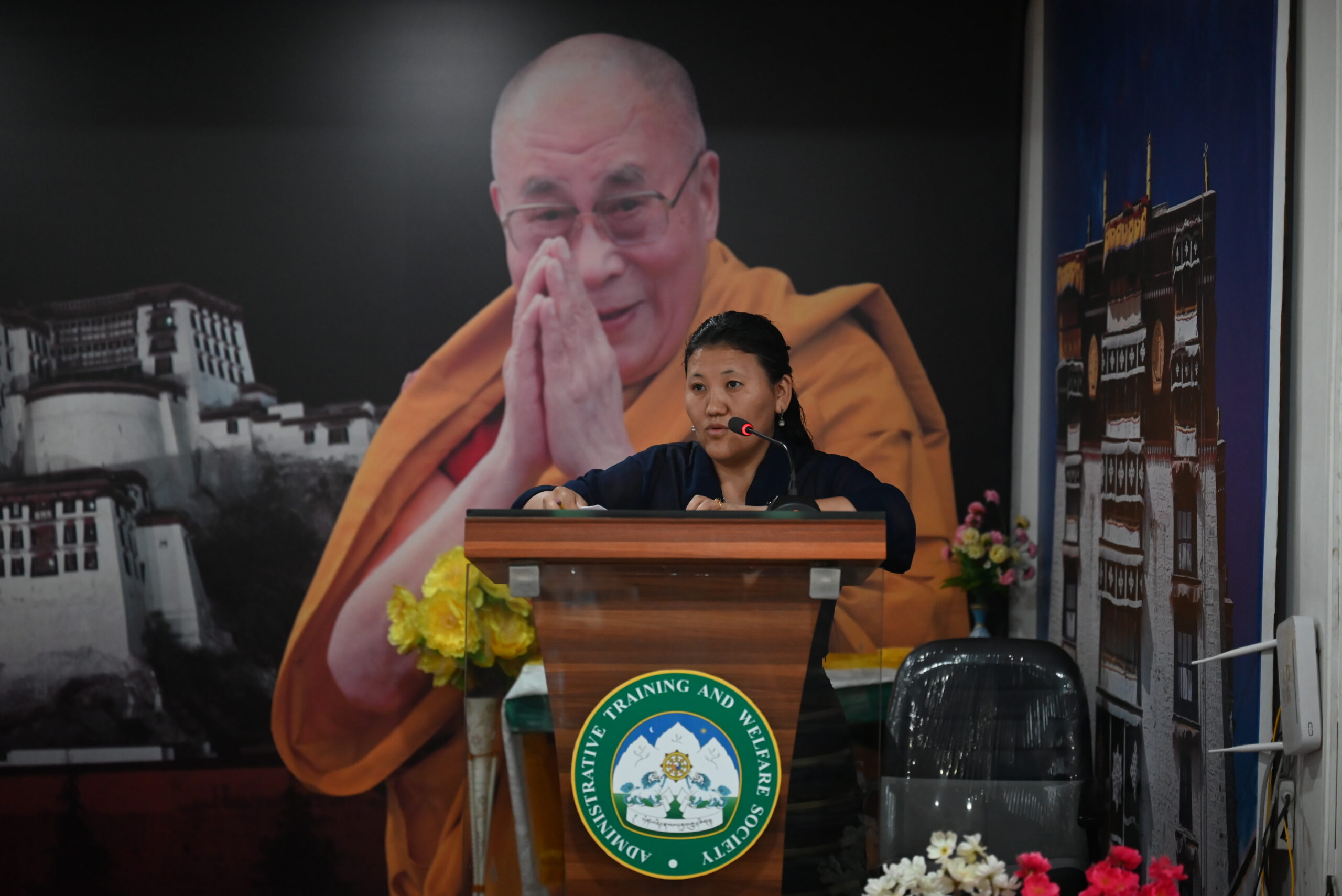
The Chief Justice Commissioner, in her address, underscored the significance of the legal training programme, noting that the previous workshop was held in 2019. She remarked that despite losing homeland and living in exile, Tibetans have been able to practise democracy like an independent nation under the guidance and compassion of His Holiness the Dalai Lama.
She explained that the Tibetan Supreme Justice Commission was established in 1992 and is founded upon three principal legal frameworks: the Code of the Judiciary, the Civil Procedure Code, and the Rules of Evidence. Stressing the importance of understanding these legal provisions, she said that any member of the Tibetan community wishing to file a case should first be familiar with these three legal codes.
The Chief Justice Commissioner observed that public awareness of the Tibetan legal system remains limited and requires greater attention. She said the training programme was organised to bridge this gap, with a particular focus on individuals with a legal background while also making legal education more accessible to the wider community.
She further emphasised that Tibetans, as a people living in exile and practising democracy through the benevolence of His Holiness the Dalai Lama, should value and uphold this unique opportunity with a deep sense of responsibility. She noted that the Government of India has permitted the Tibetan community to maintain its judicial system, described as a parallel system of governance, which is a rare arrangement not extended to Tibetan communities elsewhere. Given its fragile nature, she urged participants to safeguard and respect this privilege.
Highlighting the efforts of the Tibetan Justice Commission, she said the office has consistently organised legal awareness workshops over the years. However, participation has often fallen short of expectations, while misinformation and inadequate understanding of Tibetan law continue to persist within the community. She therefore encouraged participants to make the most of the training and share accurate legal knowledge with others.
Concluding her address, the Chief Justice Commissioner said that the current legal codes are enshrined in the Charter of Tibetans in Exile and are designed to serve the Tibetan administration in exile. She explained that the Tibetan judiciary has a separate jurisdiction, with its authority confined to civil disputes within the Tibetan community, such as family matters and property-related cases involving land allotted to Tibetans by the Government of India.
She concluded by stating that His Holiness the Dalai Lama’s vision in establishing and nurturing the Tibetan judicial system is for the experience and legal practices developed in exile to one day be carried back to Tibet. She wished all participants success in the workshop.
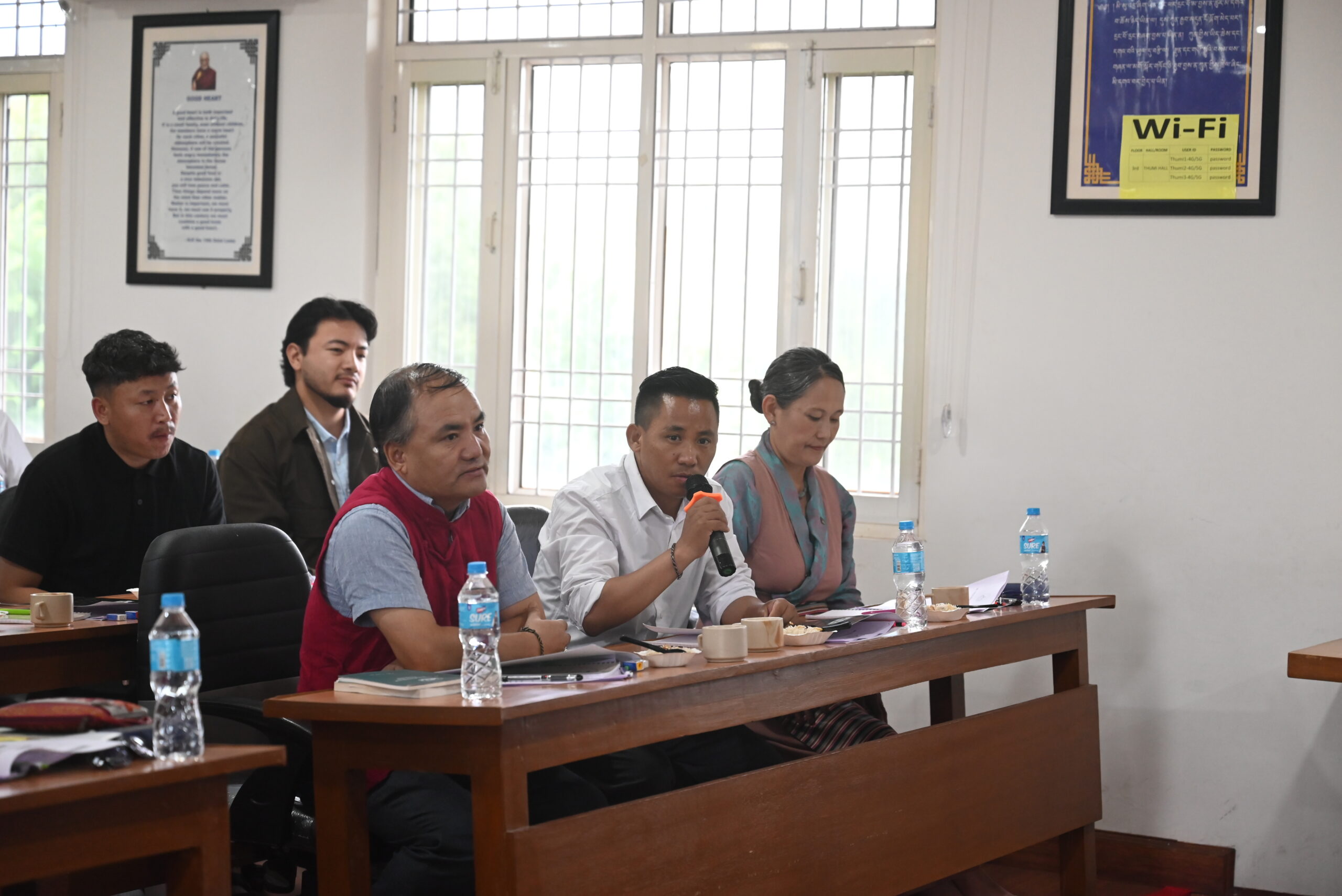
Following the Chief Justice Commissioner’s address, the participants introduced themselves, after which the inaugural session concluded with a group photograph.