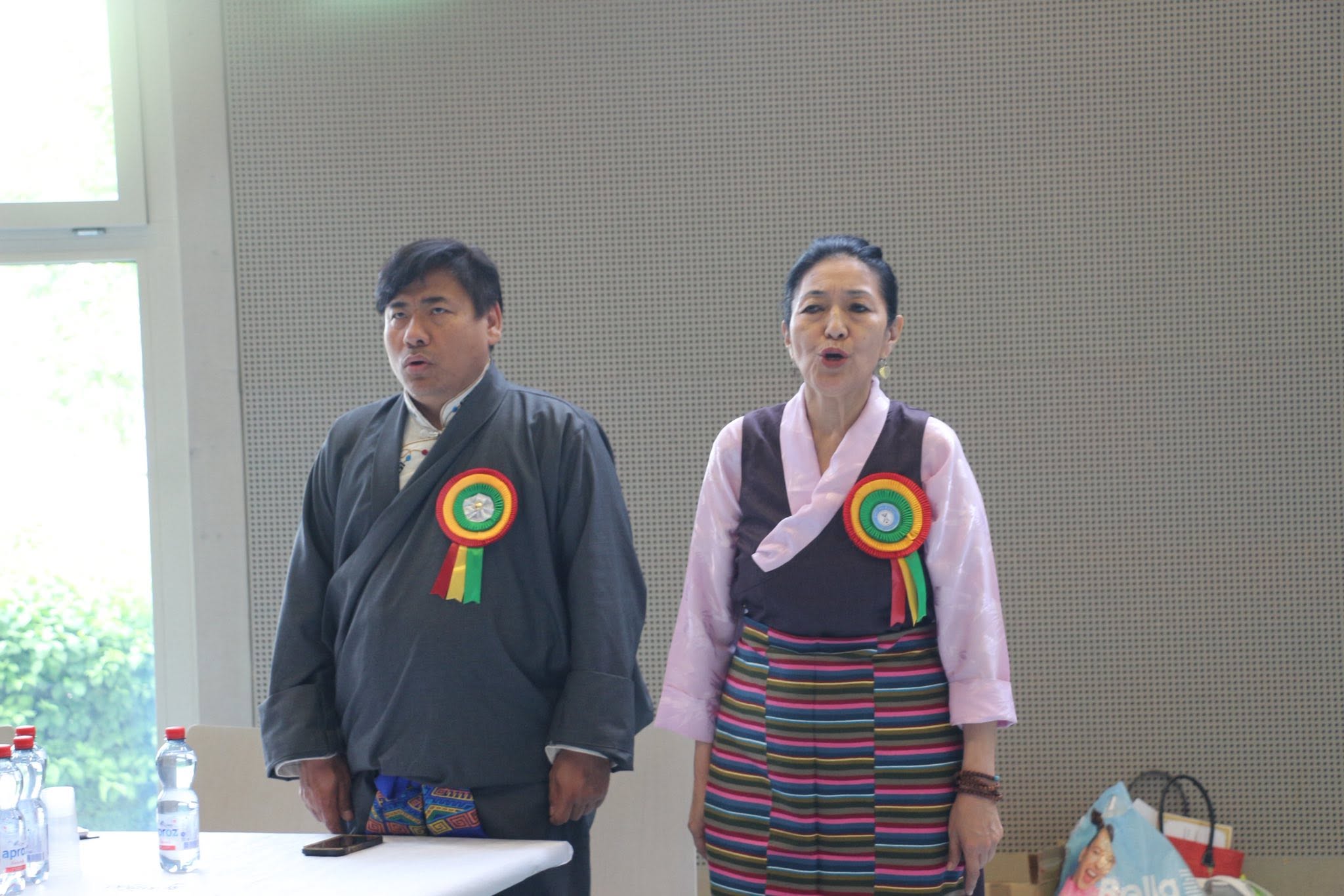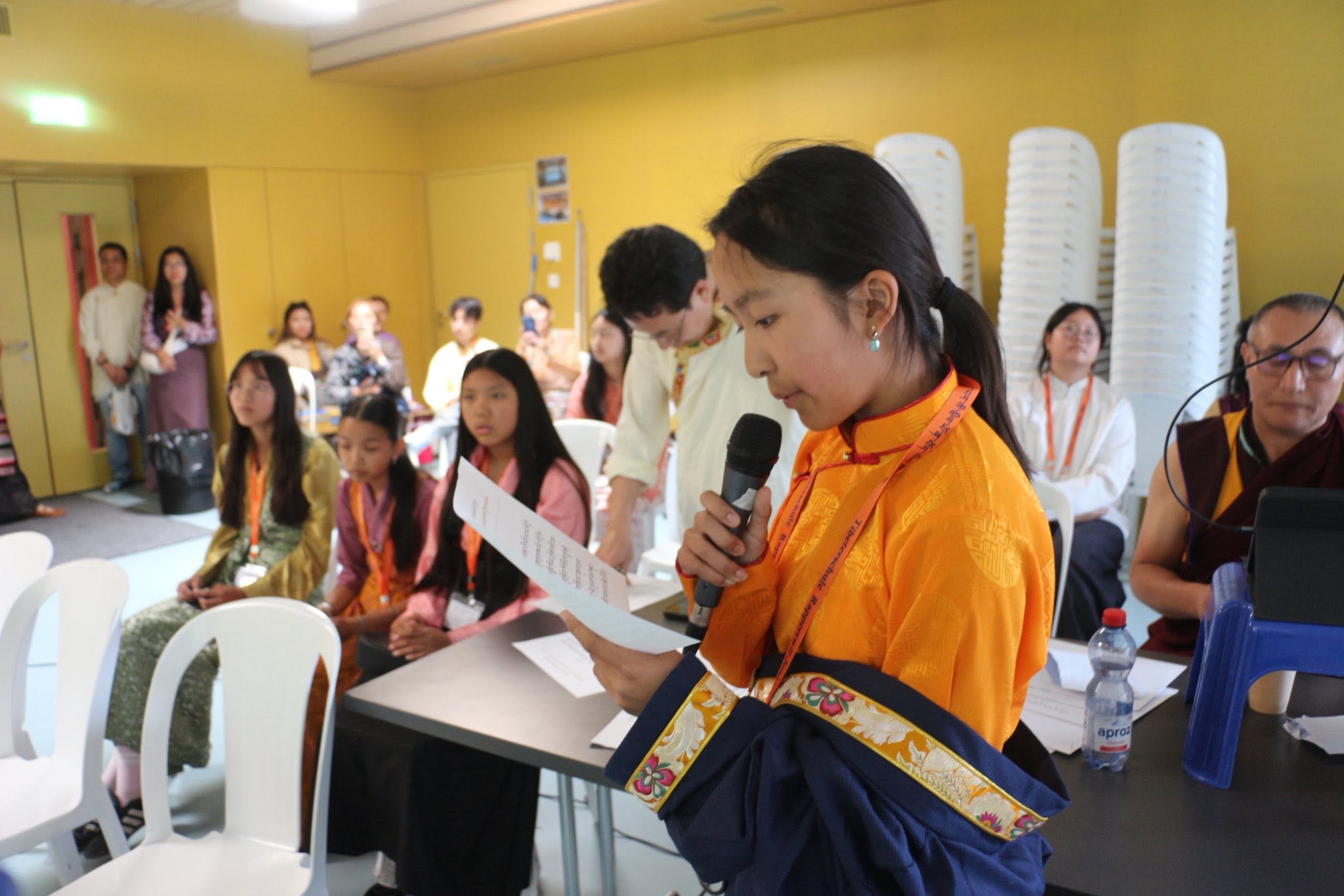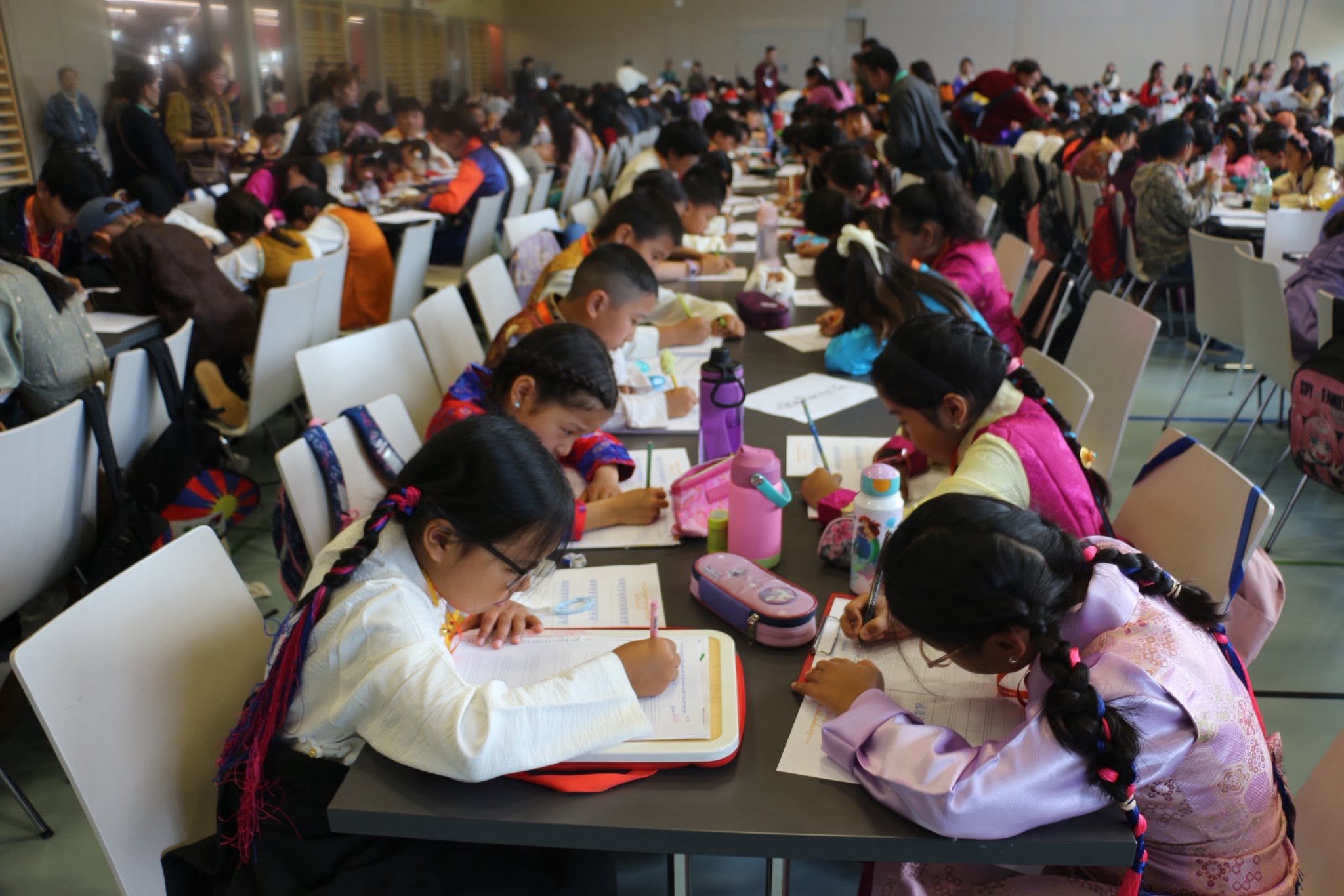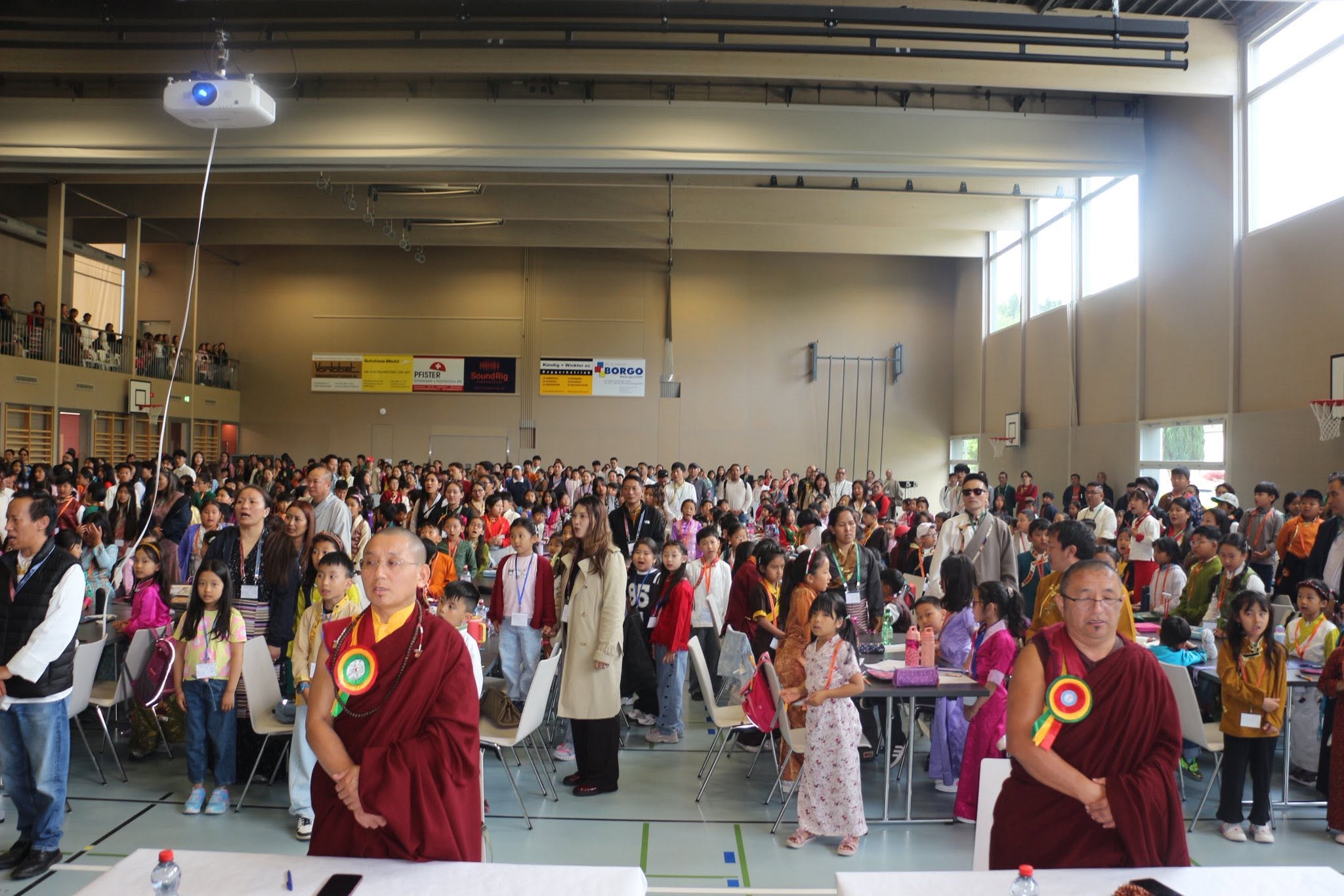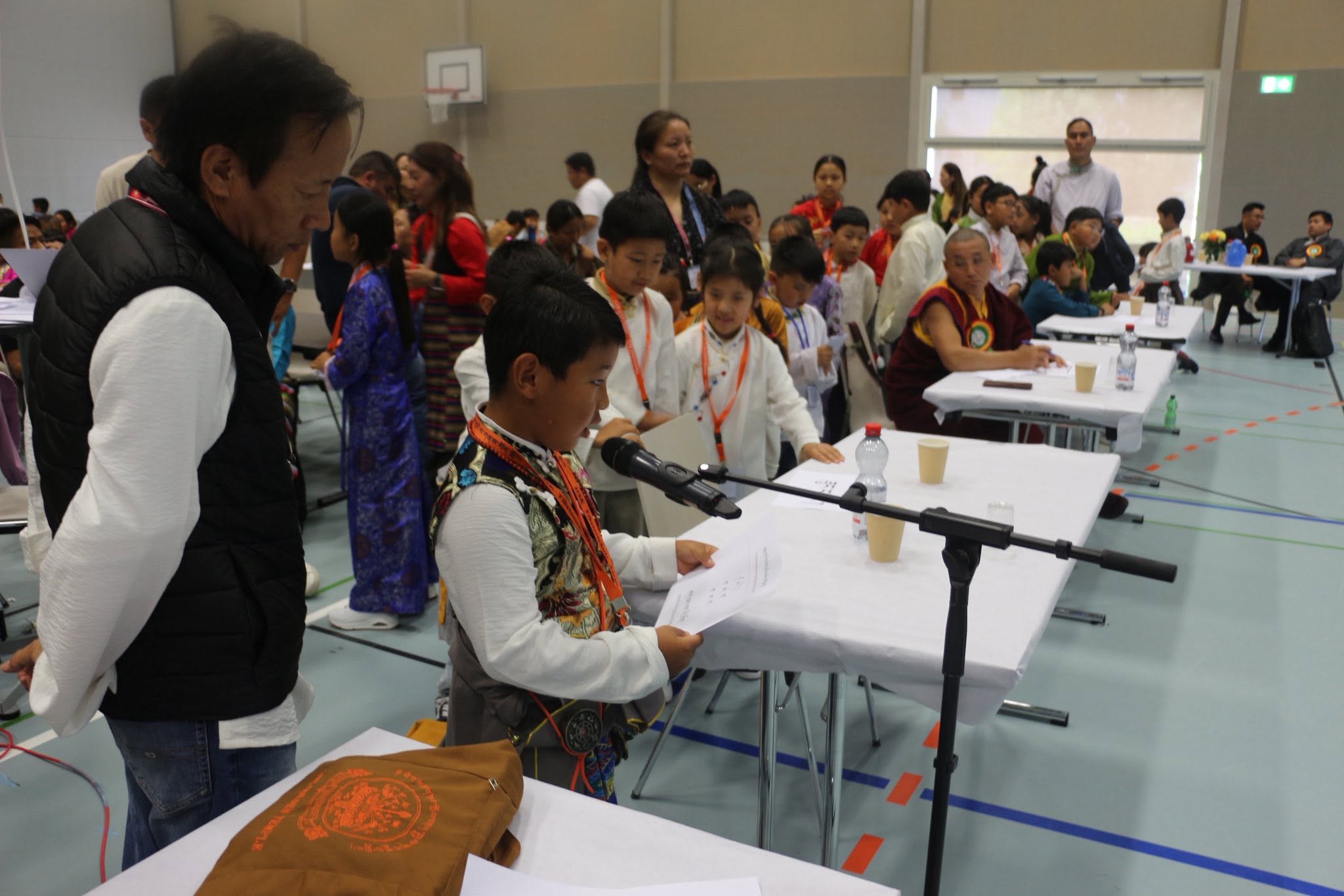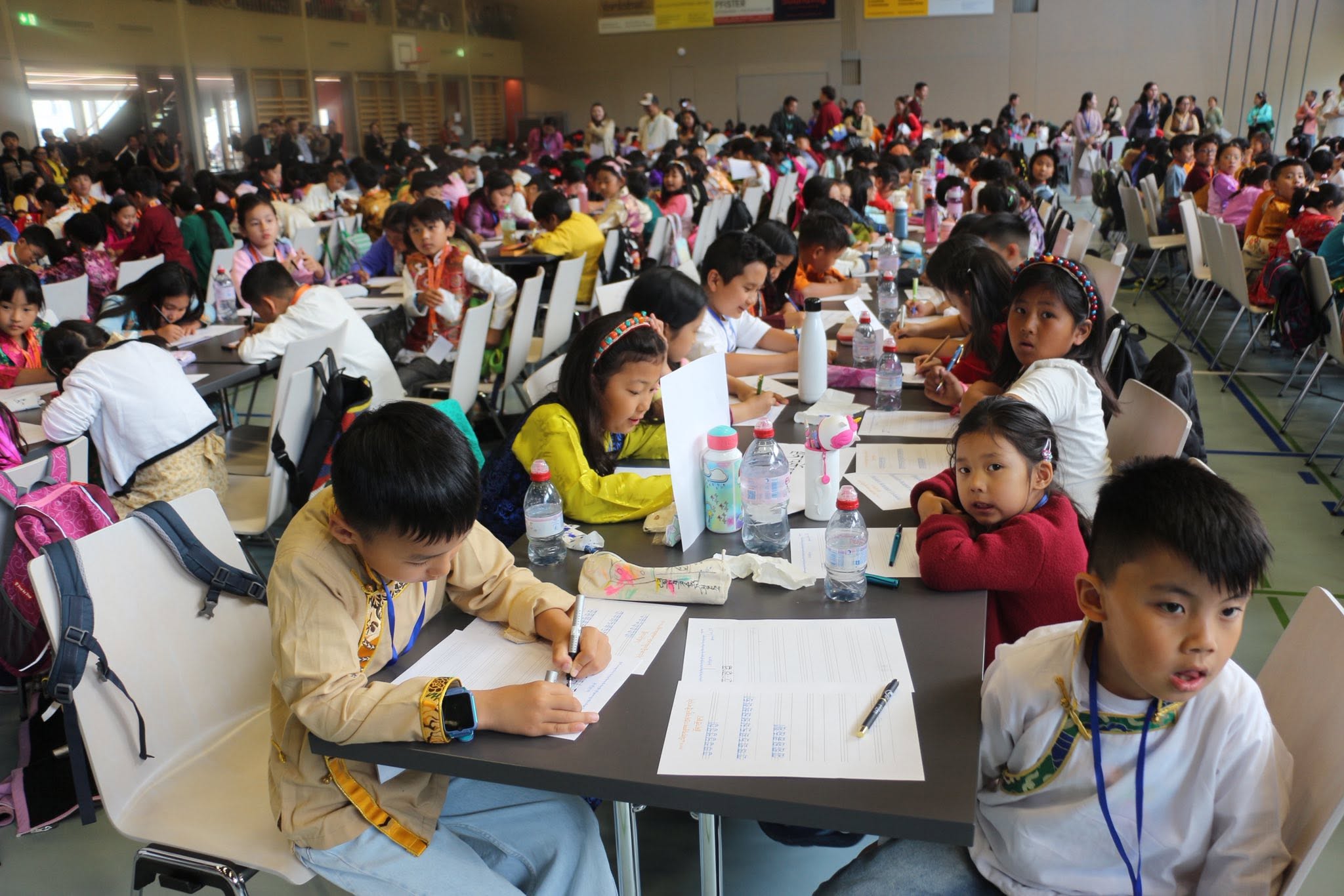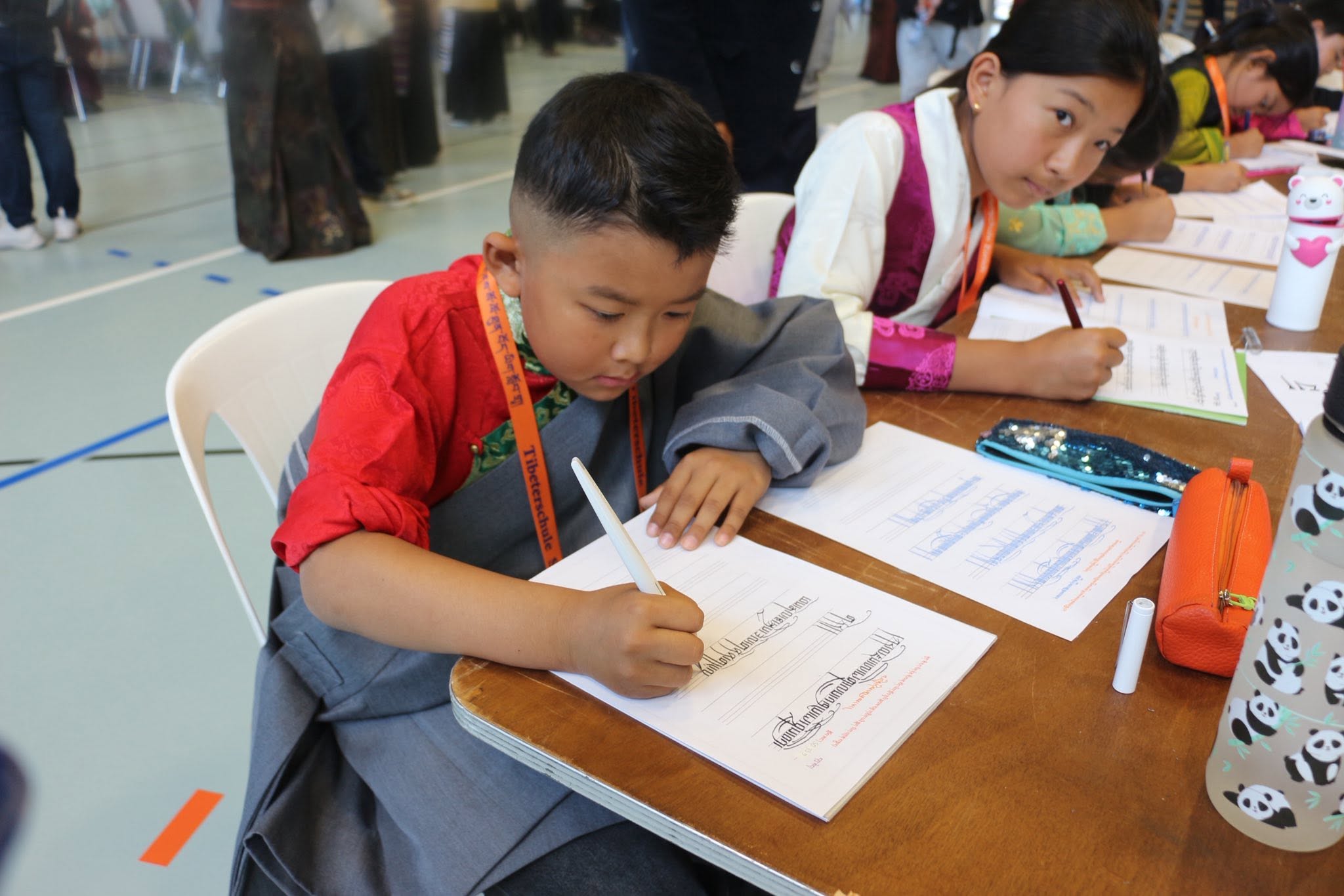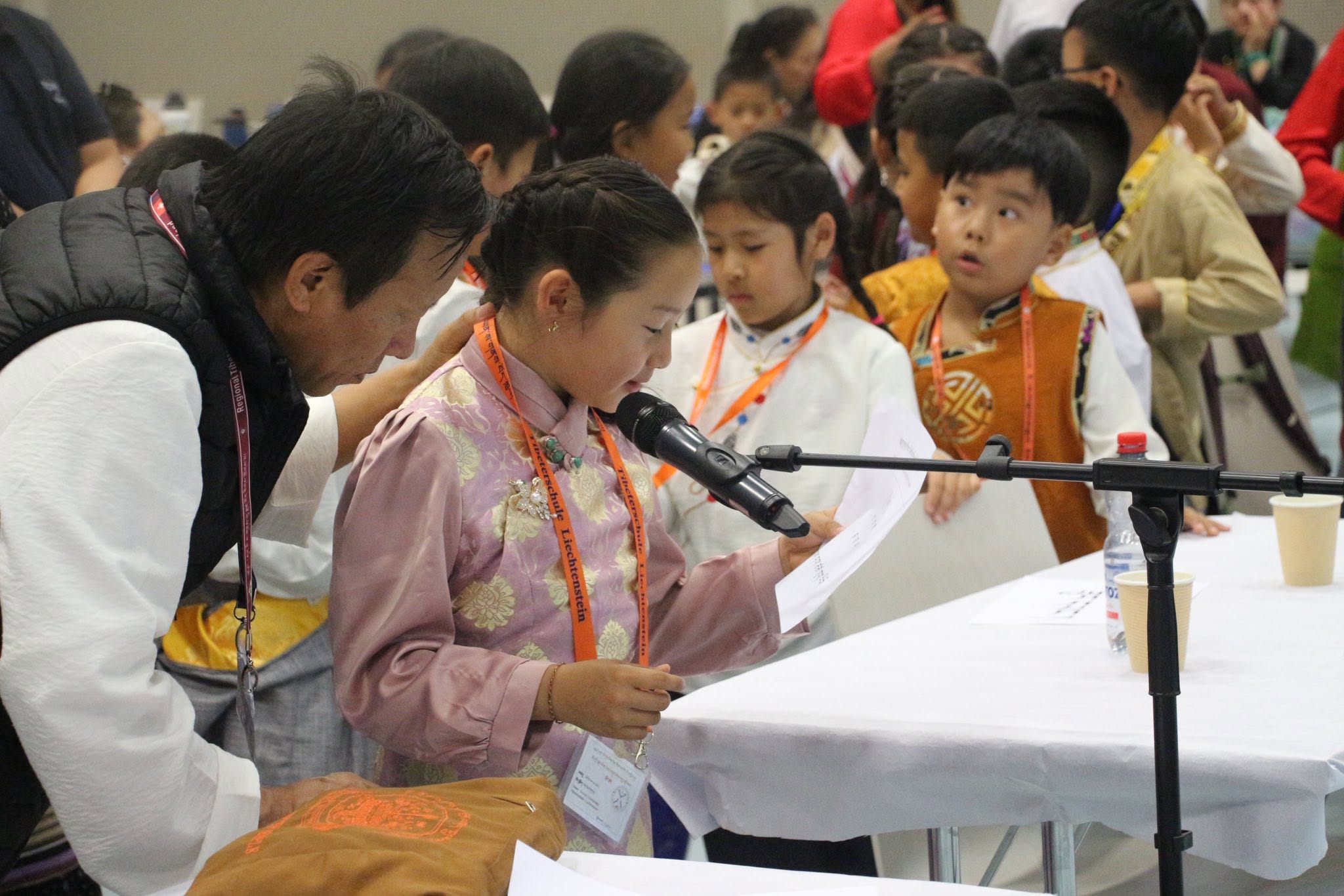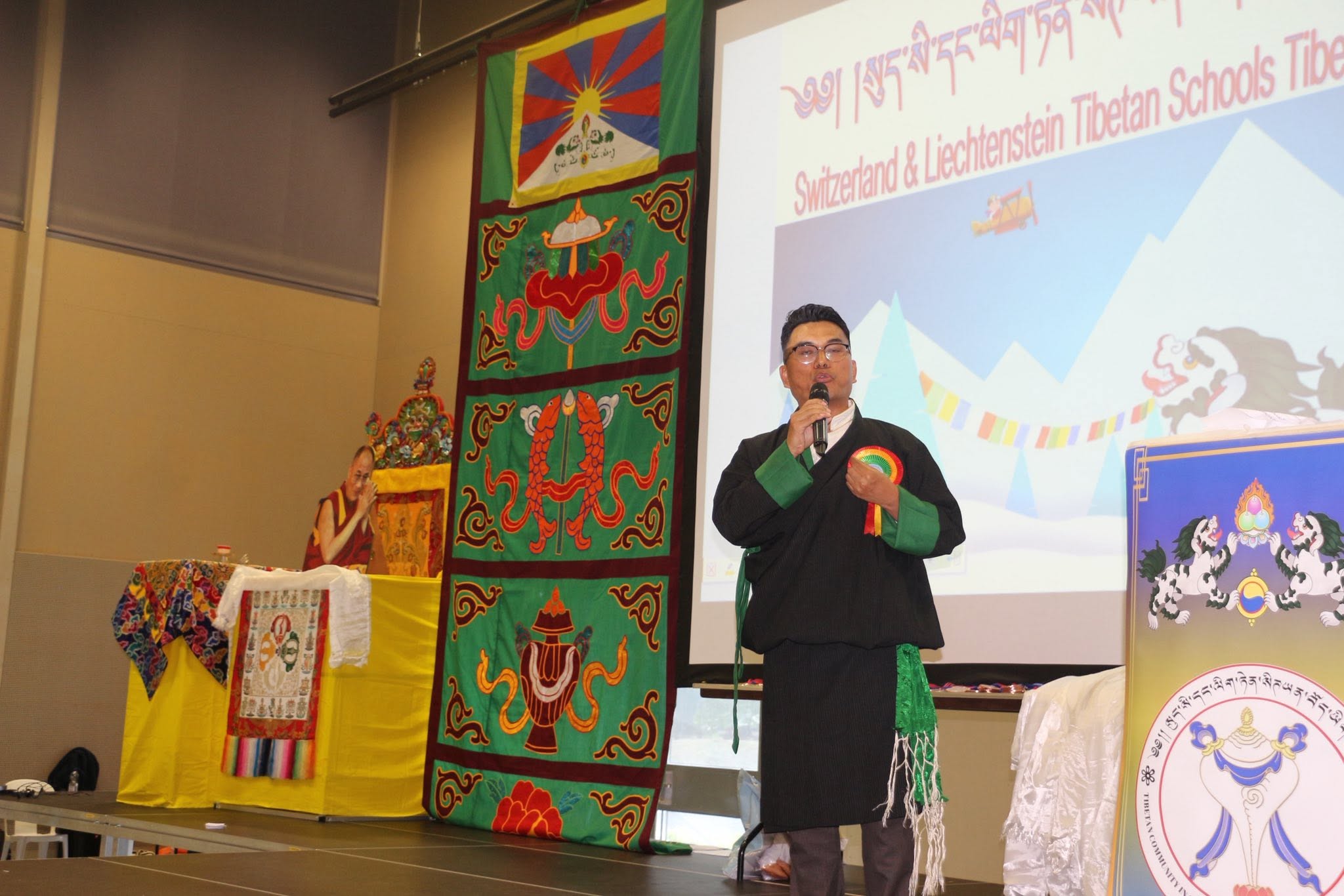
Geneva: On 6 June 2026, the Tibetan Community of Switzerland and Liechtenstein (TCSL) celebrated the 11th Tibetan Language Day in Winterthur, Switzerland, bringing together hundreds of Tibetan children, parents, teachers, and community members to promote and preserve the Tibetan language and cultural heritage.
According to TCSL records, approximately 706 students are currently enrolled in Tibetan weekend schools across 25 cantons in Switzerland. Among them, around 490 students between the ages of 7 and 16 participated in this year’s Tibetan Language Day celebration. The event featured a variety of competitions, including Tibetan handwriting, reading, poetry recitation, and quiz contests, providing students with an opportunity to demonstrate their language skills and knowledge of Tibetan culture.
The celebration was attended by several distinguished guests, including the Abbot of Rikon Monastery, Kelsang, Vice President of TCSL, as well as Phuntsok Topgyal, UN Advocacy Officer of the Tibet Bureau in Geneva, who participated on behalf of Representative Thinlay Chukki.
In his address to the gathering, Phuntsok Topgyal expressed his joy at seeing the large number of Tibetan children participating in the event. He noted that, although he often spoke about the growth of the Tibetan population in exile during his time as a Settlement Officer in India, seeing so many Tibetan children gathered together in Switzerland was particularly encouraging and inspiring.
He emphasised that language is one of the most important foundations of a nation. According to him, the loss of a language is not merely the loss of words or scripts but also the loss of a people’s history, culture, identity, and collective memory. He stressed that preserving the Tibetan language is therefore essential for safeguarding Tibetan identity and heritage.
Referring to data from UNESCO, Phuntsok Topgyal noted that there are approximately 7,000 languages spoken worldwide and that, on average, one language disappears every two weeks. This means that nearly 24 to 25 languages vanish each year. He further explained that UNESCO has warned that as many as half of the world’s languages could disappear during this century, placing Tibetan among the languages that require continued protection and preservation efforts.
Phuntsok Topgyal outlined several factors contributing to language decline. First, he observed that many people gradually lose interest in their mother tongue and focus primarily on languages taught in schools or those perceived to offer better employment opportunities. Second, the rapid advancement of technology, business, computing, and artificial intelligence has led to the dominance of a few global languages, such as English, Chinese, and Spanish, while many smaller languages receive less attention and usage. Third, he pointed to government policies in some countries that restrict minority languages and promote the exclusive use of dominant national languages. He cited the situation in Tibet as an example of such concerns.
He urged Tibetans to remain conscious of the importance of preserving their language and cultural heritage. He explained that human development consists of both external and internal dimensions. While the modern world has achieved remarkable technological and economic progress, many societies continue to face challenges related to mental health, stress, and depression. In this context, he highlighted the value of Tibetan Buddhism and Tibetan knowledge traditions as important resources for inner development and well-being. He noted that learning the Tibetan language enables a deeper understanding of these teachings in their original form.
Phuntsok Topgyal also encouraged parents to play an active role in language preservation. Recognising the challenges faced by Tibetan communities living in the diaspora, particularly the absence of separate Tibetan schools comparable to those in India, he emphasised that families can still create opportunities for children to learn and use Tibetan at home. He encouraged parents to cultivate their children’s interest in the language from an early age and to support their continued learning.
The 11th Tibetan Language Day concluded with strong participation from students, teachers, parents, and community leaders, reaffirming the Tibetan community’s commitment to preserving and promoting the Tibetan language for future generations.
– Report filed by Office of Tibet, Geneva