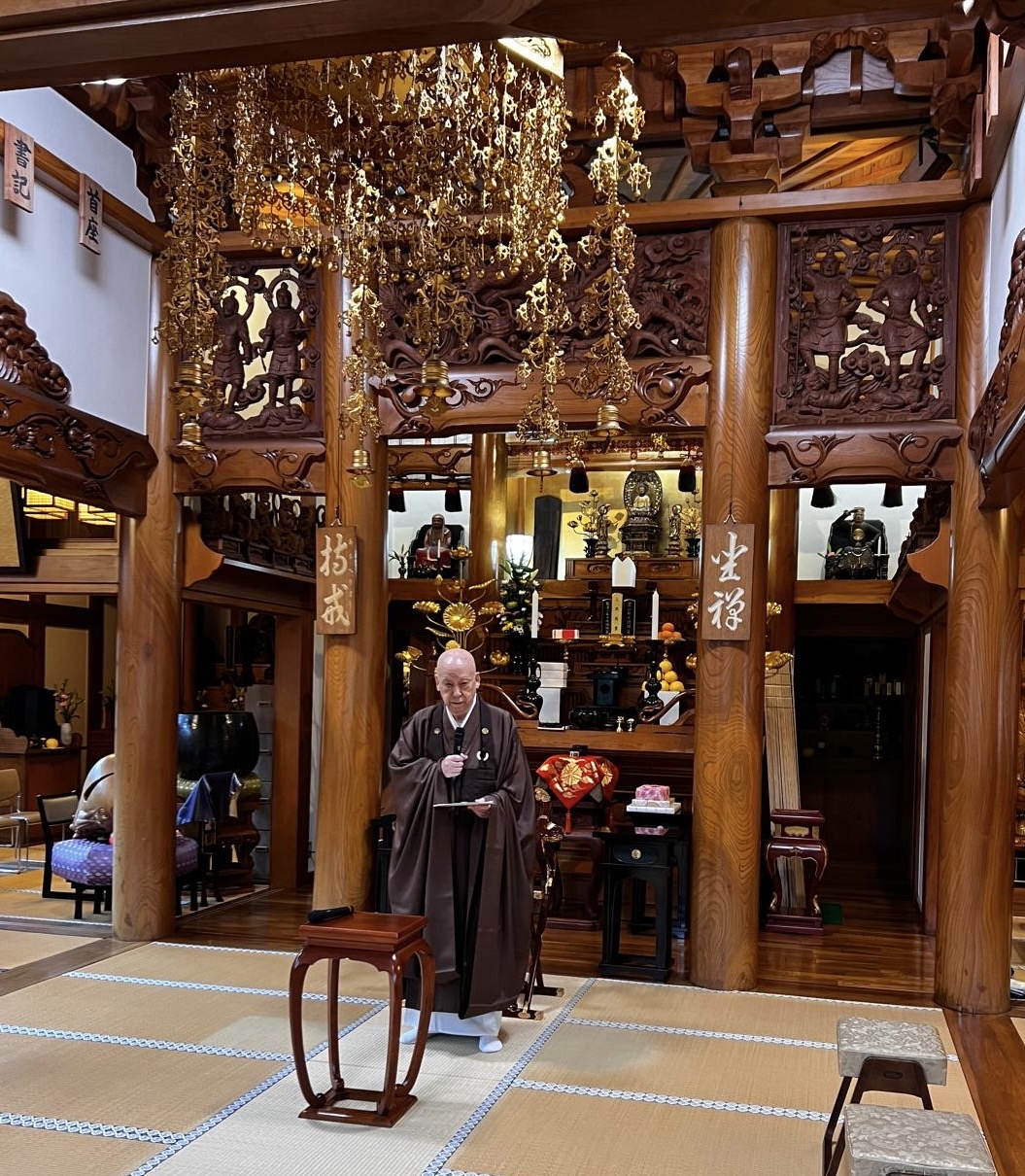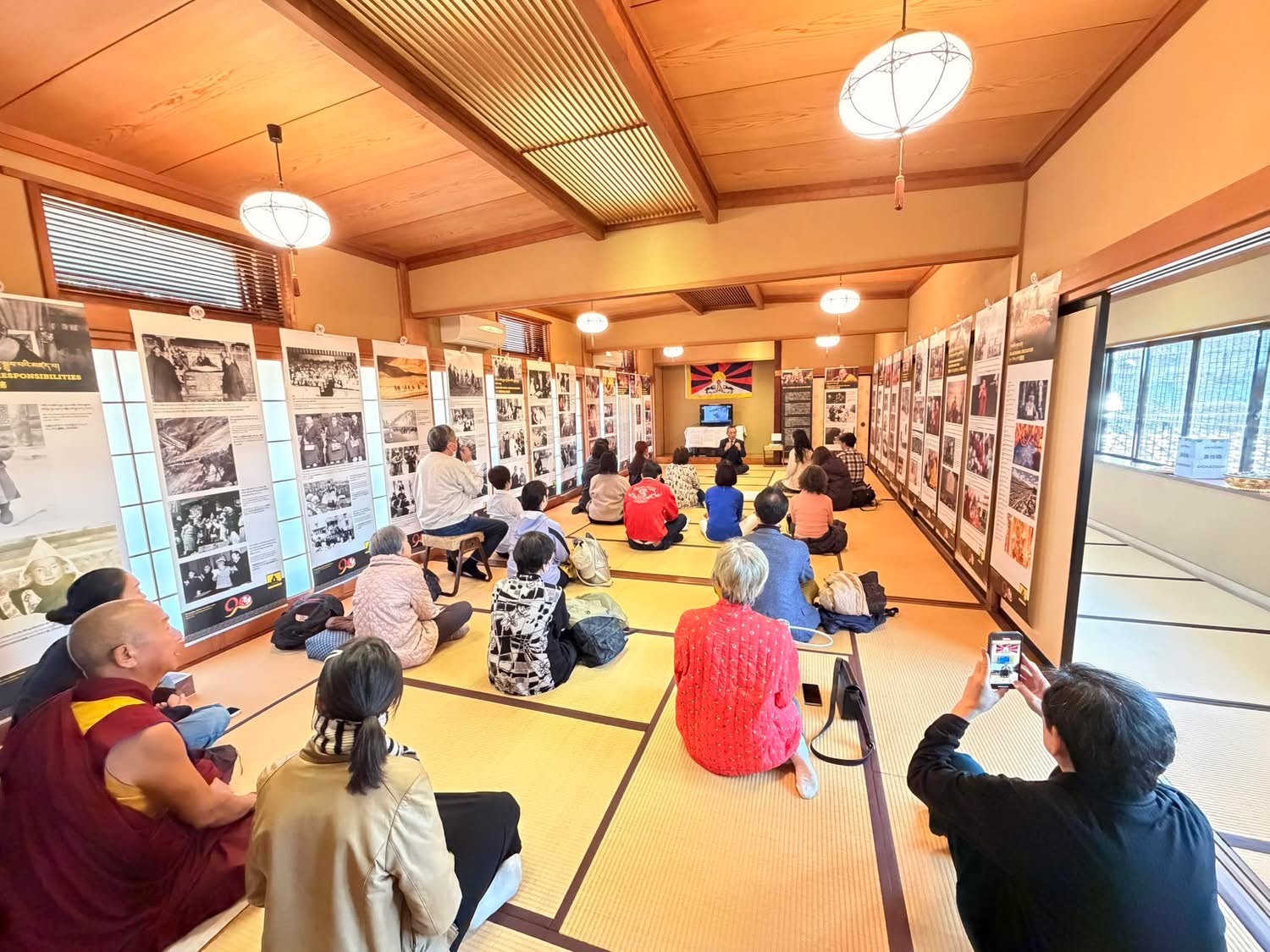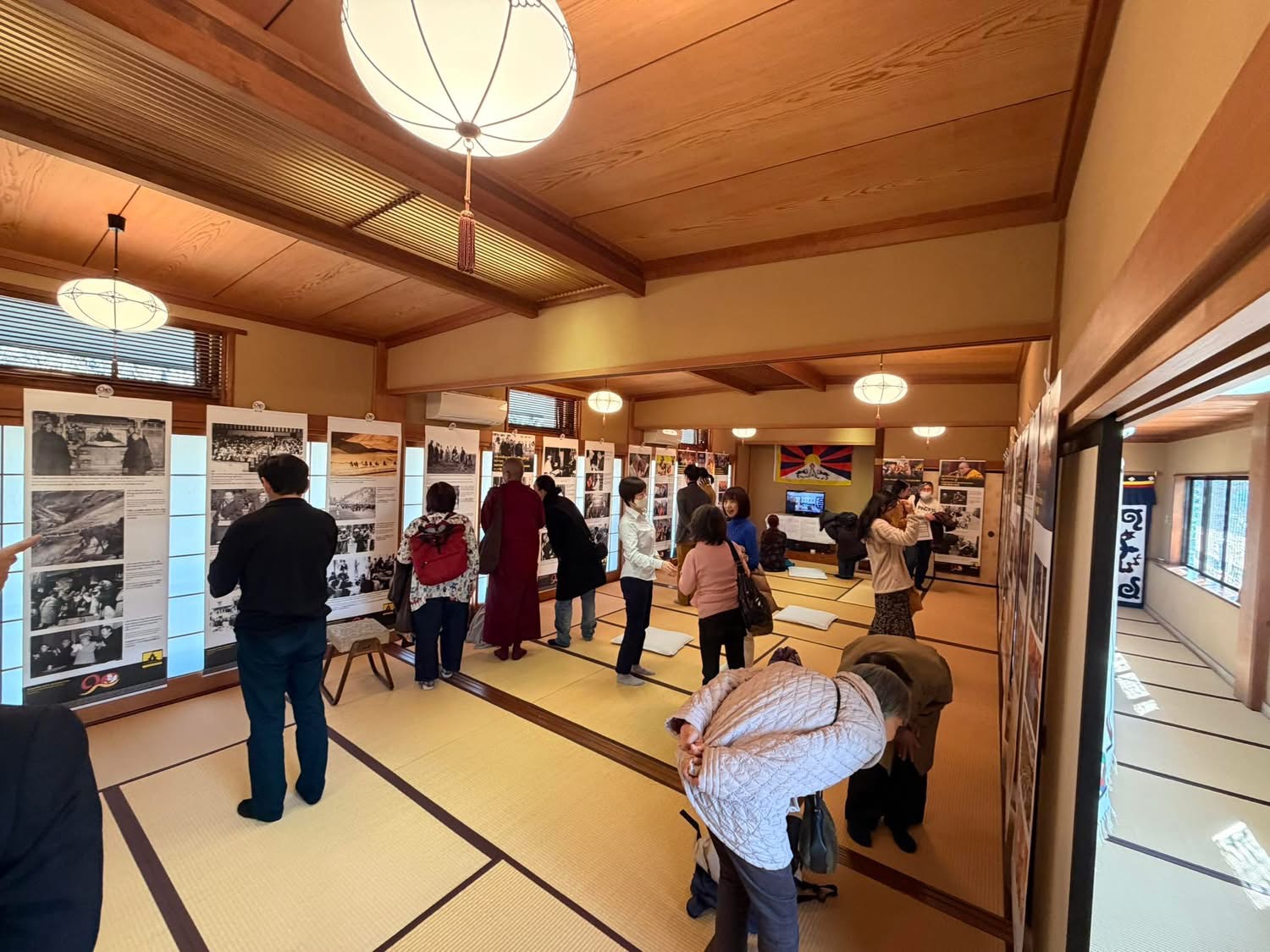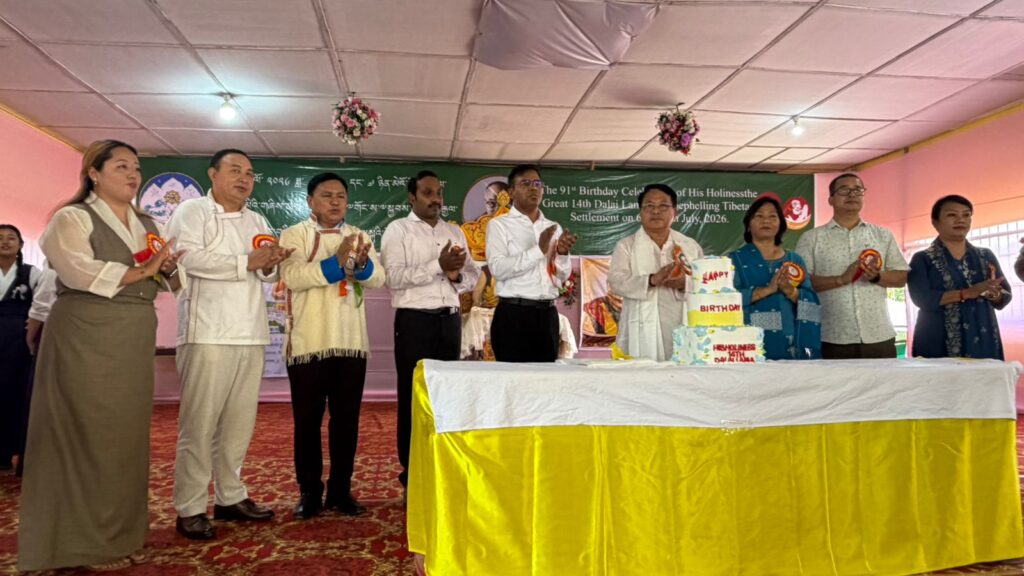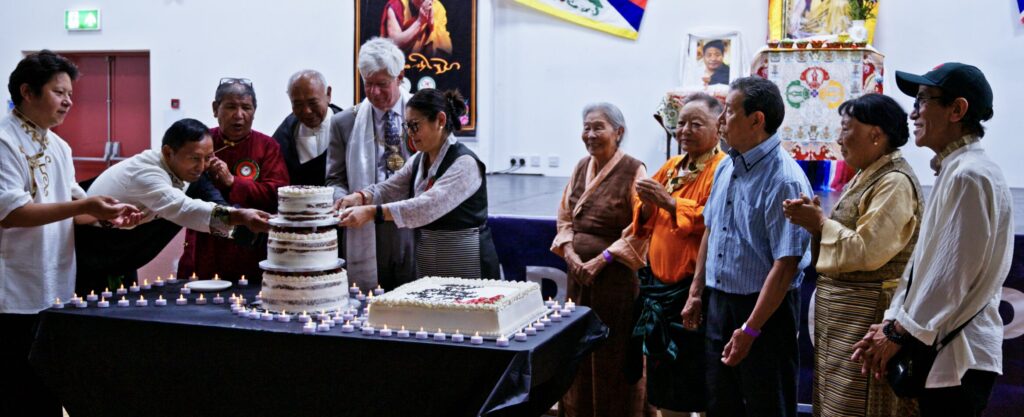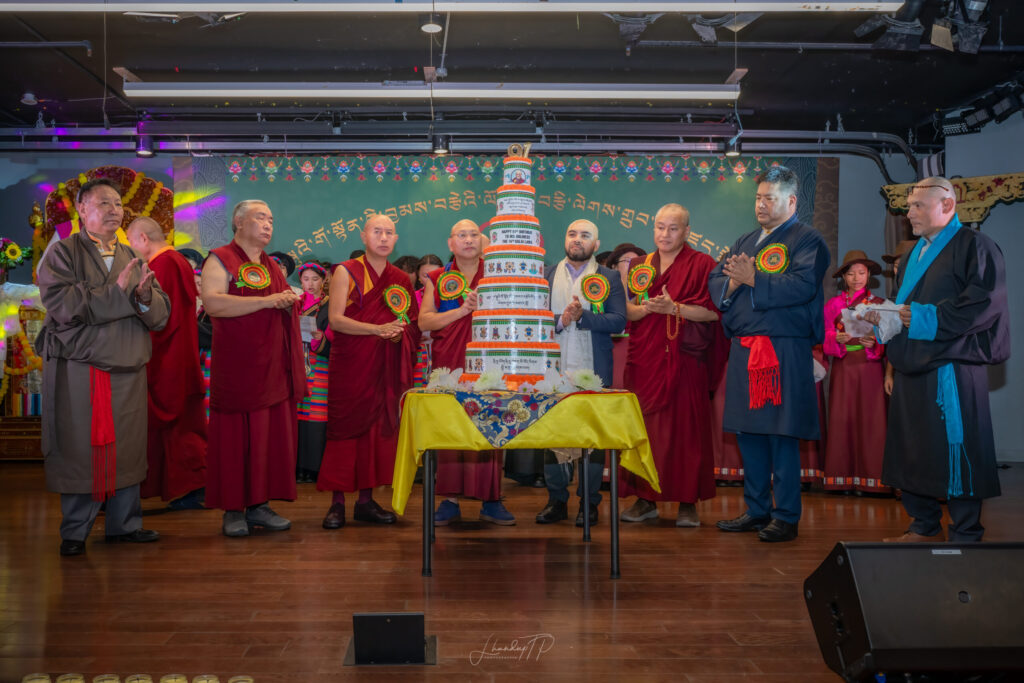

Tokyo: Tibet House Japan concluded its four-day celebration (March 19 – 22) of the Year of Compassion through photo exhibitions showcasing the life and contributions of His Holiness the 14th Dalai Lama and talks on His Holiness’ four missions and the pursuit of world peace at Jorinji, a Sotushu Zen Temple near the famous Tokyo Tower.
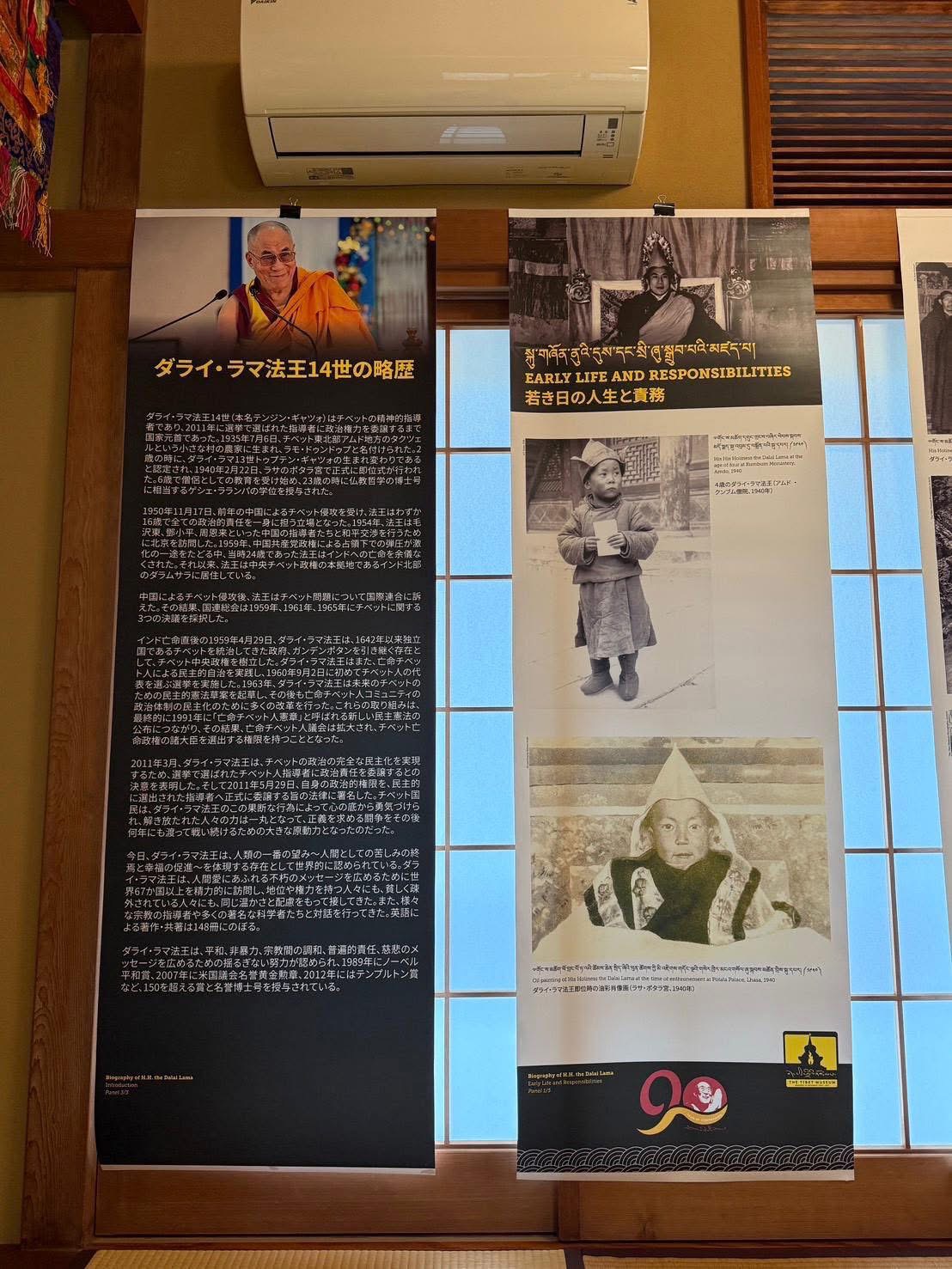
Large panels of photos displaying the life, struggle, and contributions of His Holiness the Dalai Lama were arranged in the Temple hall. Videos on His Holiness the Dalai Lama’s teachings and his interactions with world leaders and scientists were shown at one corner during the exhibitions. The photo exhibits were prepared with the help of the Tibet Museum of the Central Tibetan Administration (CTA) with Tibetan, English, and Japanese captions. Sumida, a supporter of Tibet, helped prepare and edit the Japanese captions.
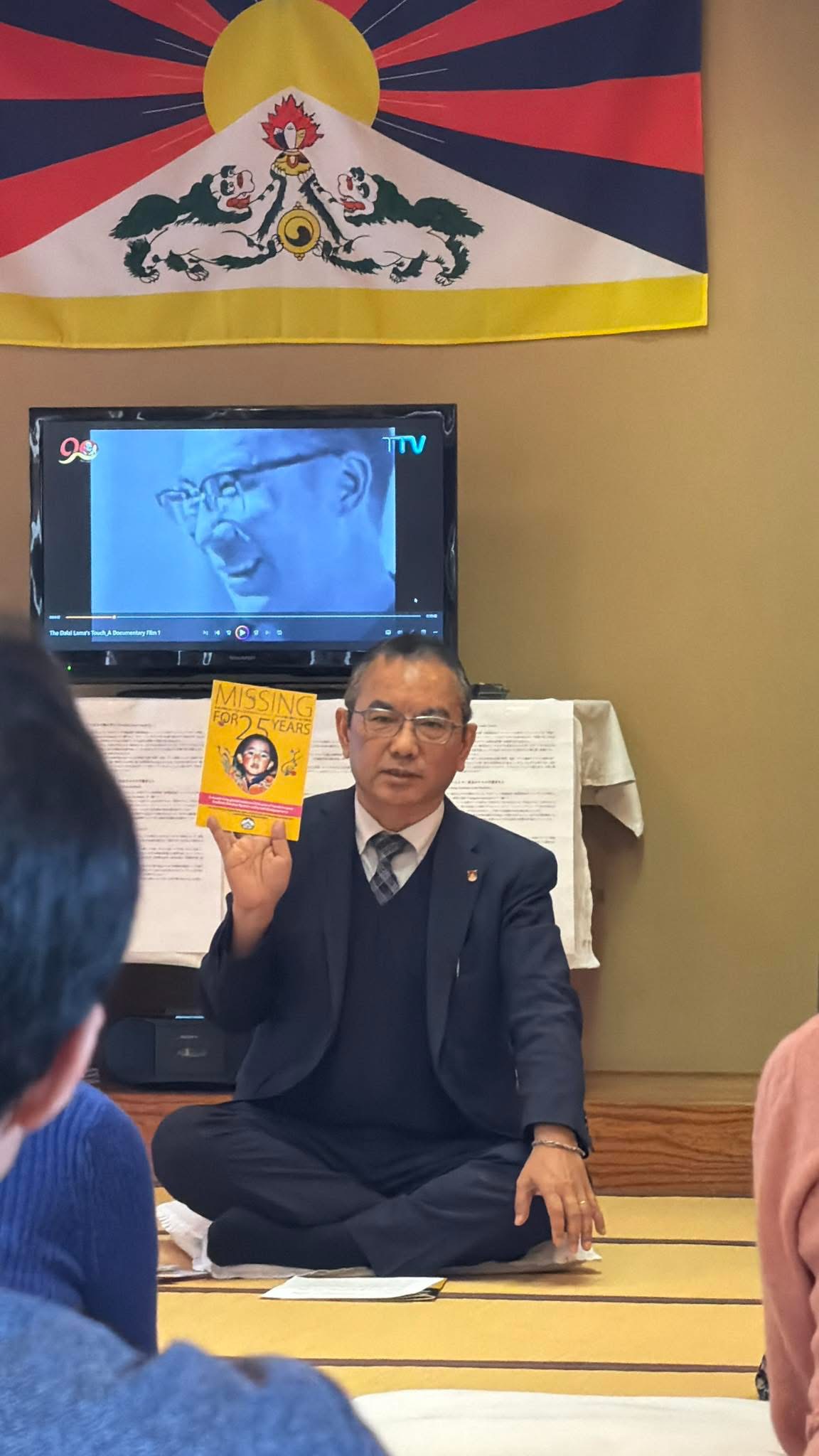
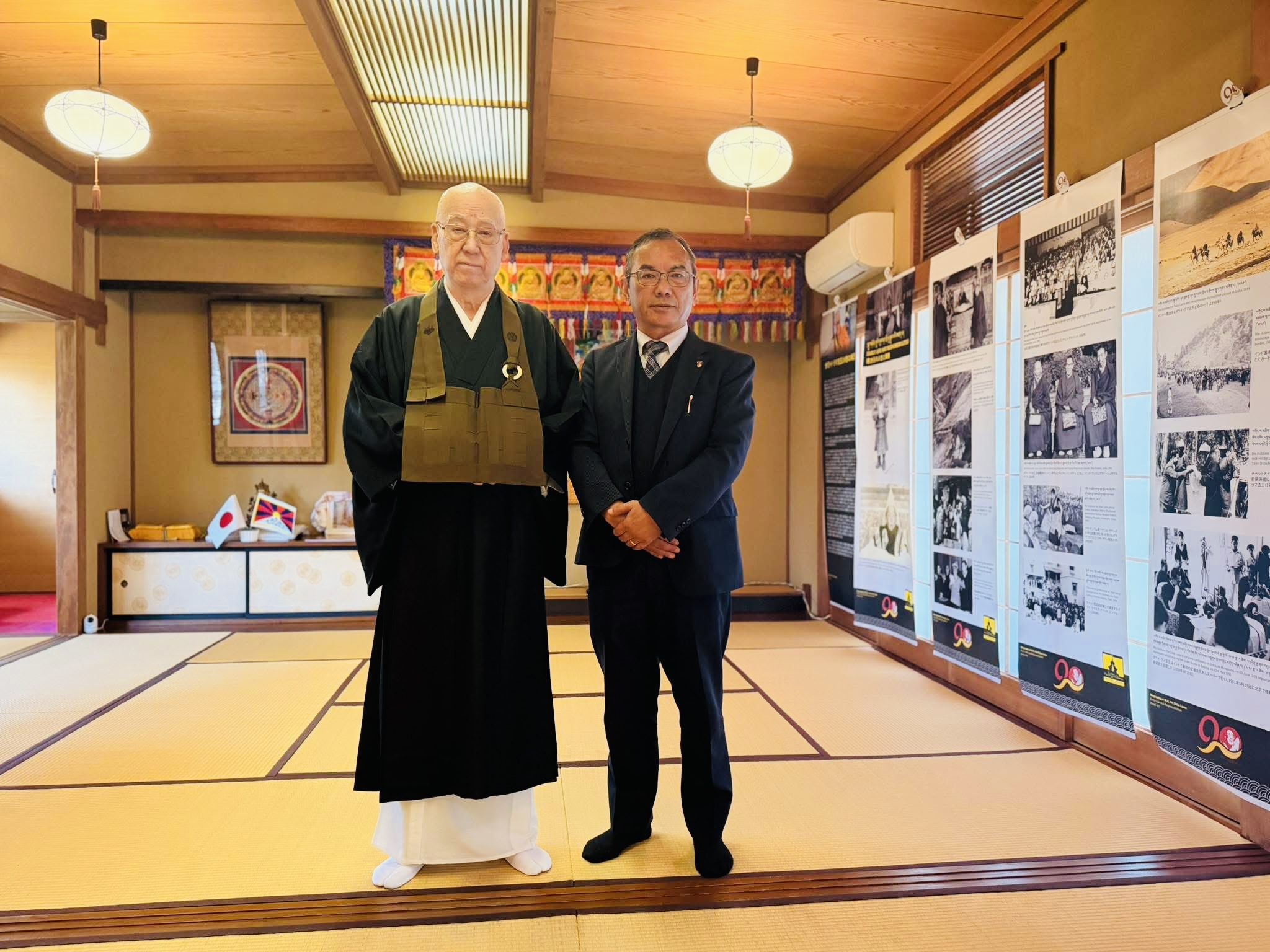
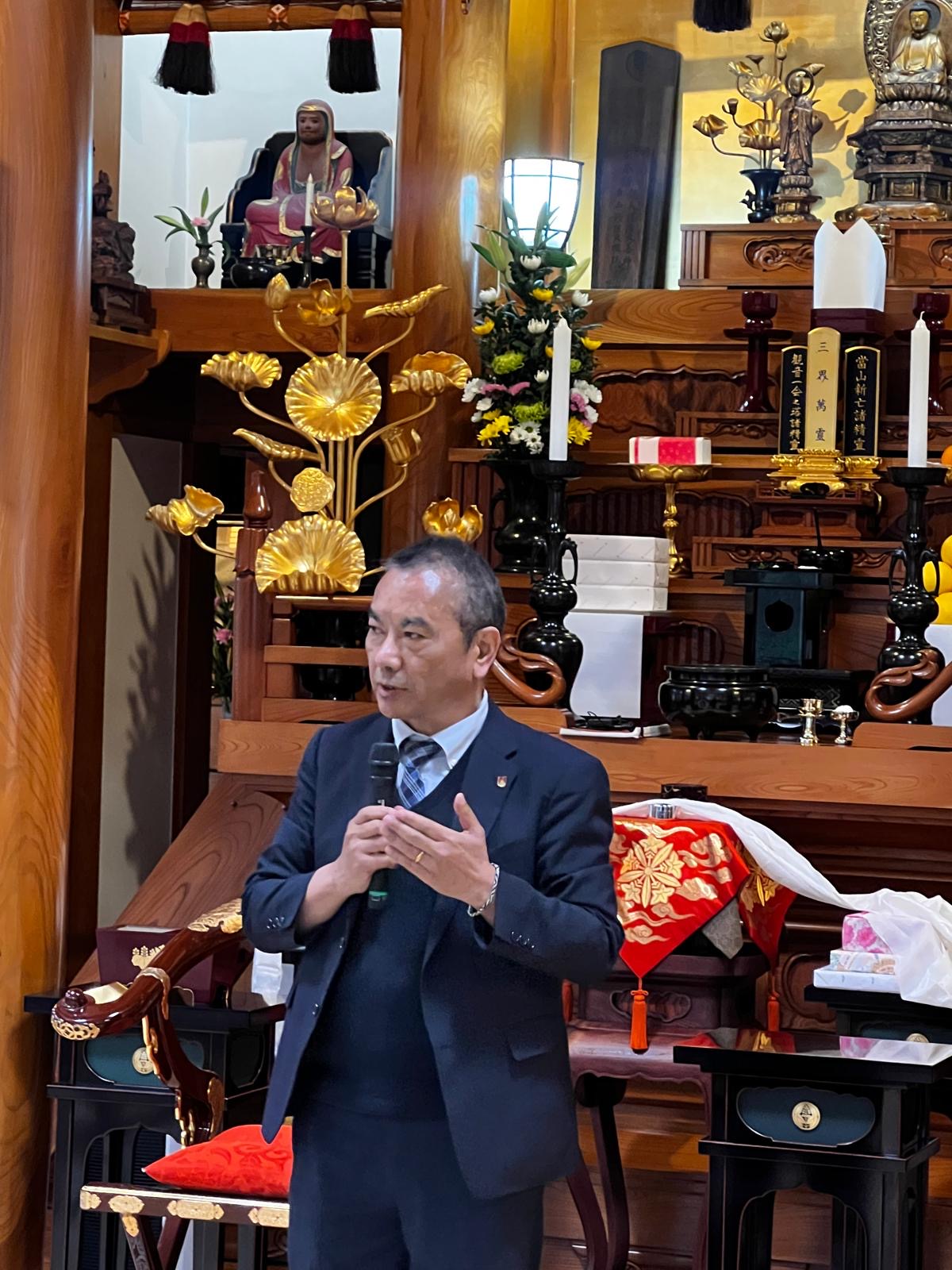
Talk events were held all four days. The main event was on the second day, where nearly a hundred visitors attended the prayer gathering at the Temple. Rev. Hayashi Shuei, the Chief Abbot of the Jorinji Temple, welcomed the visitors and briefly introduced the Office of Tibet and spoke about his association with Tibetan Buddhism and how His Holiness the Dalai Lama visited his school, Setagaya Gakkuen, and advised the young students on the importance of compassion and altruism and how they should contribute to world peace.
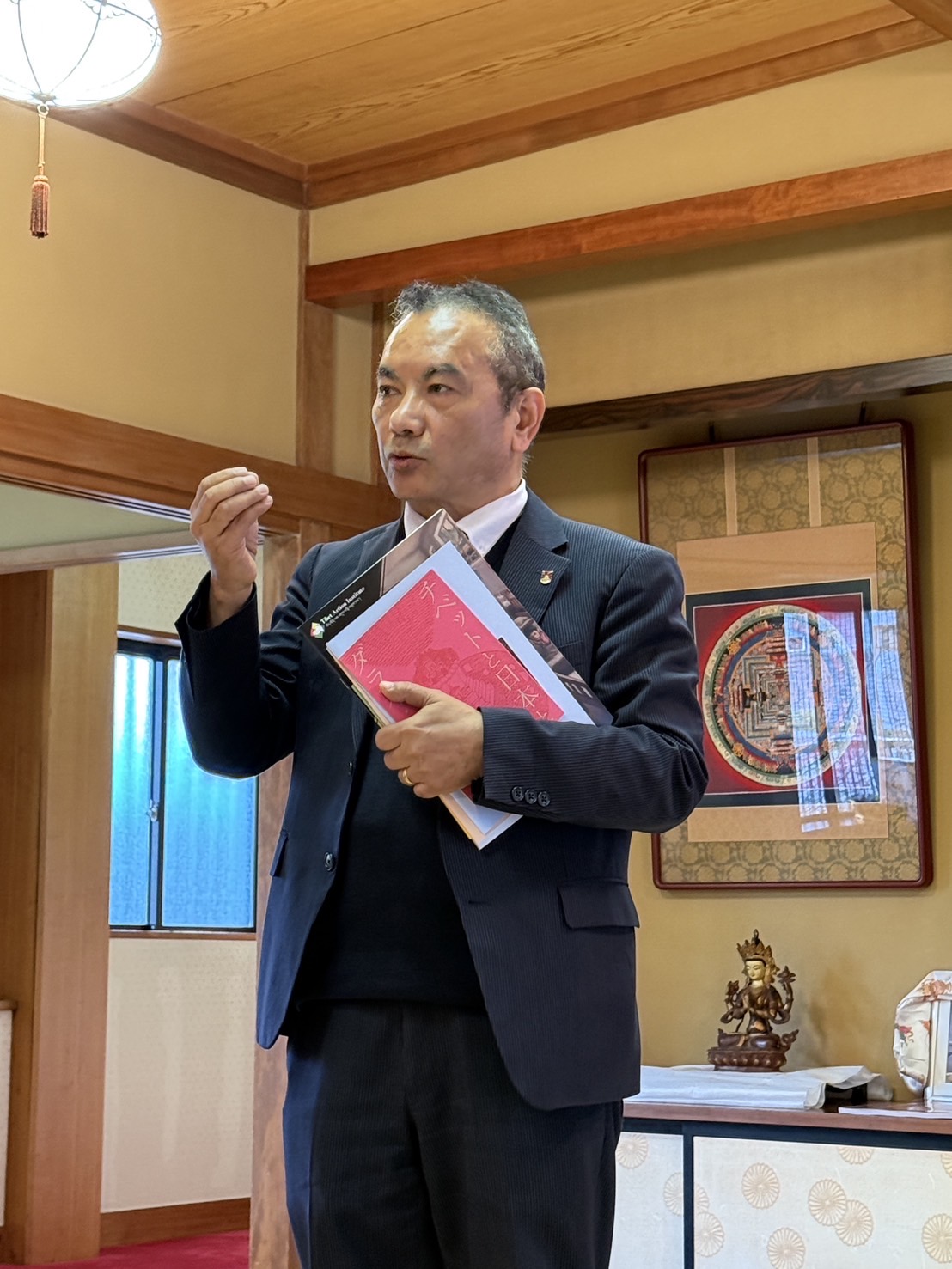
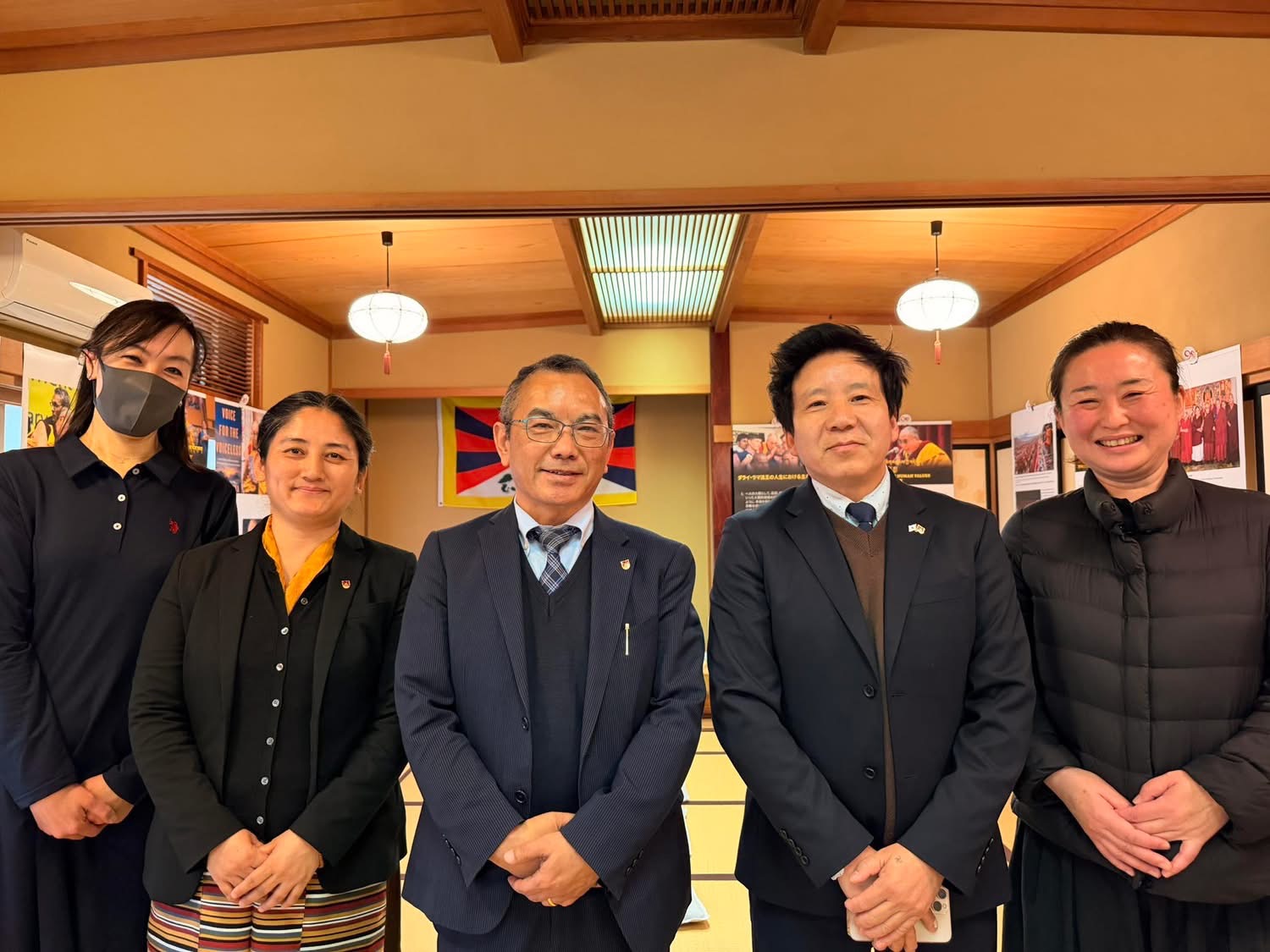
Representative Dr. Tsewang Gyalpo Arya thanked the Temple for their help in organising the events in the Temple complex and welcomed the audience and briefed them on the life, struggle, and contribution of His Holiness the Dalai Lama to achieve a peaceful and compassionated world without violence, hatred, and discrimination. He briefed the audience on the four missions of His Holiness: promotion of human value; promotion of harmony among different religions; preservation of the compassionate Tibetan culture; and the revival of the ancient Indian Nalanda university’s Buddhist science and philosophy. He explained how all four missions connect to world peace and harmony. He also explained the CCP’s dreadful policy behind the colonial boarding schools in Tibet, the Ethnic Unity Law, and the continued violation of religion and human rights in Tibet. He thanked the Japanese government and public for their support and solidarity with the Tibetans’ struggle for freedom, peace, and justice around the world.
Brochures and pamphlets on Tibet and the activities of the office were distributed freely. A booklet containing the Japanese translation of His Holiness the Dalai Lama’s poem on the importance of trees was distributed freely to the delight of many poetry and nature lovers. Many appreciated the old, rare photos showing His Holiness in his early days in Tibet and in exile. Some shed tears with folded hands in reverence.
Prof. Yoshimura Hitoshi, a Buddhist scholar, shared his view about Tibetan Buddhism and His Holiness the Dalai Lama’s four missions and explained how Buddhist teaching is a living and practical teaching, beneficial for the development of mind, heart, and world peace.
During the exhibitions and the talk events, people asked questions about the Dalai Lama’s health, Tibetan Buddhism, science and AI, meditation, the situation in Tibet, and how Japan could help Tibet and contribute to world peace and harmony. The exhibitions found some Chinese and Mongolian visitors and expressed their devotion to the teachings of His Holiness the Dalai Lama.
Representative Dr. T.G. Arya’s briefing on the event and His Holiness the Dalai Lama’s four missions: https://www.facebook.com/share/1E2xdeUhti/?mibextid=wwXIfr
Tibet House Japan plans to organise the Photo Exhibitions in some major cities of Japan, from Sapporo to Tokyo to Okinawa in the south.
– Report filed by Office Of Tibet, Japan