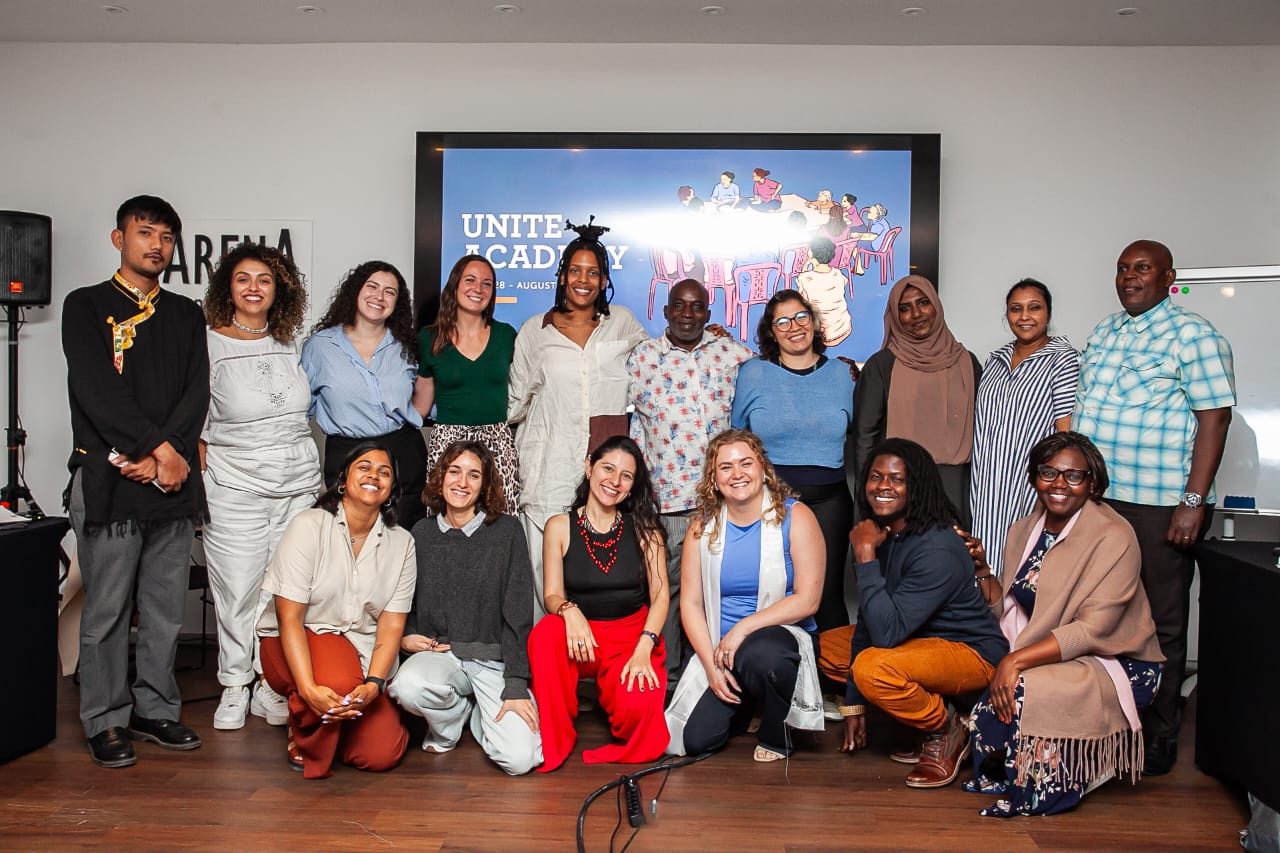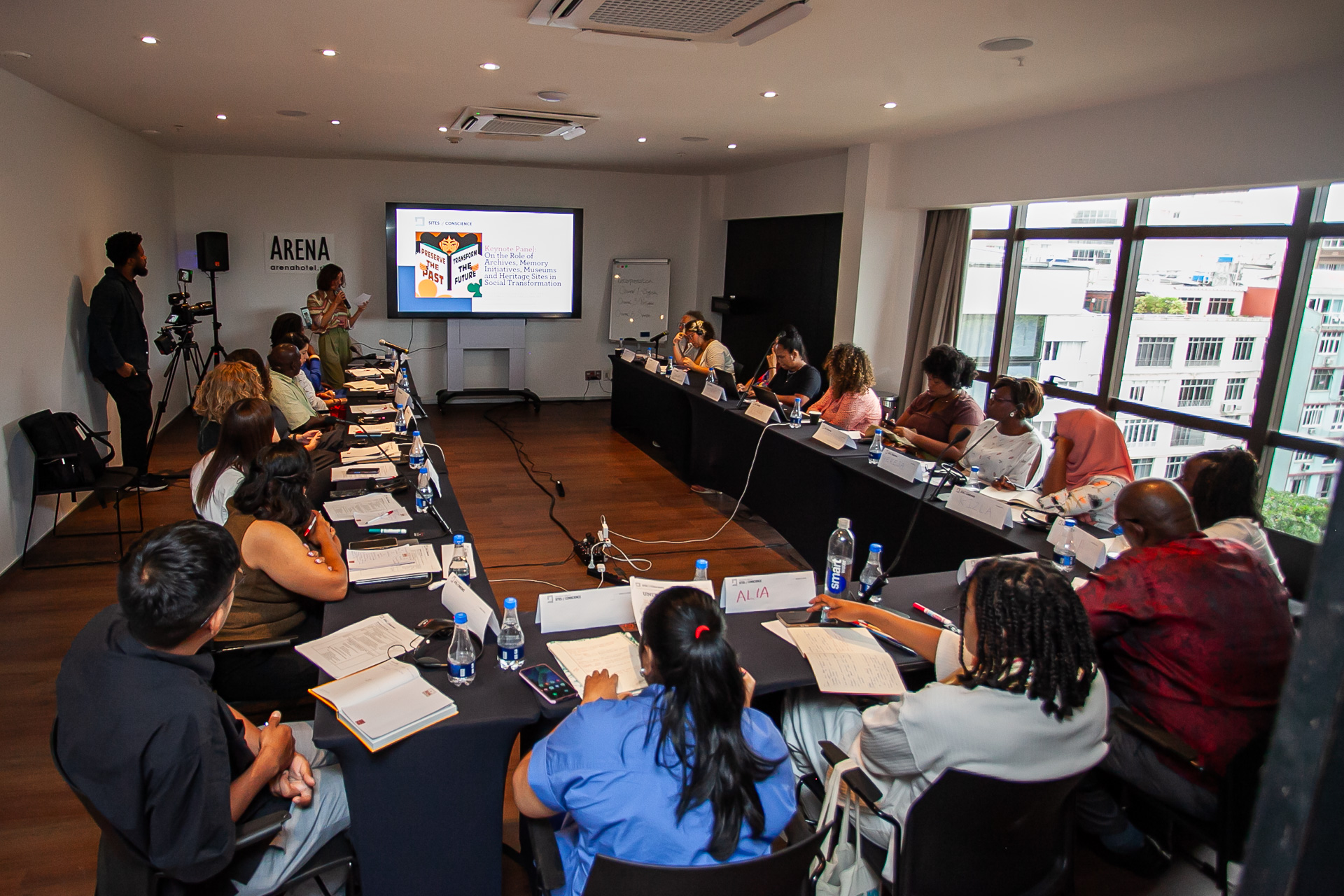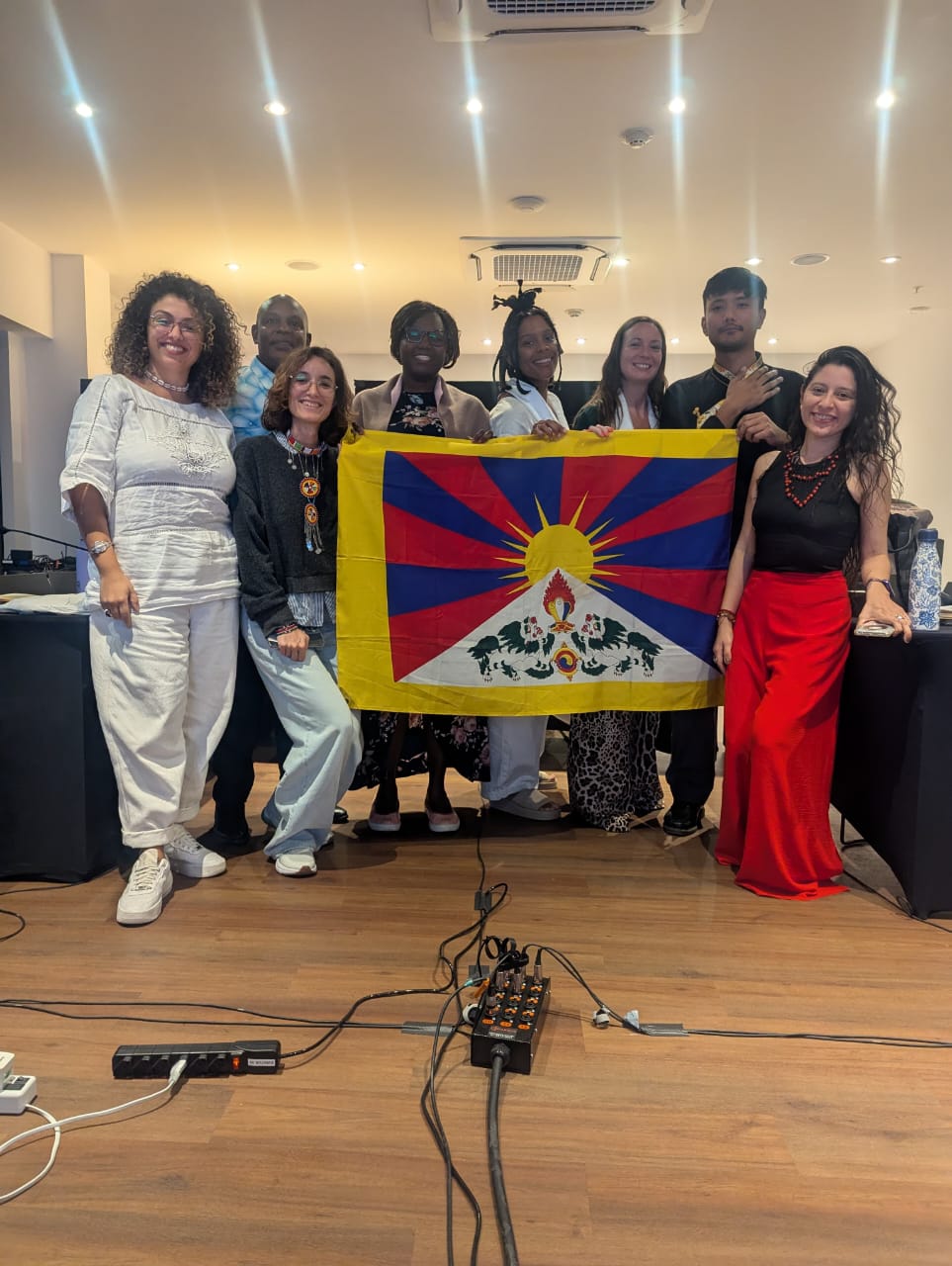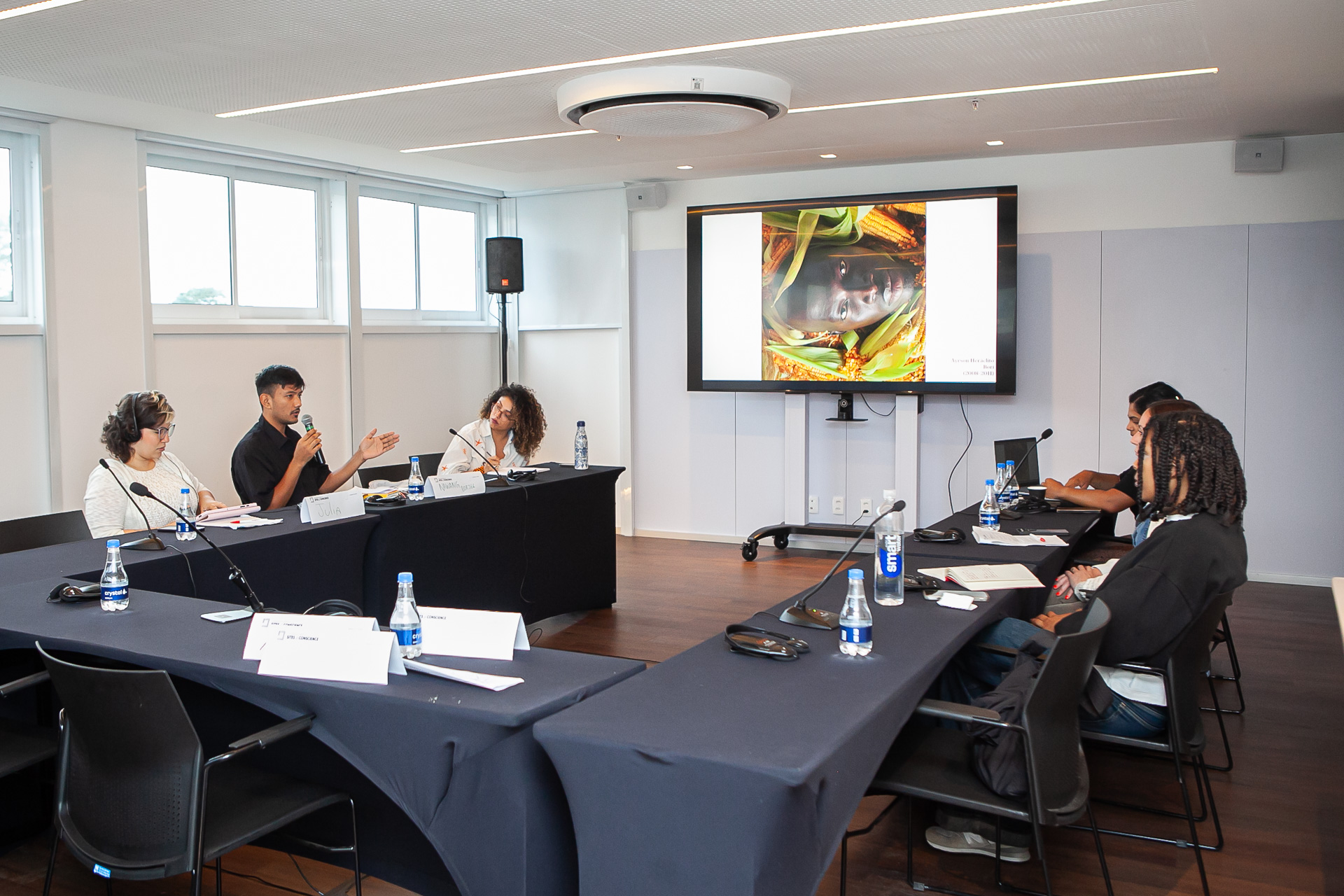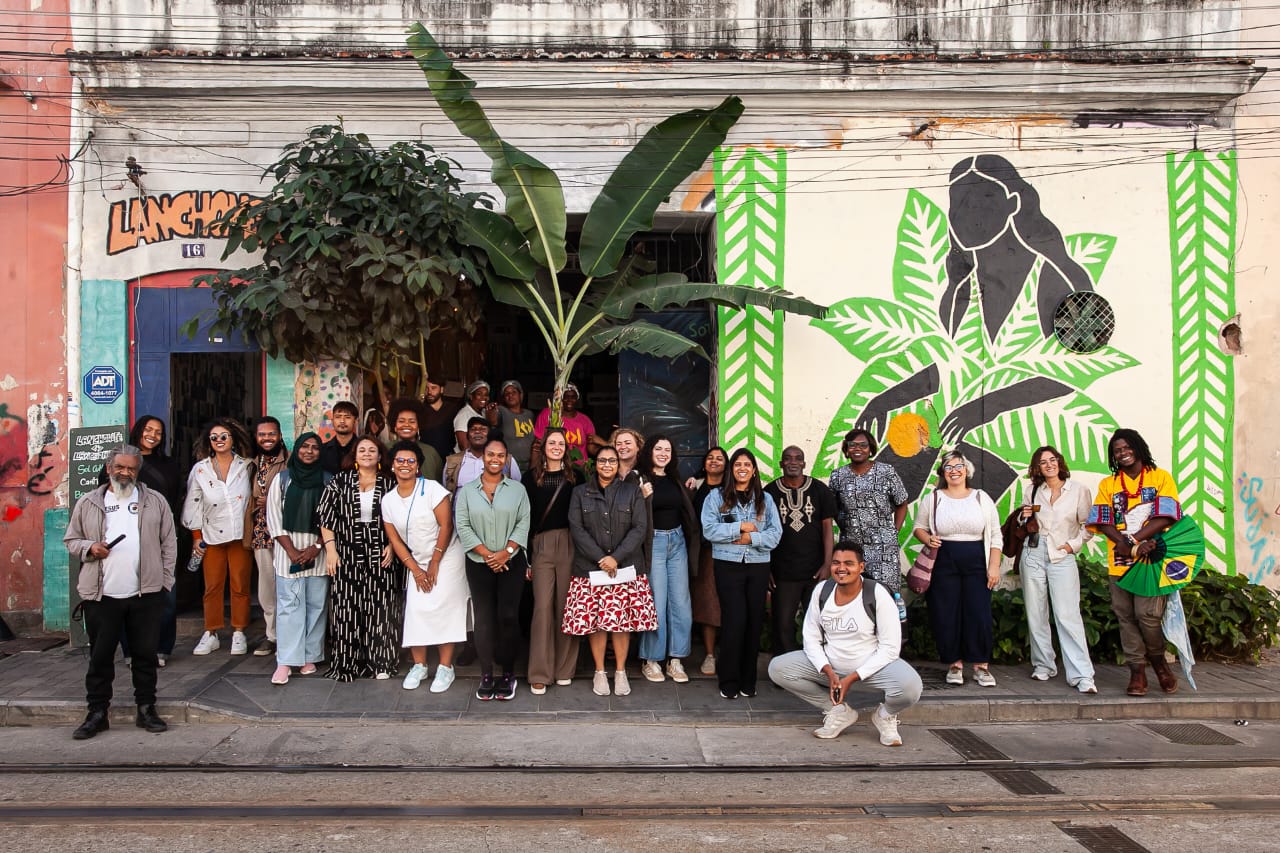

Rio de Janeiro, Brazil – The International Sites of Conscience, in collaboration with Unite Academy and the Lanchonete organisation, successfully concluded a five-day intensive seminar in the heart of Brazil’s capital, Rio de Janeiro. The event brought together educators and community workers from various countries to address post-colonial legacies, racism-related challenges, and the Tibet issue.
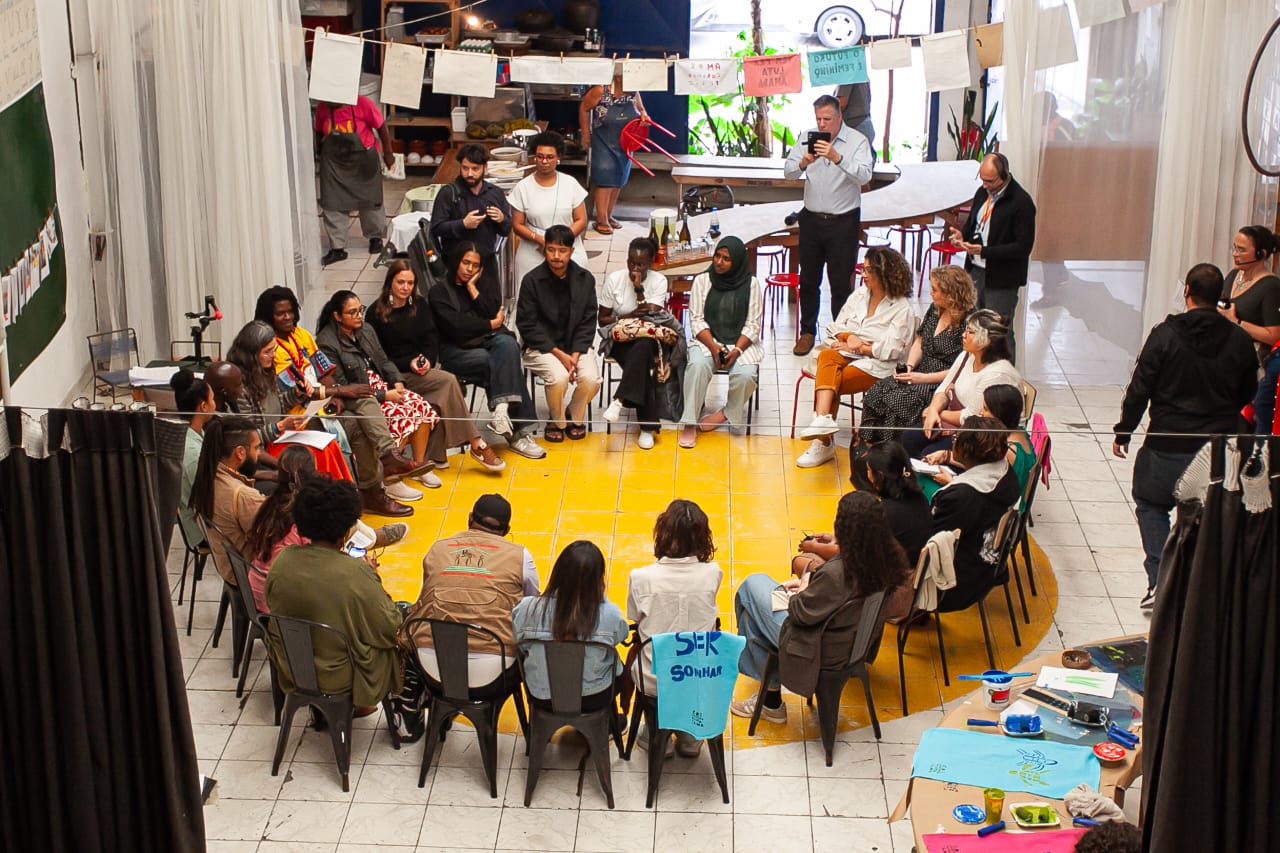
The program featured participants sharing teaching methodologies and community engagement experiences through structured discussion tracks. A major highlight of the seminar was the third-day visit to the historic Little Africa neighbourhood, where international delegates engaged directly with local community members and participated in cultural heritage walks led by community storytellers. Another key highlight was the in-depth track discussions among participants.
The seminar was structured around ‘Three Strategic Tracks’ or three critical focus areas: Track 1– building inclusive communities through amplifying marginalised voices; Track 2– addressing legacies of colonialism and contemporary forms of racism; Track 3– driving climate justice through an Indigenous rights lens.
“This exchange created powerful connections between global experiences and local realities,” noted the program organisers.
The participants were divided into three specialised tracks, facilitating focused discussions on effective approaches to addressing systemic inequalities and post-colonial impacts in diverse cultural contexts.
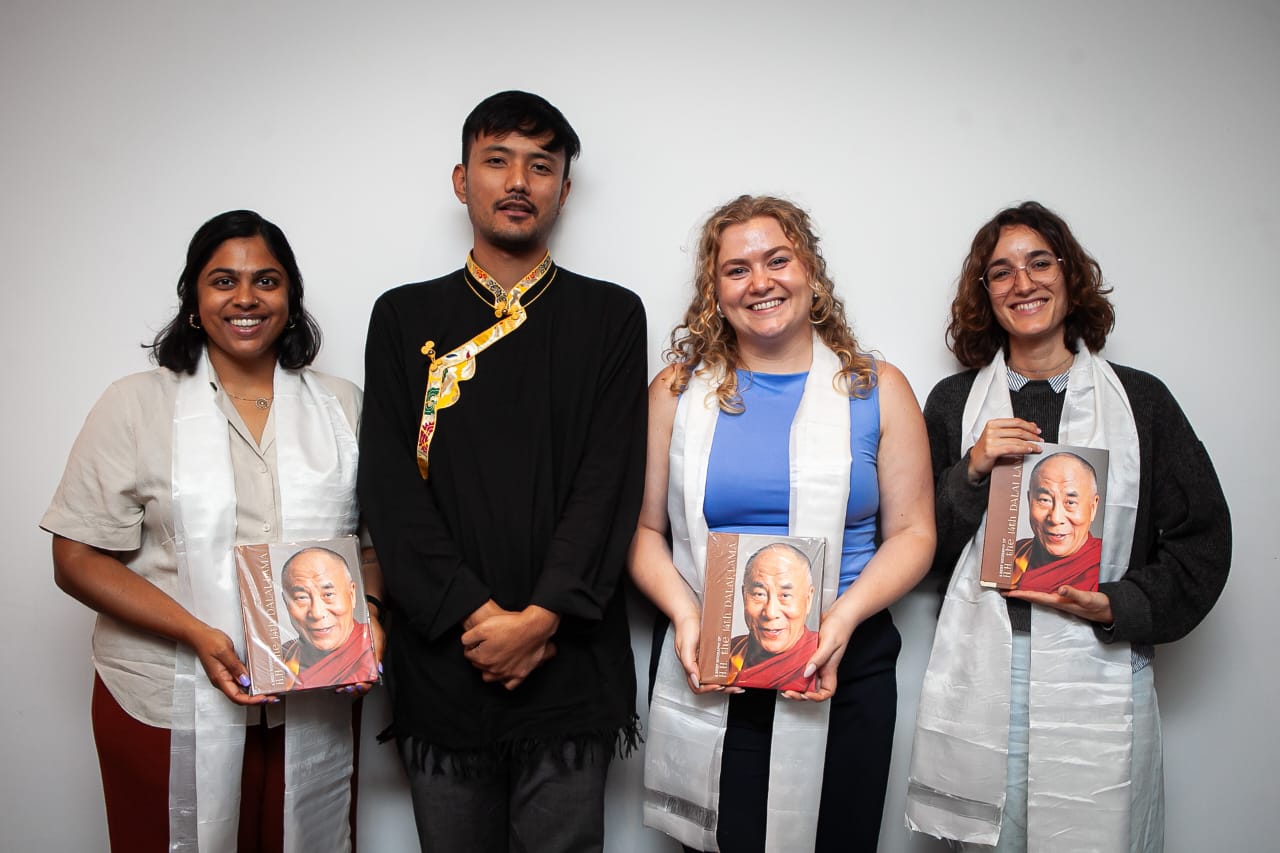
The Tibet Museum participant was allowed to share stories from Tibet, presenting the various atrocities that have occurred in Tibet and discussing the present diaspora situation. The presentation addressed critical issues, including human rights violations, the boarding school system, exploitation of natural resources, damming of rivers, and religious restrictions imposed in Tibet.
This collaborative initiative demonstrates the growing international commitment to addressing historical injustices through cross-cultural dialogue and community-centred approaches. The program aims to build lasting partnerships for continued work on social justice issues across participating nations.
-Report filed by Tibet Musuem, DIIR, CTA