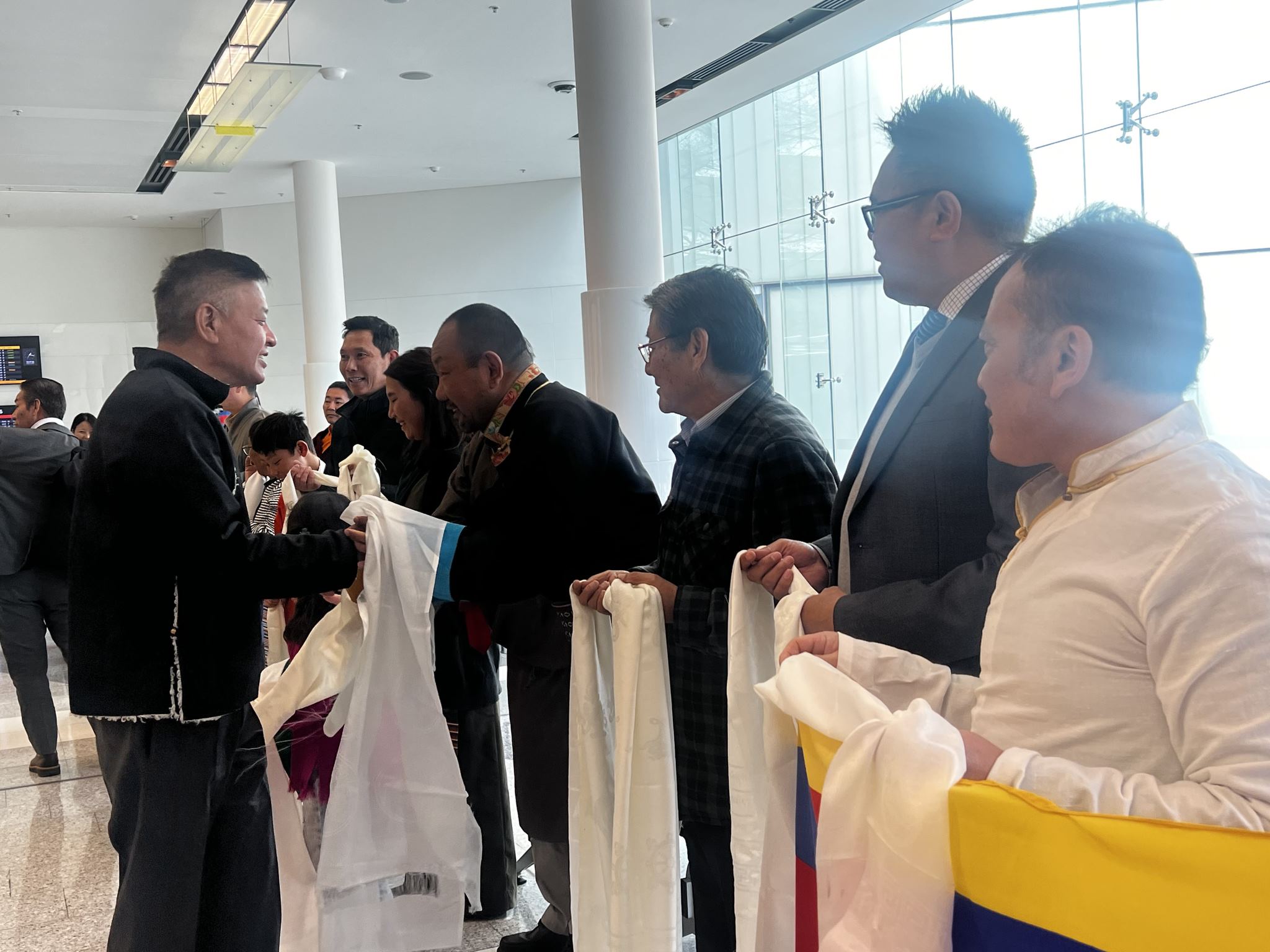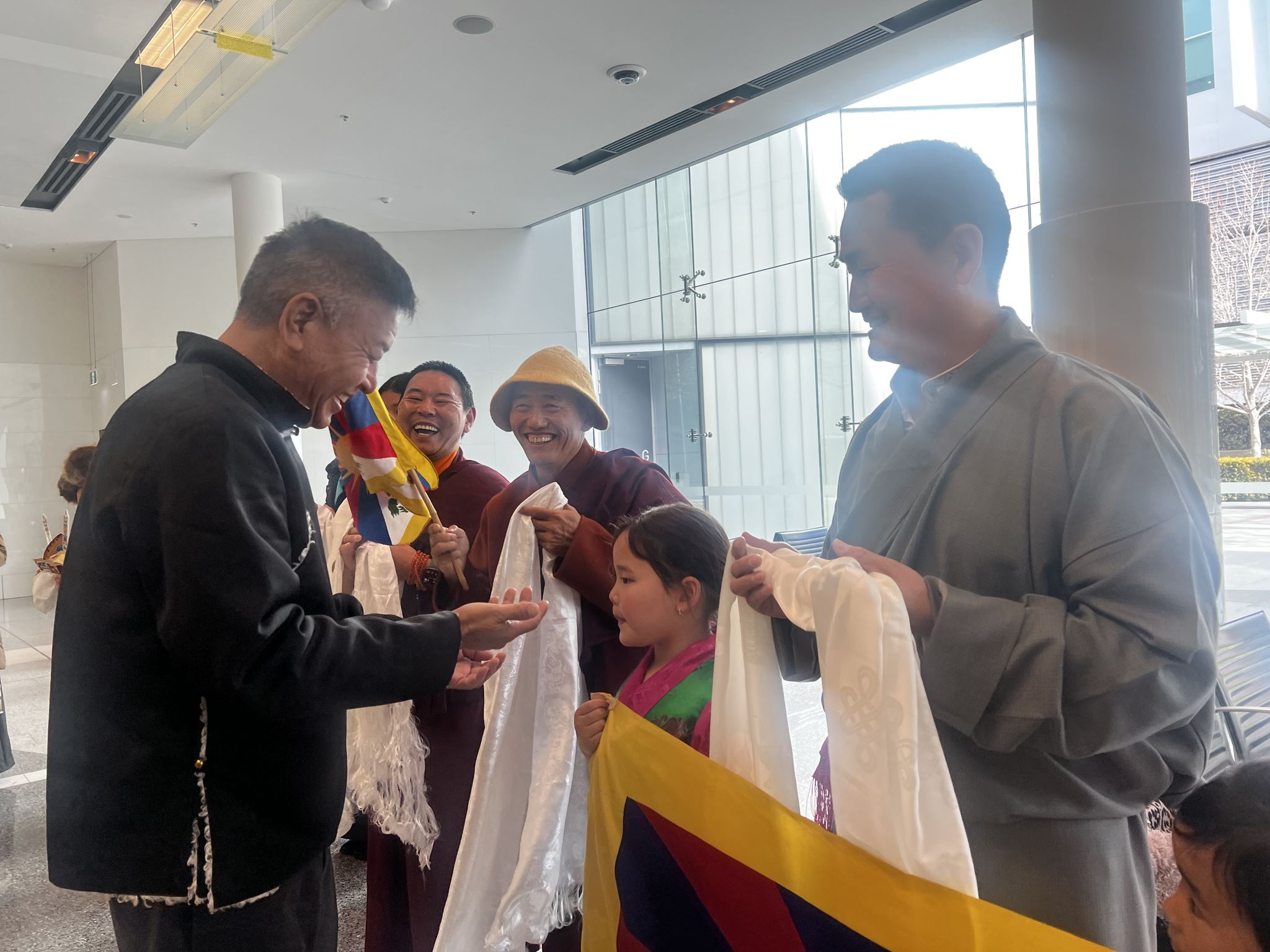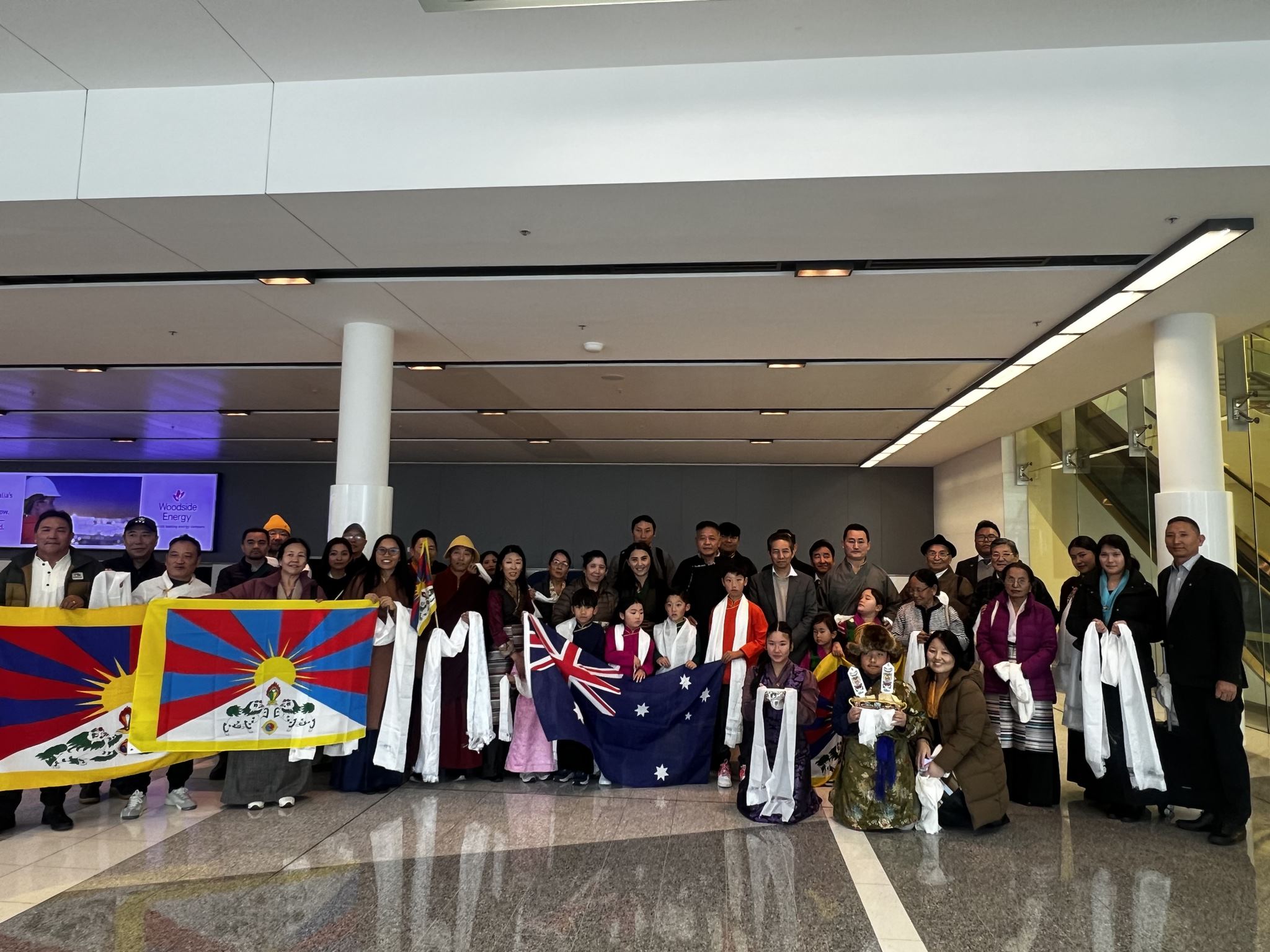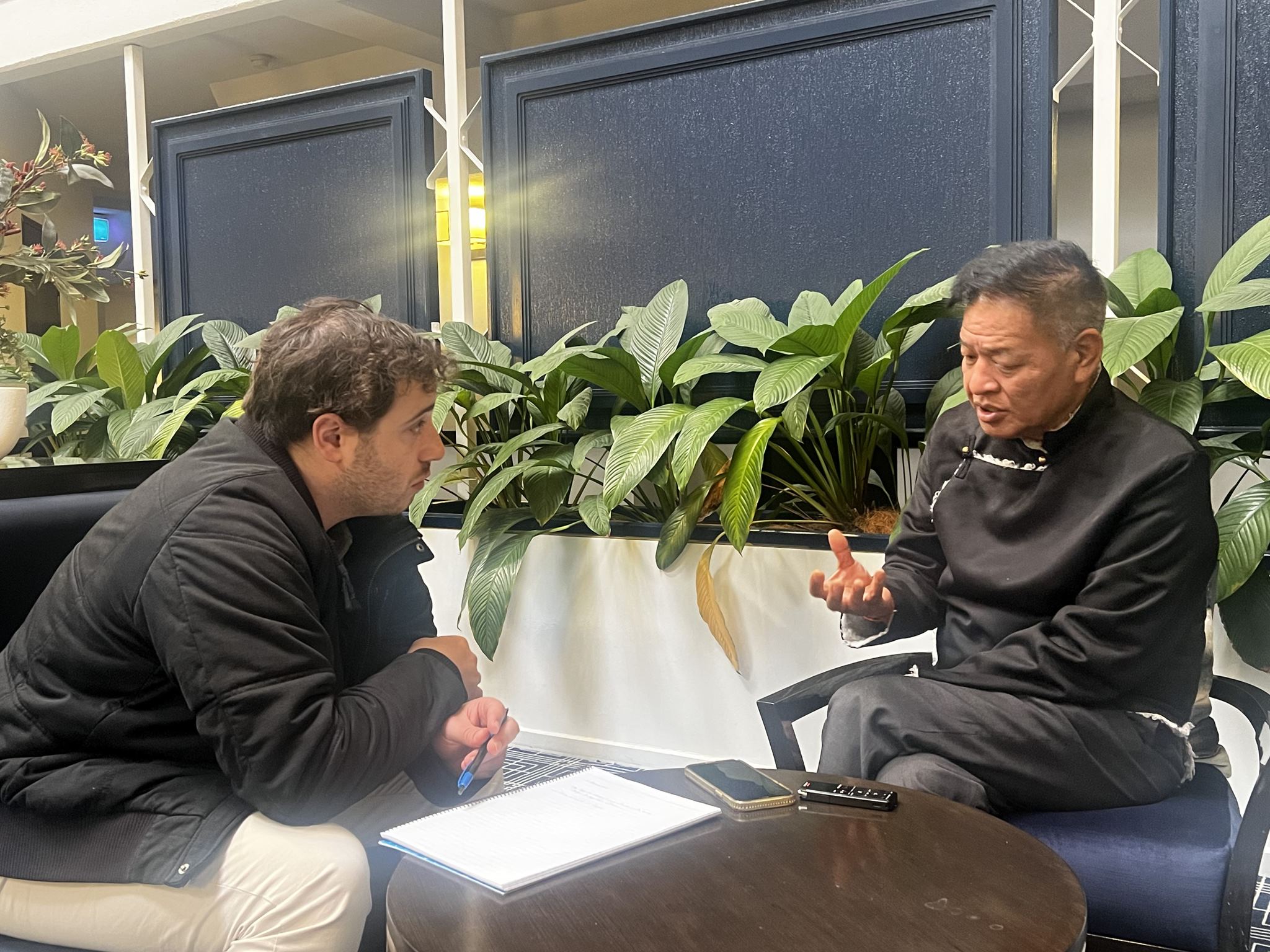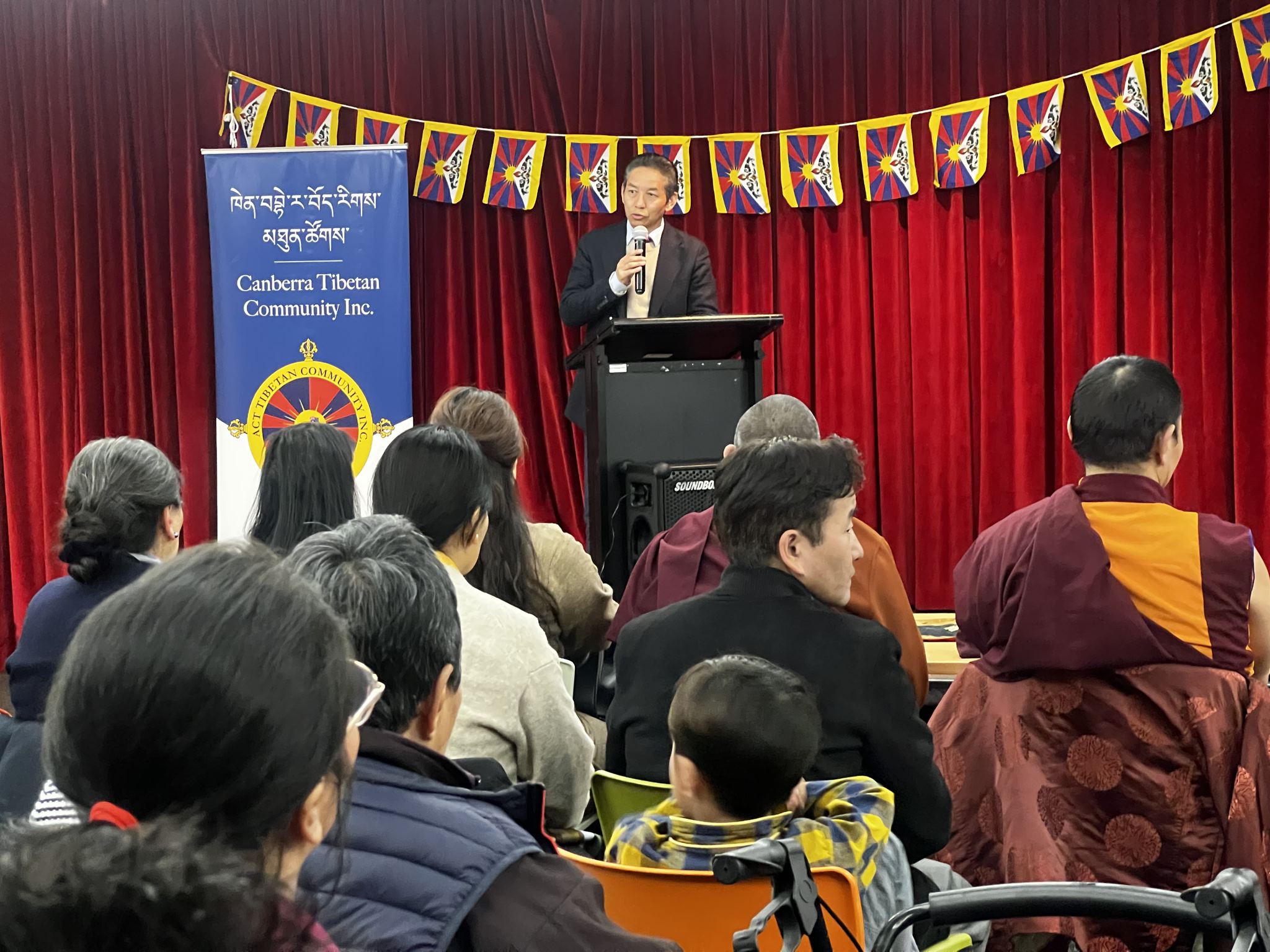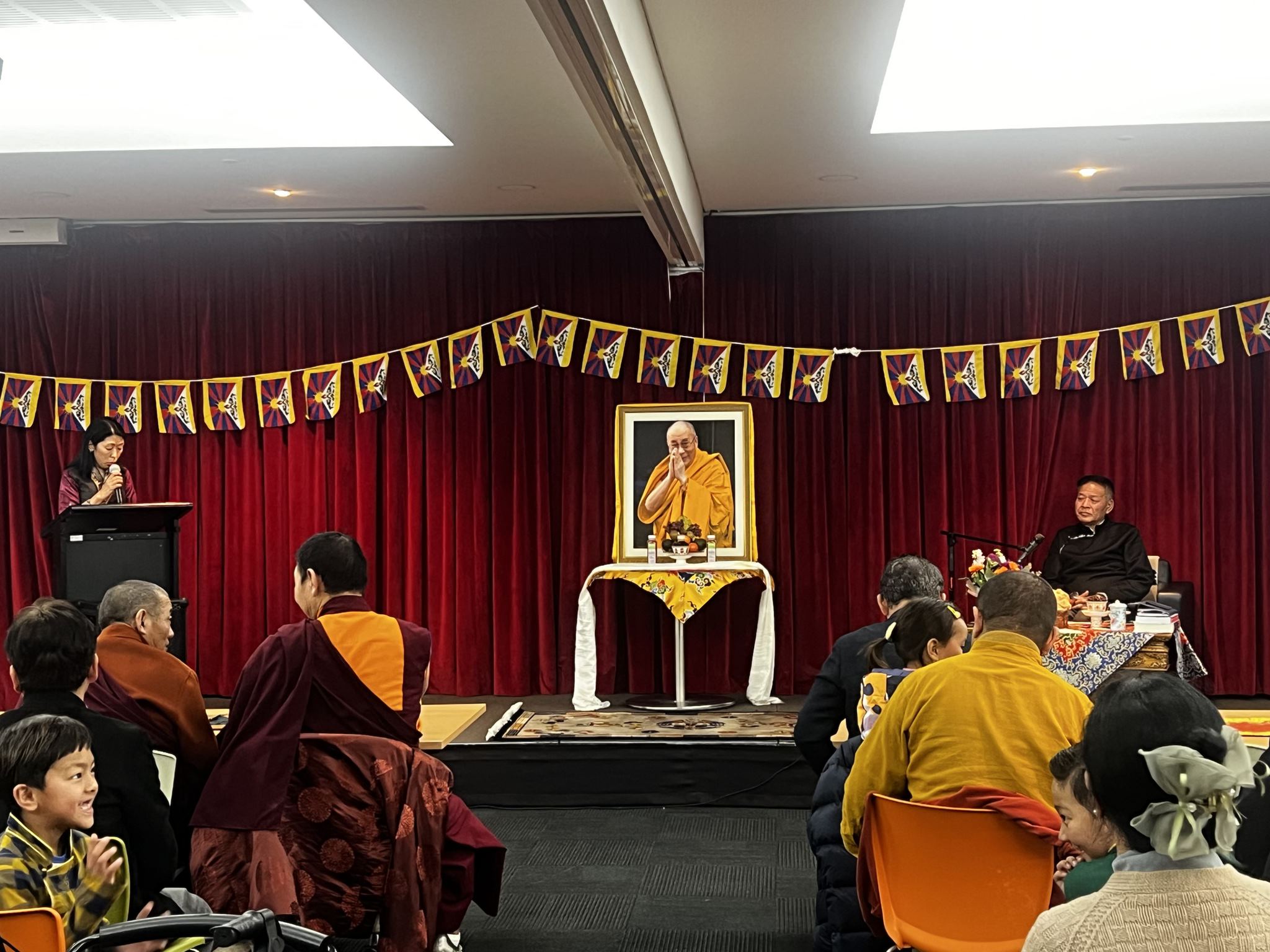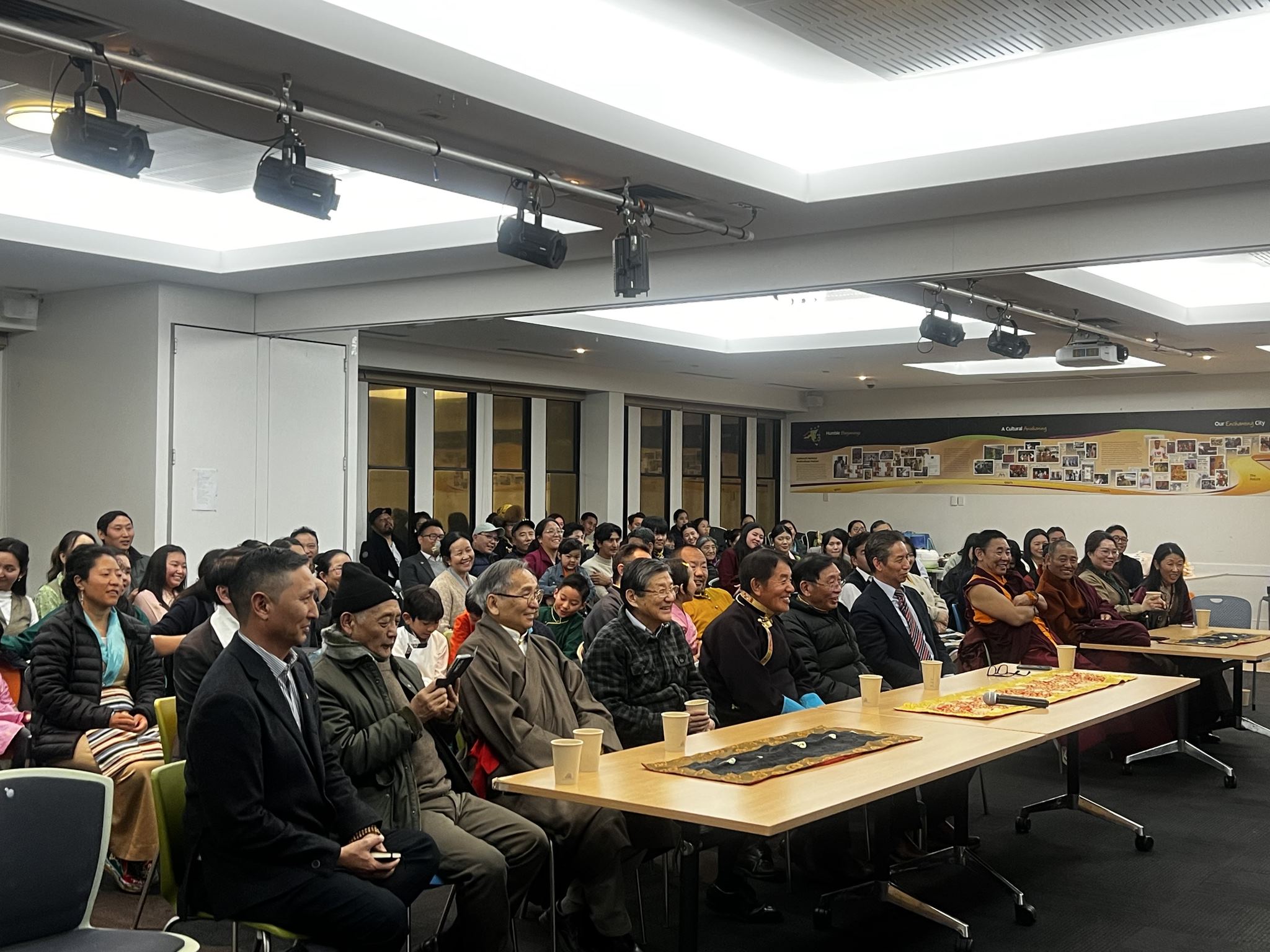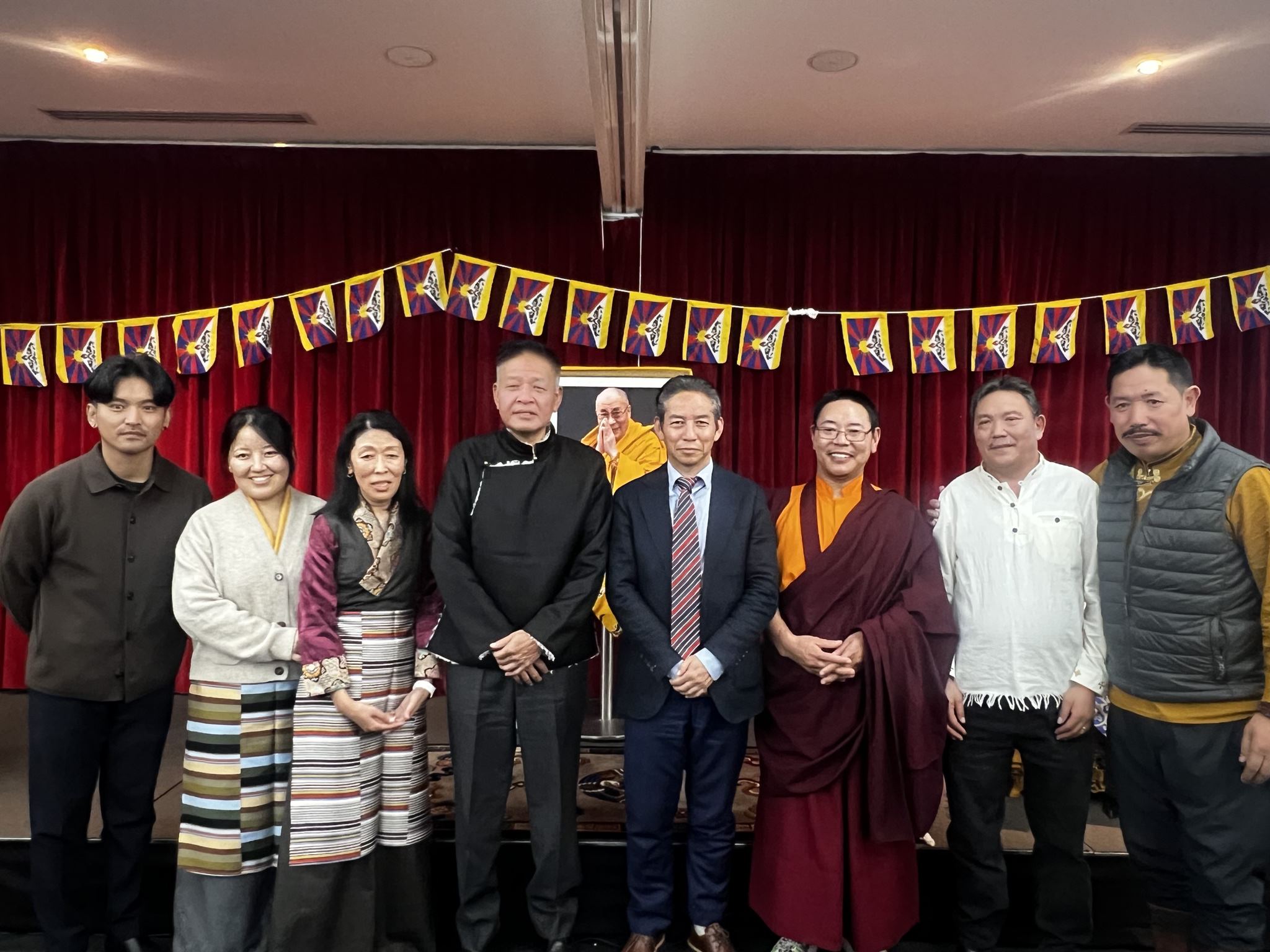


Dharamshala: Upon his arrival in Canberra on 15 July, Sikyong Penpa Tsering was warmly received by Yeshi Choedon, President of the Canberra Tibetan Community Inc., former staff of the Central Tibetan Administration, and local Tibetan residents. That afternoon, Sikyong gave an interview to the Australian Associated Press.
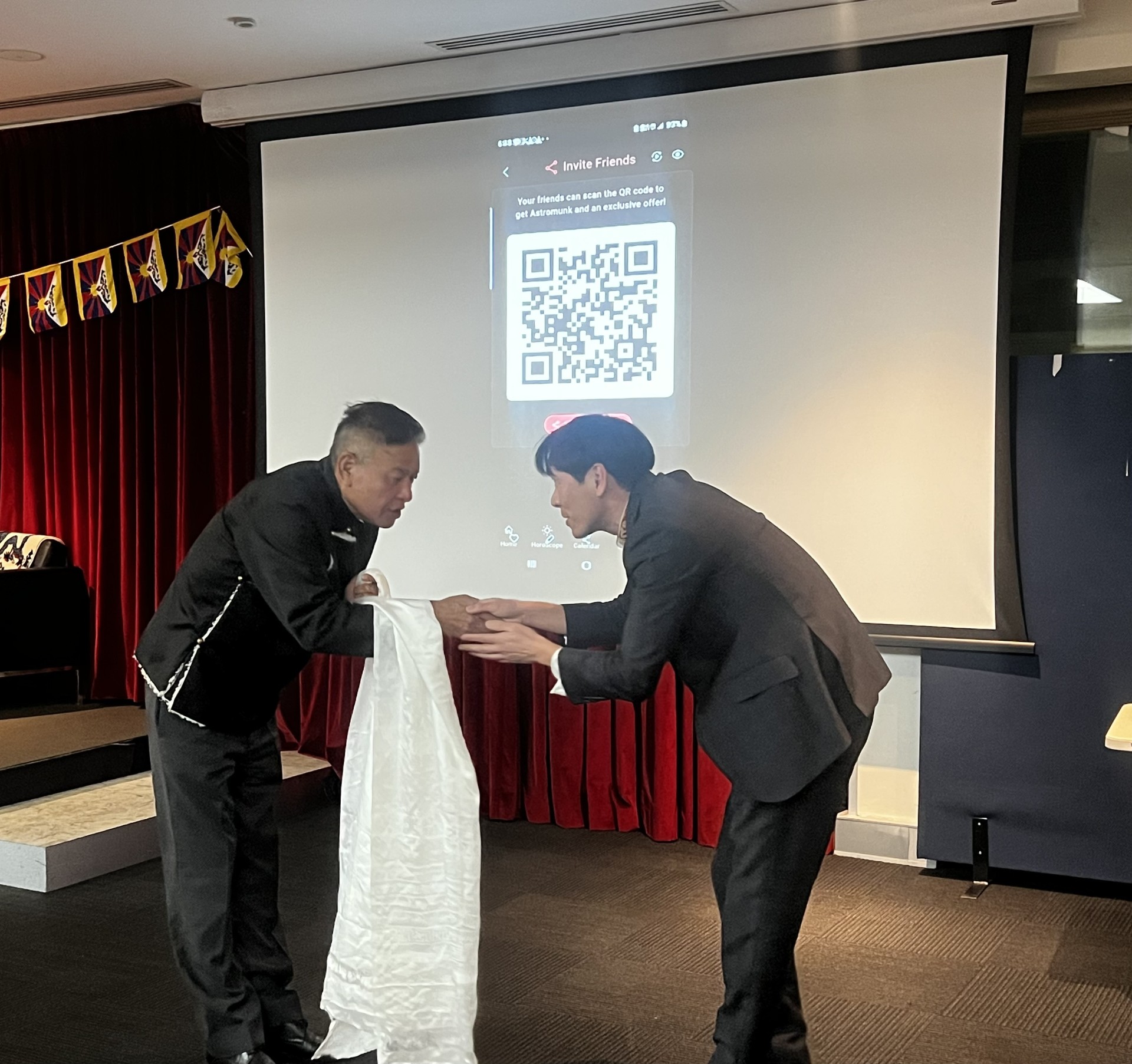
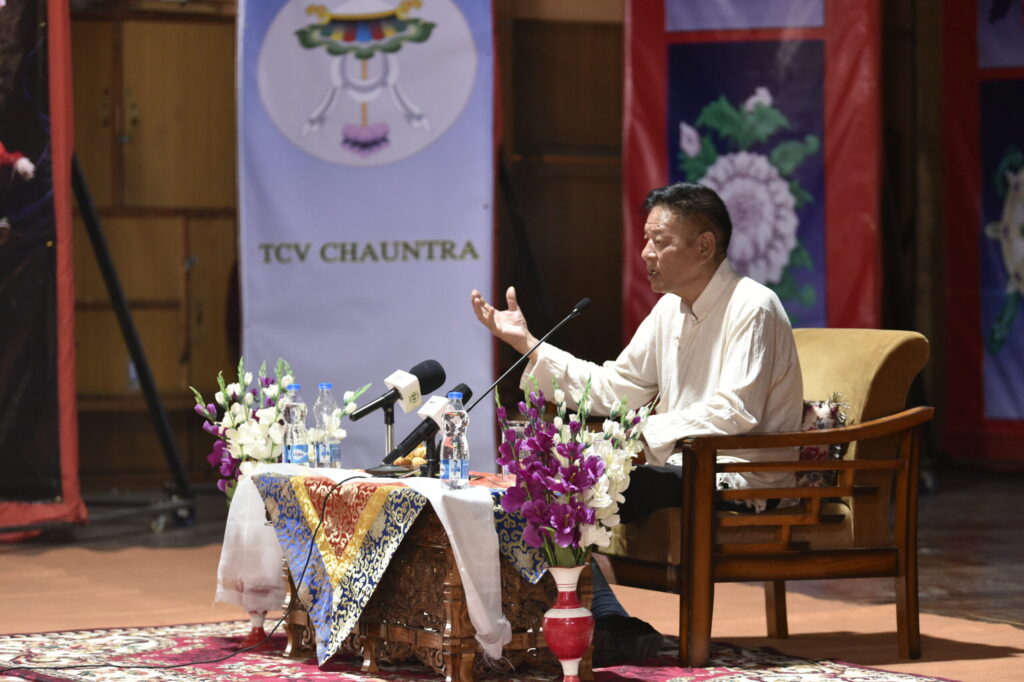
As part of the evening program organised by the Canberra Tibetan Community Inc., Sikyong inaugurated the “Astromunk” app, co-developed by a member of the Canberra Tibetan community. The app offers personalised Tibetan astrological services to a global audience and is currently available on Android devices. This was followed by an interactive session with the Canberra Tibetan community.
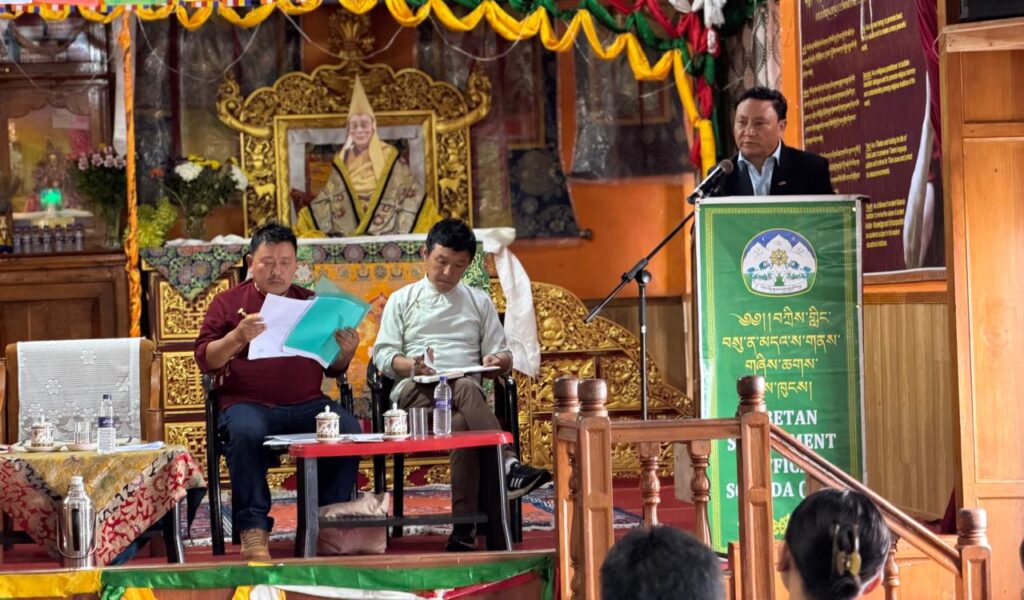
In his address, Sikyong Penpa Tsering detailed the undertakings of the 16th Kashag during its tenure, focusing on improving the welfare of the exile community and ensuring the continued sustenance of the Tibetan administration and settlements. These efforts aim to preserve and promote Tibetan identity amid growing challenges.
To address concerns following the termination of USAID support, Sikyong briefly outlined the current financial status of the Central Tibetan Administration (CTA). He reassured the community that, through a series of meetings and advocacy efforts in the United States, the Kashag has managed to recover most of its funding.
Sikyong also highlighted key initiatives, including the demographic survey, administrative reforms, and staff capacity-building programs. These efforts are designed to generate actionable data for future planning, enhance productivity, and improve efficiency to strengthen the Tibetan freedom movement.
Additionally, Sikyong updated the community on the distribution of available housing and land to Tibetans recently arrived from Tibet, as well as to scattered community members who had not previously received such facilities. In Ladakh and Arunachal Pradesh, resettlement efforts are underway to move people from desolate areas into clustered settlements. Meanwhile, new land and housing facilities are being provided to latecomers in the Tibetan settlements of central and southern India. To support continued settlement, especially in Arunachal Pradesh, infrastructure projects such as community halls and staff quarters have been constructed.
Regarding the preservation and promotion of Tibetan religious and cultural heritage, Sikyong noted the development of several apps and animations aimed at fostering cultural awareness and providing learning platforms for the younger generation through modern technology. He also mentioned the Tibetan Digital Library project, which seeks to digitise all existing Tibetan scriptures to ensure their long-term preservation.
Sikyong said that several other important initiatives are also underway, including the development of an information management system for the Central Tibetan Administration. This system will collect, analyse, and process reports from Tibet through various CTA departments. Additionally, a comprehensive communication strategy is being devised to enhance the effectiveness of the CTA’s communication officers and sections.
Apart form these, Sikyong reiterated other key topics that were addressed to public during his previous interactions with Tibetan communities in New South Wales, Newcastle, and Queensland.