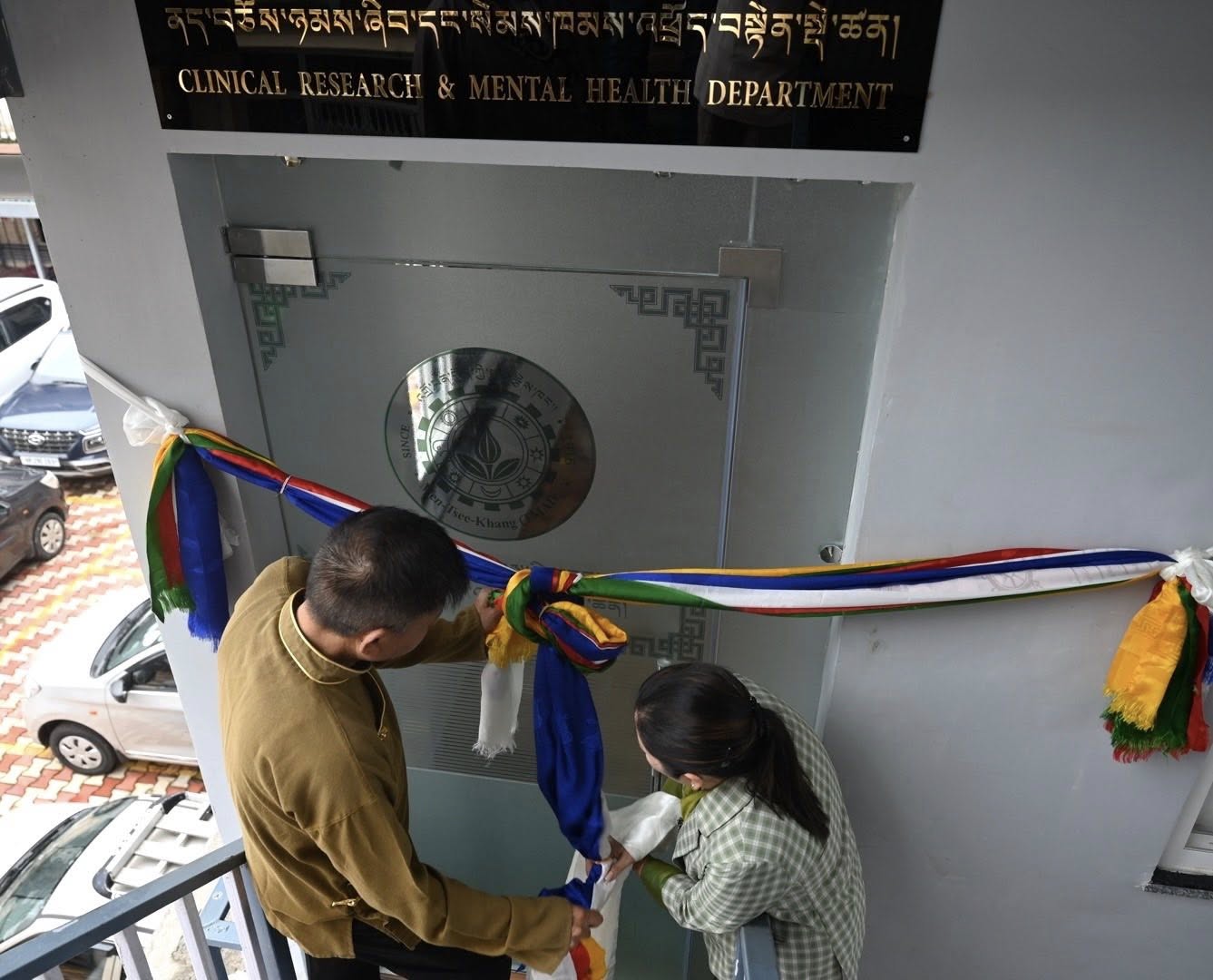
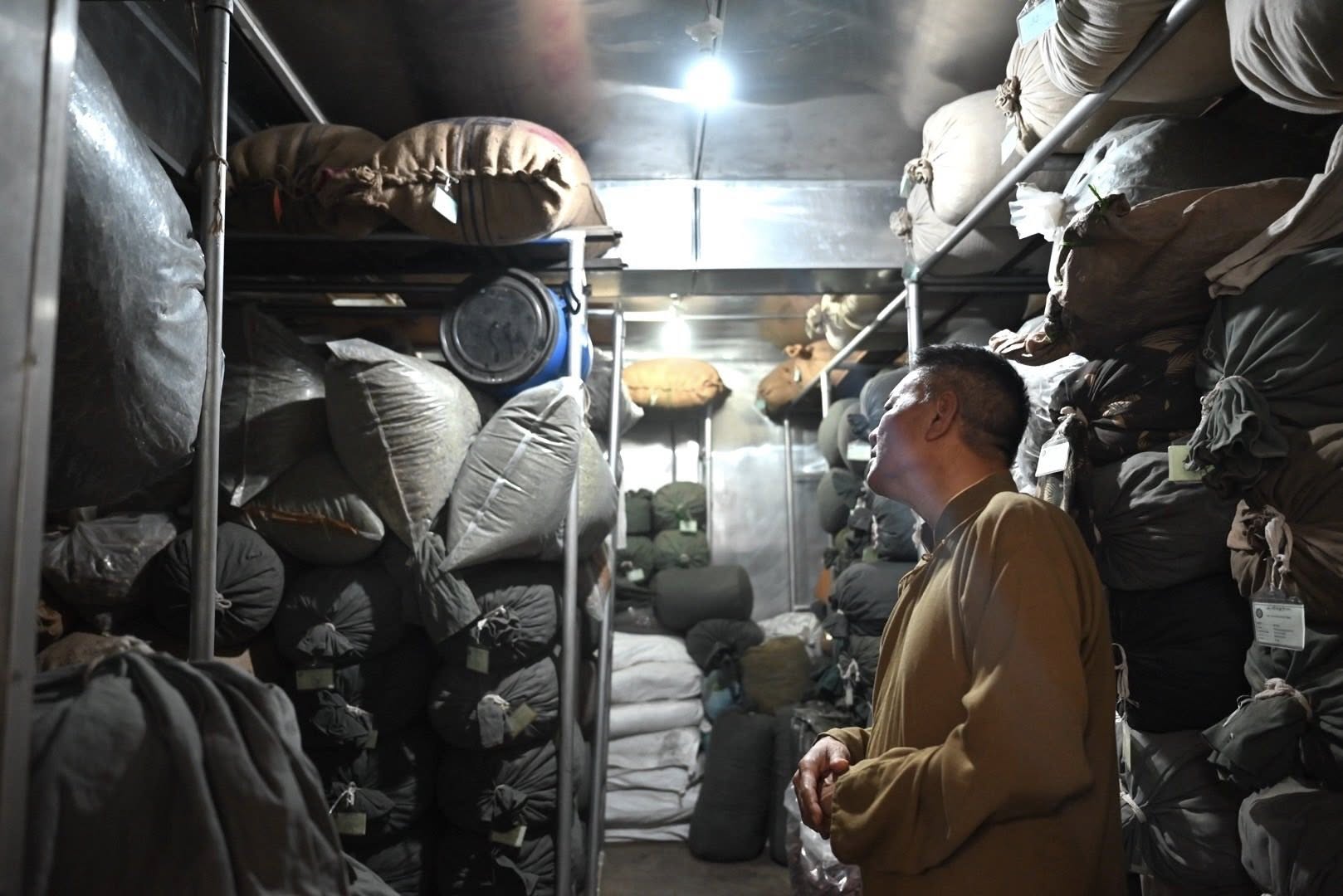
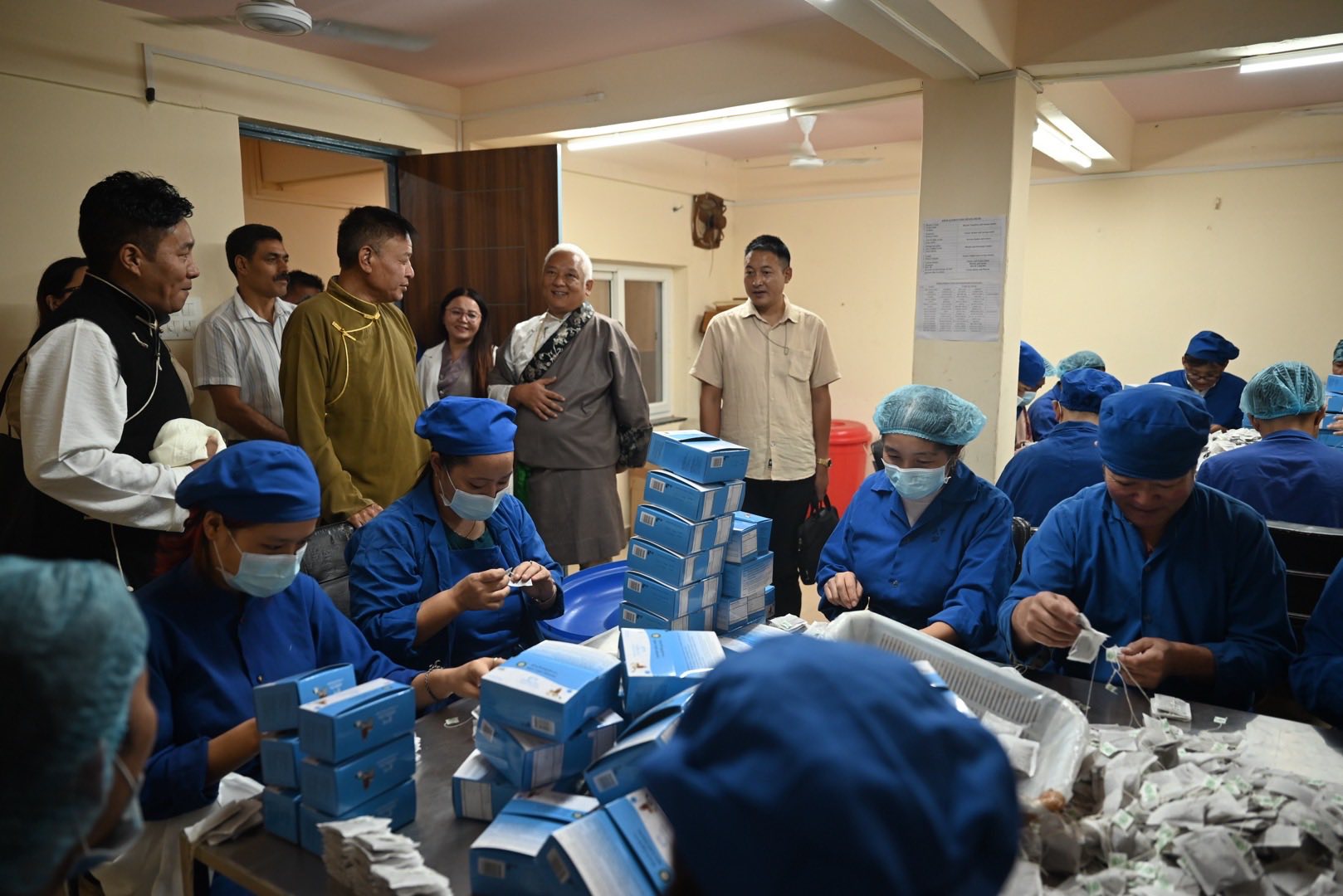
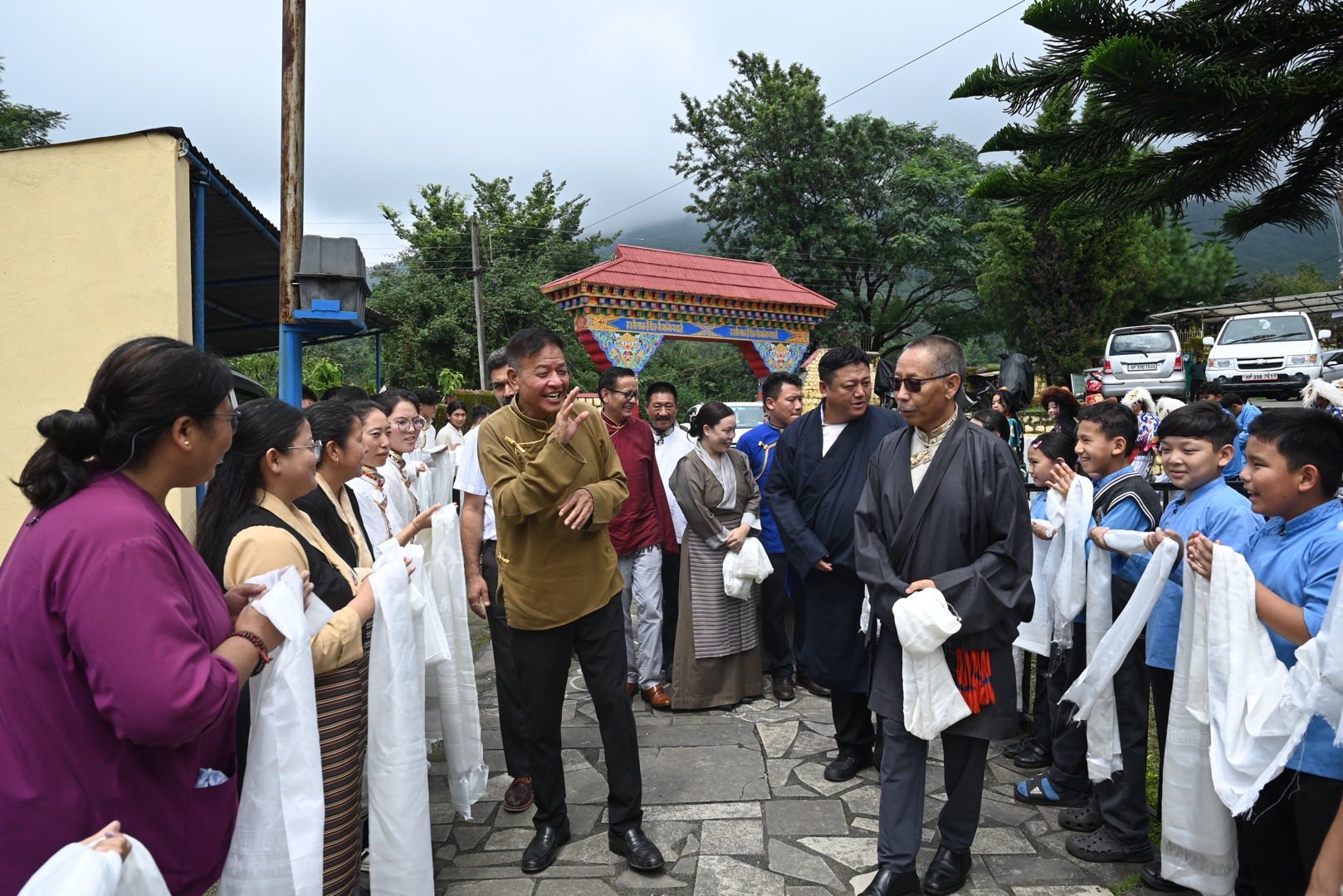
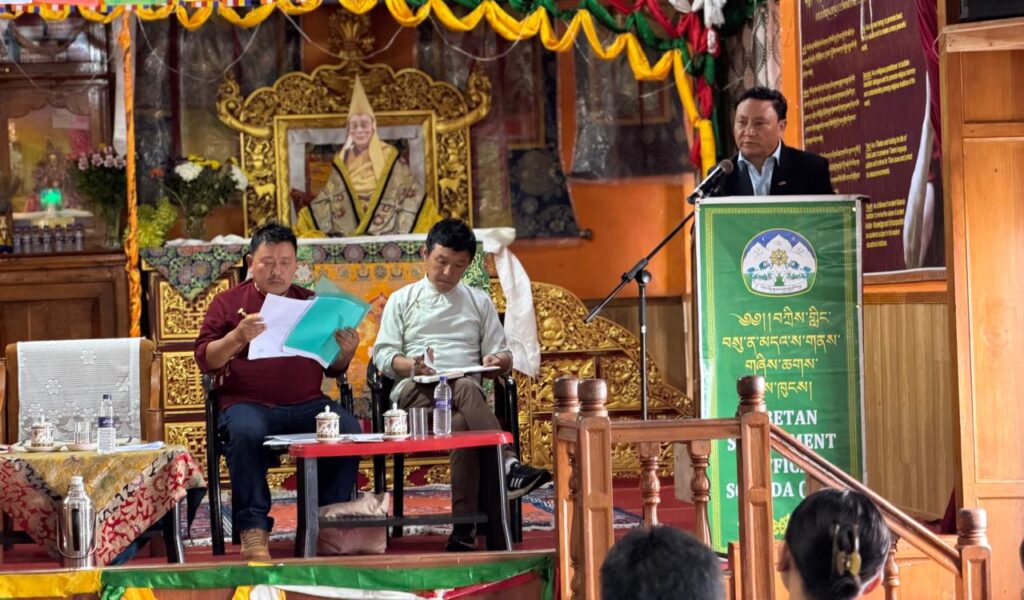
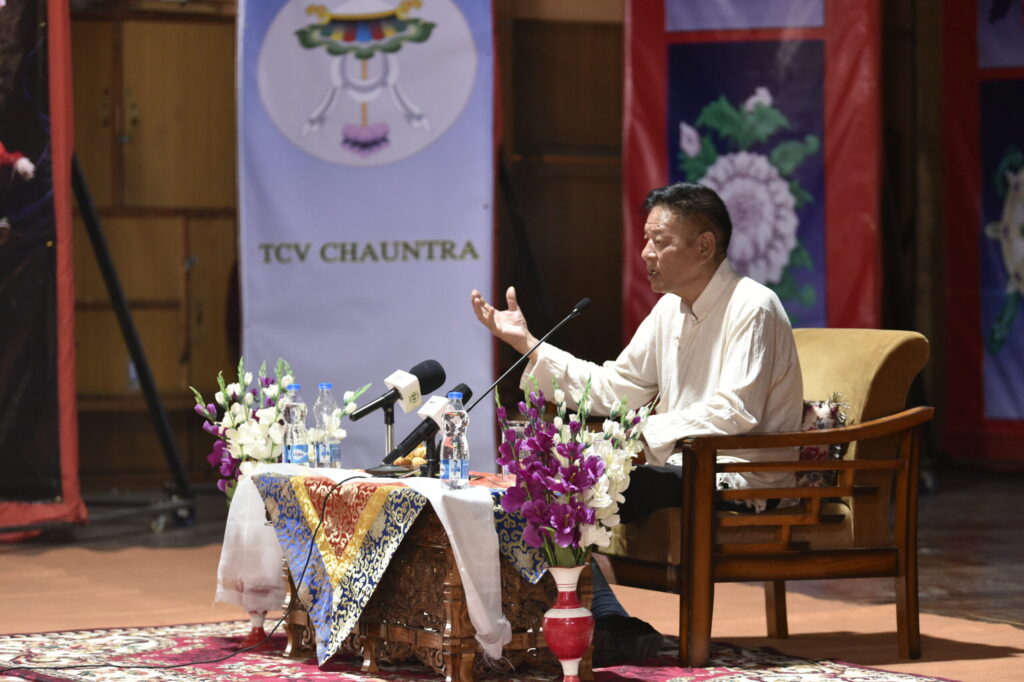
Dharamshala: Sikyong Penpa Tsering continued his official visit in Dharamshala with a tour of Men-Tsee-Khang, the Tibetan Medical and Astro Institute (TMAI). During this visit, he inaugurated newly renovated facilities and engaged with staff and students from various departments of the institute.
Following the tour, Sikyong addressed the Men-Tsee-Khang community, covering a wide array of topics, including the geo-strategic significance of Tibet and the imperative to preserve its historical identity, language, and religion. He elaborated on the principles of the Middle-Way Approach and outlined the initiatives undertaken by the 16th Kashag, particularly aimed at sustaining Tibetan settlements in exile.
He expressed appreciation for the staff and leadership of Men-Tsee-Khang, commending the institute’s improvements and encouraging greater diligence in maintaining public infrastructure.
Sikyong reiterated that the 16th Kashag has mandated all Central Tibetan Administration (CTA) bodies to register under Indian law, aiming to ensure legal accountability and institutional stability. He further emphasised the critical importance of strict adherence to the Foreign Contribution (Regulation) Act (FCRA) by all Tibetan institutions, underscoring that such compliance is essential for their effective and uninterrupted functioning.
Moreover, Sikyong reaffirmed the authority of His Holiness the 14th Dalai Lama, as enshrined in the first chapter of the Charter of the Tibetans in Exile, serving as a reminder to the community of the foundational principles that continue to guide the Tibetan movement.
On the political front, Sikyong reinforced the Kashag’s commitment to the Middle-Way Policy, which recognises Tibet’s historical independence while highlighting ongoing repression within Tibet. He stressed the importance of educating the younger generation about Tibet’s true historical narrative to empower them as effective advocates on the global stage. In this context, he recommended the academic works of Professor Michael van Walt van Praag and Professor Lau Han Shiang for a more comprehensive understanding of Tibet’s historical and legal status.
Sikyong expressed profound gratitude to His Holiness the Dalai Lama for his unwavering compassion and over six decades of dedicated efforts to preserve Tibetan identity and spiritual tradition in exile. The session concluded with an interactive question-and-answer segment, providing a platform for direct engagement with the Tibetan leadership.
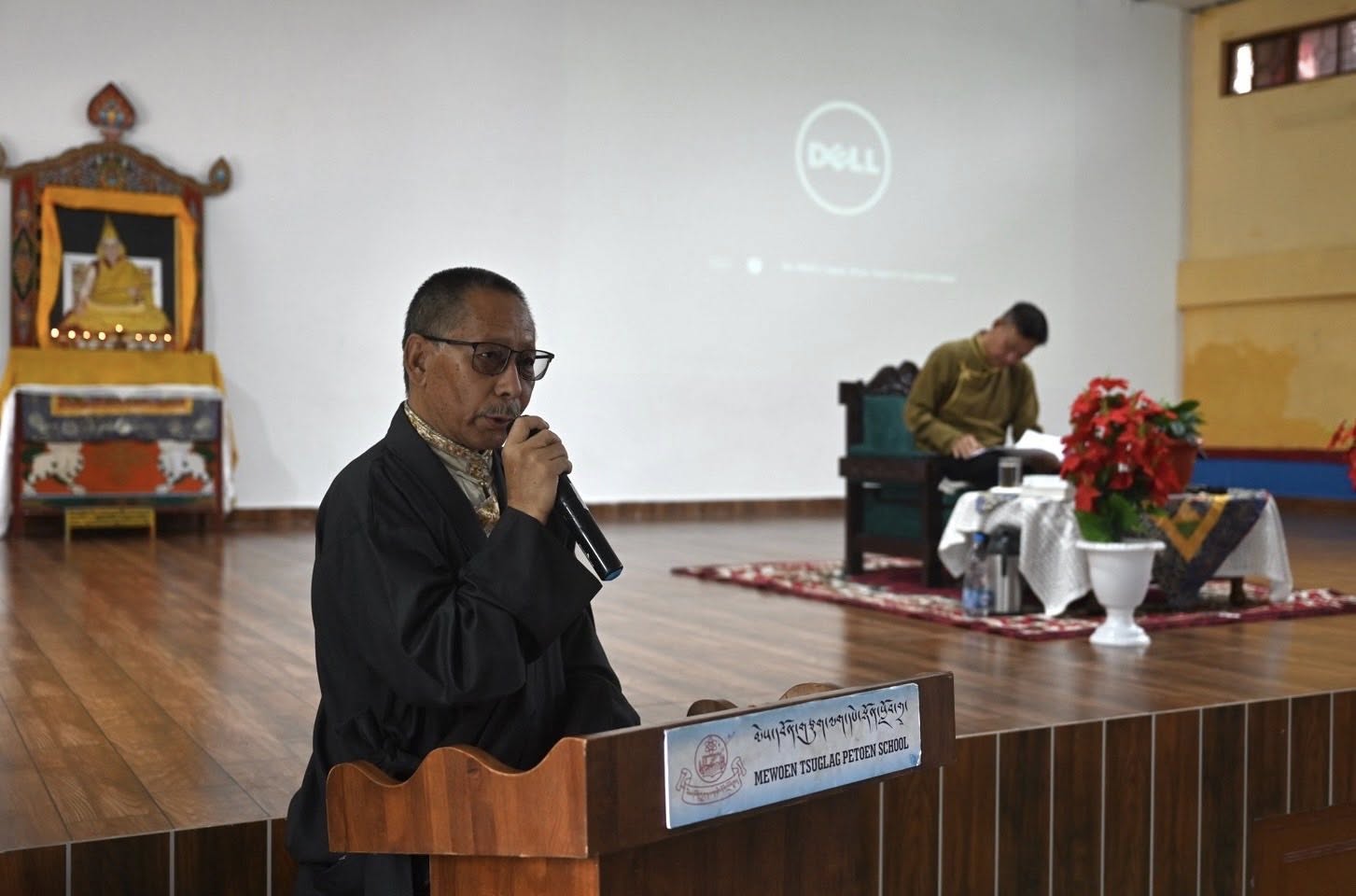
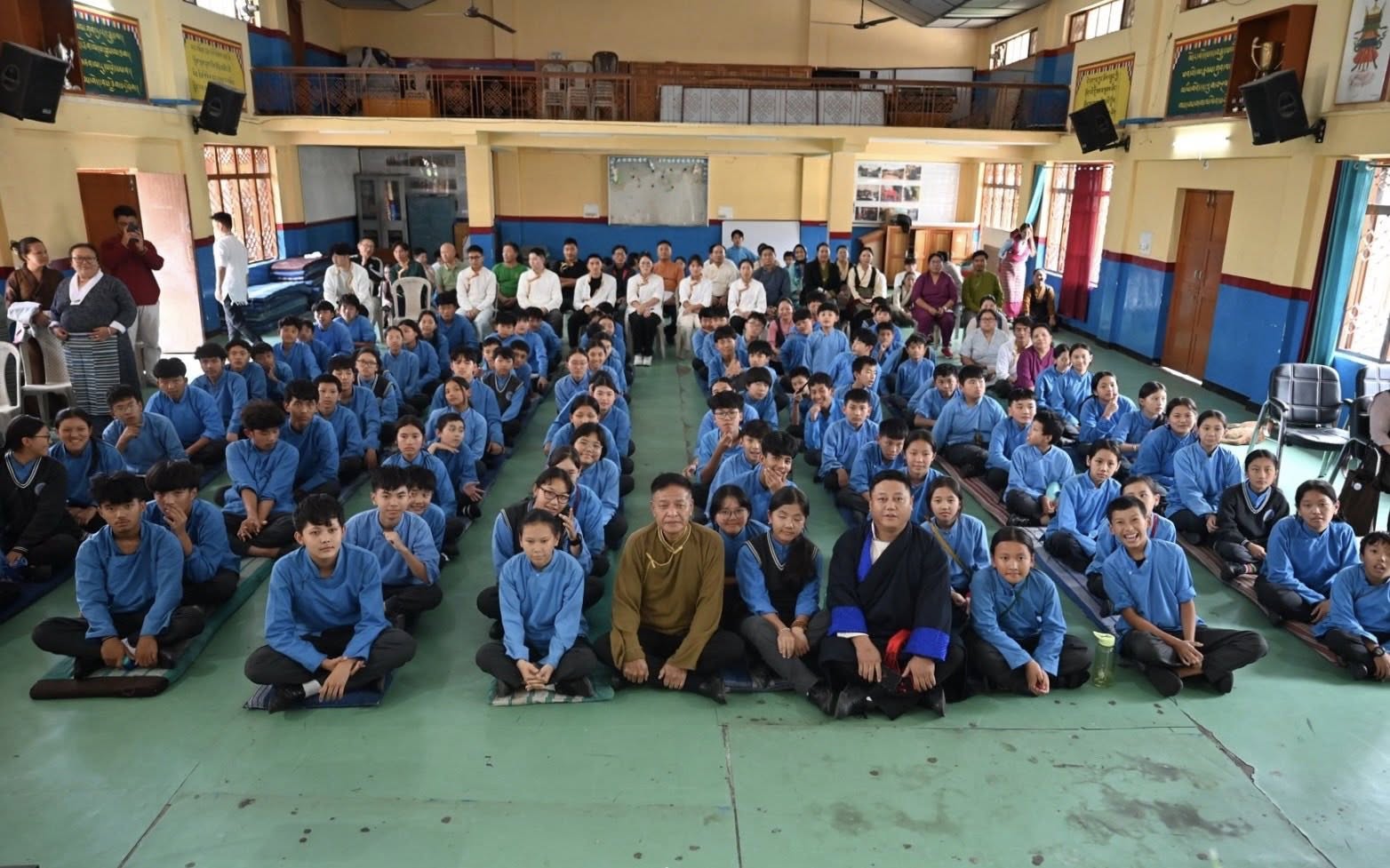
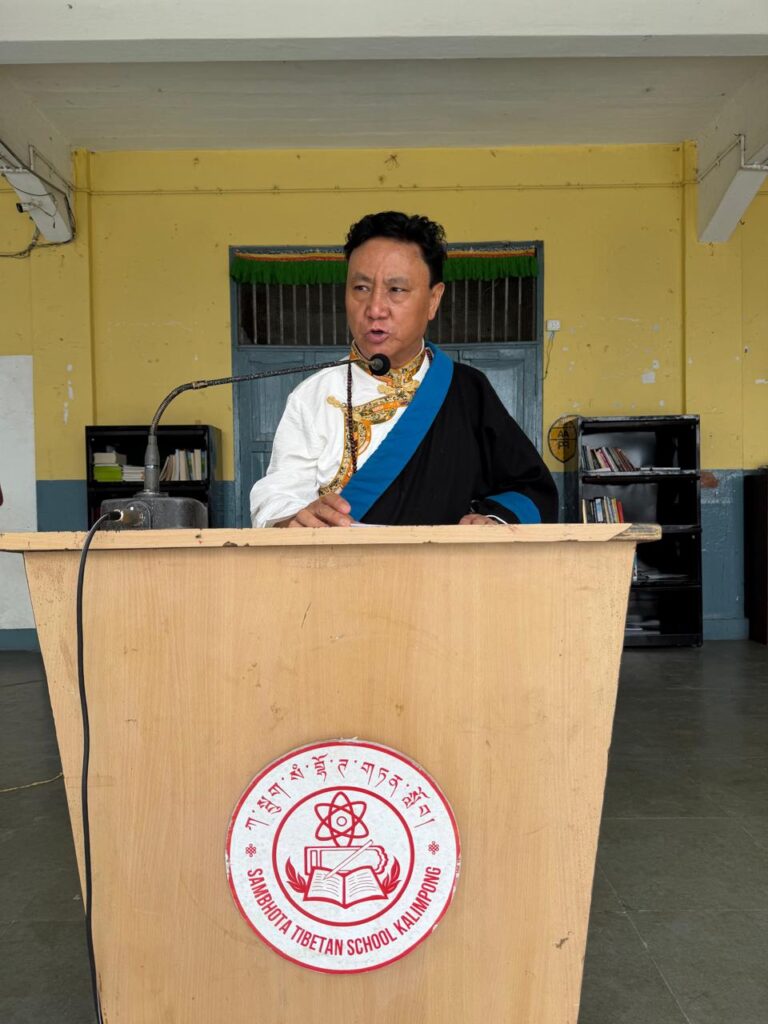
In the afternoon, Sikyong continued his itinerary with a visit to the Sambhota Tibetan Schools Administrative Office. He subsequently visited Peteon School and Sherab Gatsel Lobling, where he addressed students and staff.
During his remarks, Sikyong Penpa Tsering discussed Tibet’s historical evolution, emphasising the significance of understanding and preserving the authentic narrative of Tibet’s past. He firmly challenged the Chinese government’s longstanding claims that Tibet has always been an inseparable part of China. He asserted that the matter of the Dalai Lama’s reincarnation is solely the prerogative of His Holiness and that China holds no authority over this spiritual tradition.
Sikyong also highlighted the evolution of democracy within the Tibetan exile community, mentioning the importance of 2 September, celebrated as Tibetan Democracy Day, which commemorates the establishment of democratic governance in exile under the visionary guidance of His Holiness the Dalai Lama. The program concluded with a question-and-answer session with students and staff.
Sikyong was accompanied during the visits by Additional Secretary Tashi Dekyi, Section Officer Yeshi Tenzin from the Department of Home, Dharamshala Settlement Officer Kunchok Migmar, Local Tibetan Assembly President Dawa Tsering, and Tenzin Dakpa from the Tibetan Freedom Movement.