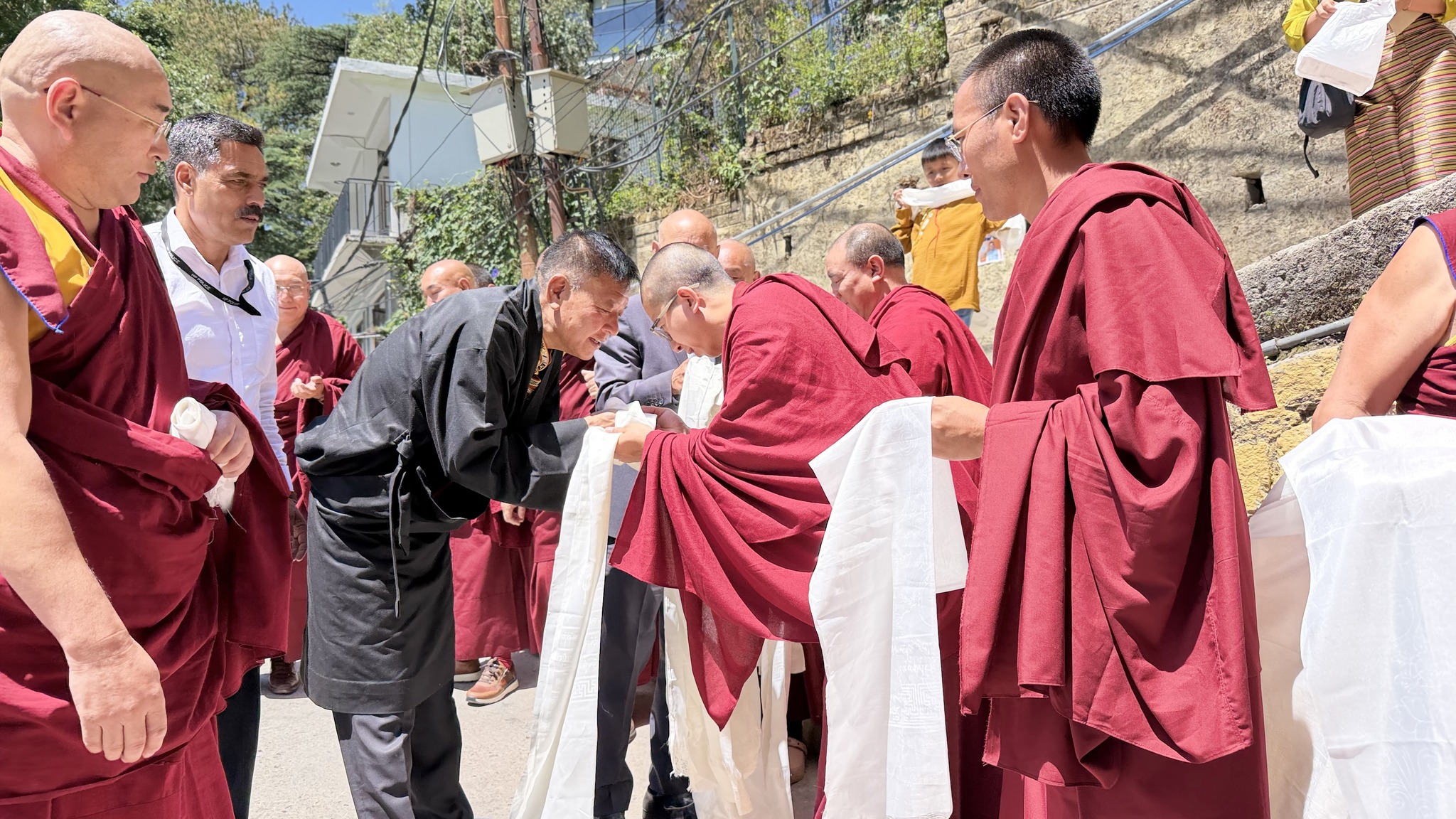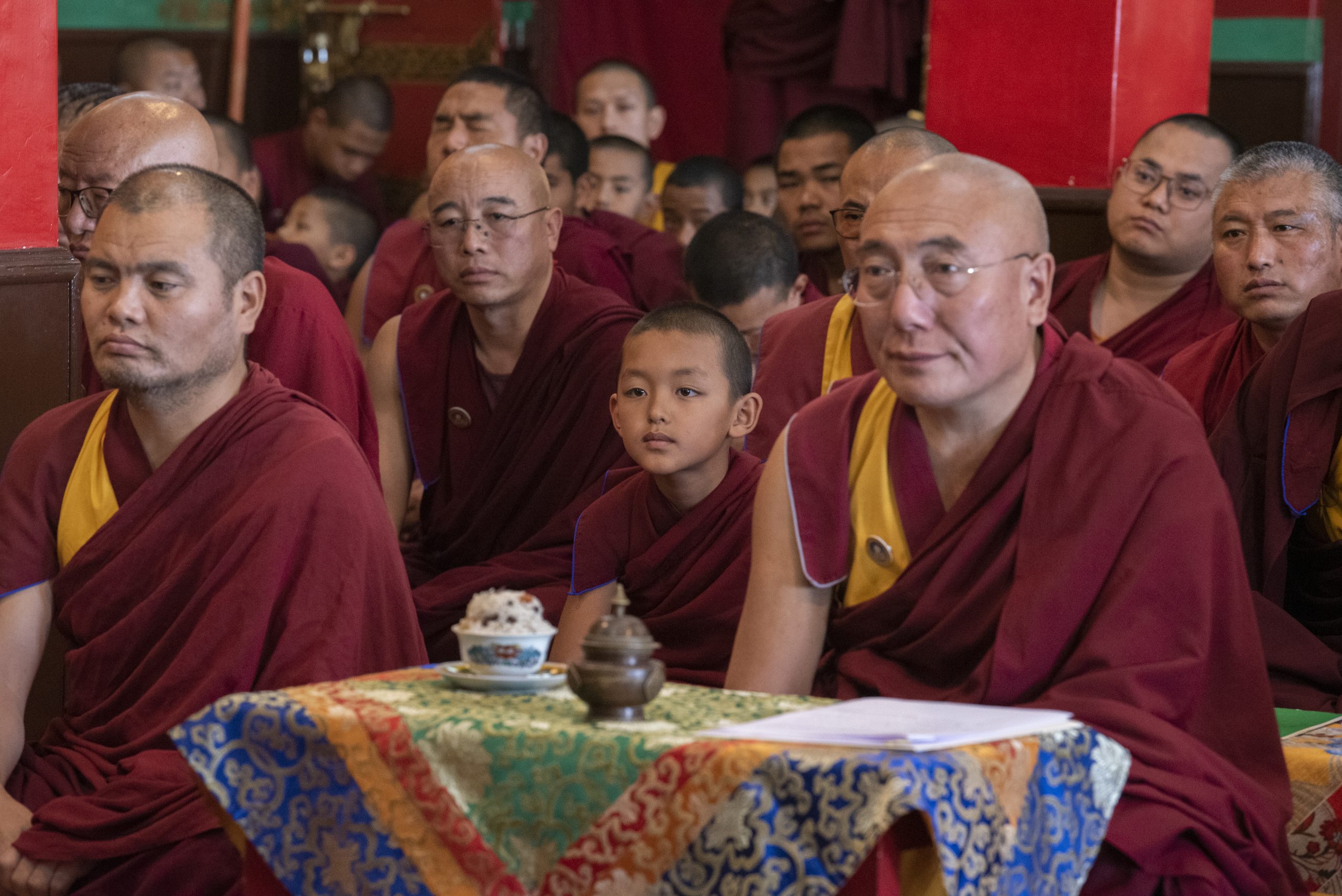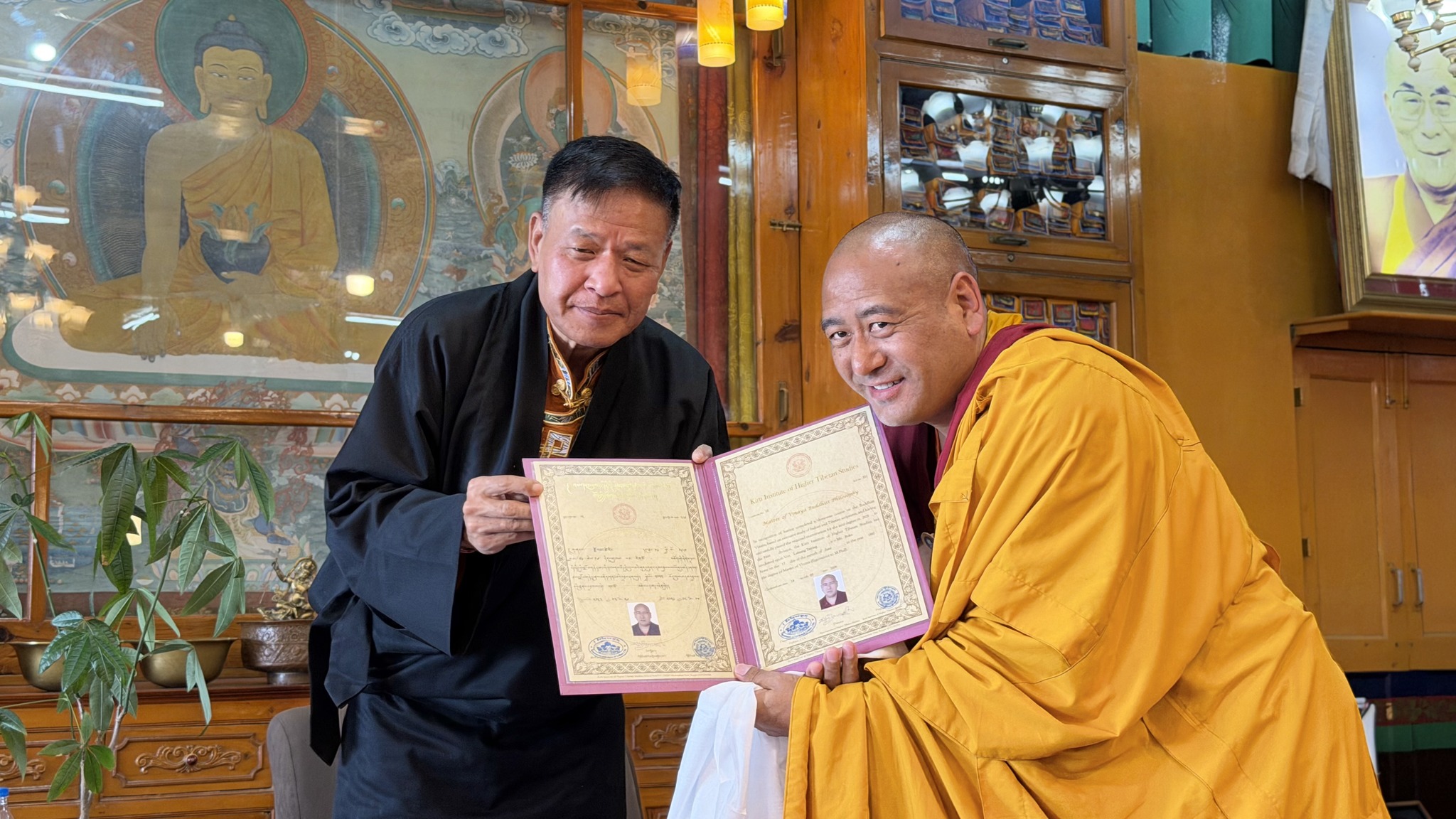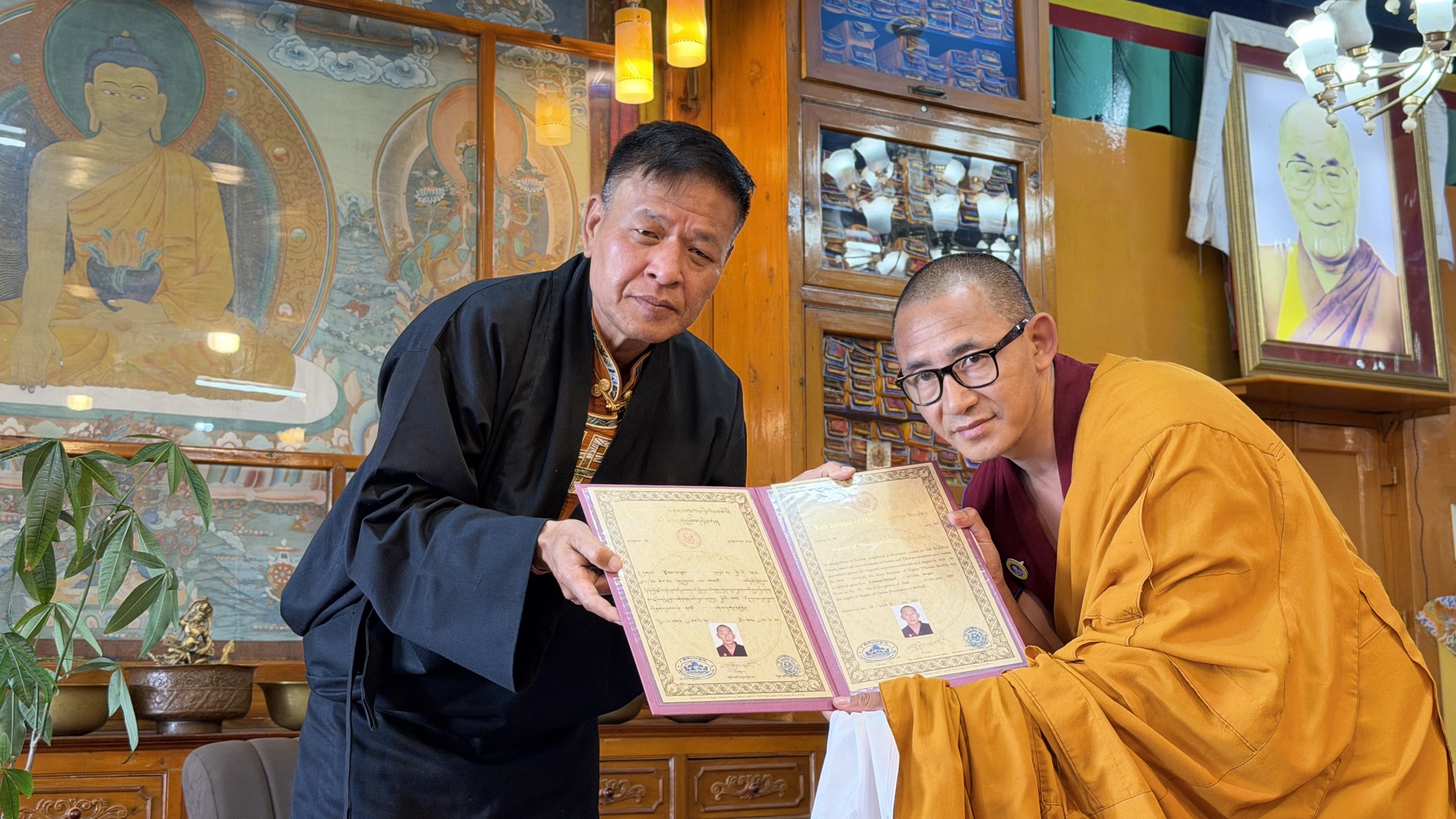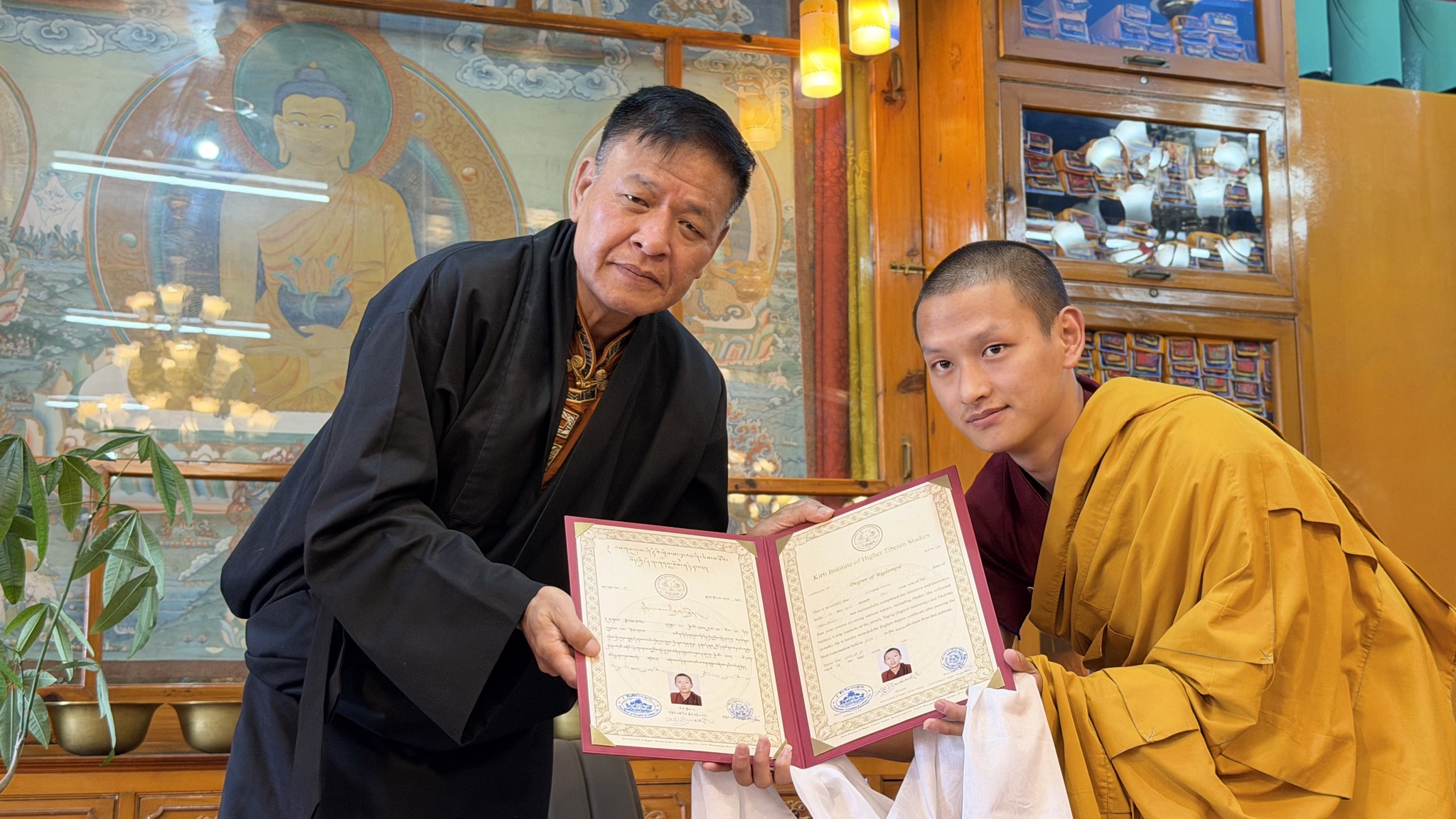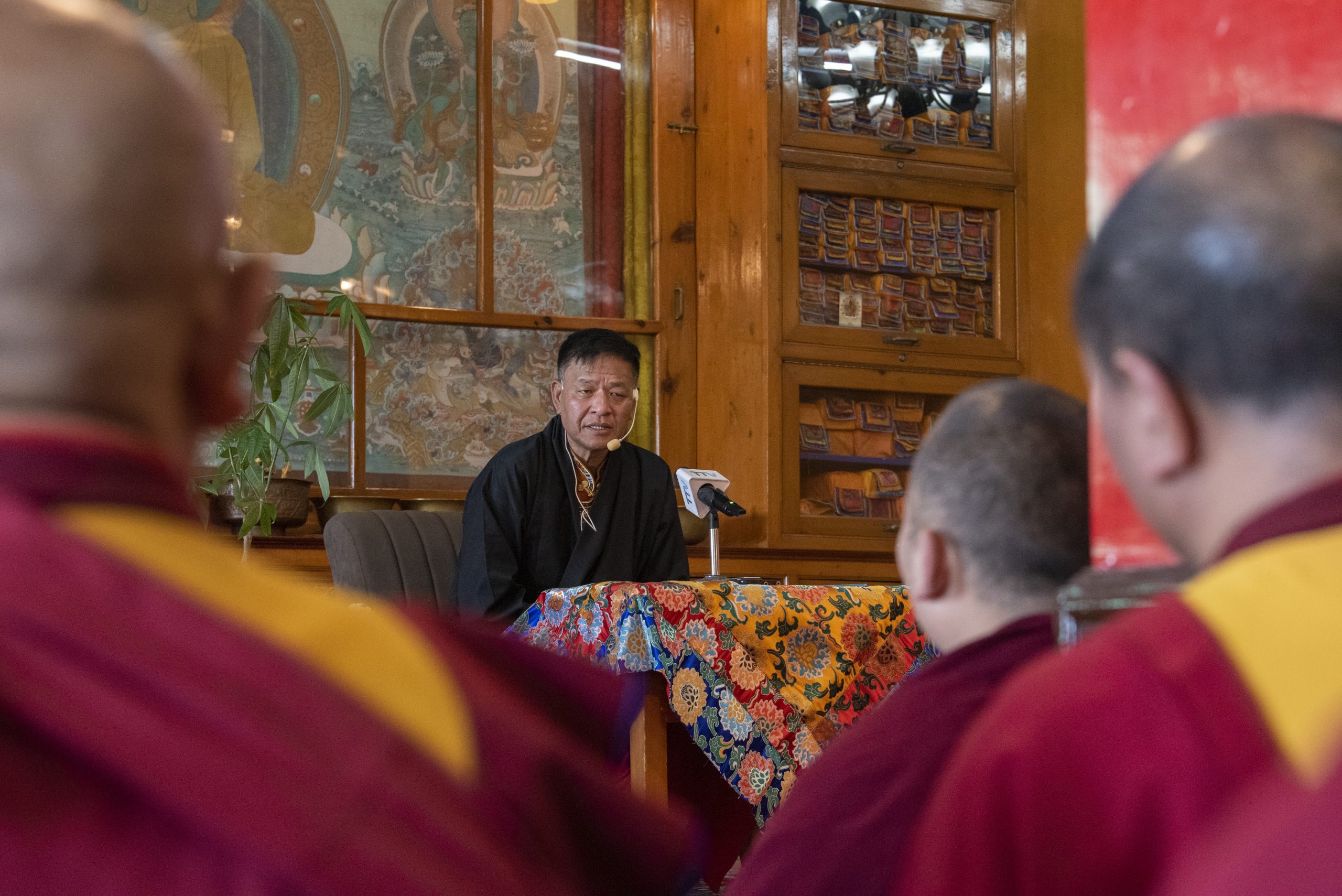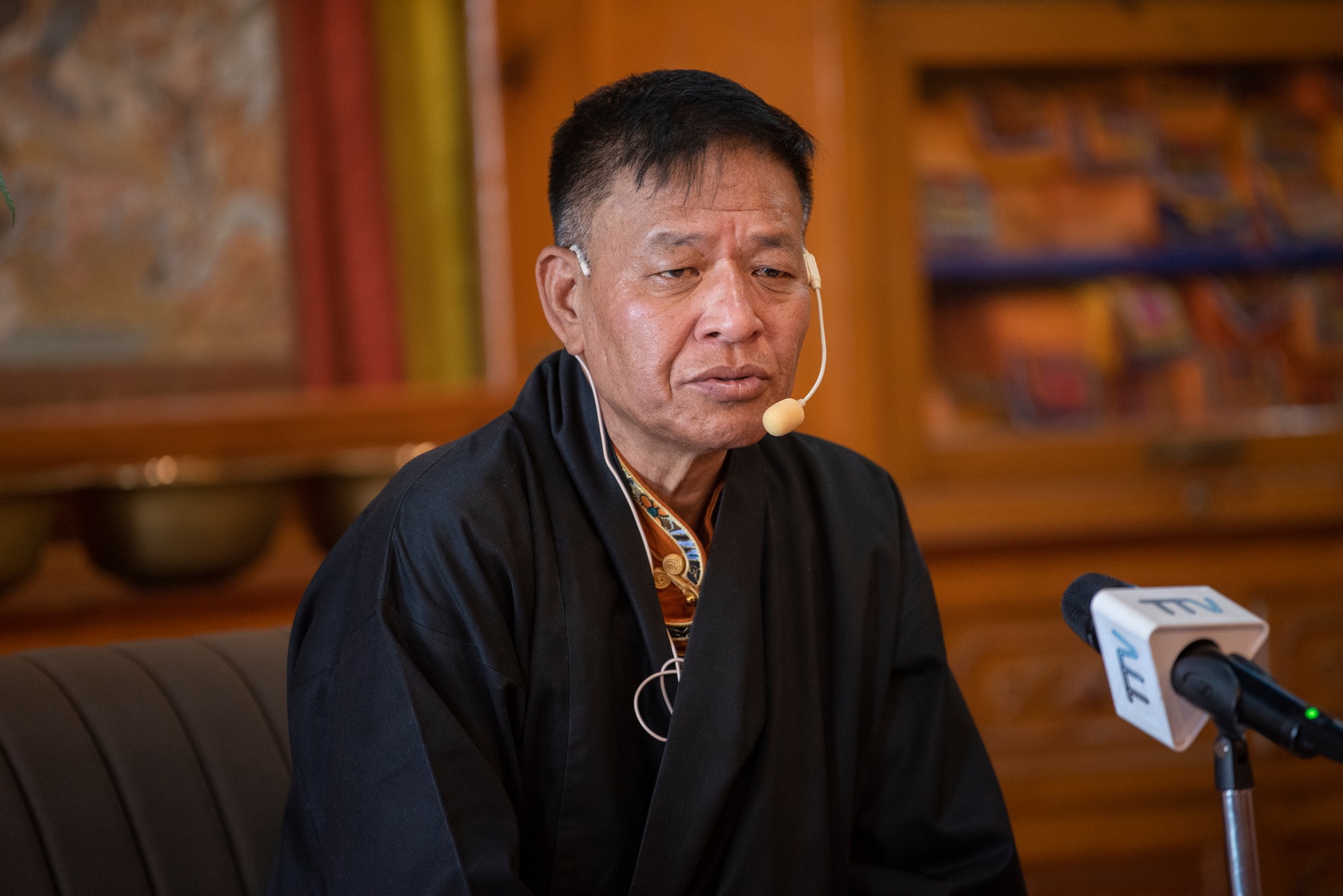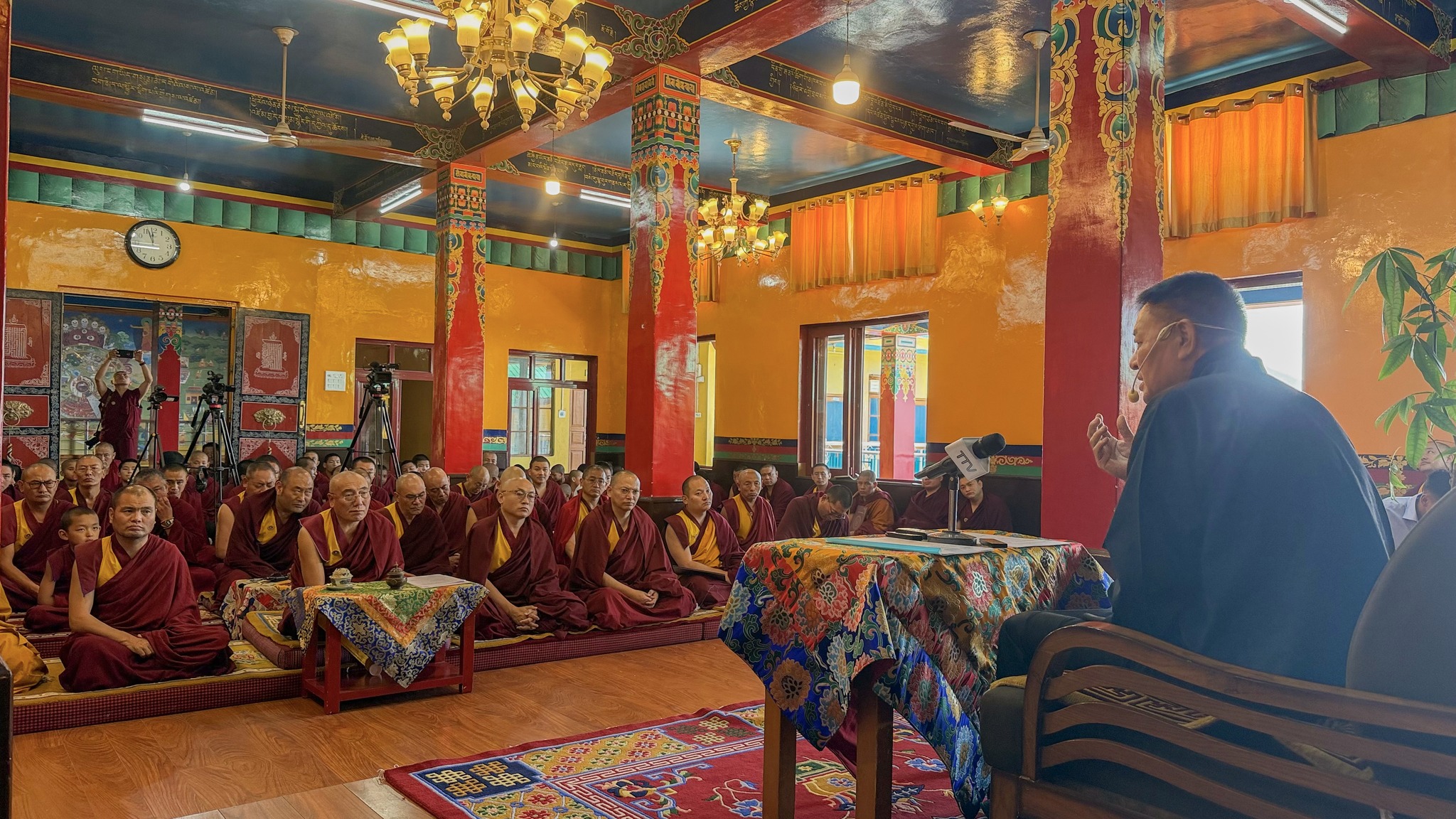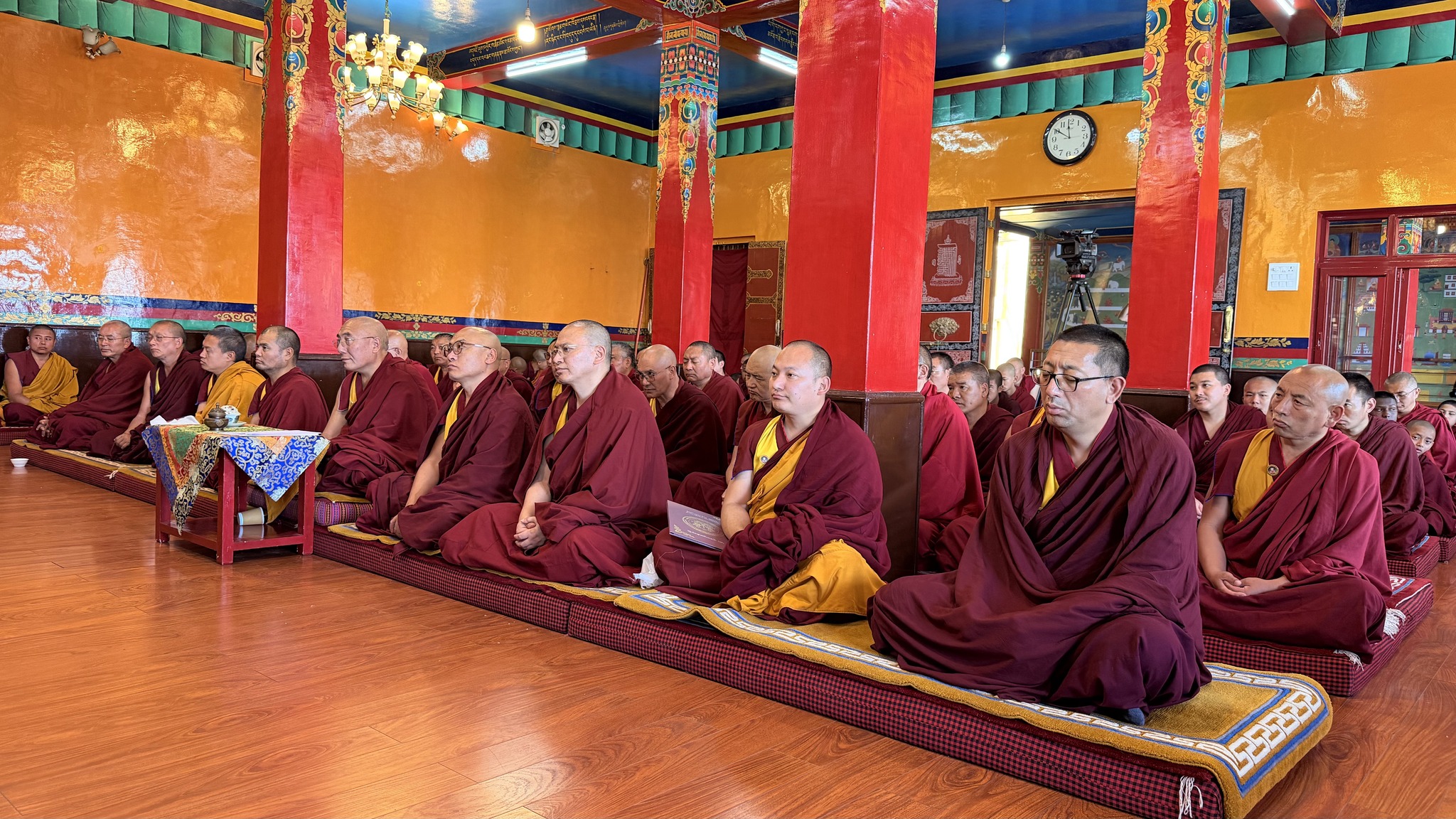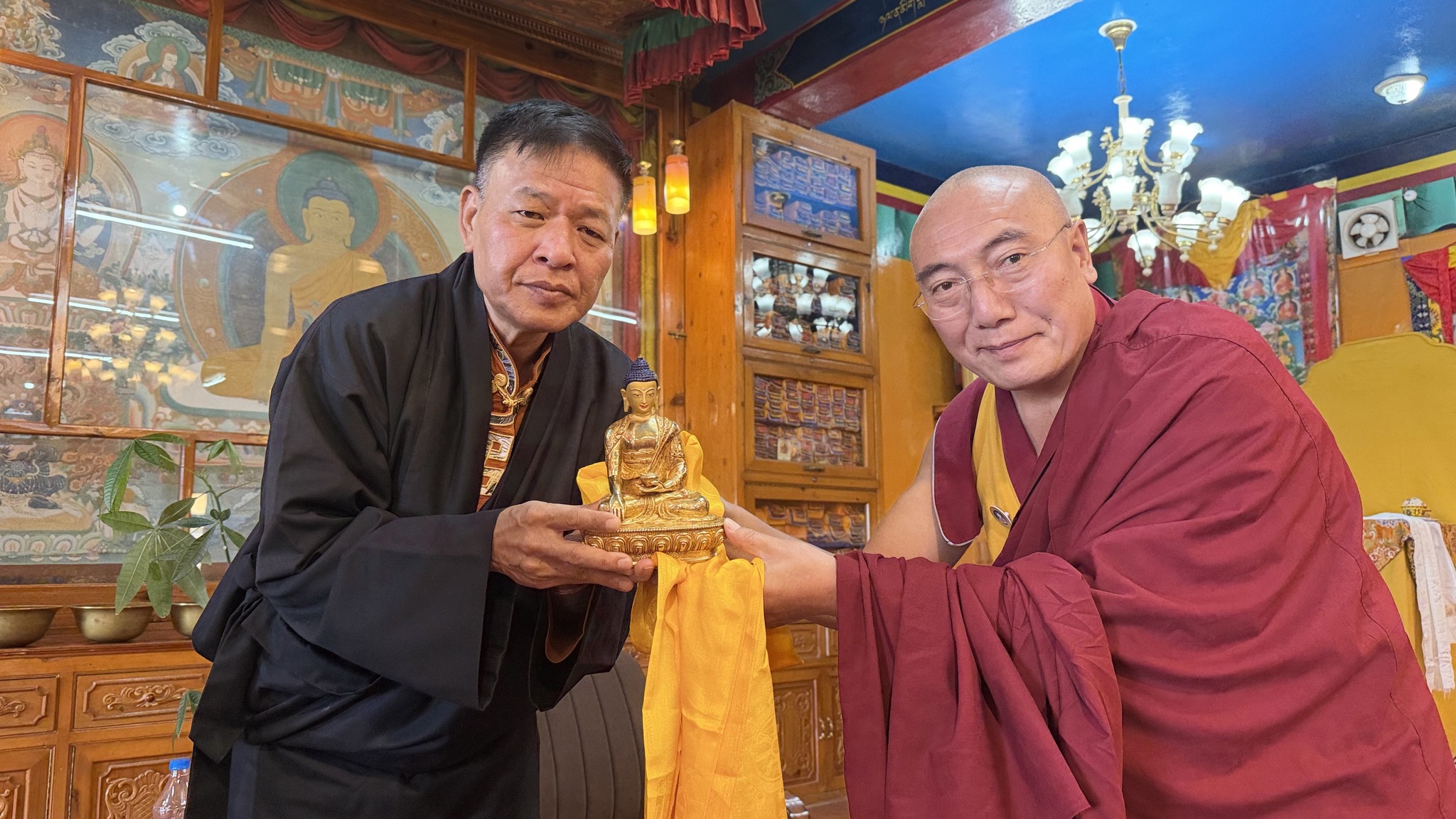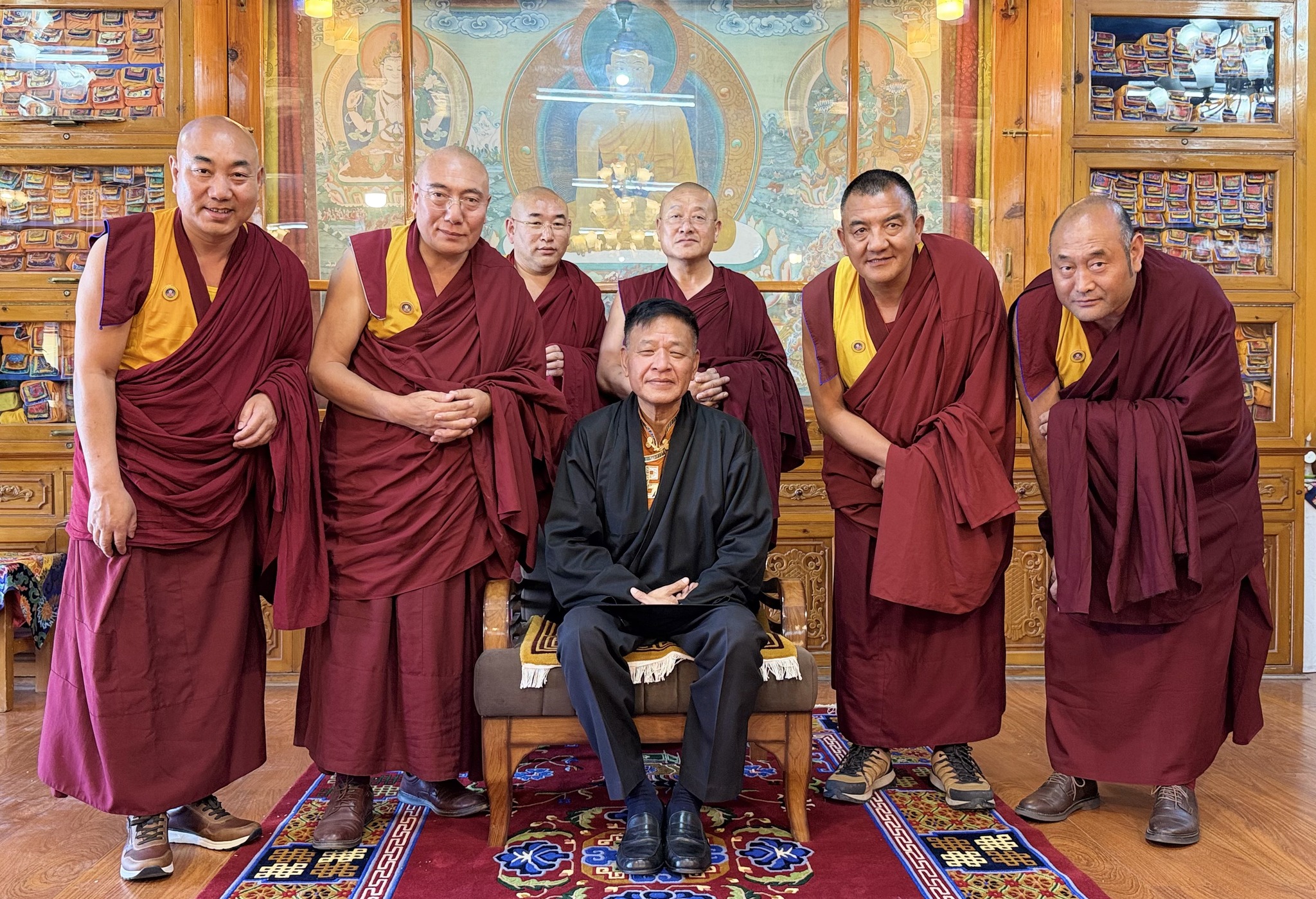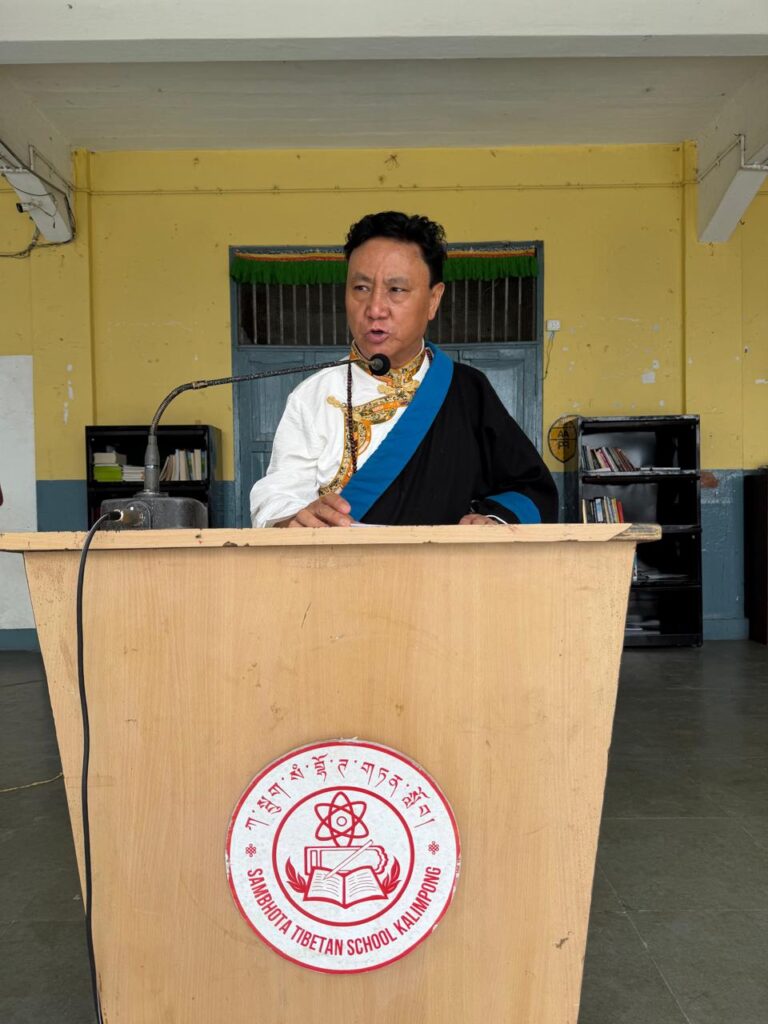

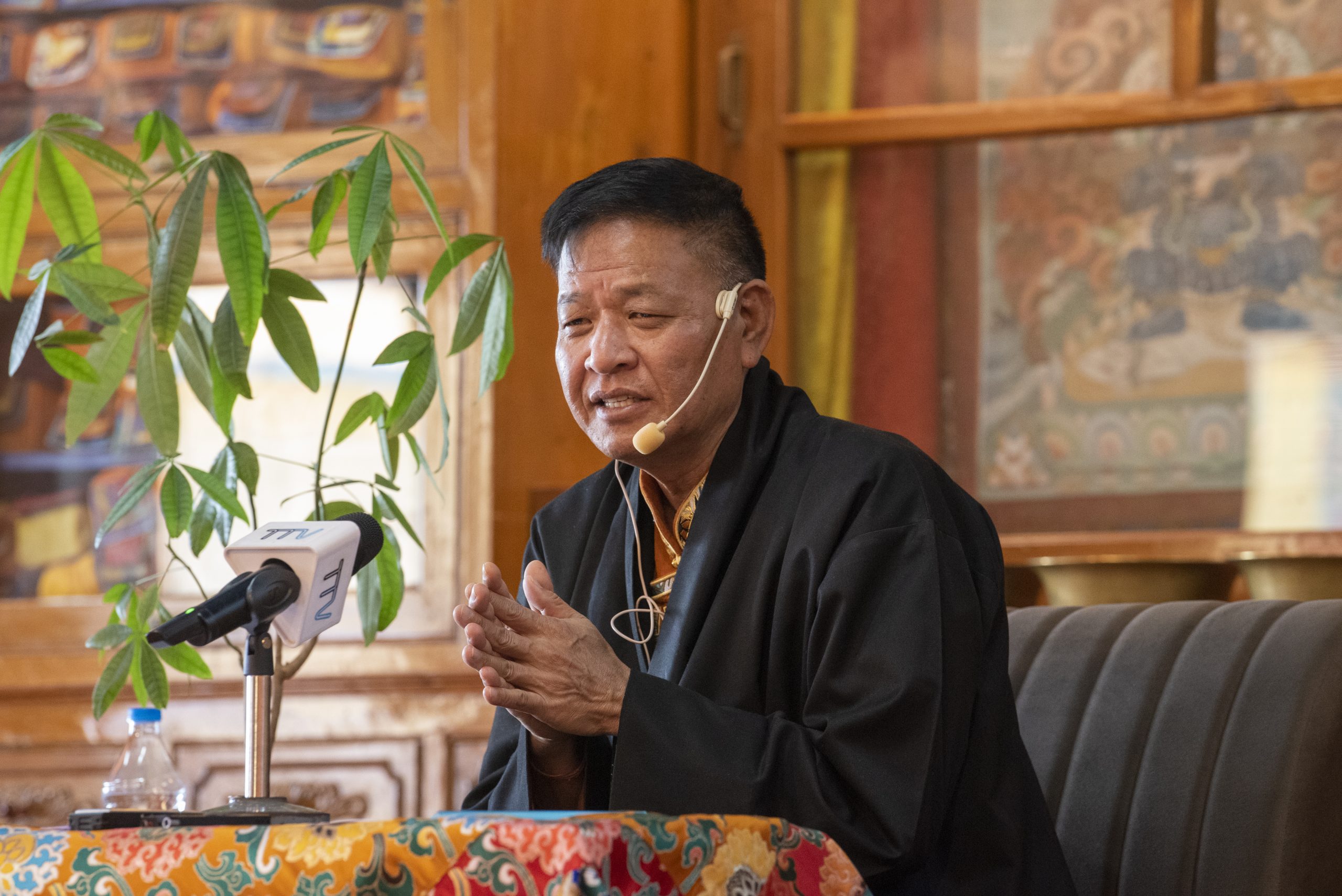
Dharamshala: Sikyong Penpa Tsering, in his capacity as the incumbent Kalon (Minister) of the Department of Religion and Culture of the Central Tibetan Administration (CTA), attended the graduation ceremony of the Kirti Institute of Higher Tibetan Studies as the chief guest earlier today.
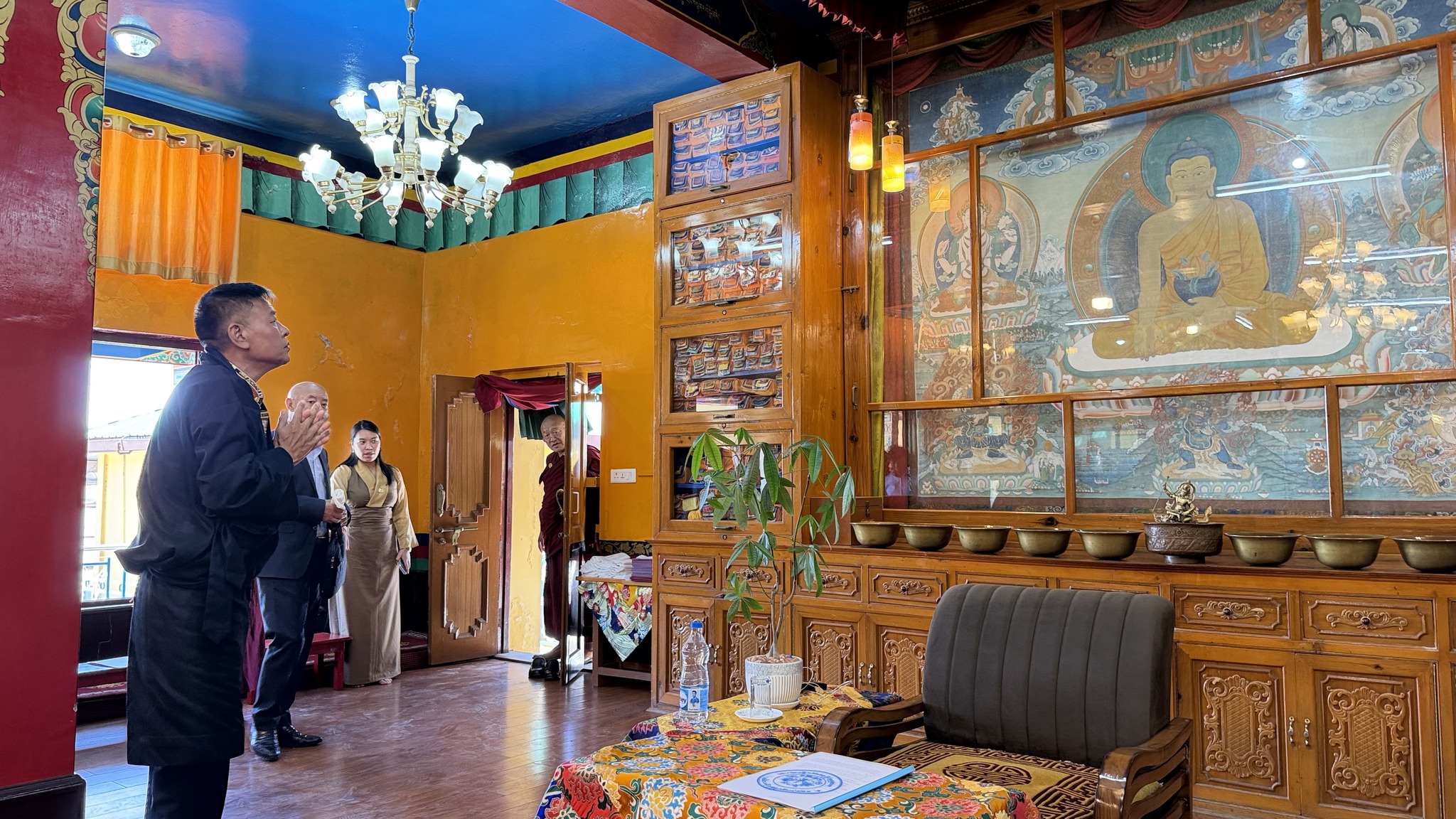
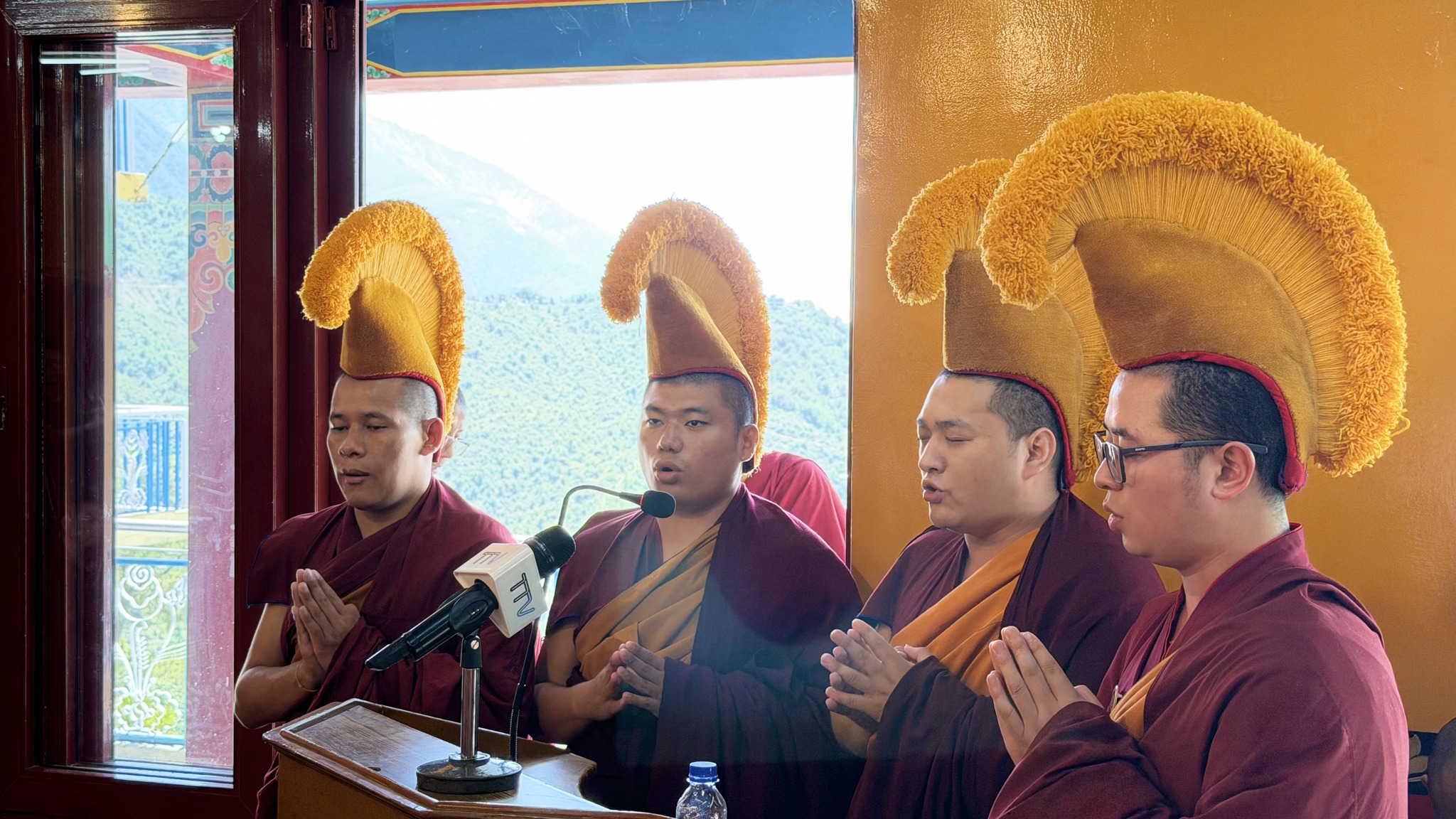
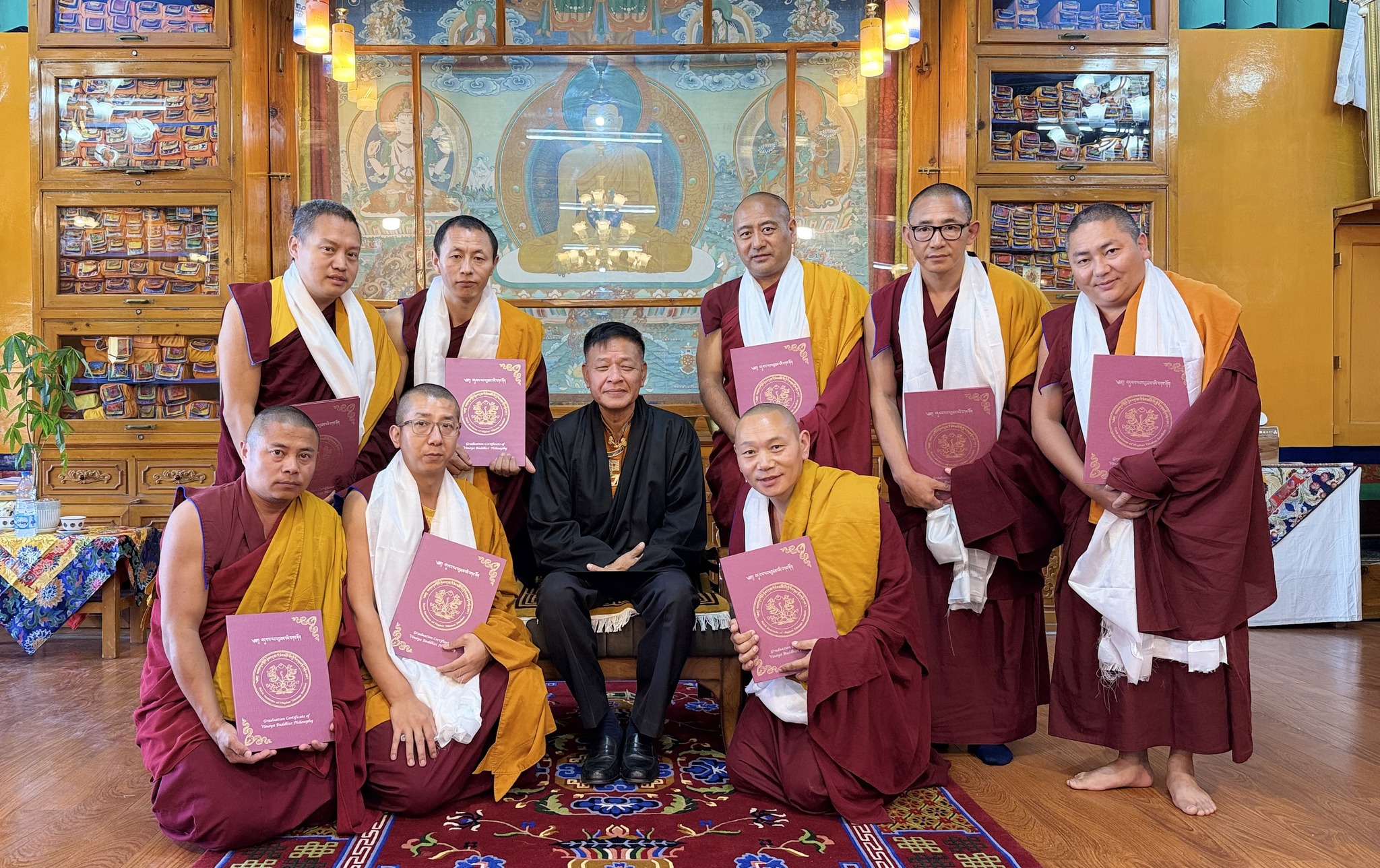
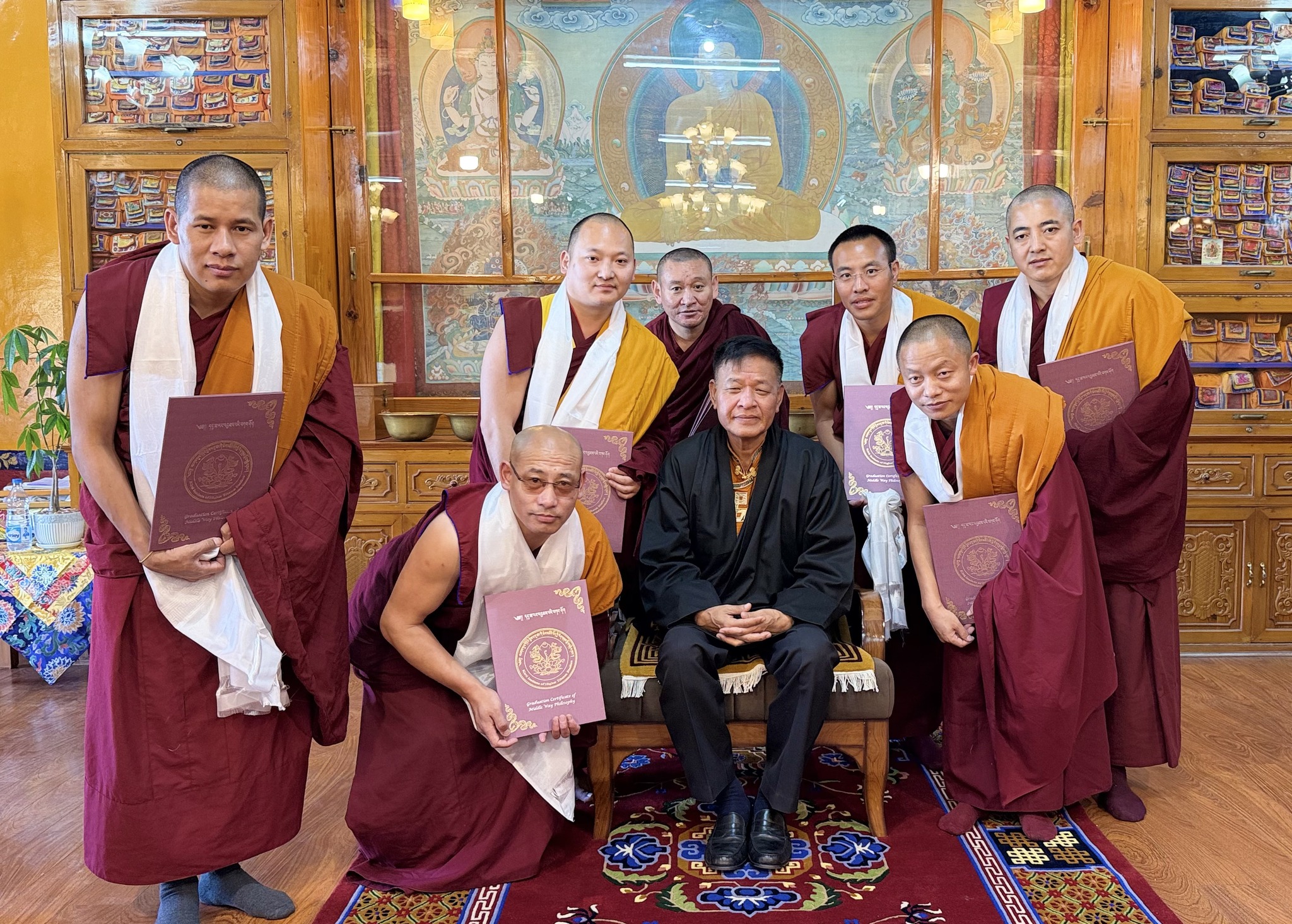
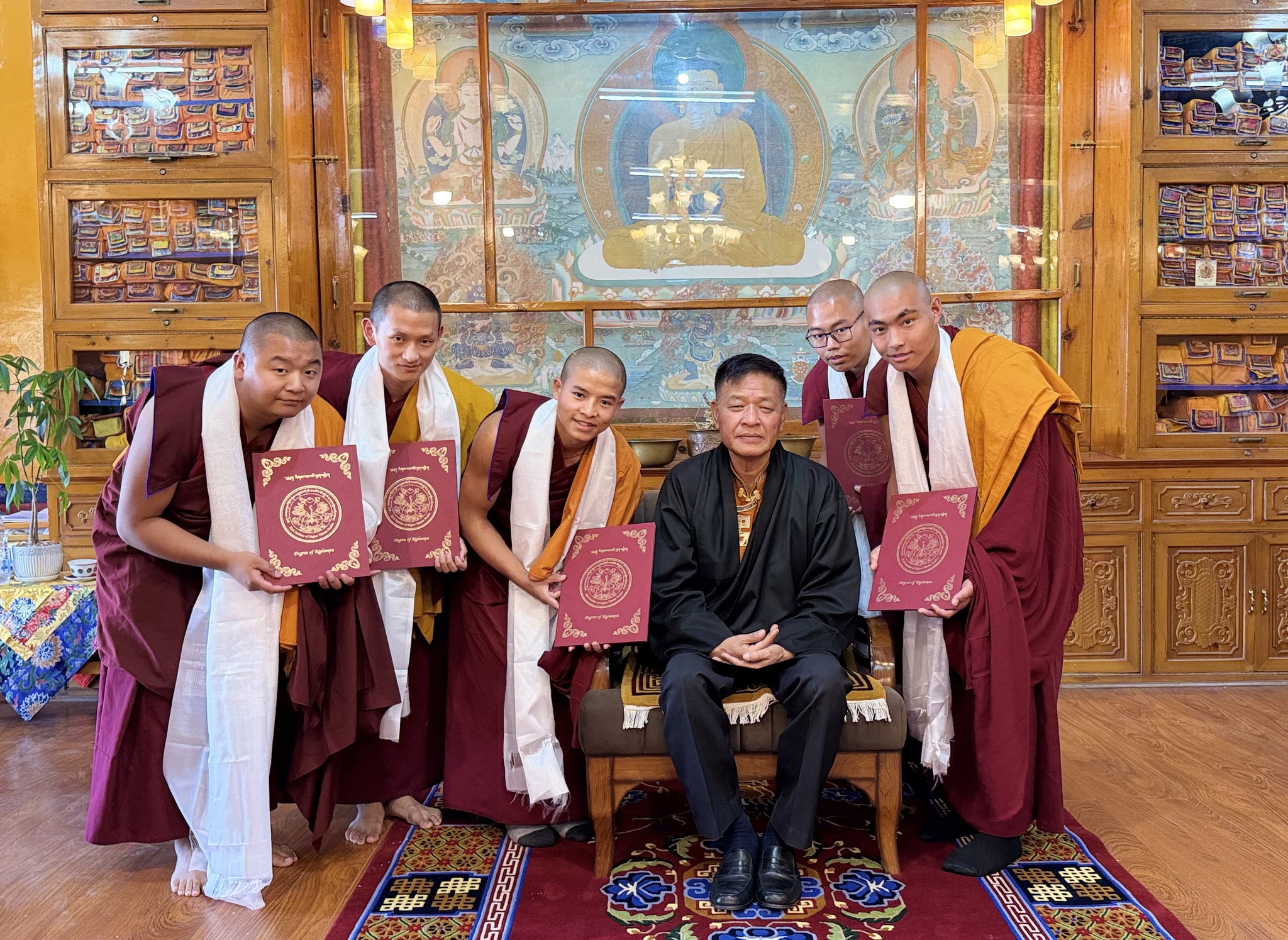
Sikyong attended the felicitation ceremony for graduates of the Master of Vinaya Buddhist Philosophy (equivalent to M.Phil), Madhyamika Buddhist Philosophy (Buddhist Middle Way Philosophy, equivalent to M.A), and Riglampa degree programmes at Kirti Monastery. The occasion commenced with the ceremonial offering of a butter lamp by the chief guest, followed by prayers recited by the assembly.
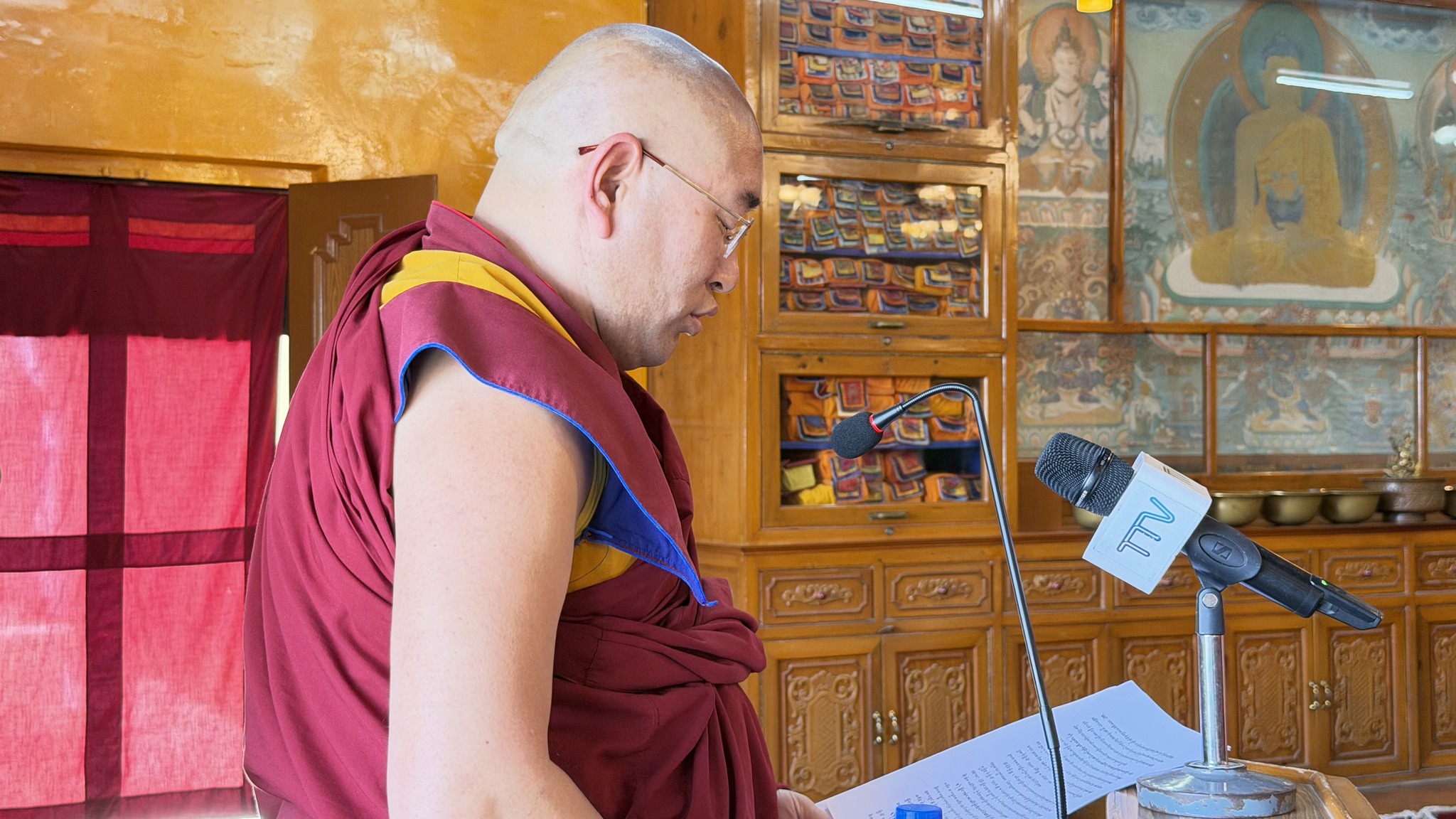
The programme began with opening remarks by Soru Thargyal, Principal and teacher of Kirti Monastery, who gave a brief overview of the history of the Kirti Jepa Datsang Institute of Higher Studies. He noted the institute was established under the blessings and guidance of Kirti Rinpoche, with initial construction beginning in April 1988. He further stated that Khenpos and teachers joined the institute in 1990, two years after its establishment.
Recalling the institute’s academic history, he remarked that the first graduation ceremony was held on 9 May 1996 under the blessings of His Holiness the 14th Dalai Lama, and since many monks have graduated from the monastery.
He further stated, “Since 1990, around 700 monks have enrolled at the monastery. At present, the monastery has 109 monks and 16 teachers, with a total of 186 monks and staff, including administrative personnel.” He concluded by presenting a brief report on the monastery’s publications and achievements since its establishment.
Assistant Principal Kunchok Woser announced the names of the twenty-three graduating monks during the ceremony, after which Sikyong Penpa Tsering presented them with certificates and ceremonial scarves.
Addressing the graduation ceremony, Sikyong expressed appreciation to the teachers, monastery officials, and all those involved in nurturing and guiding the students in their academic and spiritual pursuits. He encouraged the graduates to utilise their knowledge and learning for the benefit of society and the preservation of Tibetan religion and culture.
Sikyong stated that the opportunity to hold such a ceremony was made possible through the grace and kindness of His Holiness the Dalai Lama. He remarked that although many monasteries in Tibet were destroyed following China’s occupation, they had been successfully re-established and preserved in exile. He further highlighted the dedicated efforts of Kirti Rinpoche, stating that his contributions have greatly benefited not only Kirti Monastery in exile but also the wider Tibetan community and those engaged in the study of Tibetan Buddhism.
Following Sikyong addressed the situation inside Tibet, noting that many of the self-immolations in Tibet have occurred in the Kirti region, reflecting a strong sense of political awareness among the Tibetan people there.
In his keynote address, Sikyong spoke about the growing challenges confronting the preservation of Tibetan religion, culture, and language inside Tibet. He referred to the approval of China’s “Ethnic Unity Law” on 12 March 2026, stating that the legislation institutionalises policies aimed at accelerating the assimilation of ethnic minorities into a Han-centric Chinese identity. He noted that the law use as a legal instrument to undermine Tibetan national identity and to restrict the use of the Tibetan language and culture.
Thereby, Sikyong emphasised the importance of preserving and promoting Tibet’s rich Buddhist philosophy and cultural heritage through continued study, practice, and service to the community. He further underscored the importance of the Tibetan language, describing it as a vital foundation for safeguarding Tibetan identity, religion, and culture for future generations.
Referring to the large number of tourists visiting Tibetan settlements and places such as Dharamshala, he stated that it is important to communicate and explain Tibetan religion and culture in different languages in order to raise greater awareness among both local residents and international visitors.
In this connection, Sikyong provided a brief overview of ongoing digitisation and library initiatives, including efforts to archive important records and Buddhist texts through digital preservation. Sikyong also highlighted initiatives undertaken to preserve Tibetan religion and culture, including the Tibetan Digital Library and the launch of the “Neykor” app.
He noted that the app currently supports three languages and added that there are plans to make it accessible in multiple languages in the future in order to reach a wider audience.
“Given China’s current policy approach, dialogue between Tibet and China remains difficult. However, education—whether pursued in monasteries or elsewhere—must be utilised for the benefit of society and others,” Sikyong concluded.
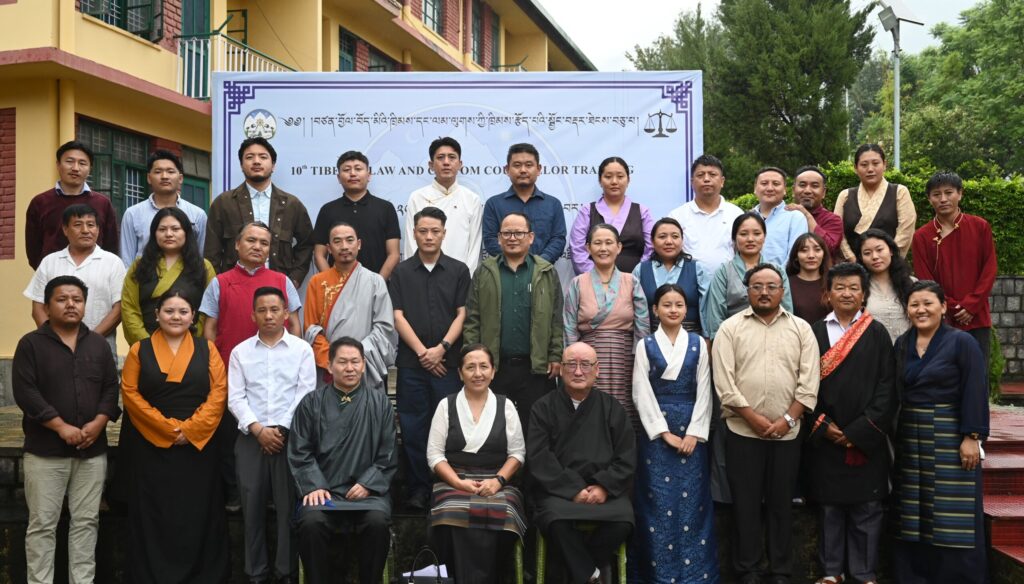
The ceremony concluded with a vote of thanks delivered by Lobsang Tsondue, followed by a group photograph with the graduating monks.