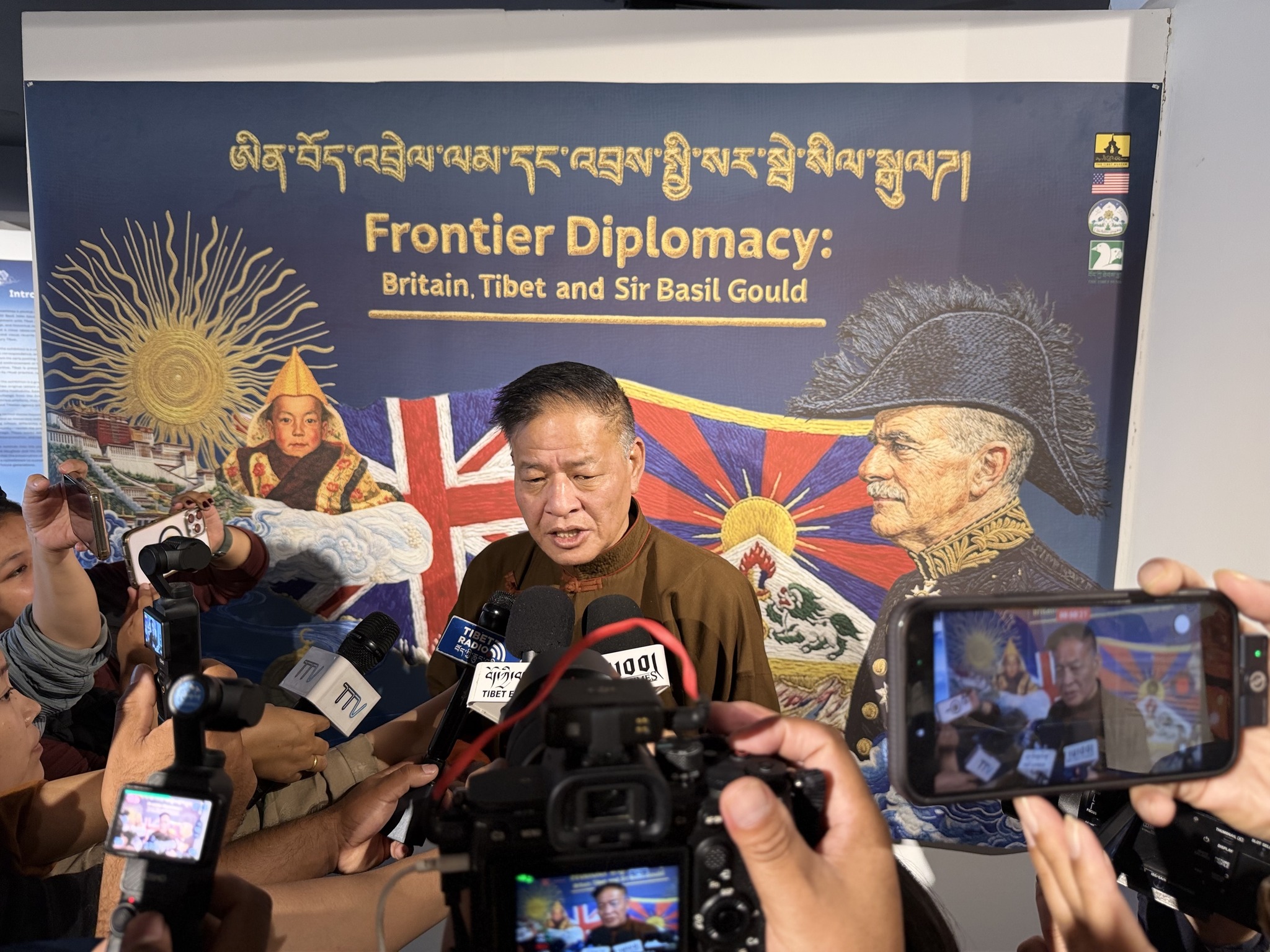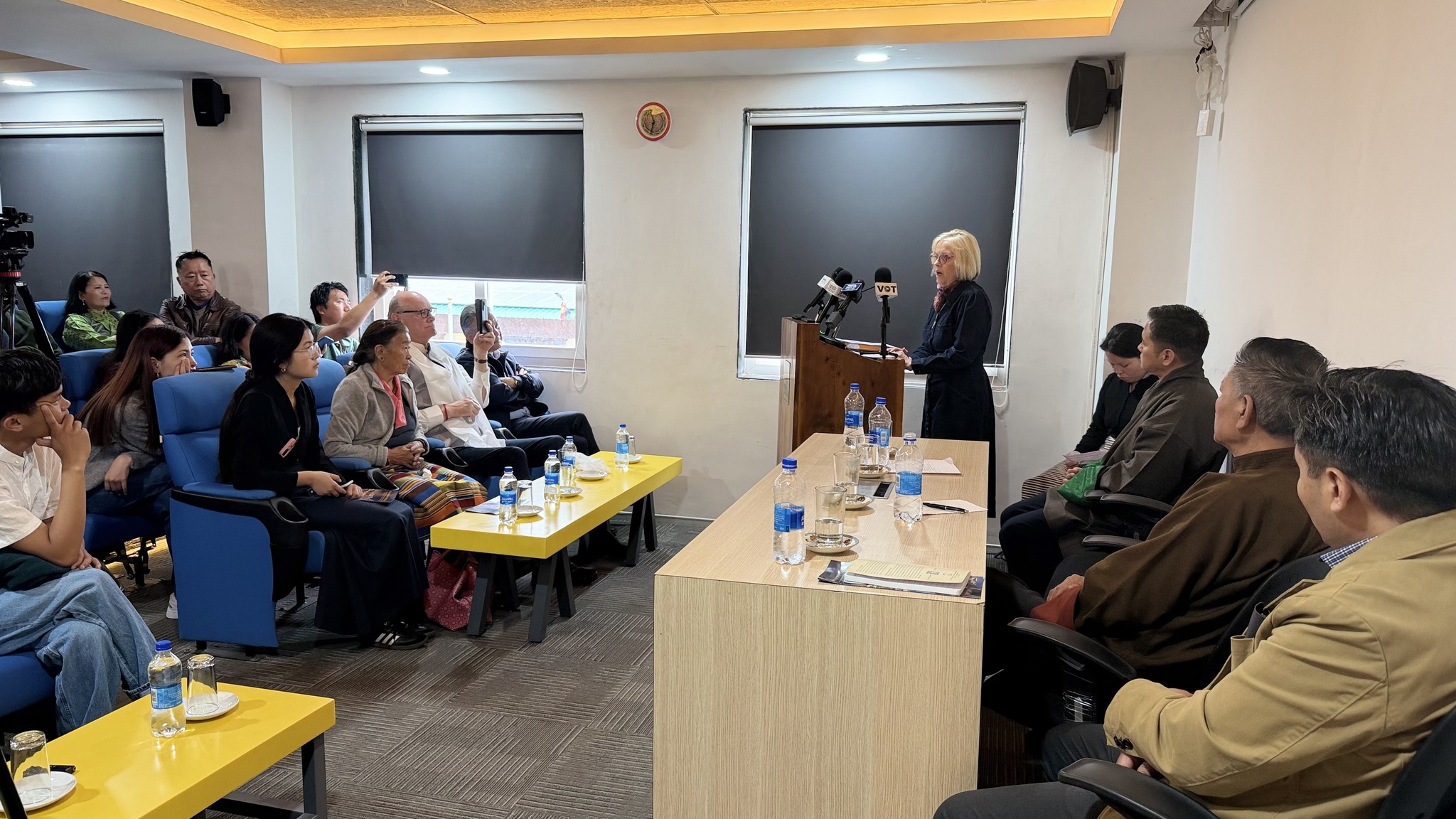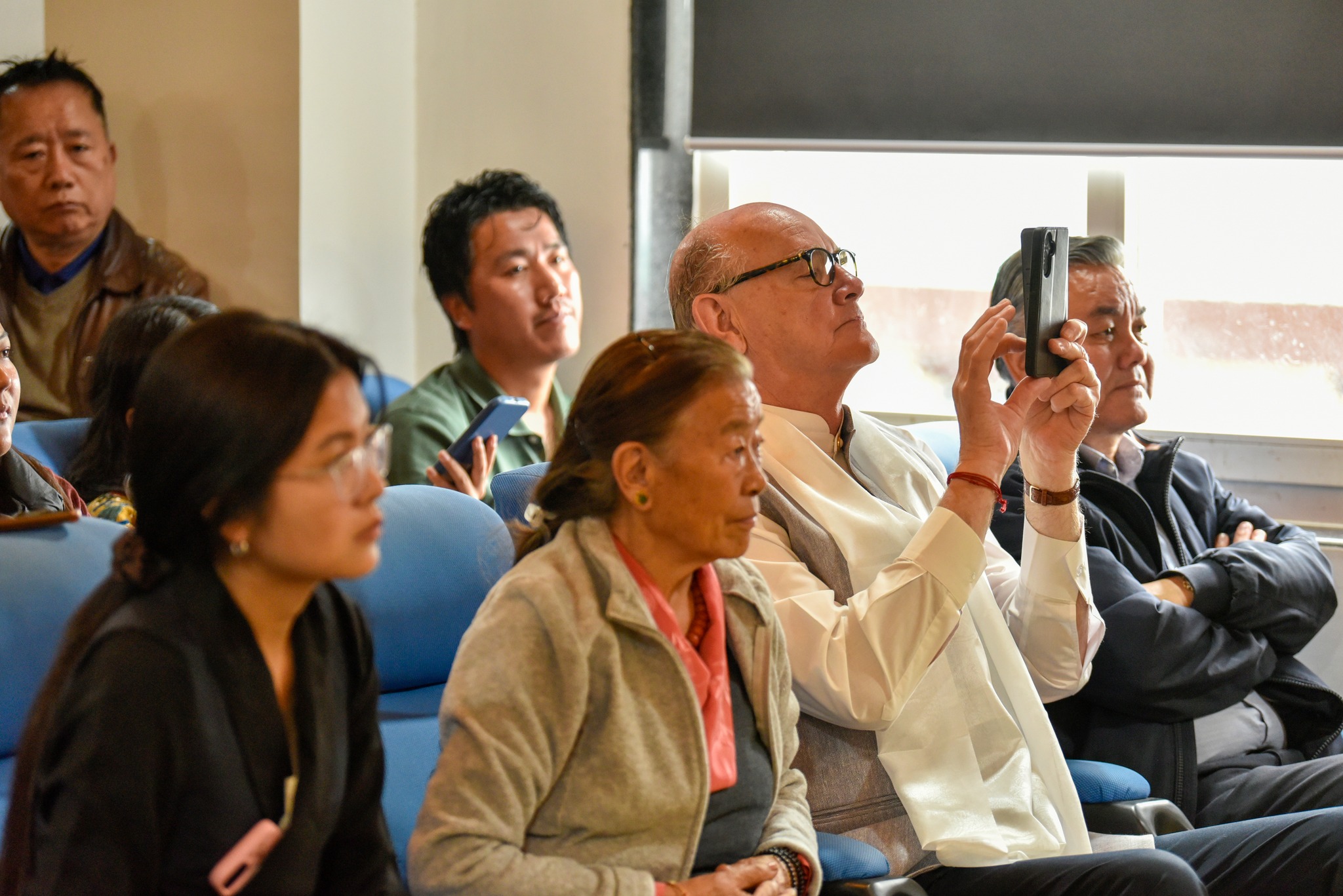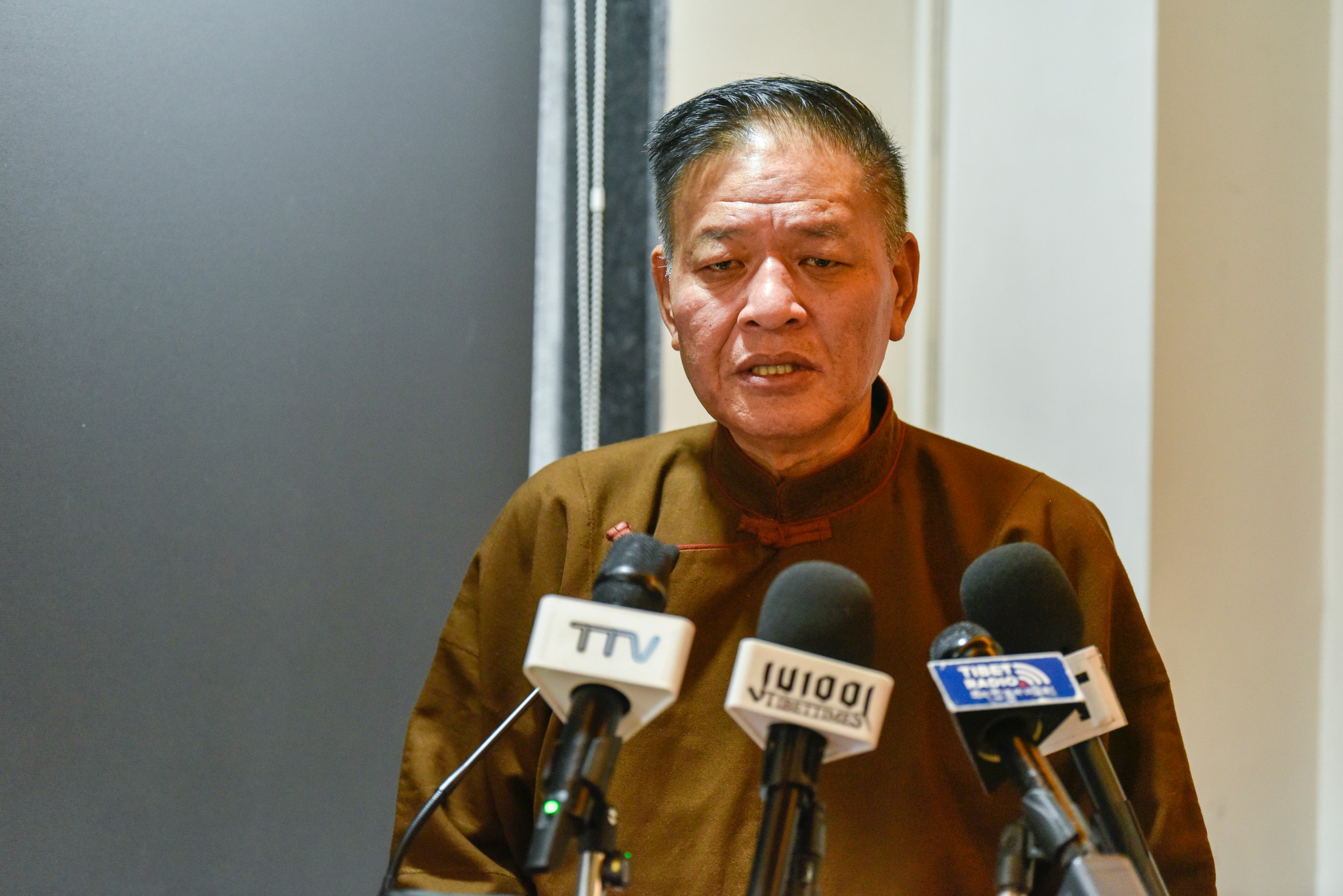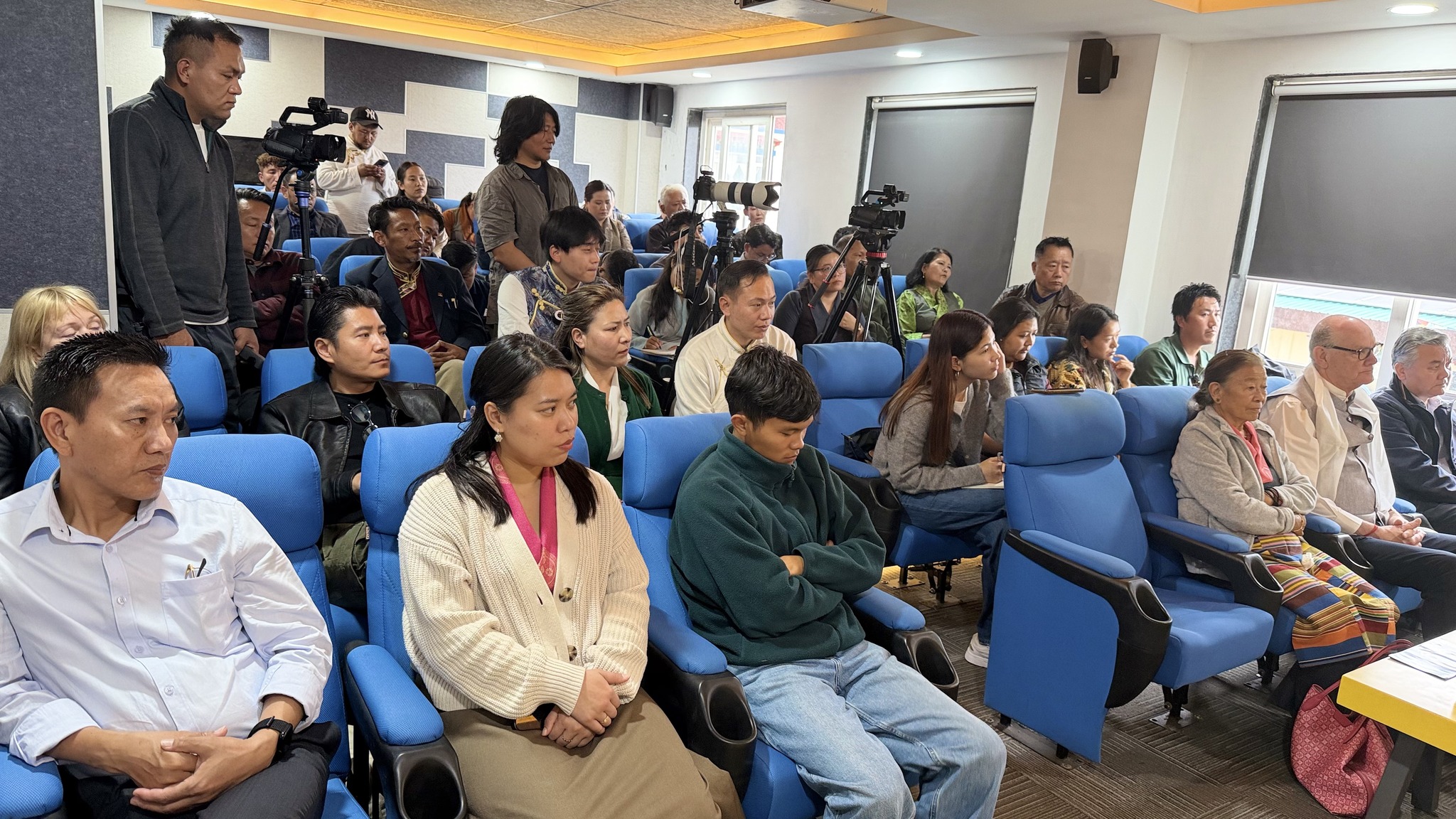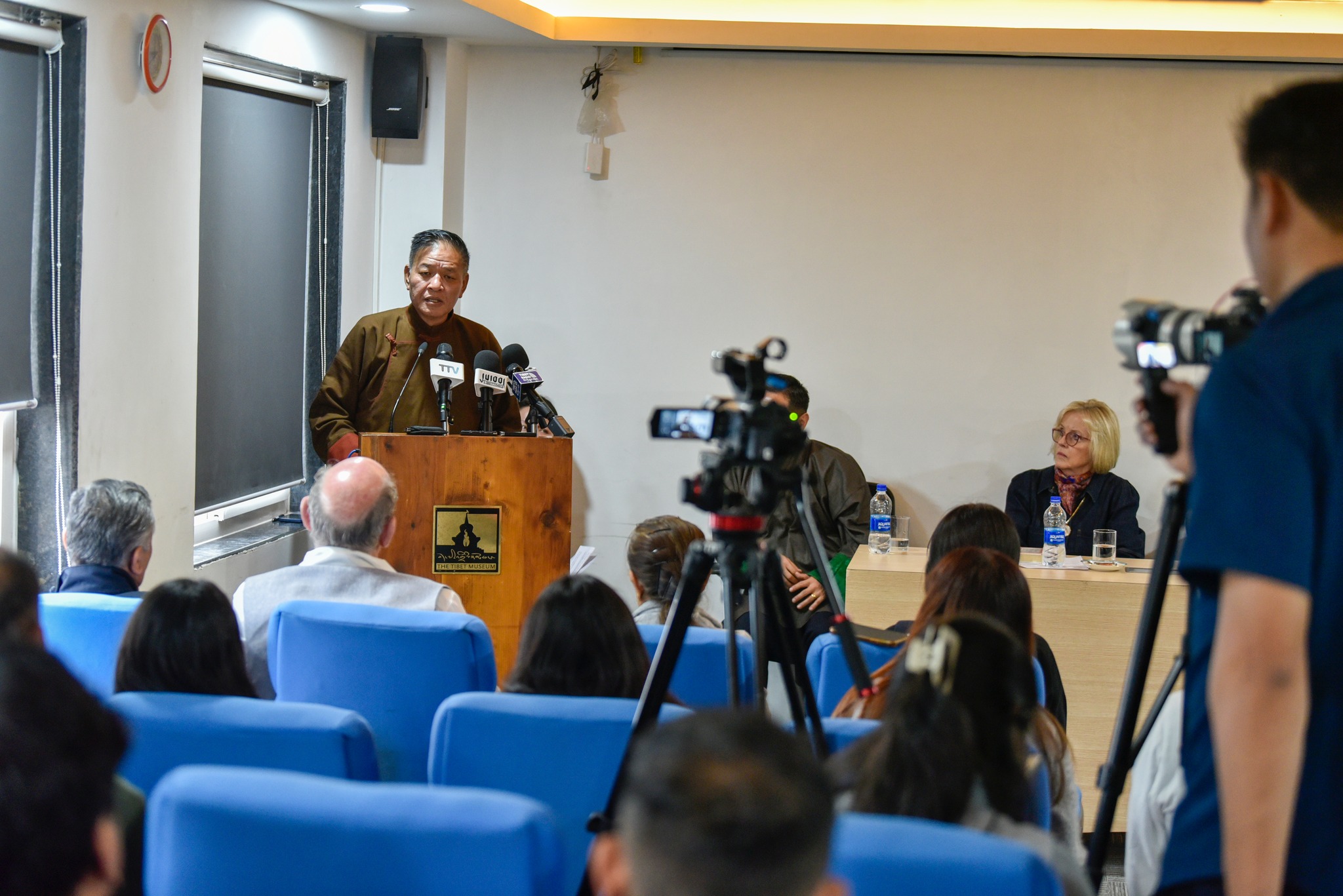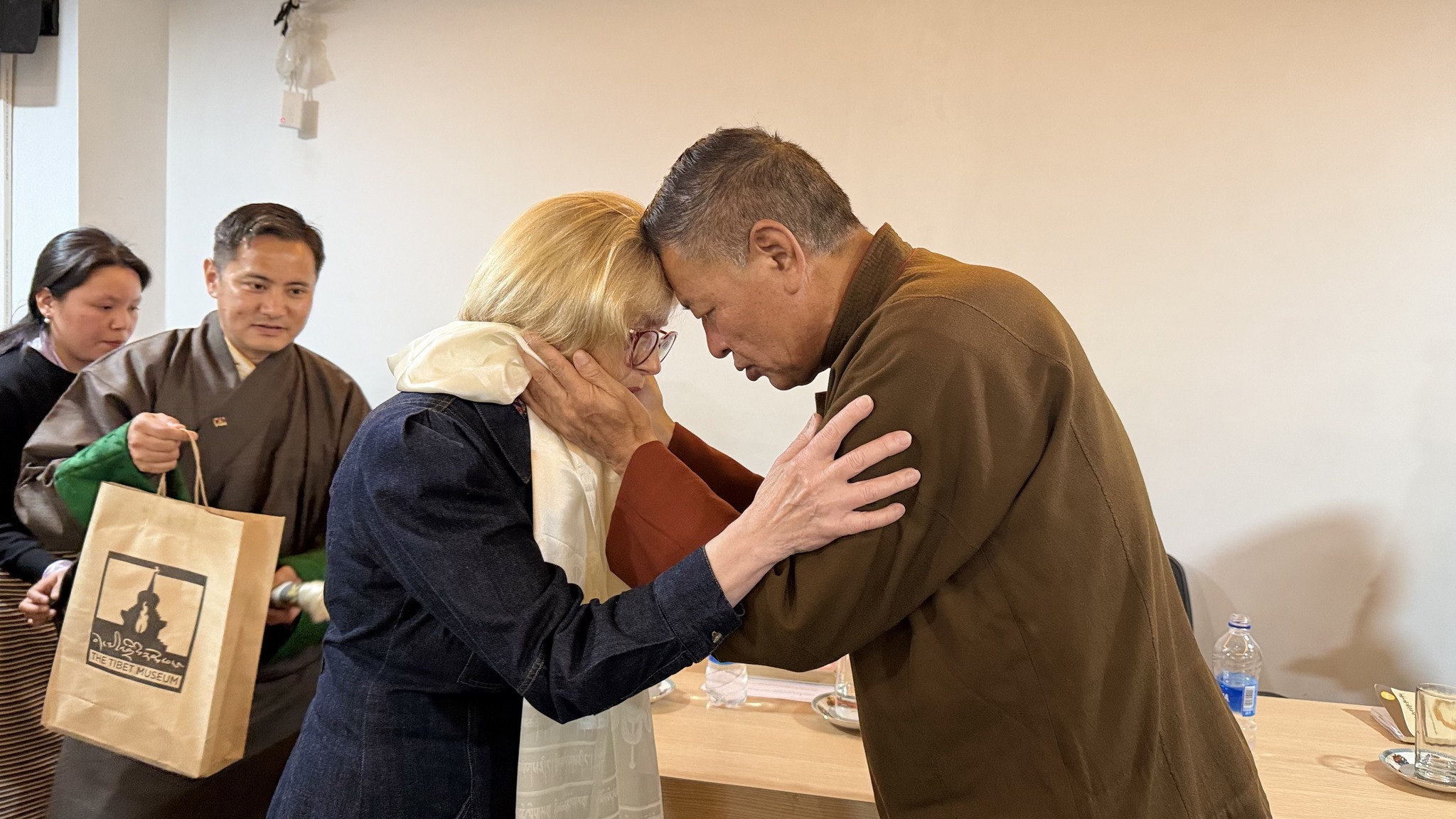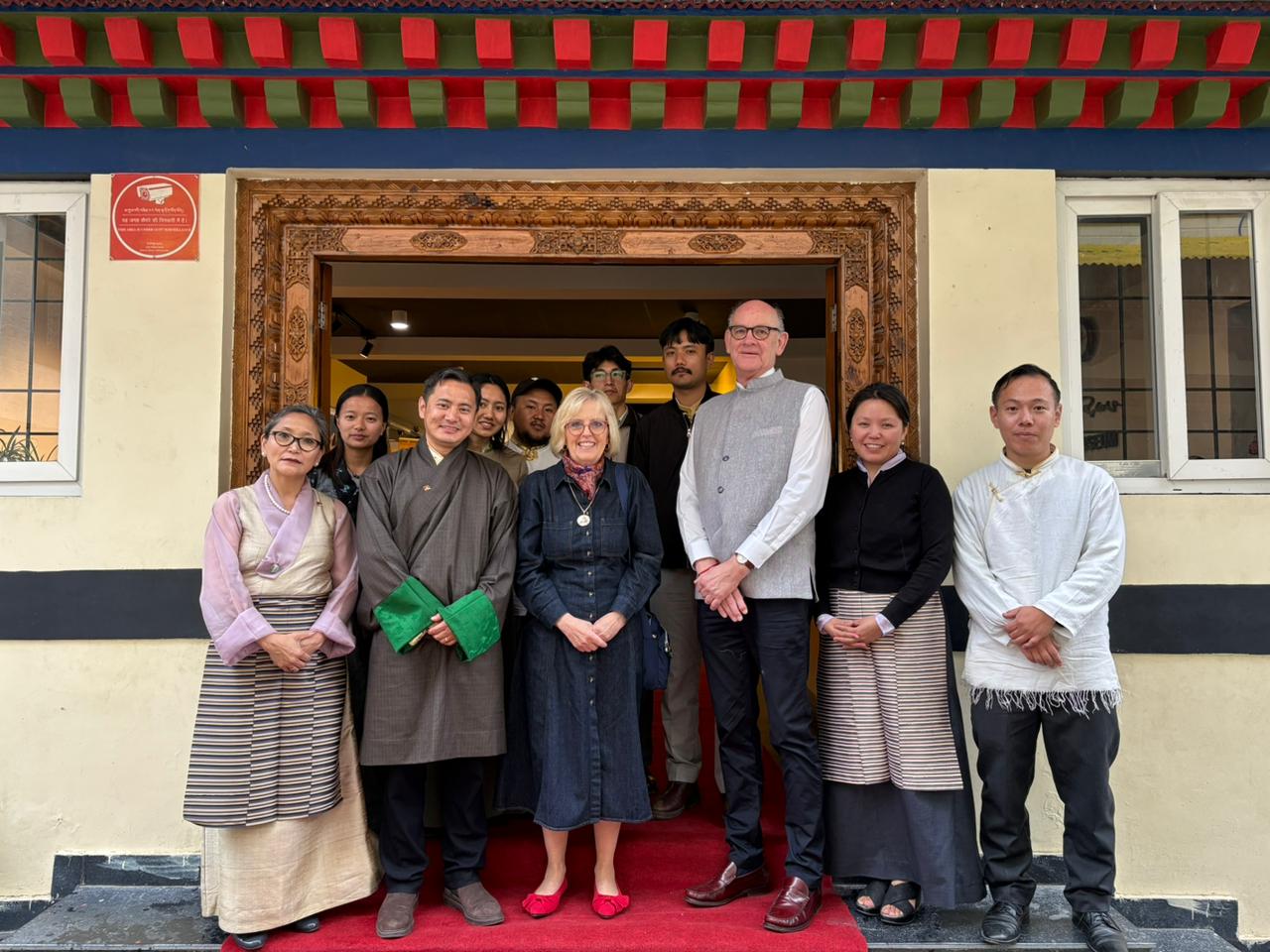


Dharamshala: Earlier this morning at The Tibet Museum, Sikyong Penpa Tsering, along with Frances C. Cutler—the granddaughter of Sir Basil John Gould, who served as the British Political Officer in Sikkim from 1935 to 1945—attended the inauguration of the Museum’s temporary exhibition, “Frontier Diplomacy: Britain, Tibet and Sir Basil Gould.”
The exhibition, adapted from Sir Basil Gould’s book The Jewel in the Lotus: Recollections of an Indian Political Officer, explores the historical records of his mission to Tibet—from his appointment as successor to Rosy Weir, the British Trade Agent in Gyantse, to his attendance at the golden enthronement ceremony of the young 14th Dalai Lama. It also highlights his presentation to the Kashag of a translated account documenting the discovery and installation of His Holiness the 14th Dalai Lama.
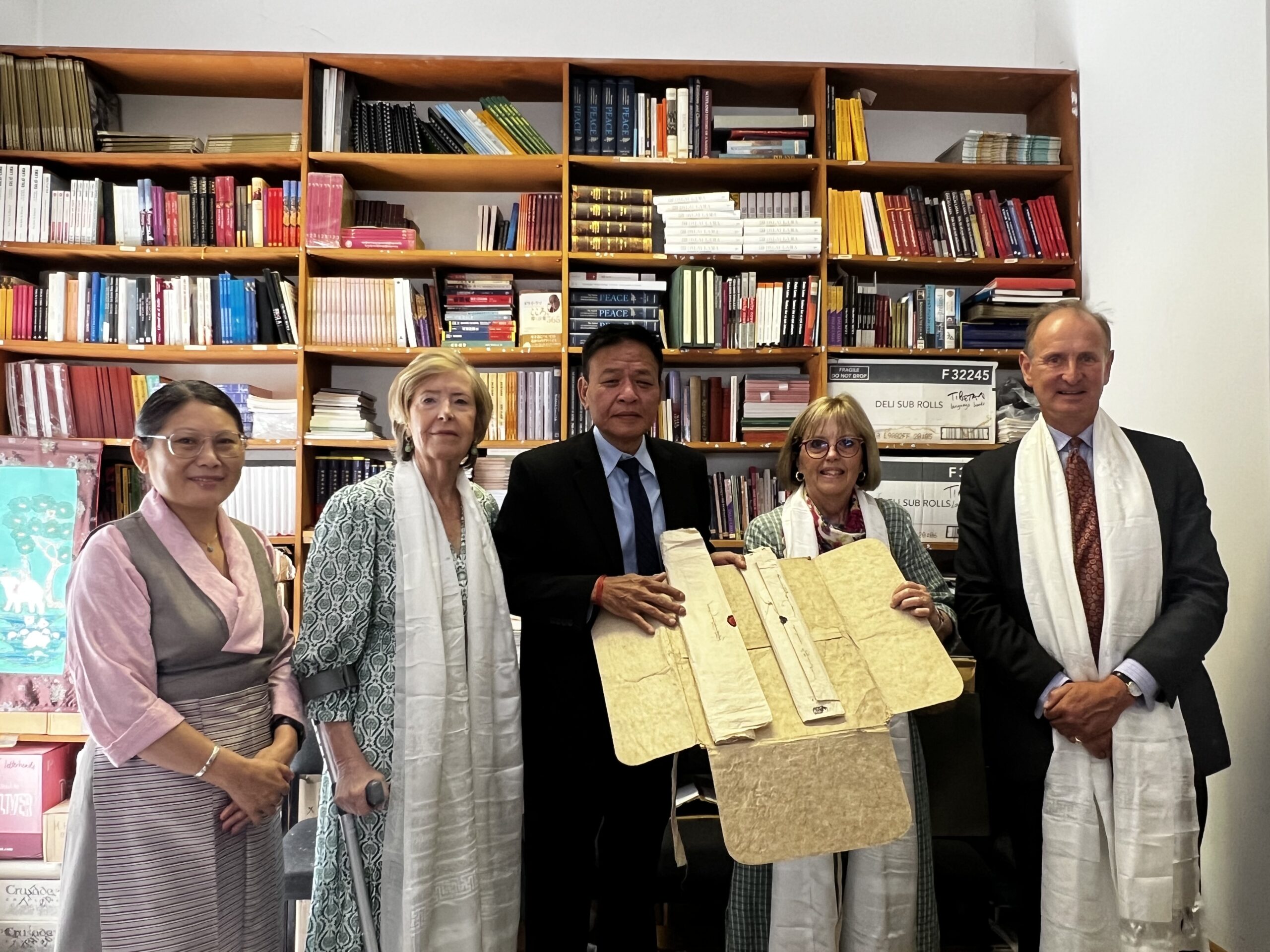
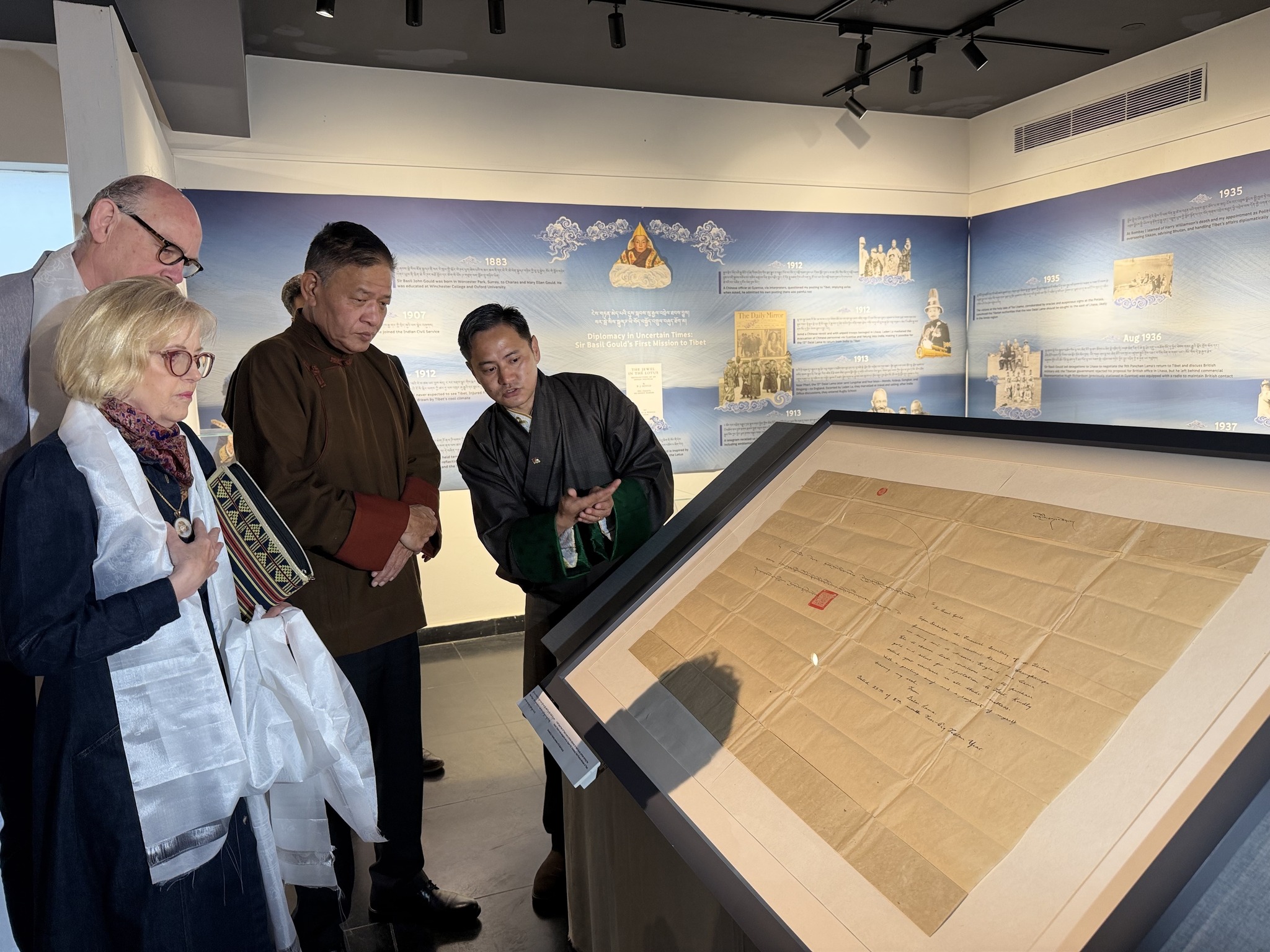
Among the exhibits are two rare historical documents that once belonged to Sir Basil Gould, generously donated to the Central Tibetan Administration by his family last year. These documents are prominently displayed alongside a set of traditional Tibetan attire worn by Tsepon Wangchuk Deden Shakabpa, the former Finance Minister of the government of independent Tibet. Together, these artefacts testify to Tibet’s de facto independence in both internal governance and external affairs during that period.
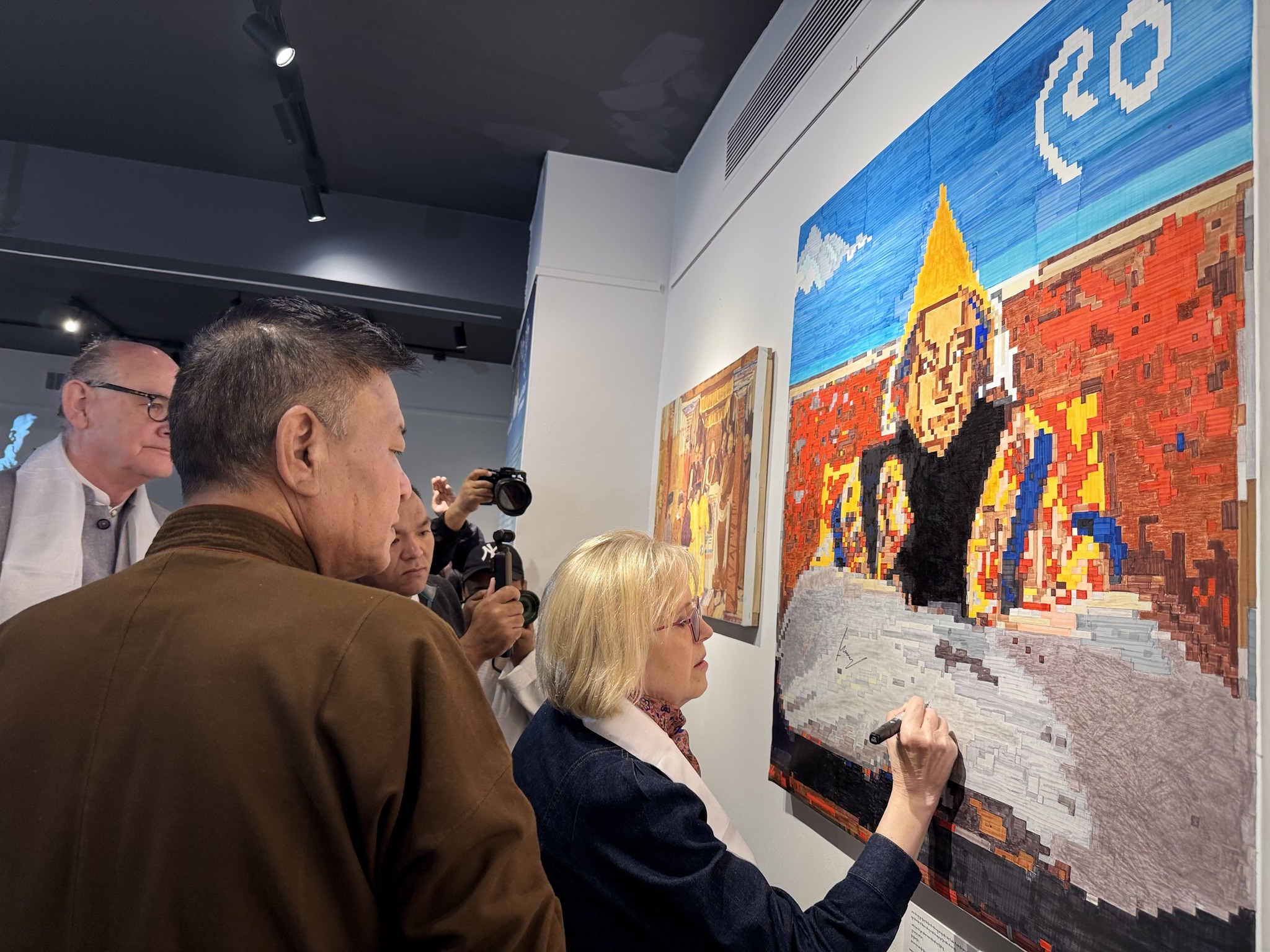
The inauguration was attended by Jonathan M. Cutler, spouse of Frances C. Cutler; Karma Choeying, Secretary of the Department of Information and International Relations (DIIR); Tsering Dhondup, Secretary of Finance; Namgyal Tsewang, DIIR Additional Secretary; Tenzin Topden, Director of The Tibet Museum; and researchers from the Tibet Policy Institute, among others. Also present were members of various Tibetan institutions who contributed to recreating Krishna Kanwal’s depiction of Tibet during that period, featured in a dedicated section of the exhibition. Krishna Kanwal, one of the early pioneers of modernism in Indian art, had accompanied Sir Basil Gould during the British mission to Tibet.
At the event, Sikyong Penpa Tsering formally inaugurated the exhibition by cutting a ceremonial ribbon, followed by a full tour of the displays.
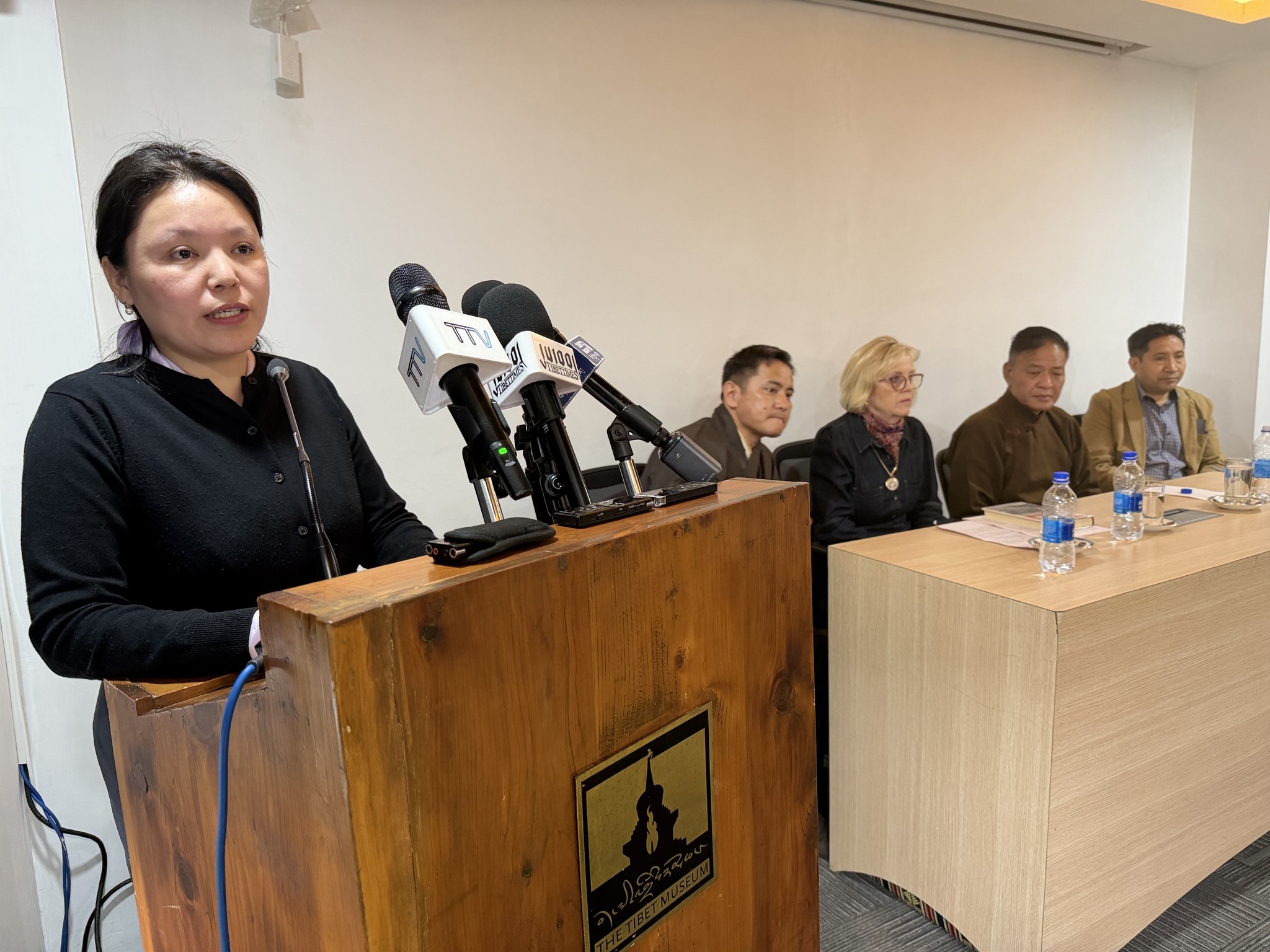
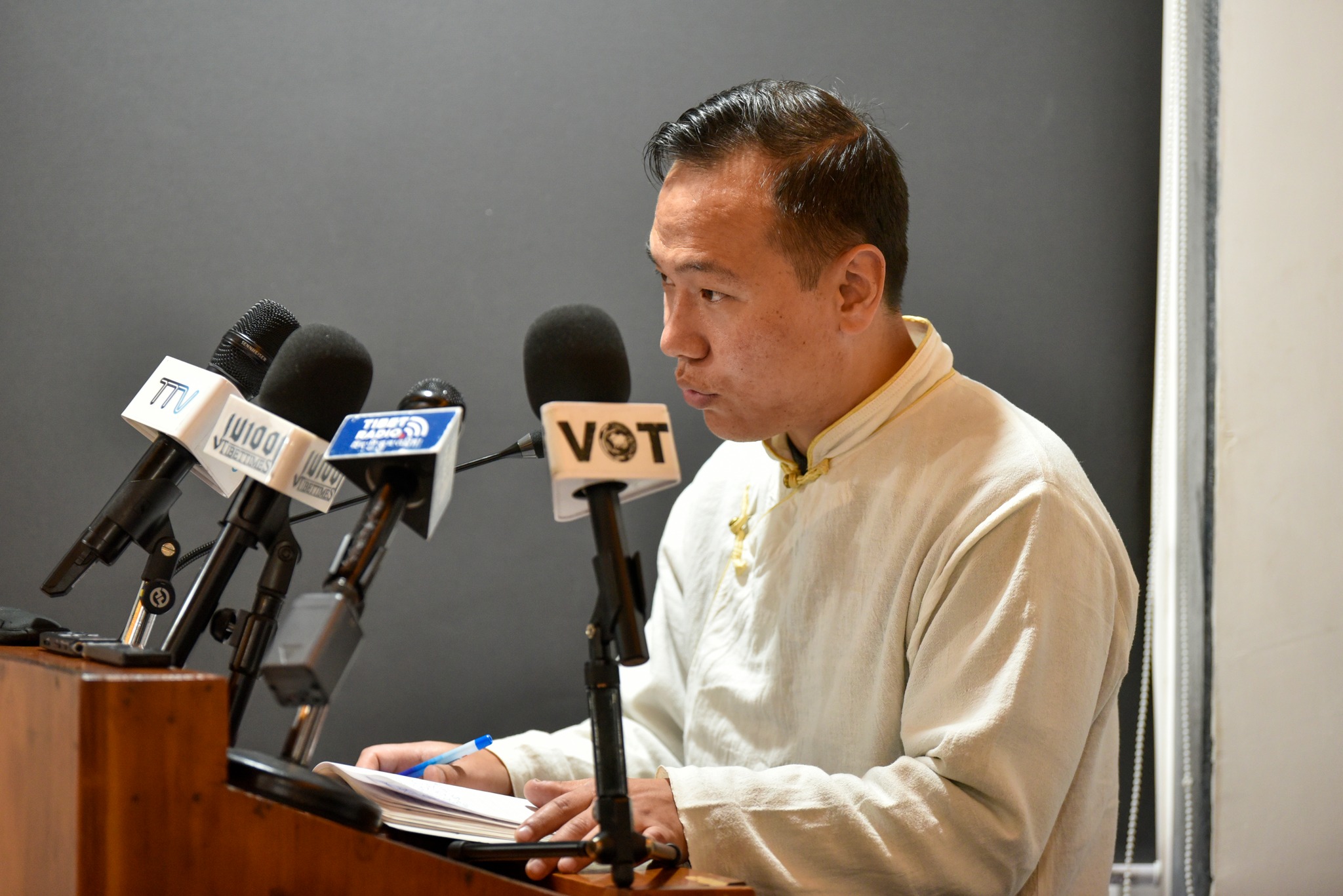
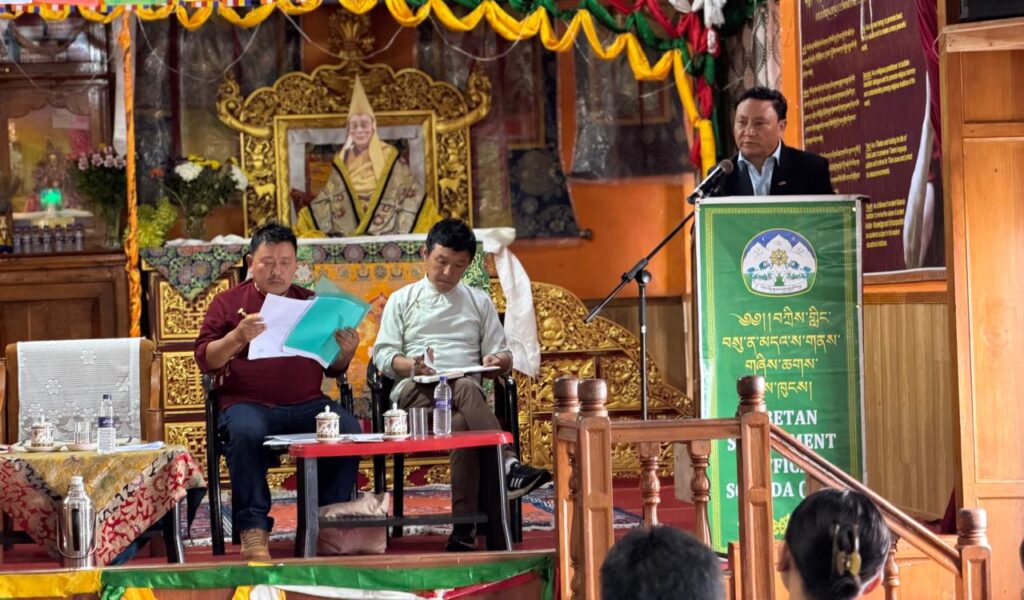
After a brief tea reception, attendees gathered inside The Tibet Museum hall for an official briefing on the exhibition, emceed by staff Tenzin Dolma.
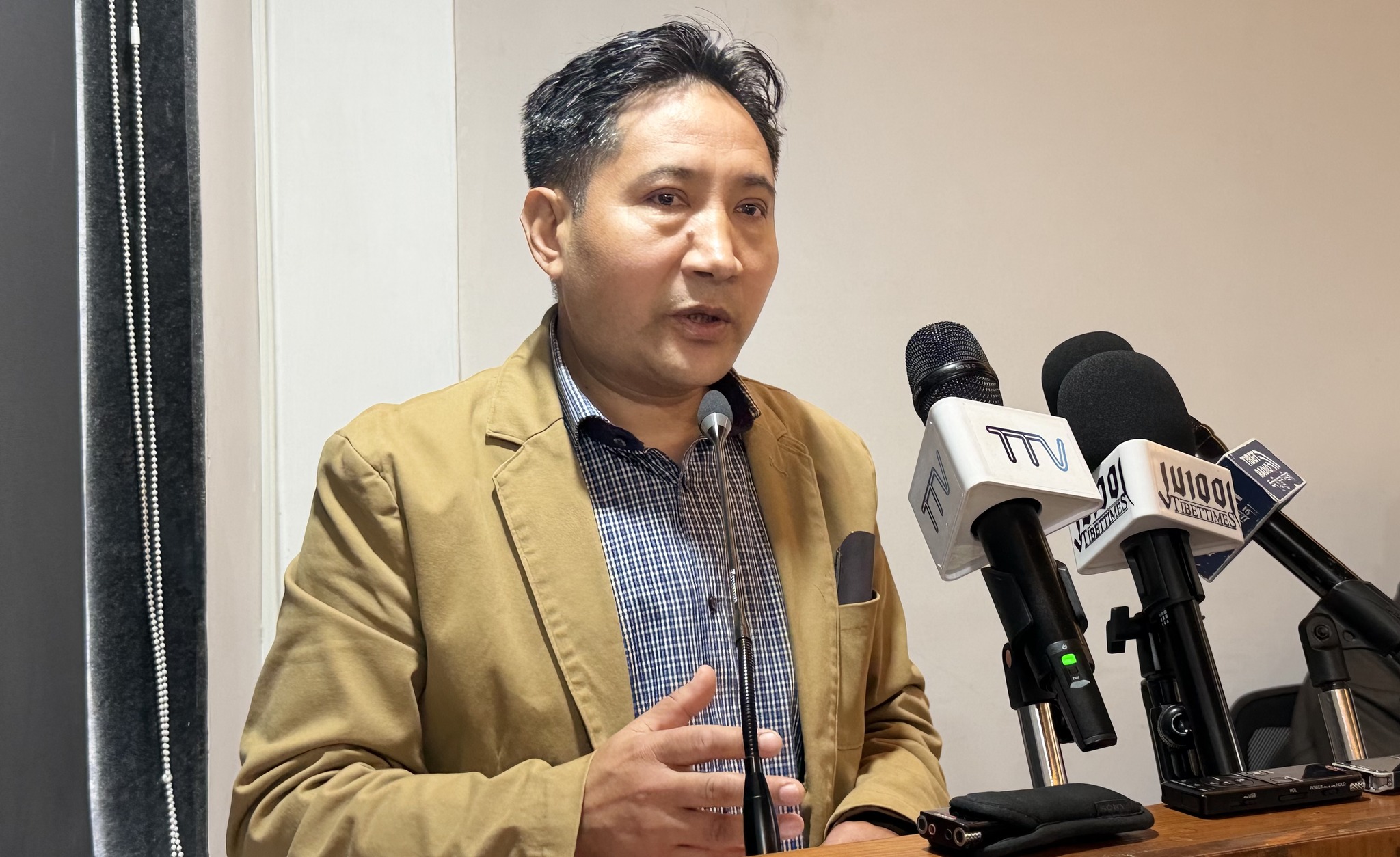
The Tibet Museum Director, Tenzin Topden, delivered the welcome address and provided a comprehensive introduction to the exhibition, explaining its inspiration, outlining its various sections, and detailing how the documents and other materials were obtained.
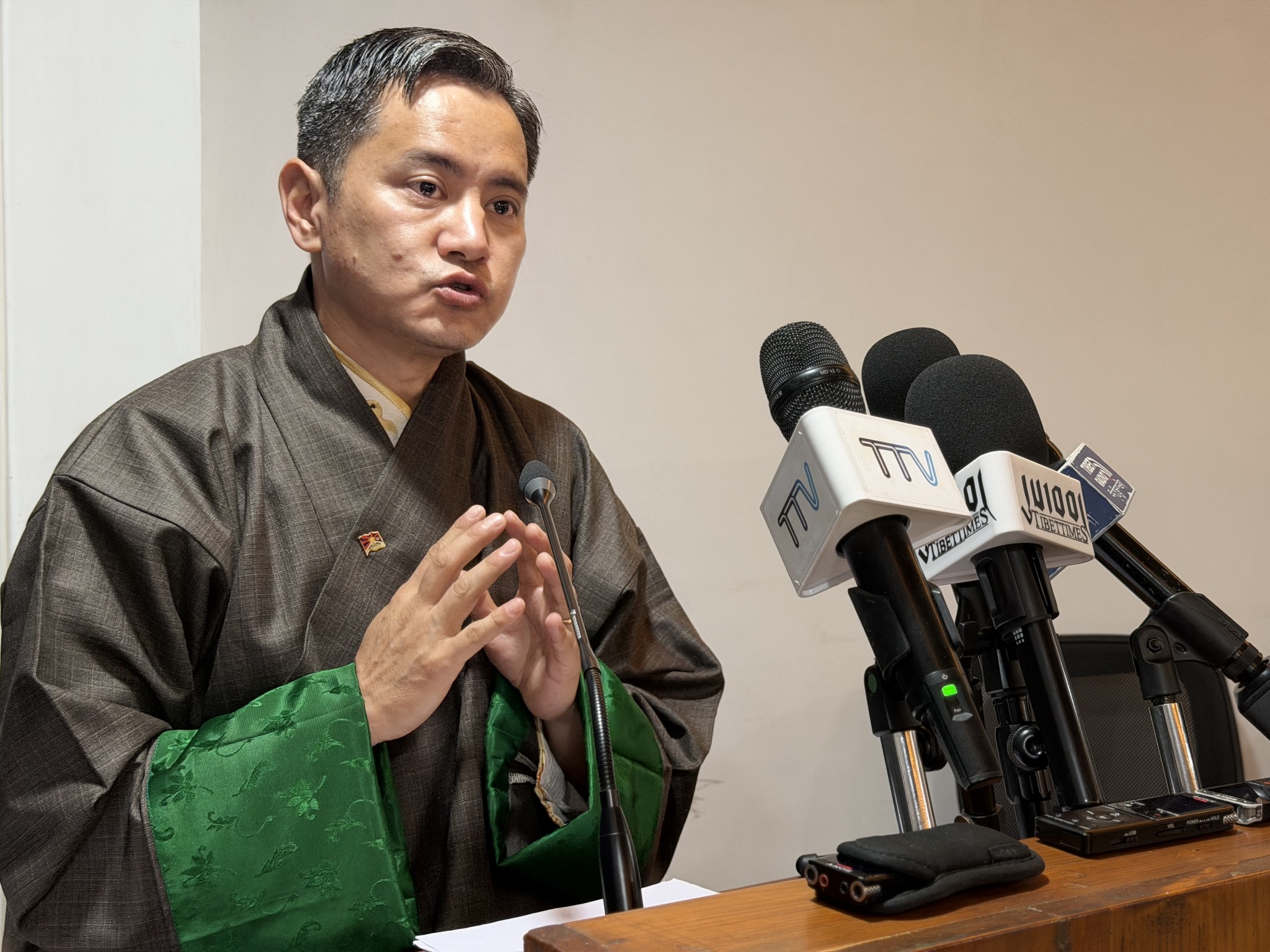
In his remarks, Secretary Karma Choeying emphasised the primary objectives of The Tibet Museum and its crucial role in educating global audiences about the Tibetan cause through initiatives such as temporary exhibitions, permanent exhibitions, travelling displays, and online exhibitions. He noted, “This particular exhibition bears historical significance as well as relevance to the current Tibetan struggle, as the challenges to Tibetan identity have intensified after decades of PRC occupation of Tibet.”
Secretary Karma Choeying further highlighted Tibet’s de jure and de facto independent status before 1951, noting the significance of Sir Basil Gould’s engagements with Tibet at that time. “The year 1947 stands at the threshold of immense global transformation. As empires receded and new nations emerged, Tibet was actively engaging with the international community to assert its identity. Sir Basil Gould, as the British Political Officer of Sikkim and a key interlocutor between Tibet and British India, occupied a unique place in this relationship.” He added, “The documents presented today illuminate these relationships with clarity and authenticity. The letter from Taktra Rinpoche reflects the official voice of the Tibetan government during the regency period, while the letter from His Holiness the 14th Dalai Lama carries a different yet equally powerful significance. Together, these letters affirm a simple and profound truth.”
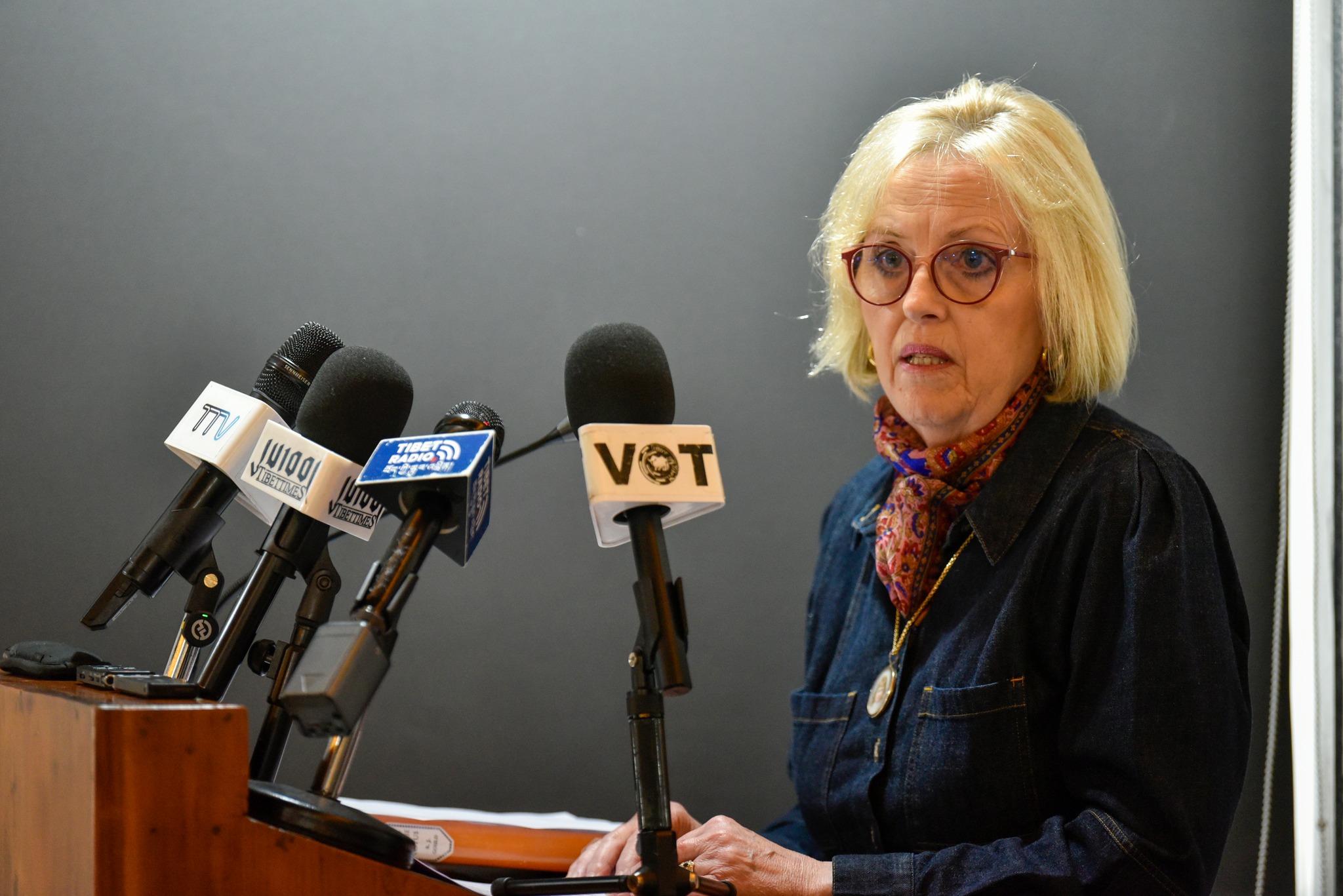
Frances C. Cutler expressed her pleasure at attending the event and receiving audience with His Holiness the 14th Dalai Lama a day earlier. By quoting first lines of the second chapter of The Jewel in the Lotus: Recollections of an Indian Political Officer, she said that “half a brick” that her grandfather had stumbled upon is the reason for both her grandfather’s long association with Tibet as well as the today’s gathering for this exhibition. She recalled how Sir Basil Gould accompanied His Holiness the 13th Dalai Lama partway back to Tibet from exile in India and was tasked with bringing four Tibetan boys, the “Four Rugby Boys,” to England as part of a modernisation effort. “It might well have been my father’s connection with the Rugby Boys that led our family to invite young Tibetan refugees to spend time in England. Thus, I grew up with several Tibetan brothers and sisters,” she said.
Cutler shared how her early interest in Tibet and Tibetan culture was sparked by her grandfather’s books, and how three generations of her family had audiences with His Holiness, describing it as “one life, three generations of my family.“ She recounted that it was only in 2024, after her mother’s passing, that she and her spouse discovered the documents and other items among her parents’ belongings, which they generously donated to The Tibet Museum.
Delivering the keynote address, Sikyong Penpa Tsering thanked Frances C. Cutler for her donation and elaborated on the historical engagements of the government of independent Tibet with Western nations. Sikyong emphasised the longstanding record of Westerners visiting Tibet, tracing back to the early 17th century, as evidence of Tibet’s historical status and to counter China’s distorted narratives about Tibet’s history prior to the PLA annexation.
Recalling his official visit to London the previous year, Sikyong said, “We prioritised the United Kingdom because our relationship with British India dates back to 1774.” He added that discussions with scholars in London aimed to produce a book on historical relations with Tibet to inform new generations of UK political leaders about Tibet’s historical connections with British India and the UK.
Sikyong also noted that similar important documents remain in private hands, often unaffordable to the Central Tibetan Administration, but they are equally valuable as evidence supporting Tibet’s historical claims. Speaking to younger Tibetans in the audience, Sikyong urged them to study historical accounts such as The Jewel in the Lotus: Recollections of an Indian Political Officer to better understand Tibet’s past and support future advocacy efforts.
With a vote of thanks from museum staff member Tenzin Khetsun, the ceremony concluded.