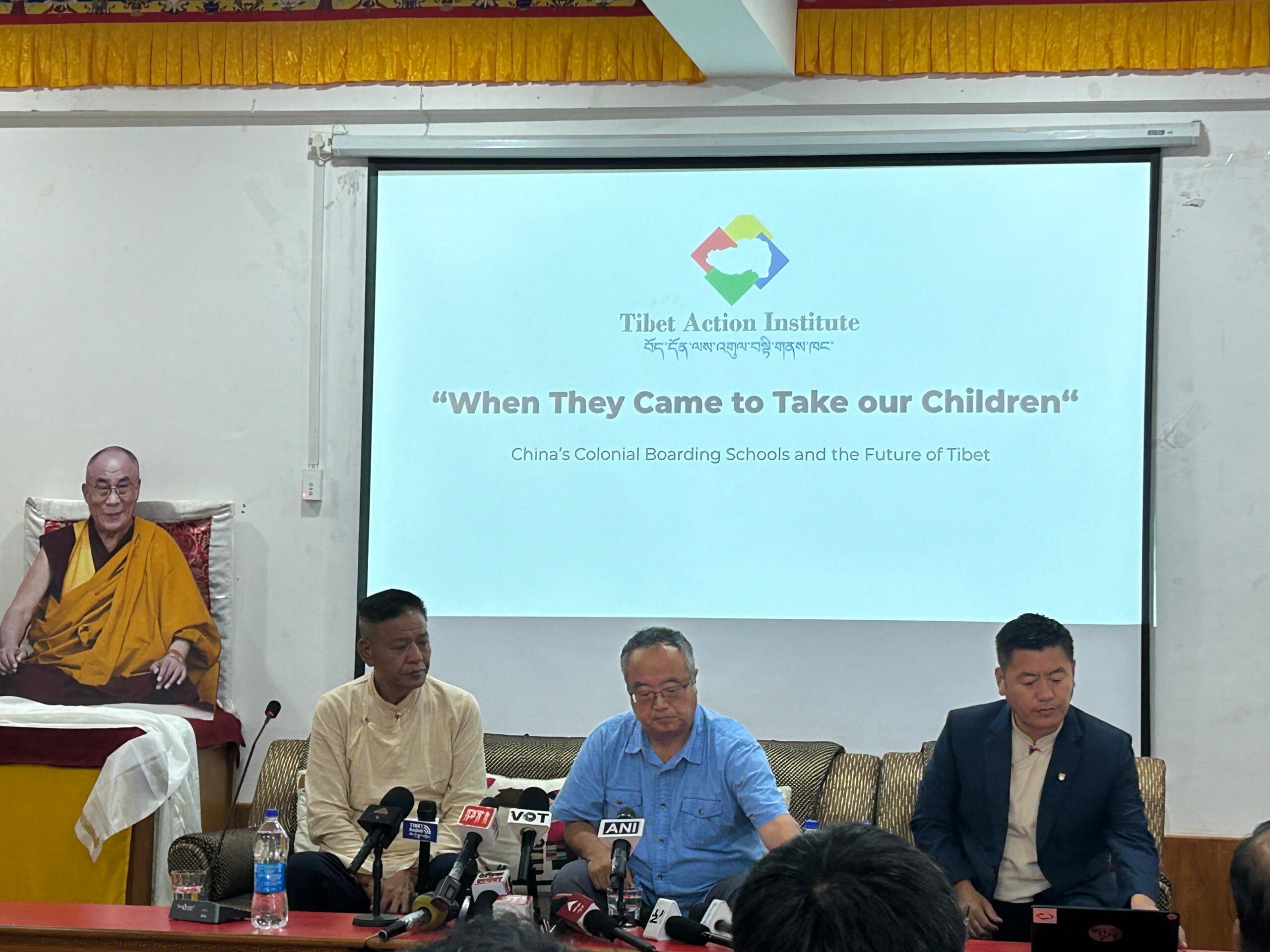
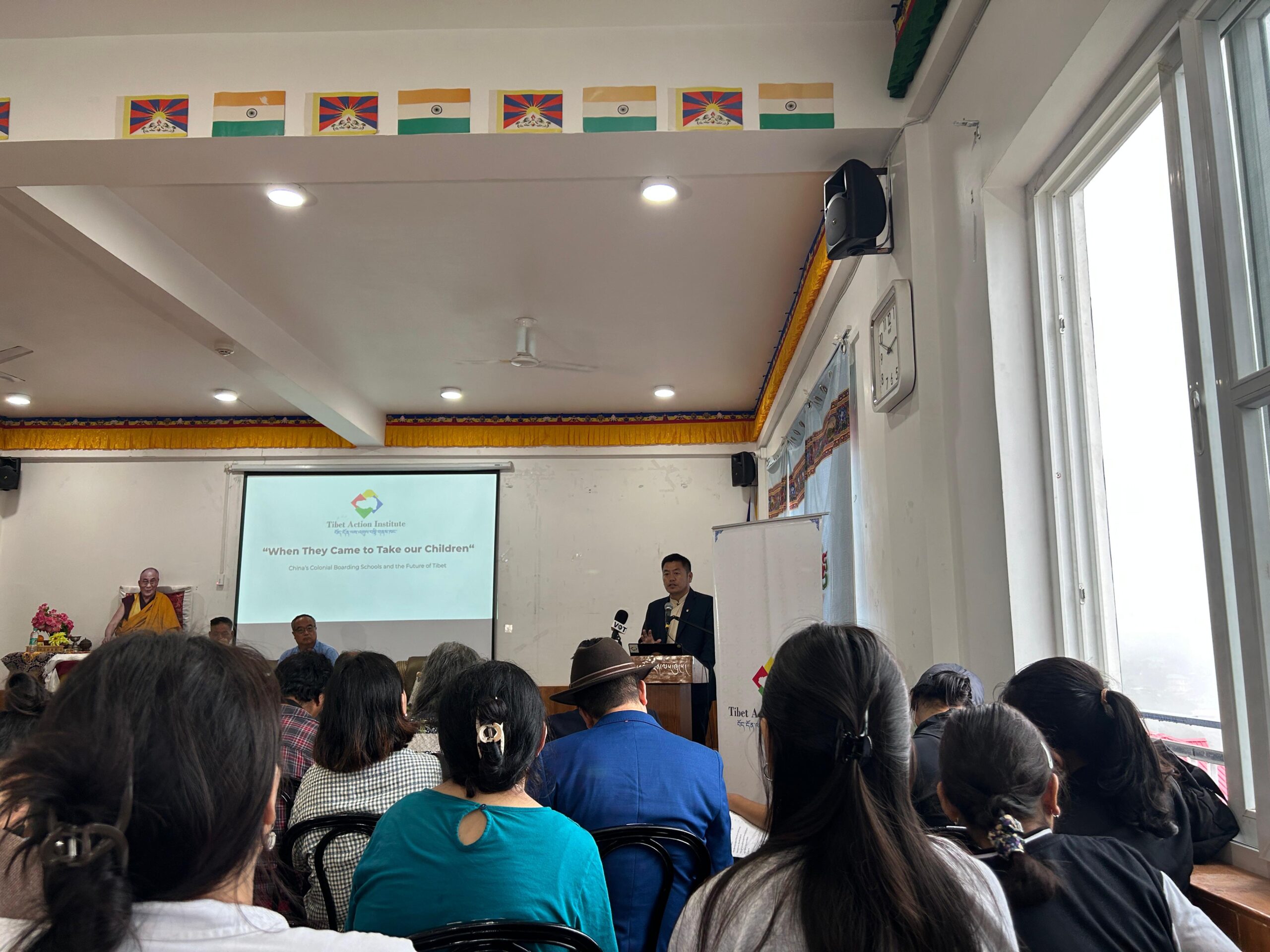
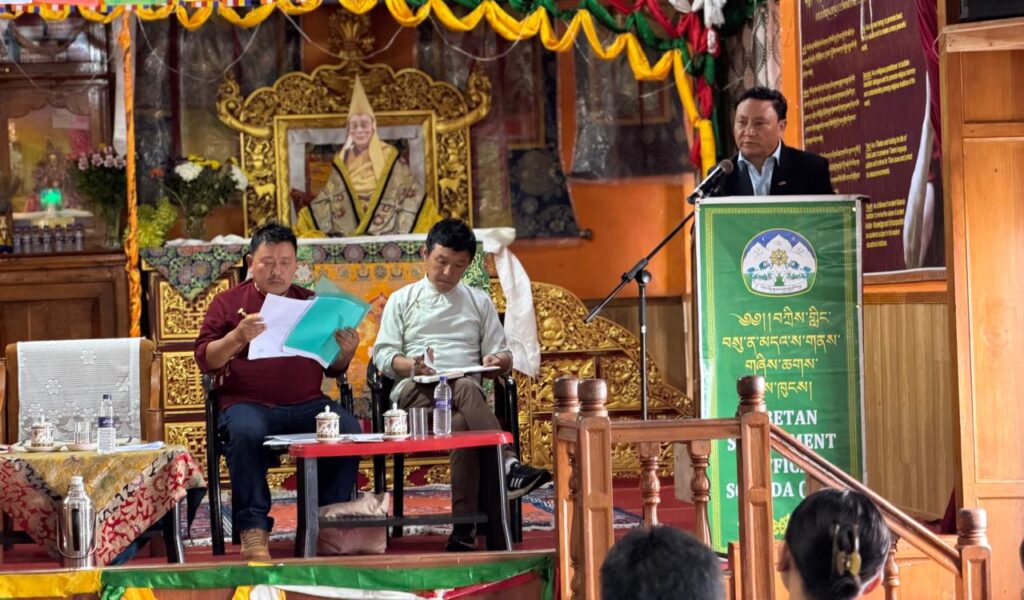
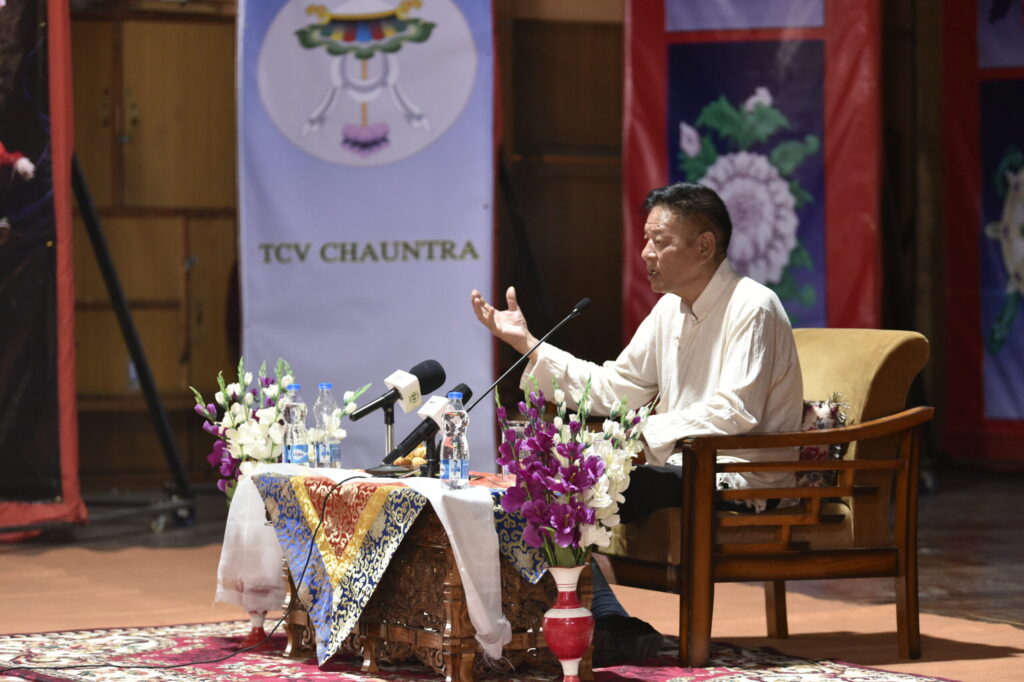
Dharamshala: Sikyong Penpa Tsering attended the launch event of the updated report by the Tibet Action Institute (TAI), entitled “When They Came to Take Our Children: China’s Colonial Boarding Schools and the Future of Tibet,” on Saturday, 5 July 2025, at the Tibetan Settlement’s Community Hall, McLeod Ganj, Dharamshala. The report analyses evidence gathered from Tibet, particularly concerning abuse, neglect, indoctrination, and identity erasure carried out through the Chinese government’s network of colonial boarding schools and preschools in Tibet.
At the event, Sikyong Penpa Tsering reflected on the freedom to joyously celebrate His Holiness the Dalai Lama’s 90th birthday in exile— a freedom not afforded to Tibetans inside Tibet, who live under strict surveillance and face persecution by the People’s Republic of China. He expressed concern over the ongoing cultural repression imposed on Tibetans in Tibet. “More than 6,000 monasteries and private Tibetan schools have been destroyed by the Chinese government. As a result, Tibetan families are left with no choice but to send their children to state-run schools. The practice of age-old Tibetan Buddhism and the Tibetan language is being seriously obstructed by such policies,” he said.
Sikyong also commended Dr. Gyal Lo and members of the Tibet Action Institute for their remarkable work in bringing this issue to international attention, including the presentation of the report at a side event during the 59th session of the UNHRC, despite threats from the Chinese government. He further praised TAI for launching this report coinciding with 90th birthday of His Holiness the Dalai Lama.
Tibet specialist and educational sociologist Dr. Gyal Lo, who specialises on China’s education policies, elaborated on his research findings. He remarked that the forced admission of Tibetan children as young as four into China’s colonial-style boarding schools has had severe psychological and emotional effects—leading children to become strangers to their own parents after a year-long separation. These children predominantly speak Mandarin and are often unable to communicate in their native Tibetan dialects, creating a deep cultural and linguistic disconnect. He emphasised that this forced admission into state-run schools is a key component of the Chinese government’s broader strategy to assimilate Tibetans and erase their identity.
Dr. Gyal Lo urged everyone in attendance to pay serious attention to this issue and help amplify the voices of Tibetans inside Tibet, who have little or no freedom to speak out against this decades-long oppression under a repressive regime.