

Ulsan: The 4th Peace Seminar, held under the theme “The Path of Harmony, the Light of Peace,” was successfully conducted to promote peace, inter-religious harmony, and a deeper understanding of Tibetan and broader peace traditions. The seminar brought together religious leaders, scholars, performers, and participants from diverse backgrounds to engage in dialogue, reflection, and learning. The program was structured into a photo exhibition, ceremonial sessions, academic lectures, and interactive segments, creating a comprehensive platform for both reflection and discussion.
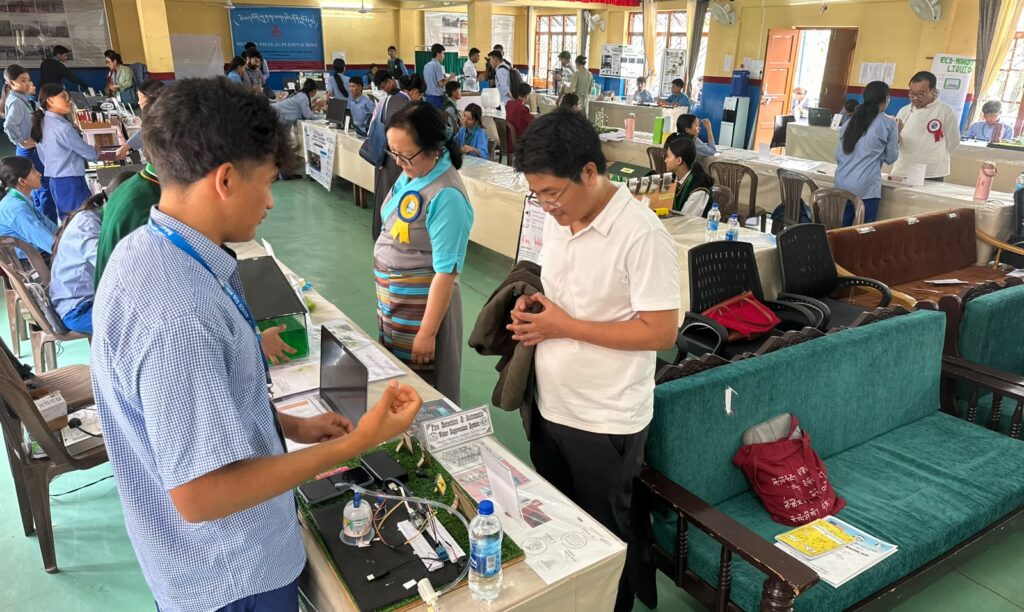
A photo exhibition titled “The Life of the 14th Dalai Lama” was held from 10:00 AM to 5:00 PM. The exhibition showcased significant moments from the life and contributions of His Holiness the 14th Dalai Lama, highlighting his dedication to peace and compassion. The exhibition was supported by volunteers, including Tibetan students and professionals from various walks of life, who were deployed throughout the venue to assist visitors and ensure the exhibition ran smoothly.
The seminar officially commenced with an opening music performance of singing bowls by Young Heejin, followed by a prayer for peace offered by a senior monk, Rabten. As the seminar commenced, a prayer of longevity was read by Monk Jian along with the invited religious leaders, emphasising harmony and compassion, which was followed by tea and tibetan ceremonial sweet rice “Dresi” offering ceremony. The welcome address was delivered by Geshe Tenzin Sangpo, President of the Tibetan community in Korea. In his address, he delivered opening remarks, welcoming guests and outlining the objectives of the seminar. The congratulatory addresses were delivered by invited dignitaries and religious leaders such as monk Jihyeon of Gwaneumsa Temple and monk Dharmakti from Sri Lanka, highlighting the importance of peace and dialogue in the contemporary world.
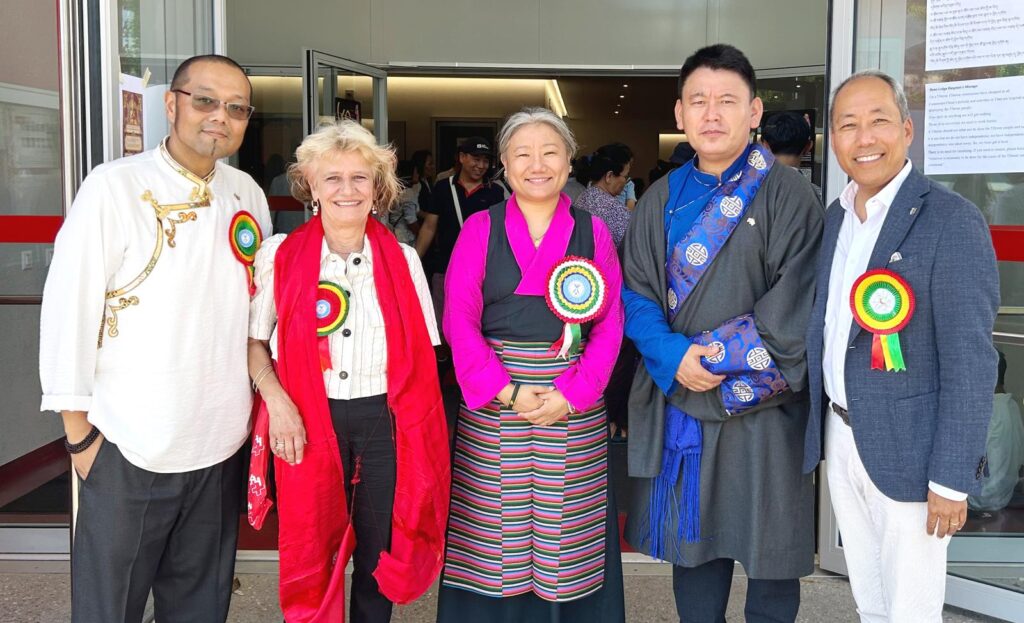
Following the opening ceremony, time was allocated for taking a group photograph with participants and speakers.
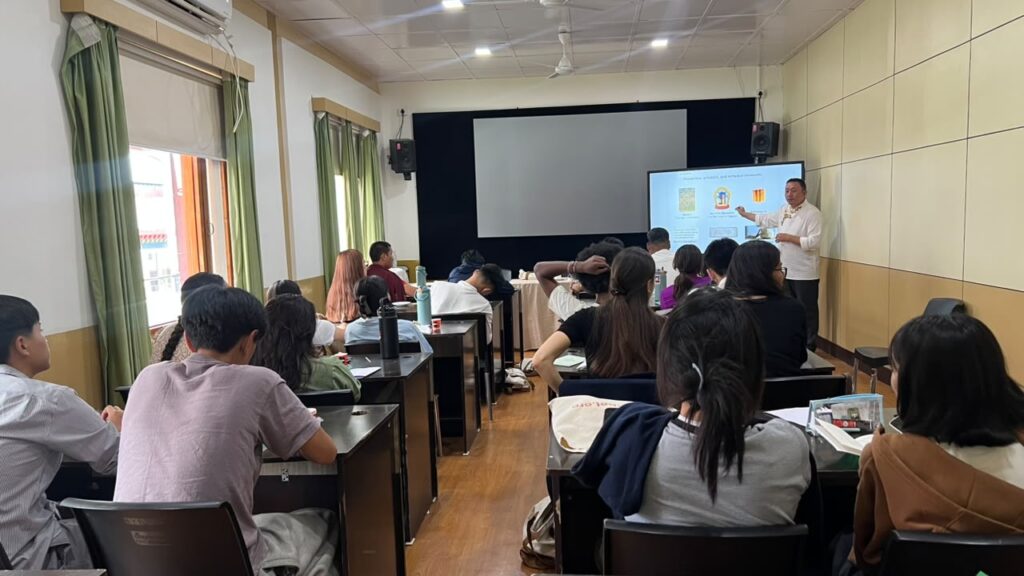
The session started with a speech by Venerable Jinok, who reflected on compassion as an active practice, saying, “Peace is practised through compassion in our daily lives, not merely spoken as an ideal,” and further stressed that peace is not abstract but something expressed through everyday actions. The next speaker, Venerable Neunghaeng, focused on interconnectedness, reminding participants that individual suffering and collective peace are deeply linked and said that “When we recognise our interconnectedness, peace becomes a shared responsibility.” Venerable Simsan emphasised inner cultivation as the starting point of peace, noting that social harmony cannot exist without individual mindfulness and moral clarity and stated that, “True peace begins when we first bring harmony into our own minds.”
After the key speakers, fellow Tibetan professional Tenzin Rabga presented on Understanding Tibet, which offered a concise yet insightful overview of Tibet’s historical, cultural, and political context. He highlighted Tibet’s unique civilizational identity, shaped by Buddhism, language, and centuries of self-governance, while also addressing the contemporary challenges faced by Tibetans under Chinese rule. Emphasising the importance of informed perspectives, the presentation encouraged the audience to move beyond stereotypes and engage with Tibet through historical facts, cultural understanding, and respect for Tibetan aspirations.
A special presentation was delivered by Tibetan students, highlighting His Holiness the 14th Dalai Lama’s Four Principal Commitments. This segment offered a youth perspective on peace, ethics, and global responsibility, and was warmly received by the audience.
Tenzin Kunsang introduced the session and presented the First and Second Commitments: Promotion of Human Values, emphasising compassion, kindness, forgiveness, tolerance, and inner peace as universal human qualities; Promotion of Religious Harmony, underlining interfaith dialogue, mutual respect, and unity in diversity as foundations for peaceful coexistence.
Karma Chulha presented the Third Commitment: Preservation of Tibetan Culture and Environment, focusing on non-violence, compassion, protection of the Tibetan language, and environmental responsibility, particularly Tibet’s ecological importance as the source of major Asian rivers.
Tenzin Woser concluded the presentation with the Fourth Commitment: Revival of Ancient Indian Knowledge, especially the Nalanda tradition, stressing the relevance of ancient wisdom, emotional awareness, logic, and ethics in modern education and society.
The presentation concluded by emphasising that these four commitments are not merely philosophical ideals but practical guidance for cultivating peace, from the individual level to the global community.
The event successfully served as a meaningful platform for dialogue, reflection, and learning by bringing together diverse spiritual voices and perspectives. Through thoughtful presentations and discussions, the seminar emphasised that peace and harmony are deeply rooted in inner awareness, compassion, and mutual understanding. The inclusion of perspectives on Tibet further enriched the discourse by connecting spiritual values with lived realities and contemporary challenges. By fostering intercultural understanding and encouraging reflective engagement, the event made a valuable contribution to promoting peace, empathy, and informed awareness among participants.
-Report filed by Office of Tibet, Japan