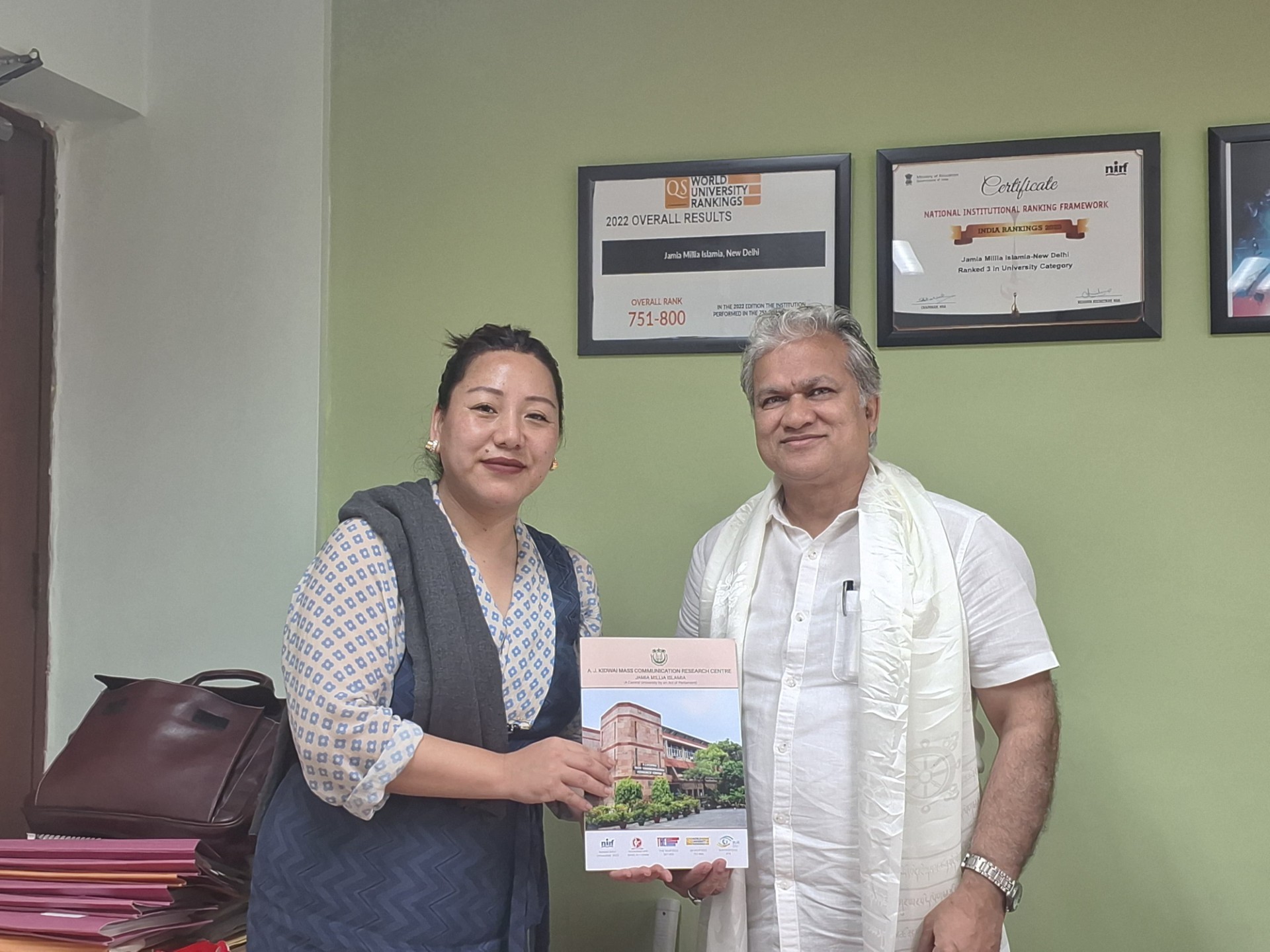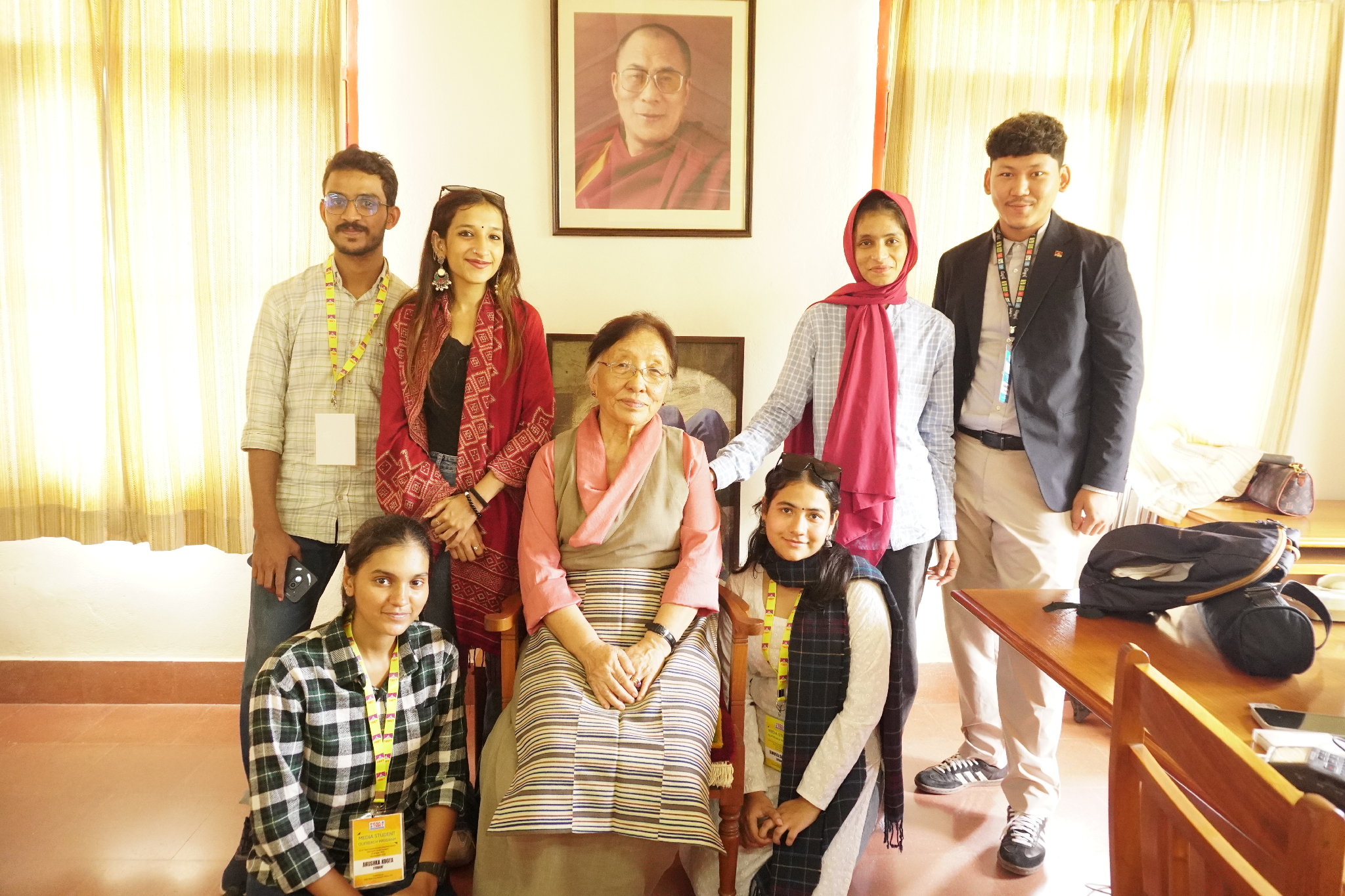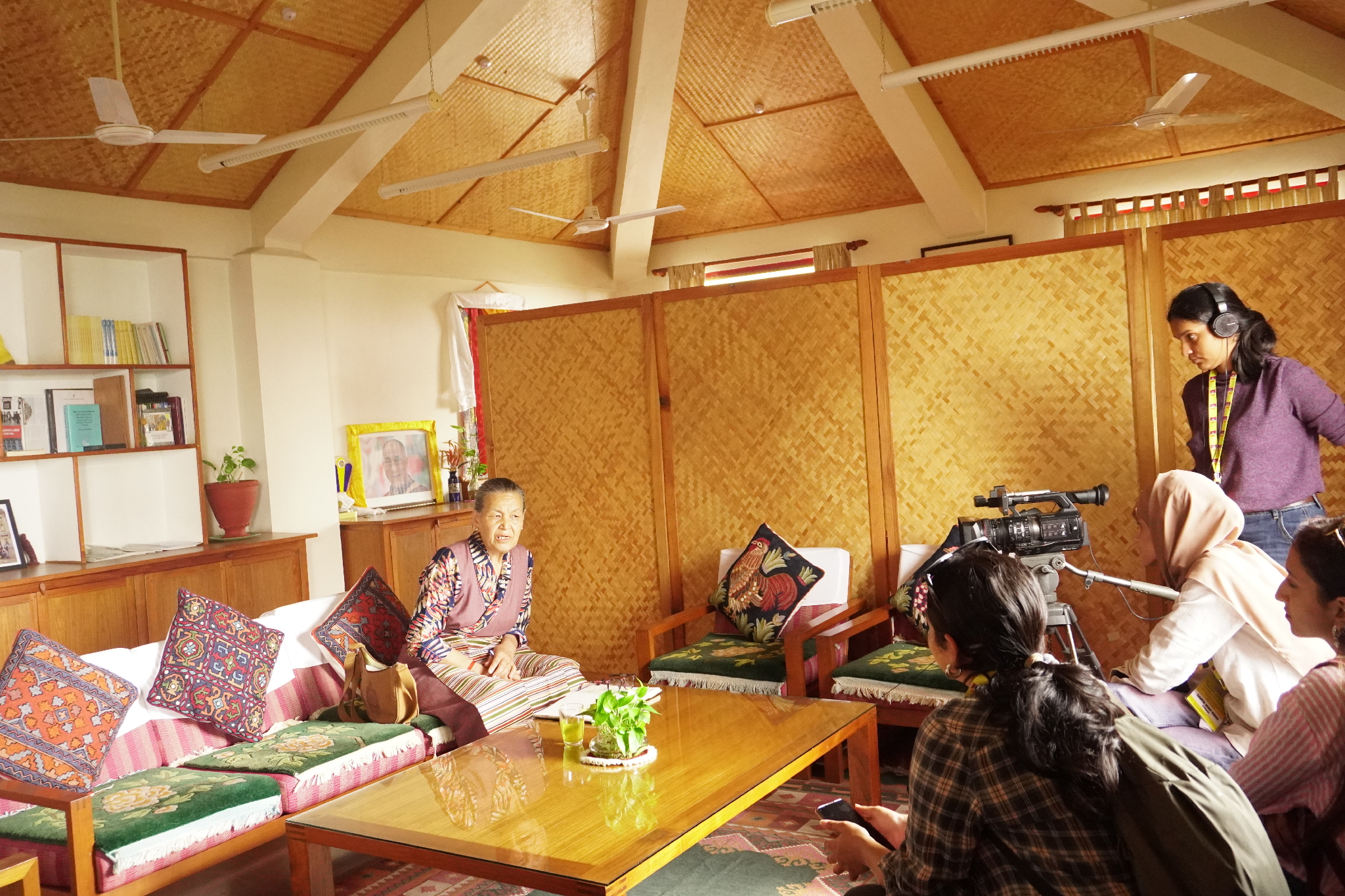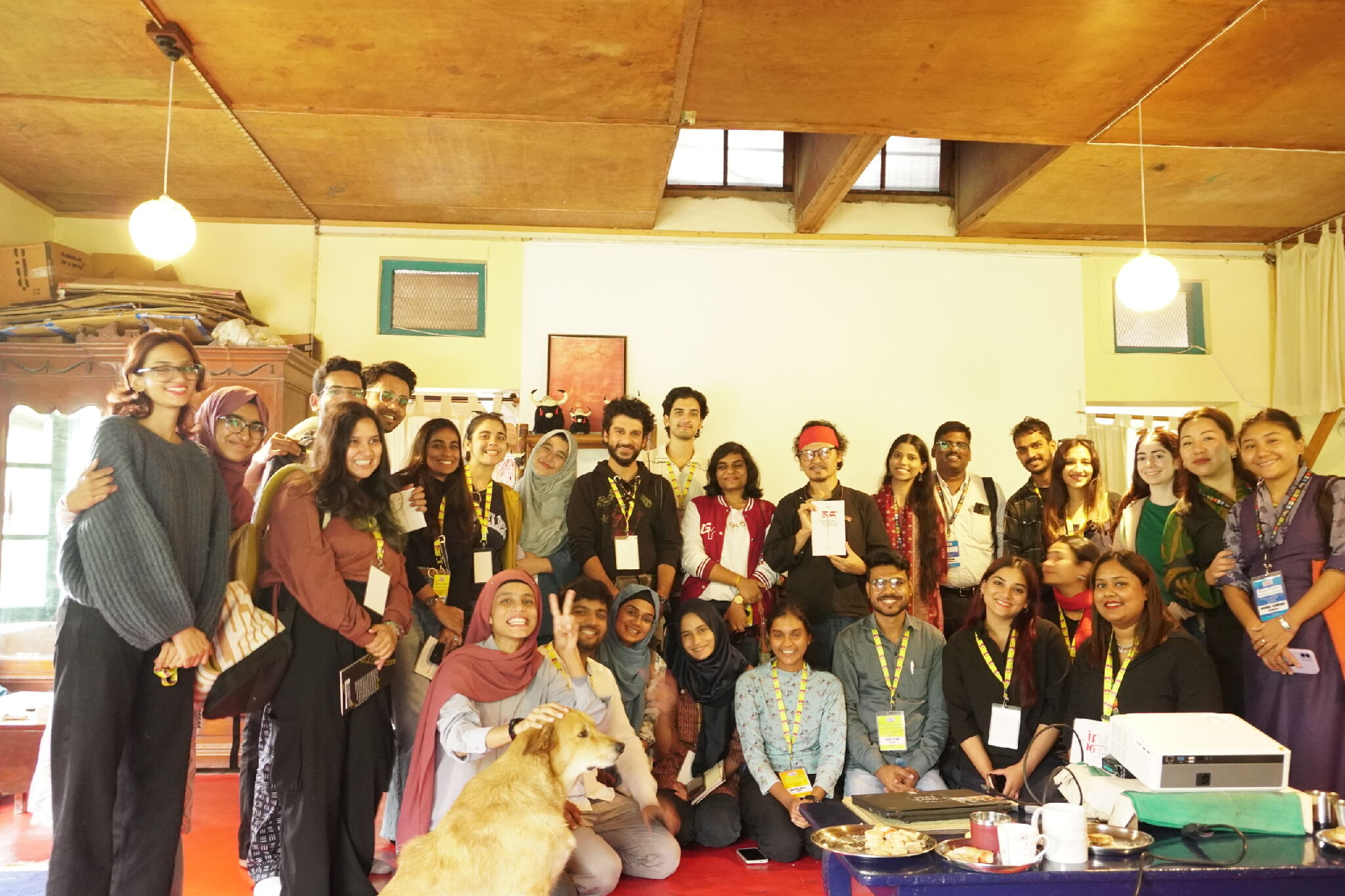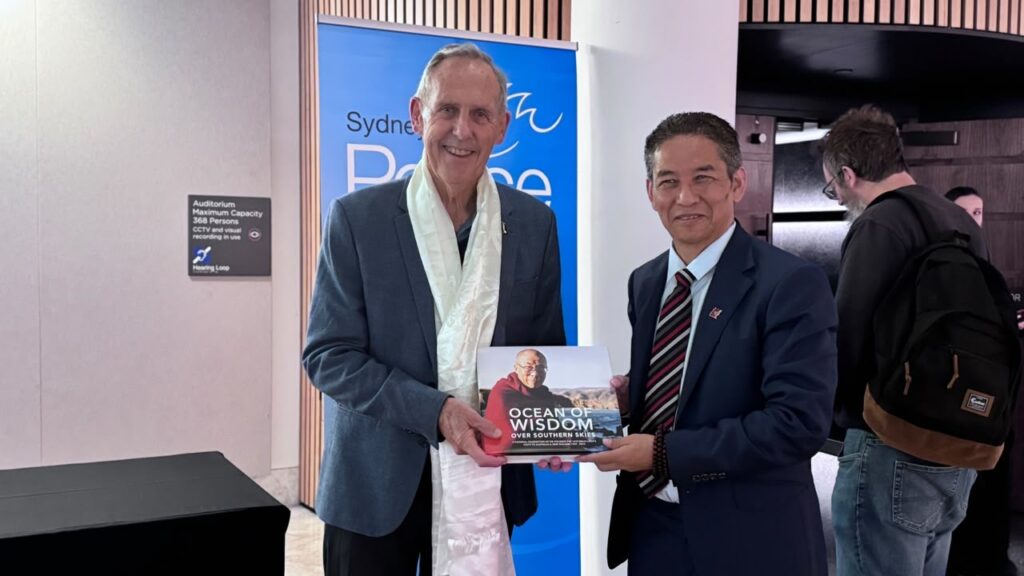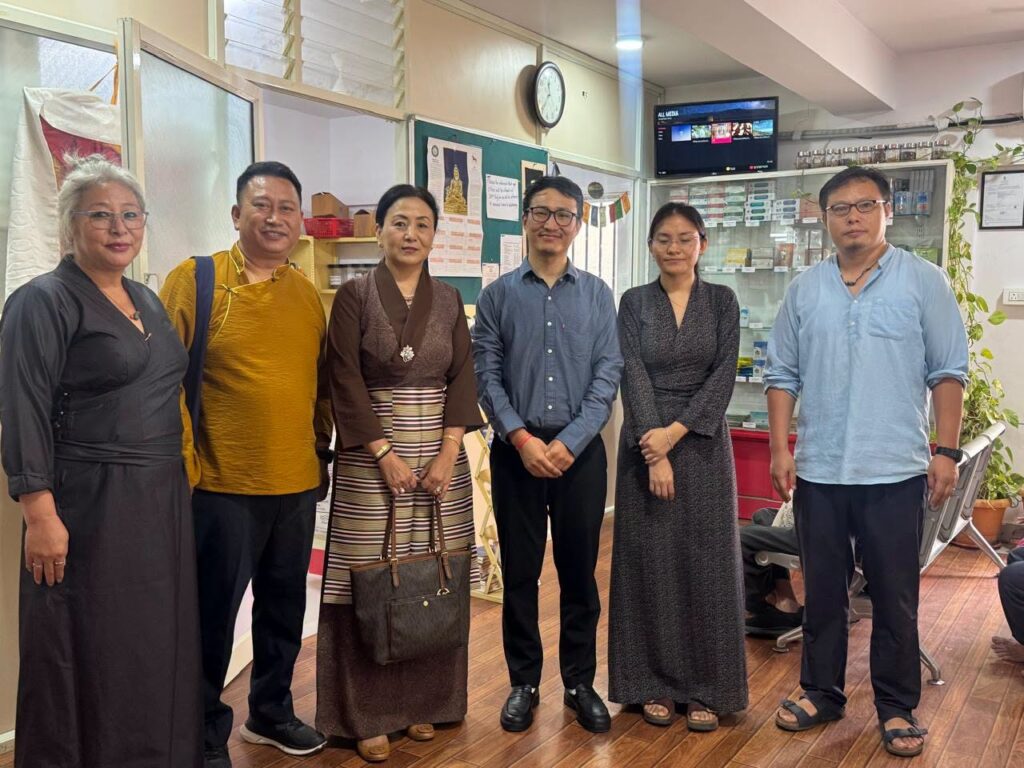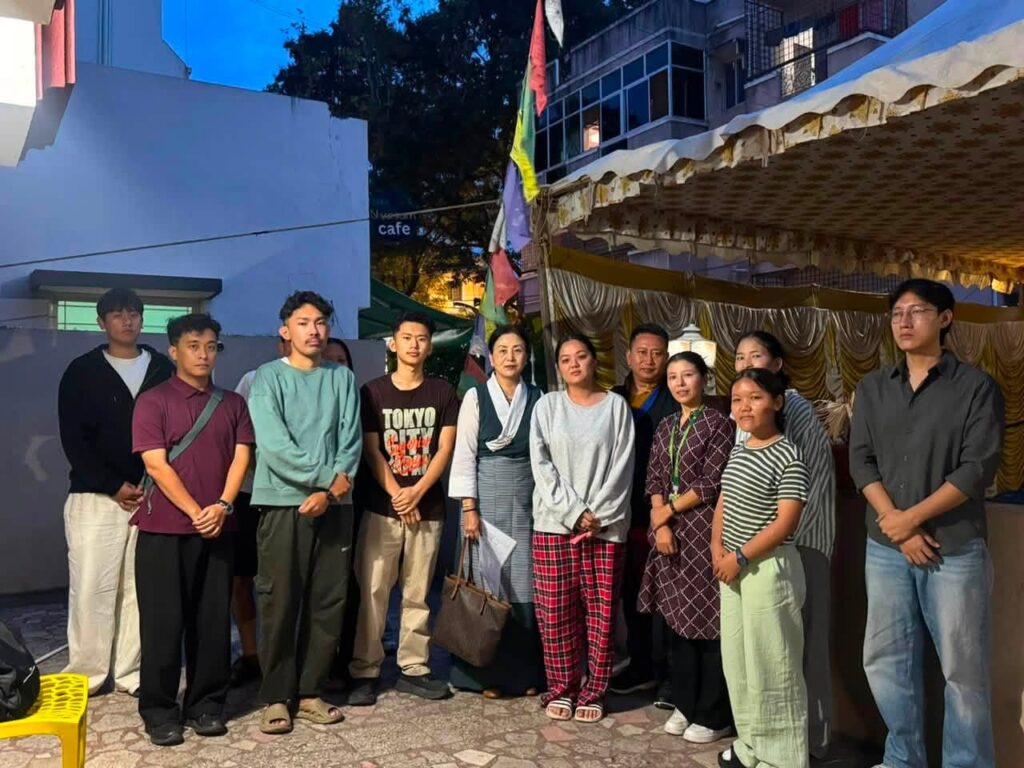


Dharamshala: The India-Tibet Coordination Office (ITCO), in collaboration with the AJK Mass Communication and Research Centre (AJKMCRC) at Jamia Millia Islamia, successfully organised the annual Media Student Program in Dharamshala from 14 to 18 September. The successive editions of this program, the first being in 2008, aimed at exposing aspiring journalists to the reality of the Tibetan exile community and their diverse identities in India since 1959.
The preparatory phase involved several months of meetings, research assignments, student presentations, and orientation sessions, all designed to equip participants with a comprehensive understanding of Tibetan history and socio-political contexts. This foundation allowed for meaningful engagement during their fieldwork in Dharamshala.
On 14 September, ITCO staff, AJKMCRC faculty, and 23 students departed from Jamia Millia Islamia for Dharamshala. This program is rooted in the long-standing relationship between His Holiness the Dalai Lama and Jamia Millia Islamia, where His Holiness was conferred an honorary degree of Doctor of Letters (Honoris Causa) in 2010. His Holiness’ subsequent visits to AJKMCRC emphasised non-violence and social justice, principles that resonate deeply with the objectives of this program.
The students undertook months of research and developed five documentary themes, each focusing on unique aspects of Tibetan exile life:
- “Nuns in Exile” – The spiritual journey and lives of Tibetan nuns living in exile.
- “Art of Resistance through Poetry” – Poetry as a cultural tool for resistance and identity preservation.
- “Mental Health in Exile” – Examining the mental health challenges within the Tibetan exile community.
- “Sounds of Exile” – The role of music and sound in Tibetan exile culture.
- “A Travelled Homeland” – Chronicling the journey and experiences of Tibetans in exile.
Each group engaged deeply with their respective themes, documenting rich narratives and conducting interviews with key individuals in the Tibetan community. The documentaries developed during this program reflect the participants’ deep connection with their subjects and contribute to raising awareness about Tibetans in exile. This initiative continues to promote intercultural understanding, advocate for social justice, and ensure the preservation of Tibetan narratives in India.
-Report filed by India-Tibet Coordination Office, DIIR, CTA