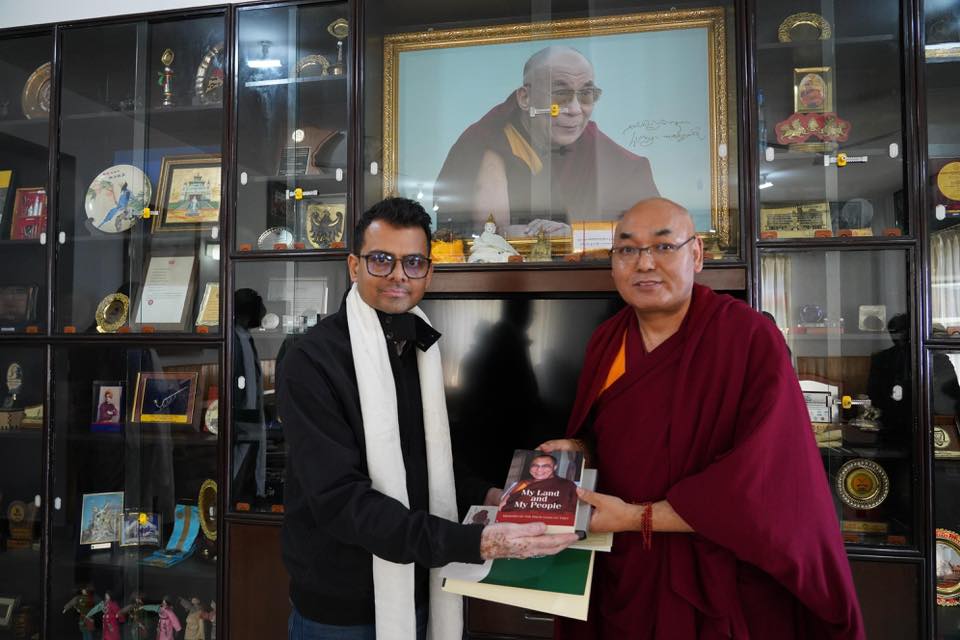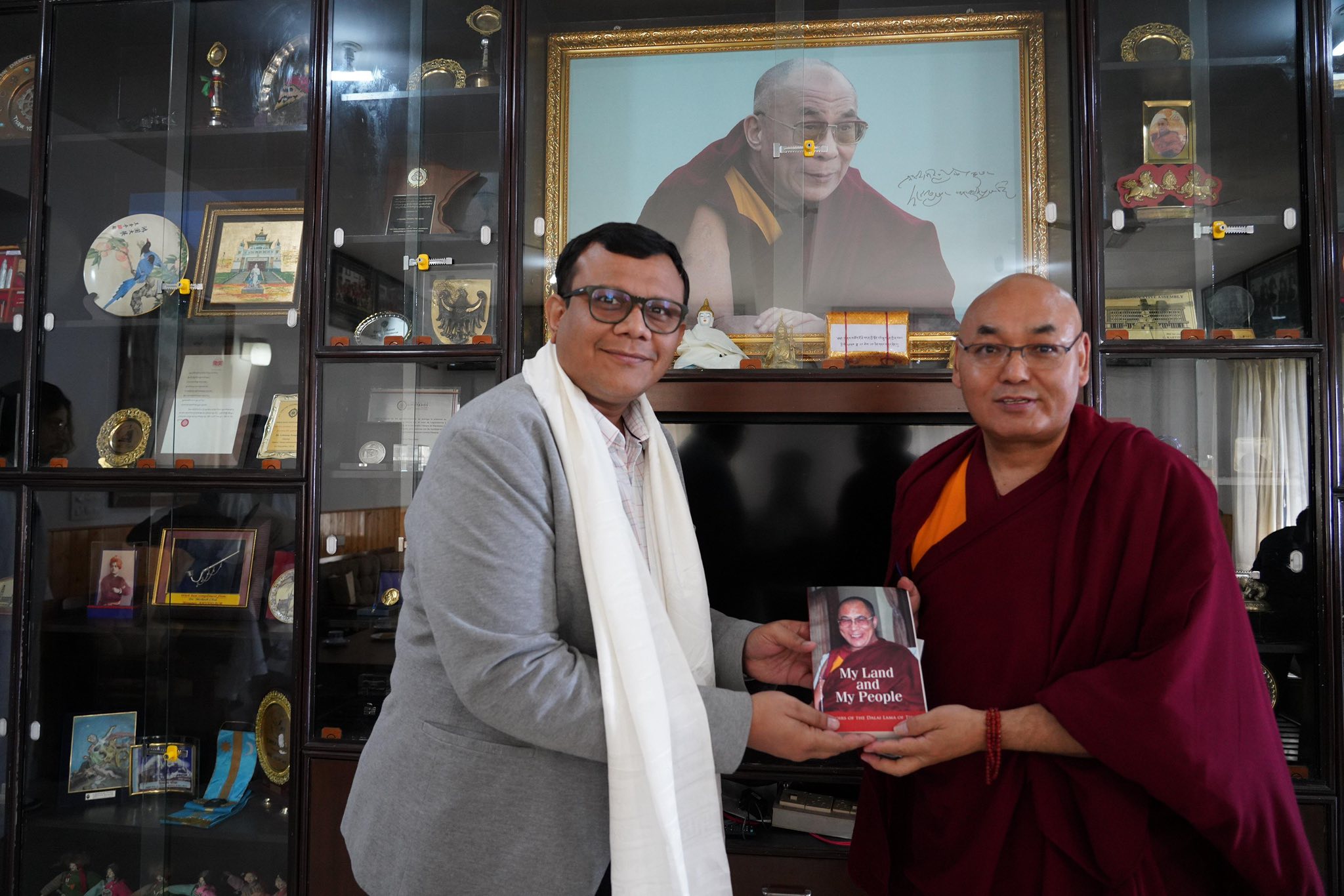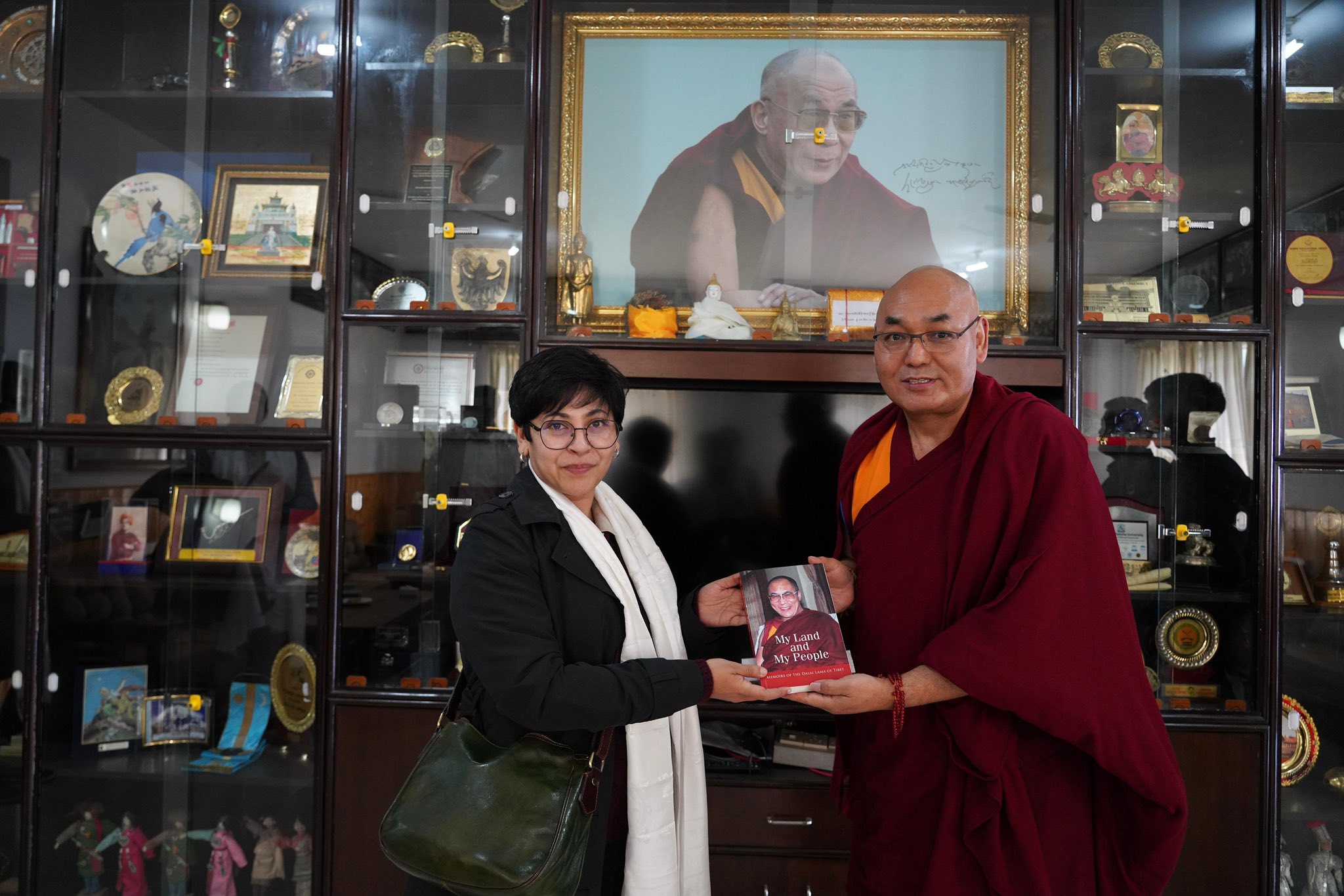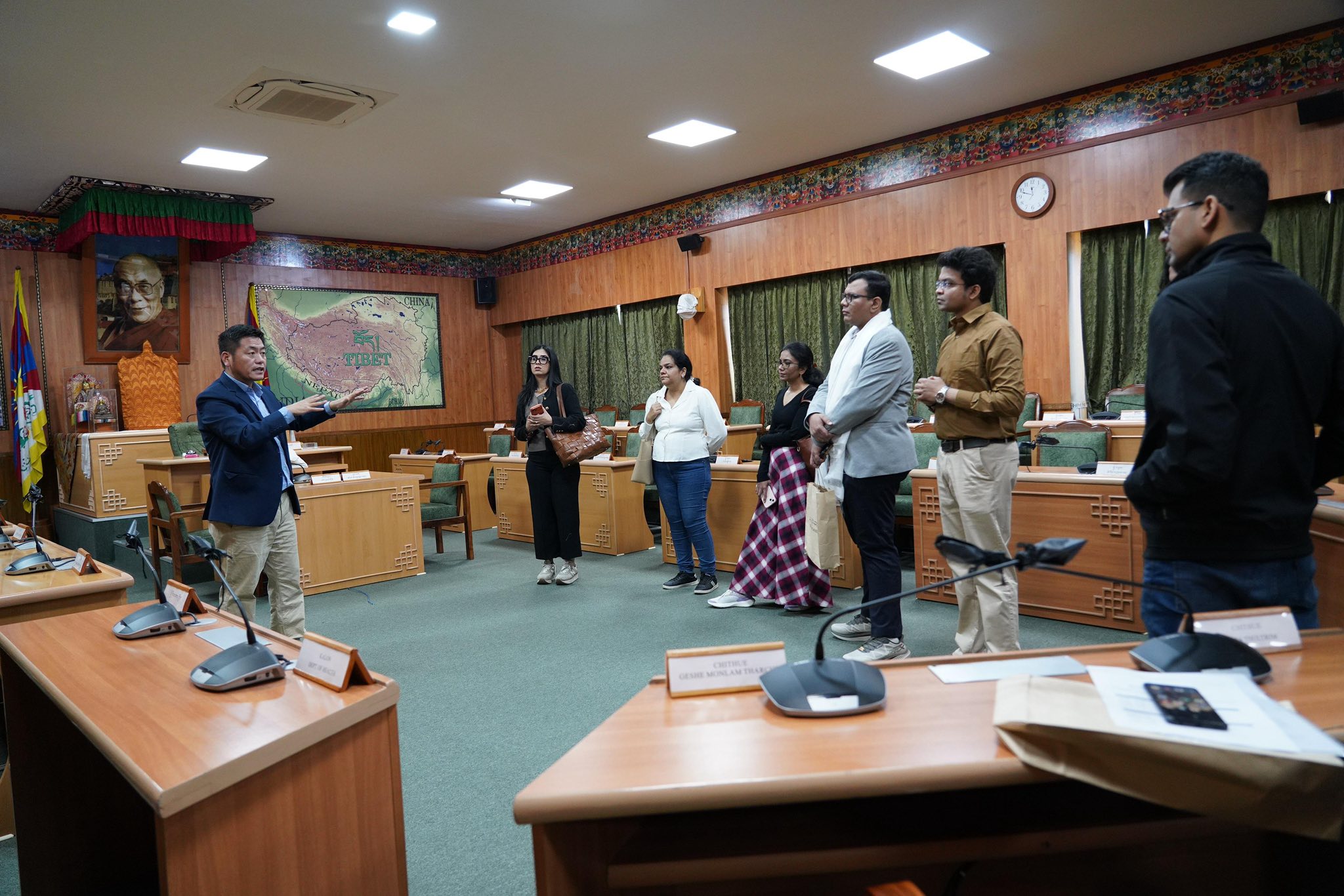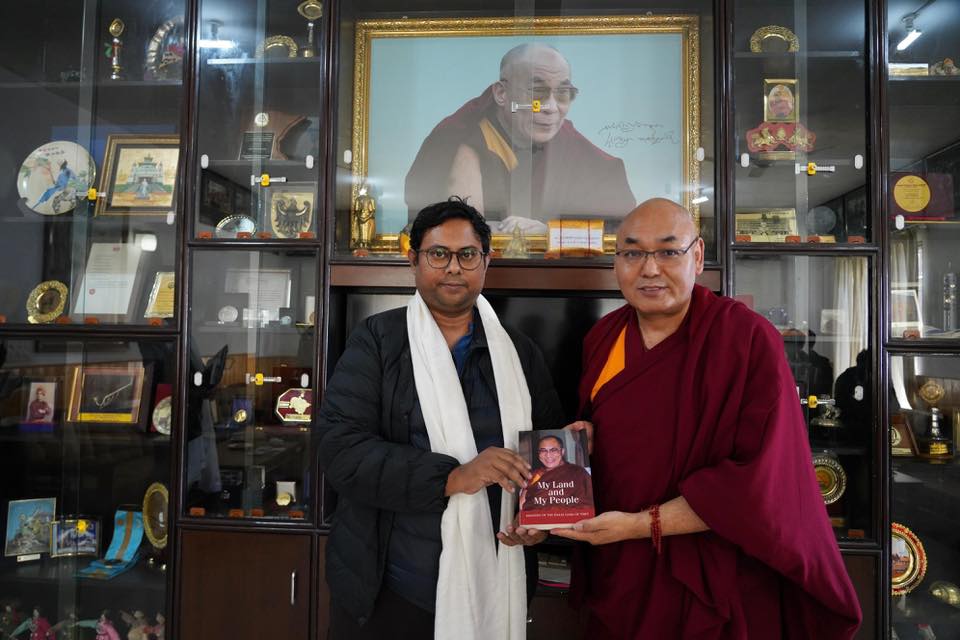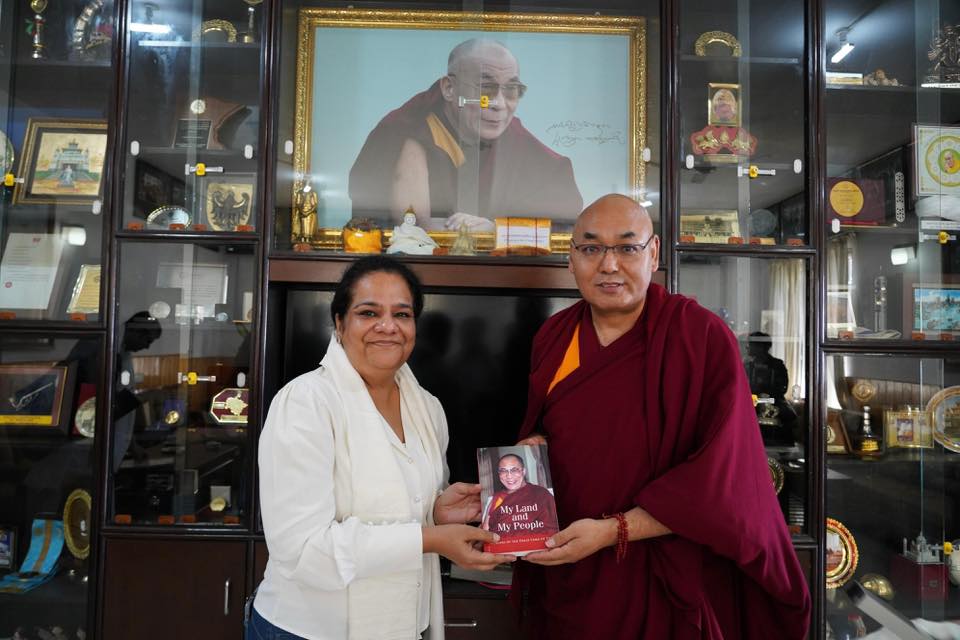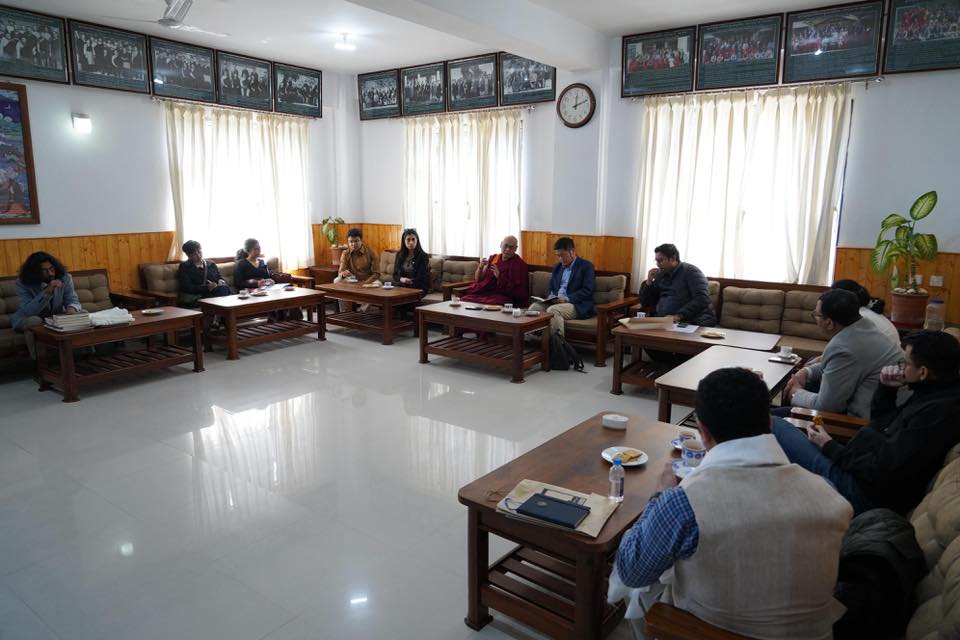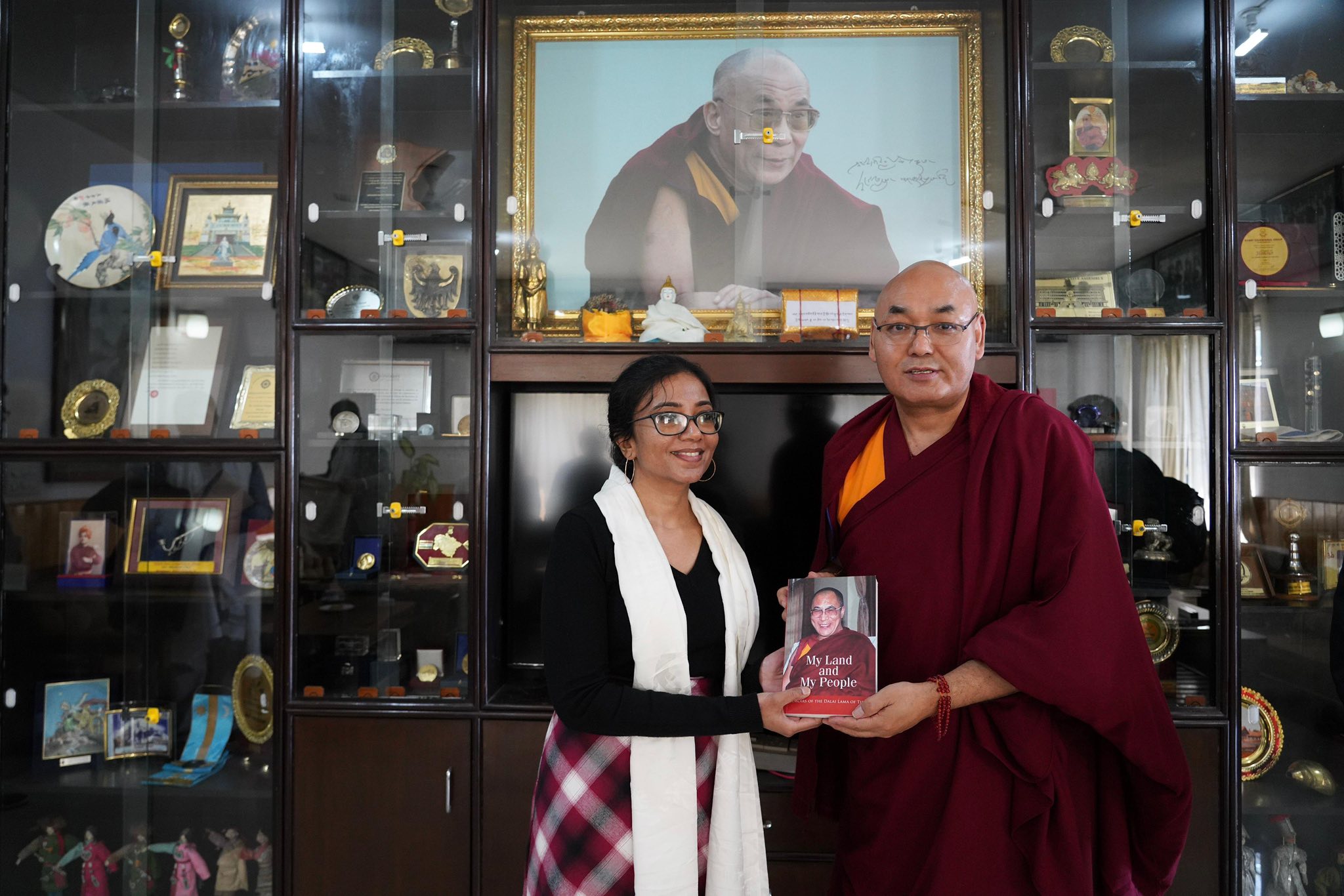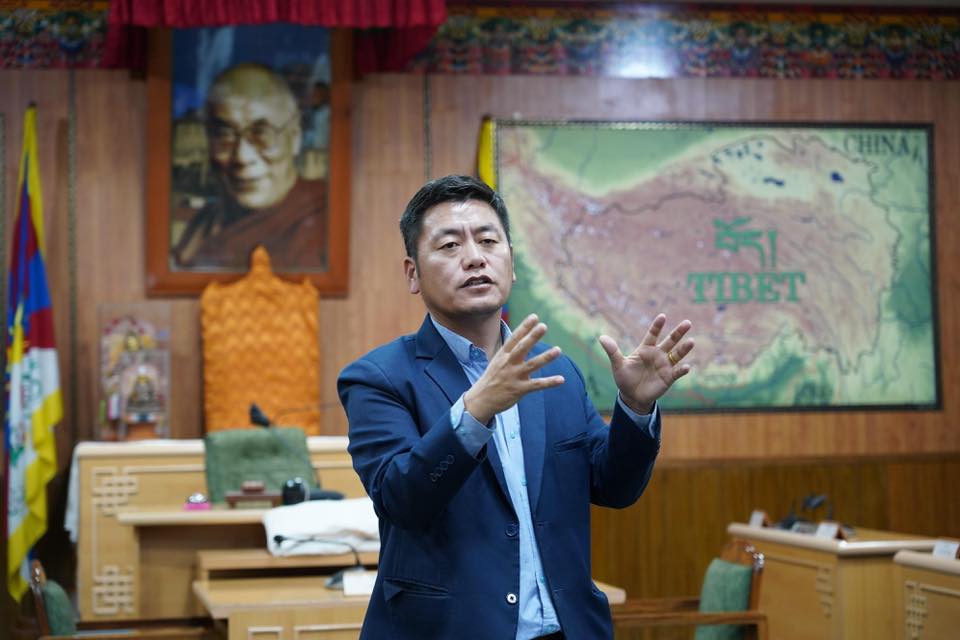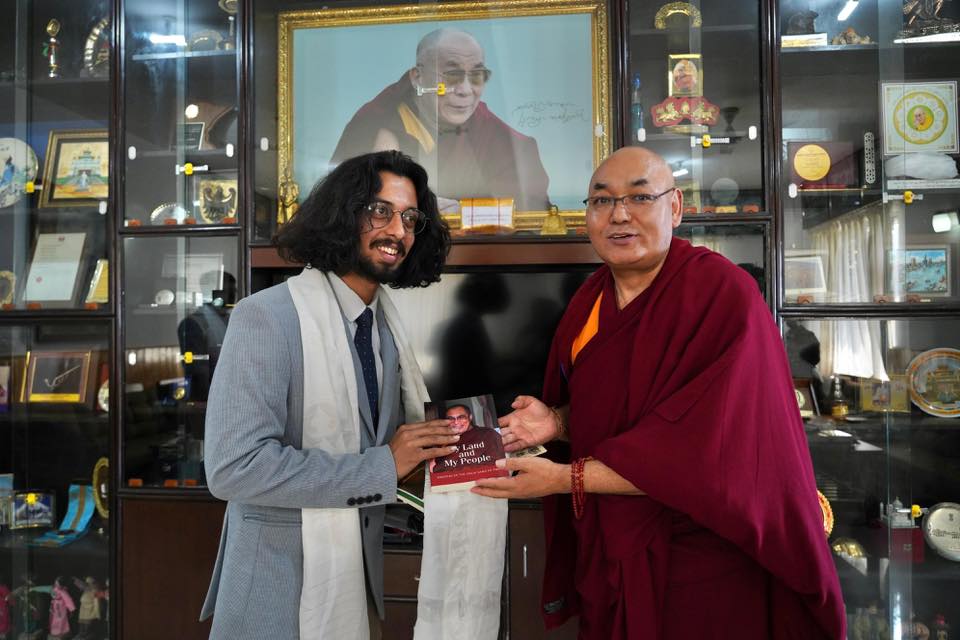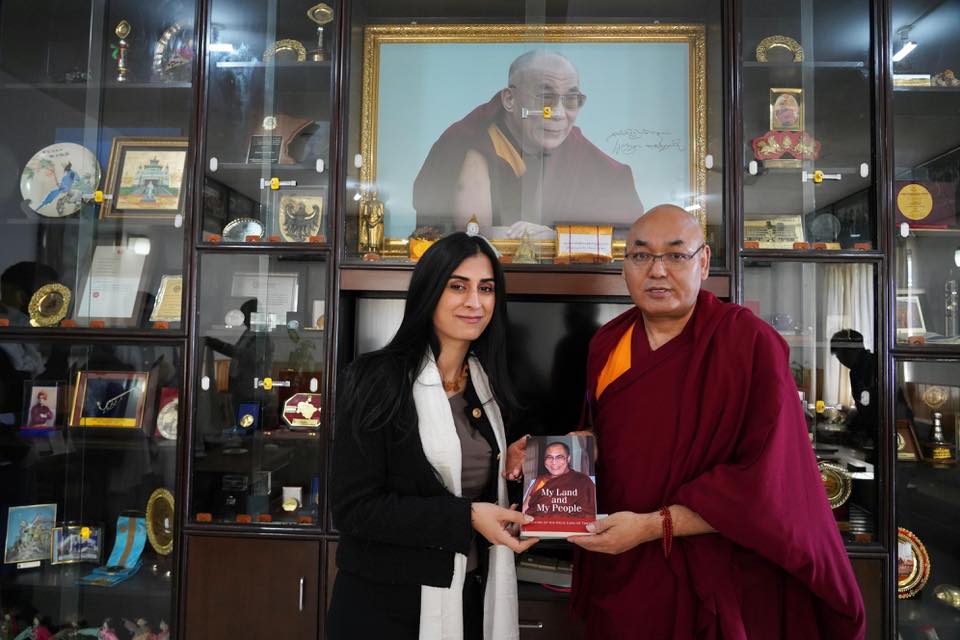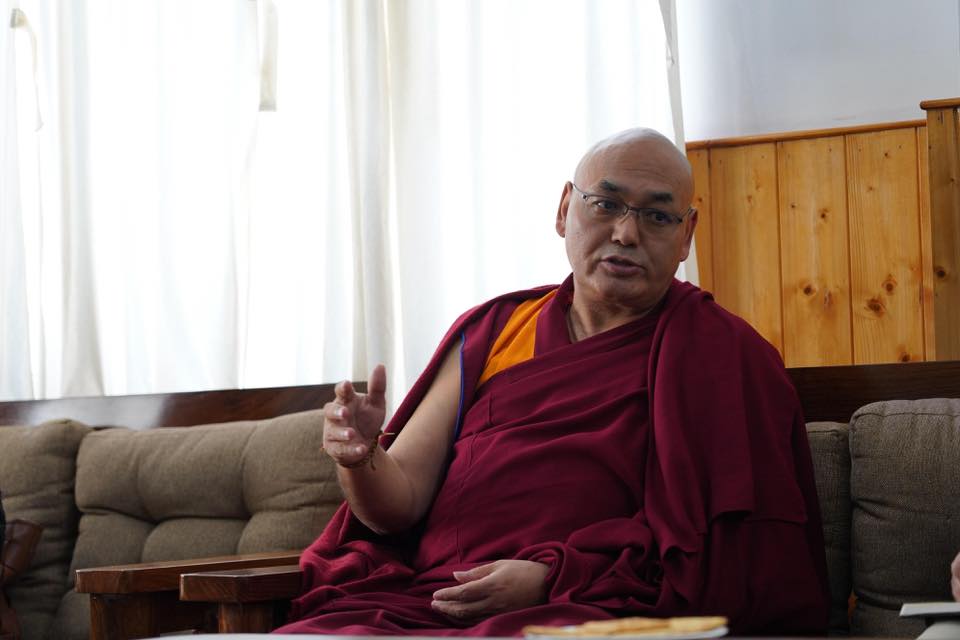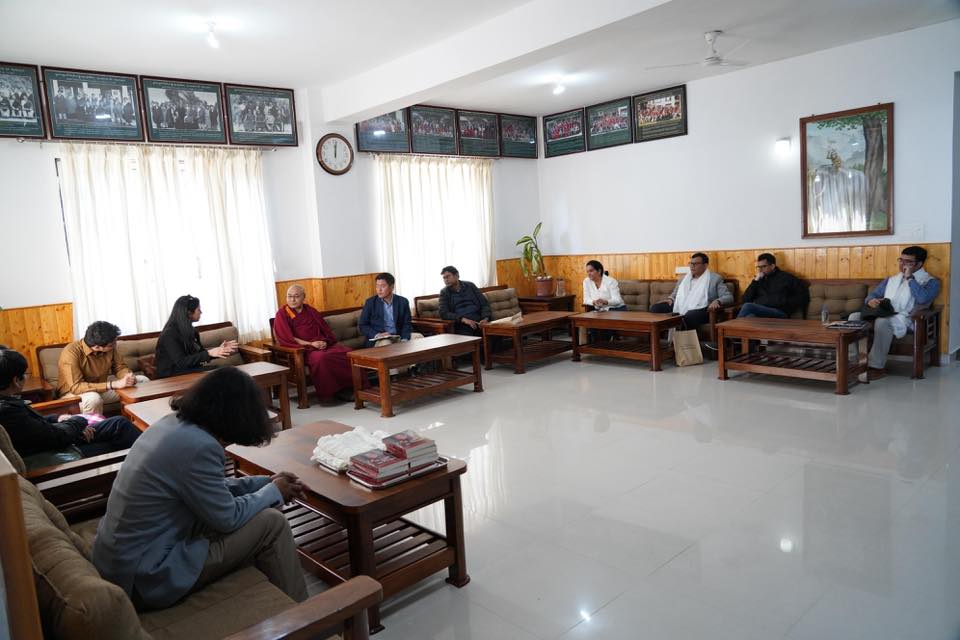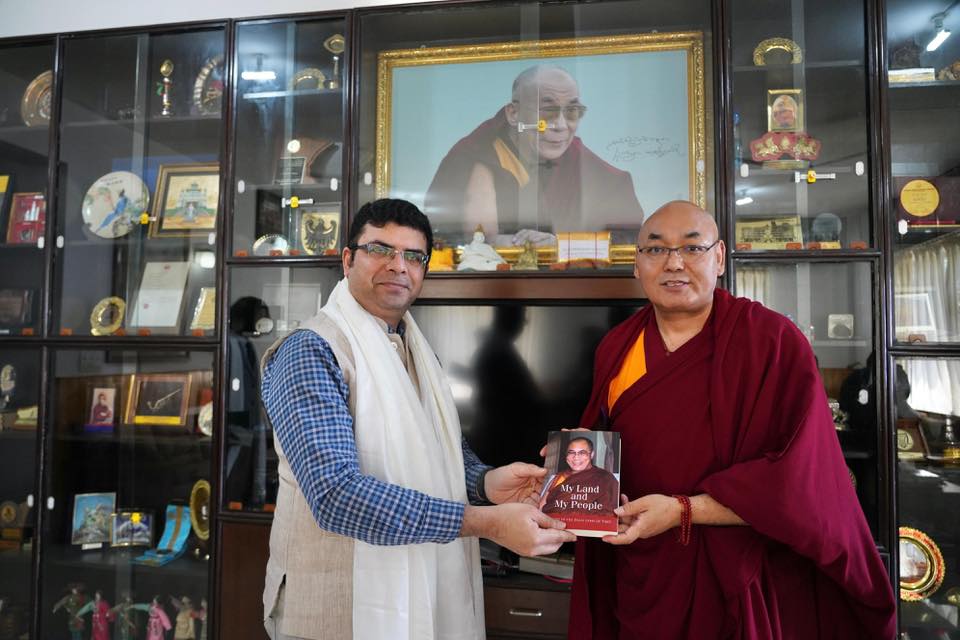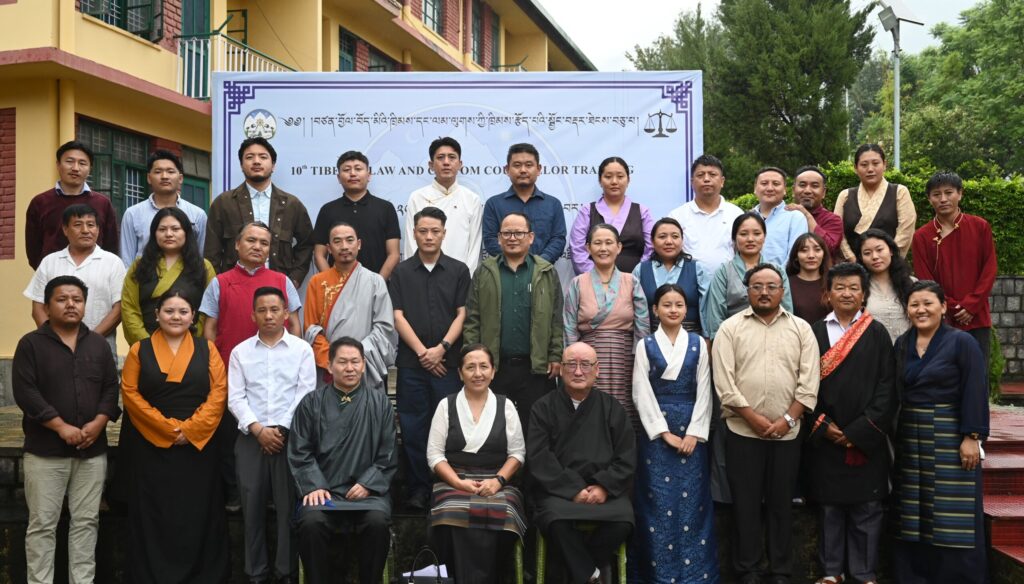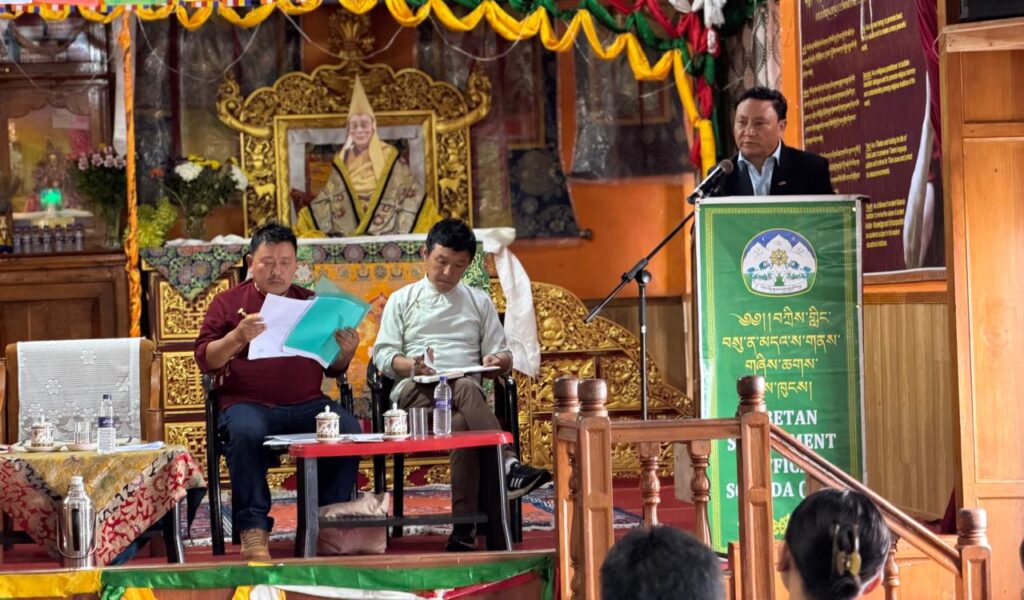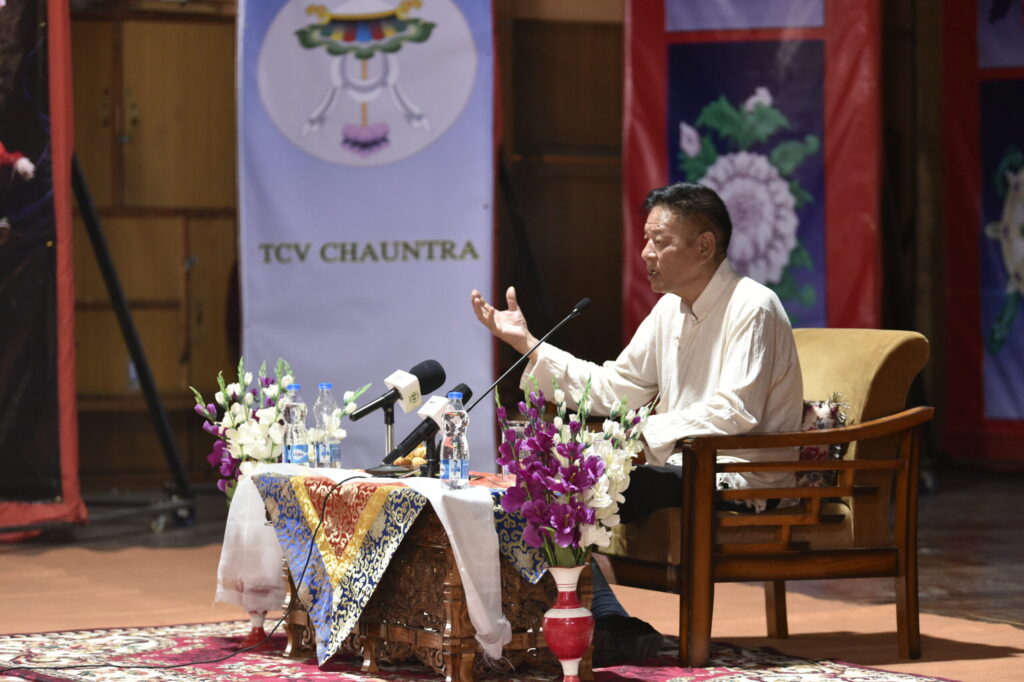


Dharamshala: A delegation of Indian scholars and analysts visited the Tibetan Parliament-in-Exile earlier today, 31 March 2026, where they met with Speaker Khenpo Sonam Tenphel. The visit was part of an orientation program organized by the Tibet Action Institute in partnership with Asia Strategy Forum and Closed-Door Policy Consulting. The program brought together select scholars and analysts working on or interested in issues related to China, Tibet, and the Indo-Pacific.
The delegation included Kalpit Mankikar (Fellow, Strategic Studies Programme, Observer Research Foundation, New Delhi), Sarada Subhash (Research Associate, Vivekananda International Foundation, New Delhi), Namrata Hasija (Research Fellow, Centre for China Analysis and Strategy, New Delhi), Kamal Madishetty (Assistant Professor, Rishihood University, Haryana), Prof. Dr. Hindol Sengupta (Professor, Jindal School of International Affairs and Director, Jindal India Institute, Haryana), Dr. Chirayu Thakkar (National University of Singapore), Vivek Mishra (Deputy Director, Strategic Studies Programme, Observer Research Foundation), Ankit Tiwari (Research Associate, Centre for the Study of Developing Regions), Jyotsna Mehra (Founder, Closed-Door Policy Consulting), Tarushikha Sarvesh (Assistant Professor, Advanced Centre for Women’s Studies at Aligarh Muslim University), and MP Dorjee Tseten (Program Director at the Tibet Action Institute and Member of the Tibetan Parliament-in-Exile).
The program aims to facilitate a structured exchange between Indian researchers and the Tibetan leadership, as well as the broader scholarly and policy community, on issues of contemporary relevance to Tibet–India–China relations and regional security.
Addressing the Indian scholars and analysts, the Speaker highlighted how Tibetans in the diaspora, under the leadership of the Central Tibetan Administration, have sustained and strengthened their community over more than six decades in exile, owing in large part to the continued support of India and its people. He expressed deep gratitude for India’s longstanding hospitality and assistance.
Speaking on the evolution of Tibetan democracy, the Speaker noted that India’s democratic system served as an important source of inspiration. He recalled that His Holiness the Dalai Lama, during his visit to India in 1956 on the 2500th Buddha Jayanti, had the opportunity to observe proceedings in the Indian Parliament, an experience that influenced his vision for a democratic framework for Tibet.
Following his enthronement, His Holiness initiated a series of political and social reforms in Tibet, including the establishment of institutions such as the Reform Office and the Judicial Affairs Office to address governance and social issues. These efforts, however, were disrupted following the occupation of Tibet by the People’s Republic of China (PRC). After coming into exile in India in 1959, His Holiness continued these reforms and laid the foundations of a democratic system in exile, including the establishment of the Tibetan Parliament-in-Exile in 1960 with 13 members.
The Speaker also highlighted key milestones in the democratisation process, including the introduction of the position of the Kalon Tripa (later renamed Sikyong), who came to be directly elected by the Tibetan people, and the eventual devolution of His Holiness the Dalai Lama’s political and administrative authority to the elected leadership of the Central Tibetan Administration in 2011.
He further elaborated on the composition and functioning of the Tibetan Parliament-in-Exile, including its electoral processes, which enable representation of Tibetans living across the global diaspora. The Central Tibetan Administration’s core objectives which are seeking a peaceful resolution to the Sino-Tibetan conflict, ensuring the welfare of Tibetans in exile, advocating for the rights of Tibetans inside Tibet, and raising awareness about environmental degradation on the Tibetan Plateau under PRC administration were also underscored.
The Speaker concluded by emphasising the unique and enduring relationship between India and Tibet, rooted in centuries of shared historical, cultural, religious, and intellectual ties. He particularly noted the influence of Indian democratic values on Tibetan governance in exile and the foundational role of India in the transmission of Buddhism, which remains central to Tibetan identity.
– Report filed by Tibetan Parliamentary Secretariat