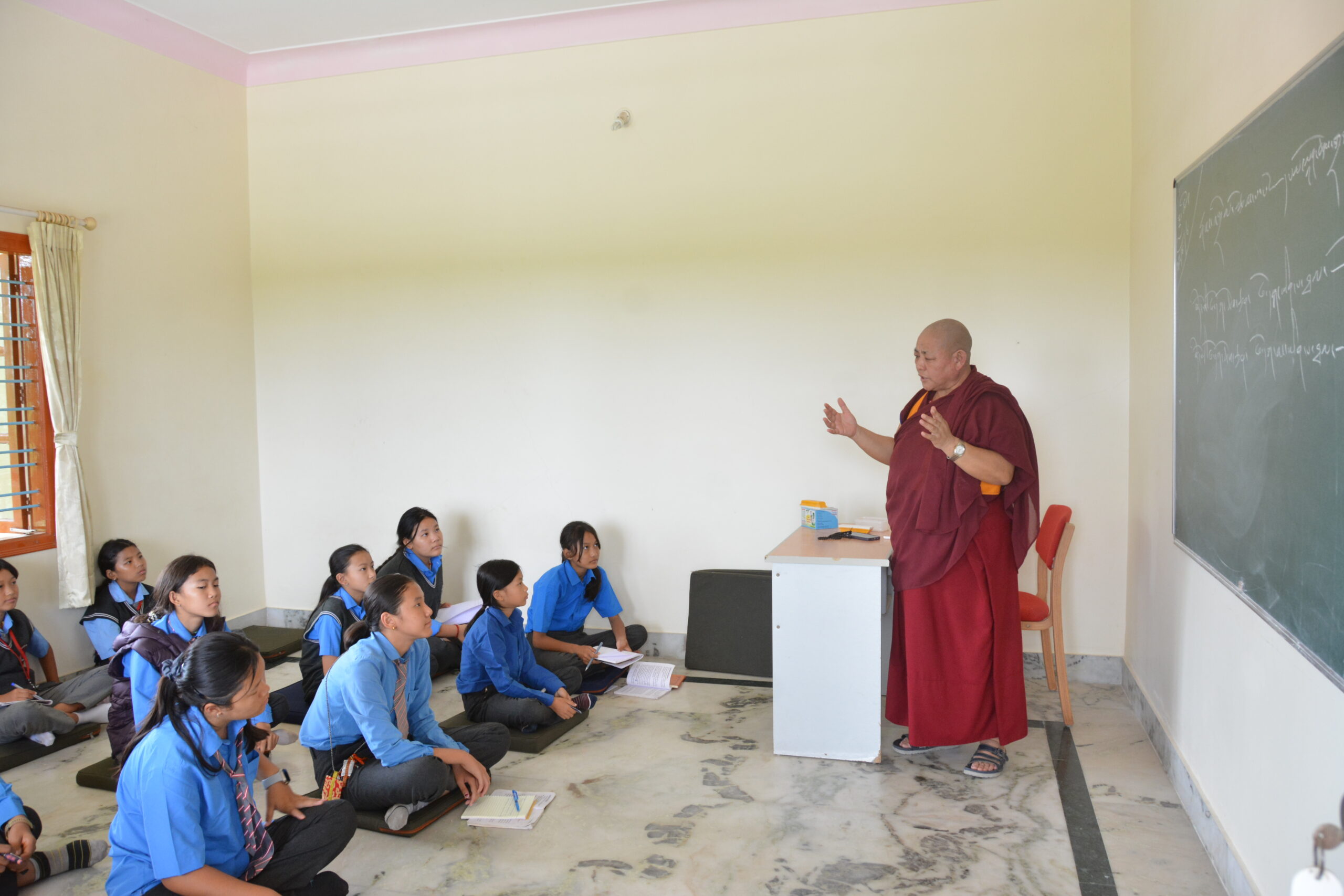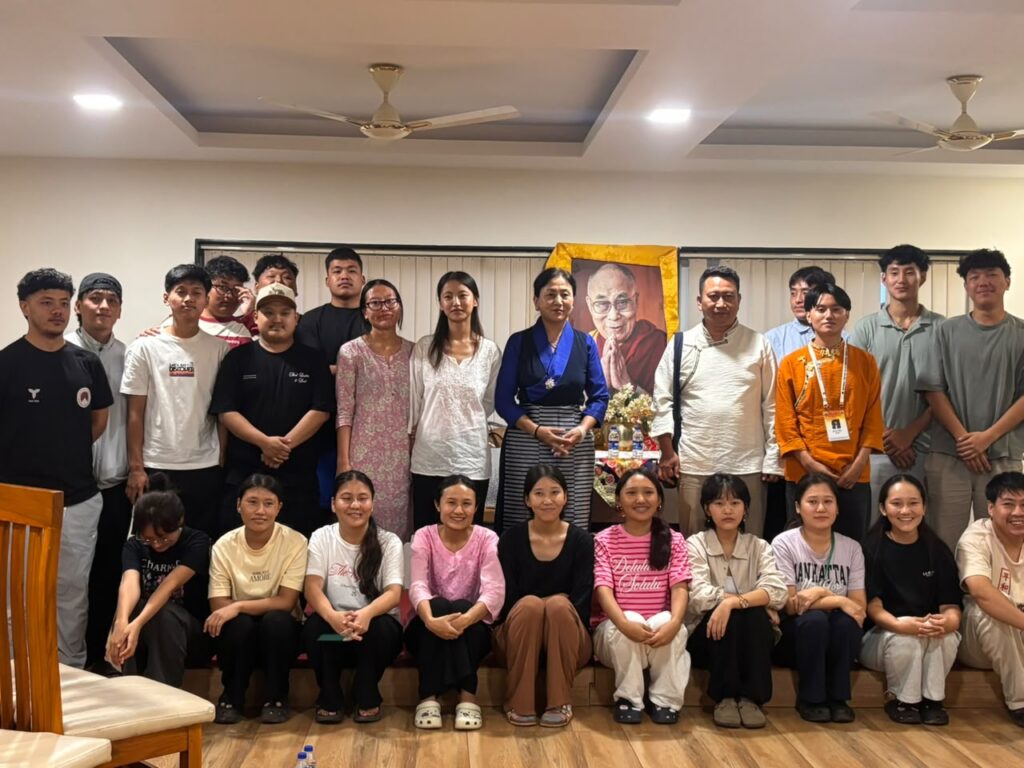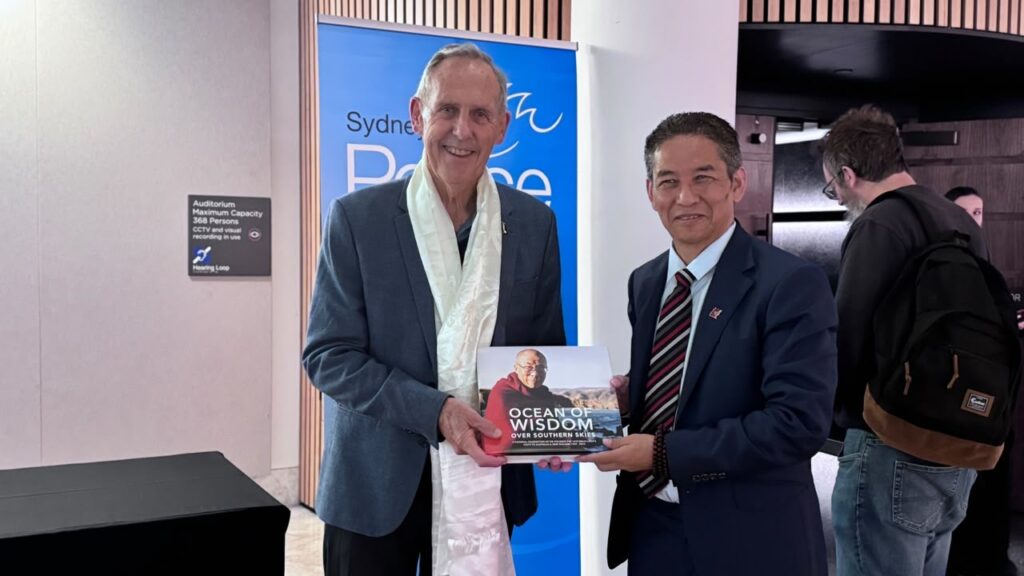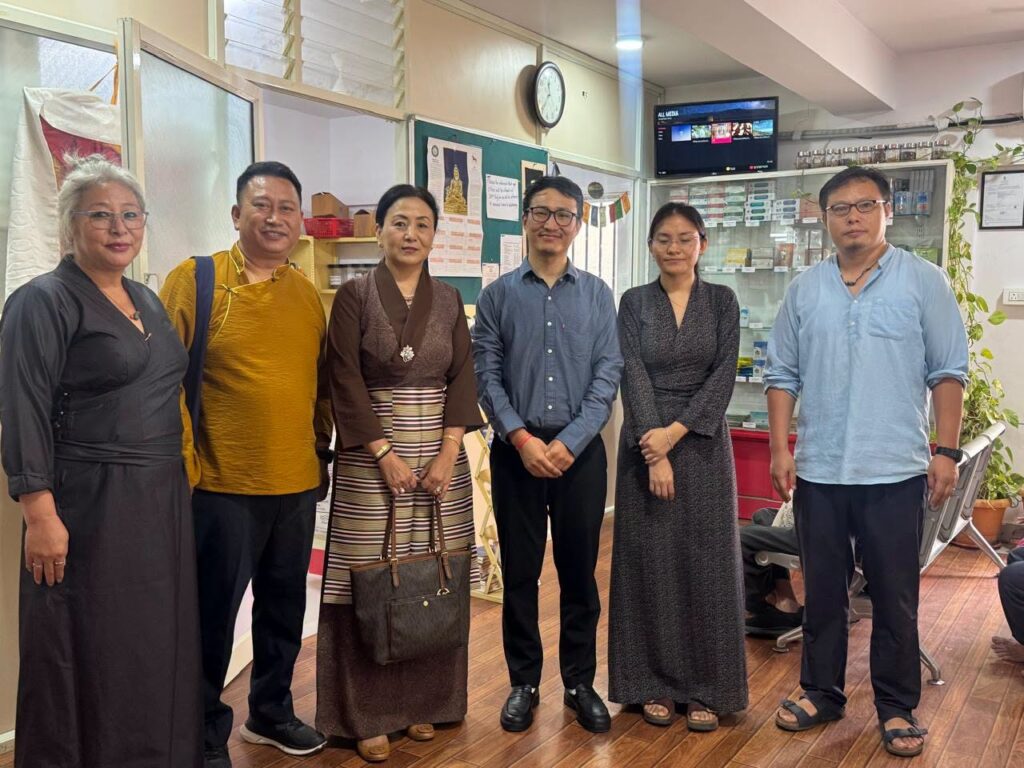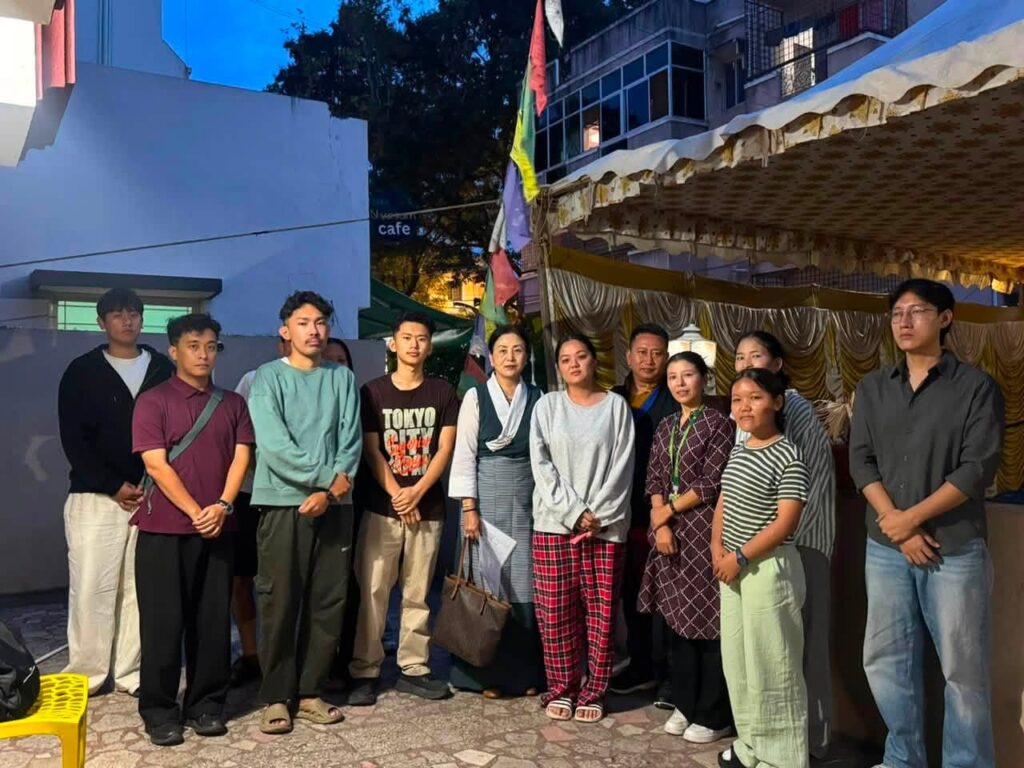


Hunsur: The Department of Education (DoE), Central Tibetan Administration, in collaboration with the Gyudmed Monastery’s Snowland School, organised a Workshop on Nurturing Students Mentor for Dialectical Debate at the Gyudmed Snowland School based in Hunsur, Karnataka state, from 6 to 18 June 2024.
The inaugural session at Gyudmed Monastery was presided over by Khen Rinpoche Jetsun Ngawang Sangyal, who attended as the chief guest. Along with the special guest, CTA parliamentarian Mingyur Dorjee and TSO Tenzin Dhadon of Hunsur Rabgyaling also participated. A total of 58 diligent students from the five esteemed schools under the Sambhota Tibetan Schools Society (STS) are participating in the program. These students hail from STS Chandragiri, STS Chauntra, STS CVP Bylakuppe, STS Hunsur, STS Kollegal and STS Mundgod.
In his opening remarks, Tibetan Education Officer Ngodup Tenpa introduced the objectives of holding this workshop, which aimed to promote through the workshop topic “Nurturing Students Mentors for Dialectical Debate” to ensure the participants with the skills to teach and learn from each other. It was primarily intended for students with an interest in or prior knowledge of the subject. Upon returning to school, younger students were taught fundamental aspects of the subject, such as colors and arrangements, with the hope that they would act as proficient assistants to religious teachers in other schools. The workshop spanned thirteen days, with eleven days dedicated to formal teaching. Additionally, two Sundays were allocated for educational tours such as visit to monastery for further learning.
Mrs. Tenzin Dadon, the Hunsur Rabgyaling Tibetan Settlement Officer, stated that the workshop was attended by the most diligent students from five STS schools. She emphasised the importance of carefully considering the teachings and ensuring they align with the school’s identity. She mentioned that in the past, primary schools did not teach dialectic debate. However, due to the generosity of His Holiness the Dalai Lama, children of all ages now have the opportunity to study dialectic debate. She highlighted the importance of paying attention to both physical and mental health well-being while studying and urged everyone to focus on inner development while paying equal attention to physical beauty and decoration.
Tibetan Parliamentarian Mingyur Dorje, in his speech, mentioned the contributions of the Gyudmed Monastery and Gyudmey Monastery’s Snowland School to the educational programs of the various departments of the Central Tibetan Administration. Additionally, at the request of His Holiness the Dalai Lama, the Gyudmey Monastery’s Snowland School has always appreciated and supported the responsibility of teaching Tibetan language and culture to many students during the summer and winter holidays. In general, from around the time of the exile schools, separate teachers began to teach Buddhism and logic to the children. However, it seems that this practice has not been maintained until now. The reason is probably that, not long after the arrival of the Tibetans in exile, they had to focus on modern subjects such as English in order to meet the needs of daily life. Gradually, the study of logic ceased. However, a few decades later, under the guidance of His Holiness the Dalai Lama, the study of reasoning was reintroduced in primary schools. His Holiness told us that we were very fortunate to have this opportunity, emphasizing that reasoning enhances intelligence and is important for our education.
During his keynote address, the Chief Guest, Gyudmey Monastery Khen Rinpoche Jetsun Ngawang Sangay, emphasised the importance of carefully listening to the teachings of philosophy teachers during the course of study. The significance of debating and critical analysis is evident in the words of the Buddha himself. For instance, he said, “O monks or wise men, like gold that has been burned, cut, and polished, my words should be accepted after careful examination, not out of respect.” Similarly, the Buddha advised to examine and test his words rather than merely accepting or rejecting them out of respect. This aligns with the Buddha’s emphasis on logical analysis. The chief guest concluded by stressing the need to study diligently during the course and avoid wasting time.
Geshe Yonten, the headmaster of the Gyudmed Snowland School, gave a thank-you speech and the ceremony was concluded.