Mysuru: The Department of Information and International Relations (DIIR) of the Central Tibetan Administration successfully conducted a series of Tibet Outreach Programs in Karnataka as part of its awareness program in December 2025.
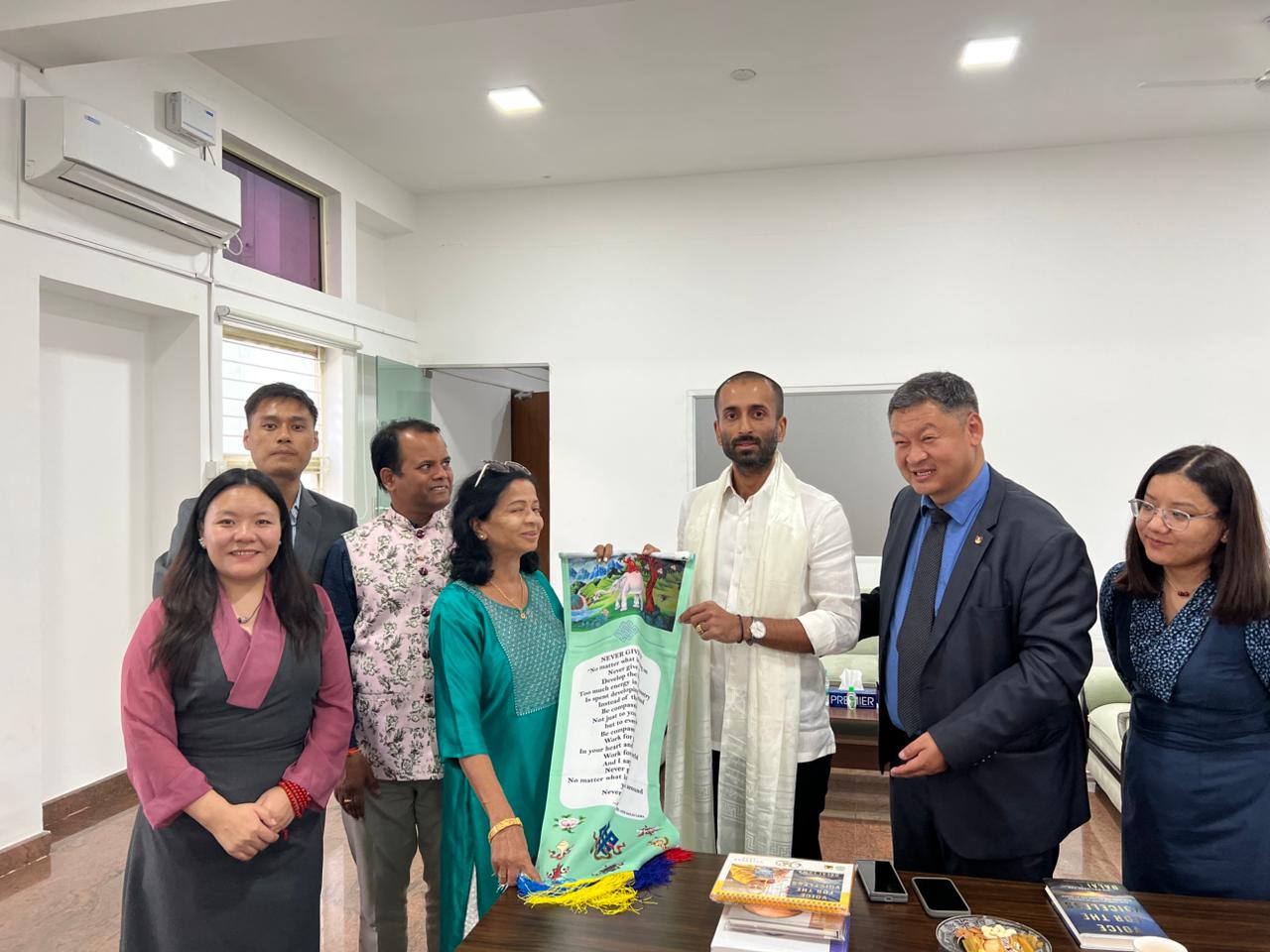
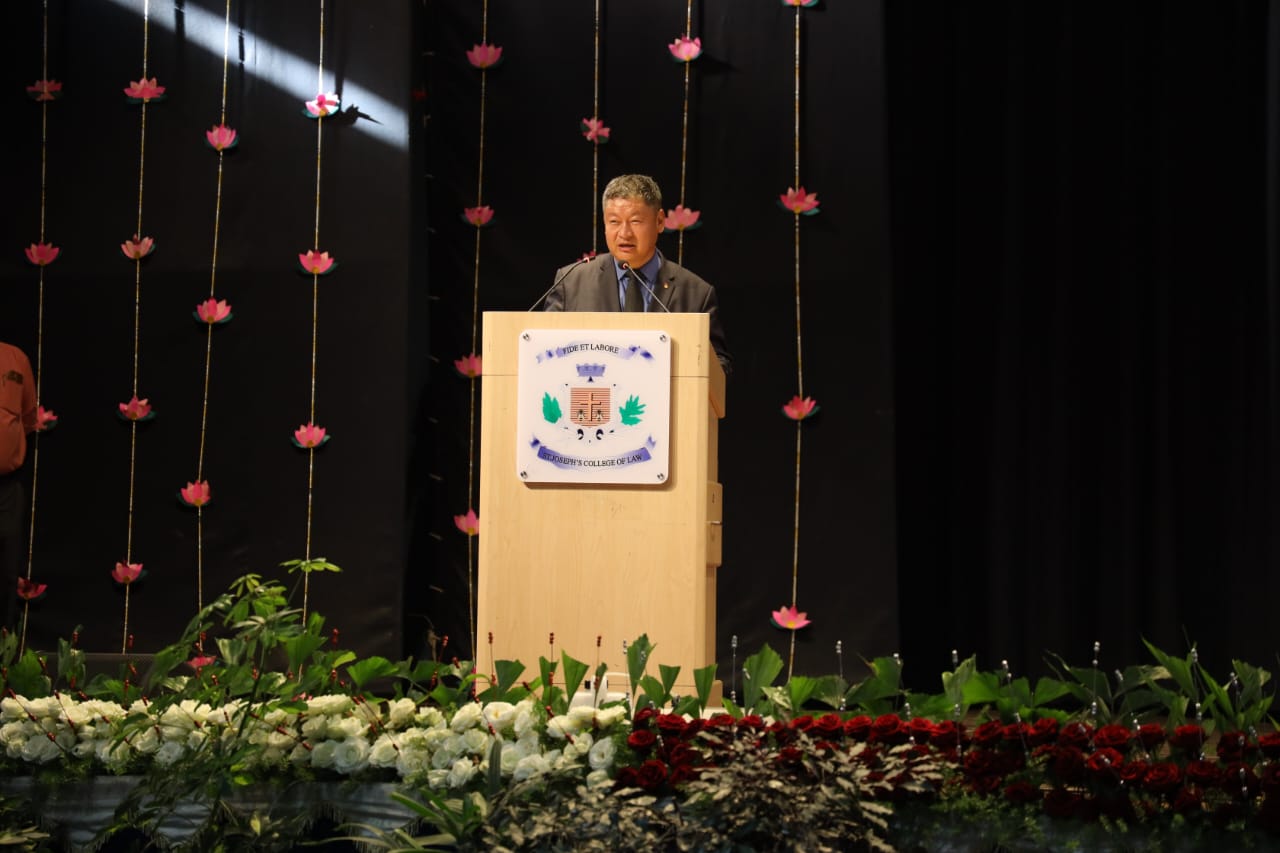
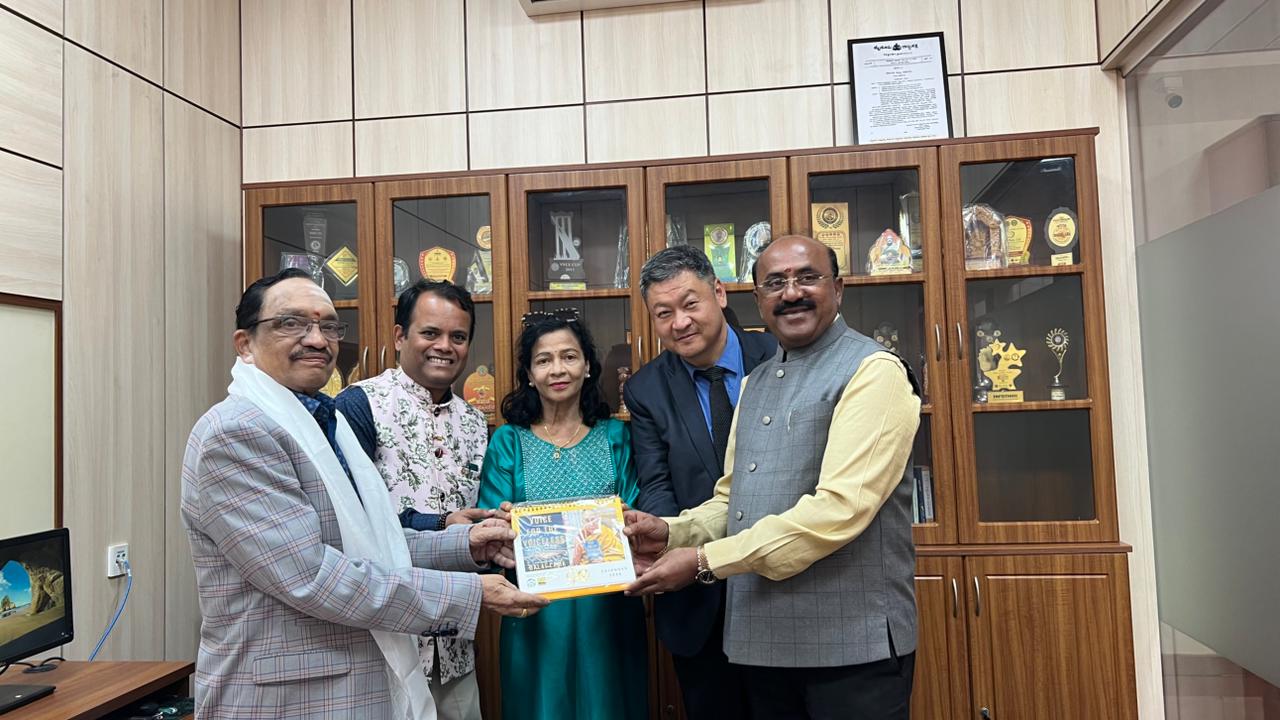
The Tibet Outreach Program in Bengaluru concluded on 19 December 2025 at St. Joseph’s College of Law, where Tenzin Lekshay, Additional Secretary and Official Spokesperson of the Central Tibetan Administration, was invited as the Chief Guest for the Annual Inter-Collegiate Fest. Following the program, Lekshay met with the dignitaries of the college and presented a set of books on Tibet to the institution, including Voice for the Voiceless, the latest book by His Holiness the 14th Dalai Lama.
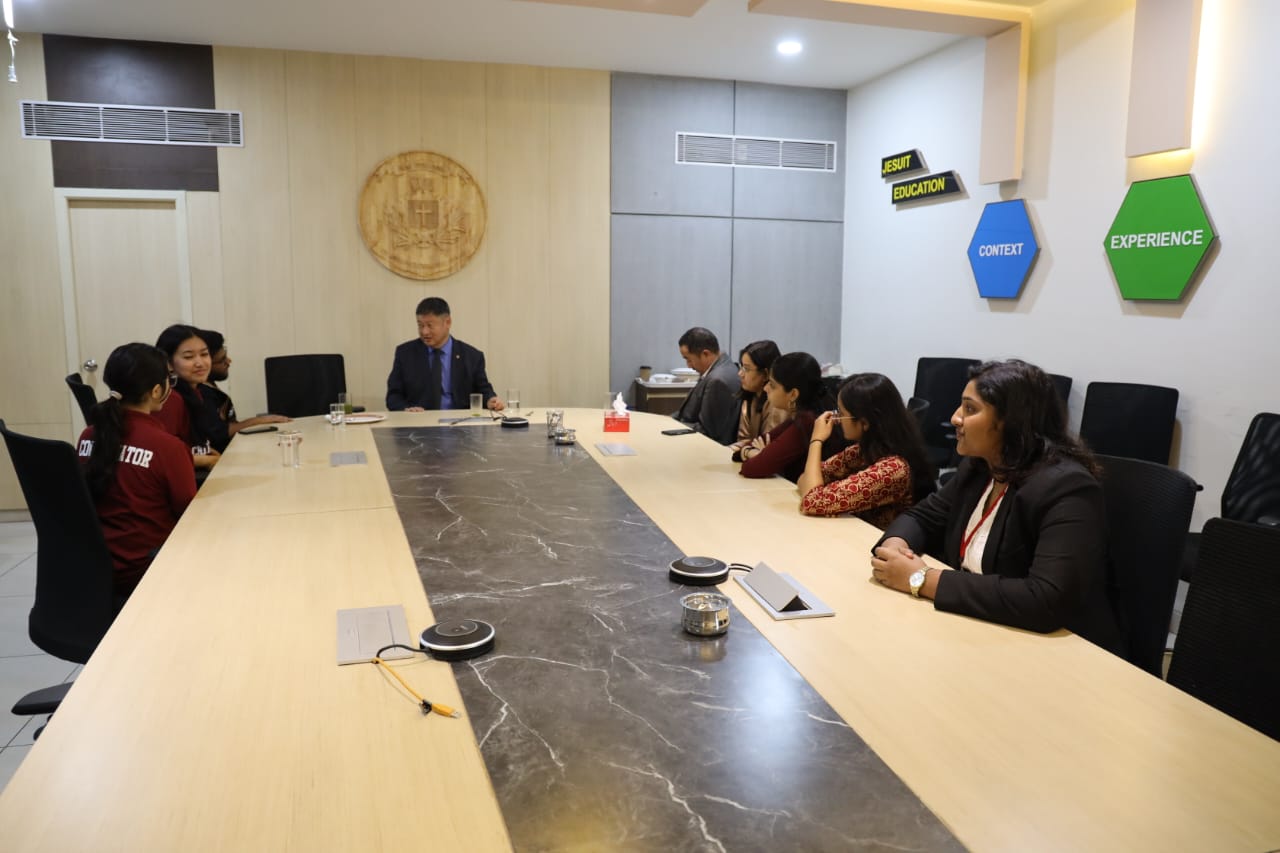
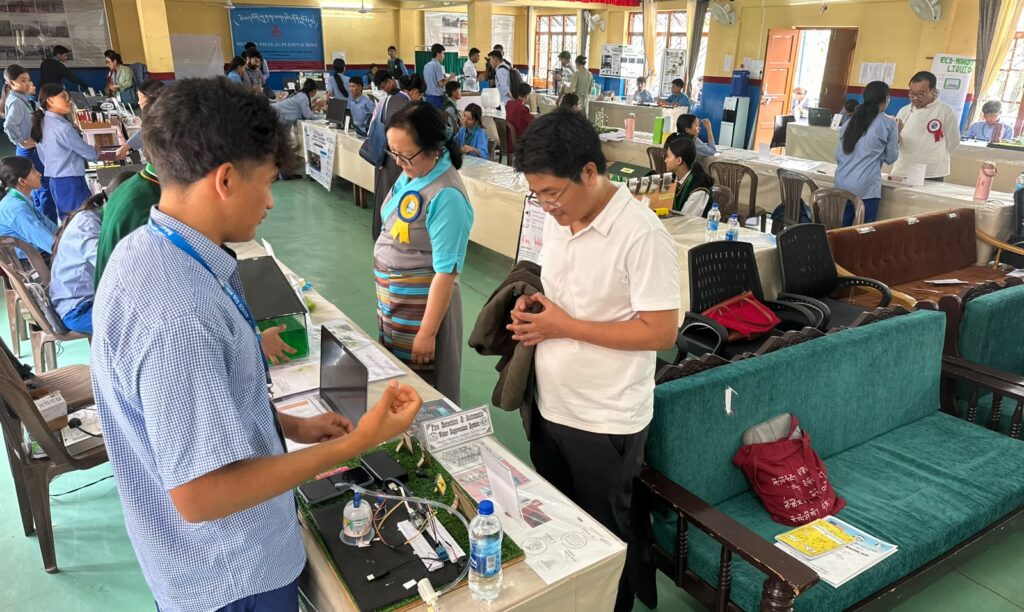
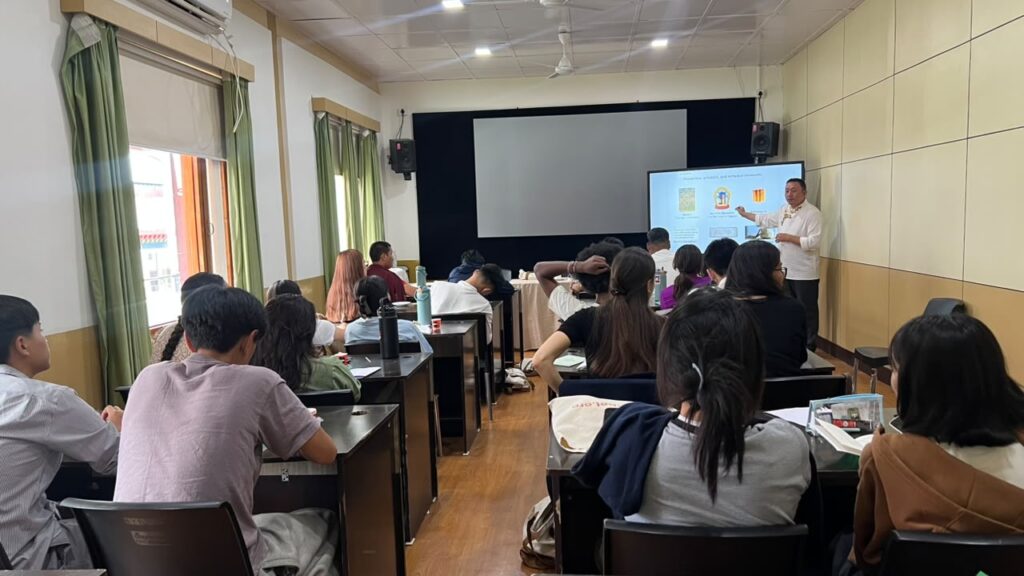
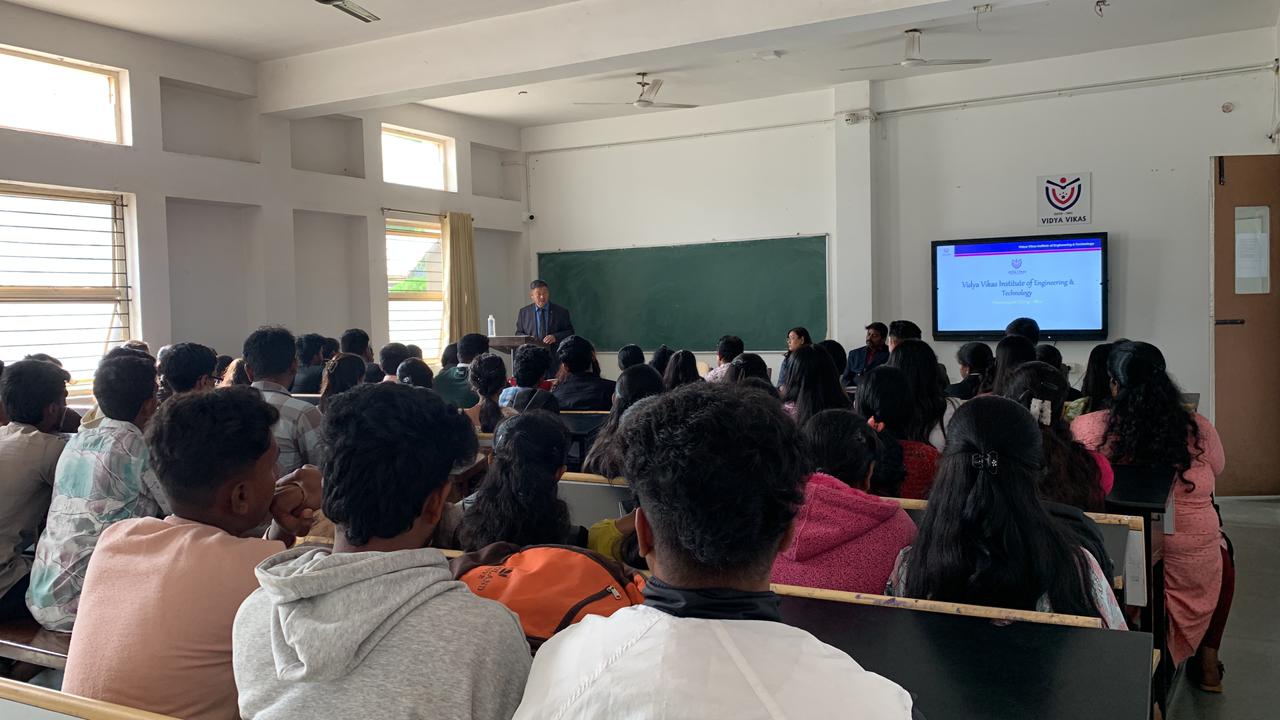
Subsequently, the DIIR successfully conducted the Tibet Outreach Program in two universities in Mysuru namely Vidyavardhaka College of Engineering and Vidya Vikas Institute of Engineering and Technology on 22 December 2025, engaging more than 250 students and faculty members combined. The program was organised with the objective of raising awareness on India–Tibet relations and the current situation inside Tibet, particularly the environmental significance of the Tibetan Plateau.
The DIIR delegation was led by Tenzin Lekshay, accompanied by Dhondup Wangmo, Research Fellow at the Tibet Policy Institute, along with Tenzin Kunkhen and Rinchen. During the program, Tenzin Lekshay highlighted the deep-rooted civilisational and spiritual ties between India and Tibet, noting that, according to one lore, Tibet’s first king was of Indian descent, that the 33rd King of Tibet, Songtsen Gampo, sent disciples to India to learn Indian scripts, and that Nalanda masters, including Guru Padmasambhava, played a pivotal role in the flourishing of Buddhism in Tibet through the guru–chela tradition. He also referenced the spiritual significance of Mount Kailash and Mansarovar in Tibet as the abode of Lord Shiva, the shared heritage of the Saraswati and Indus River civilisations, described His Holiness the 14th Dalai Lama as a “son of India,” and touched upon contemporary geopolitical issues such as the Galwan Valley clash and the concept of Devbhoomi (land of the gods) in the Himalayan region, including Himachal Pradesh.
Dhondup Wangmo briefly explained Tibet’s geographical importance as the world’s highest plateau and the “Third Pole,” and raised concerns over the construction of large hydropower projects in Tibet, which have led to the submergence of monasteries and the forcible relocation of Tibetan nomadic communities.
The sessions concluded with interactive question-and-answer segments, during which students actively engaged with the speakers, reflecting strong interest and awareness on Tibet-related issues.
The program was well received by both institutions and contributed meaningfully to strengthening awareness and understanding of Tibet among young audiences in Mysuru.
During the visit, the delegates paid courtesy visits to the dignitaries and heads of the two universities, during which they presented books on Tibet to the university libraries to encourage students and faculty to further explore Tibetan history, culture, and contemporary issues.
The Tibet Outreach Program was made possible through the support of the Indo-Tibet Friendship Society, Mysuru Chapter, led by Niranjan.
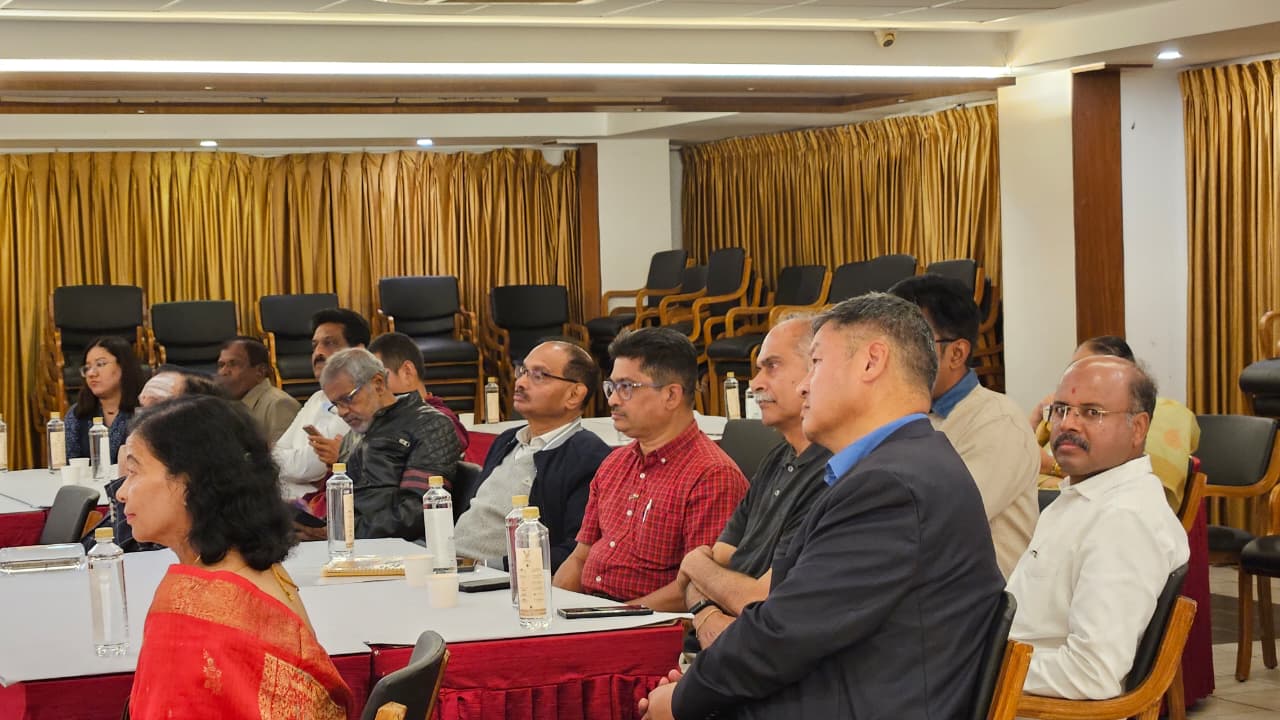
In the evening of 22 December 2025, Tenzin Lekshay attended the General Body Meeting of the Indo-Tibet Friendship Society, Mysuru, as the Chief Guest on the invitation of the current members, followed by dinner and discussions.
Following the meeting, the team travelled to Hunsur Rabgayling Tibetan Settlement to undertake an awareness talk on the Middle Way Policy for monks and the Tibetan public at Gyudmed Tantric Monastery, Dzongkar Choede Monastery, and within the Tibetan settlement, as part of the South India Umaylam Outreach Program.
– Report Filed by the Tibet Advocacy Section, DIIR, CTA