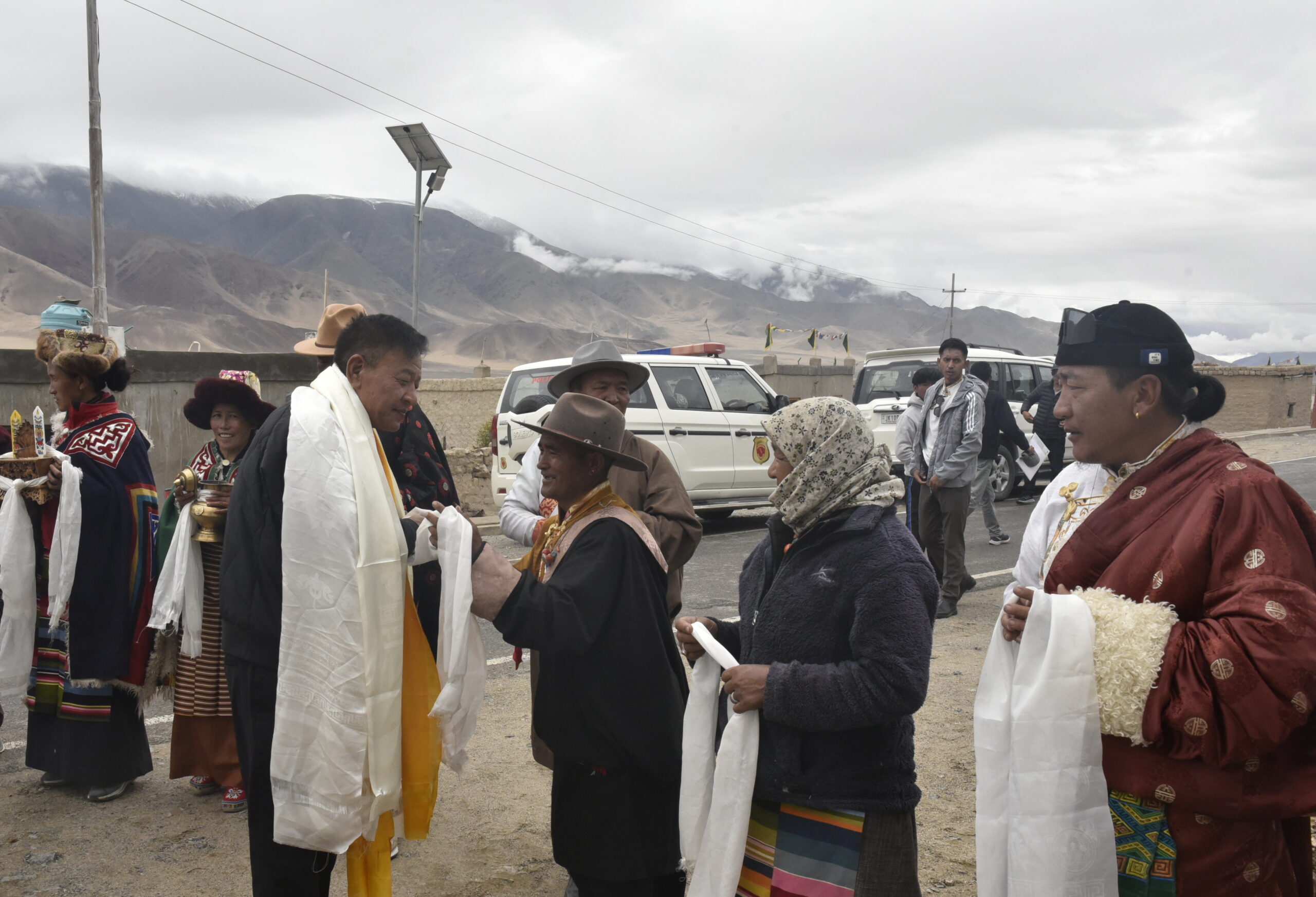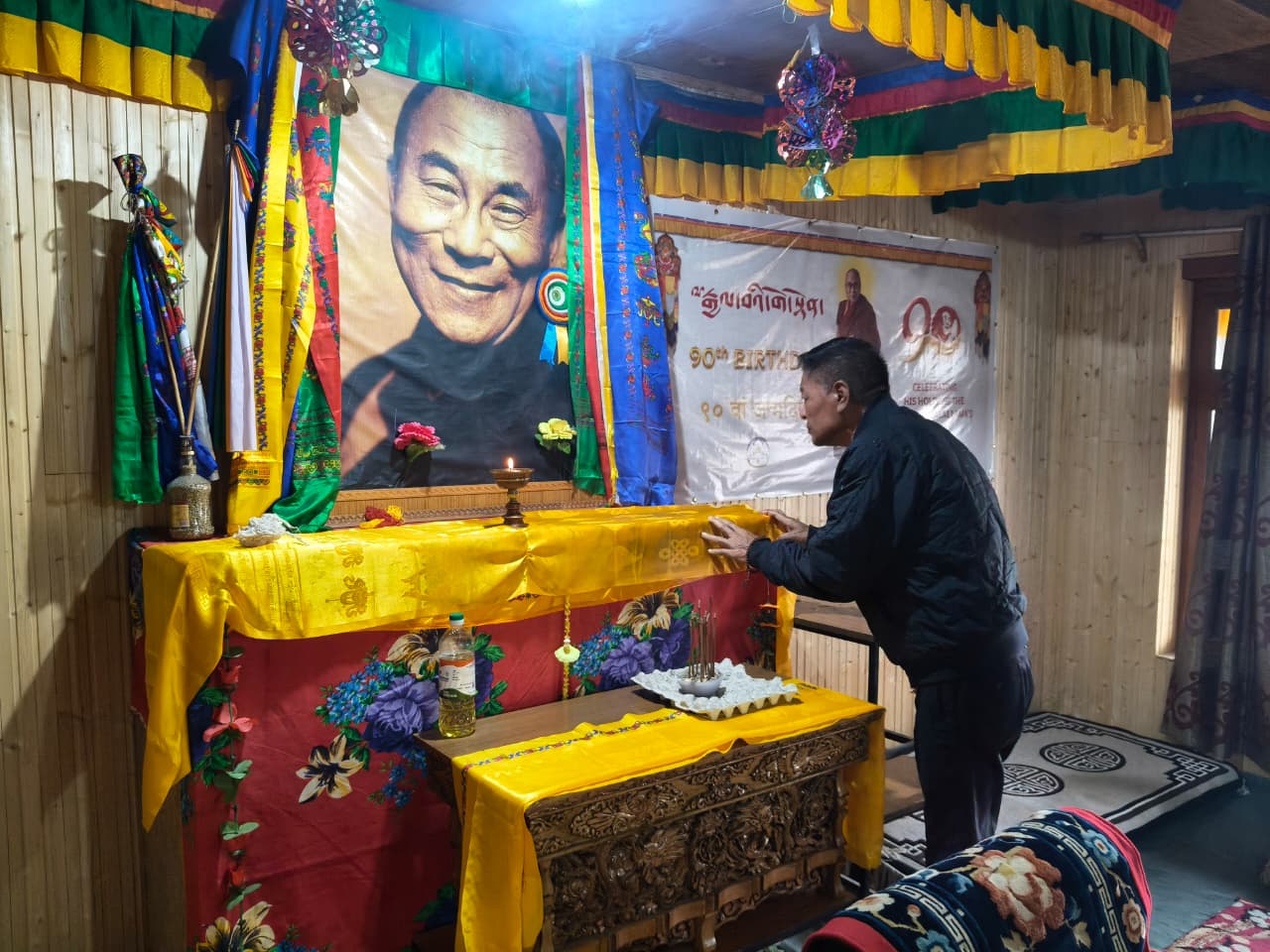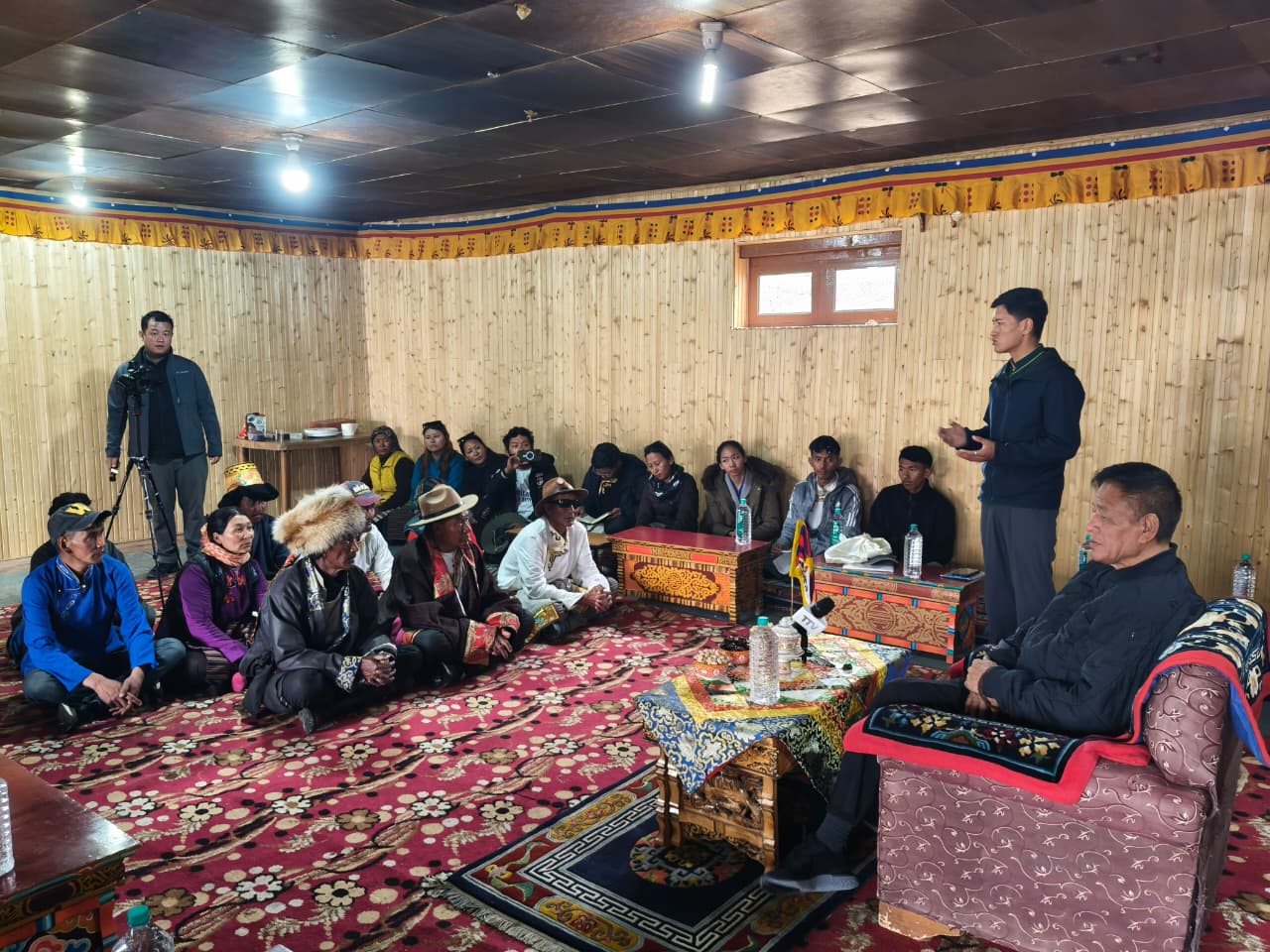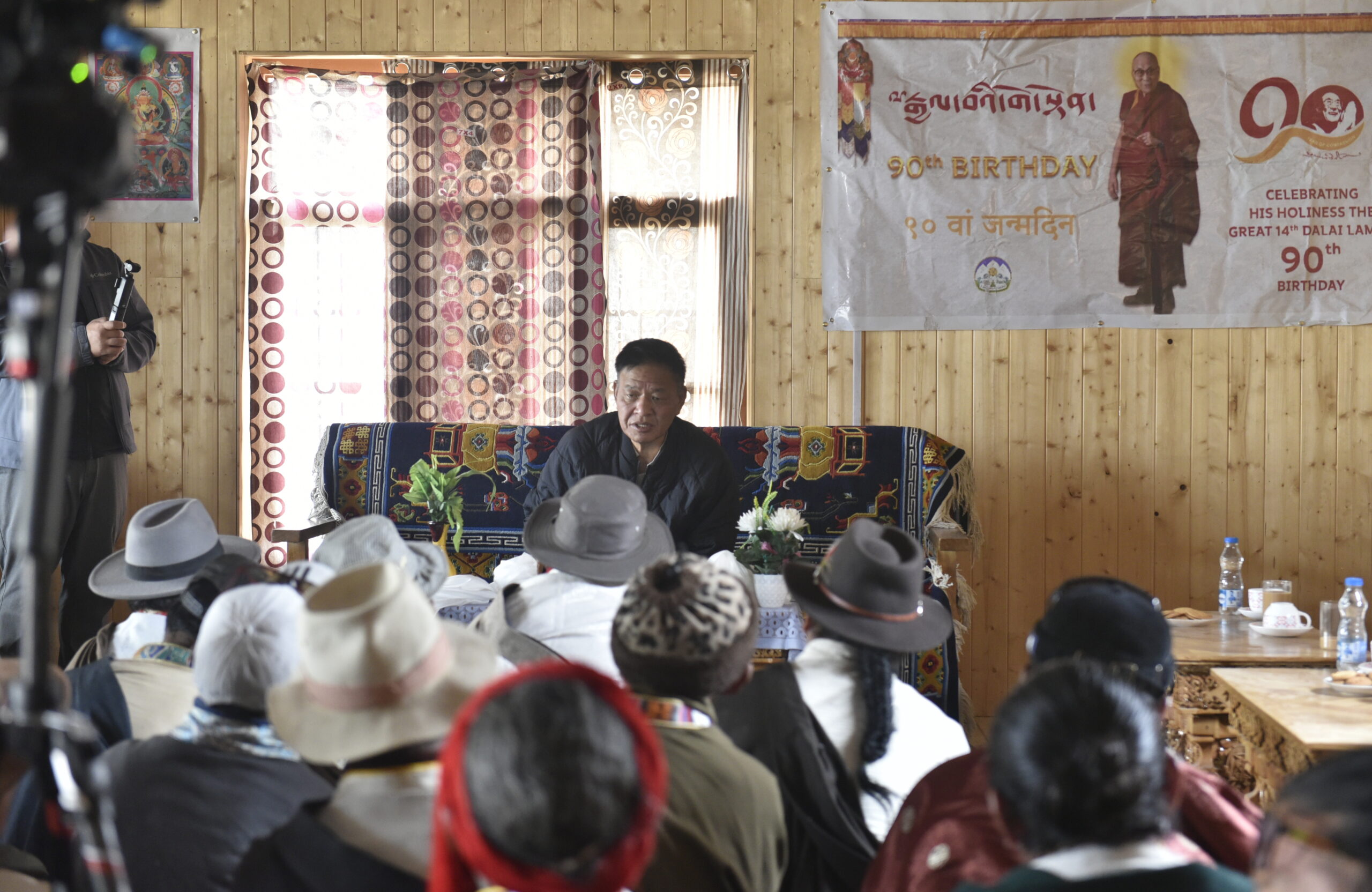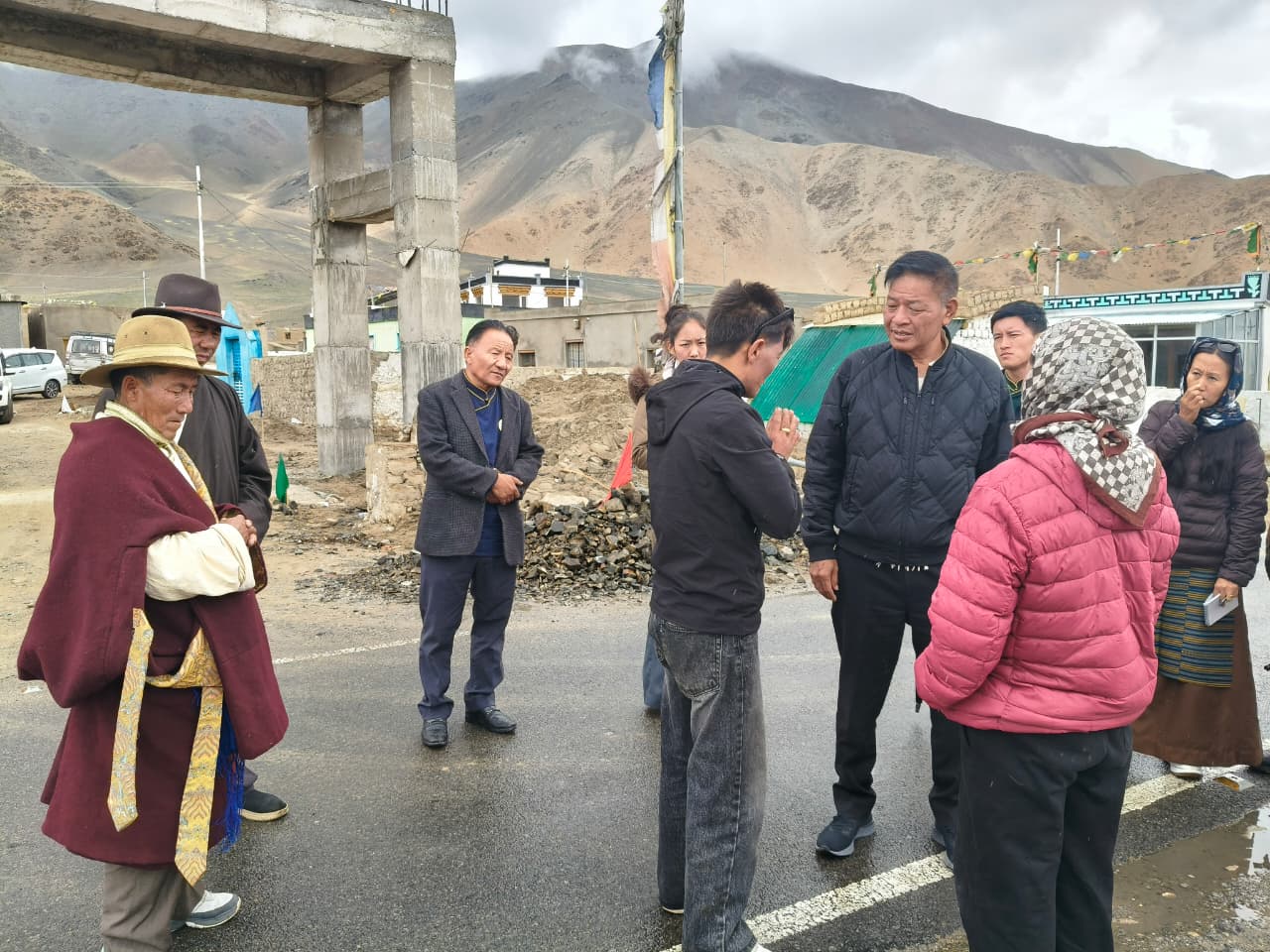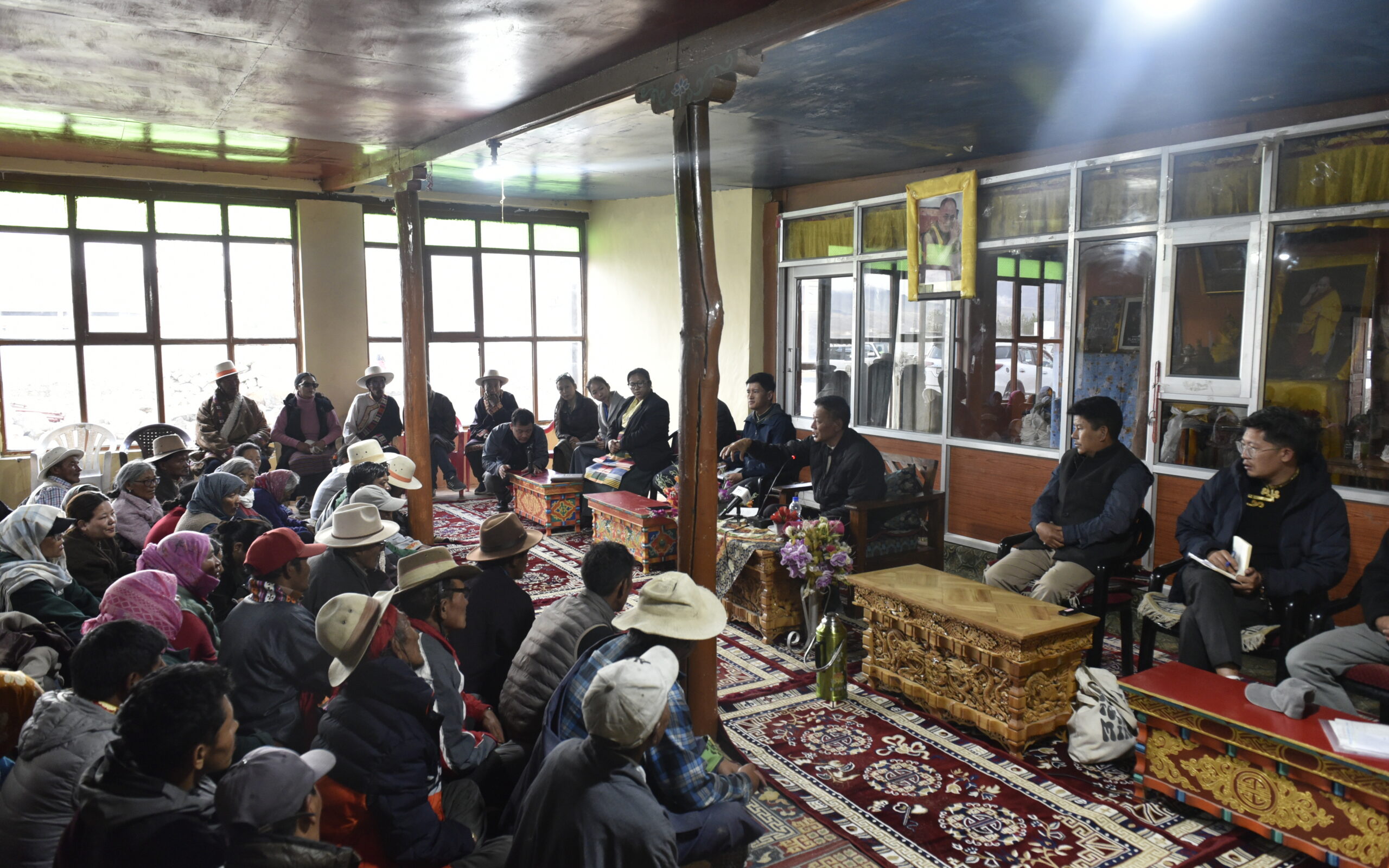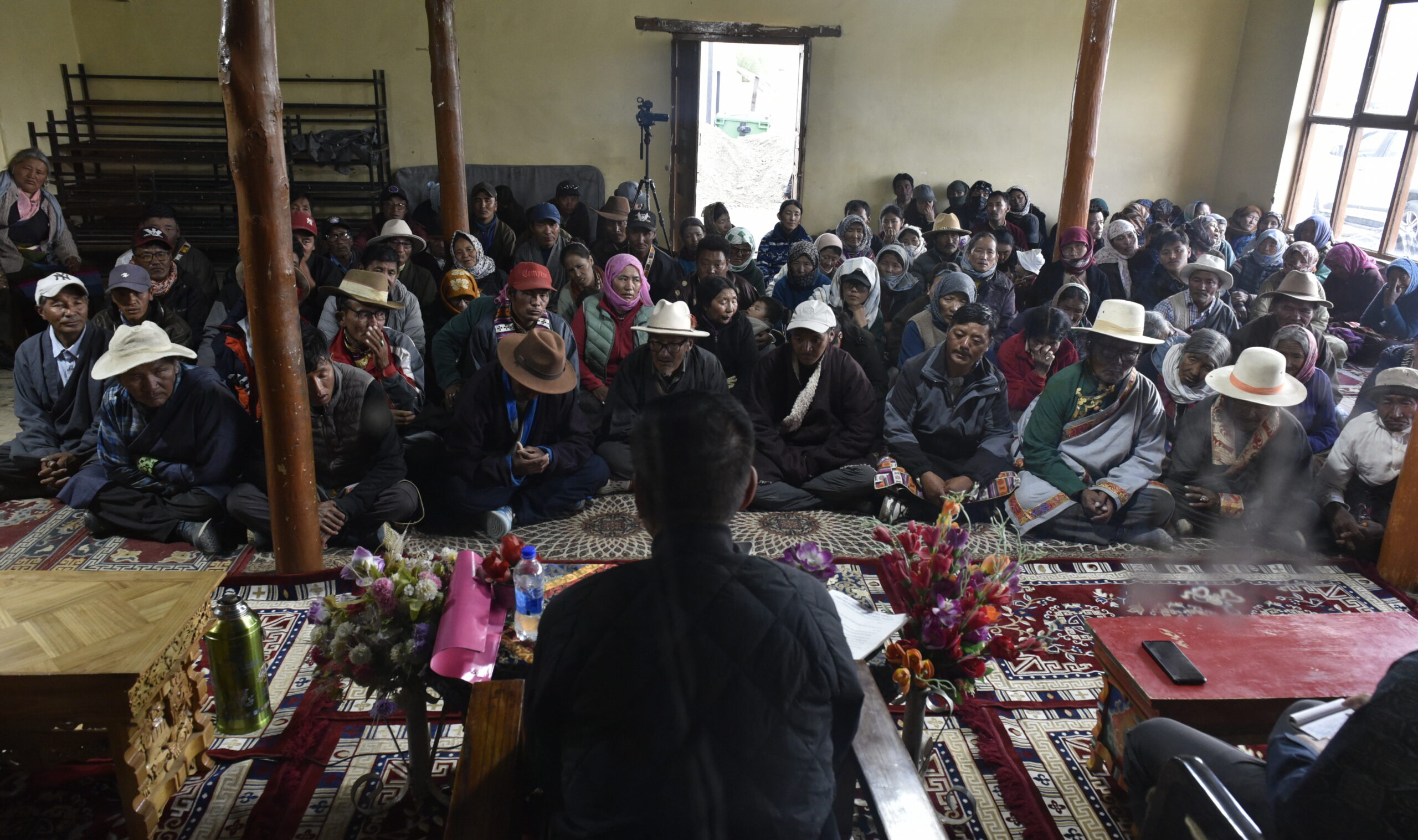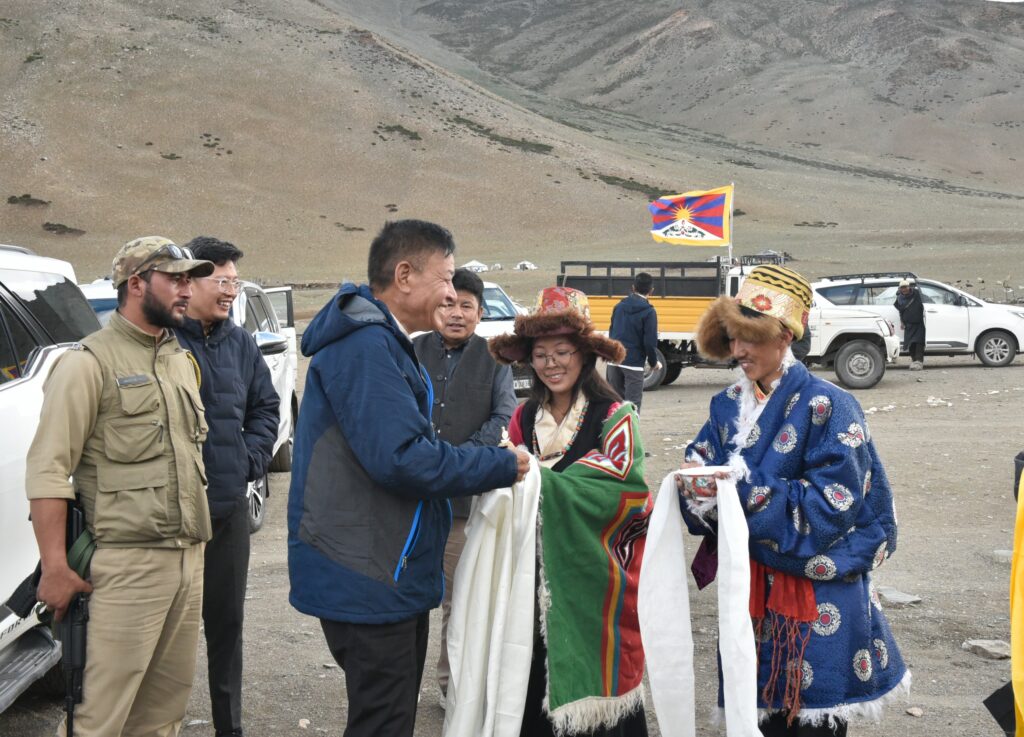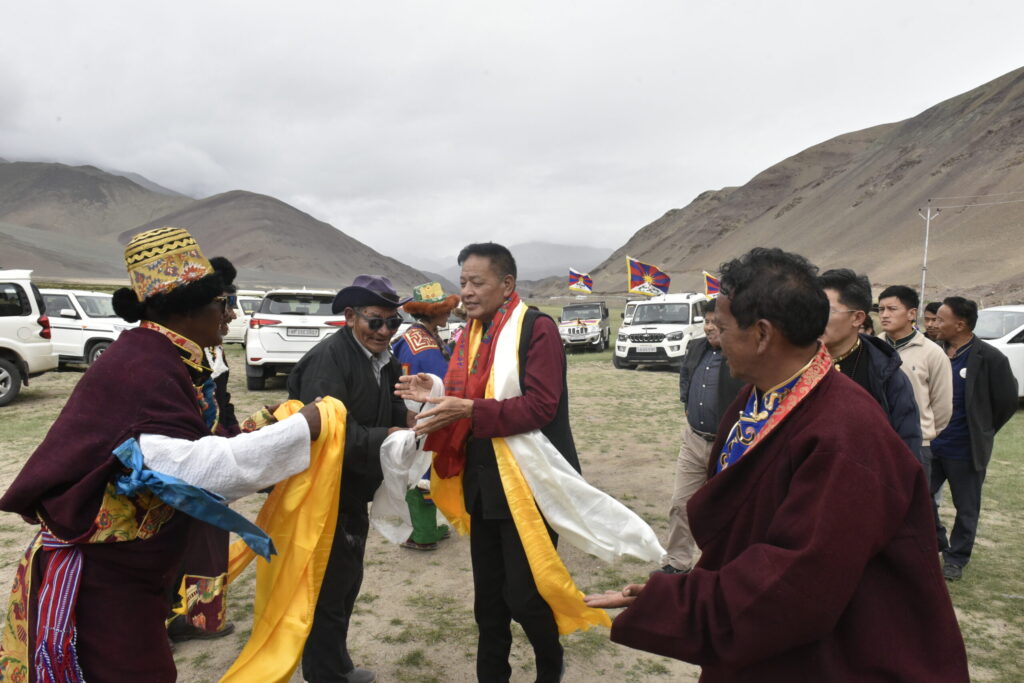

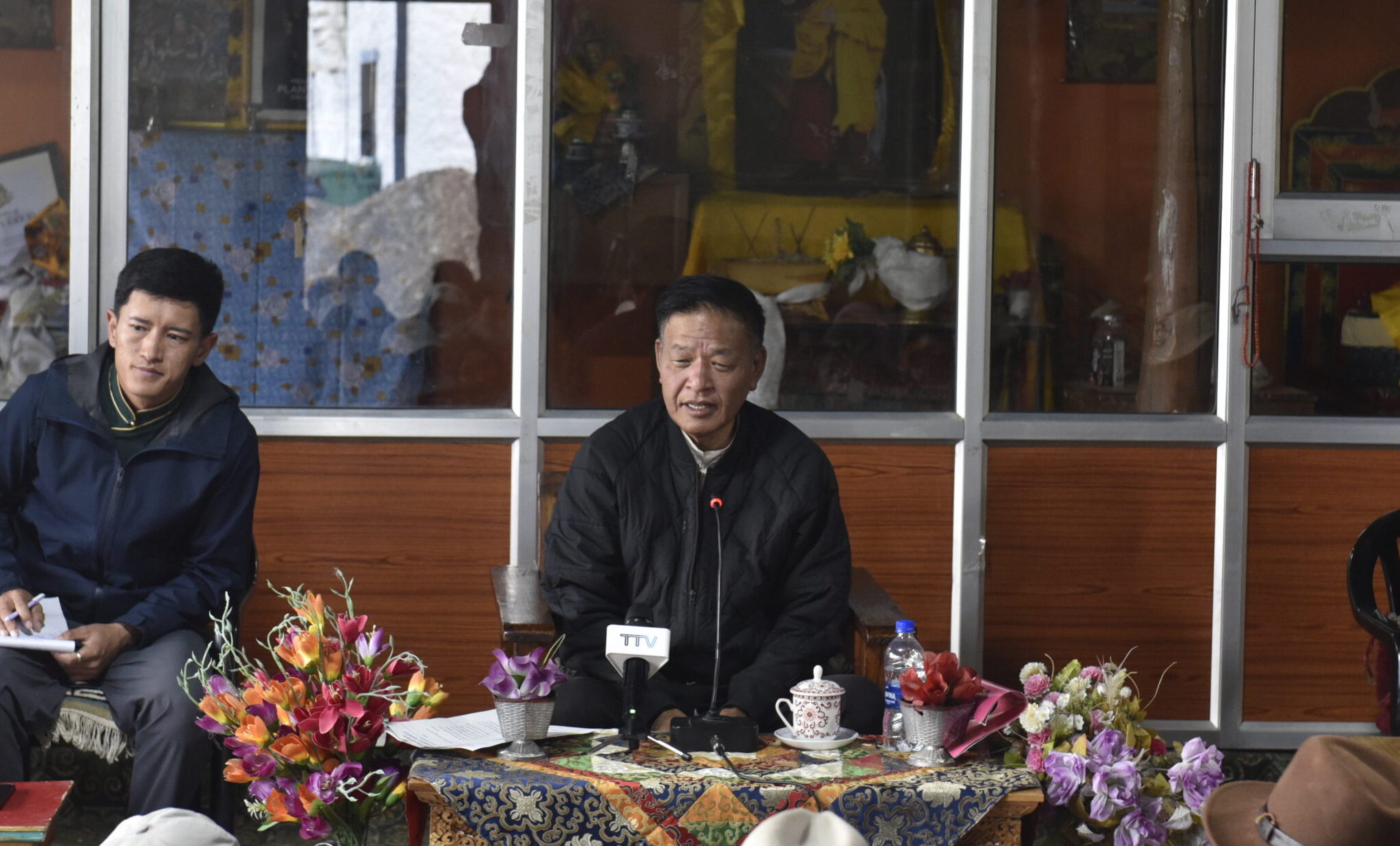
Hanley, Ladakh: On 10 July 2026, the second day of his official visit to the Jangthang Tibetan nomadic region, Sikyong Penpa Tsering of the Central Tibetan Administration (CTA) visited the Tibetan communities of Kagshung, Goyul, and Hanley in southeastern Leh, near the India–Tibet border. Upon his arrival at the Tibetan community, he was accorded a warm traditional welcome by the Camp Leader and members of the Tibetan communities of Kagshung, Goyul, and Hanley before proceeding with his official engagements in the region.
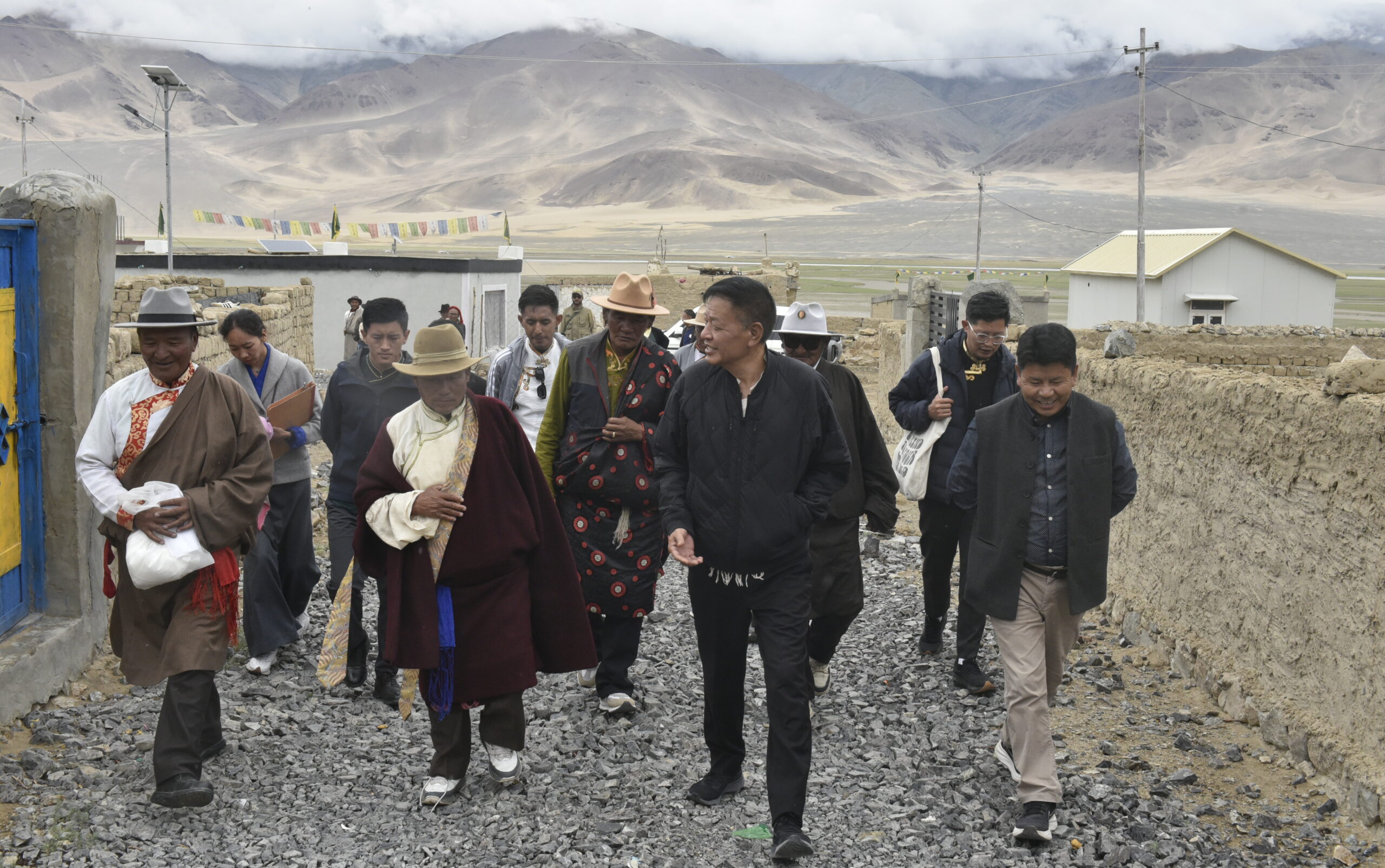
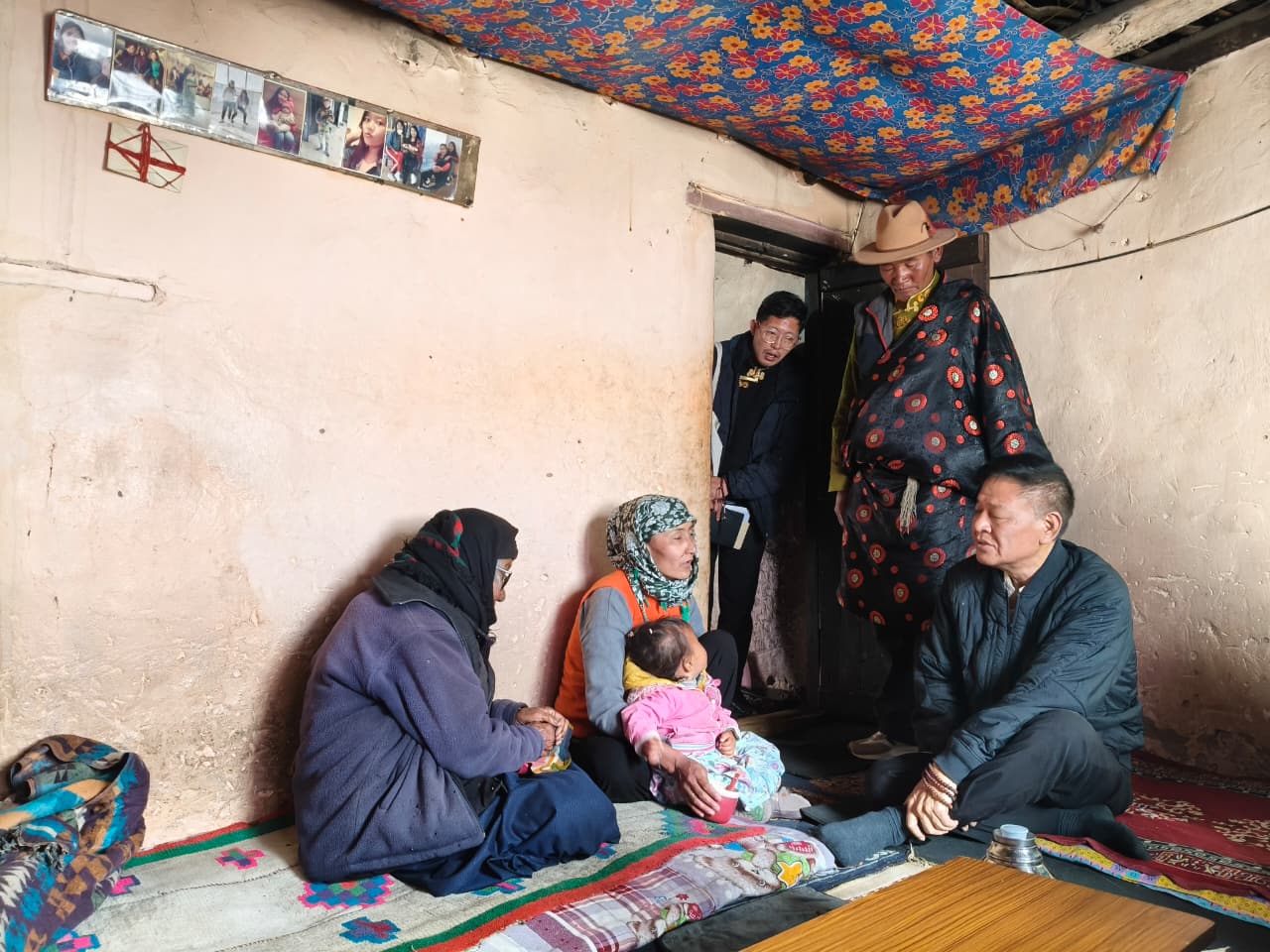
At each settlement, Sikyong Penpa Tsering toured the community to inspect housing projects implemented by the Department of Home (CTA), along with other community development initiatives supported by the CTA. During the visit, he enquired about residents’ livelihoods, ongoing development efforts, and the challenges faced by the nomadic Tibetan community. He also inspected newly constructed monasteries and community halls.
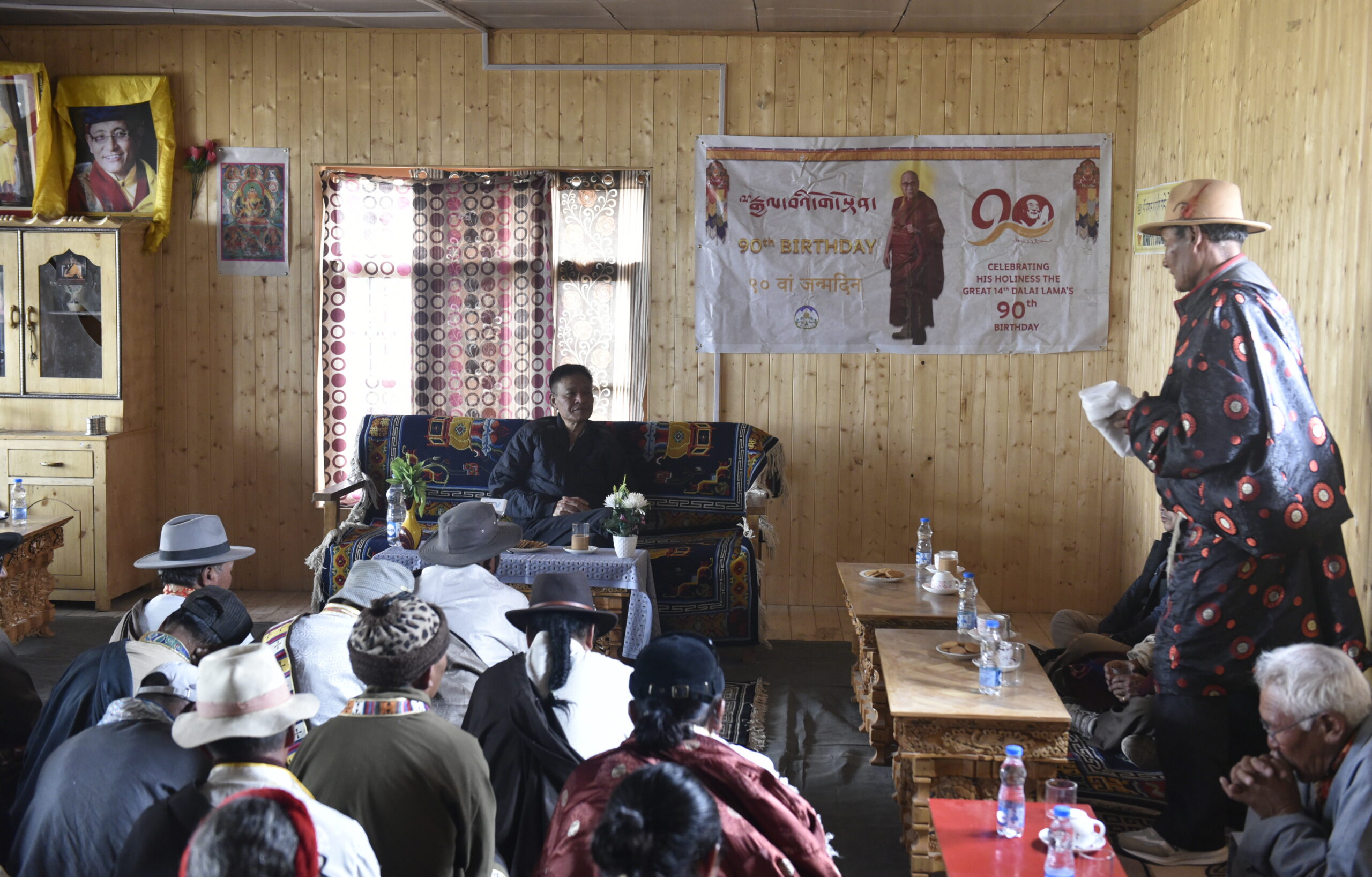
In his addresses for the gatherings in Kagshung, Goyul, and Hanley, Sikyong Penpa Tsering reflected on his previous visits to Jangthang in 2021 and 2023, as well as his visit to Leh during the meeting of His Holiness the 14th Dalai Lama and the President of the Czech Republic. He reaffirmed that the welfare of Tibetans residing in remote border regions remains a key priority of the CTA, which continues to work towards improving education, housing, and essential community infrastructure.
Sikyong further noted that both the 16th and 17th Kashags have accorded special priority to the welfare and sustainable development of Tibetan communities living in Ladakh’s border regions, particularly the nomadic settlements of Jangthang. He added that the CTA remains committed to addressing their needs and strengthening the long-term resilience of these communities.
In Goyul Tibetan settlement, Sikyong addressed about the controversy surrounding the use of the Tibetan national flag and discussed concerns over the issuance of Registration Certificates (RCs) to parents, noting that any unresolved issues could have implications for their children’s future.
Addressing another public gathering at the community hall, Sikyong Penpa Tsering underscored the importance of maintaining accurate and up-to-date community records, including information on students pursuing education, members employed outside the settlement, those serving in the armed forces, and other demographic changes. He said reliable data enables the CTA to formulate more responsive policies, allocate resources effectively, and implement development programmes that address the community’s evolving needs.
He noted that the CTA serves 37 Tibetan settlements and communities across India and Nepal, emphasising that each deserves equal attention in education, infrastructure, and community welfare. Referring to the recent observance of His Holiness the 14th Dalai Lama’s 91st birthday, Sikyong said the occasion served as a reminder that every Tibetan bears a shared responsibility to preserve Tibetan identity, strengthen unity, and resolve local issues through dialogue and mutual understanding.
Speaking on the long-term development of Jangthang, Sikyong referred to the land generously donated by the 9th Thiksey Rinpoche for the future relocation of the settlement and the construction of housing for Tibetan families in need. He said the donation provides an important foundation for the community’s future and stressed that sustainable planning would be essential if the nomadic community wishes to continue living and thriving in the region.
Sikyong Penpa Tsering also encouraged the community to explore sustainable development initiatives and promote small-scale entrepreneurship to strengthen local livelihoods. Noting that parts of the Jangthang region attract visitors during the peak tourist season, he said the community should make use of these opportunities through sustainable economic activities while safeguarding its unique culture, environment, and nomadic way of life.
“Jangthang has immense potential for sustainable development. By making responsible use of the tourism opportunities available during the peak season, the community can strengthen local livelihoods while preserving its cultural heritage and fragile environment,” Sikyong said.
Concluding his address, Sikyong Penpa Tsering urged the community to remain united, preserve their nomadic heritage and Tibetan identity, and work collectively for the welfare of future generations. He encouraged residents to face challenges with resilience while continuing to contribute to the broader Tibetan freedom movement, emphasising that the future and vitality of Tibetan settlements depend on the collective responsibility and commitment of every member of the community.
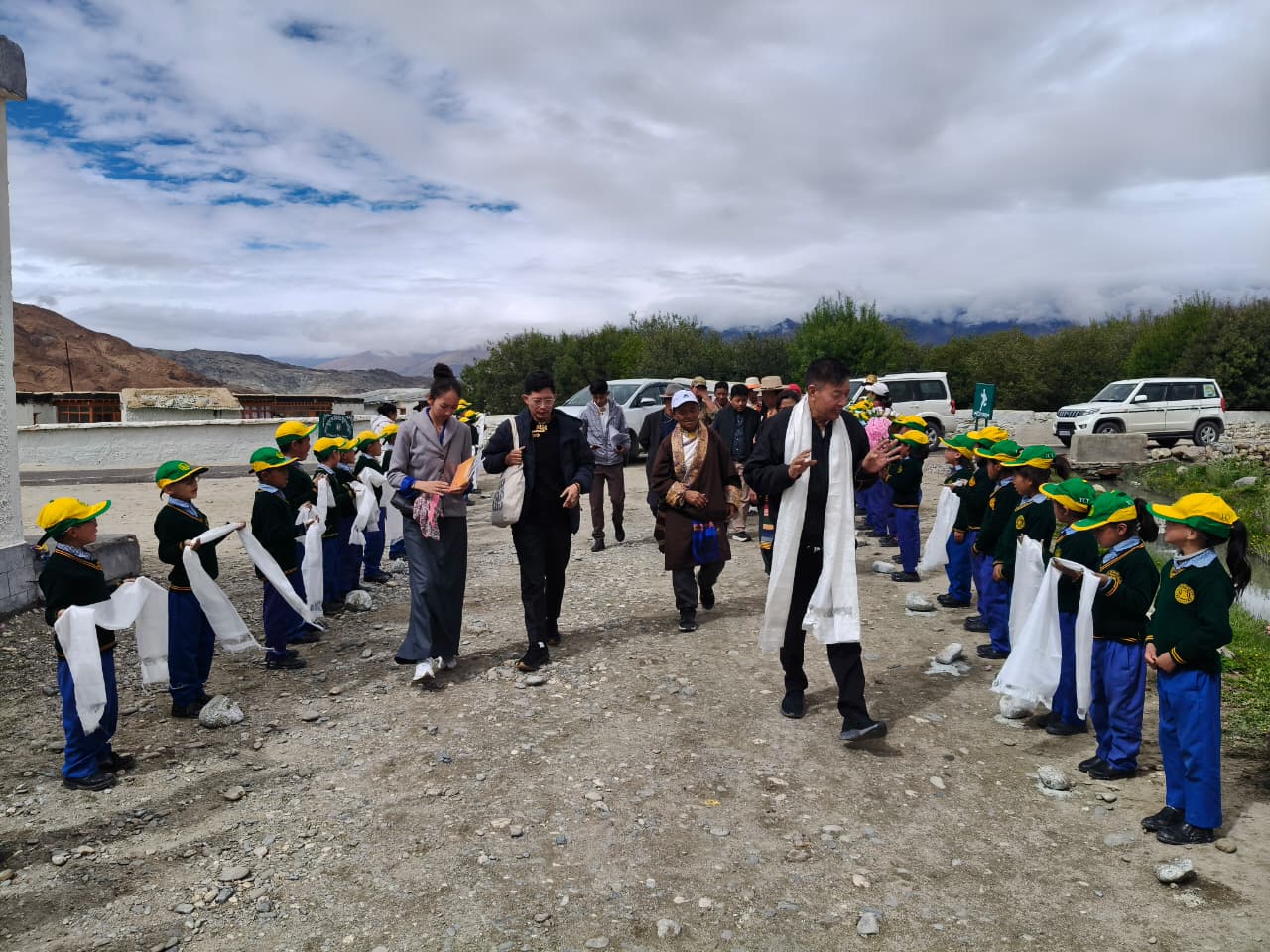
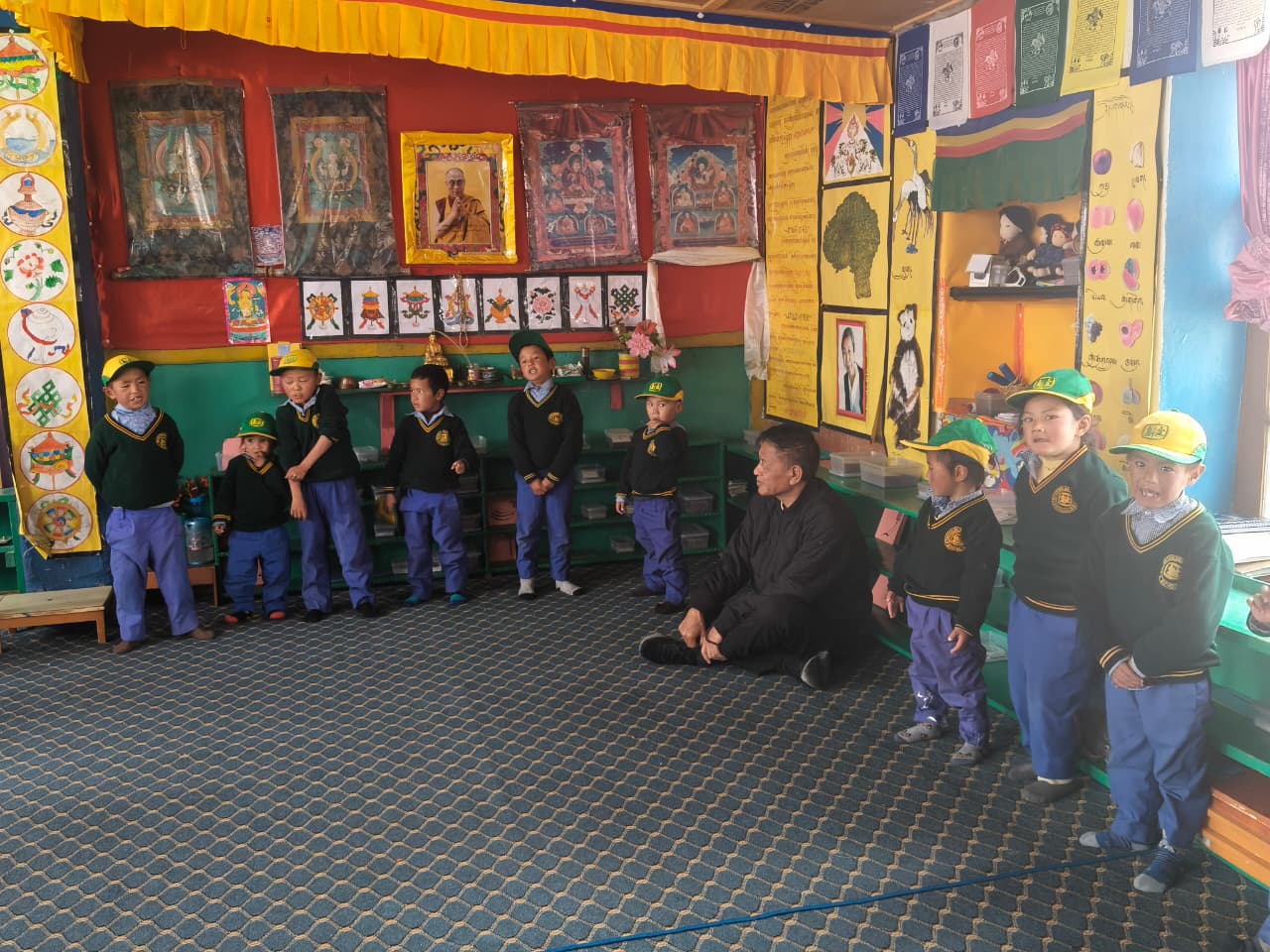
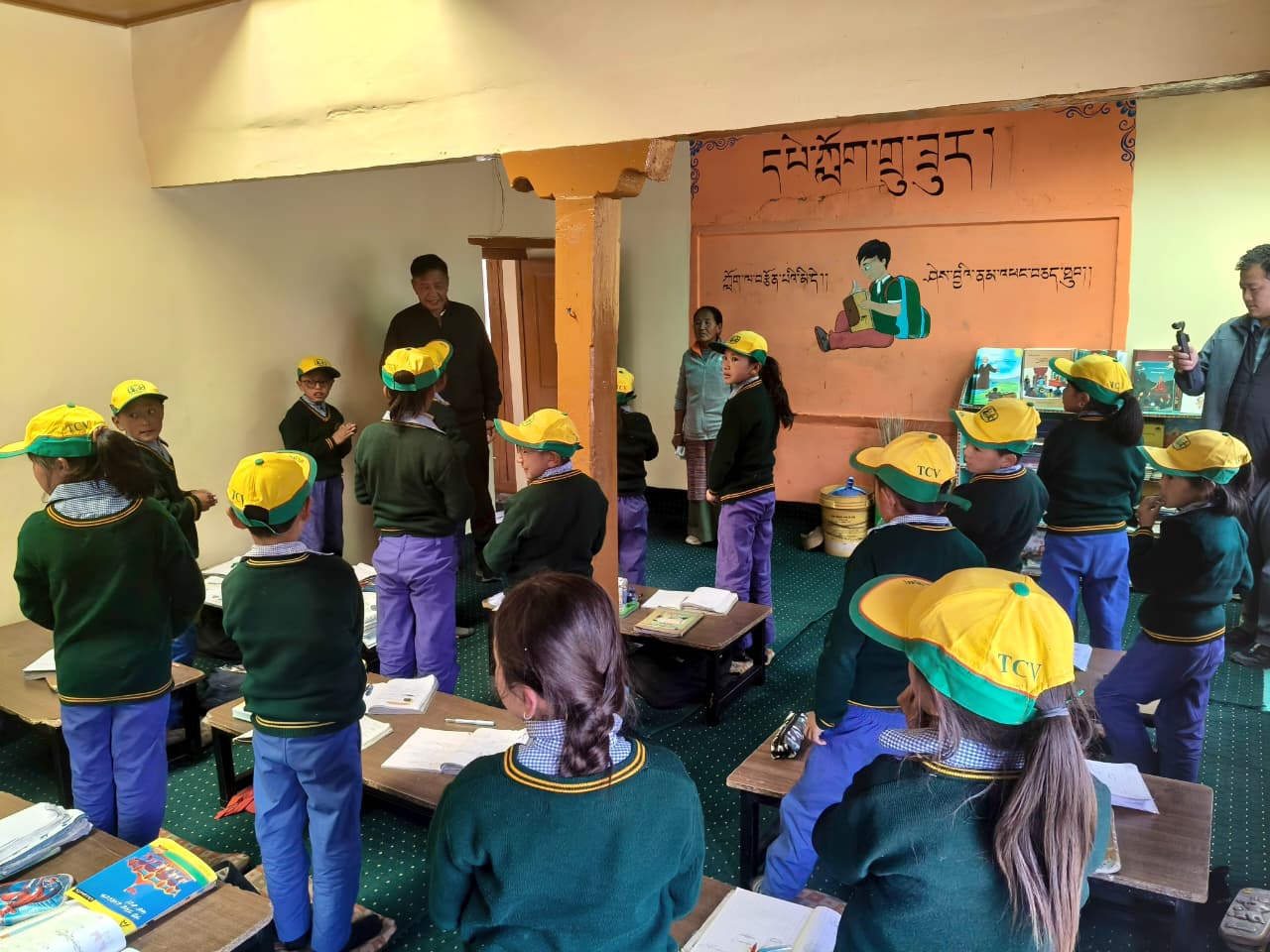
During his official visit, Sikyong Penpa Tsering visited the Hanley Tibetan Settlement, where he also toured the Tibetan Children’s Village (TCV) School. Upon his arrival, he was warmly received by Headmistress Tenzin Dolma and members of the school staff. The school currently has an enrolment of 90 students from kindergarten to Class III.
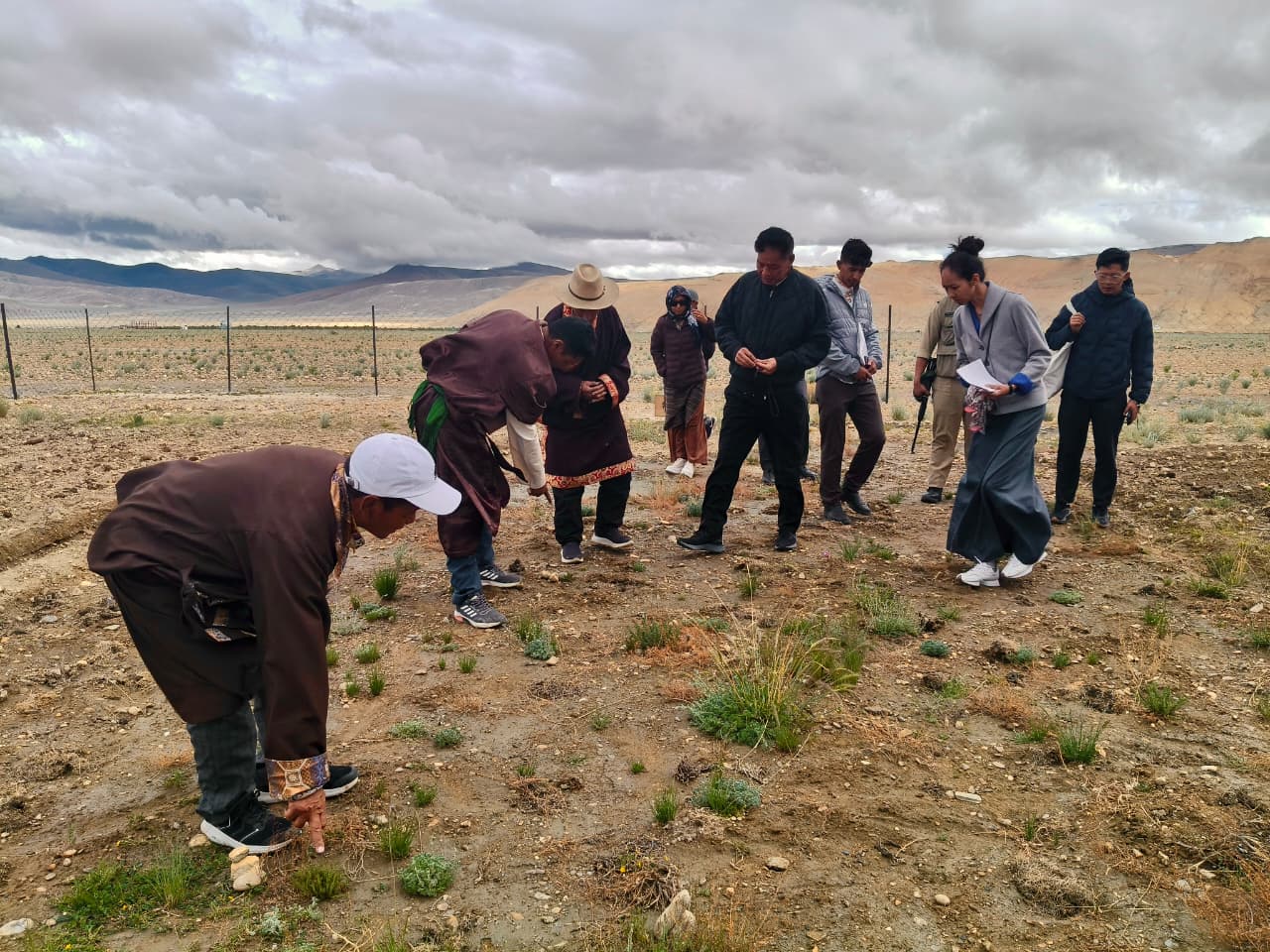
Sikyong toured the school campus, inspecting the classrooms, kitchen, and students’ residential facilities while interacting with the headmistress and staff to learn about the school’s educational activities and overall functioning. During his visit, Sikyong Penpa Tsering also toured the Jangthang Hanley Medicinal Plant Project, which is supported through funding from USAID and implemented by the Department of Home of the Central Tibetan Administration.
With the conclusion of his visit to the Jangthang settlements of Kagshung, Goyul, and Hanley, Sikyong Penpa Tsering completed a series of inspections, community interactions, and institutional visits. He will continue his official visit to the remaining Jangthang Tibetan settlements of Chumur, Sumdo, and Samye.