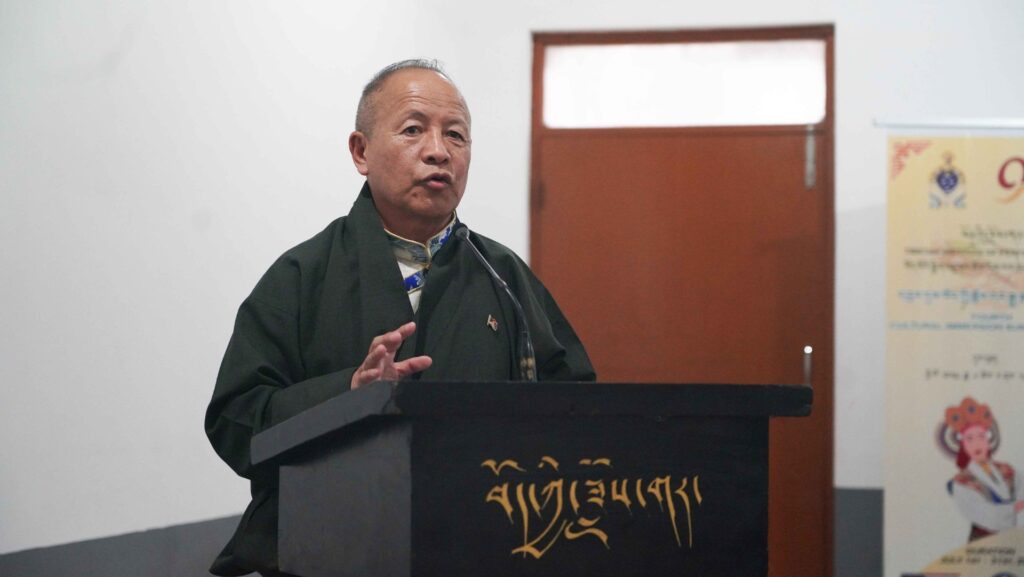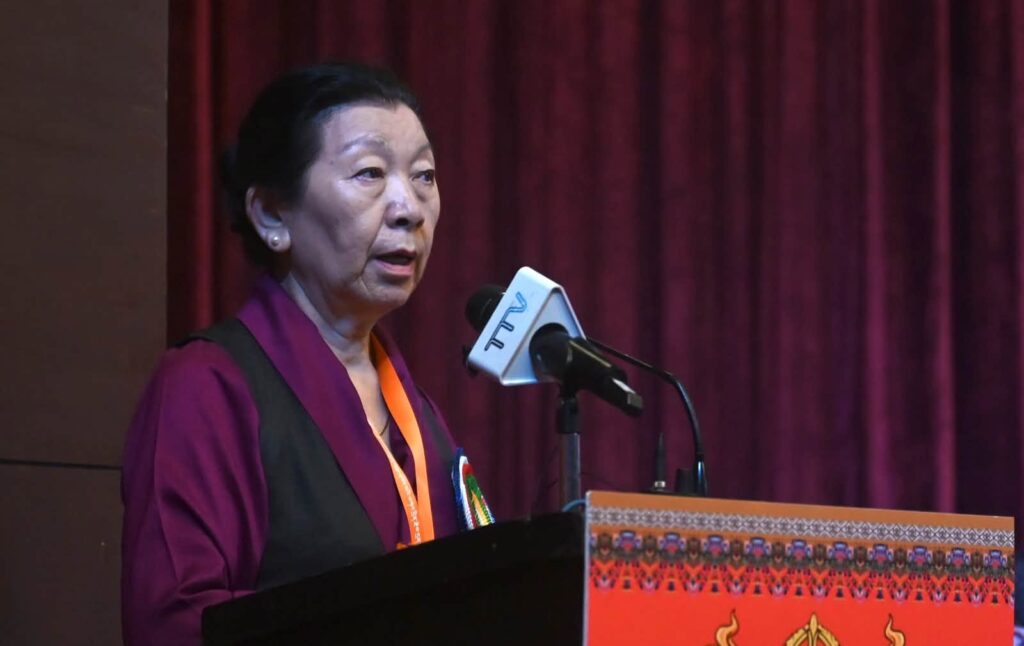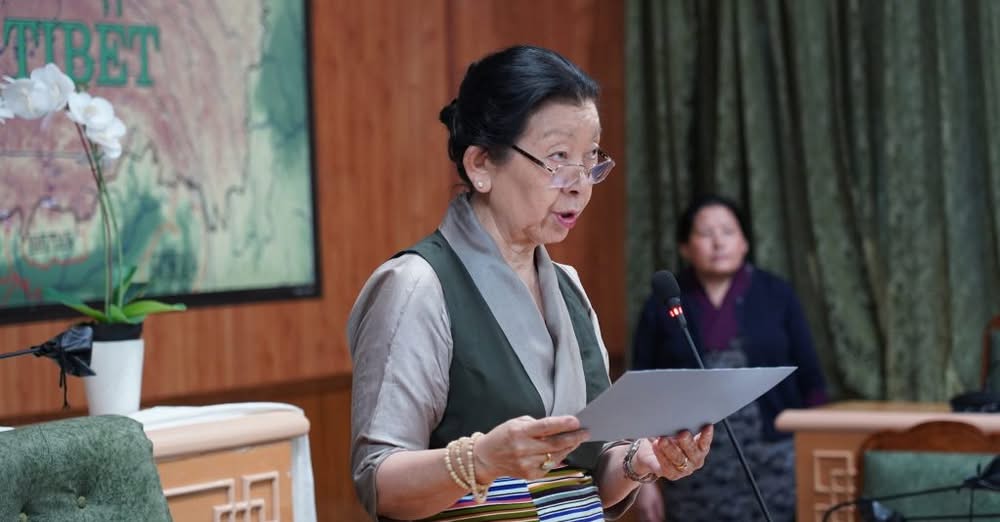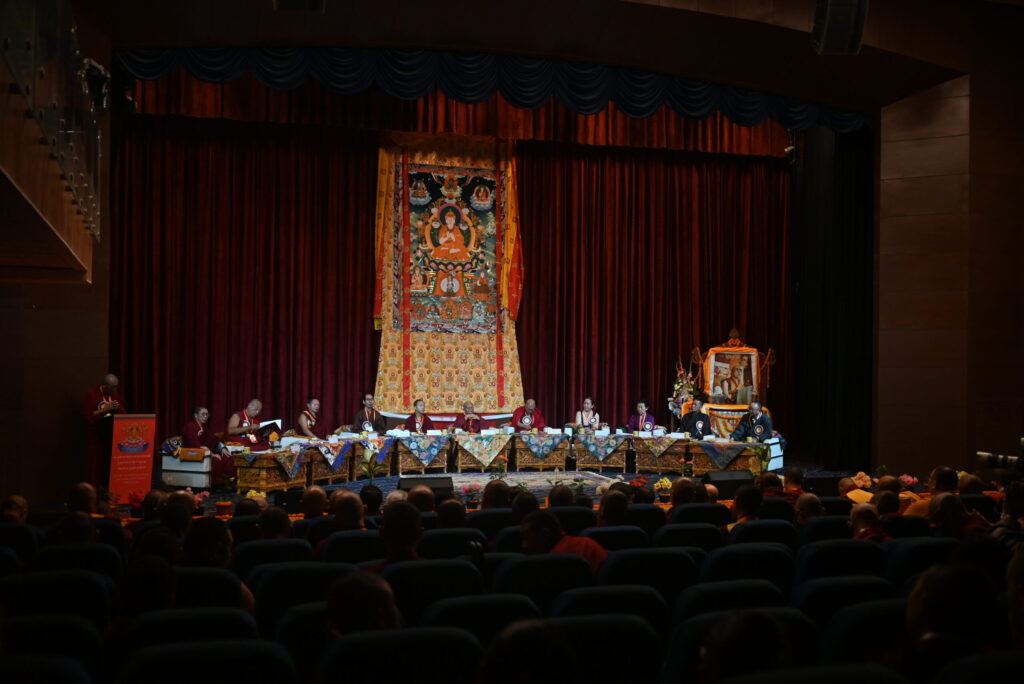

Tokyo: Four Japanese Bipartisan Parliamentary Groups- the parliamentary group monitoring China’s human rights violations and the three parliamentary groups supporting Tibet, Uyghur and Southern Mongolia- organised a press conference and issued a strong statement of concern on China’s Ethnic Unity and Progress Law on June 30 at the Parliament building at Nagatacho, Tokyo. Lawmakers Furuya Keiji, Yamatani Eriko, Yamada Hiroshi, Ishibashi Rintaro, and Ueno Hiroshi represented the Parliamentary groups and said that Japan, as a democratic nation, cannot accept the law. The statement urged the Japanese government “to implement, strengthen, and expand monitoring of the human rights situation within China, as well as to strengthen measures against cross-border activities within Japan and establish a rapid-response system.” Lawmaker Yamatani Eriko further said this is not an internal affair of China; this is an international affair. The media widely covered the statement and the press conference.
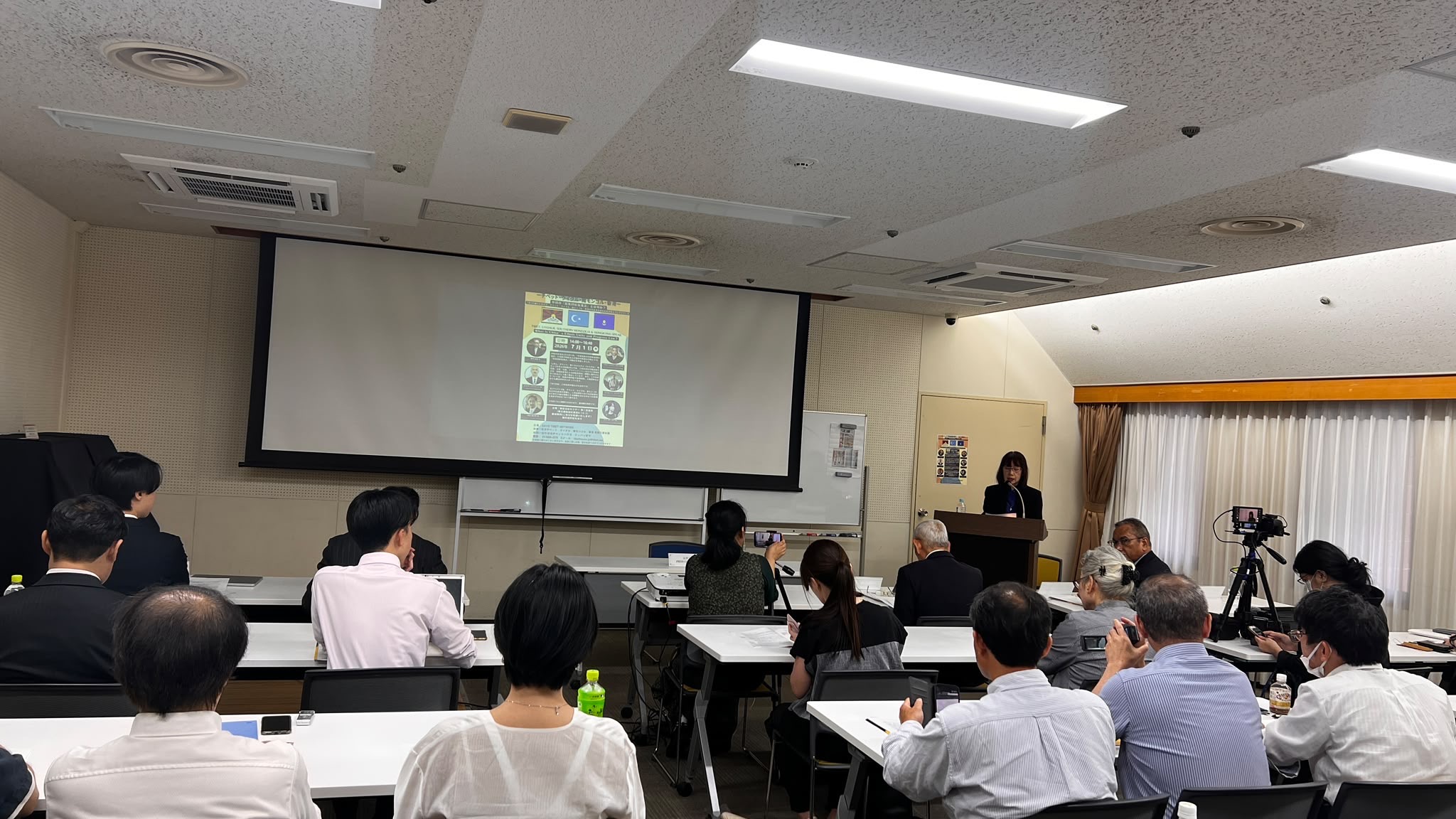
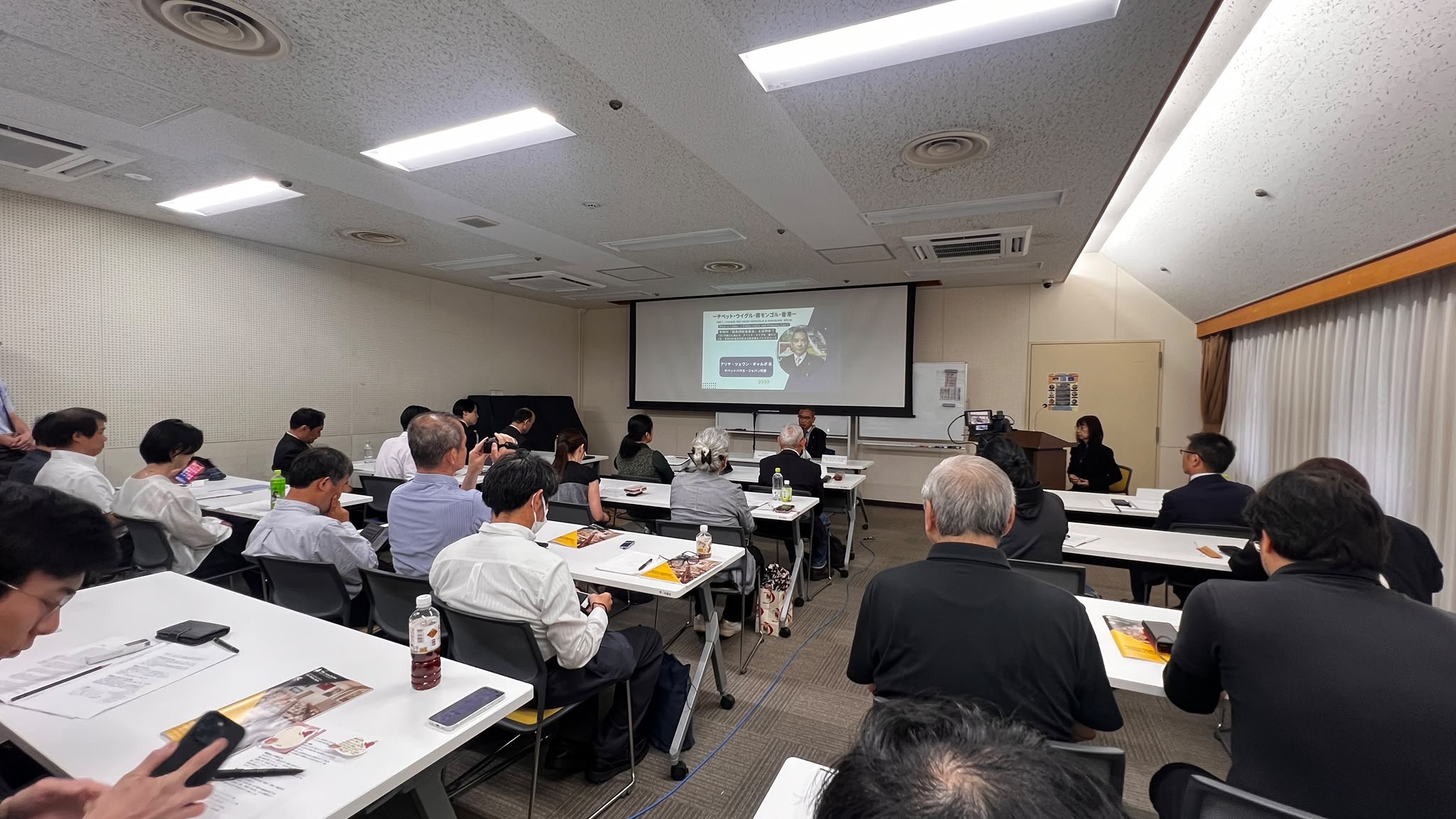
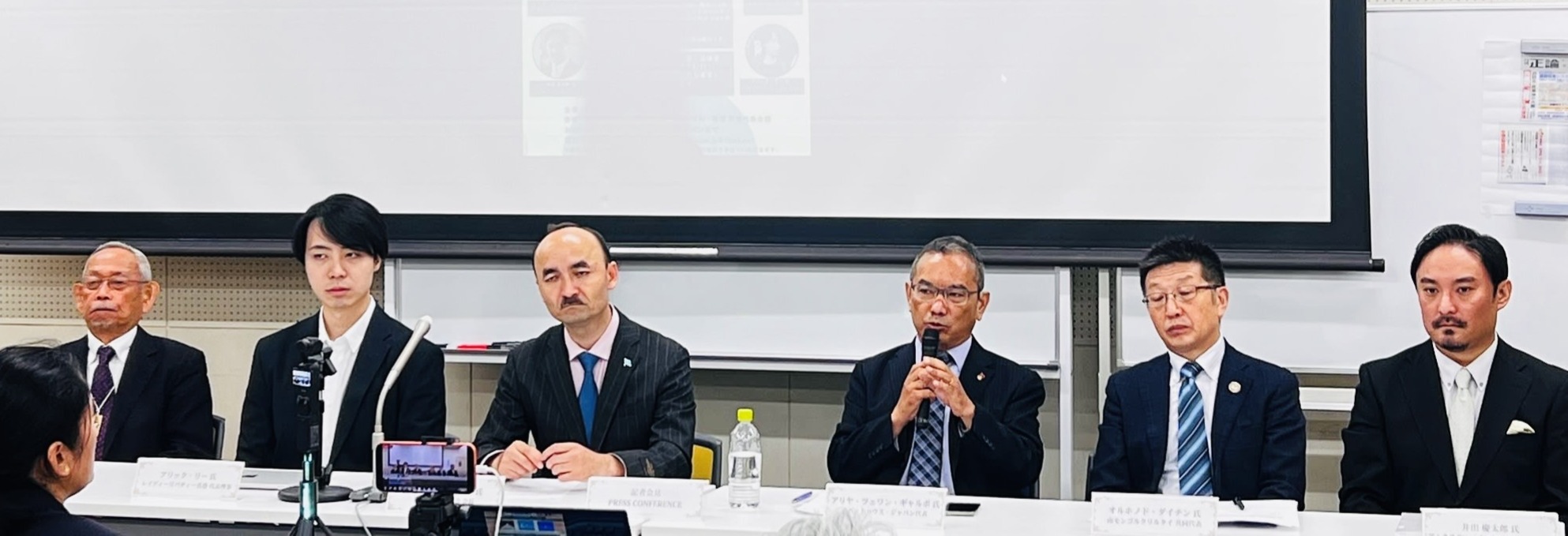
On 1 July, Save Tibet Network, a Japanese Tibet support group, organised a talk and press conference on China’s Ethnic Unity and Progress Law at Shinjuku Bunka Center, where the representatives of the minority nationals thanked the Japanese lawmakers for their statement and spoke on how the law will adversely affect the survival of their people, their identity, language, and culture.
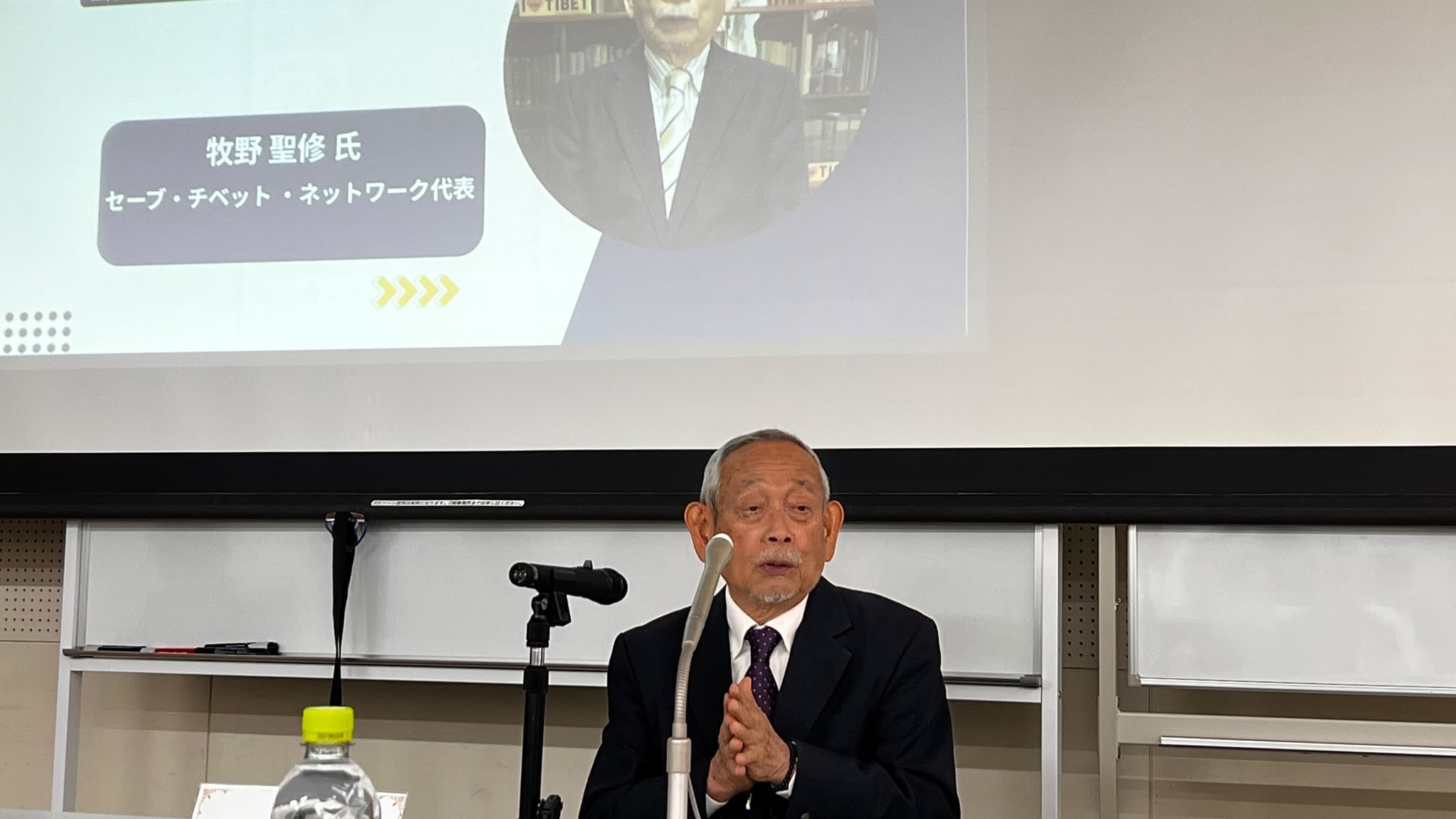
Former lawmaker and Chairperson of the Save Tibet Network, Makino Seishu, welcomed members of the press and the general public and briefed them on the purpose of the talk and the press conference. He said this “Ethnic Unity Law” is the result of the continued silence of the international community on the atrocities perpetrated by the CCP in Tibet and other occupied territories. He further added that the CCP regime has now become bold enough to make a law to legitimise their wrongdoings not only in the occupied territories but also beyond China. He requested the media people to take note of this Ethnic Unity Law’s negative impact on the minority nationals in and outside China and its occupied regions.
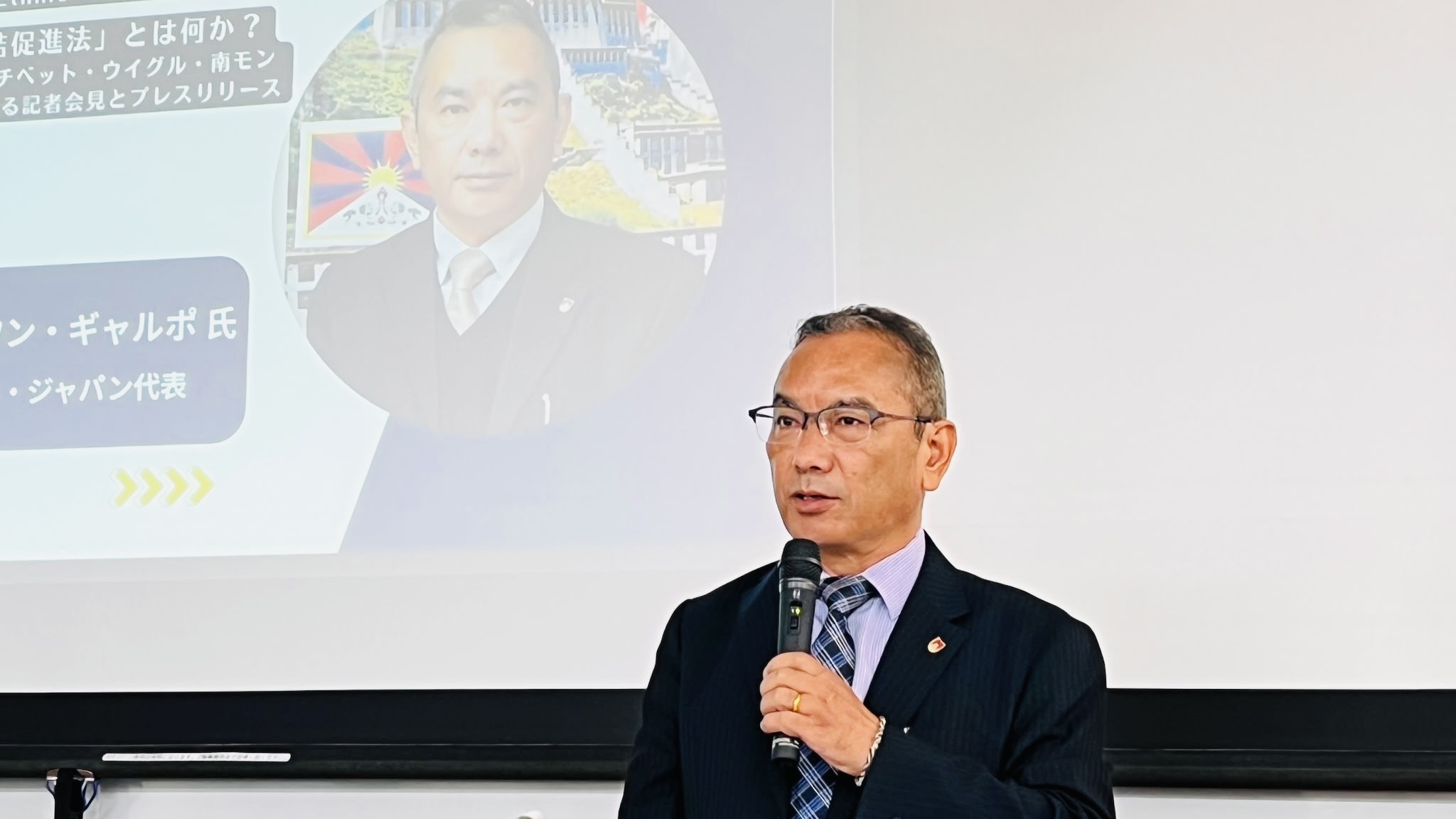
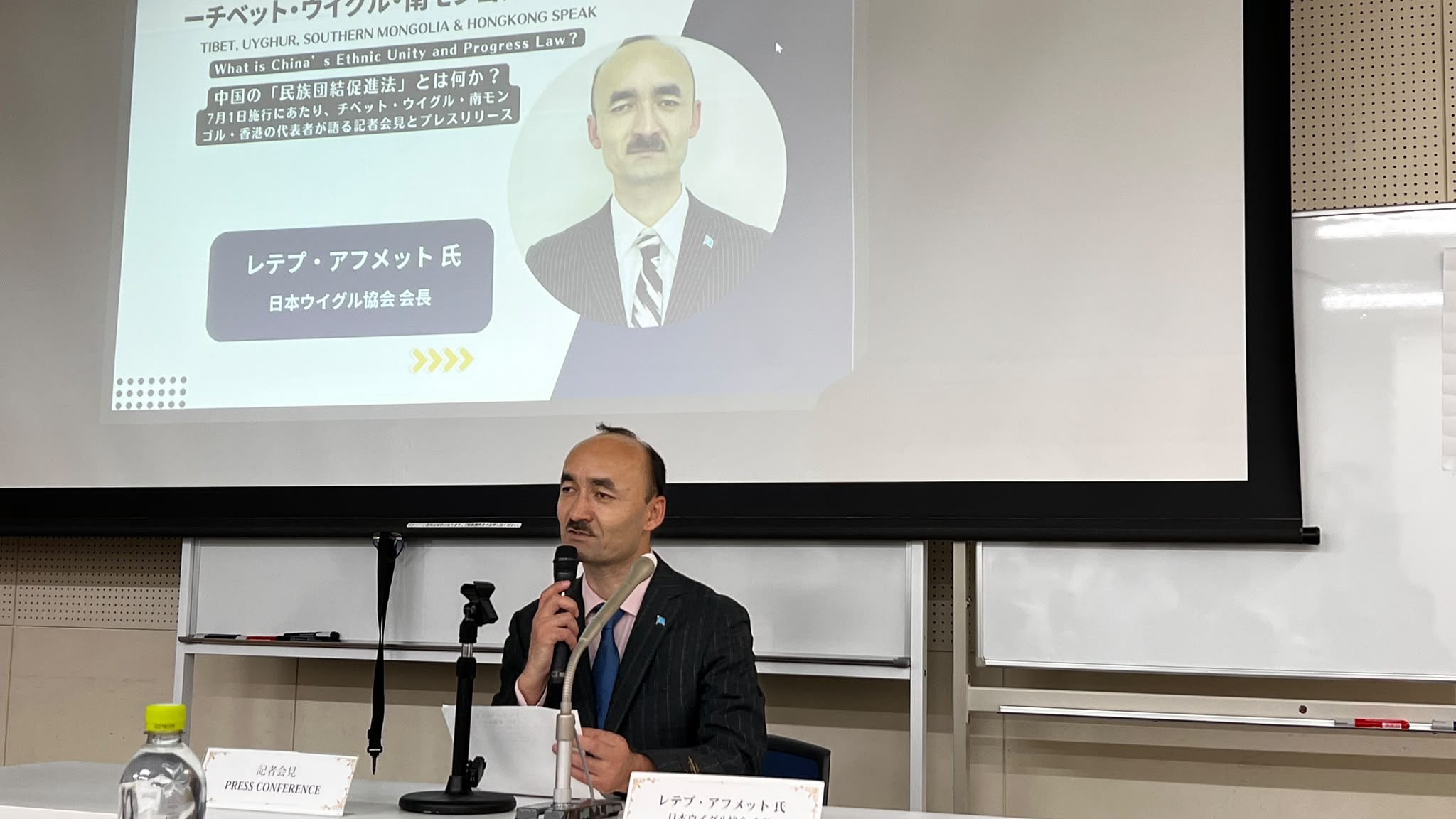
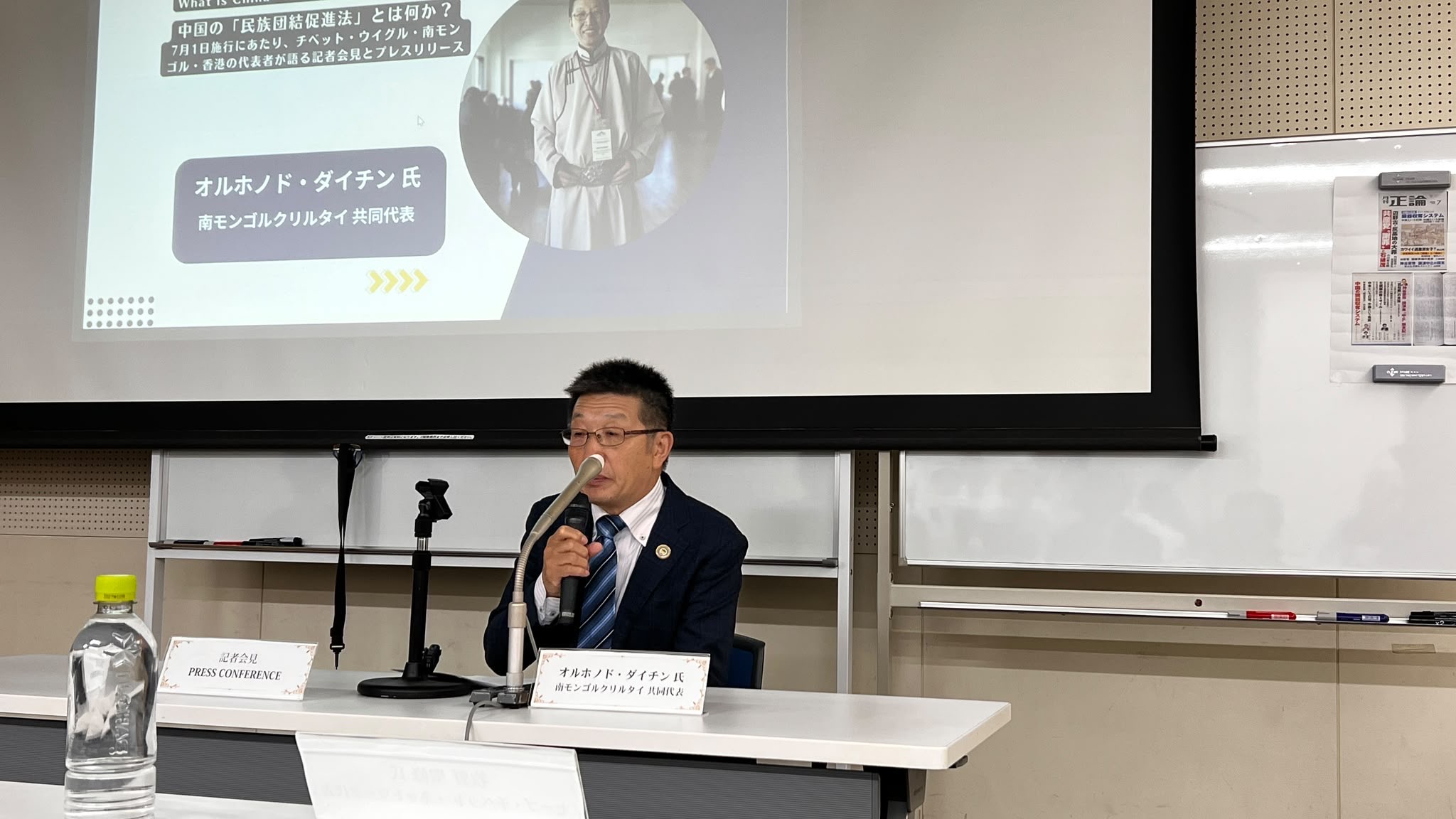
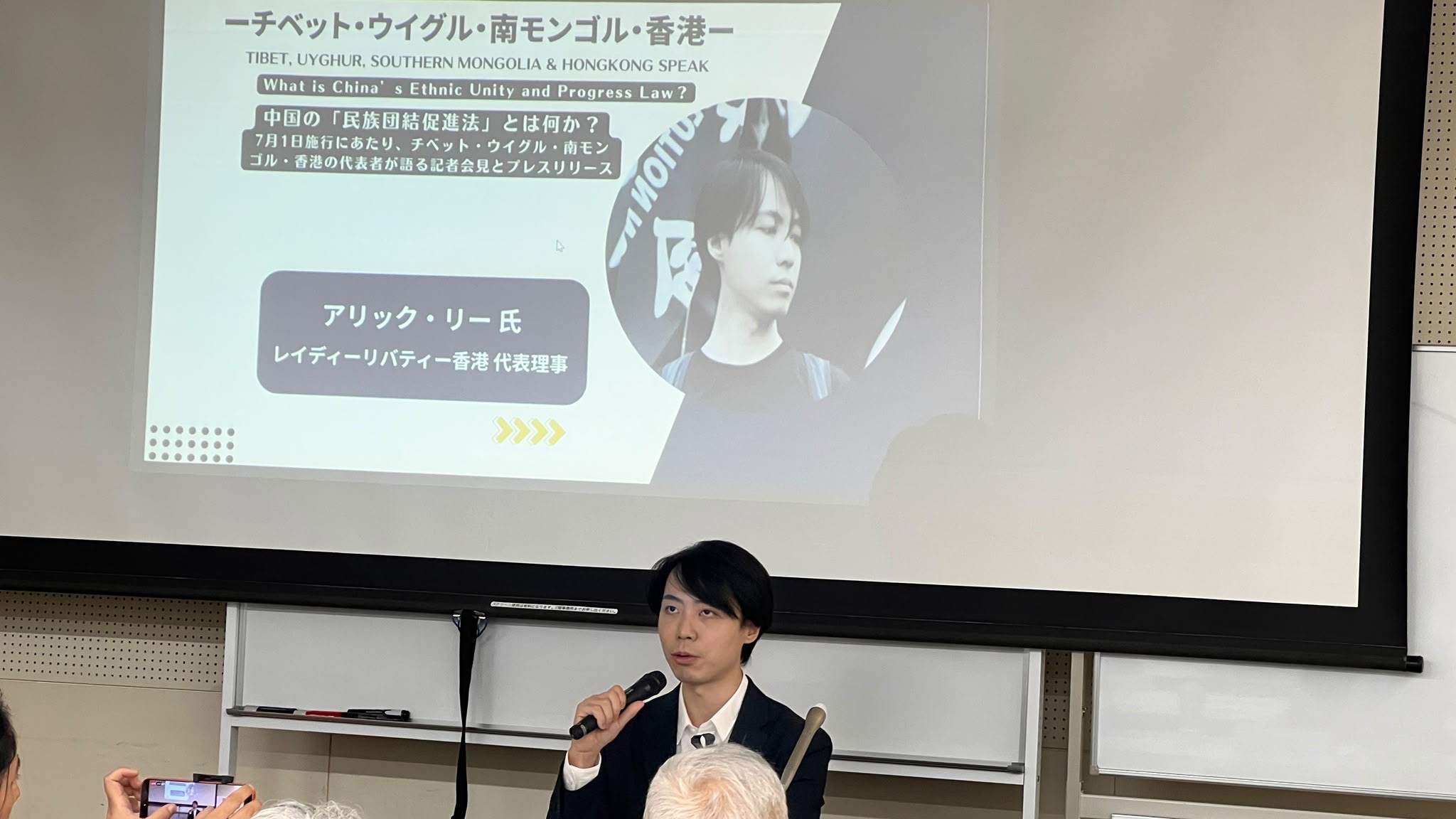
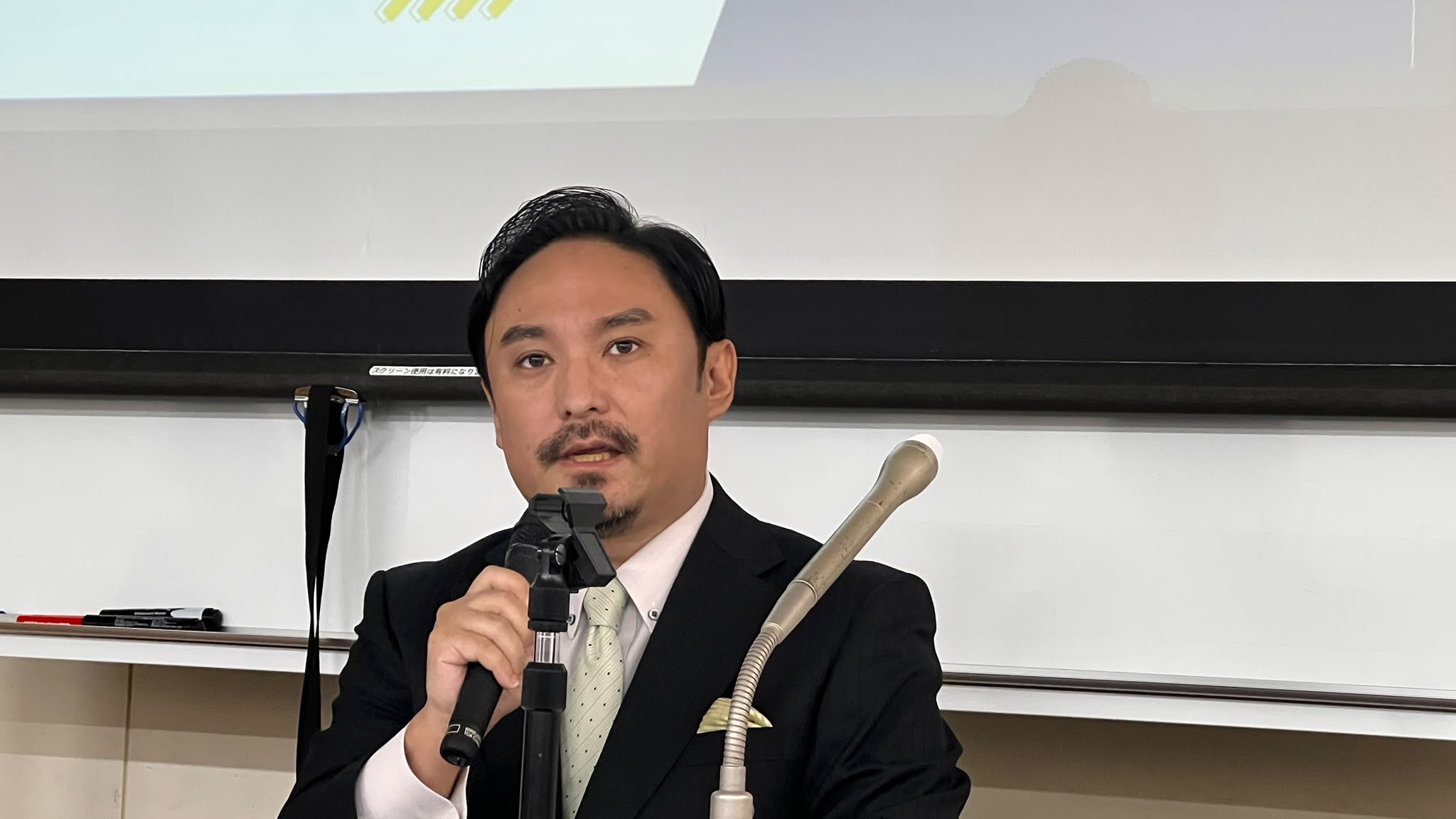
Representatives of the minority nationals: Tsewang Gyalpo Arya of the Liaison of H.H. the Dalai Lama; Afumetto Retepu of the Japan Uyghur Association; Olhunud Daichin of the Southern Mongolian Congress; Alric Lee of Lady Liberty of Hong Kong; and Ide Keitaro of the Amnesty International Japan spoke in turn about how the implementation of the law will result in acceleration of the China’s assimilation policy and eradication of the minority nationals’ identity, language, and culture. They strongly condemned the law and said that through this law the CCP regime is trying to justify the repressions and atrocities against the minority nationals as an internal affair and at the same time legitimize their transnational repressions. They all agreed that the law is all about the Chinese community, Chinese nationals, and Chinese unity; it has nothing for Tibet, Uyghur, Southern Mongolia, Hong Kong, and other nationals.
Dr. Tsewang Gyalpo Arya said that the law talks of “Ethnic Unity“, but behind this positive word is a strong negative and heinous motivation of the CCP regime. It is all about the assimilation and eradication of the minority nationals’ identities and realization of the CCP’s dictum, “one nation, one people, and one language”. He said despite China’s assertion, the law is against the Chinese Constitution and the Regional Ethnic Autonomy Law, and against the teachings of Marxism-Leninism on nationalities. From the international point of view, he said the law violates the United Nations Charter and important conventions [UN Convention on the Elimination of all forms of Racial Discrimination (CERD) Dec 1965; International Covenant on Economic, Social, and Cultural Rights (ICESCR) Dec 1966; International Covenant on Civil & Political Rights (ICCPR) Dec 1966; and UN Convention on the Right of the Child (CRC) Nov 1989.] that China signed and ratified. He thanked the Japanese parliamentary groups for their statement condemning the law and urging the Japanese government to take a strong stand against the law.
A joint press statement was read in Japanese and English in which the Representatives of the minority nationals strongly condemned China’s “Ethnic Unity and Progress Law” as a repressive legal tool to eradicate the minority nationals’ identity, language, and culture. The statement thanked the international community, including the United Nations, EU parliament, and parliamentarians from the US, UK, Japan, and others for their statements against the law and requested legislation in the respective countries to pressure China to repeal the law.
The talk and the press conference were attended by most of the major Japanese dailies, TVs, and YouTubers. An extended Q&A was held where many aspects of Chinese atrocities and repressions in and outside China were revealed. To a question on ethnicity and nationality, the Representatives unanimously replied that they considered themselves separate and not Chinese nationals. They further explained that their problem is not with the Chinese people but with the repressive and assimilative policy of the CCP regime. Here is the statement.
Here is the Sankei news paper’s report on the event. Here is YouTube report of the press conference. Here is live streaming of the event.
– Report filed by Office of Tibet, Japan