
Paris, 15 June 2026: The 25th Cultural Festival of Tibet and the Peoples of the Himalayas, which took place from 12-14 June 2026 in Paris, concluded on a highly positive note. Dedicated to the globally proclaimed Year of Compassion in honour of the 90th birth anniversary of His Holiness the Dalai Lama, the festival highlighted the importance of compassion as a universal human value.
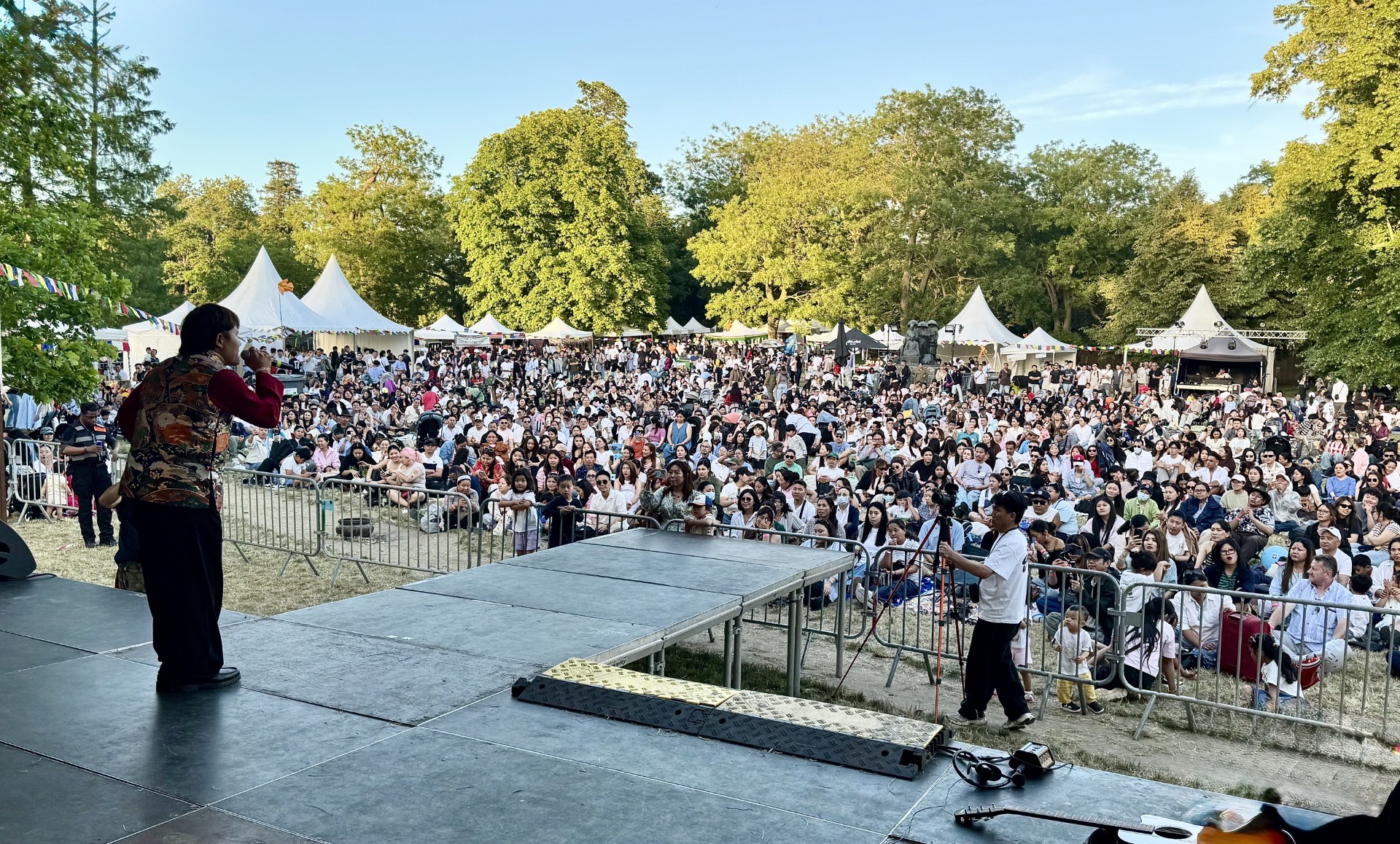
The festival brings together several thousand participants, including scholars, spiritual leaders, artists, and members of the public to celebrate the rich cultural heritage of Tibet and the Himalayan region. Having become a must-attend event for Parisians, it also attracts visitors from across Europe, making it one of the most vibrant and unmissable cultural highlights of the Parisian summer.
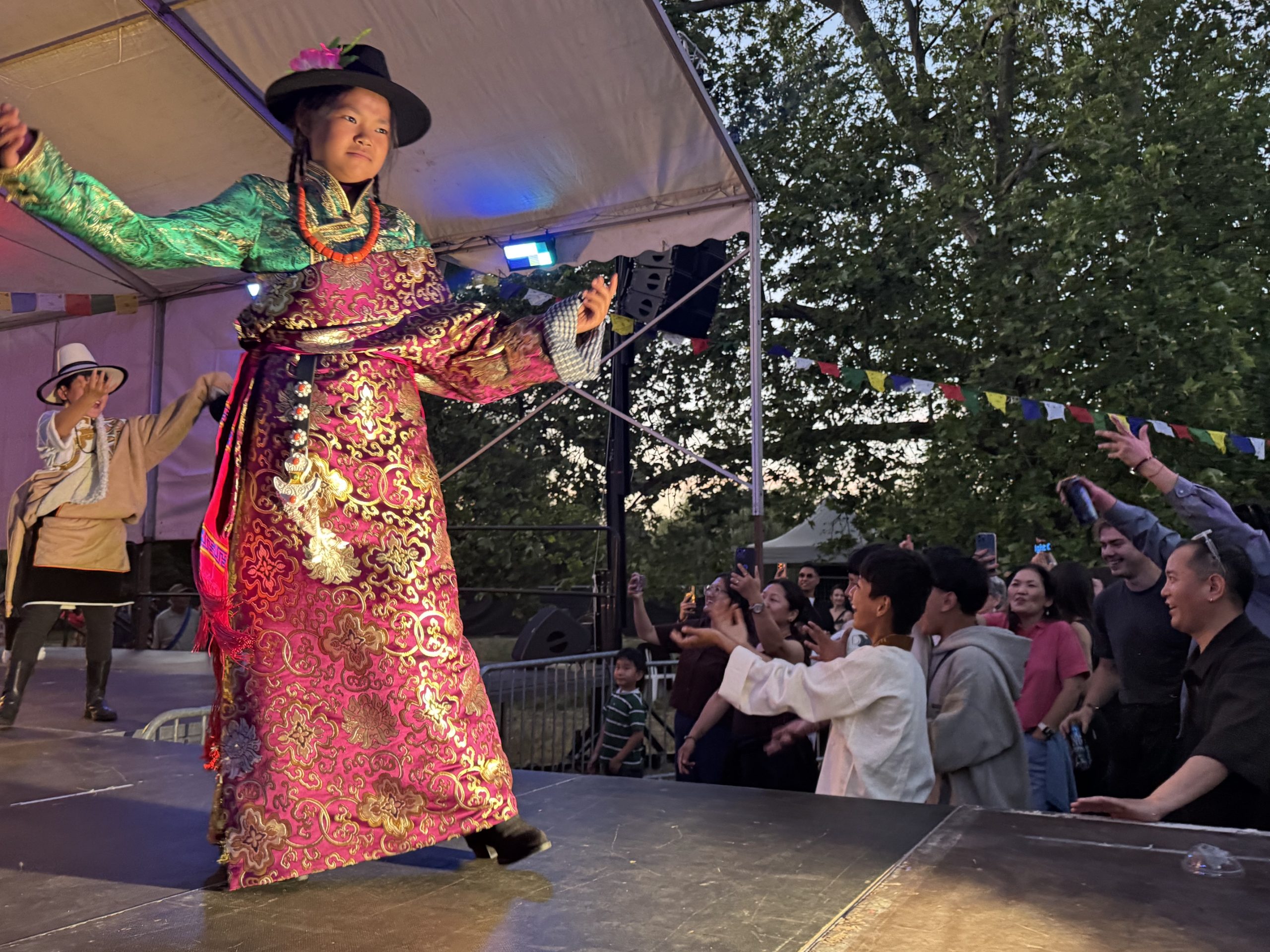
The festival began on Friday evening with a concert, followed by a Tibetan fashion show highlighting traditional attire and cultural heritage, captivating the audience and setting an inspiring tone for the days ahead. Earlier in the programme, Tibetan children read poems in Tibetan in the pagoda area, offering a contemplative prelude to the evening’s celebration. In between the main stage performances, the visiting monks of Gyumed monastery made a special appearance, offering a sacred chant that added a moment of spiritual dimension to the event.
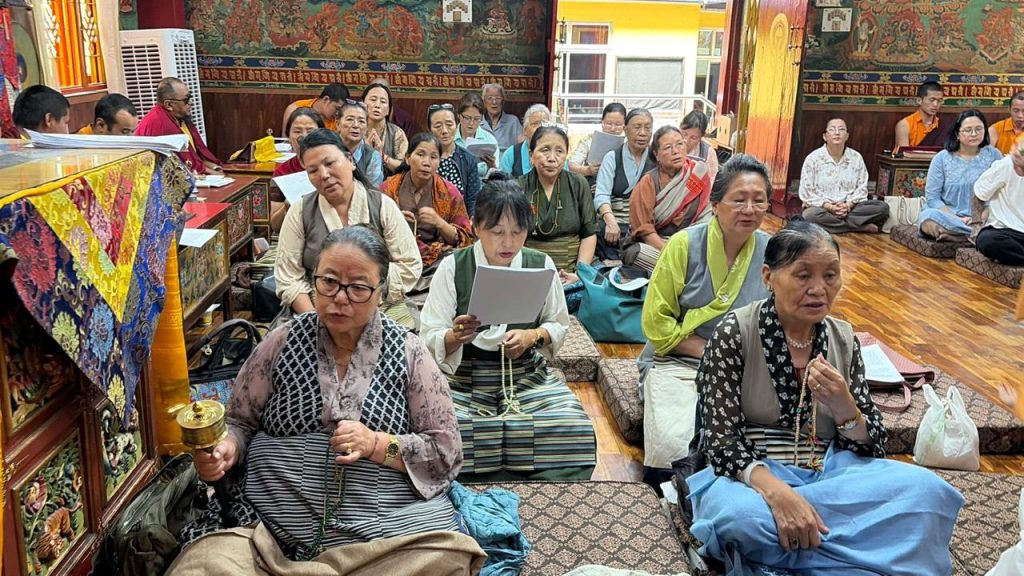
The festival was officially inaugurated on Saturday, 13 June, with the traditional procession with Members of the Sangha carrying the portrait of His Holiness the Dalai Lama, accompanied by the Representative of His Holiness the Dalai Lama, Rigzin Genkhang, Venerable Superior Thich Quang Dao from Khahn Anh pagoda, Members of Tibetan Parliament-in-Exile Thupten Gyatso and Tenzin Yangkar, Coordinator Thupten Tsering and representatives of Tibetan Associations. After installing His Holiness the Dalai Lama’s portrait on the throne, guests offered khatag, chanted prayers for His Holiness’ long life and performed a sang-sol to purify the venue.
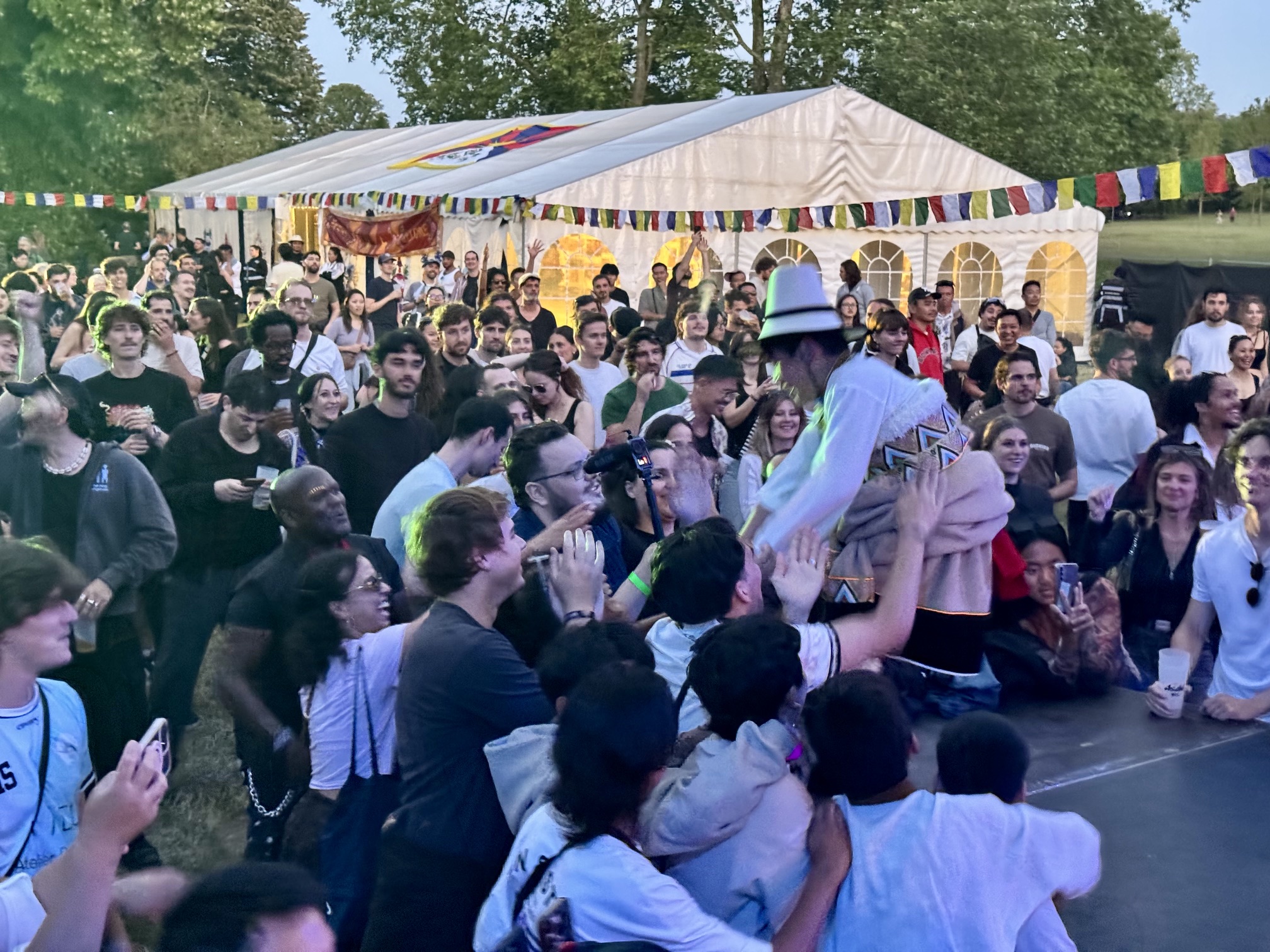
On Saturday evening, local Tibetan artists led by Lobsang Delek delivered a vibrant concert that captivated the audience and had festival goers dancing late into the night to a repertoire featuring primarily Tibetan songs, alongside popular Hindi, Nepali, and English songs.
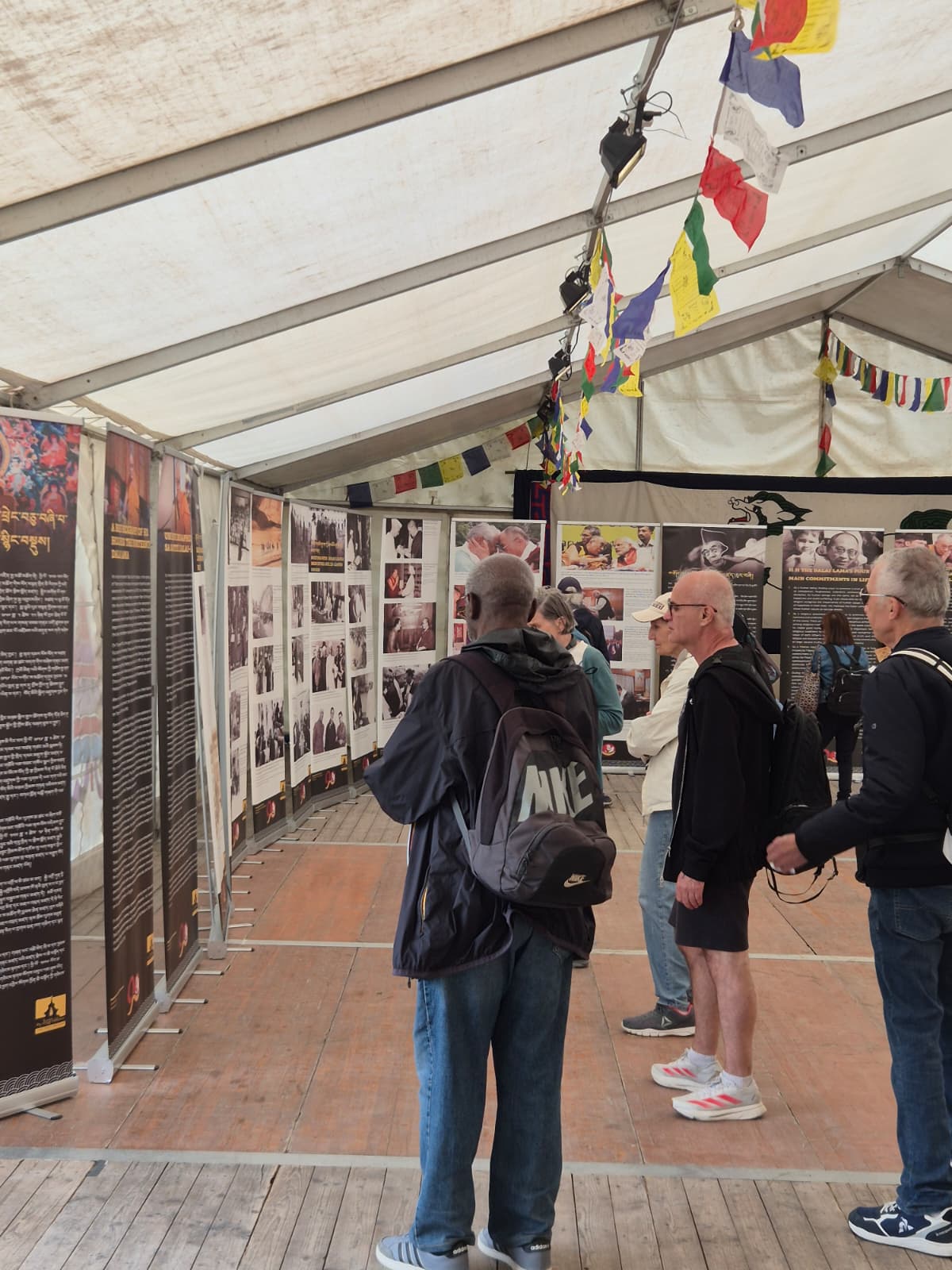
A central feature of this year’s festival was a special exhibition dedicated to the life and legacy of His Holiness the 14th Dalai Lama. Through photographs, visitors were invited to discover the remarkable journey of a spiritual leader whose message of peace, non-violence, and compassion has inspired millions around the world. The exhibition traced key moments of his life, from his years in Tibet to his life in exile where he continues to tirelessly promote peace, dialogue, human values, and mutual understanding among peoples and nations.
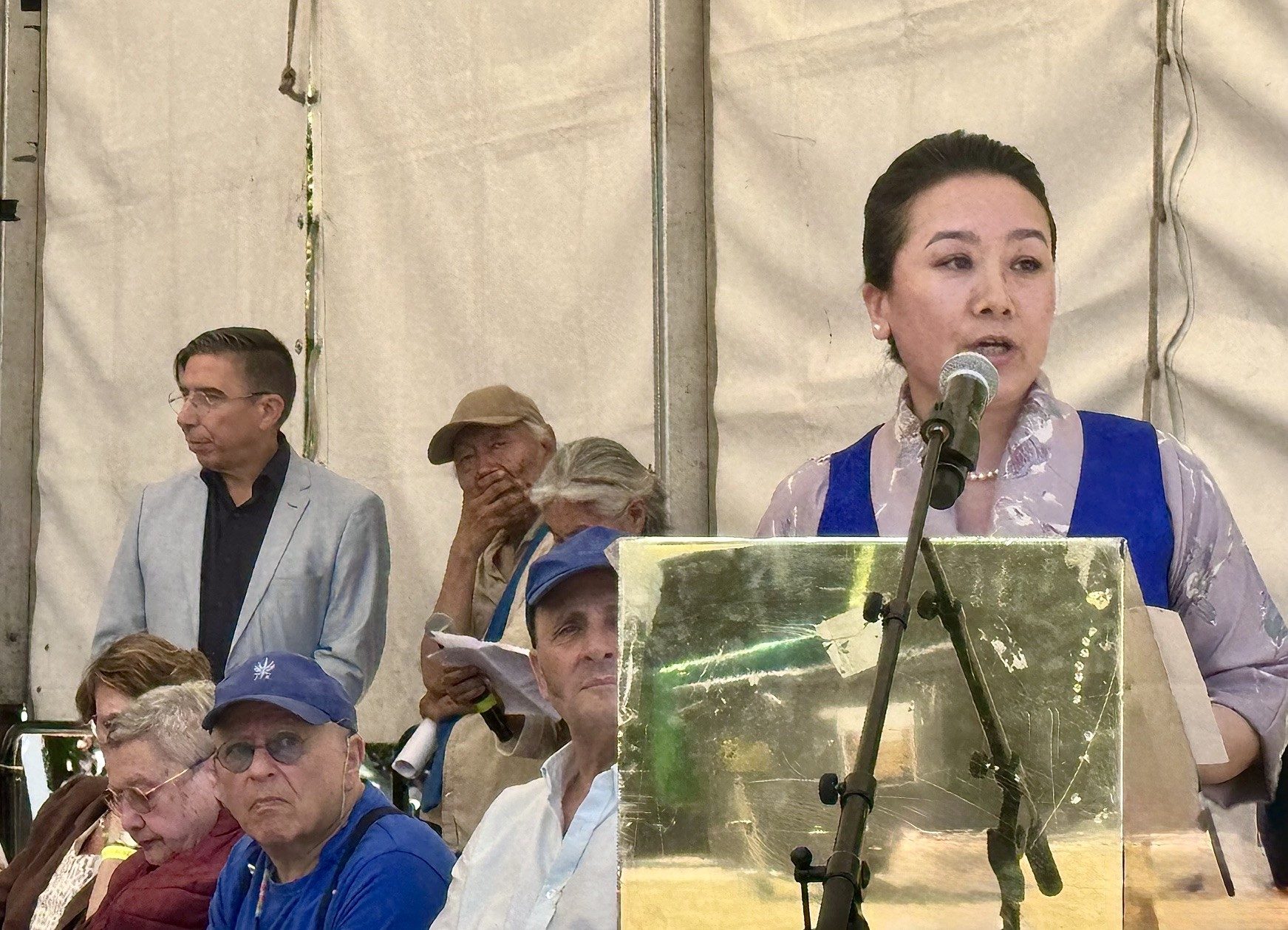
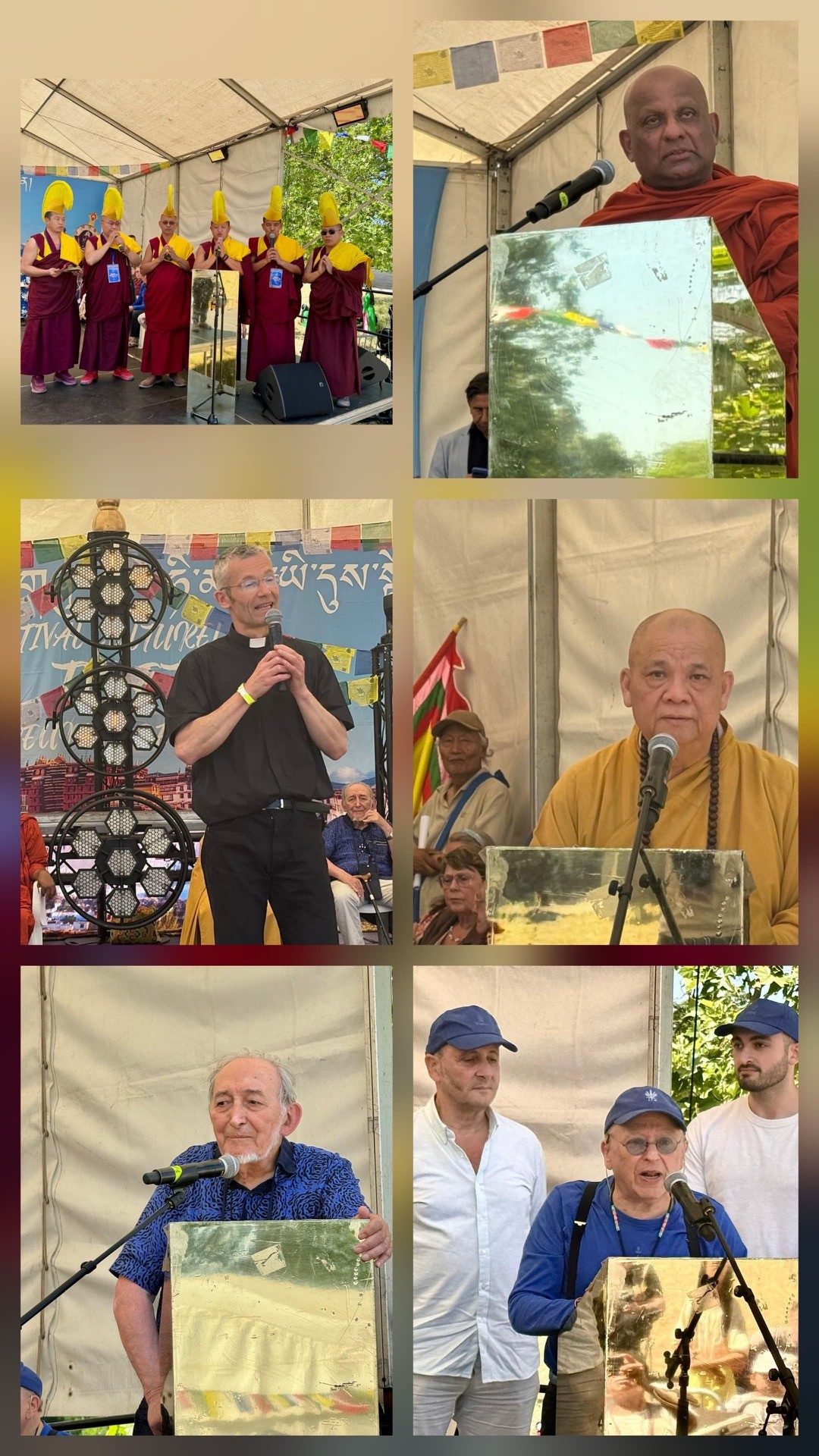
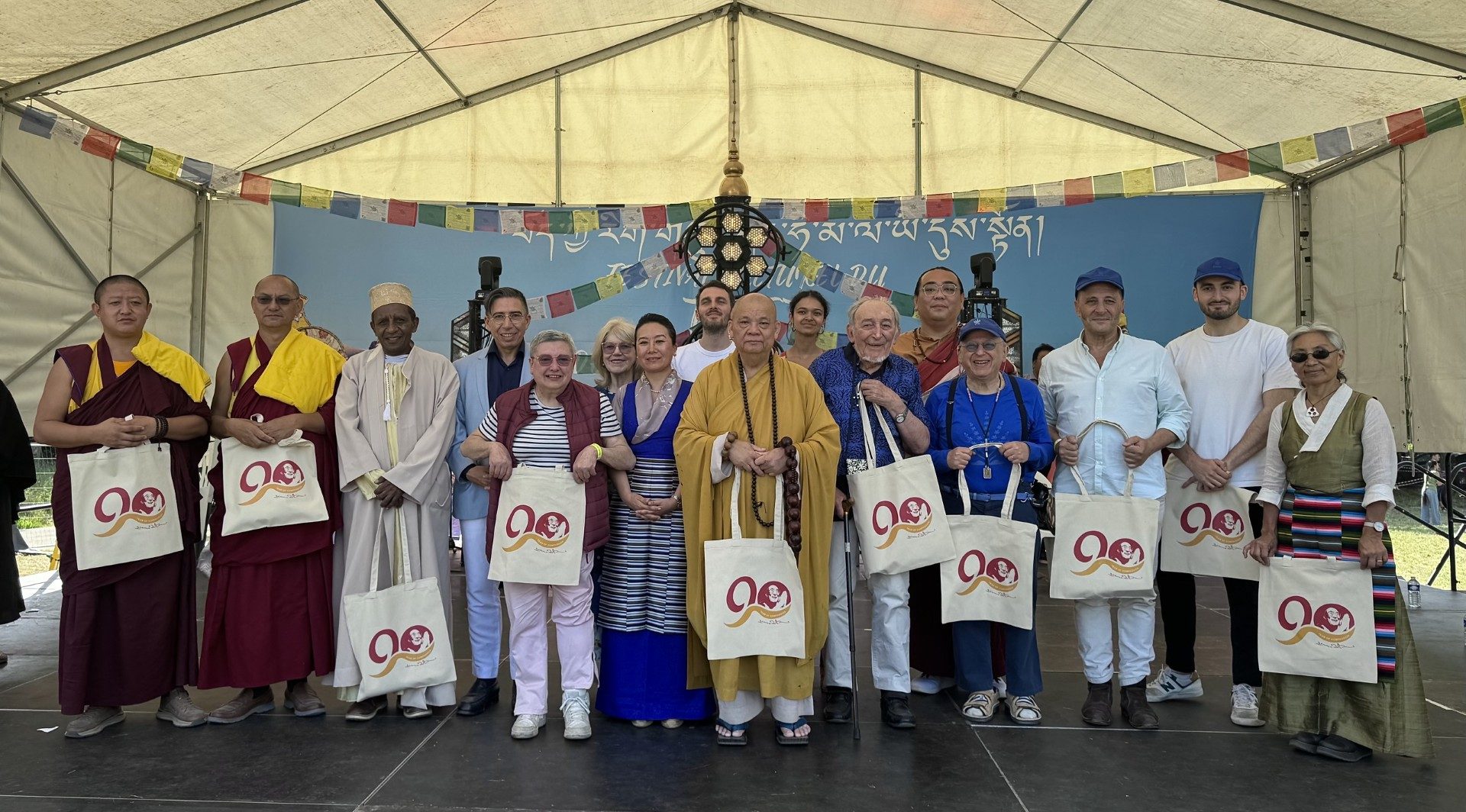
Another major highlight was the Inter-religious Conference focused on Compassion, which brought together representatives from a wide range of faith tradition. Speakers from Buddhist, Christian, Islam, Hindu, Sikh, Jewish, Bahai, and other religious communities shared perspectives on the role of compassion within their respective traditions.
Each speaker underscored compassion as a fundamental principal guiding ethical conduct, social responsibility, and respect for human dignity. The representatives also paid tribute to His Holiness the Dalai Lama, reflecting on his lifelong commitment to compassion, inter-religious dialogue, and nonviolence, and highlighting his significant contribution to peace, understanding, and harmony in the world.
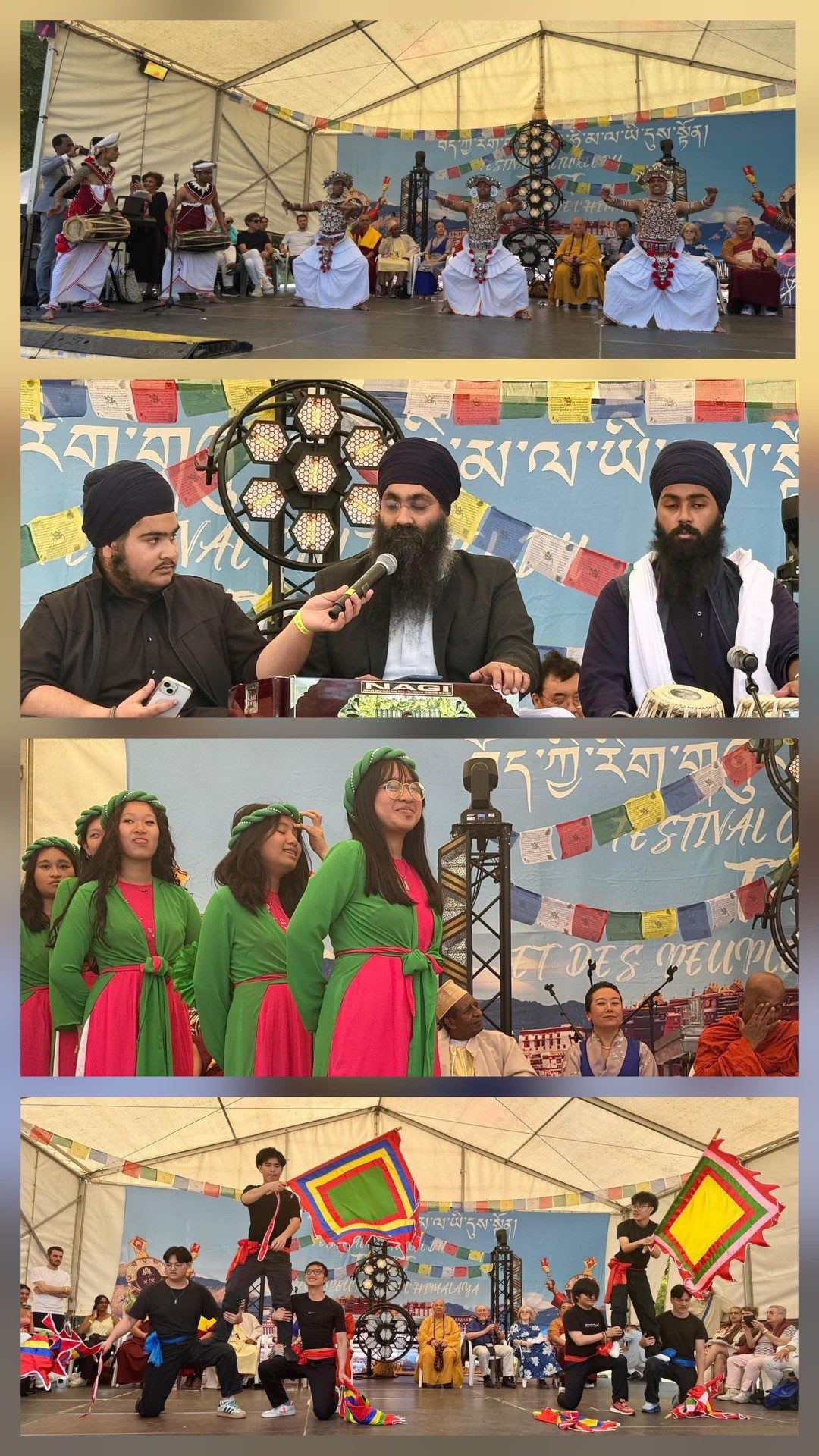
Each intervention was complemented by an artistic performance embodying the spirit of Compassion creating a unique dialogue between reflection and artistic expression. These performances also served as a heartfelt tribute to the 90th birth anniversary of His Holiness the Dalai Lama, whose message of universal responsibility and compassion inspired the entire event.
The conference fostered a spirit of dialogue and mutual understanding, highlighting compassion as a shared human value that transcends cultural, religious and philosophical differences. Through thoughtful discussions and exchanges, participants explored how compassion can serve as a powerful force for peace-building, social cohesion, and meaningful responses to the pressing challenges of our time.
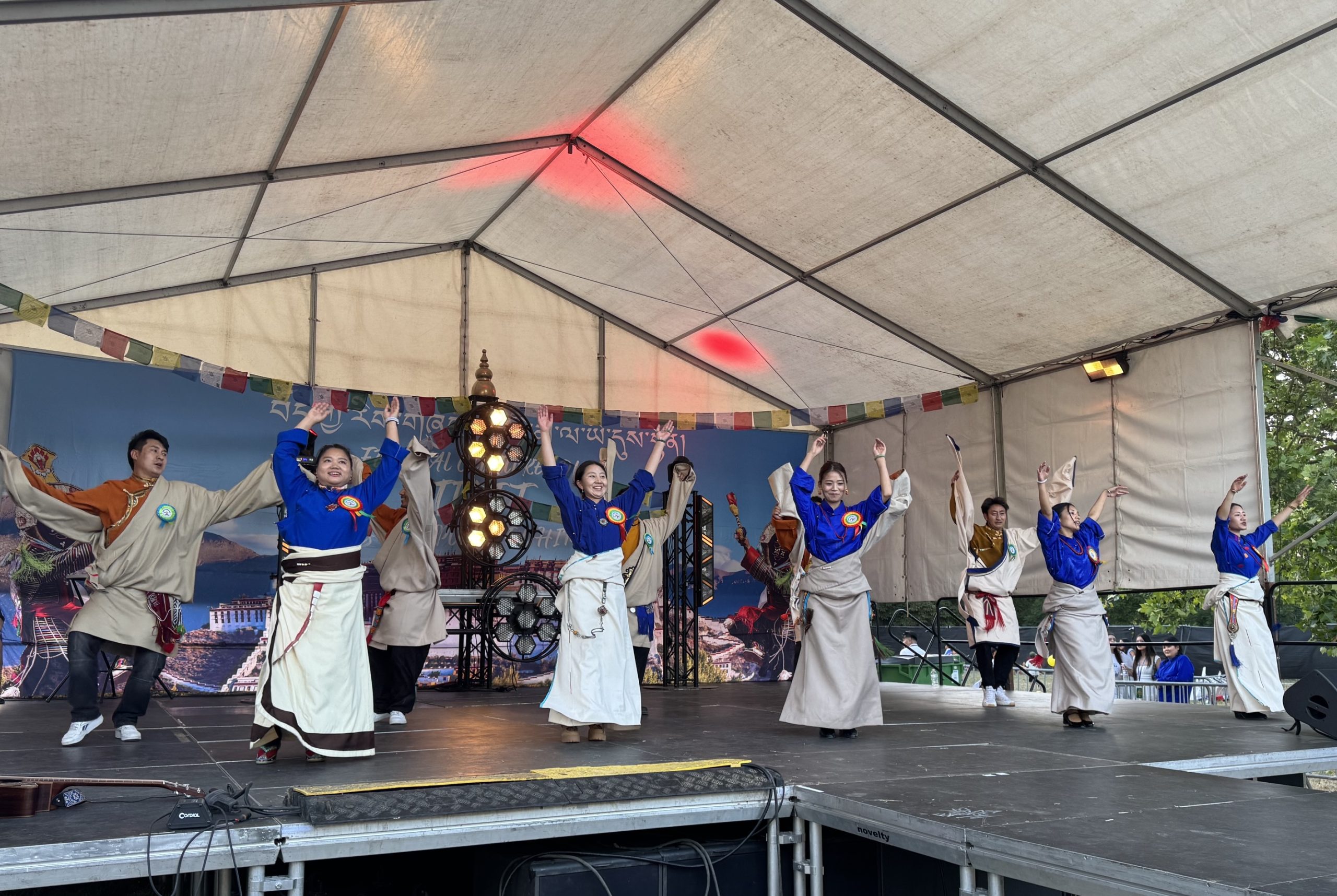
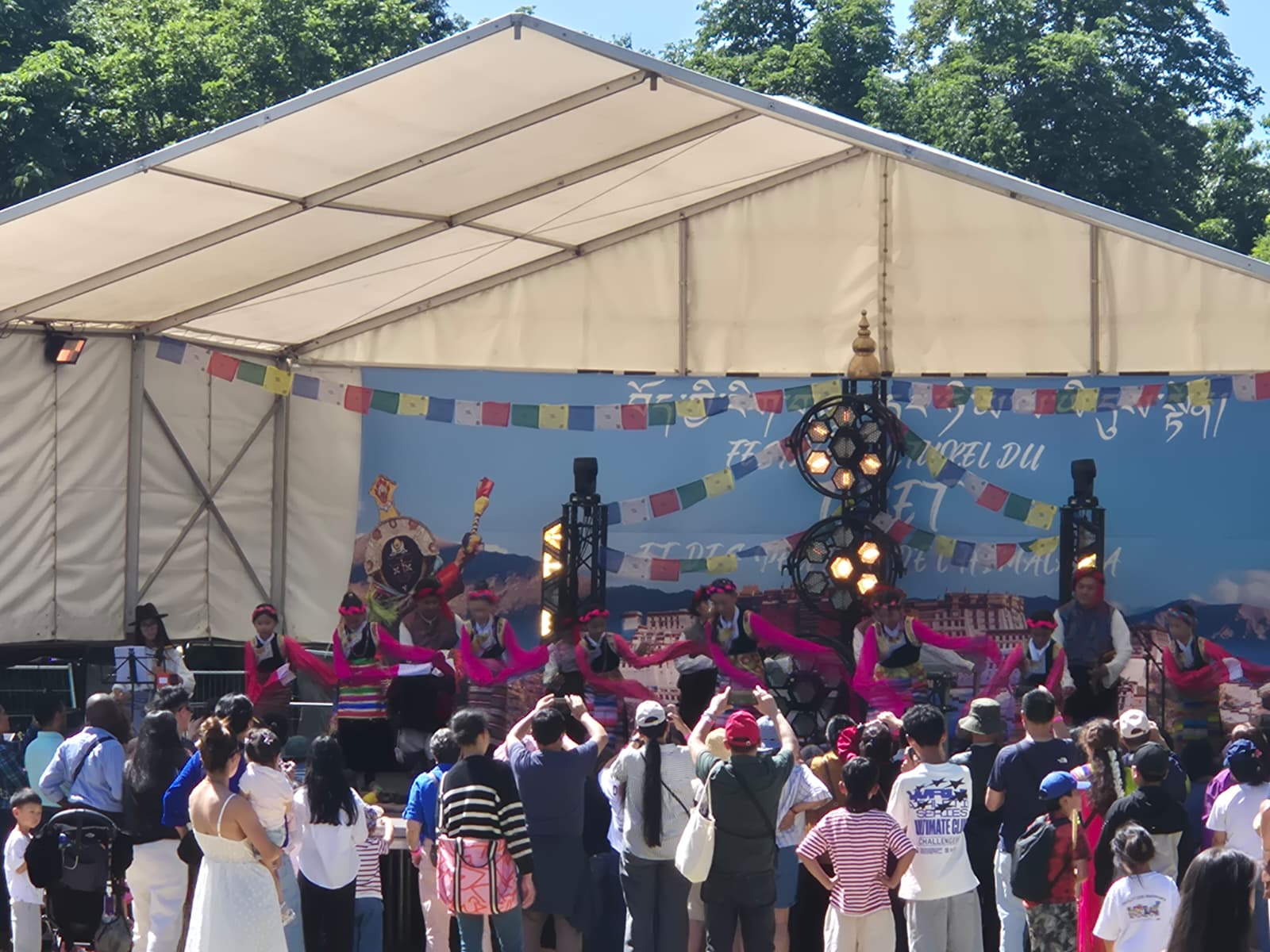
On the lakeside podium, visitors were treated to traditional Tibetan cultural performances, including Tibetan opera, dances and songs from the three traditional provinces of Tibet: U-Tsang, Kham and Amdo. One of the most heartwarming highlights came when a group of young children took to the stage. Dressed in colourful traditional outfits, they stood in neat rows, some barely tall enough to see over the microphones. As the music started, their adorable dance moves instantly, melted the hearts of the audience.
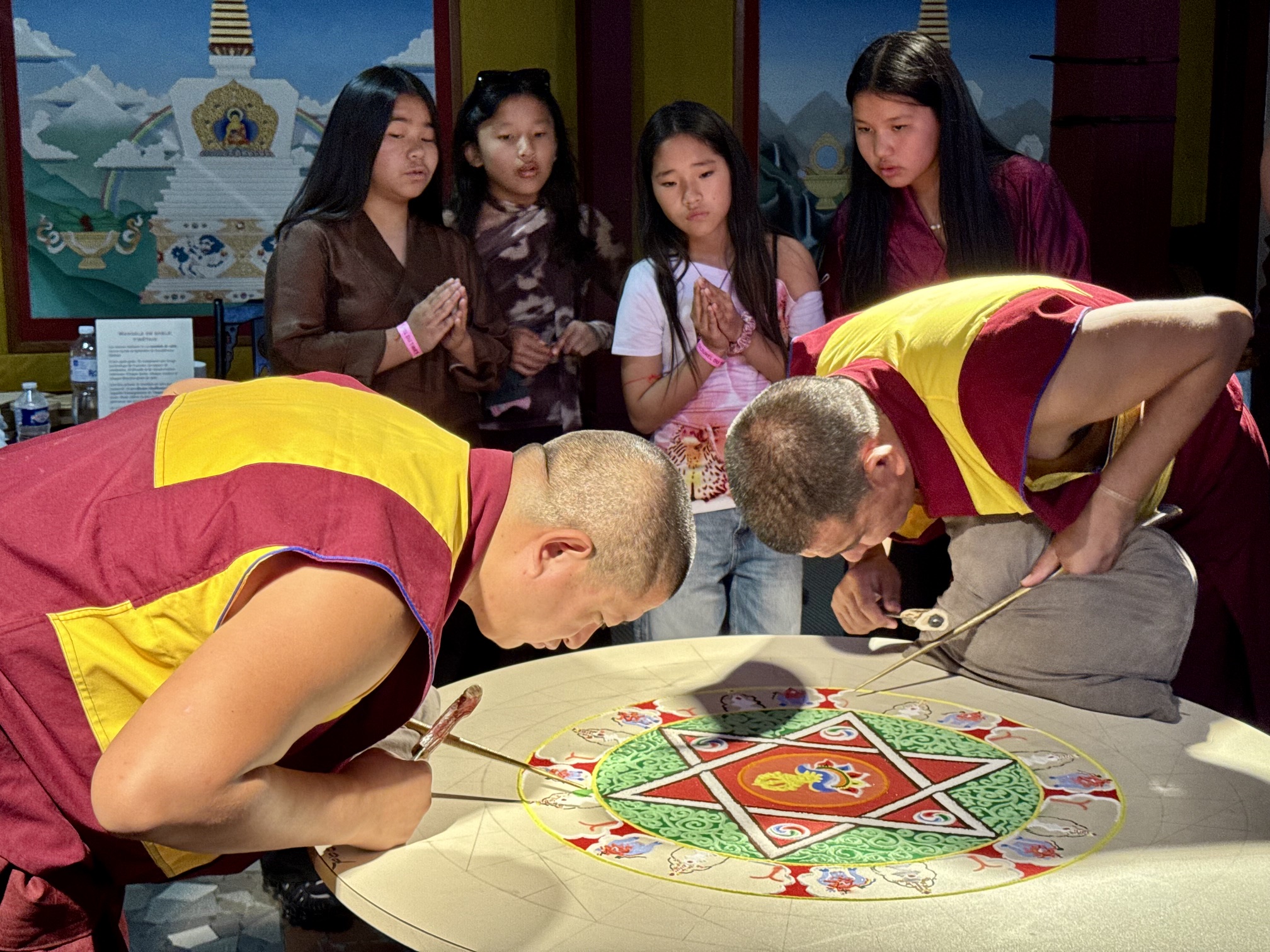
Other cultural showcases included creation of sand Mandala by a Gyumed monks, a thousand-year-old tradition symbolising the impermanence of life.
As the festival marked its 25th anniversary, it reaffirmed its mission of preserving Tibetan culture and promoting cultural exchange, intercultural dialogue, and understanding among communities. The theme of compassion resonated throughout the event, inspiring participants to reflect on its relevance in daily life and its potential to foster a more peaceful and caring world.
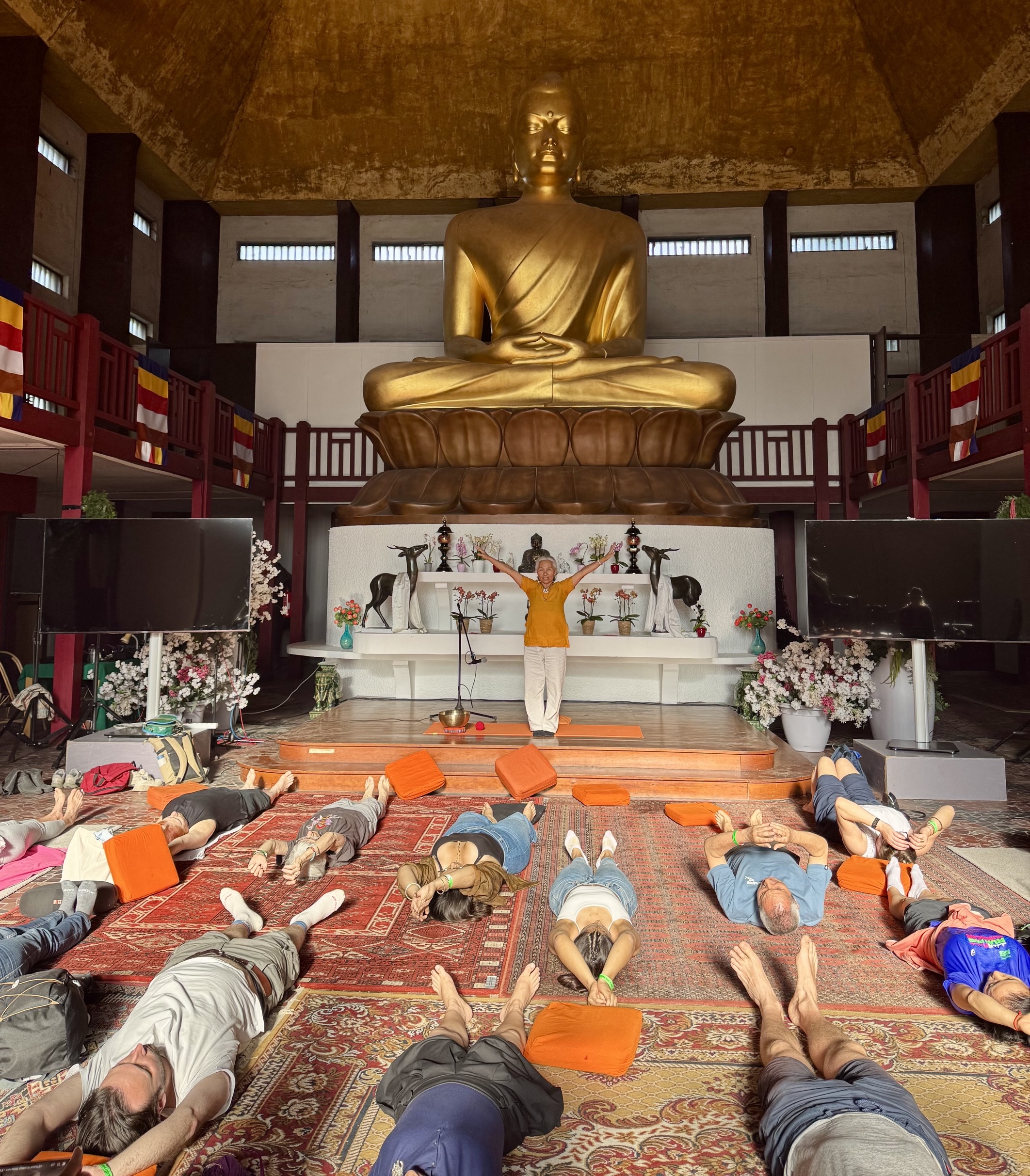
Stands run by individual businesses, various associations, Buddhist centres and artists catered to the public. Among the colourful stalls, the aroma of freshly prepared Tibetan delicacies filled the air drawing curious visitors and food lovers alike. While other stands sold a mix of Tibetan and Himalayan artefacts including spices. The atmosphere was enlivened by yoga workshop sessions.
As the sun set on the final day, the festival reaffirmed its mission: to keep Tibetan and Himalayan cultures not only alive but thriving — through art, language, and global solidarity.
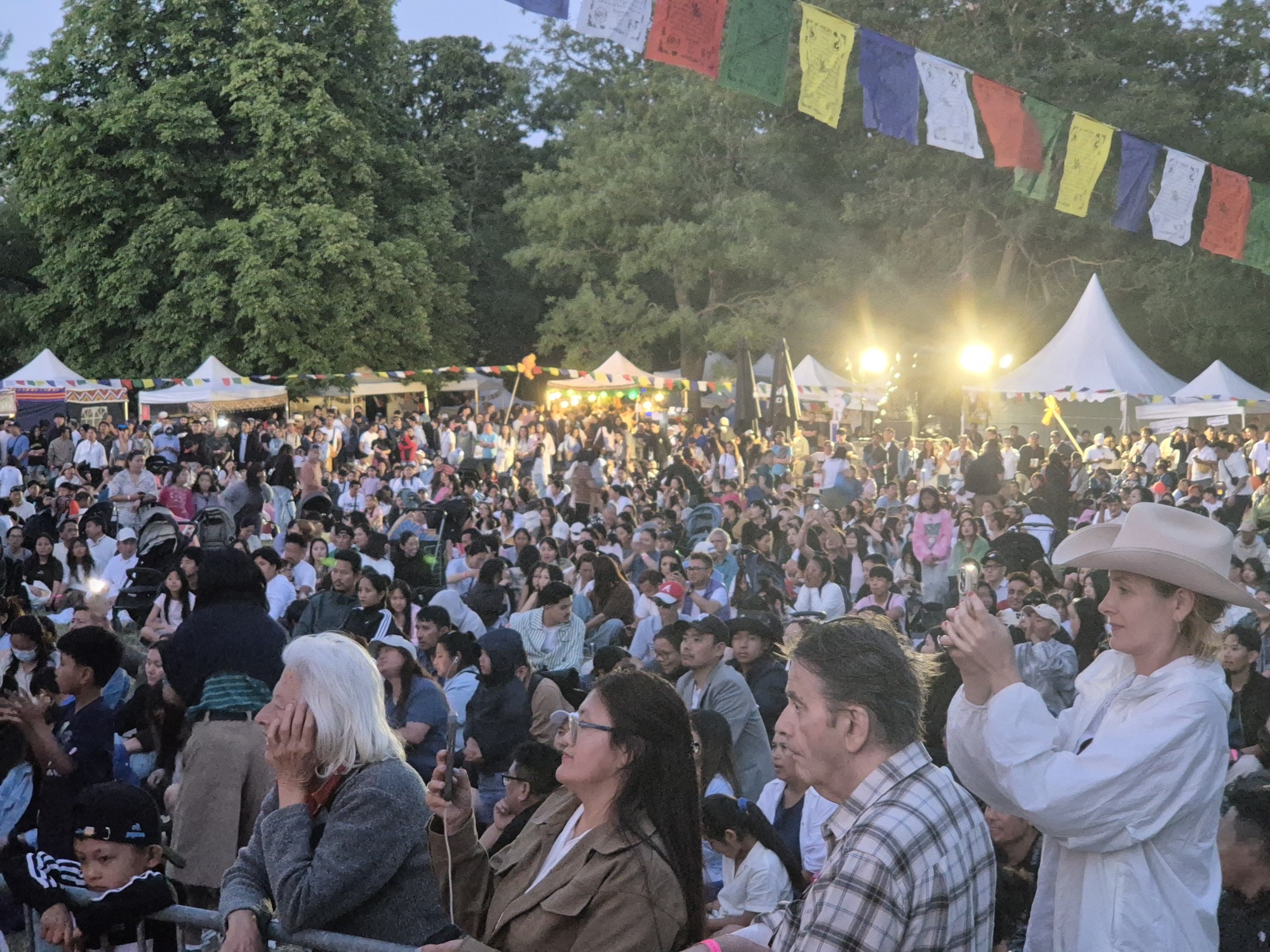
Nearly 6,000 visitors from Paris, across France, throughout Europe, and even from as far away as the United States attended the festival. All in all, the Cultural Festival of Tibet and the Peoples of the Himalayas was a success, offering visitors an authentic immersion in Tibetan culture.
Under the supervision of Representative Genkhang, Thupten Tsering, Coordinator, Bureau du Tibet Paris, Jigme Dorji, Secretary, Maison du Tibet, led the festival with assistance from Accountant Tenzin Nordhen, and EU Advocacy Officer Tenzin Phuntsok deployed from Bureau du Tibet Brussels.
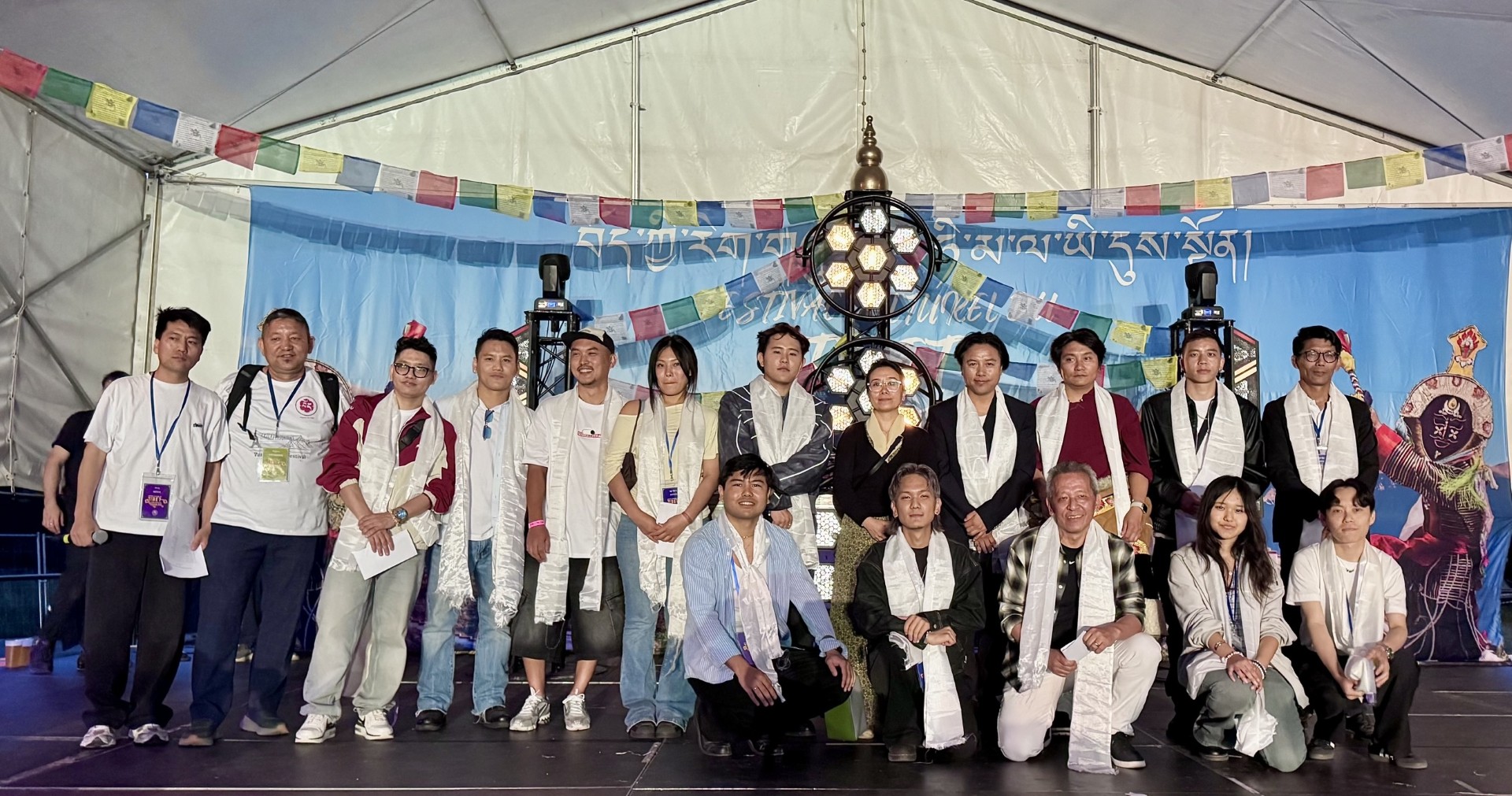
The festival is made possible largely through the dedication and support of the Tibetan community, local Tibetan associations representing the three traditional provinces of Tibet, SFT, V-TAG and the hundreds of steadfast volunteers who generously give their time and energy year after year. During the closing ceremony Representative Rigzin Genkhang and Coordinator Thupten Tsering acknowledged their hard work and expressed heartfelt gratitude to all of them for their invaluable contribution.
The acknowledgements and announcements were followed by a traditional circle dance, allowing the audience to join in and celebrate the richness of Tibetan culture.
– Report filed by Office of Tibet, Brussels