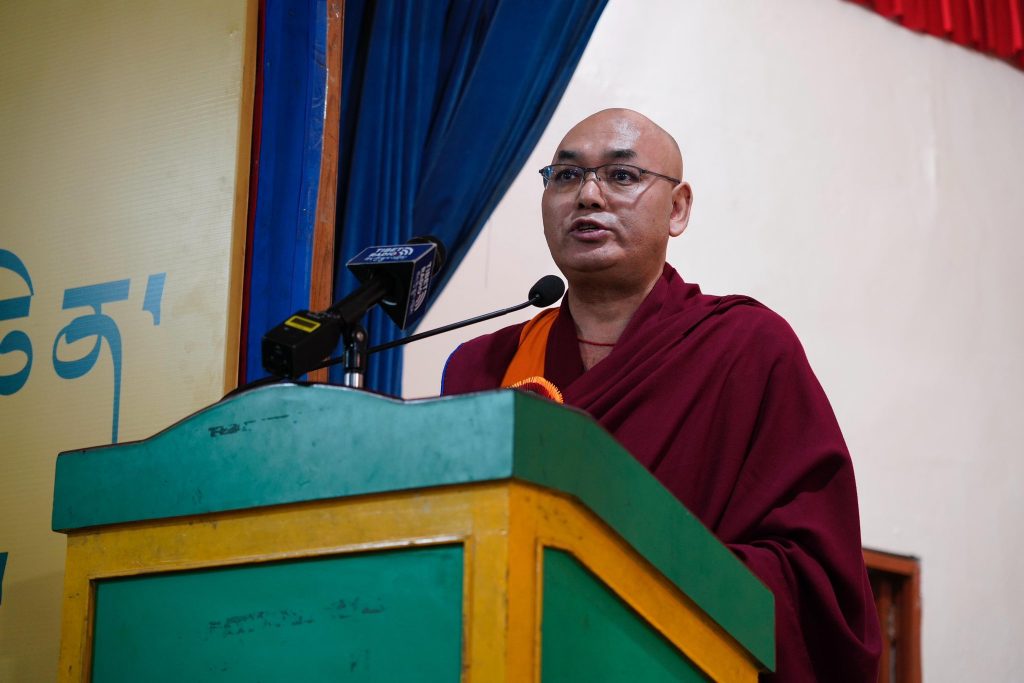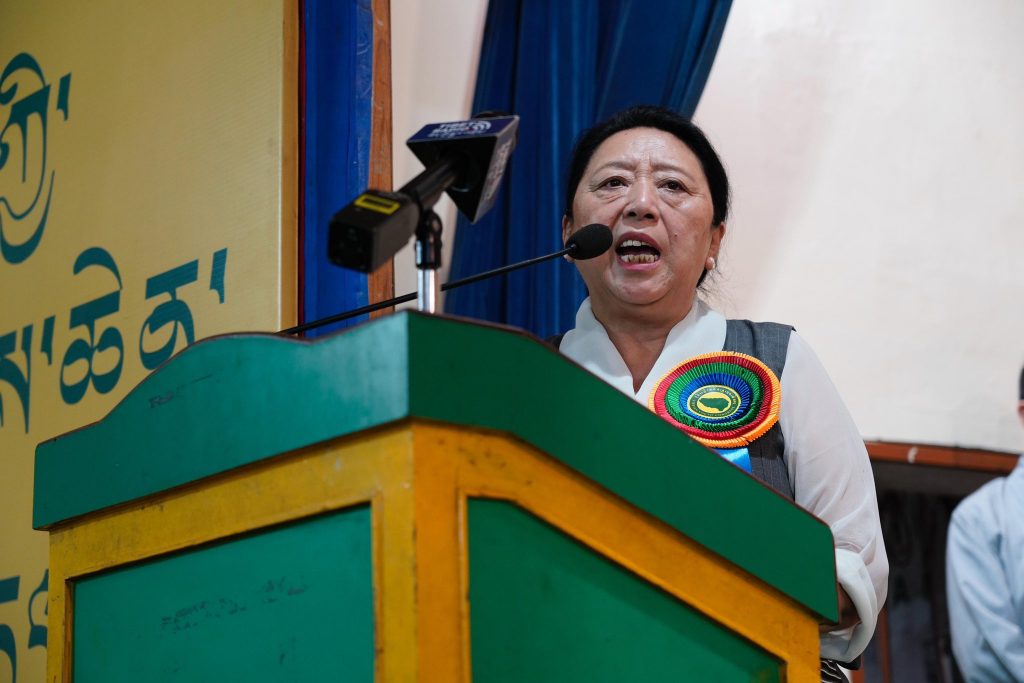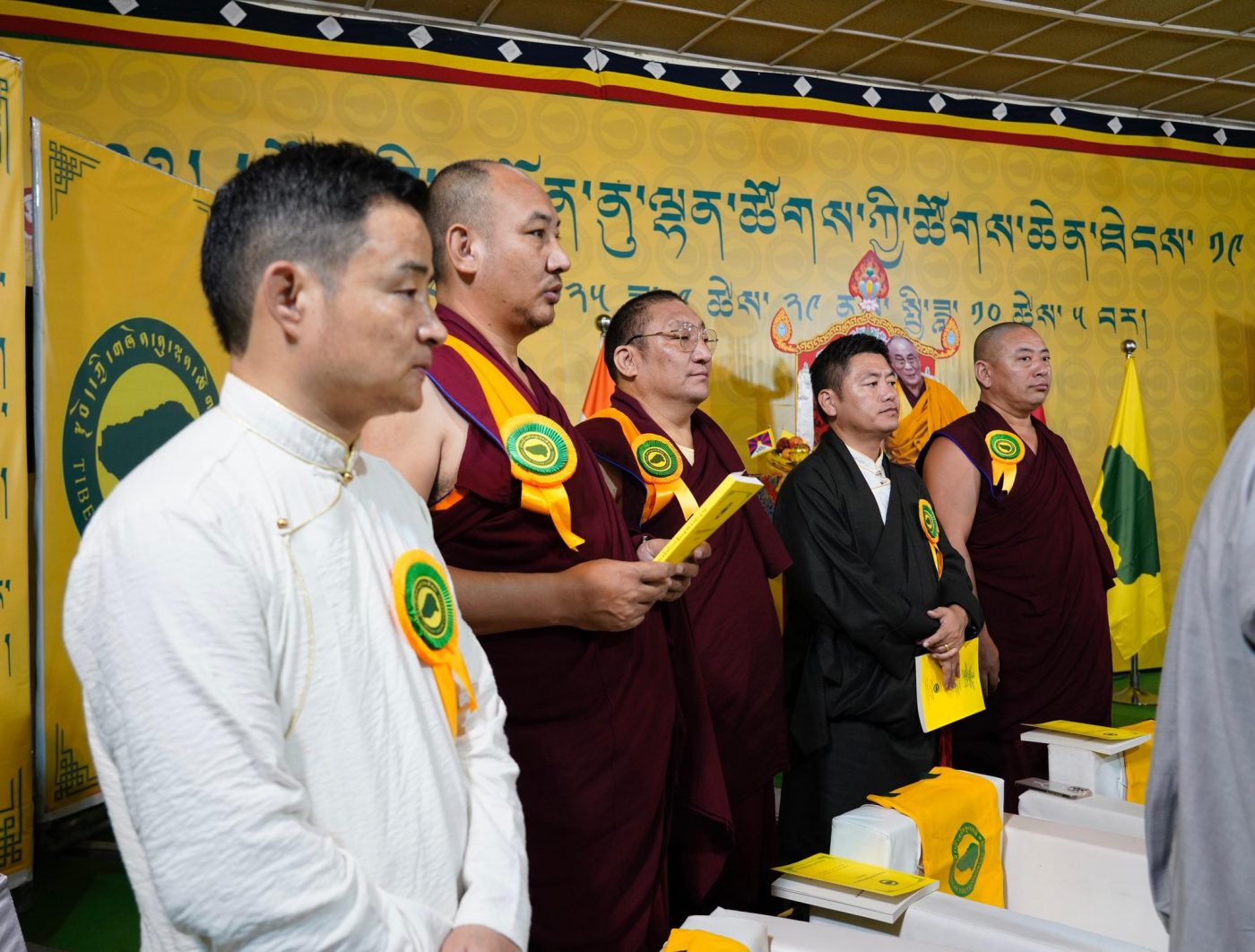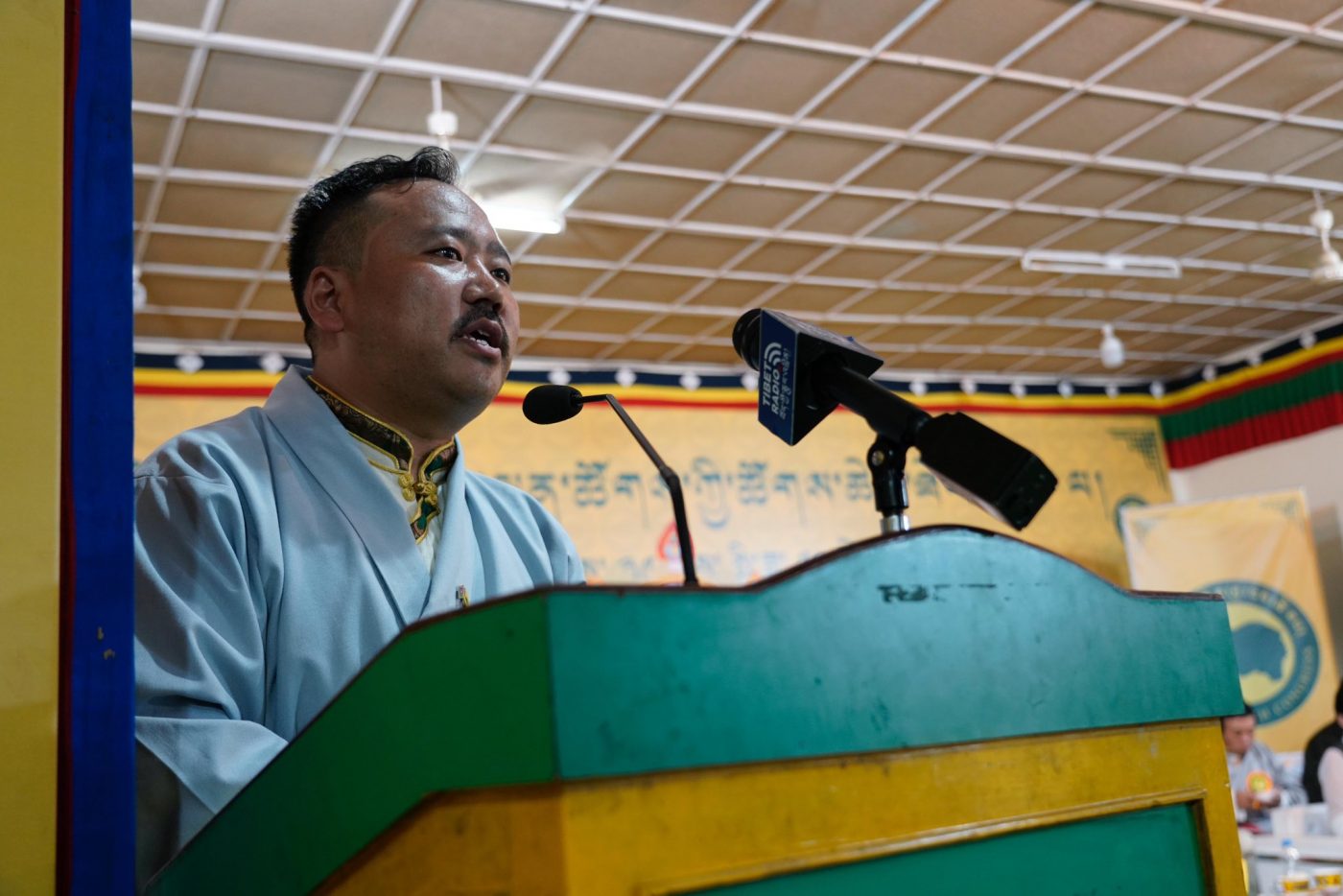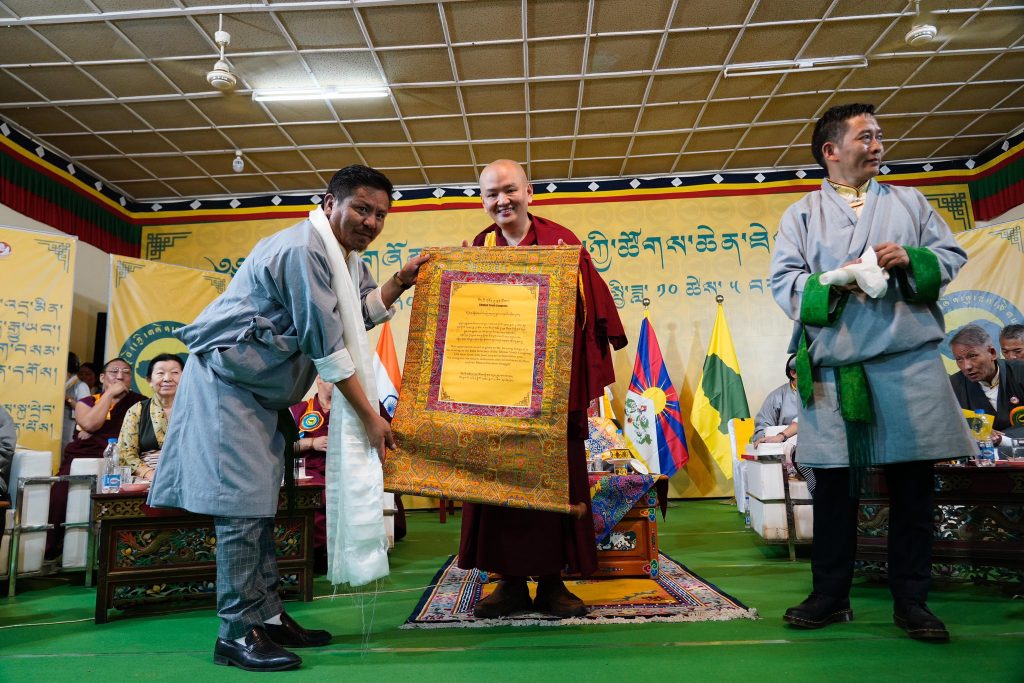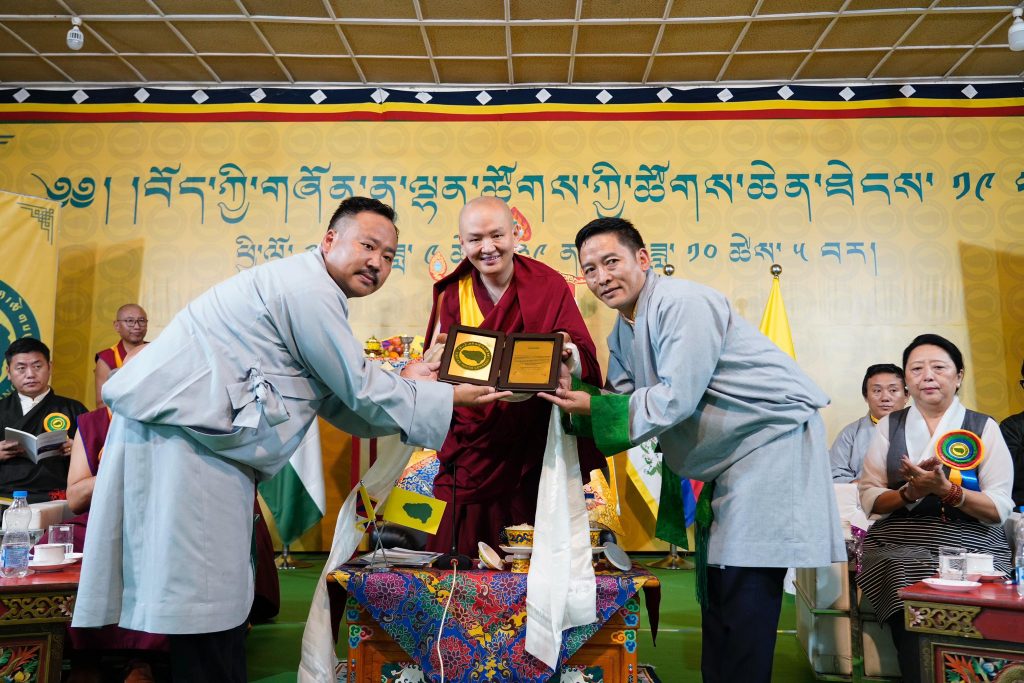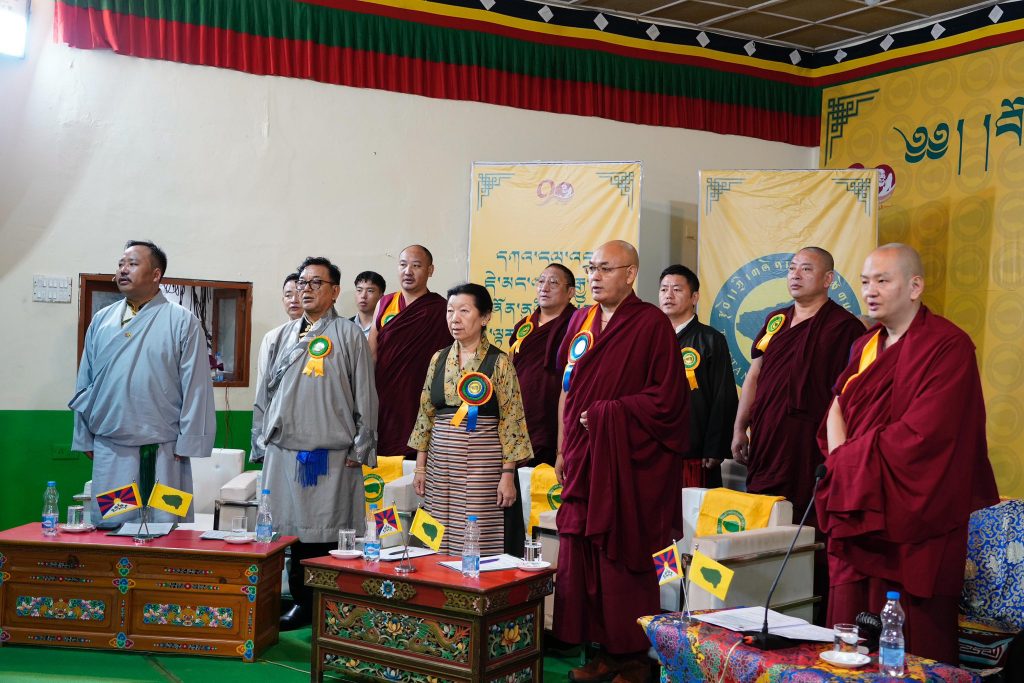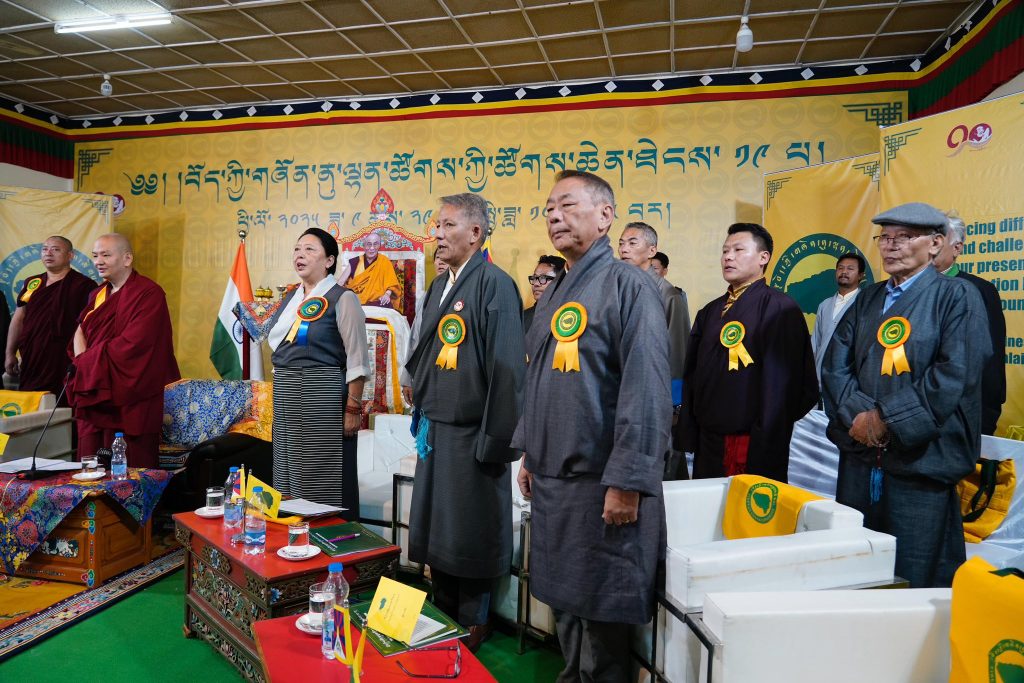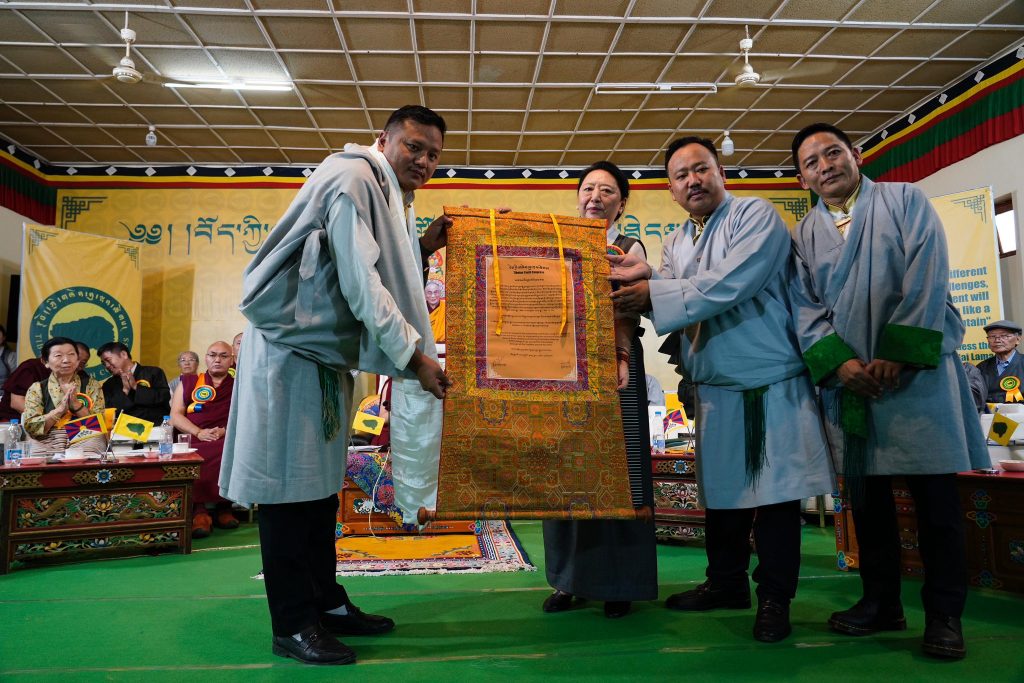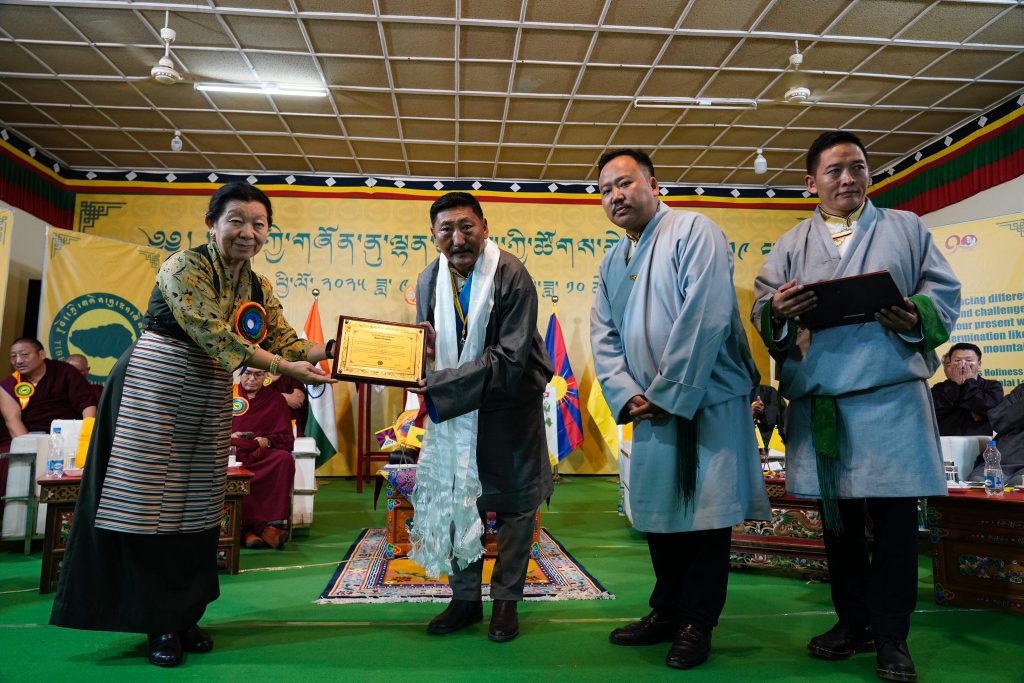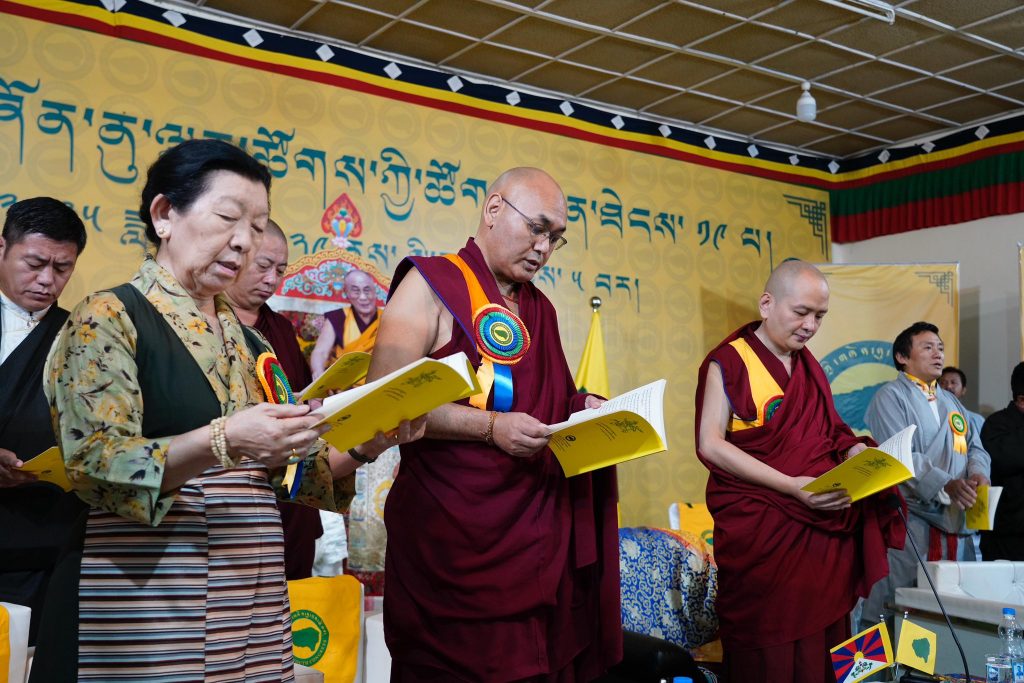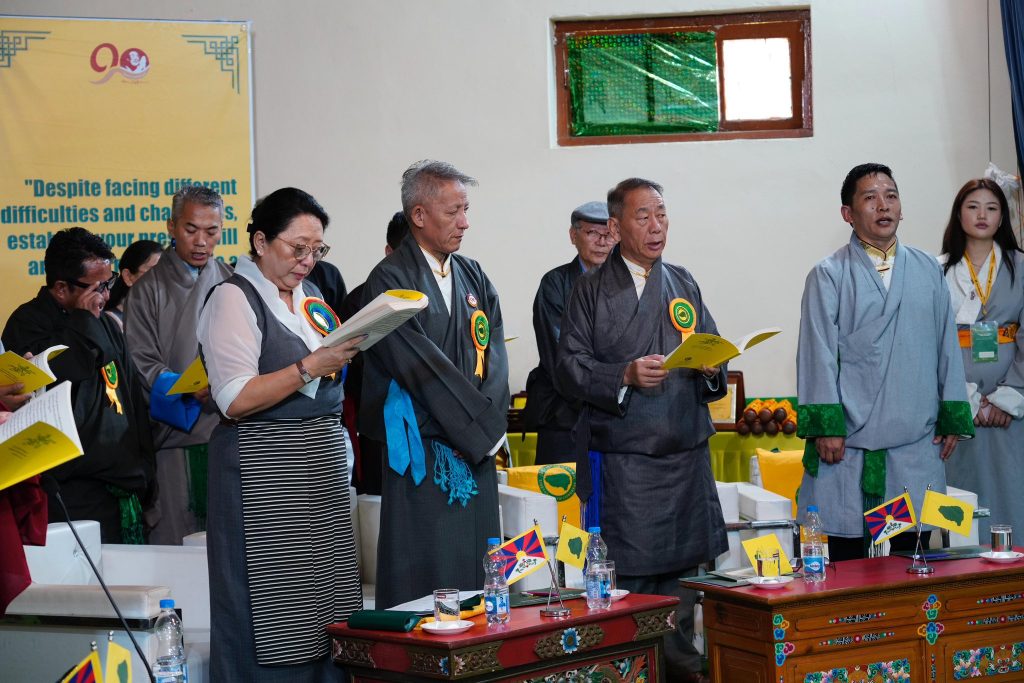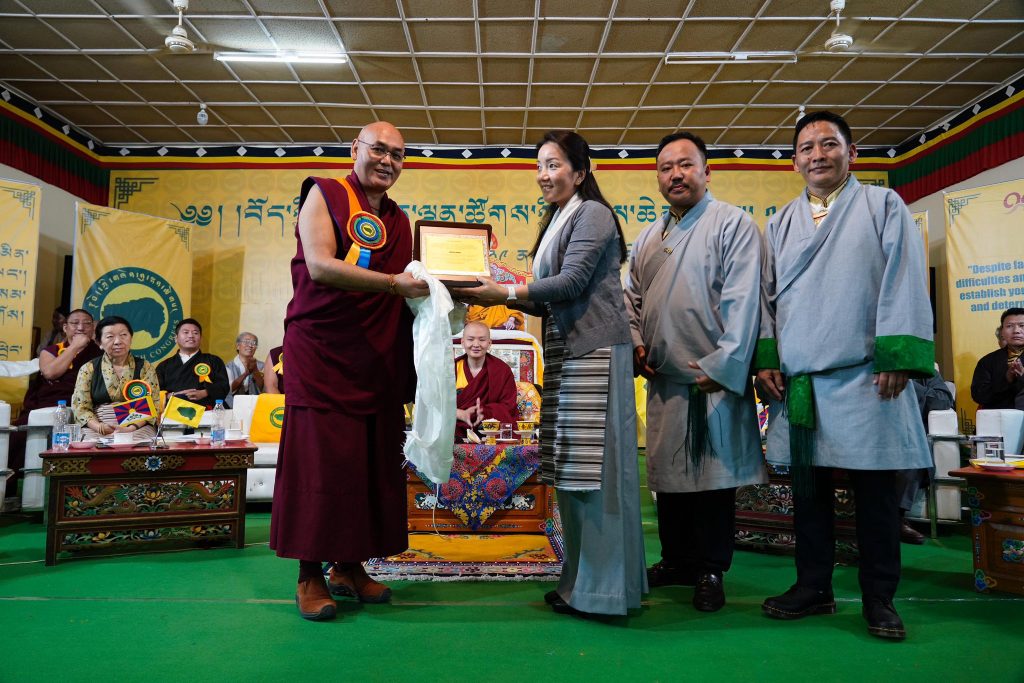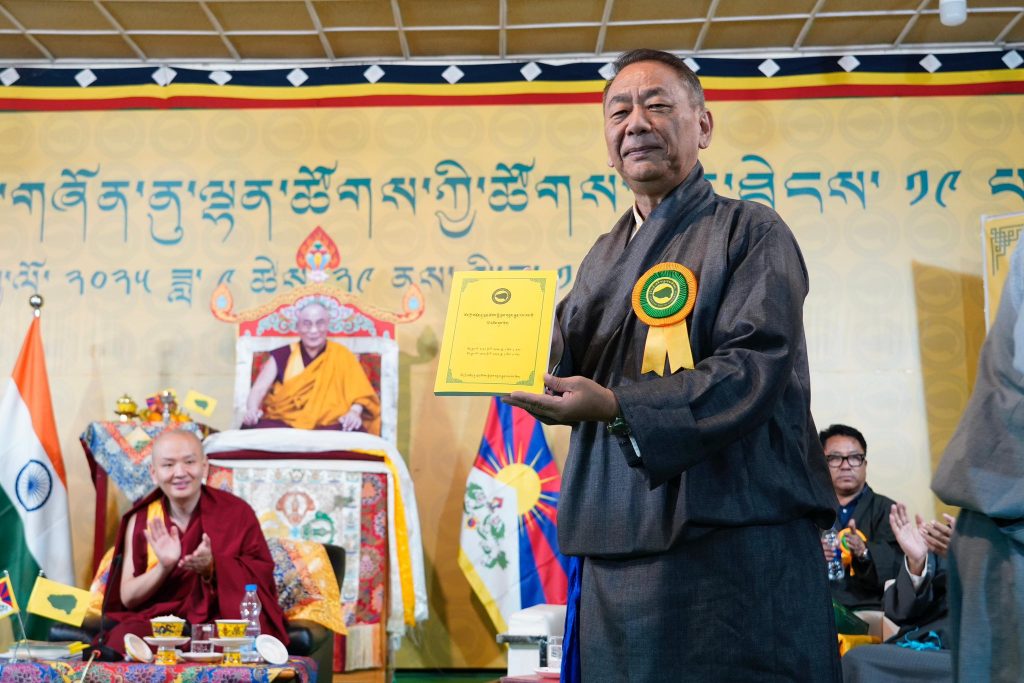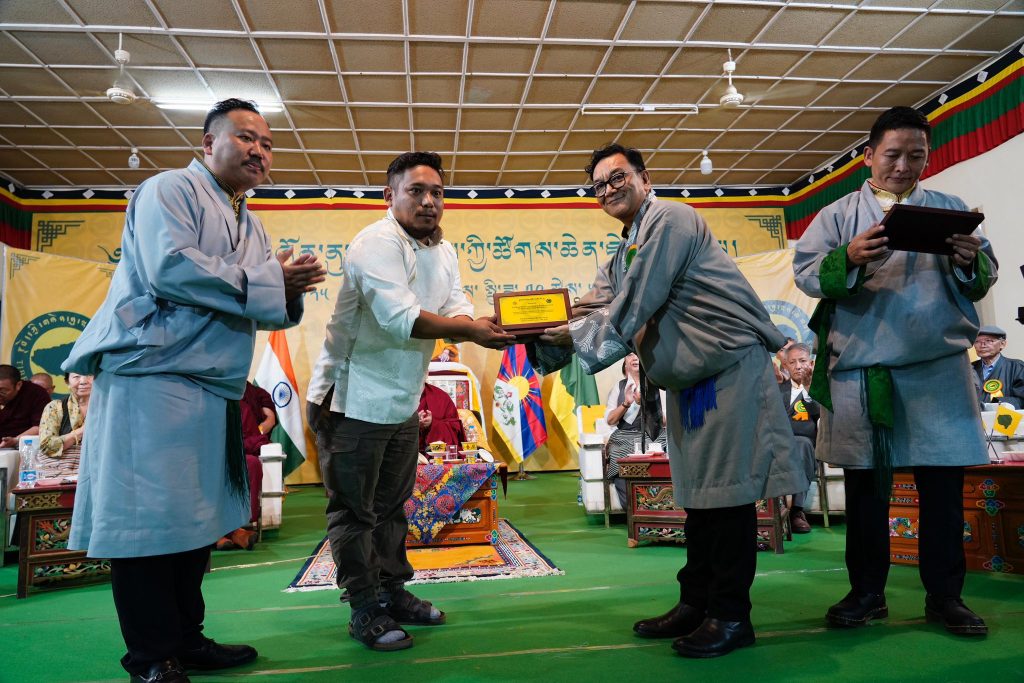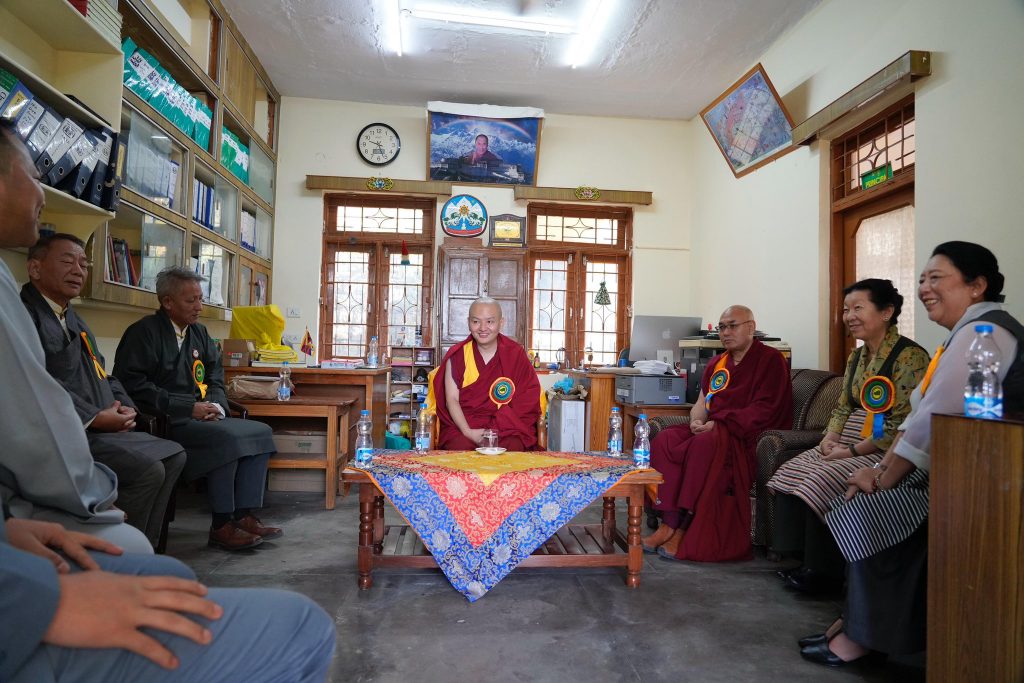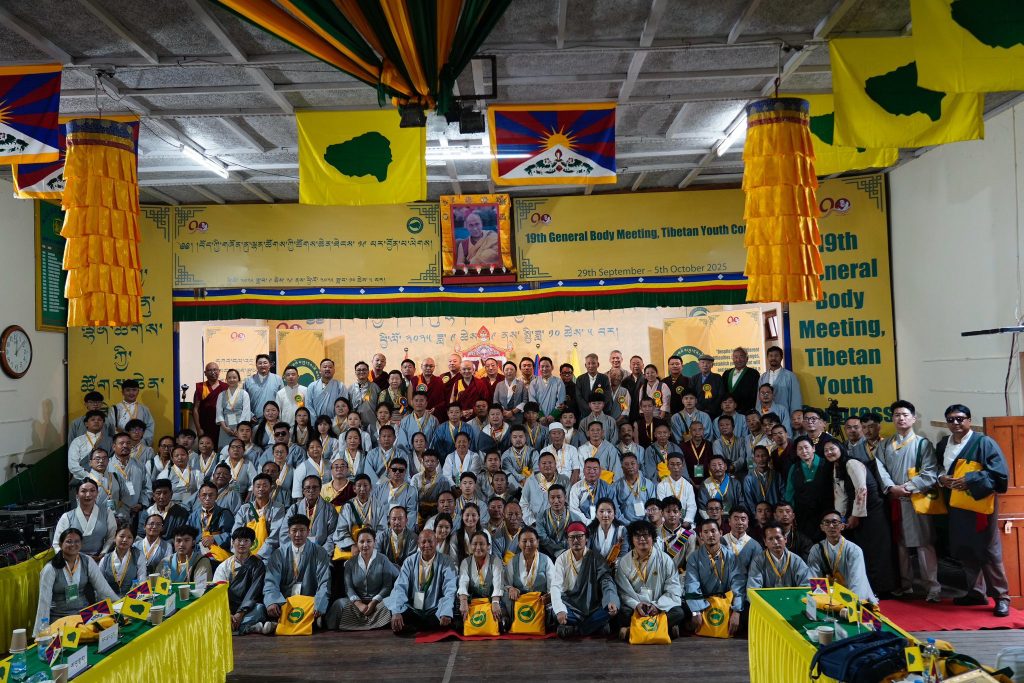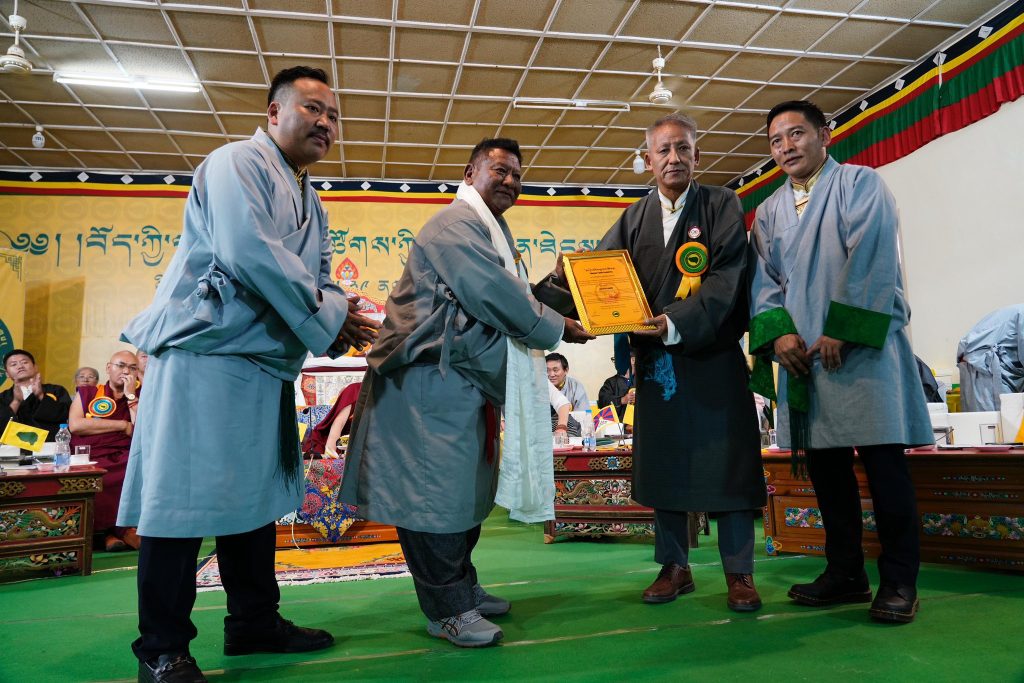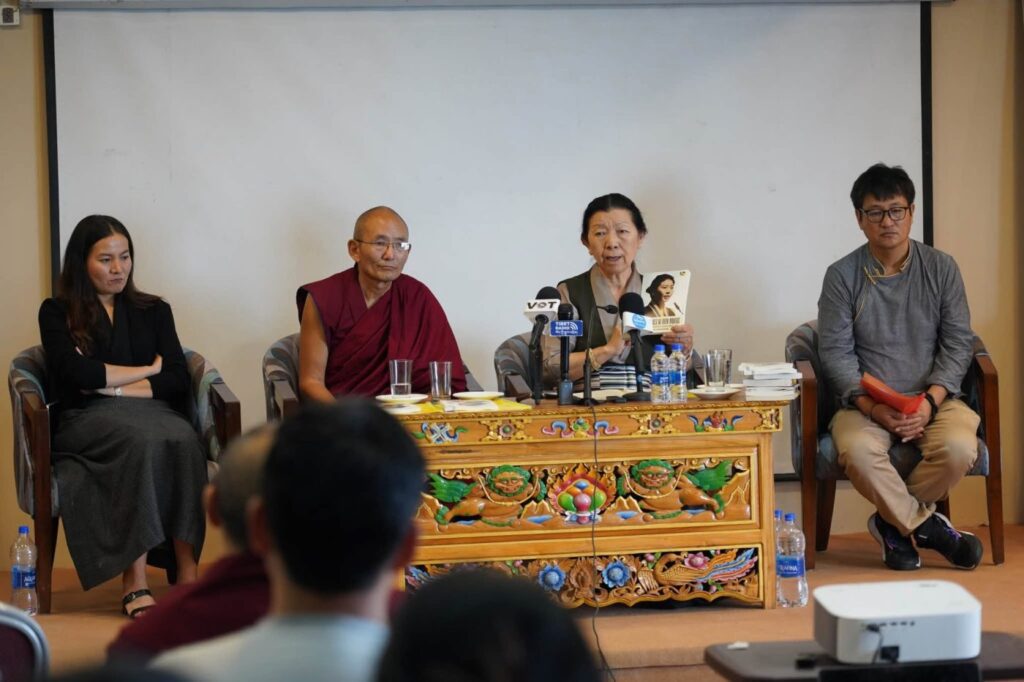

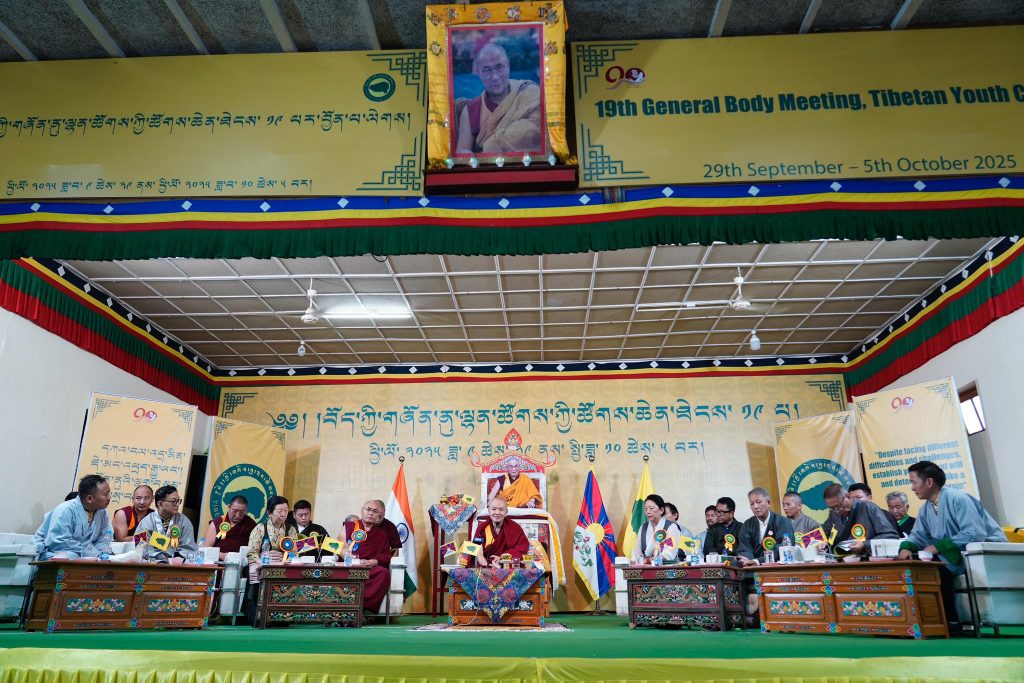
Dharamshala: Speaker Khenpo Sonam Tenphel led Standing Committee members of the Tibetan Parliament-in-Exile attended the opening of the 19th General Body Meeting of Tibetan Youth Congress (TYC) held on 29 September 2025. The meeting is scheduled from 29 September to 5 October 2025.
The opening ceremony was graced by Kundeling Tatsak Rinpoche as the Chief Guest, Speaker Khenpo Sonam Tenphel, Kalon Gyari Dolma of the Department of Security, Deputy Speaker Dolma Tsering Teykhang, Election Commissioner Lobsang Yeshi, Public Service Commissioner Karma Yeshi, Kasur Lobsang Nyendak, Parliamentarians, and other distinguished guests. Also in attendance were the Tibetan Settlement Officer of Dharamshala, heads of the NGOs, and participants of the meeting from 45 regional chapters of the Tibetan Youth Congress.
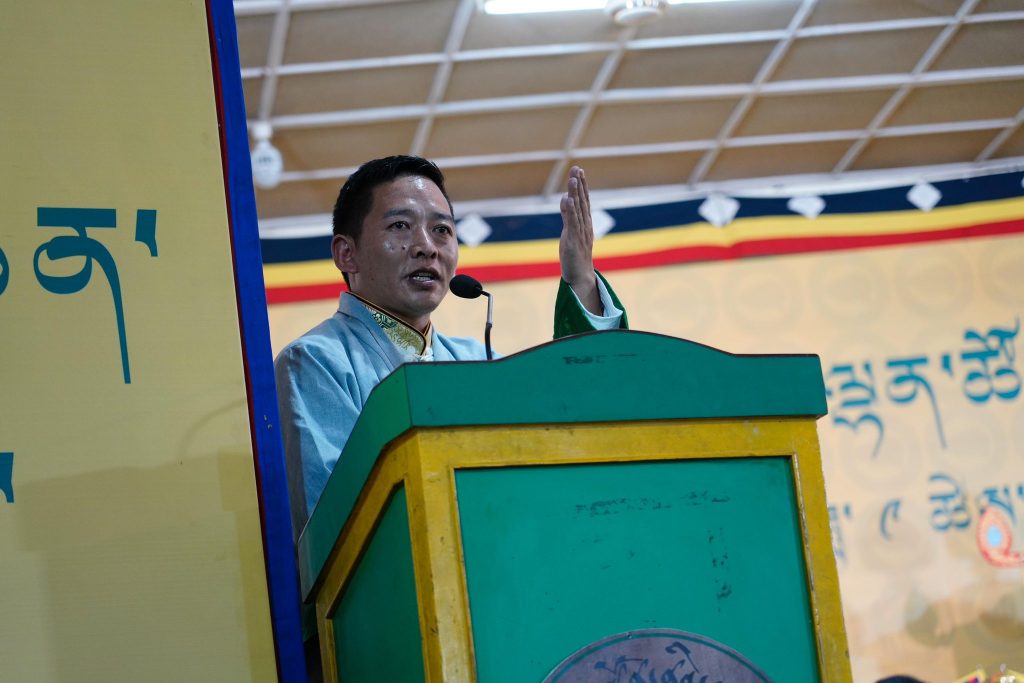
Addressing the gathering, the Speaker focused on unity, the survival of Tibetan identity, and the importance of non-violent resistance in the face of continued Chinese policies in Tibet. The Speaker noted that Tibetans have lived in exile for more than six decades, following the 1959 occupation of Tibet by the Chinese Communist Party. Despite immense challenges, the Tibetan people have endured with the guidance of His Holiness the Dalai Lama, the sacrifices of older generations, and the support of India and the international community.
He described the current situation inside Tibet as critical for Tibetan religion, culture, and language, citing Beijing’s ongoing policies of sinicisation, cultural assimilation, and the enforced use of Mandarin over the Tibetan language.
The Tibetan Youth Congress was praised for its contributions to the freedom movement. The Speaker advised its members and leaders to act with responsibility, conscience, and a clear sense of purpose, while also strengthening their commitment to the struggle. He emphasised that the younger generation must take up the responsibility of sustaining the movement through modern education and peaceful resistance.
Reflecting on Tibetan history, the Speaker reminded participants of Tibet’s cultural and civilizational pride, pointing to its unique language, culture, and territory as enduring reasons for hope. He also recalled the courage of Tibetans inside Tibet, referencing peaceful protests of the 1980s, the 2008 uprising, and the 157 self-immolations since 2009, which he described as powerful sacrifices that must not be forgotten.
A central message of the address was that the struggle should target harmful state policies rather than individuals. The Speaker stressed Tibetans must focus on exposing unjust policies to the international community and demonstrating their destructive effects inside Tibet.
Citing Mahatma Gandhi’s non-violent struggle for India’s independence and Buddhist teachings that identify afflictions rather than people as the true enemy, the Speaker reaffirmed that Tibet’s freedom movement must remain rooted in peaceful resistance.
He also emphasised the importance of international solidarity, pointing to cooperation with parliamentary support groups, governments, and other communities under Chinese rule, including Uyghurs and Hong Kongers.
The address concluded with prayers for the long life of His Holiness the Dalai Lama, the swift resolution of the Sino-Tibetan conflict, and the reunification of Tibetans inside and outside Tibet.
-Report filed by Tibetan Parliamentary Secretariat