
Geneva, 29 September 2025: The United Nations Special Rapporteur in the field of cultural rights, Alexandra Xanthaki, has raised serious concerns over recent changes in the nomenclature of Tibetan exhibits at two major Parisian museums. Reports indicate that the Musée du Quai Branly and the Musée Guimet have replaced the term “Tibet” with “Xizang Autonomous Region” and “Himalayan World,” respectively, sparking accusations of historical distortion and cultural erasure.
In a communication dated 31 July 2025, Special Rapporteur Xanthaki addressed the Government of China, seeking clarification regarding the circumstances surrounding these nomenclature changes. Similar letters were also sent to the Government of France, to Quai Branly Museum, for information, and to the Guimet Museum, for consideration and action.
The letters question whether the alterations were influenced by Chinese authorities and examines their compliance with international human rights standards, particularly in relation to the protection of cultural heritage and the right to self-determination.
The issue gained widespread attention following an open letter published in Le Monde on 31 August 2024 by a collective of researchers and academics. The letter condemned what they described as foreign interference by the People’s Republic of China in the representation and naming of cultures it seeks to suppress. Subsequent demonstrations were held in Paris on 21 and 29 September 2024, with civil society organisations and scholars specialising in Tibetan and Chinese studies gathering near the Quai Branly and Guimet museums.
In response, the Quai Branly Museum held a meeting with Tibetan community leaders on 25 September 2024. Museum representatives reportedly acknowledged the need to rectify the nomenclature changes, committing to remove the term “Xizang” from its catalogue and to resolve technical issues affecting online access. By 7 October 2024, “Xizang” had been effectively replaced by “Tibet” in the museum’s online database, correcting the earlier misrepresentation.
Conversely, the Guimet Museum has faced ongoing legal challenges over its decision to rename the “Nepal-Tibet” gallery as “Himalayan World.” Pro-Tibetan groups argue that this change diminishes Tibet’s distinct cultural and historical identity, aligning with political narratives promoted by China. Legal notices have been submitted to French authorities and museum officials, demanding the immediate restoration of “Tibet” in the exhibits.
Special Rapporteur Xanthaki emphasised that replacing Tibetan-preferred terminology with terms more acceptable to Chinese authorities undermines the rights of Tibetans to access and enjoy their cultural heritage and compromises their right to self-determination. She has urged that all necessary interim measures be taken to prevent recurrence of such practices.
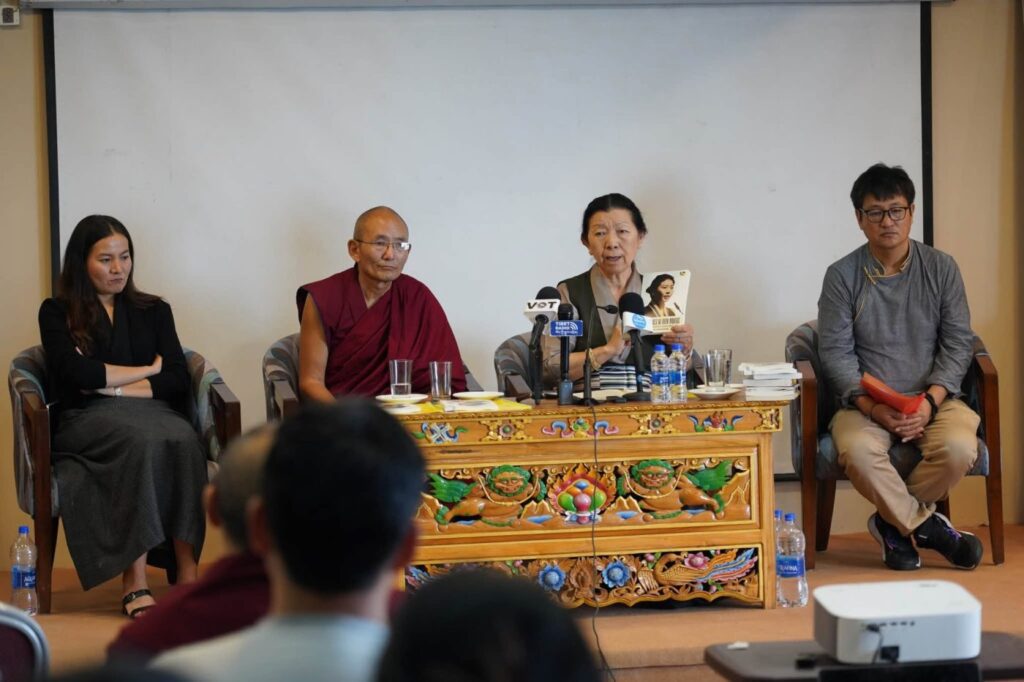
Representative Thinlay Chukki of the Tibet Bureau in Geneva warmly welcomed the Special Rapporteur’s intervention. She expressed deep gratitude for the attention given to the matter and highlighted the importance of international support in safeguarding Tibetan cultural and historical visibility. “We sincerely appreciate the Special Rapporteur’s efforts in bringing global attention to the preservation of Tibetan identity. Such advocacy is essential to ensure that Tibet’s rich cultural heritage is respected and accurately represented worldwide,” Representative Chukki said.
-Report filed by Office of Tibet, Geneva