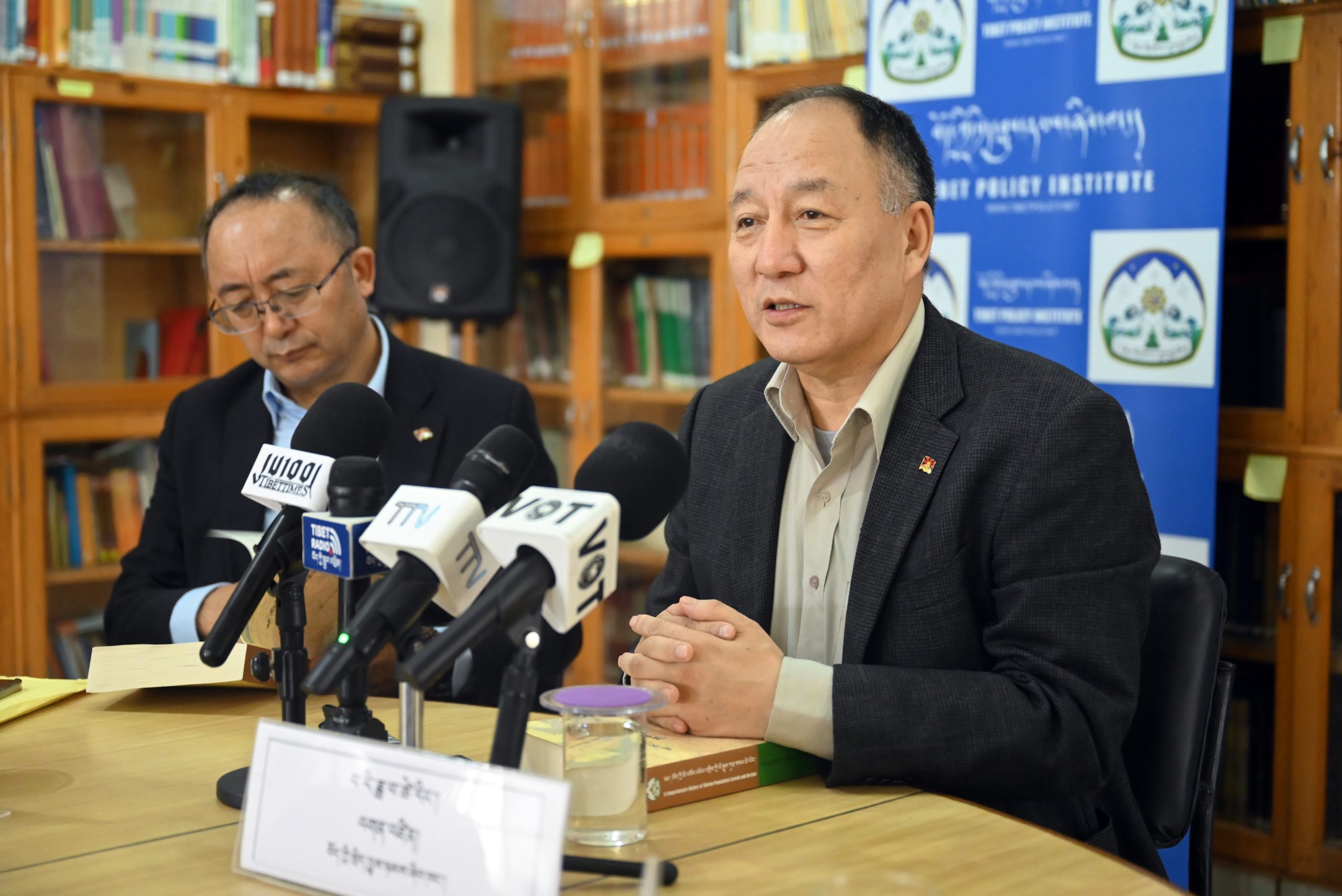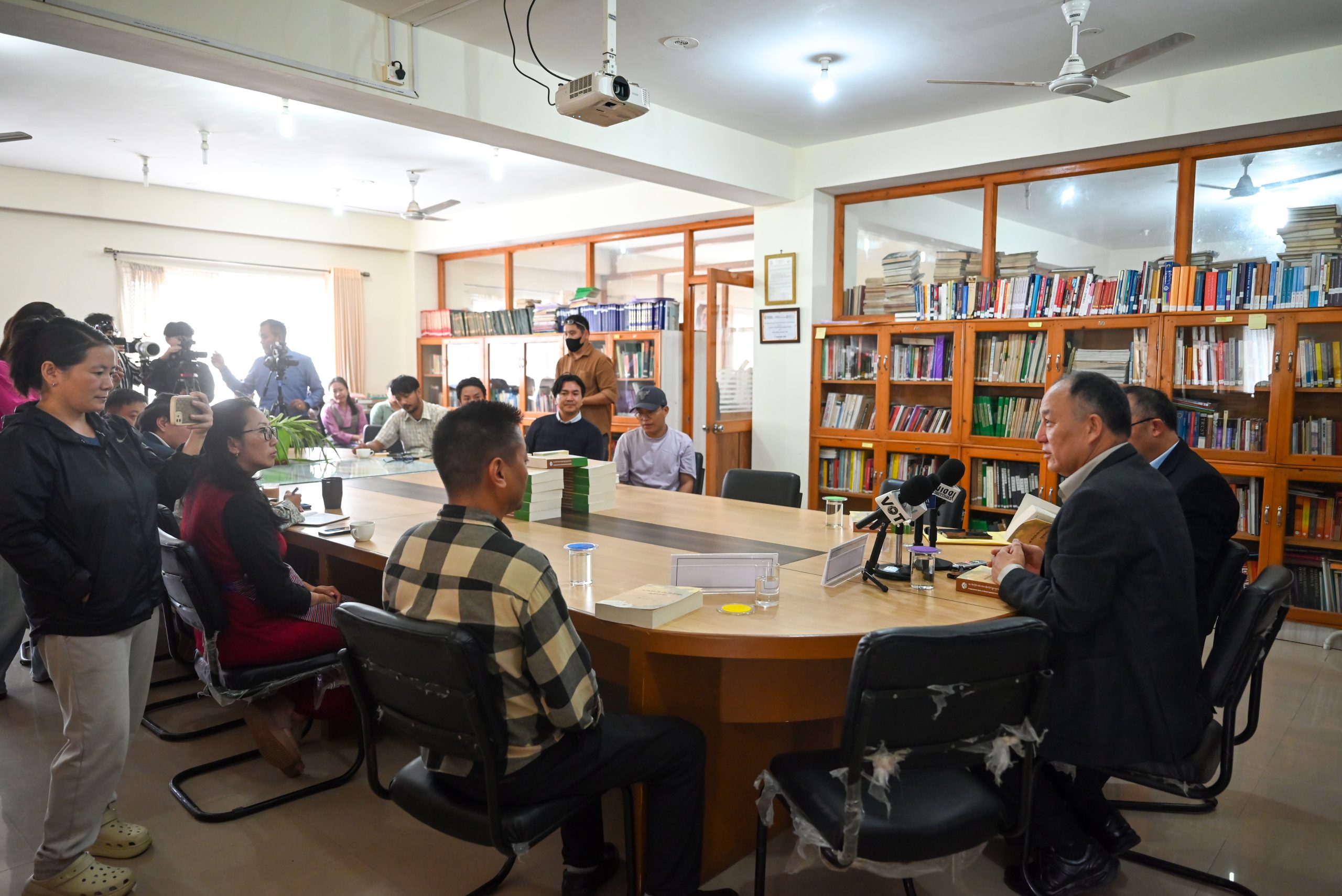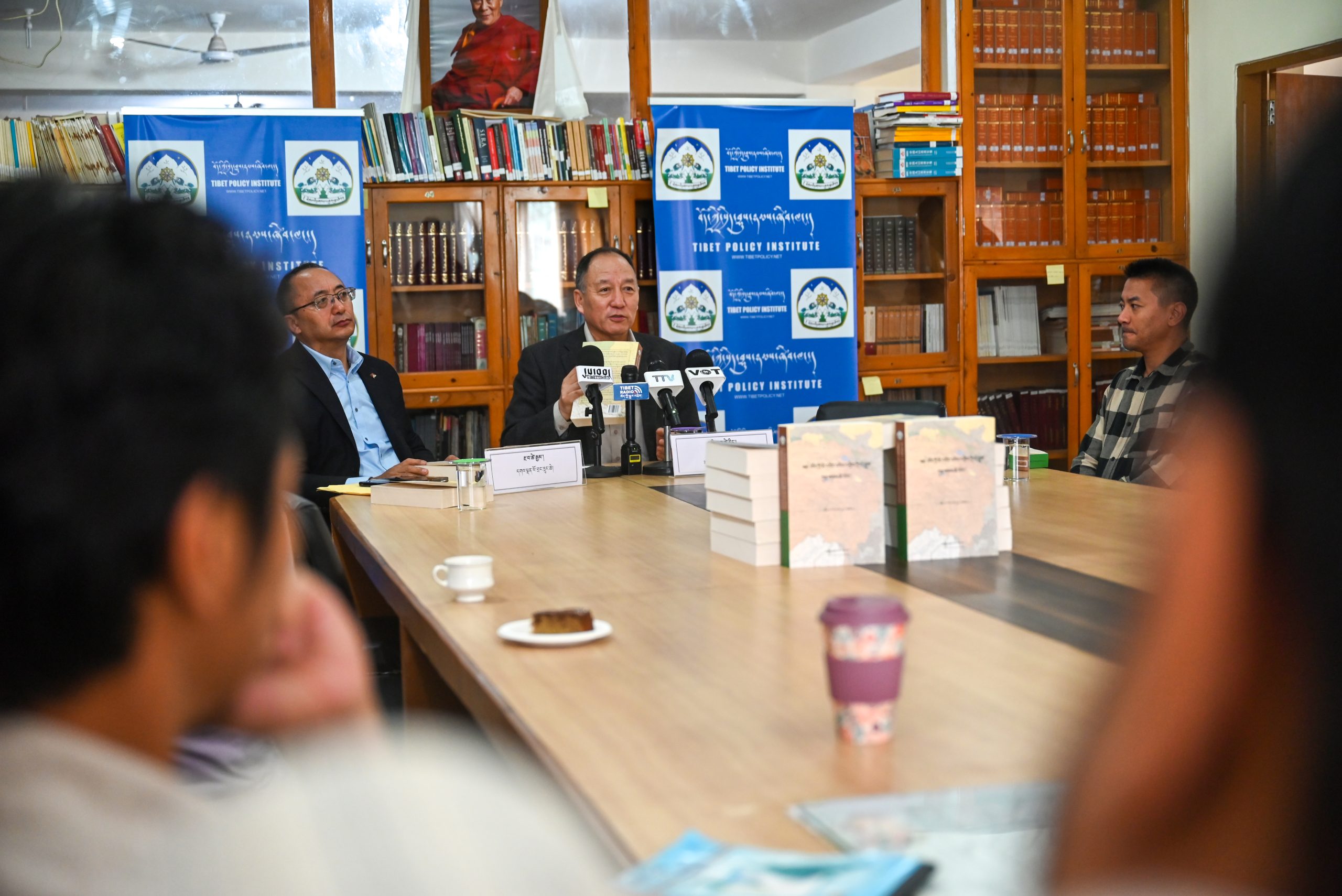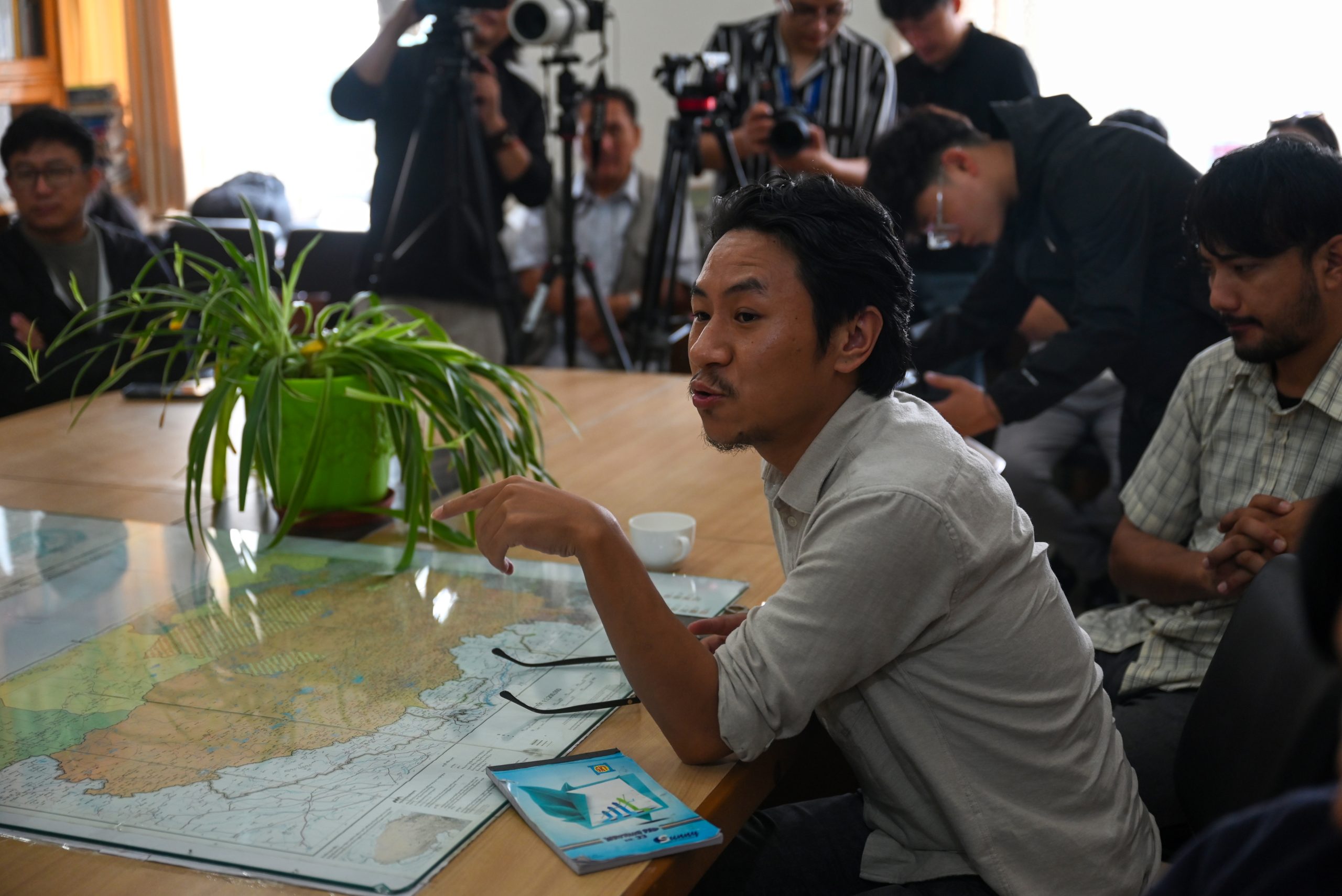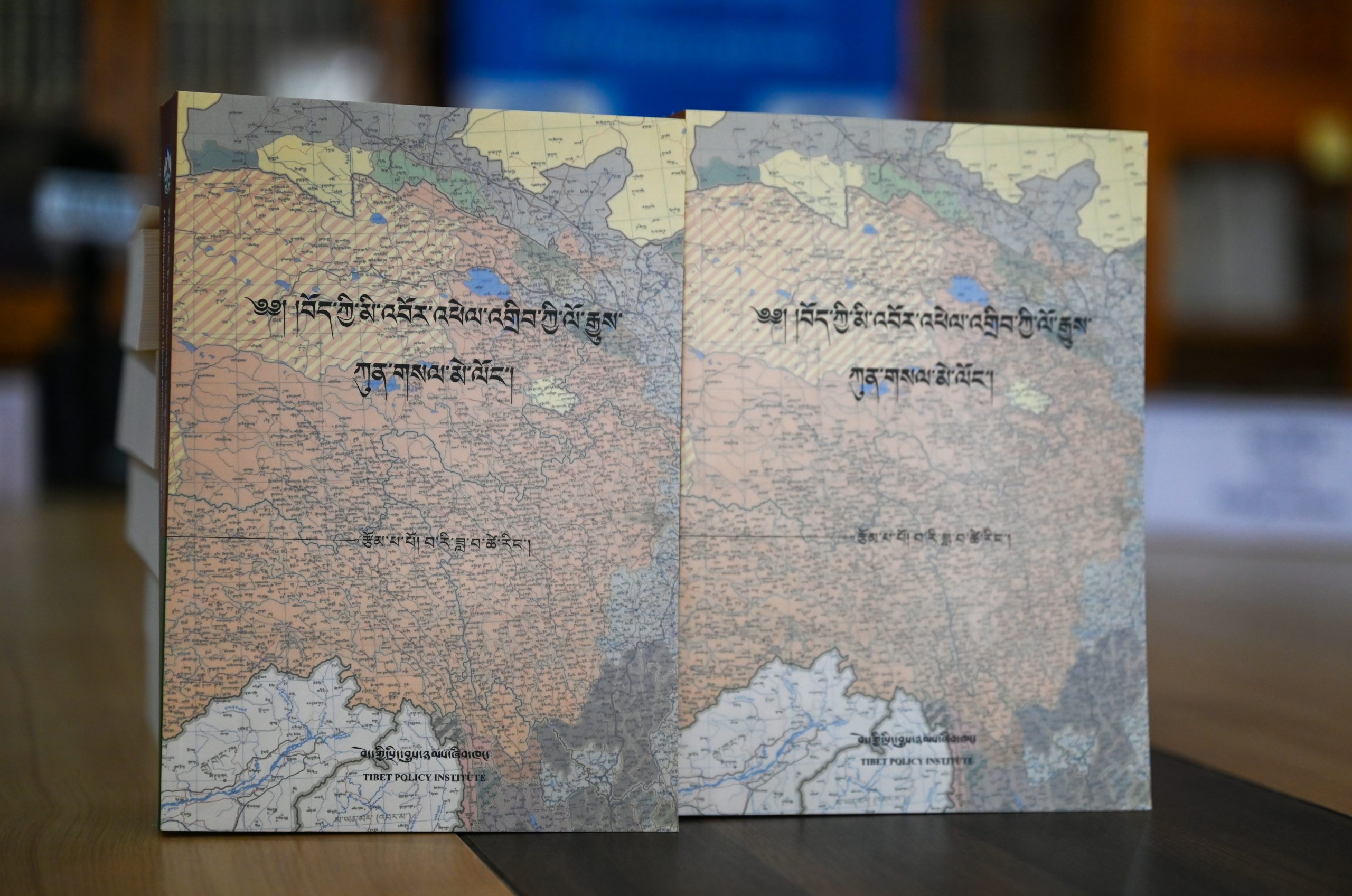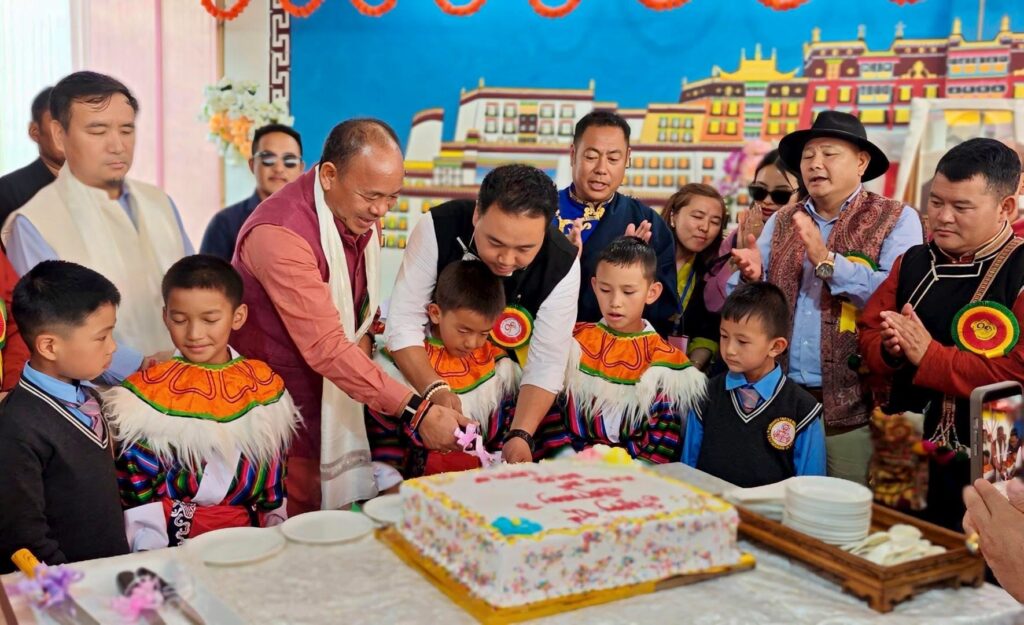


Dharamshala: Earlier this morning at the Tibet Policy Institute (TPI), a book launch event was held to formally inaugurate ‘A Comprehensive History of Tibetan Population Growth and Decline’, authored by Secretary Dawa Tsering, the Director of Tibet Policy Institute.
As one of the first comprehensive analyses of Tibetan demographic fluctuations across different spatiotemporal fabrics of Tibetan history, this book explores a range of historical, political, societal, and cultural factors that contributed to those changes over time.
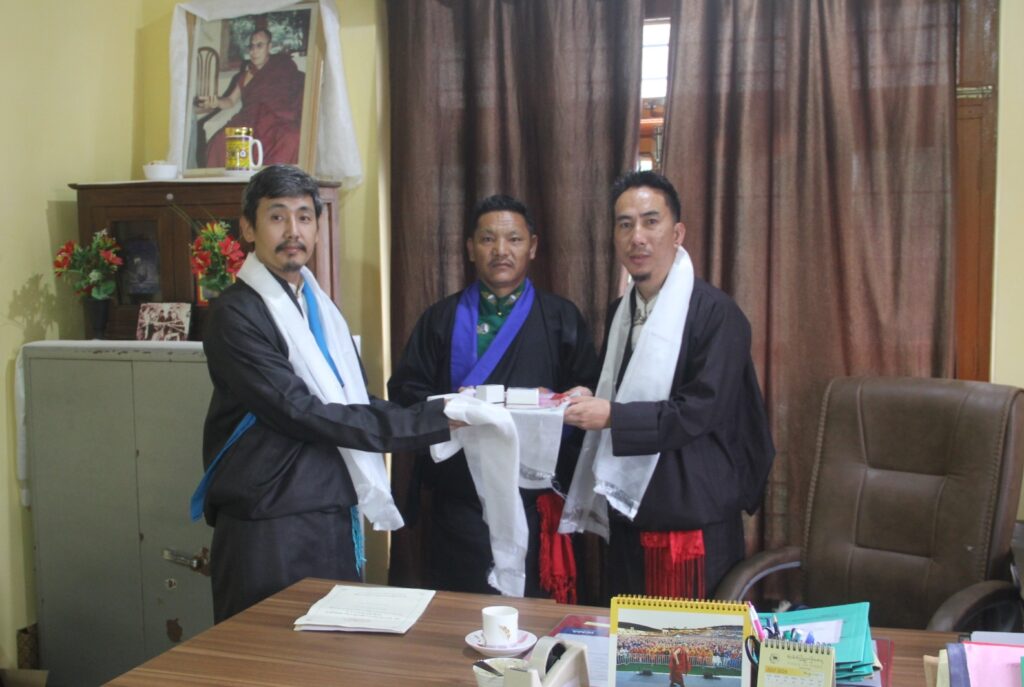
The ceremony was attended by the chief guests, Ngawa Tsegyam, Secretary of the Office of His Holiness the Dalai Lama, and Karma Choeying, Secretary of the Department of Information and International Relations (CTA), along with the author, Deputy Director of TPI Tempa Gyaltsen Zamlha, and the Institute’s Researcher Chen Soepa.
Following introductory remarks by Deputy Director Tempa Gyaltsen Zamlha, the event officially began with a keynote address by the author, Secretary Dawa Tsering. In his talk, he outlined the central objectives behind the book, stating, “Since the illegal occupation of Tibet by the People’s Liberation Army, despite the mass killings of innocent Tibetans, we have struggled to present convincing evidence to the Chinese government and public about the scale of the atrocities—largely due to a lack of documented proof.”
To address this gap, the author explained that the book draws on historical records from both ancient Tibet and imperial China, the research of Western scholars, and official census data from the People’s Republic of China. The goal, he emphasised, is to challenge the Chinese narrative that Tibet had a minimal population and to counter the dismissal of Tibetan claims of mass killings as fabricated.
In his remarks, Secretary Ngawa Tsegyam lauded the author’s efforts, noting that this in-depth analysis of population shifts throughout Tibetan history would serve as a valuable resource for future scholars and researchers interested in the subject. More importantly, he emphasised that such work plays a vital role in raising awareness among Chinese leadership and the general public about the scale of atrocities committed in Tibet as it was originally written in Chinese.
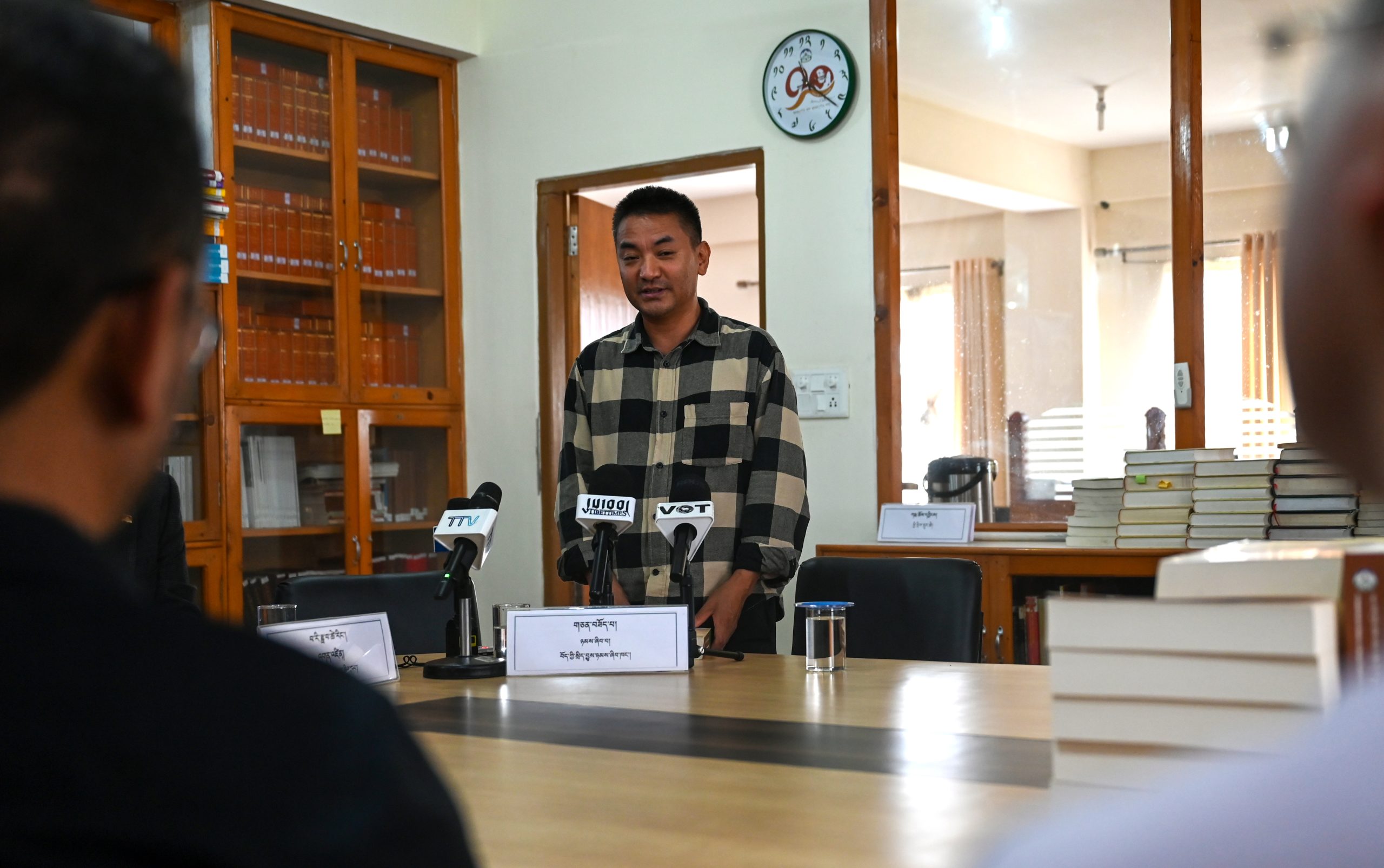
The event was successfully concluded with a closing remarks from the TPI’s researcher, Chen Soepa.