
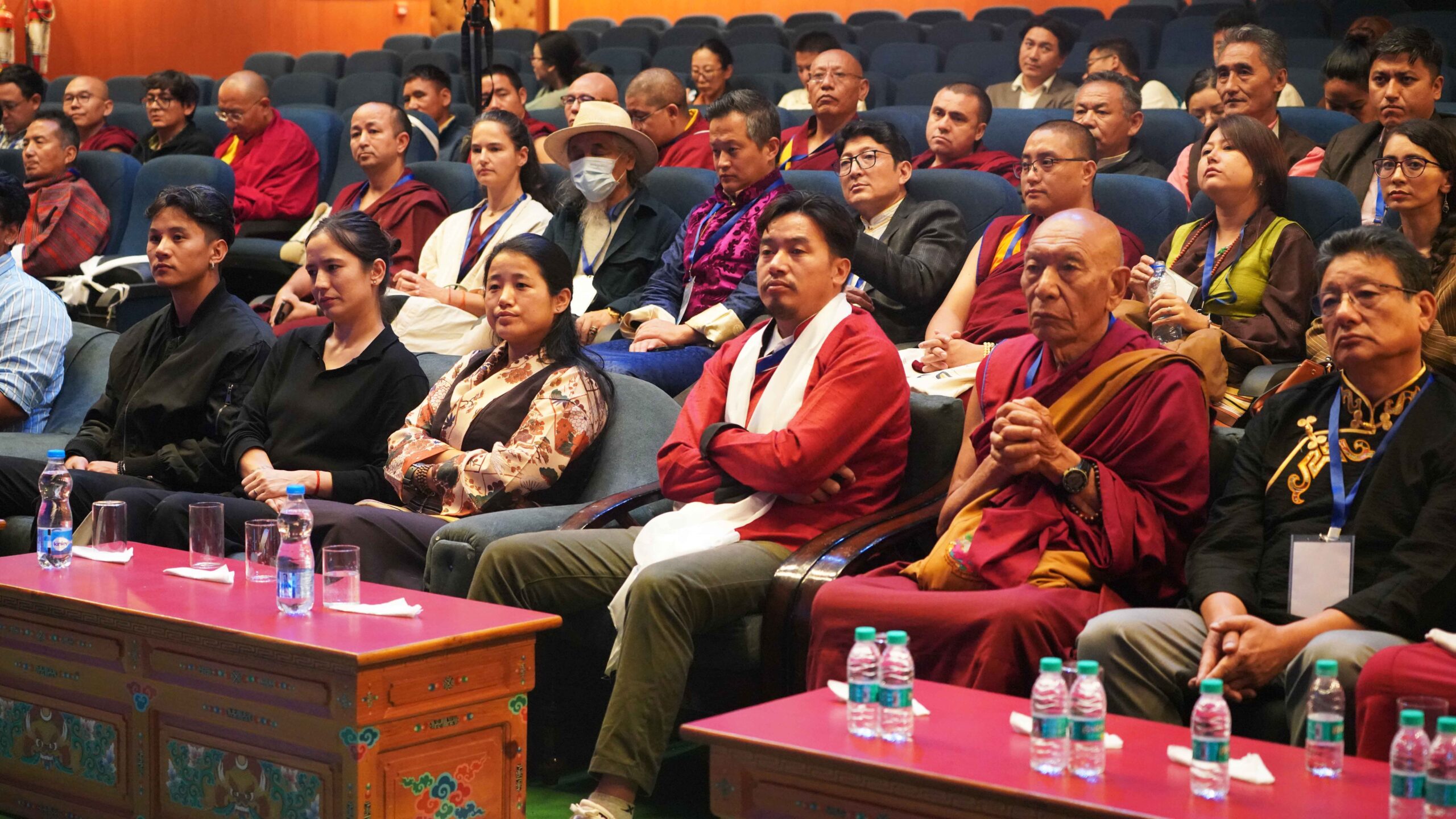
Dharamshala: On 6 September 2025, the Tibet Policy Institute under the Department of Information and International Relations (DIIR) of the Central Tibetan Administration, in collaboration with the Dalai Lama Institute for Higher Education, the Sarah College for Higher Tibetan Studies, and the Monlam Tibetan IT Research Centre, jointly organised a conference on Tibet-Himalayan Relations.
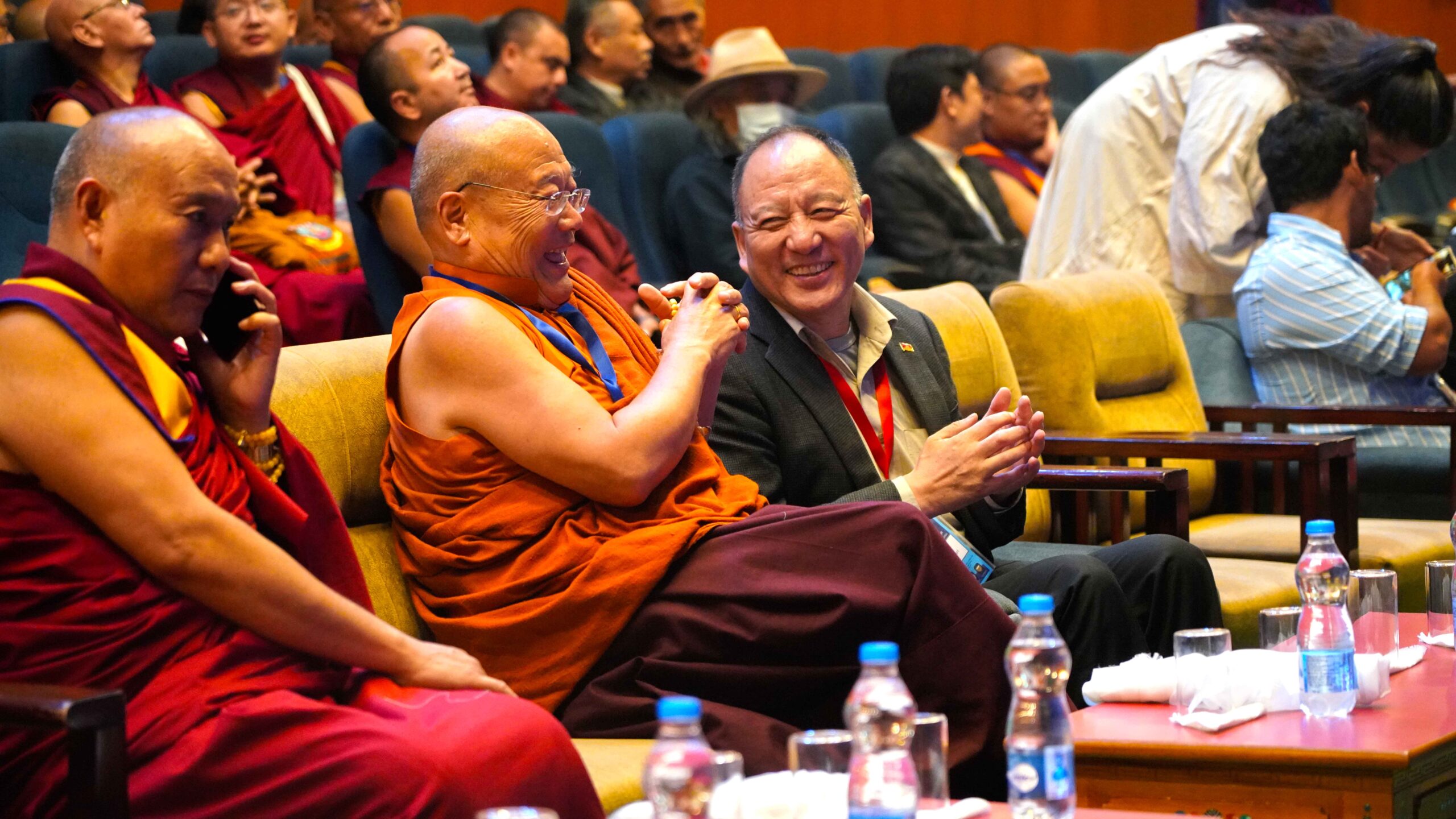
The conference brought together a distinguished gathering of royal lineage members from across the Himalayan regions, eminent scholars, and approximately 90 participants. The evening program at TIPA was graced by the Education Kalon (Minister), Tharlam Dolma Changra, as the Chief Guest. She was accompanied by Kashag Cabinet Secretary, Kungoe Dranye Tsegyal, along with the Director and staff of the Tibet Policy Institute.
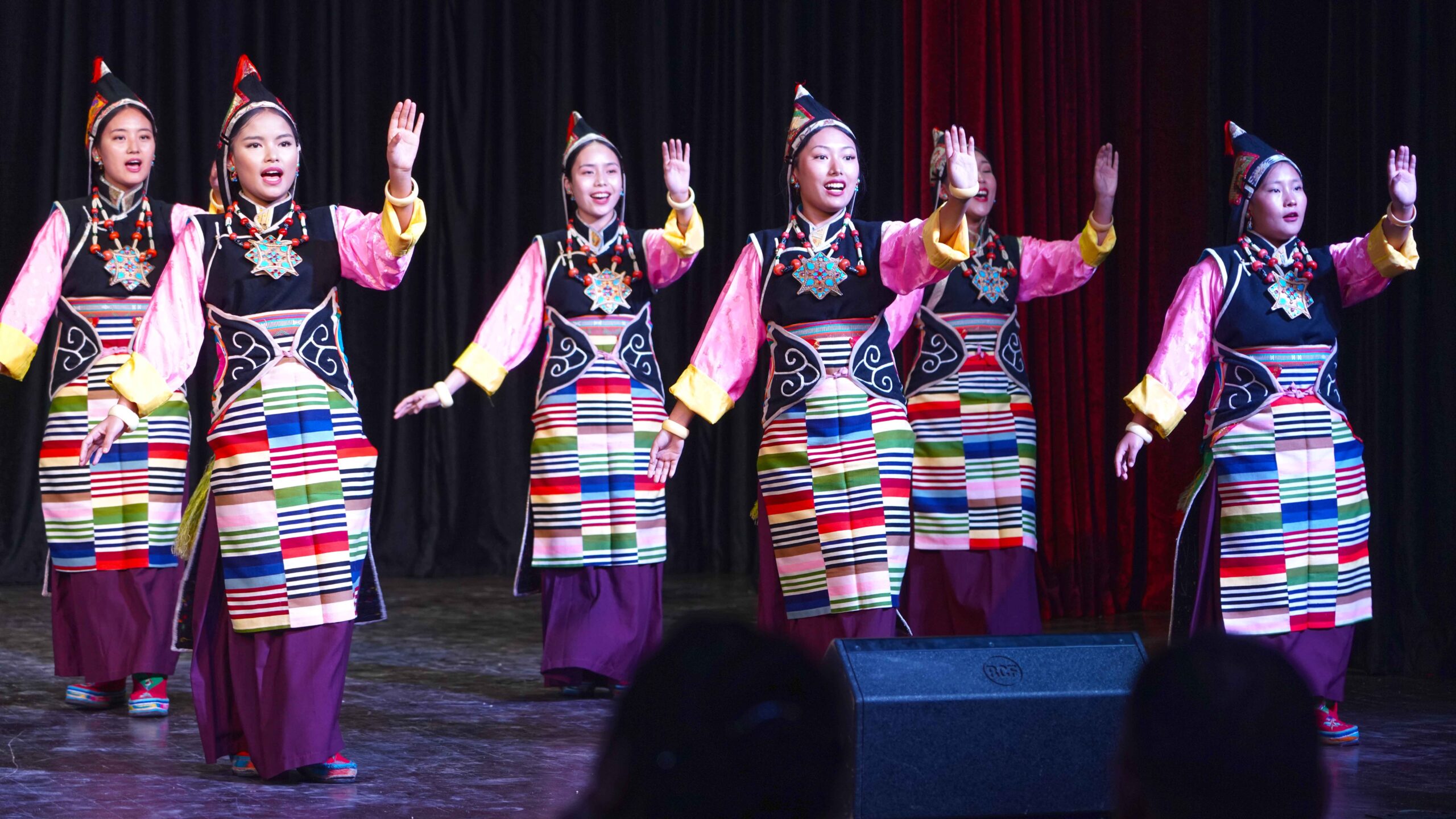
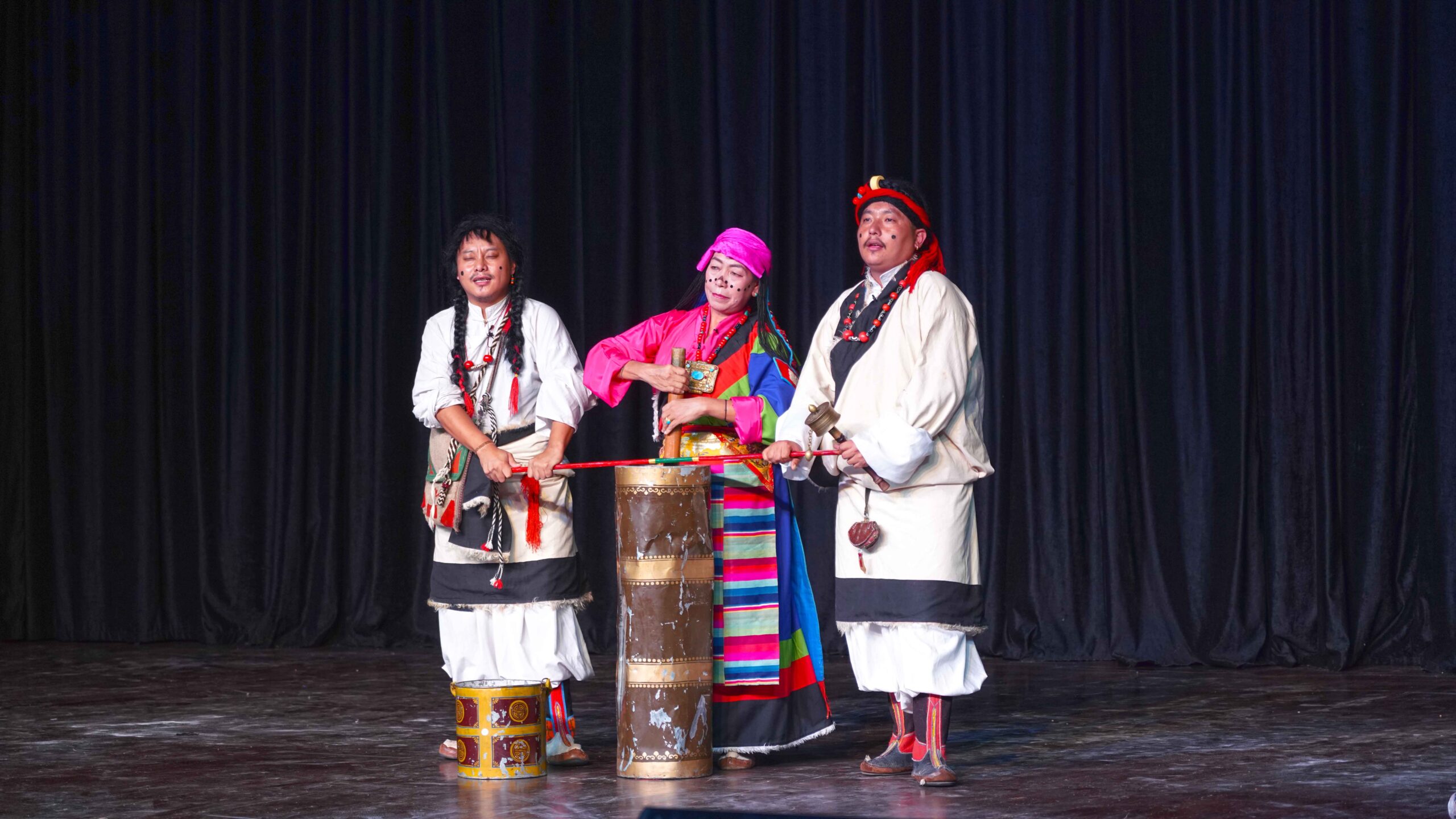
Once all guests were seated in the auditorium of the Tibetan Institute of Performing Arts (TIPA), Director Dhondup Tsering delivered the opening remarks and welcomed the participants. The event commenced with cultural performances by the artists of TIPA.
In her keynote address, the Education Kalon expressed joy and appreciation for organising this collaborative event of Tibet-Himalayan Relations Conference. She highlighted the historical significance of the event, recalling His Holiness the Dalai Lama’s vision of the deep-rooted connections between Tibet and the Himalayan regions—spanning religion, culture, traditions, and shared values—which must be nurtured and preserved.
She also spoke about the grave situation inside Tibet, where, under the Chinese government’s repressive policies, systematic efforts are being made to erode the identity of the Tibetan people. Emphasising the urgency of collective responsibility, she called upon Tibetans in exile—under the leadership of His Holiness—together with Himalayan communities, to safeguard and promote Tibetan religion and culture, and to ensure their transmission to future generations.
Furthermore, she encouraged the scholars and representatives from the Himalayan regions to document their discussions and preserve them as a lasting resource for younger generations. Praising the outstanding performances of the TIPA artists, she commended their evolving artistry and extended heartfelt gratitude to the staff and performers for their dedication and excellence.
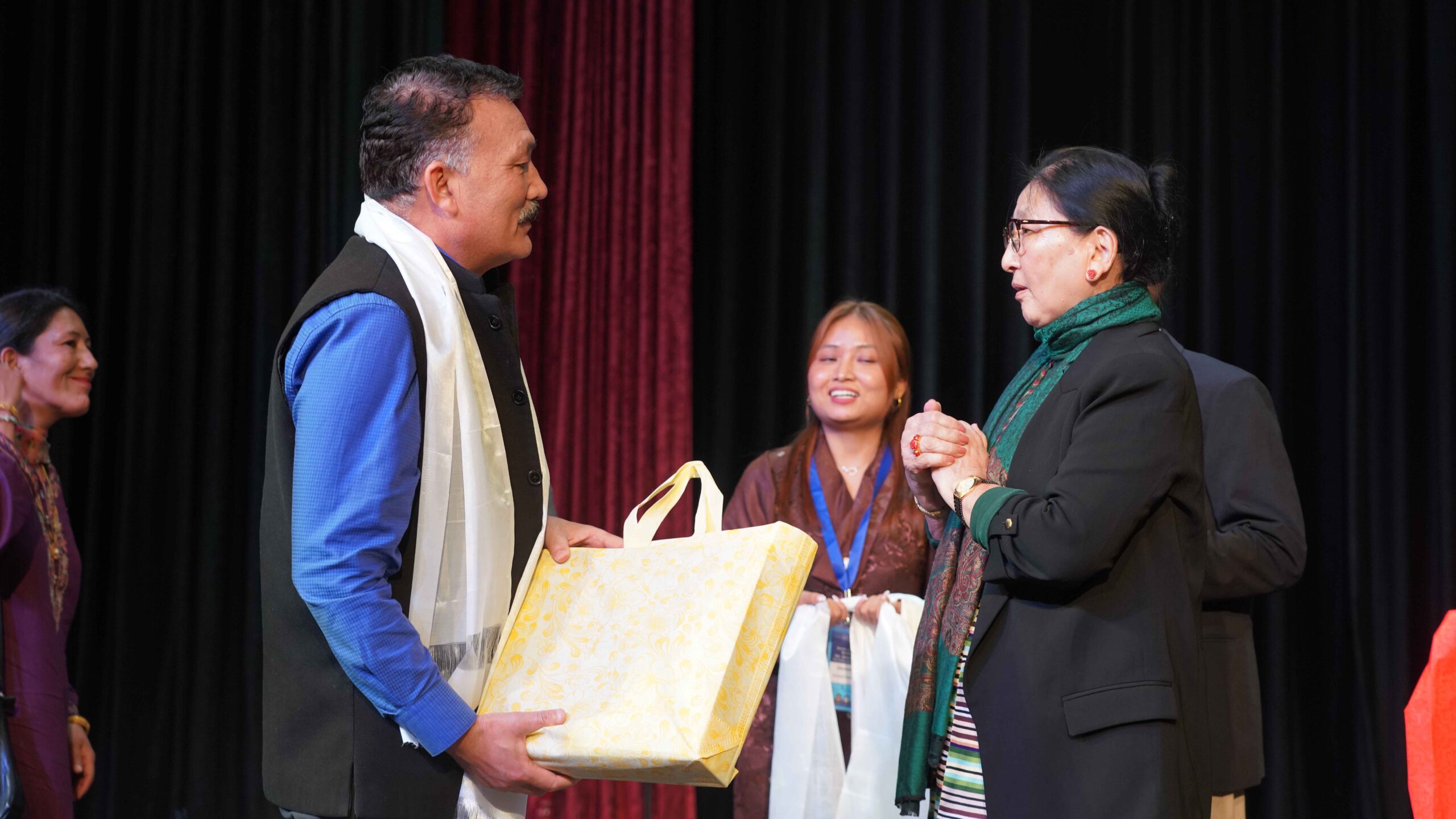
The evening concluded with the presentation of mementos to the distinguished guests on behalf of the Kashag, Central Tibetan Administration, followed by a dinner reception for all attendees.
-Report filed by Tibetan Institute of Performing Arts