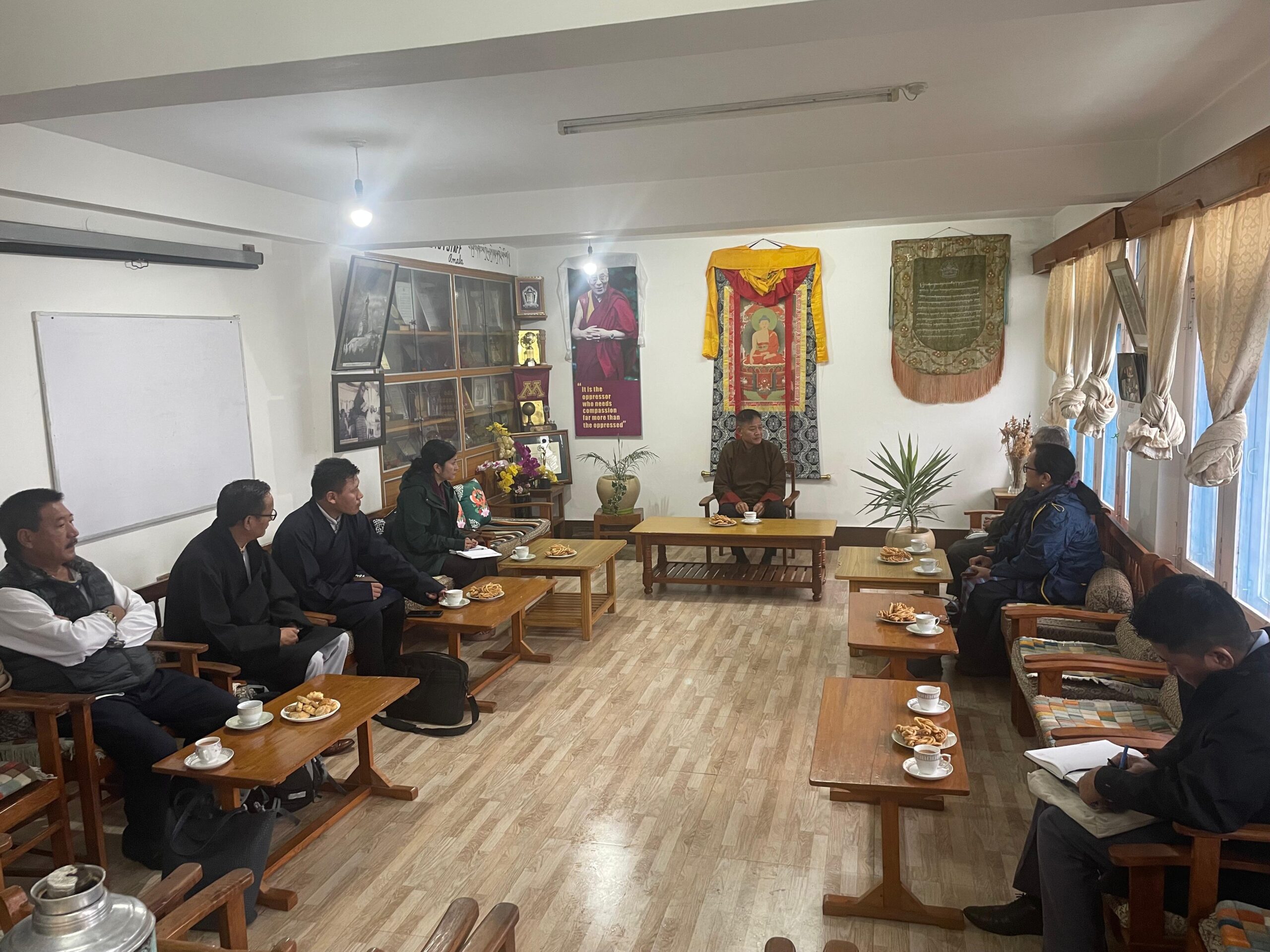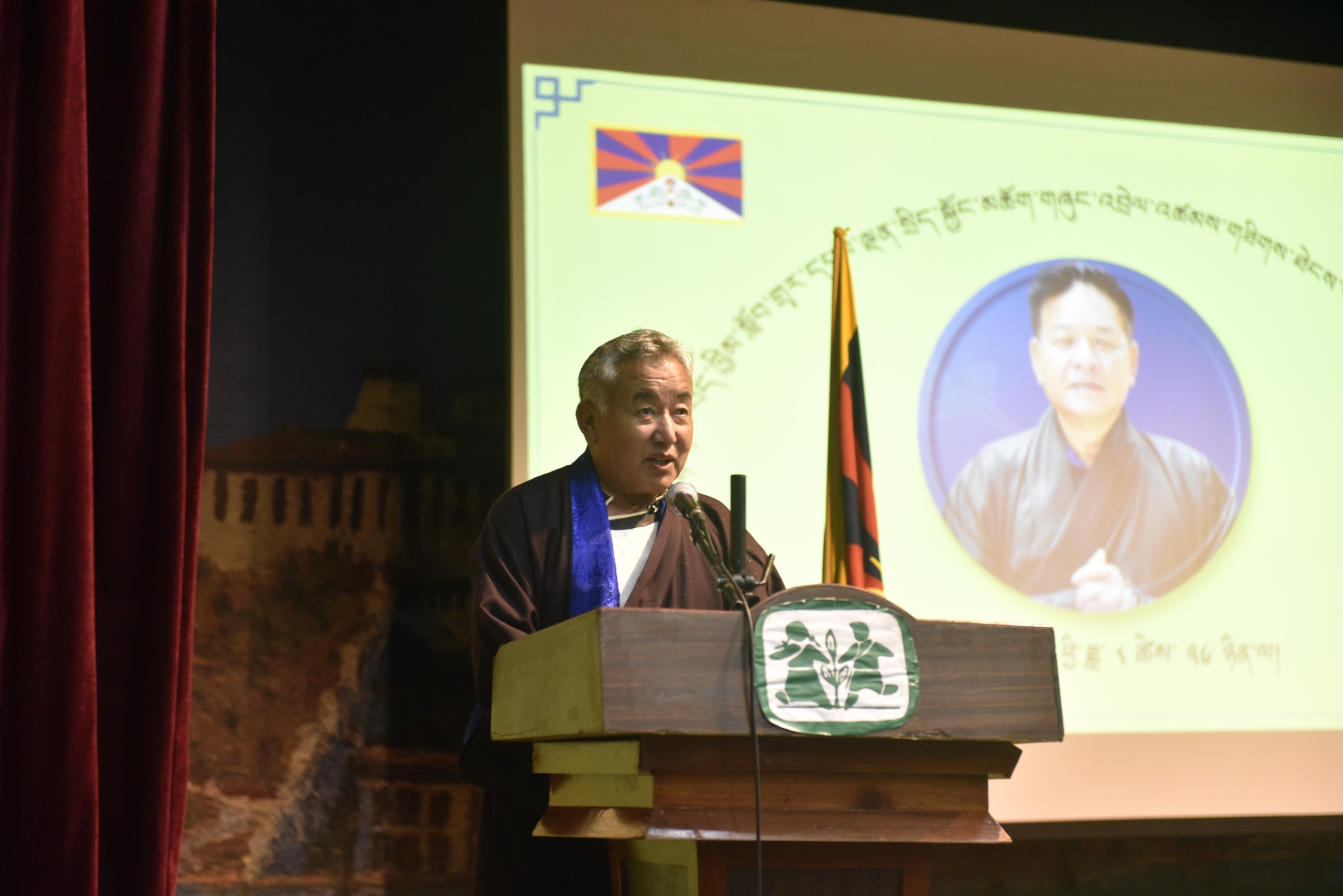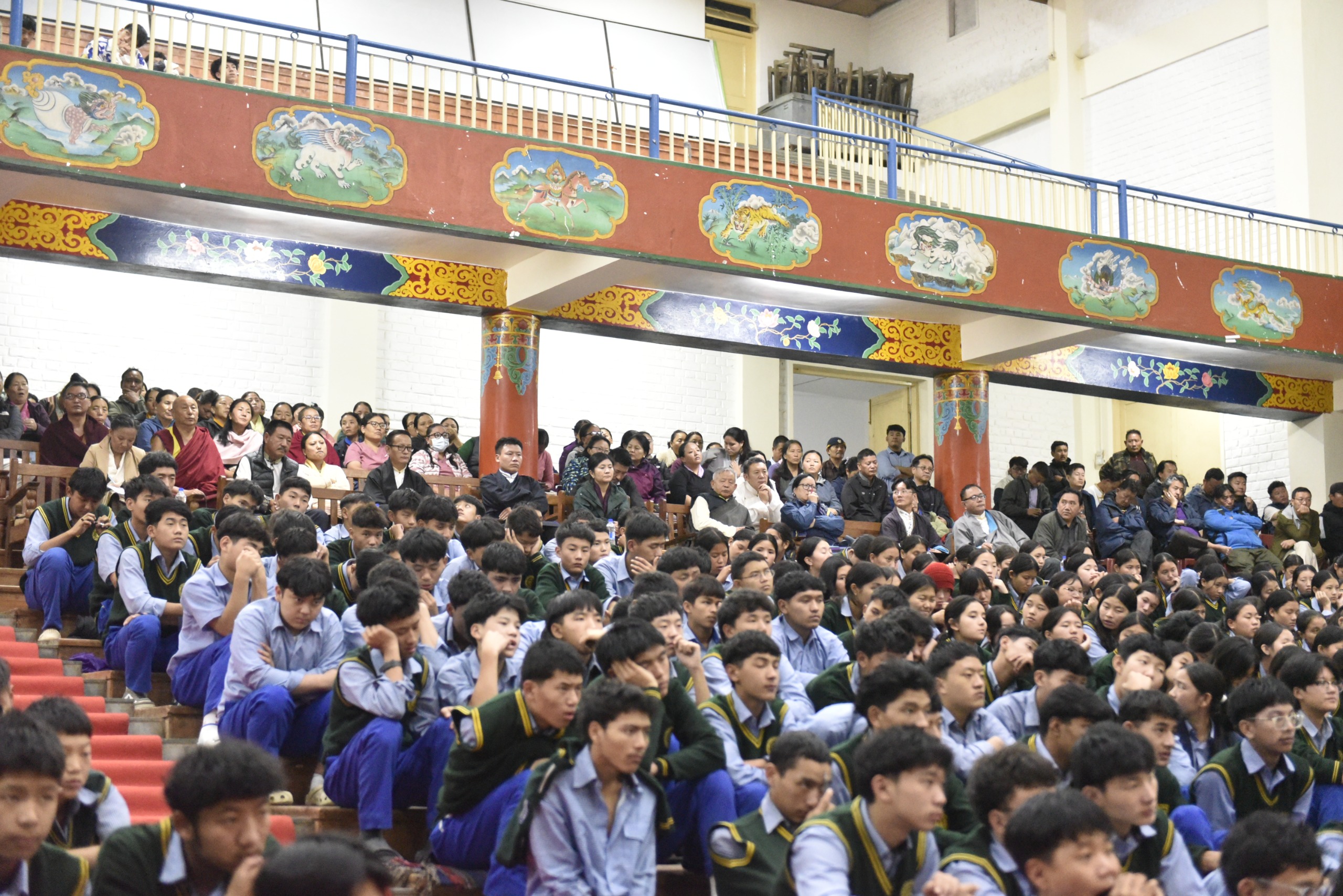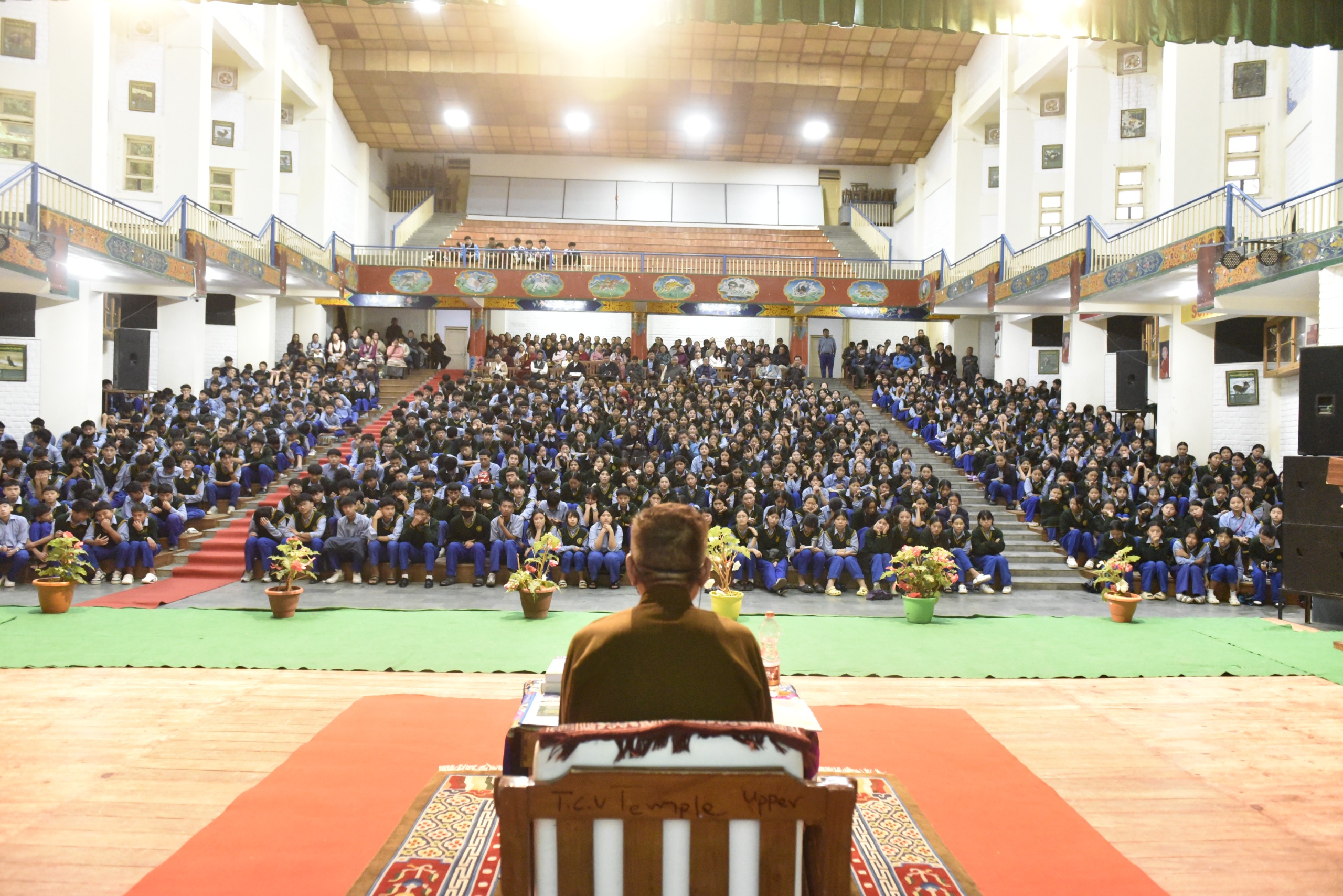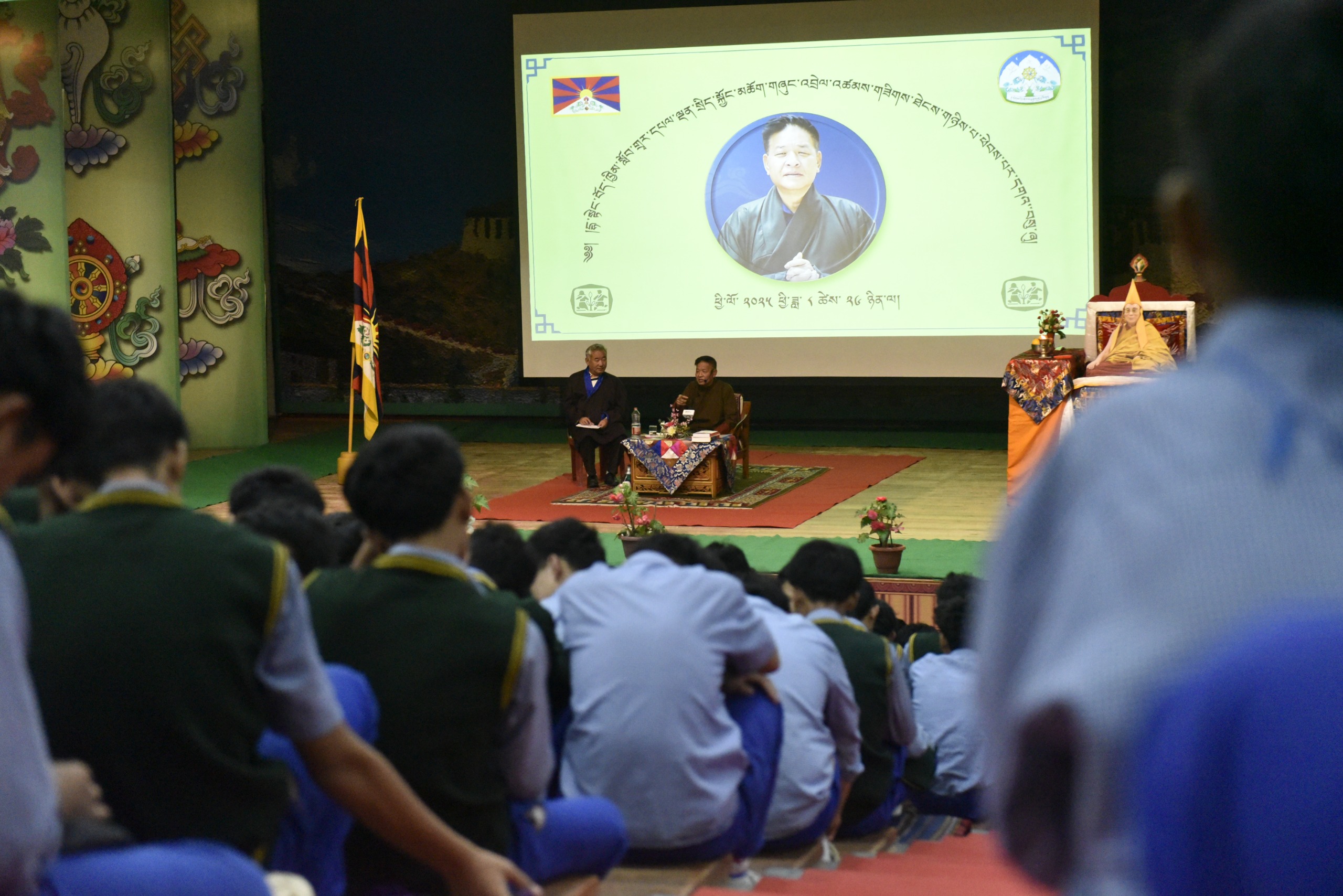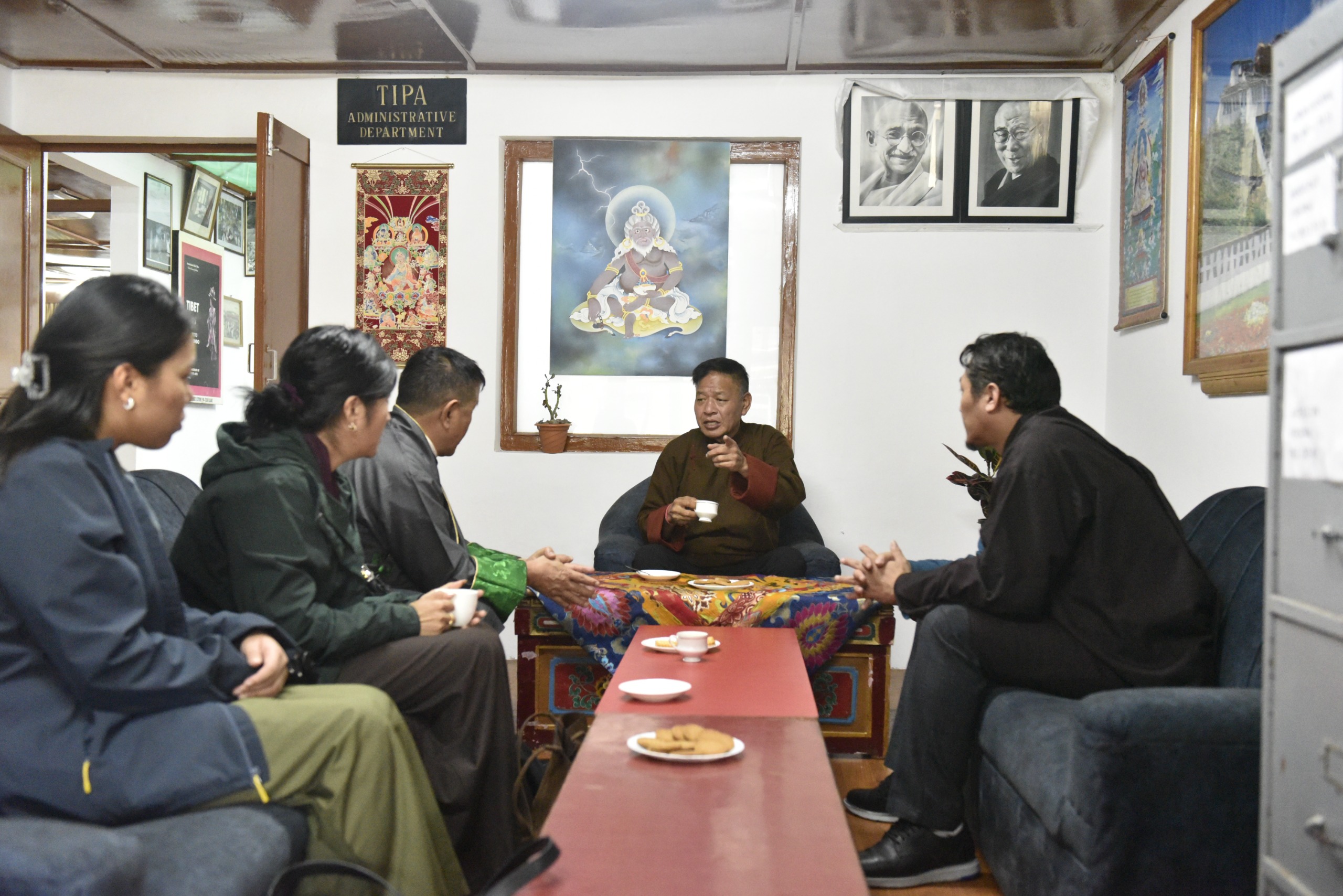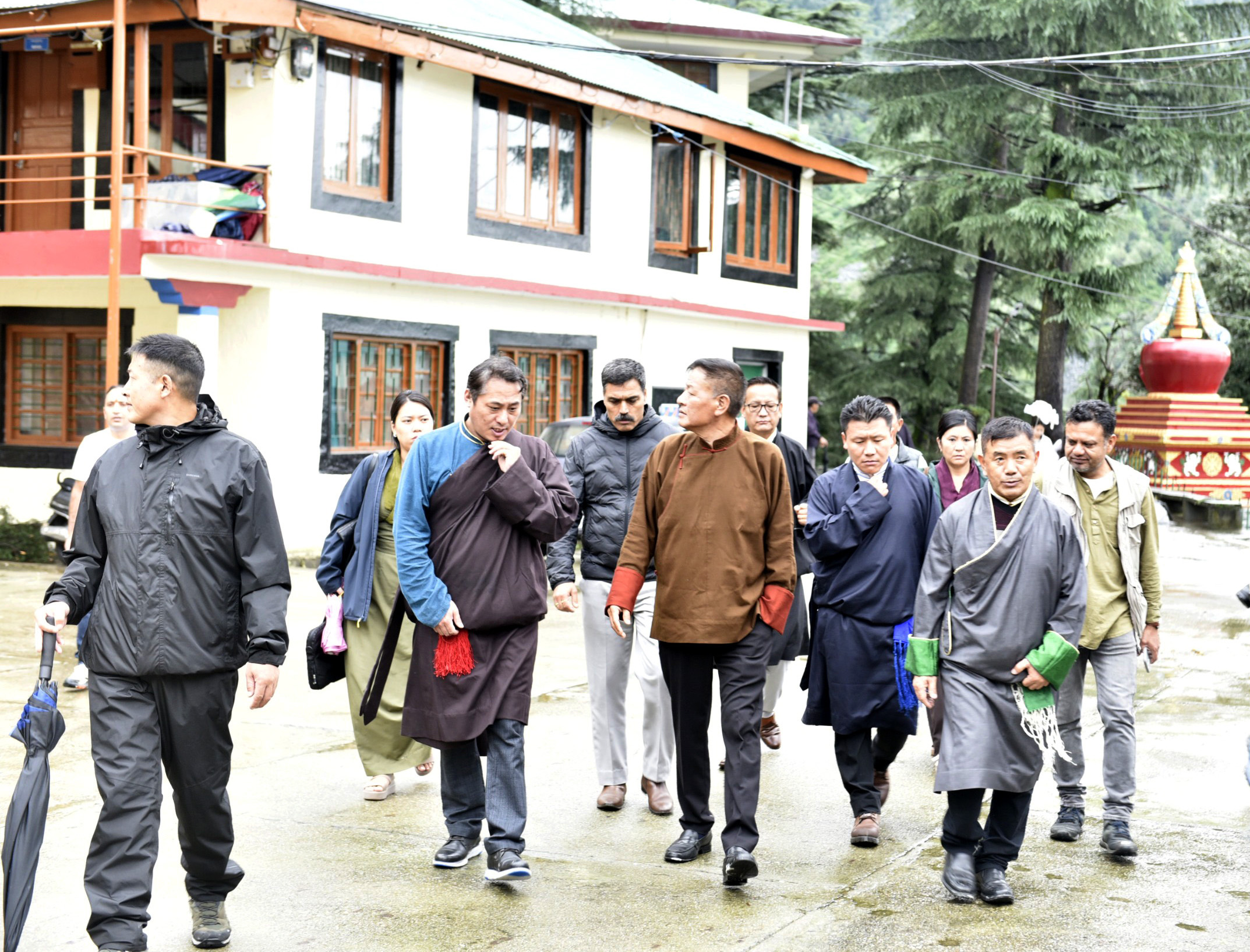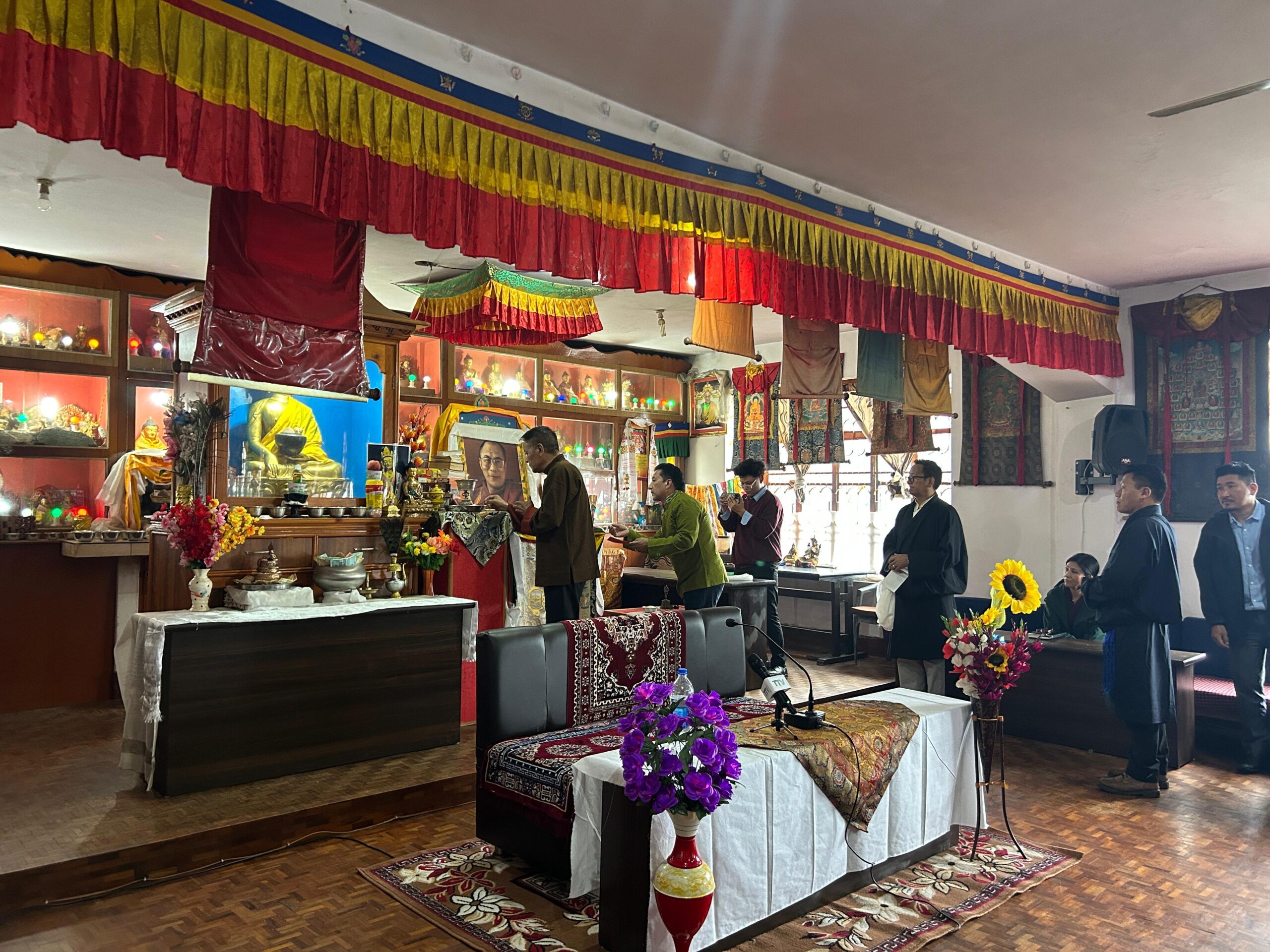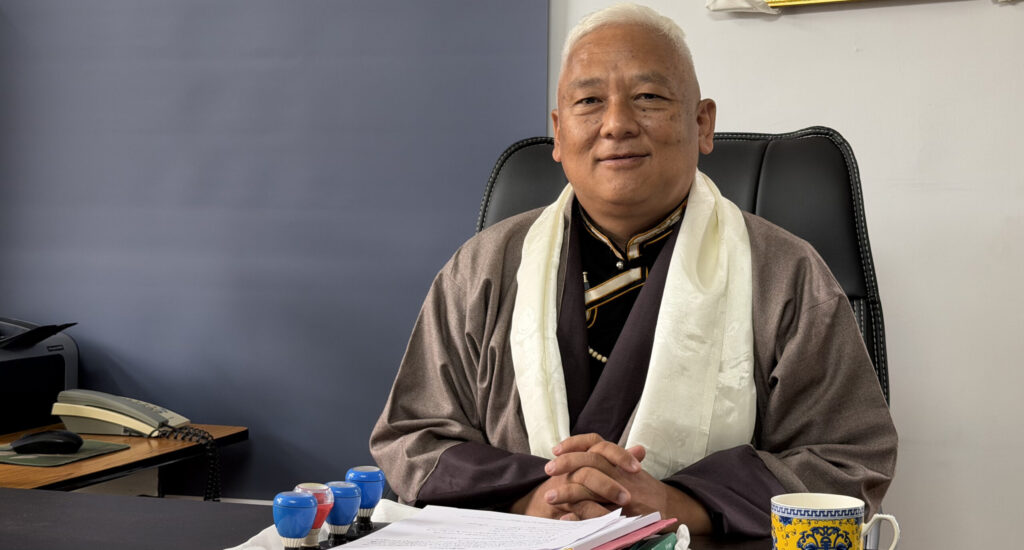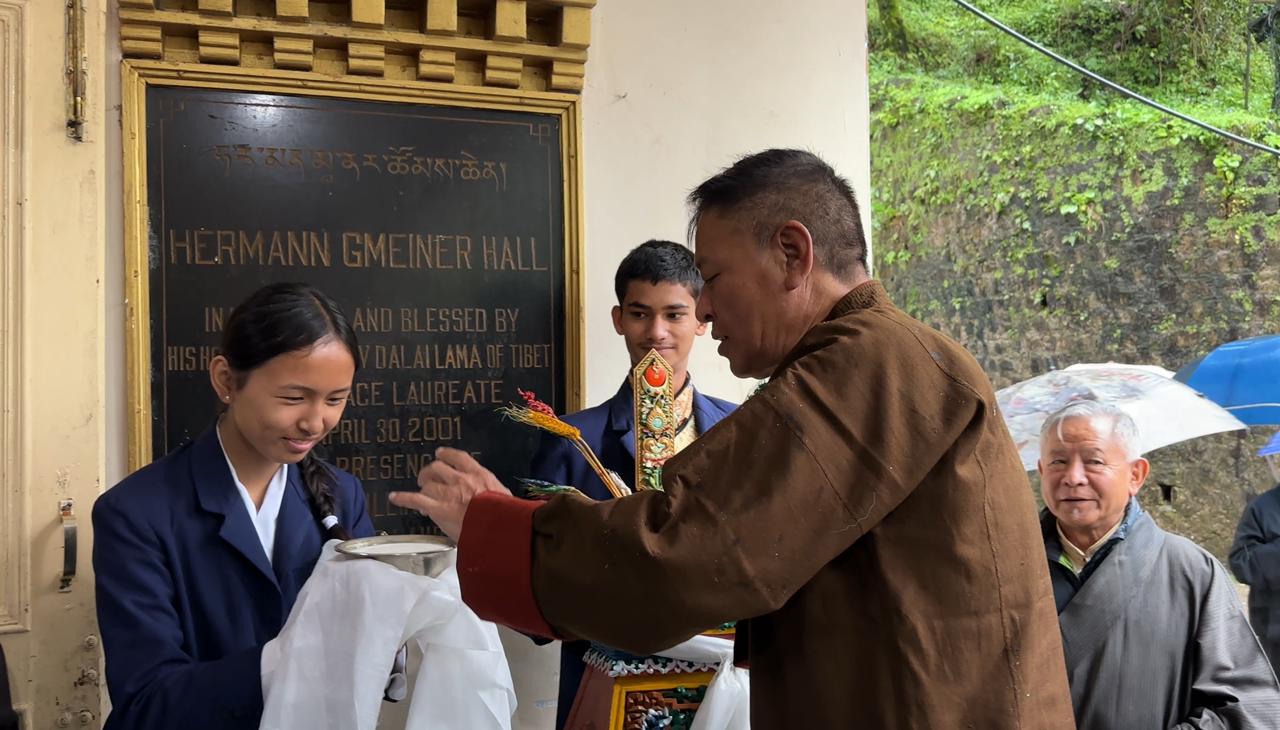
Dharamshala: As part of his ongoing official tour in Dharamshala, following the successful conclusion of his visit to the Kullu-Manali region, Sikyong Penpa Tsering of the Central Tibetan Administration (CTA) visited the Upper Tibetan Children’s Village (TCV) School. Upon arrival at the school, Sikyong was warmly received by TCV President Sonam Sichoe, Education Director Nawang Lhamo, Director Tsultrim Dorjee, Principal Tenzin Choekyi, and General Secretary Kalsang Phuntsok.
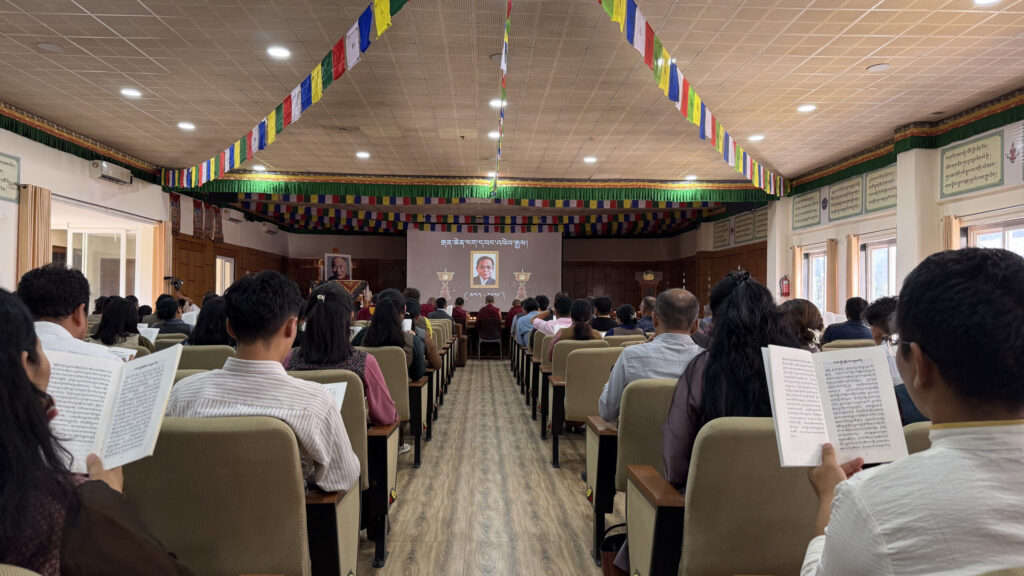
The gathering began with an opening address and a brief report by School Director Tsultrim Dorjee, who highlighted the school’s academic progress and ongoing initiatives. He expressed gratitude for the Sikyong’s visit and reaffirmed the school’s commitment to nurturing Tibetan identity and values among the younger generation.
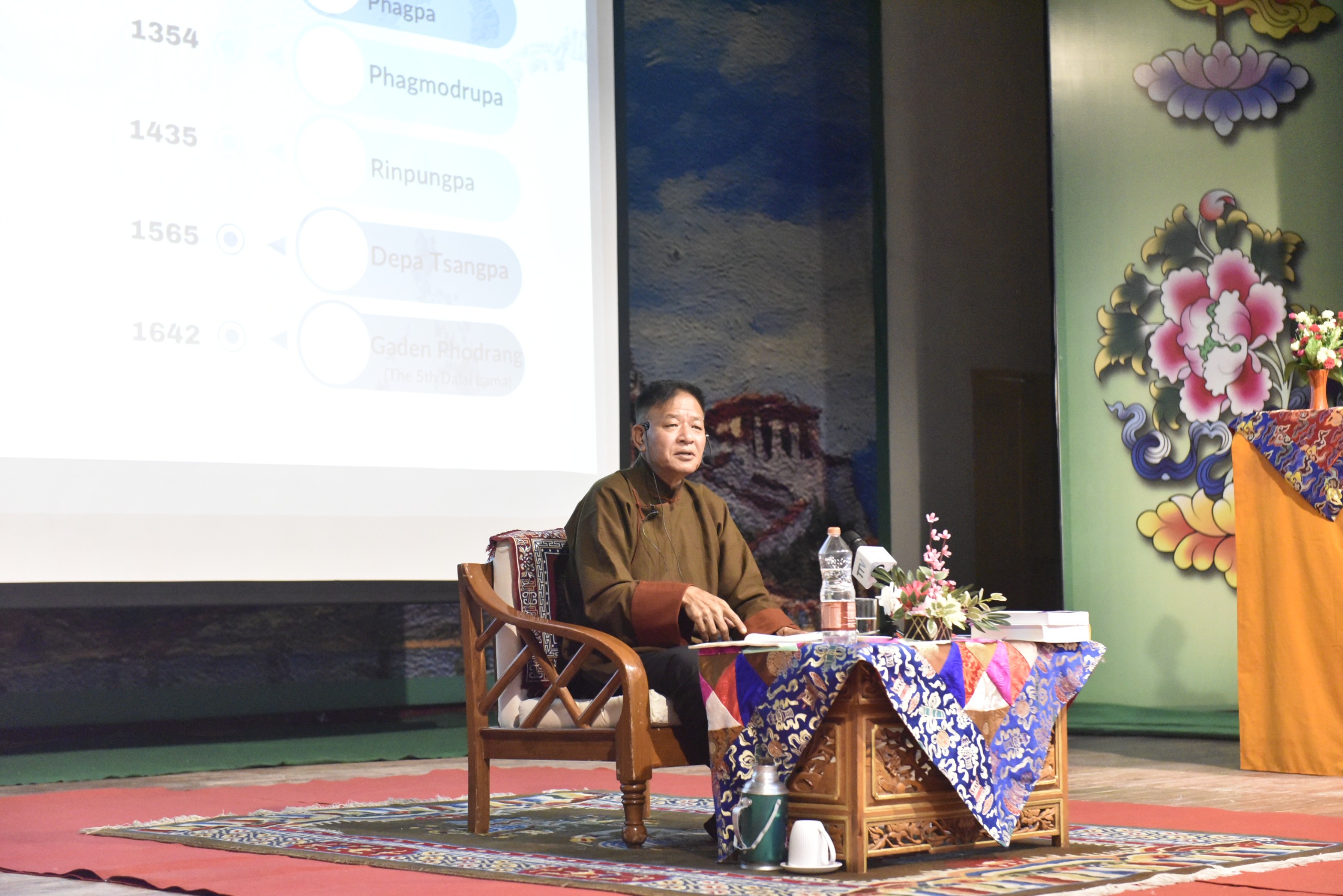
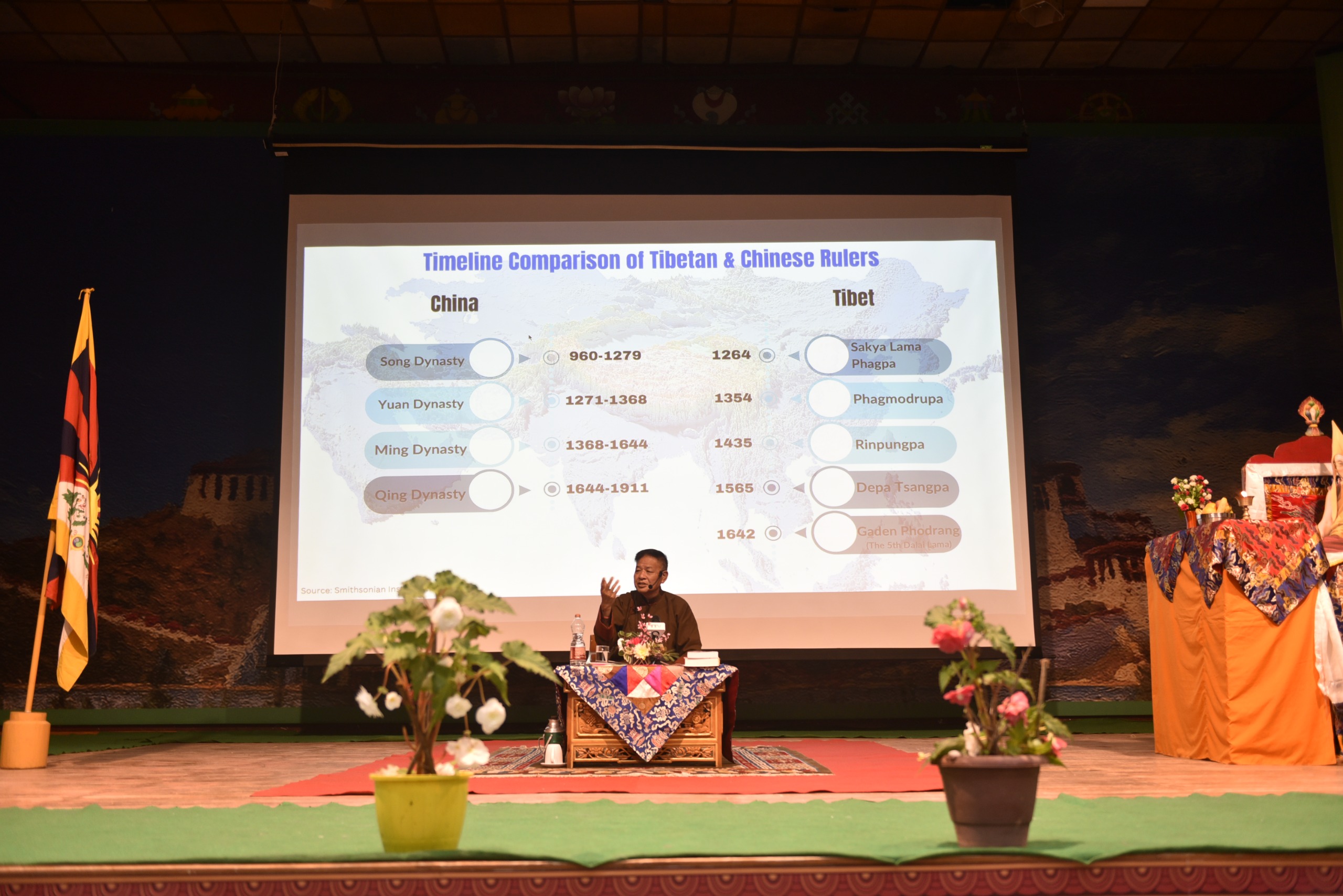
Sikyong Penpa Tsering addressed the students and staff with an extensive talk covering a wide range of subjects. His remarks touched on Tibet’s history, the global significance of the Tibetan plateau, the present situation of Tibetans in exile, Tibet’s deep ties with India, the importance of preserving Tibetan identity, language, and culture, as well as the struggles of earlier generations since the 1960s. He further reflected on the development and transition of Tibetan settlements and schools, the responsibilities of Tibetans in exile, and his thoughts on the current and future challenges of the diaspora.
Citing concerns from international scholars, Sikyong warned that future conflicts may arise over water resources, making Tibet’s rivers and ecosystems increasingly critical. According to data from the International Campaign for Tibet (ICT), since 2000, nearly 193 hydropower dams in Tibet have been proposed, prepared, constructed, or made operational, with actual numbers possibly exceeding 300.
Sikyong further highlighted Tibet’s deep-rooted ties with India, particularly through the Tibetan language, considered one of the oldest living languages in Asia and a vital medium for preserving Buddhist philosophy and cultural heritage. He also spoke about Tibet’s historical relations with its neighbours as patron-priest relationship, including the Mongols, and the history of the Gaden Phodrang government.
Referring to Xi Jinping’s recent visit to Lhasa alongside two top Politburo leaders, China marked the 60th anniversary of what it calls the establishment of the Tibet Autonomous Region. However, Sikyong Penpa Tsering criticised the anniversary as a symbolic demonstration of intensified political control over Tibet and political theatre, rather than a celebration of genuine autonomy or progress.
Sikyong said, “Despite China’s repeated claims of stability and development in Tibet, major developments have primarily benefited the Chinese population. The only way to achieve real stability is to address the genuine needs of the Tibetan people—not through propaganda or force.”
Reflecting on His Holiness the Dalai Lama’s first exile journey to India, Sikyong reminded the audience of the Tibetan people’s continued struggle in exile and their responsibility to keep Tibet’s cause alive. He emphasised that the youth of this century carry a special responsibility to advocate for Tibet on international platforms, strengthening awareness of Tibet’s unique position not only for Tibetans but for the global community. In conclusion, Sikyong urged students to remain informed about Tibet’s situation and to recognise their role in shaping the future of the Tibetan struggle.
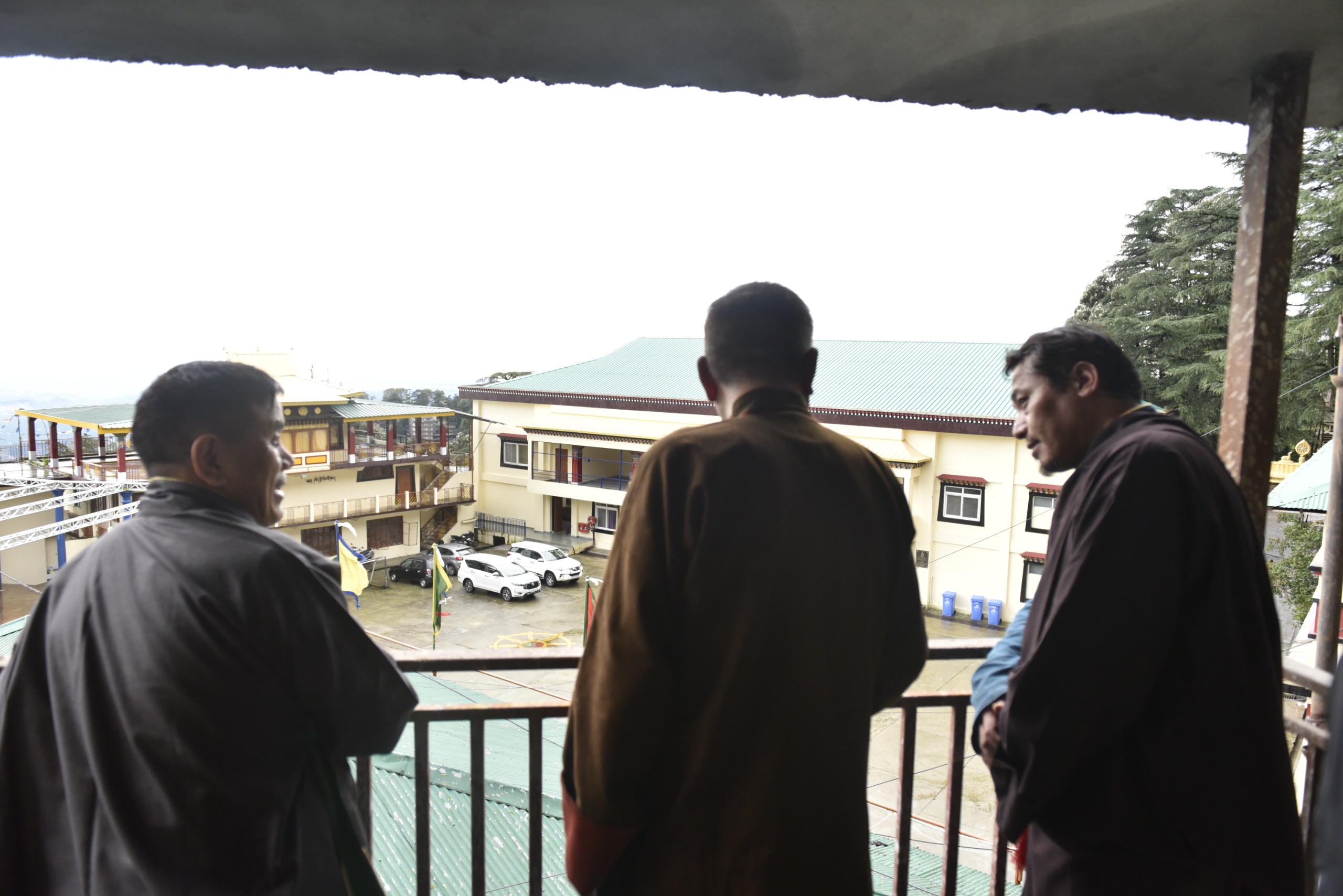
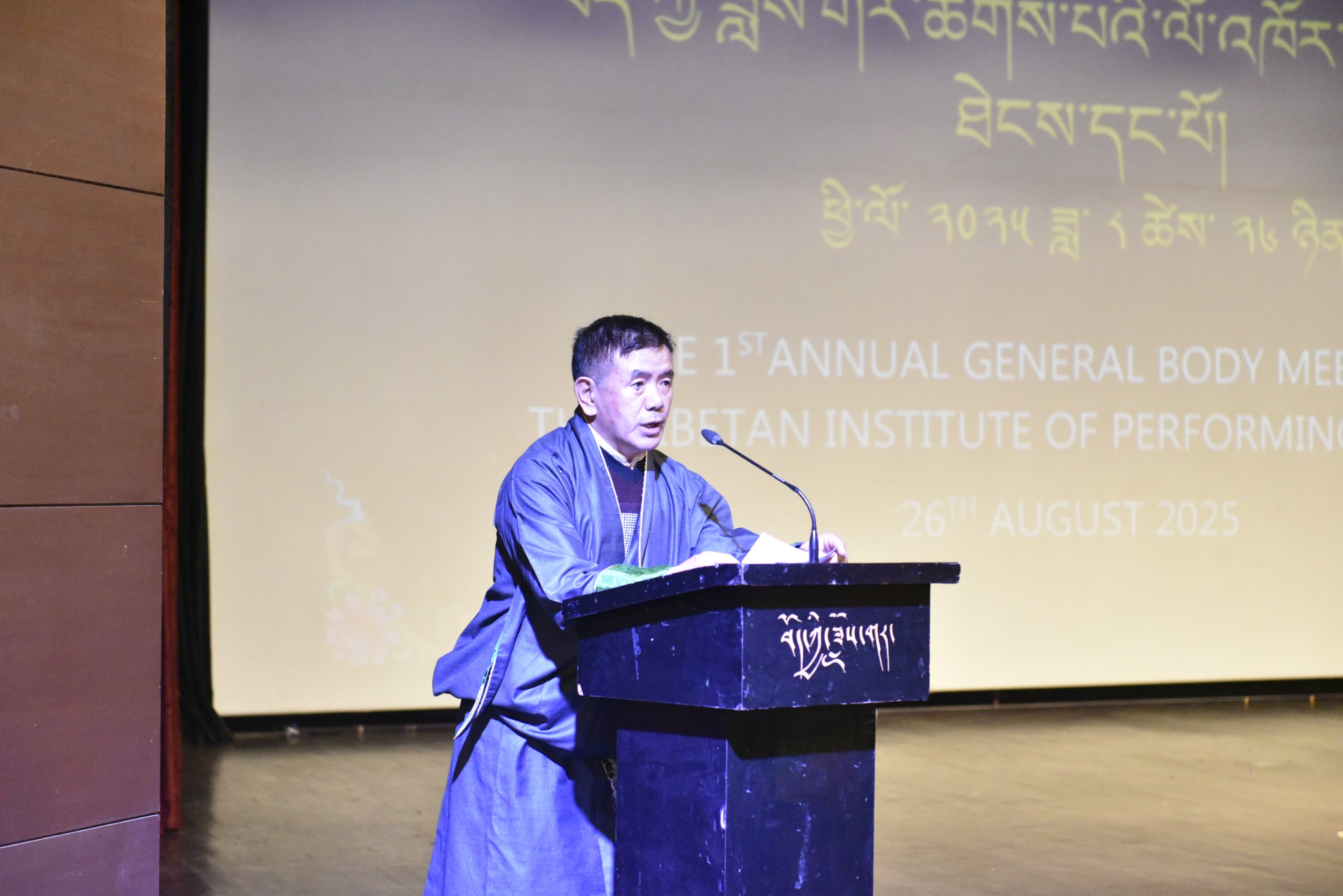
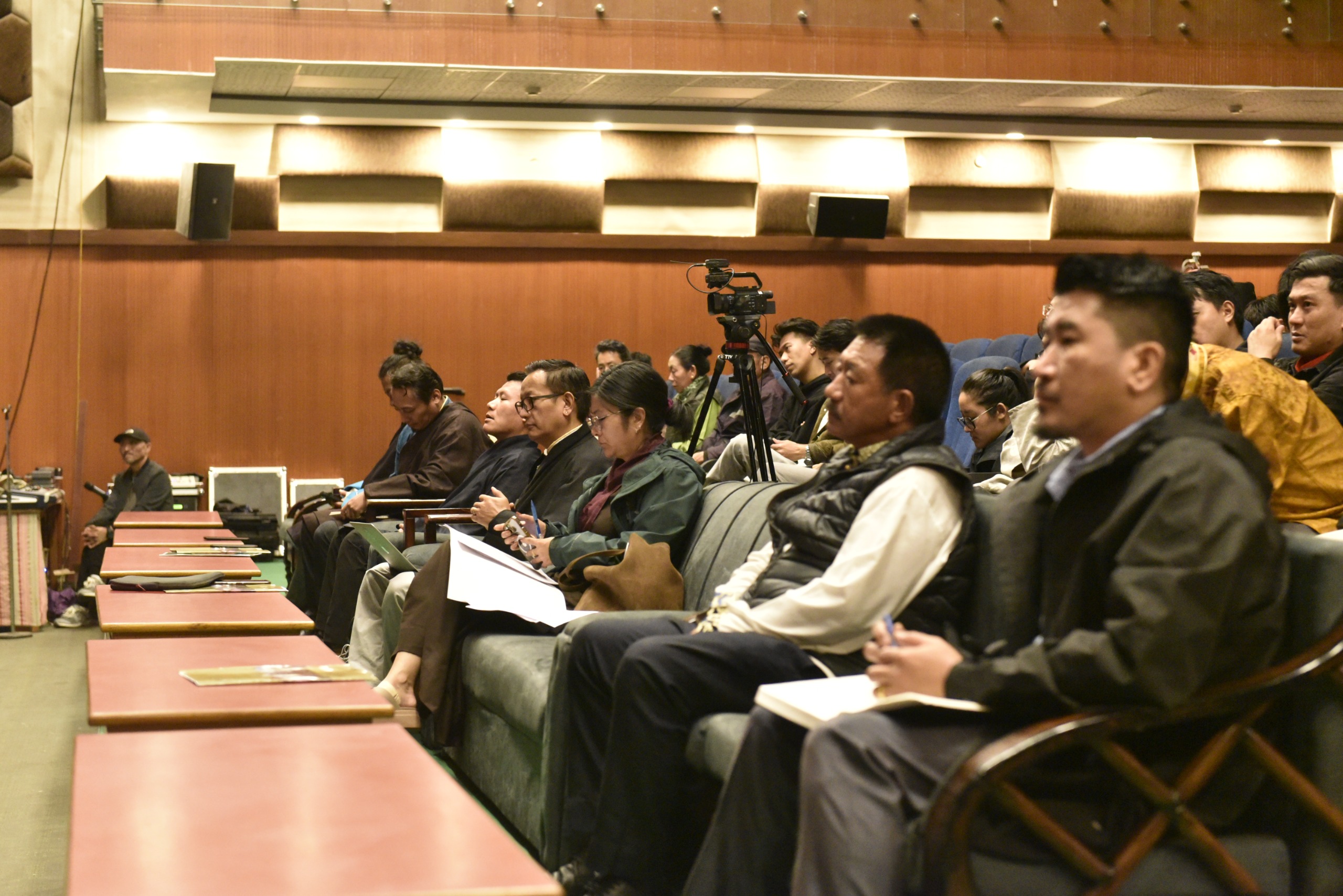
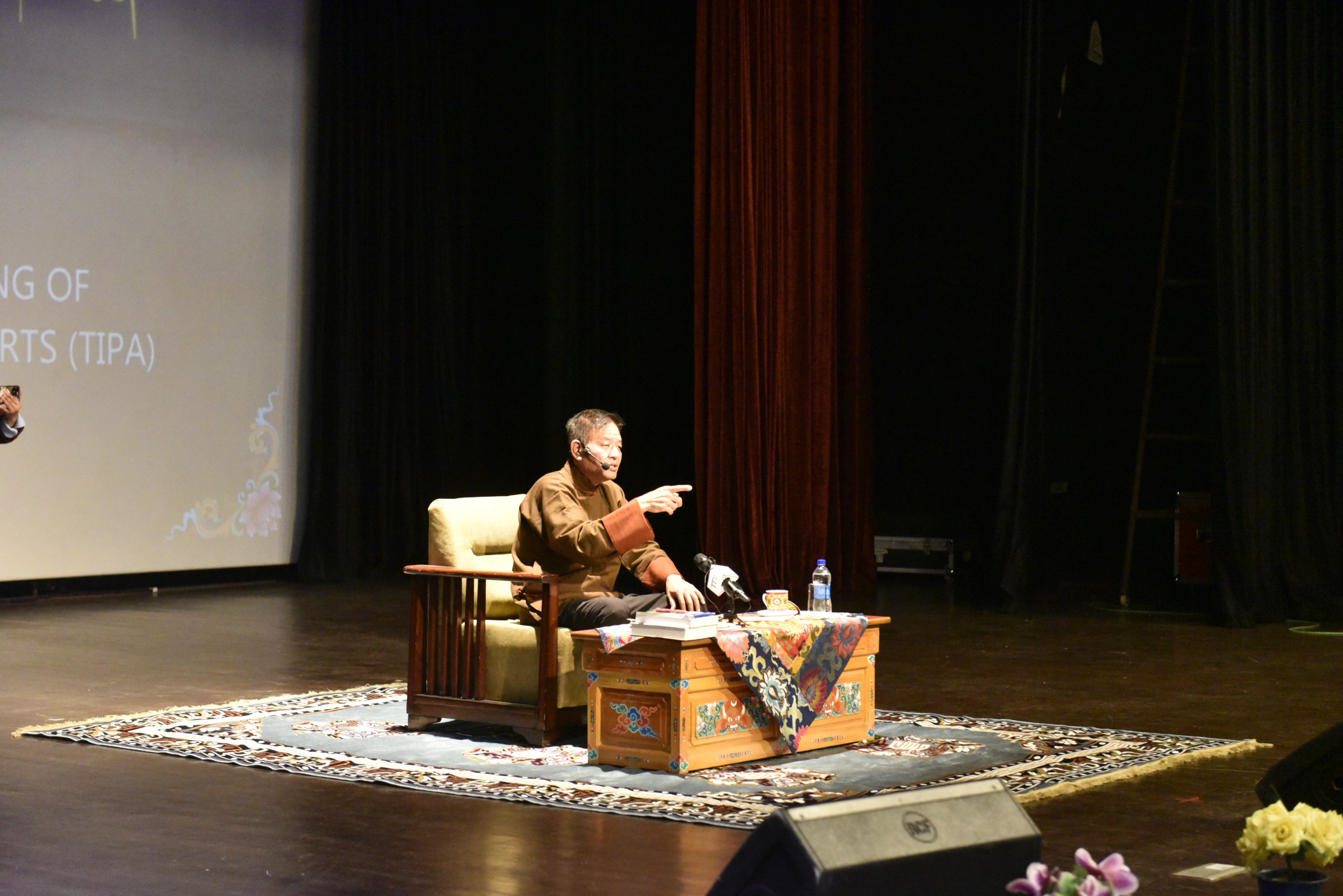
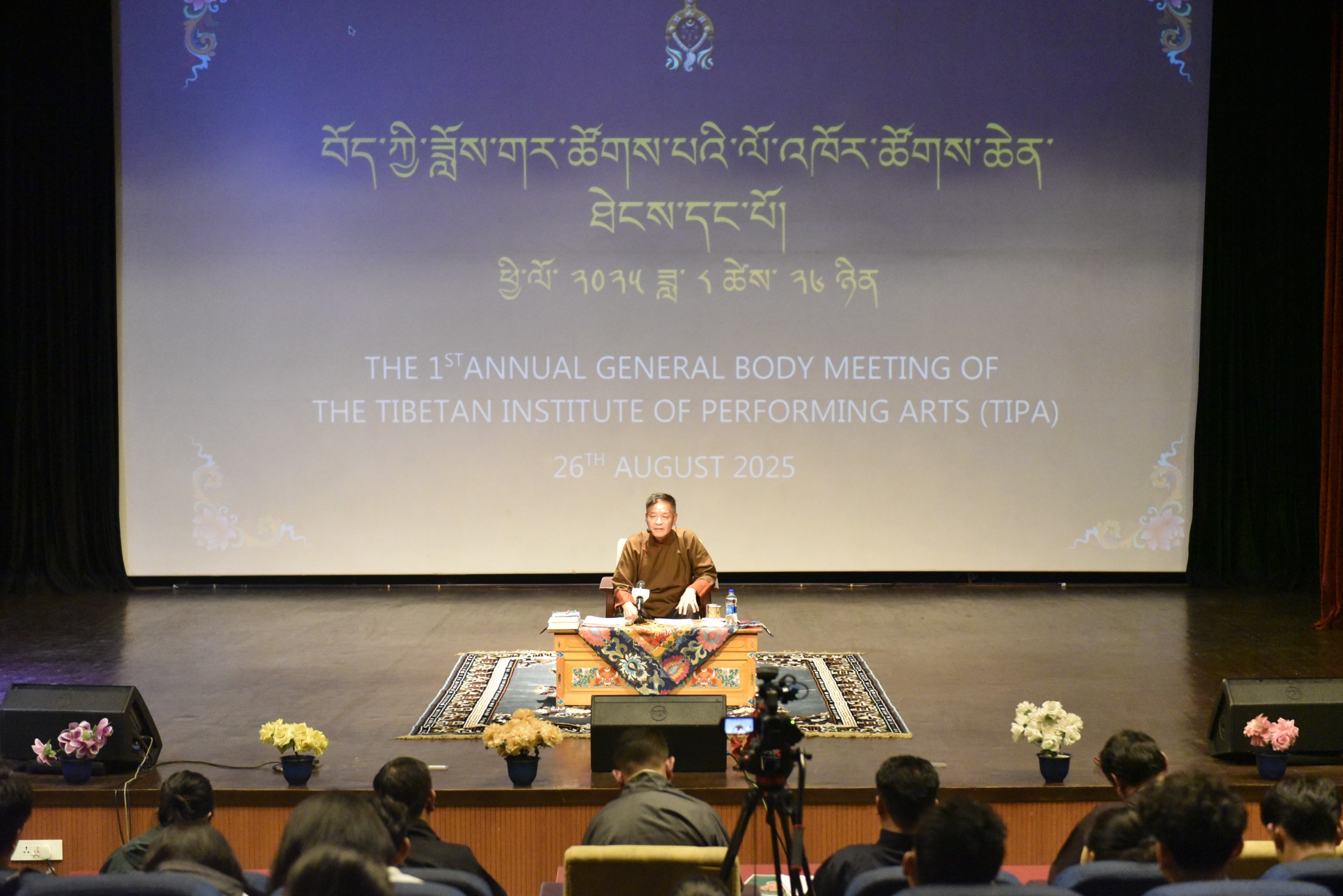
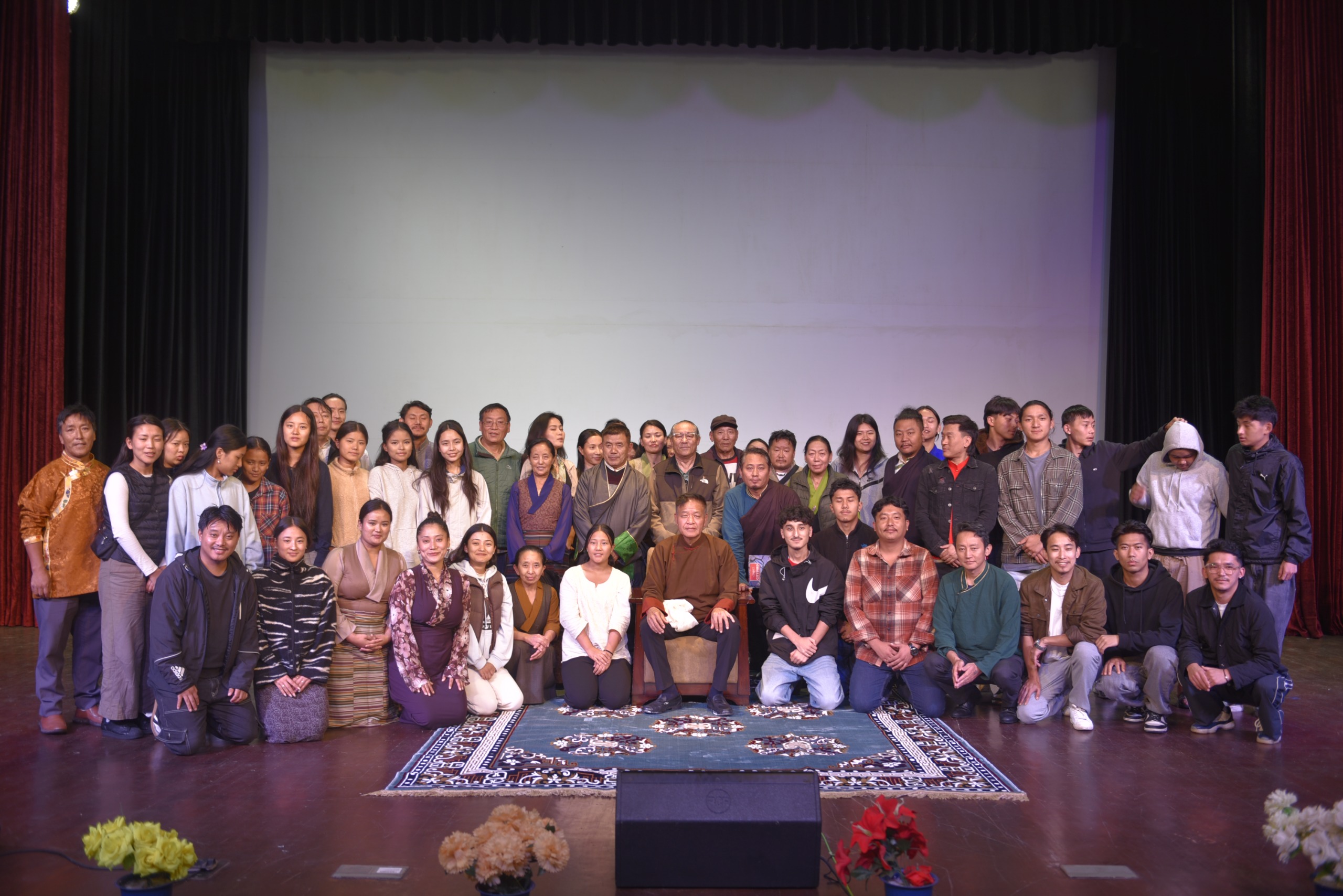
Continuing his official engagements in Dharamshala, Sikyong Penpa Tsering visited the Tibetan Institute of Performing Arts (TIPA), reviewed the ongoing construction project beside the main office, and delivered a brief address to the staff and students of TIPA.
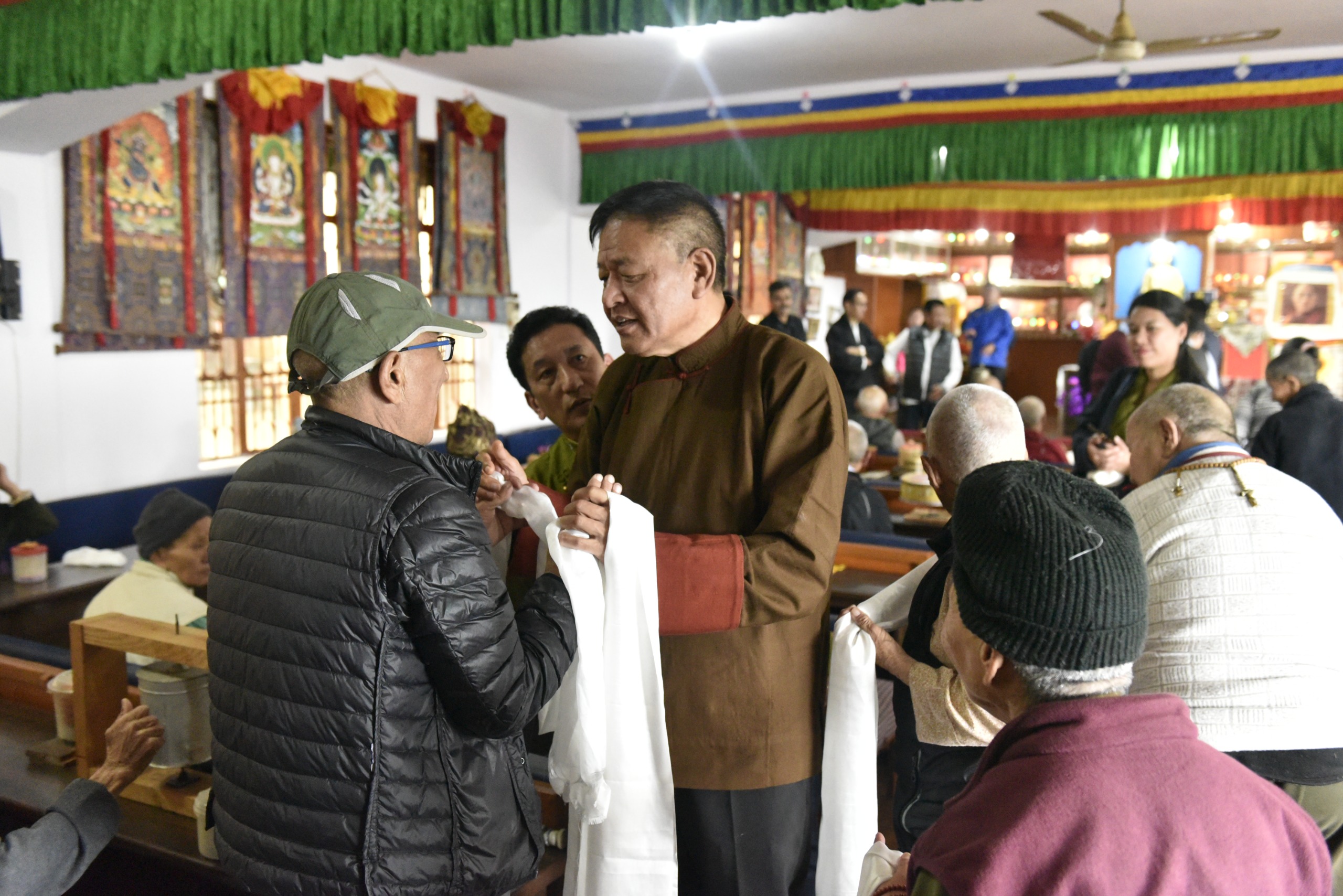
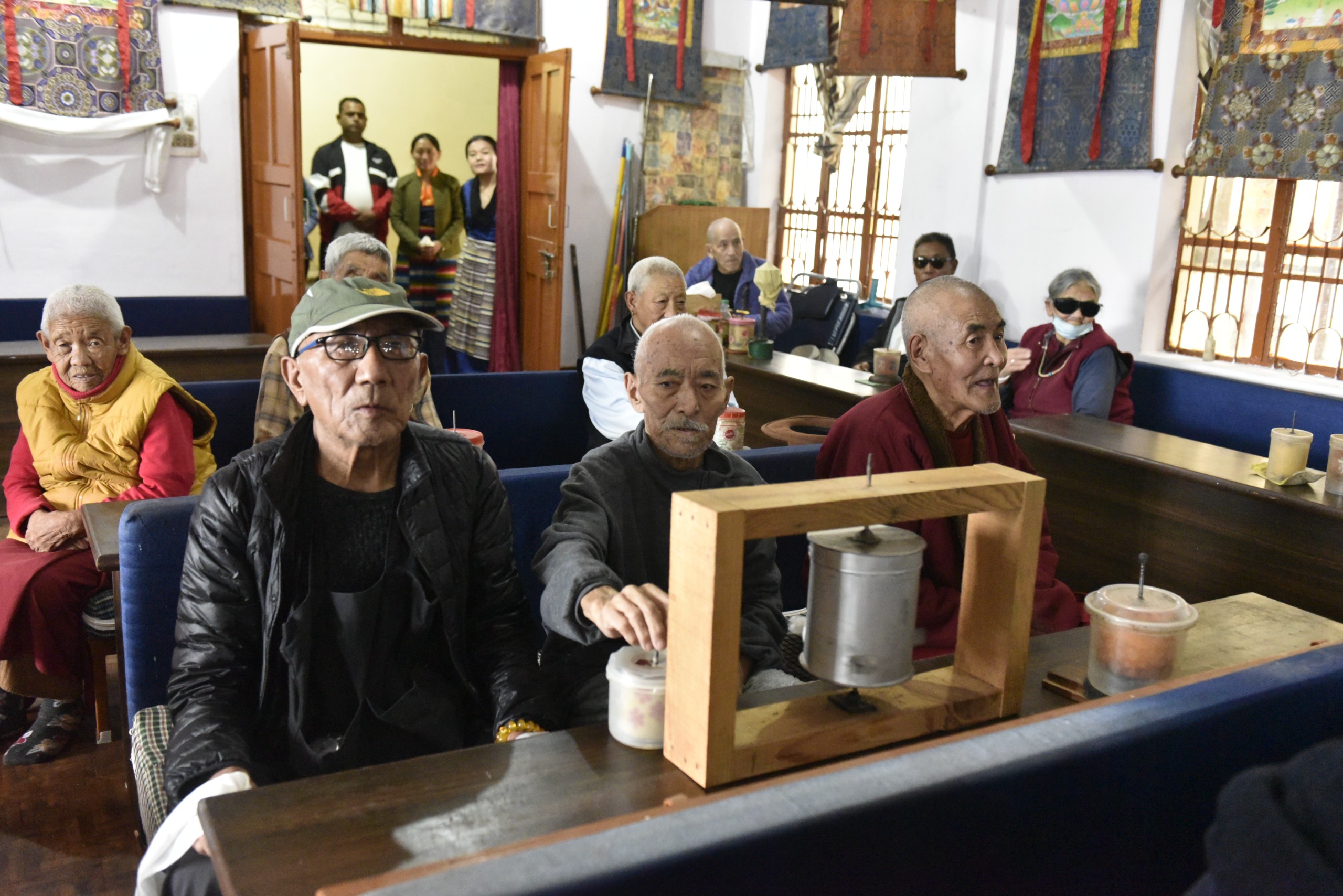
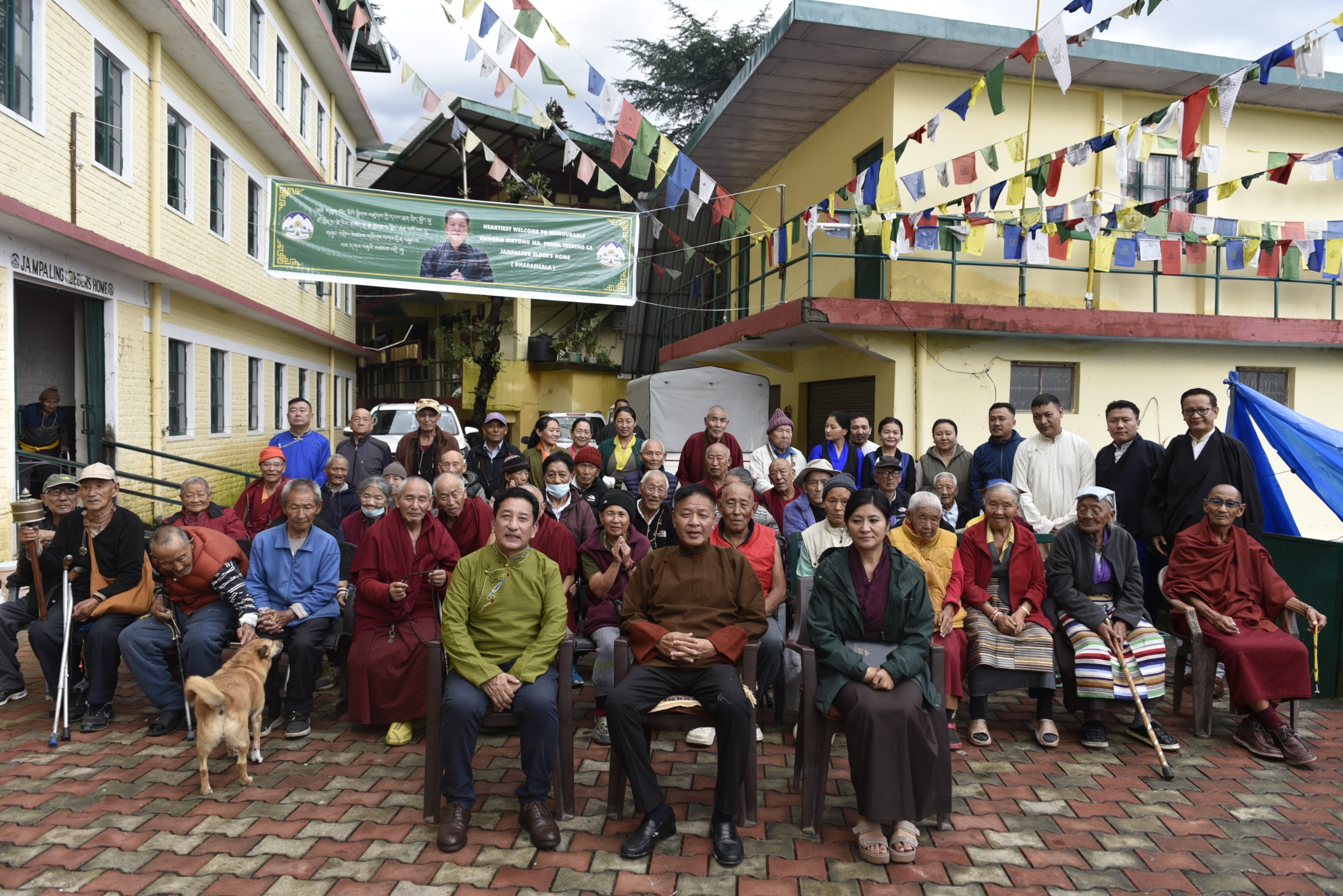
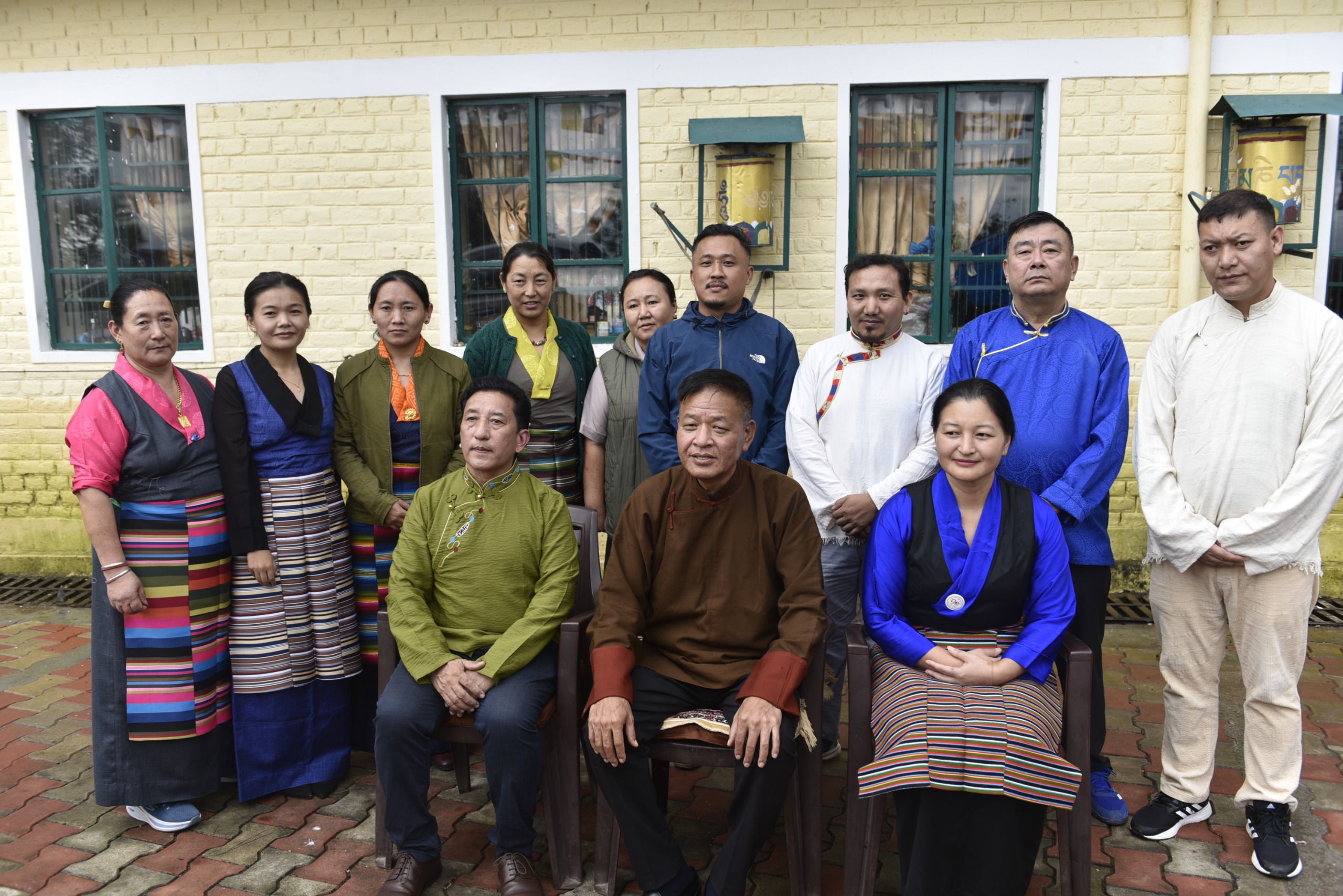
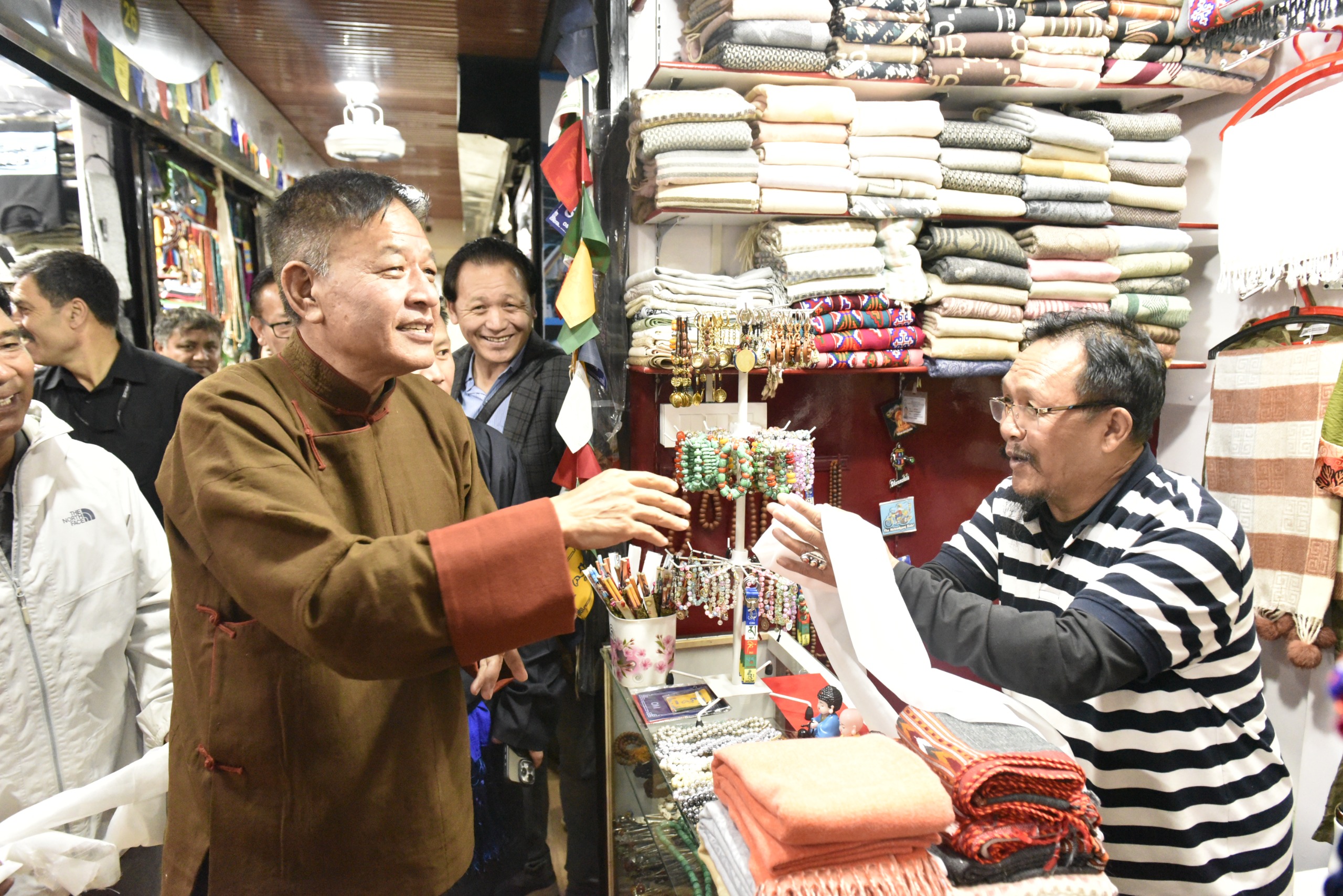
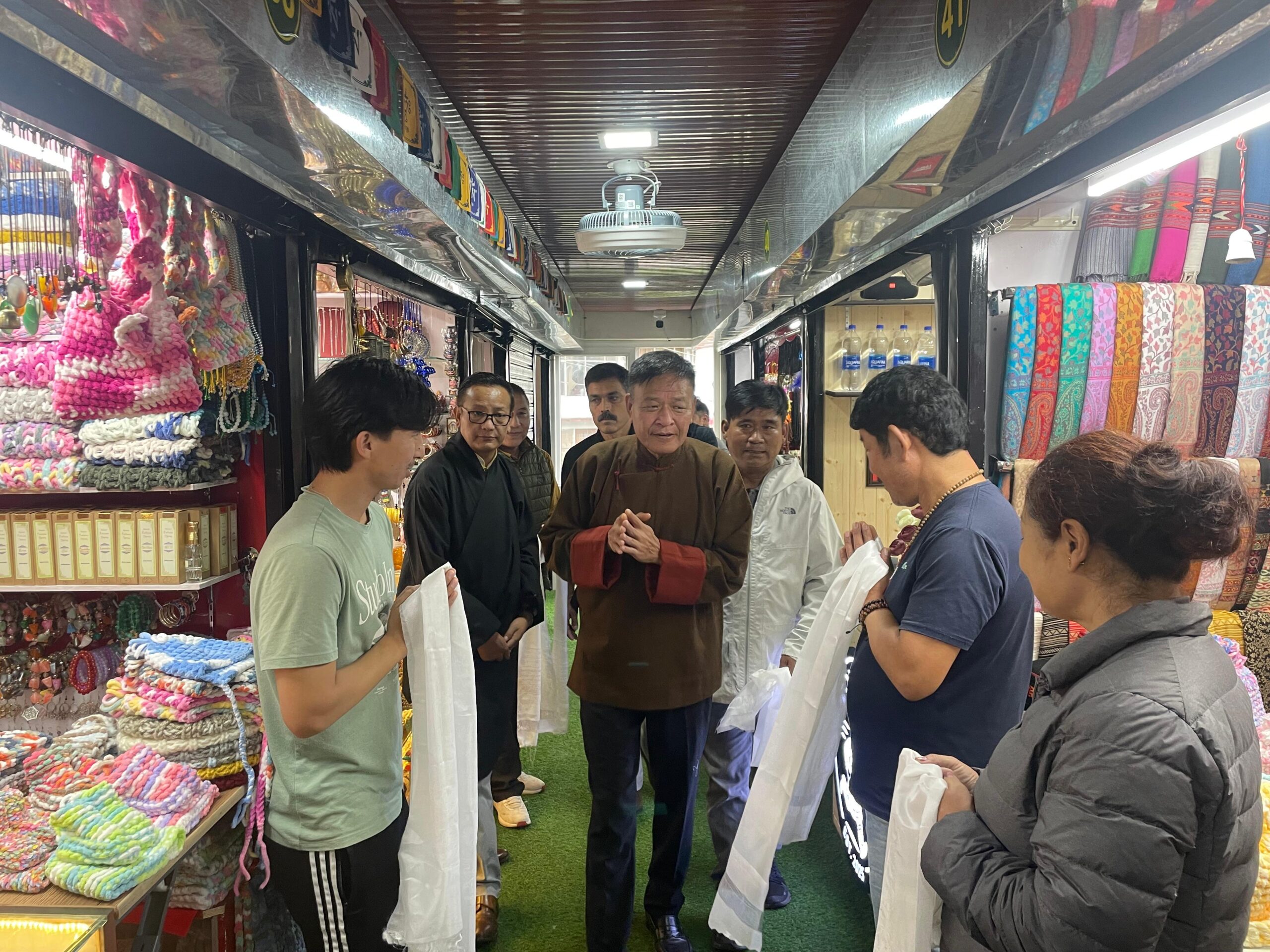
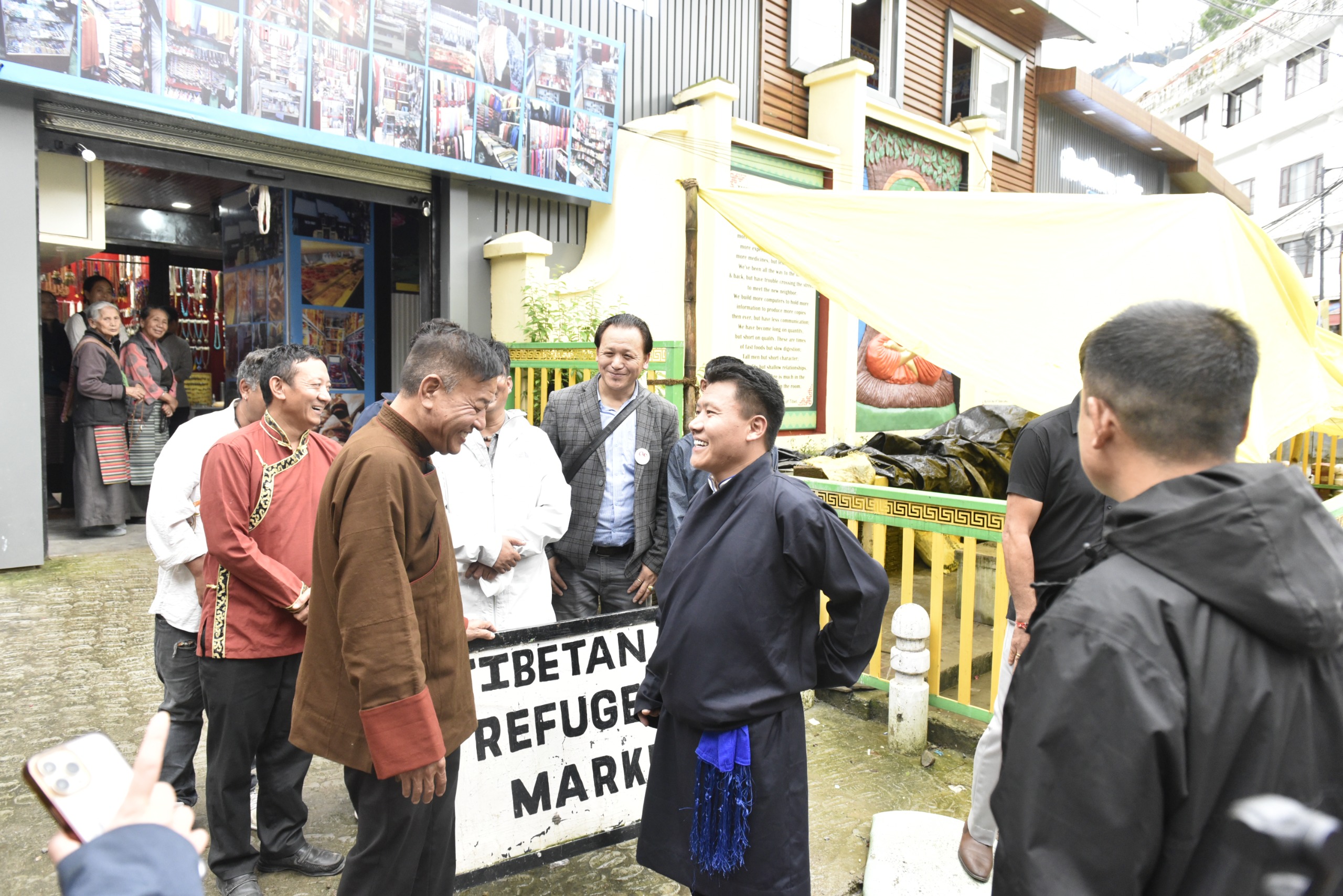
Sikyong then proceeded to Jampaling Elder’s Home, where he met with the residents, inspected their living facilities and kitchen, and exchanged greetings with the elders. Later, he toured the Tibetan Refugee Market, interacting with shopkeepers and local community members.
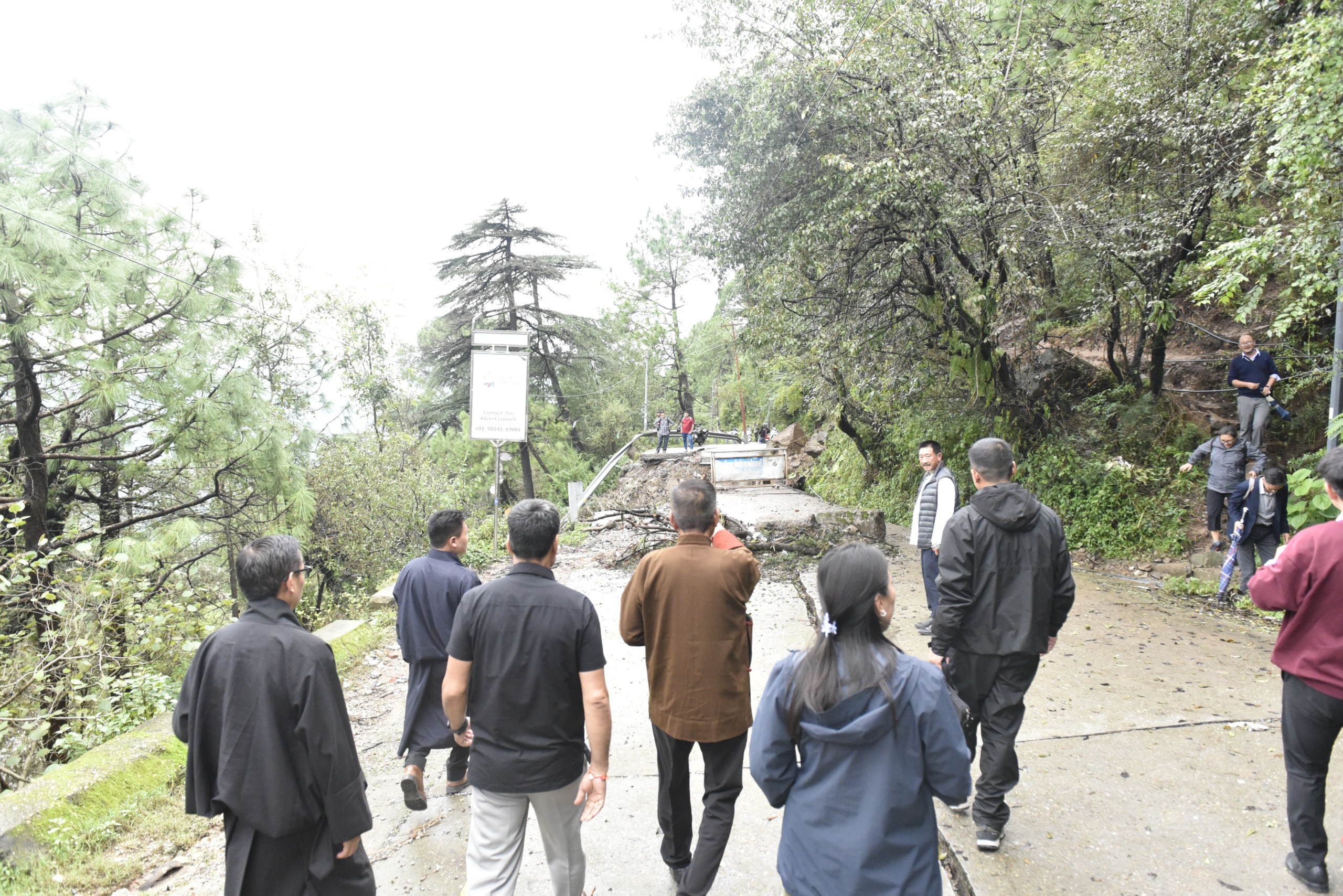
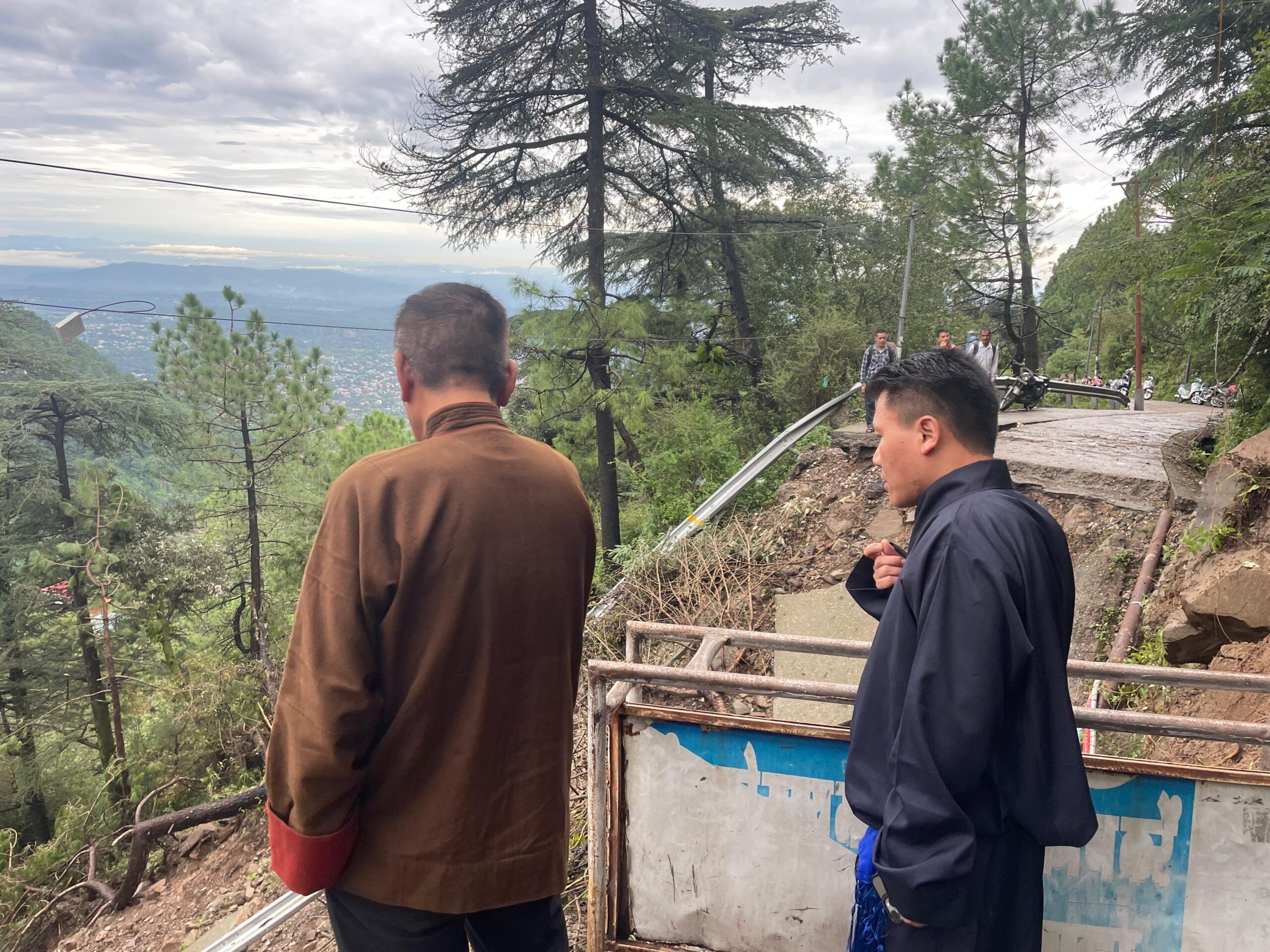
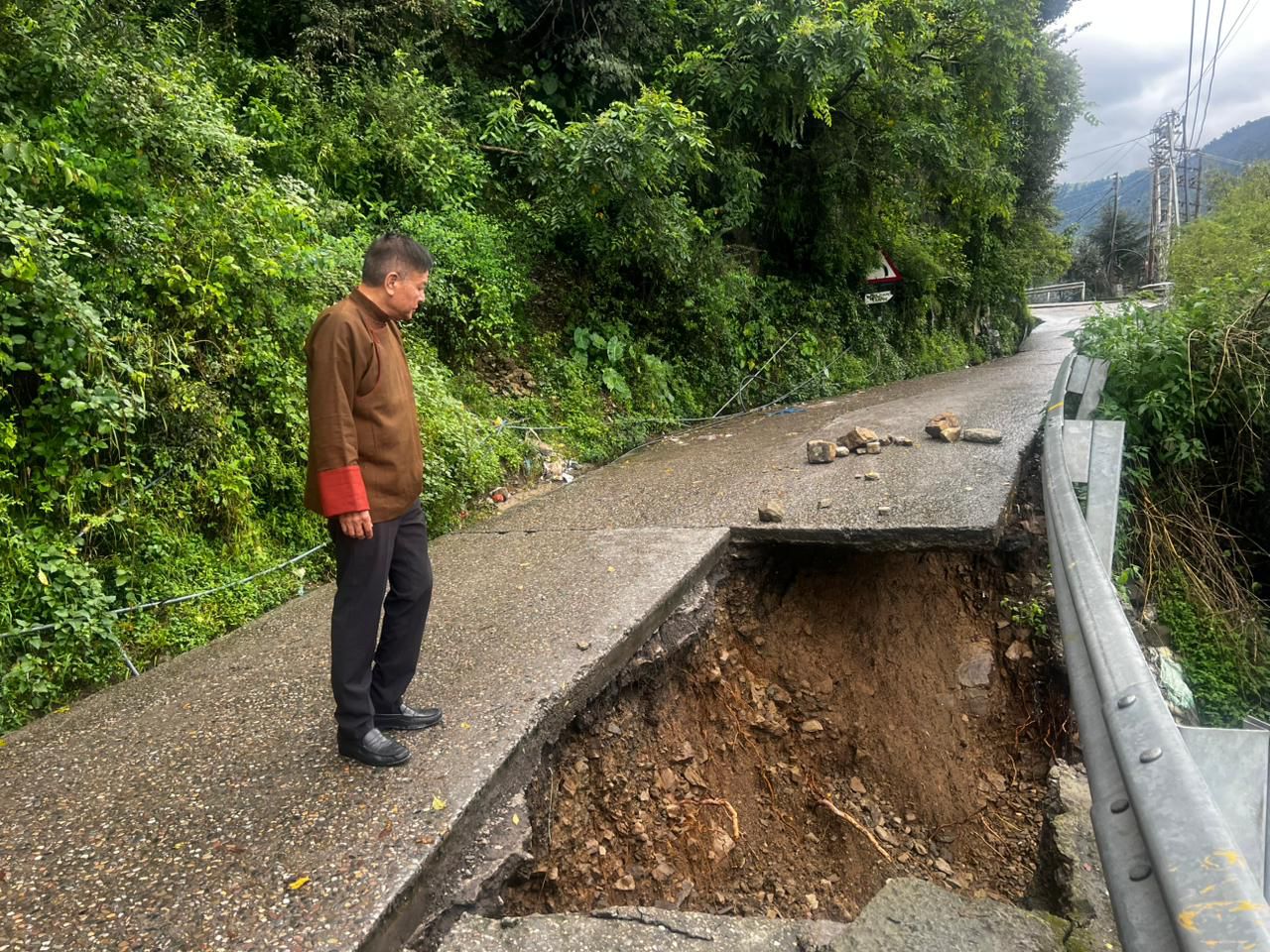
Wrapping up the first day of his official visit, Sikyong Penpa Tsering inspected the road connecting Gangkyi to McLeod Ganj, which had been severely damaged by recent heavy rainfall.
During these visits, Sikyong was accompanied by Additional Secretary Tashi Dekyi, Section Officer Yeshi Tenzin from the Department of Home, CTA. And the Tibetan Settlement Officer of Dharamshala, Kunchok Migmar.