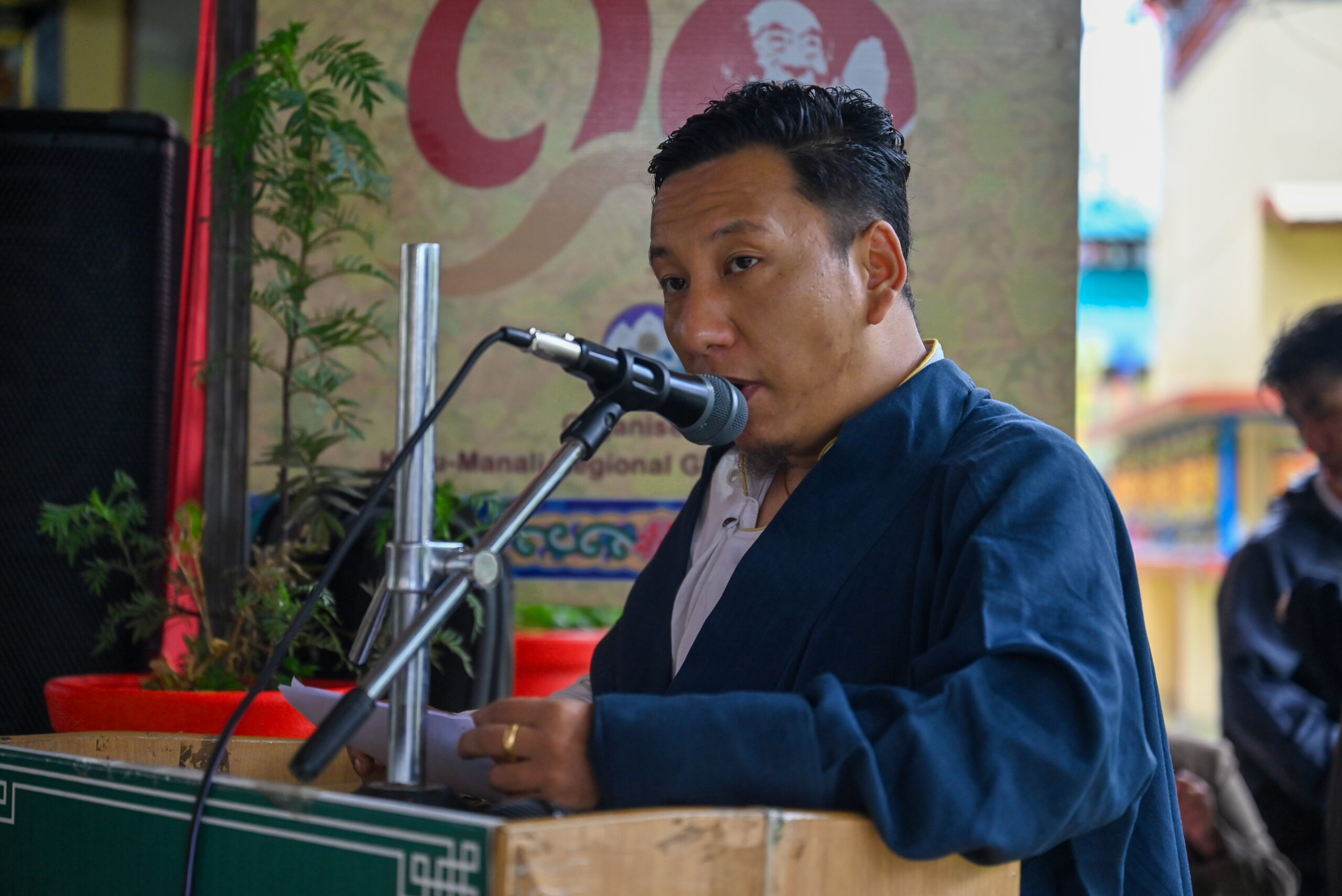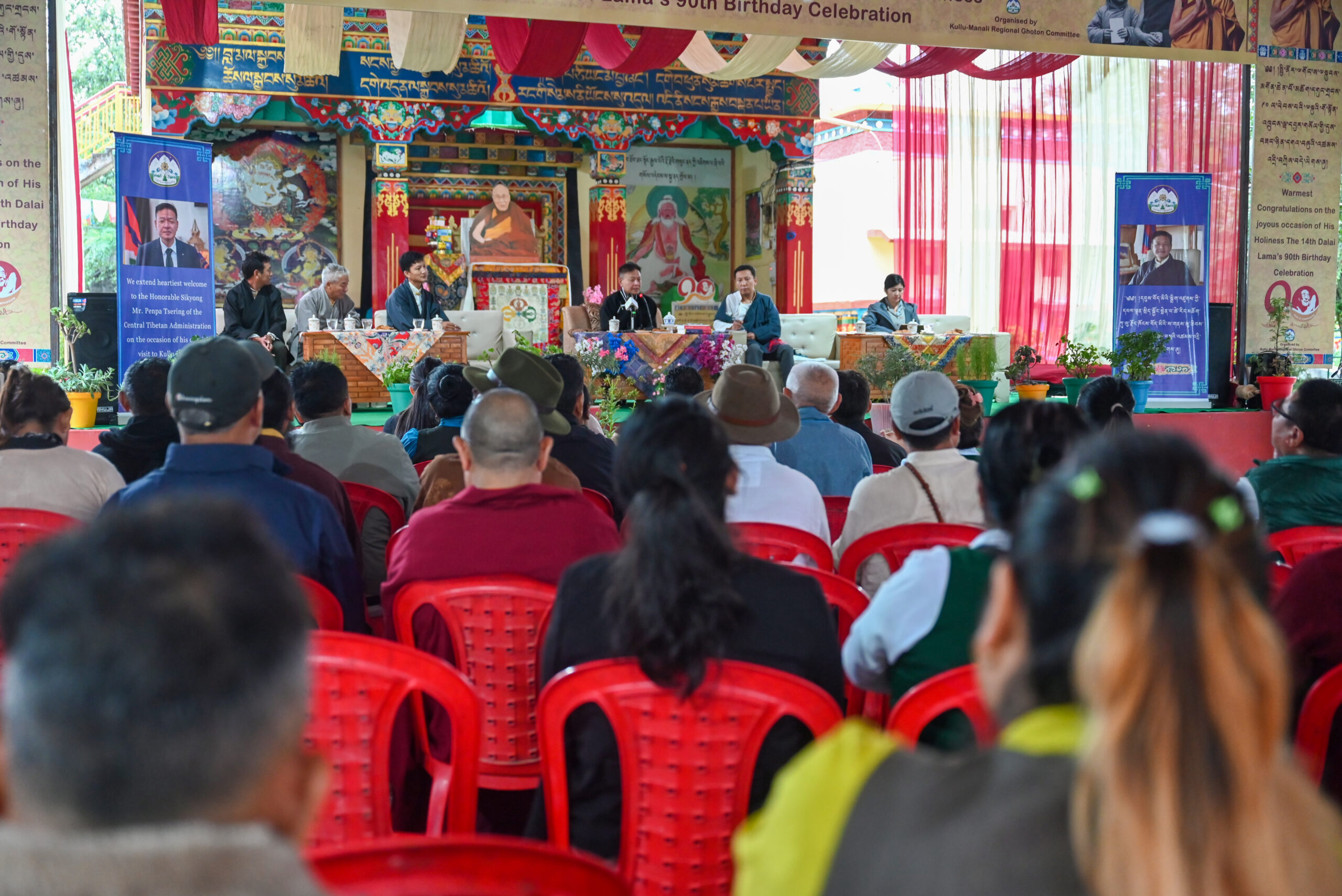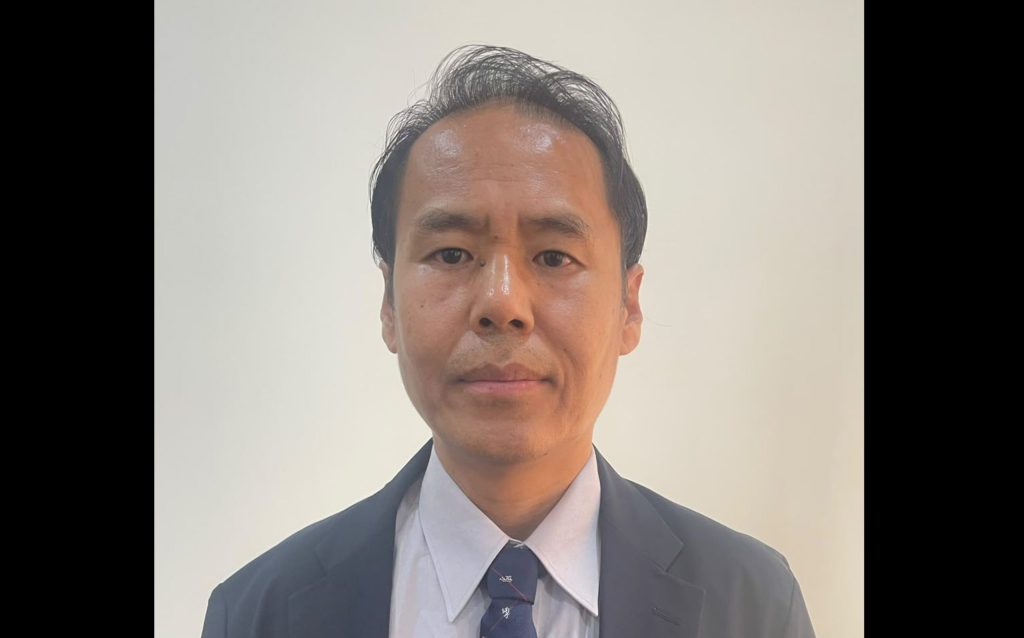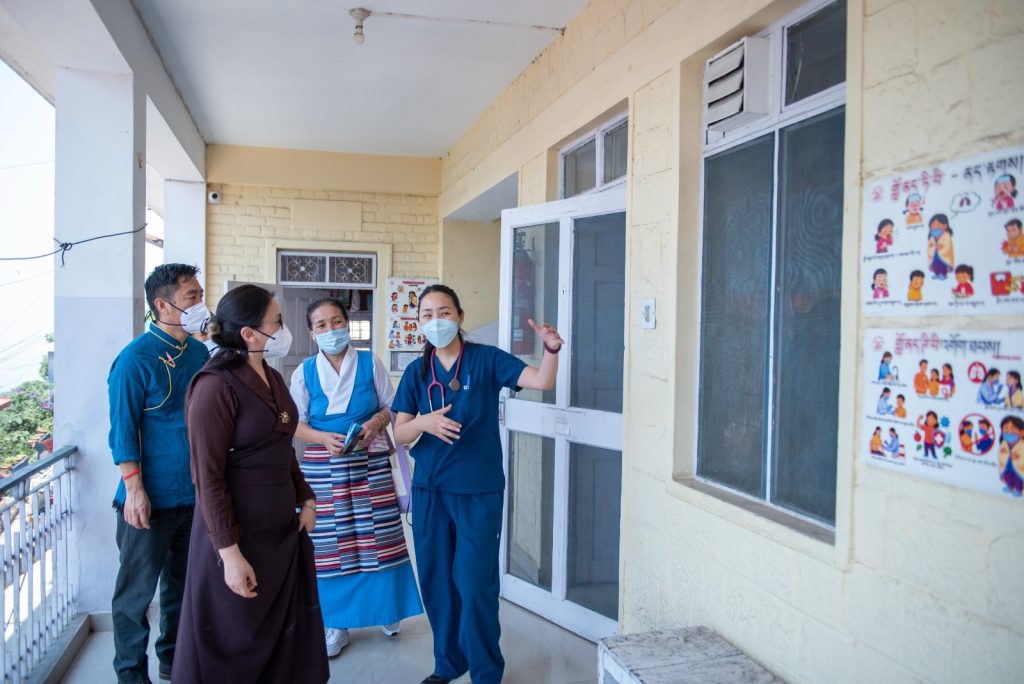


Dharamshala: On 23 and 24 August 2025, Sikyong Penpa Tsering, in his capacity as the incumbent Kalon (Minister) of the Department of Religion and Culture as well as the Department of Home, visited several Tibetan Buddhist monasteries, schools, Men-Tsee-Khang branches, Tibetan health care centres, the Local Tibetan Assembly Office, the Regional Tibetan Freedom Movement Office, and settlements and clustered communities in the Kullu-Manali area as part of the second leg of his official tour in the region.
During these visits, Sikyong — accompanied by Additional Secretary Tashi Dekyi and Tibetan Settlement Officer Tenzin Tsultem — reviewed the construction of retaining walls undertaken by the 16th Kashag to safeguard settlements along the Beas River. These protective structures are critical for mitigating the impact of frequent torrential monsoon rains, which often cause severe damage to properties located near the riverbanks.
Before returning to Dharamshala on 25 August, Sikyong addressed the Tibetan residents of Kullu and Manali at the Palrabling Settlement in Dhobhi.
Reflecting on the ongoing demographic shifts within the exile community — marked by the migration of Tibetans to the West, a declining influx from Tibet, and a low birth rate — Sikyong emphasised the importance of preserving a compact and cohesive Tibetan community in exile. He stressed that consolidating smaller and scattered settlements into larger communities would reduce the administrative and financial burden on the CTA while also strengthening efforts to preserve the unique Tibetan identity. As an example, Sikyong highlighted the Department of Home’s large-scale water retention project aimed at protecting properties from recurring damage caused by Beas River flooding during the monsoon season.
On strategic planning and future initiatives, Sikyong underscored the importance of having accurate demographic data on the Tibetan population in India. He noted that such data is crucial for effective planning, resource allocation, and the execution of future projects, ultimately enhancing administrative efficiency.
To ensure the smooth functioning of Tibetan institutions, Sikyong stressed the importance of compliance with both local regulations and the laws of the Government of India. He announced that the CTA will soon conduct a workshop for representatives of all Tibetan institutions and registered societies to provide clarity on the Foreign Contribution (Regulation) Act (FCRA) and ensure full compliance, thereby preventing any legal complications.
On the political front, Sikyong reiterated the current Kashag’s policy of strengthening both ends of the Middle Way Approach — acknowledging Tibet’s historical status as an independent nation while also highlighting the present-day repressive situation inside Tibet. He stressed the importance of educating the younger generation about Tibet’s history in order to effectively advocate for the cause on the international stage.