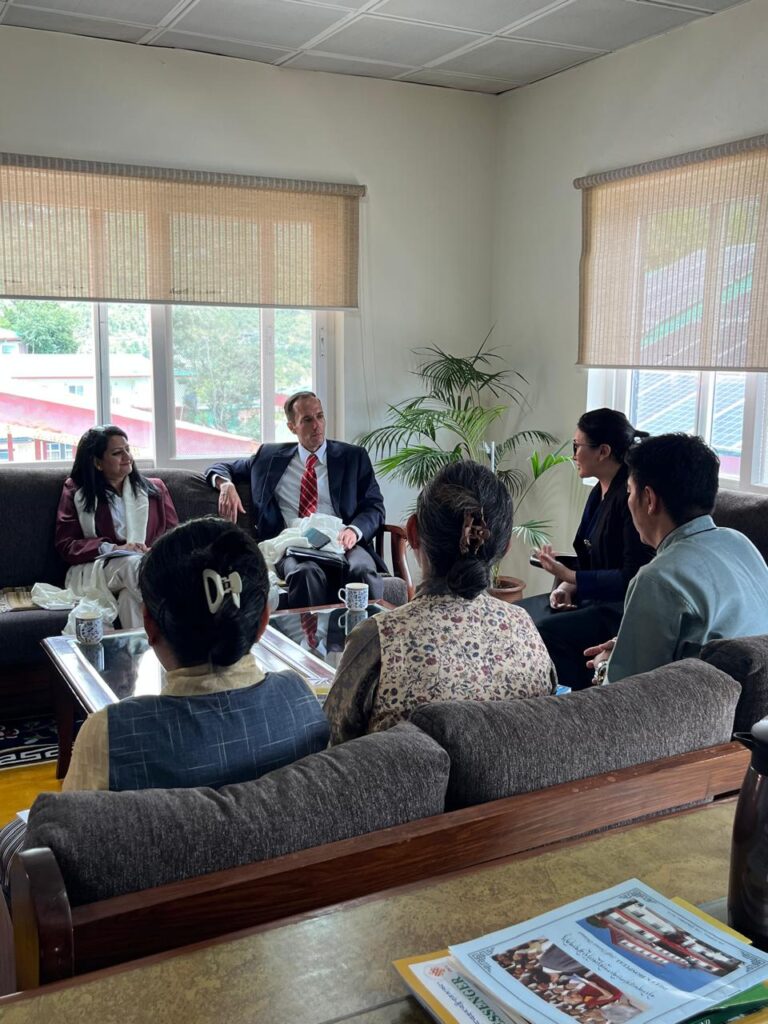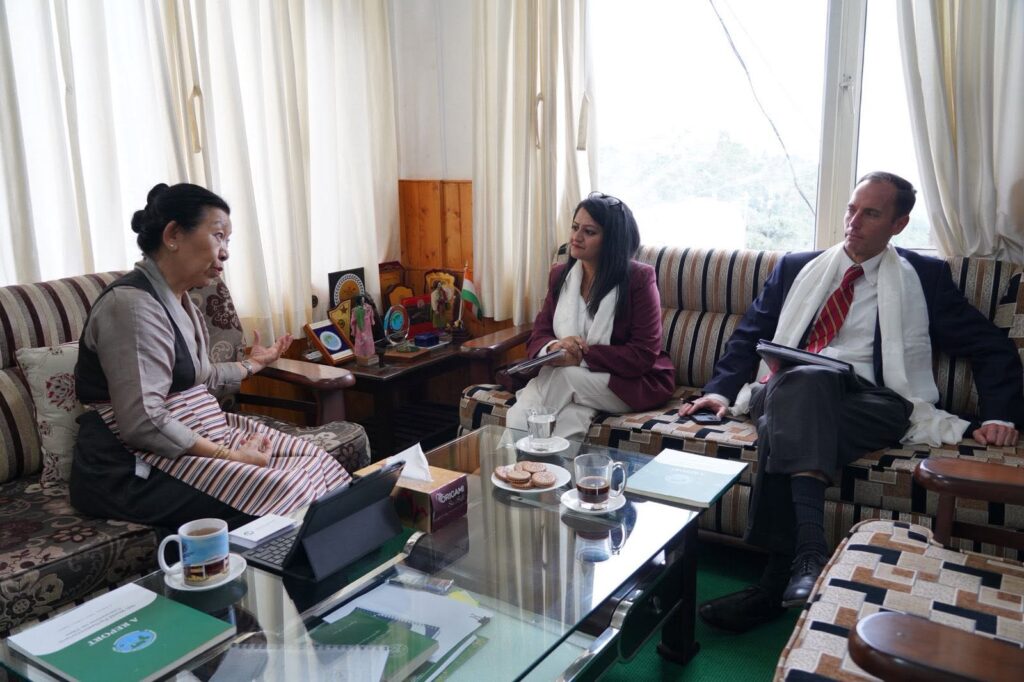


Bylakuppe, Karnataka: On 11 February 2025, Sikyong Penpa Tsering, the incumbent Kalon (Minister) of the Department of Home (CTA), arrived Bangalore to commence his official visit to Tibetan settlement in South India. Upon arrival, Sikyong was warmly received by Kunga Yeshi, Public Relations Officer (PRO), from the Chief Representative Office in Bengaluru.
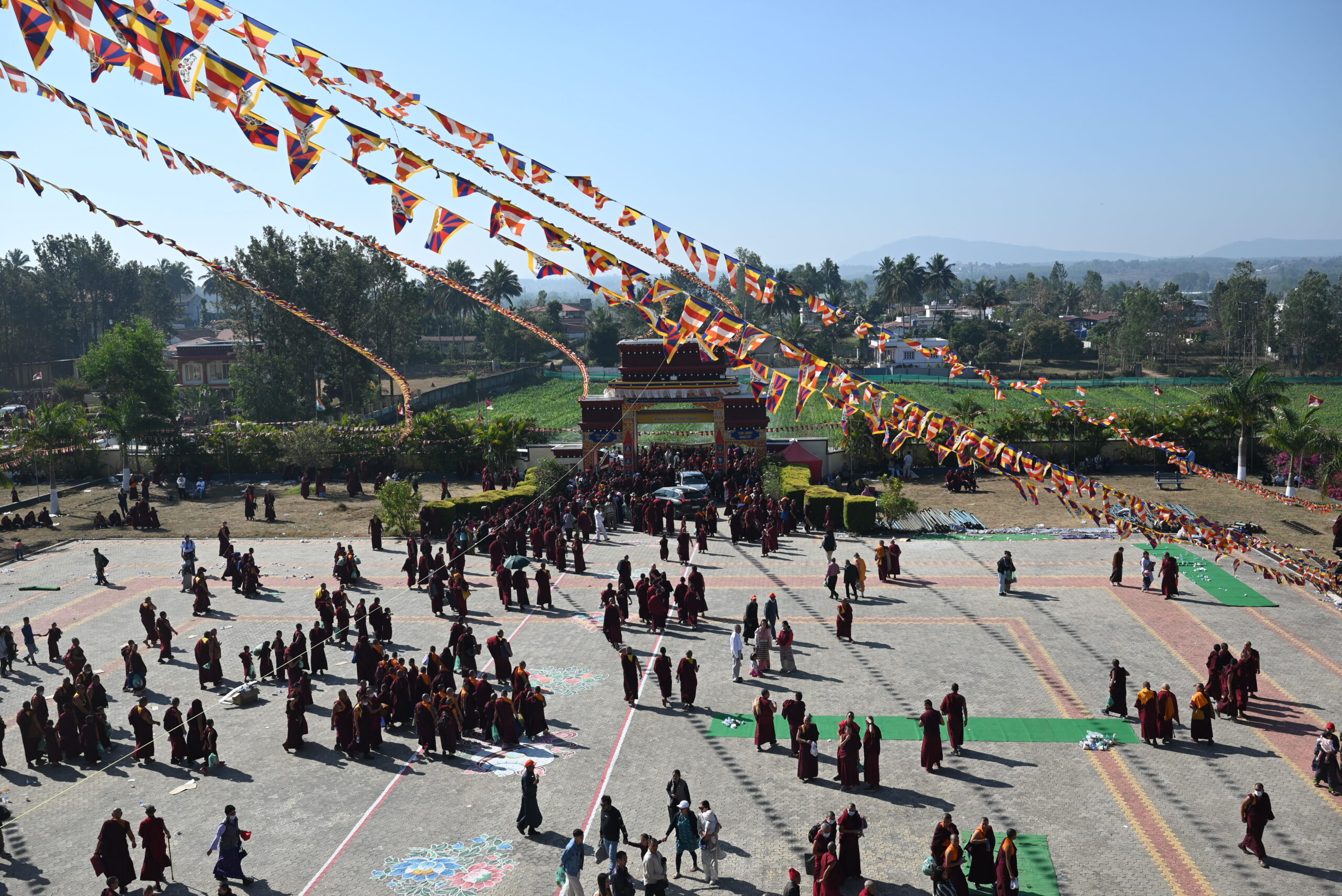
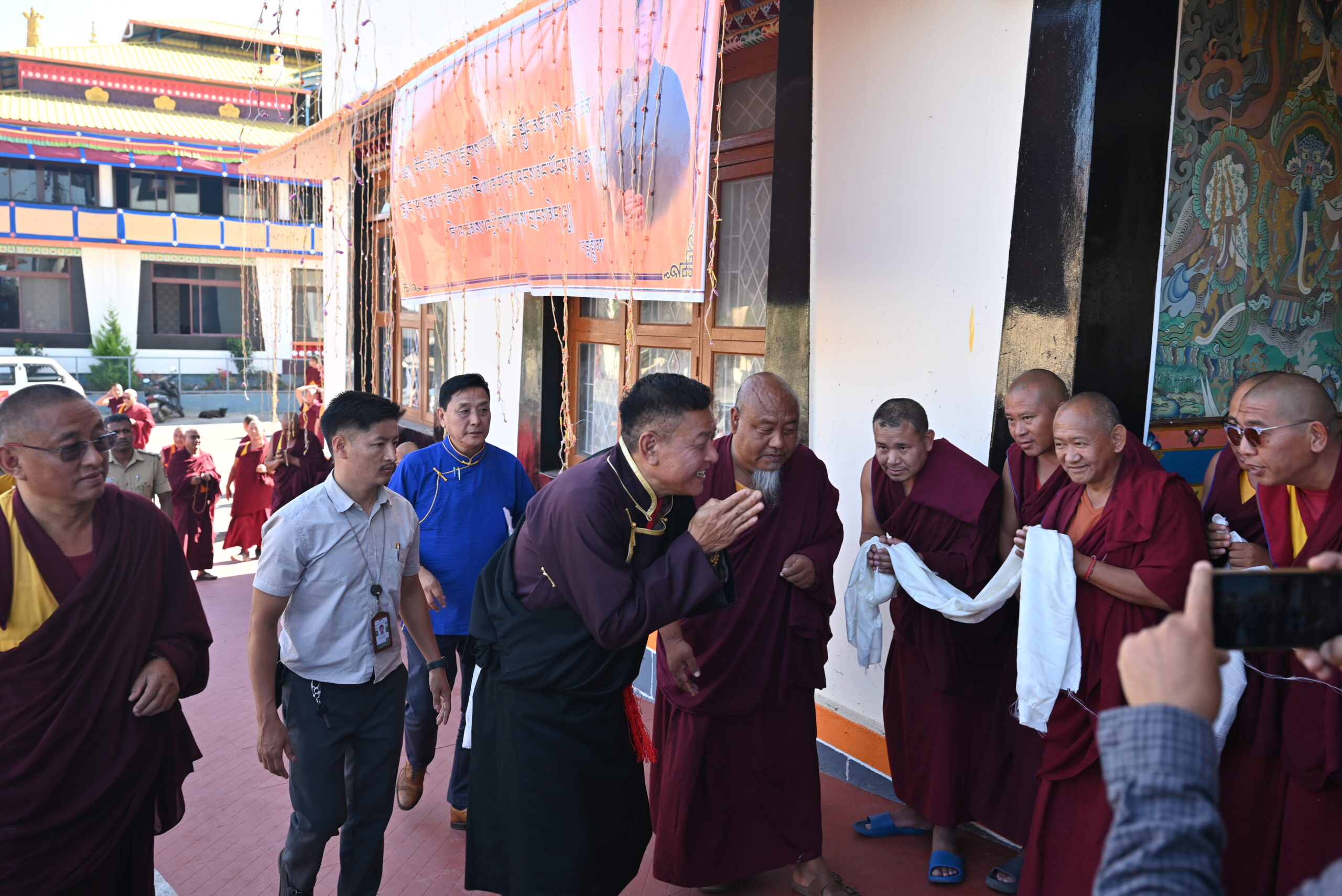
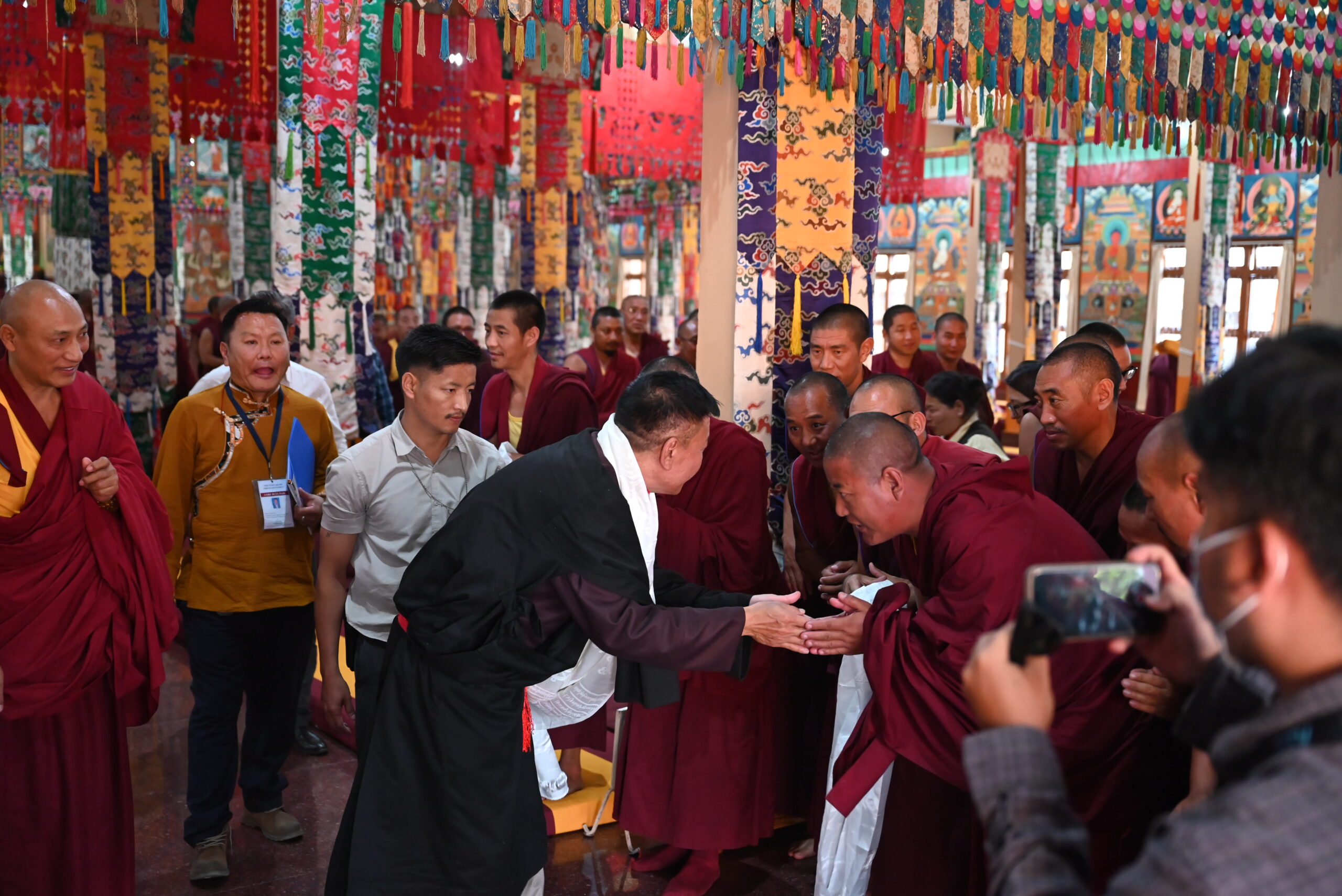
At Bylakuppe, the Tibetan community members, including Settlement Officers of Dekyi Larso and Lugsam, representatives of monastic institutions and local Tibetan civil societies, accorded a rousing welcome to Sikyong Penpa Tsering at the settlement’s entrance gate.
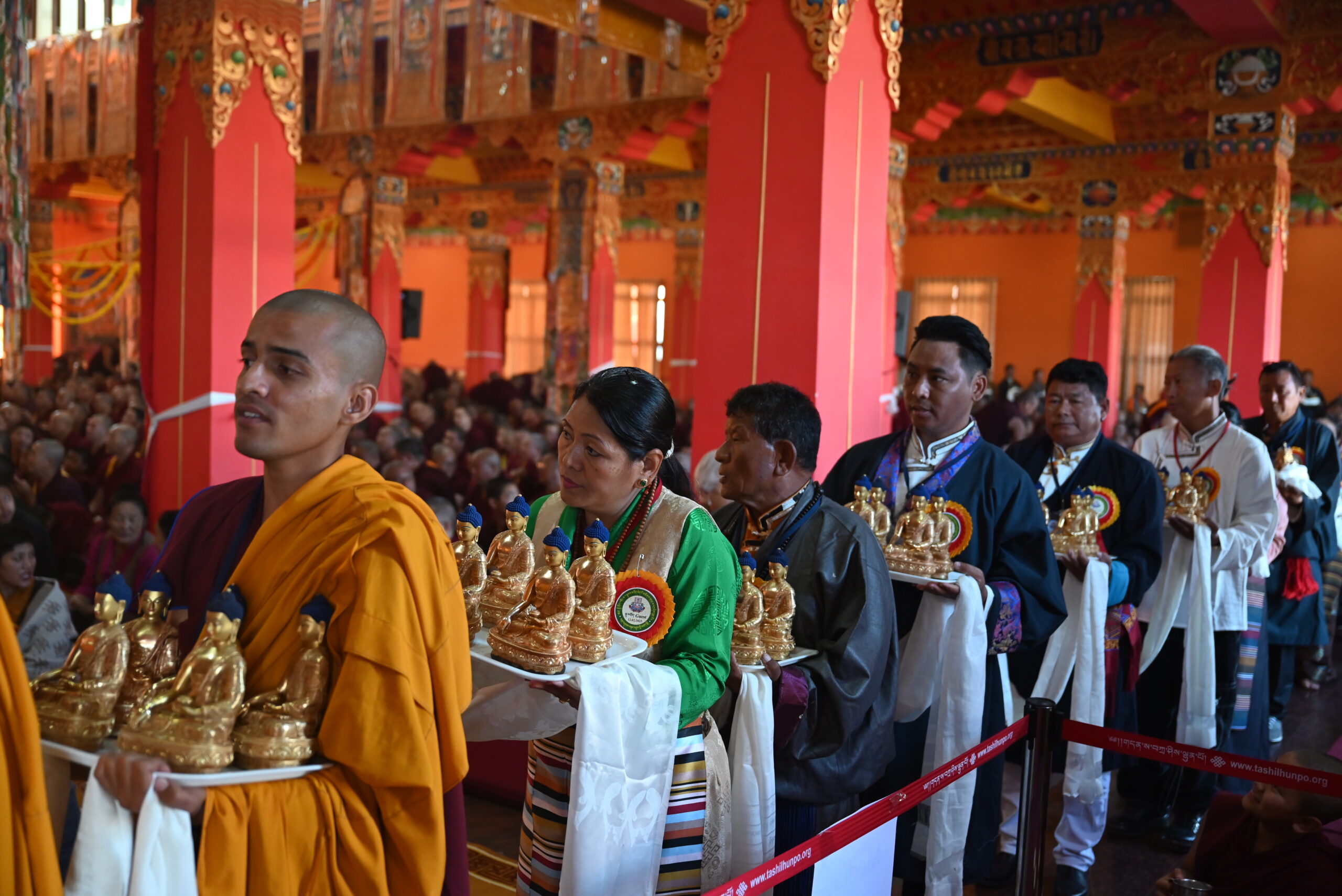
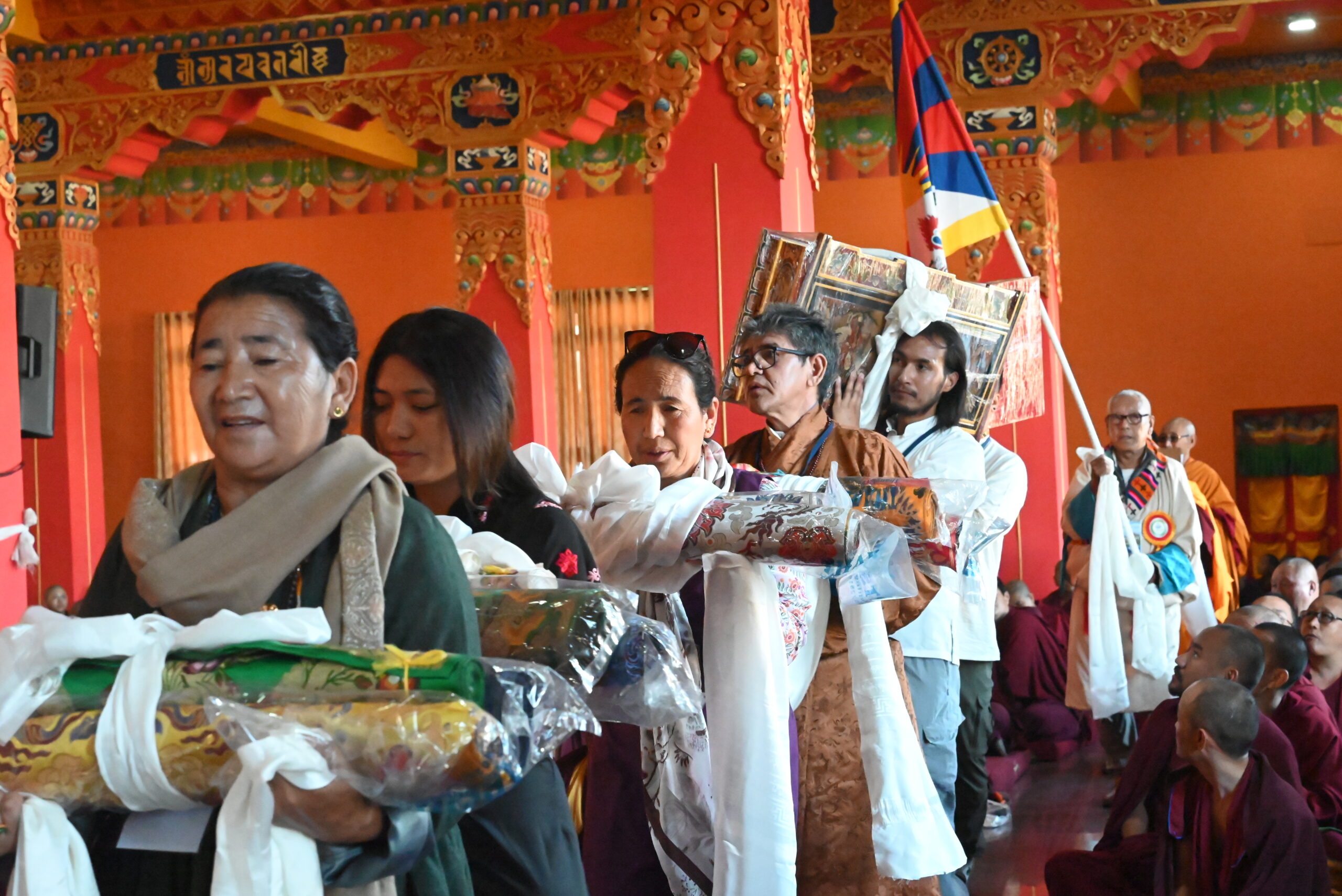
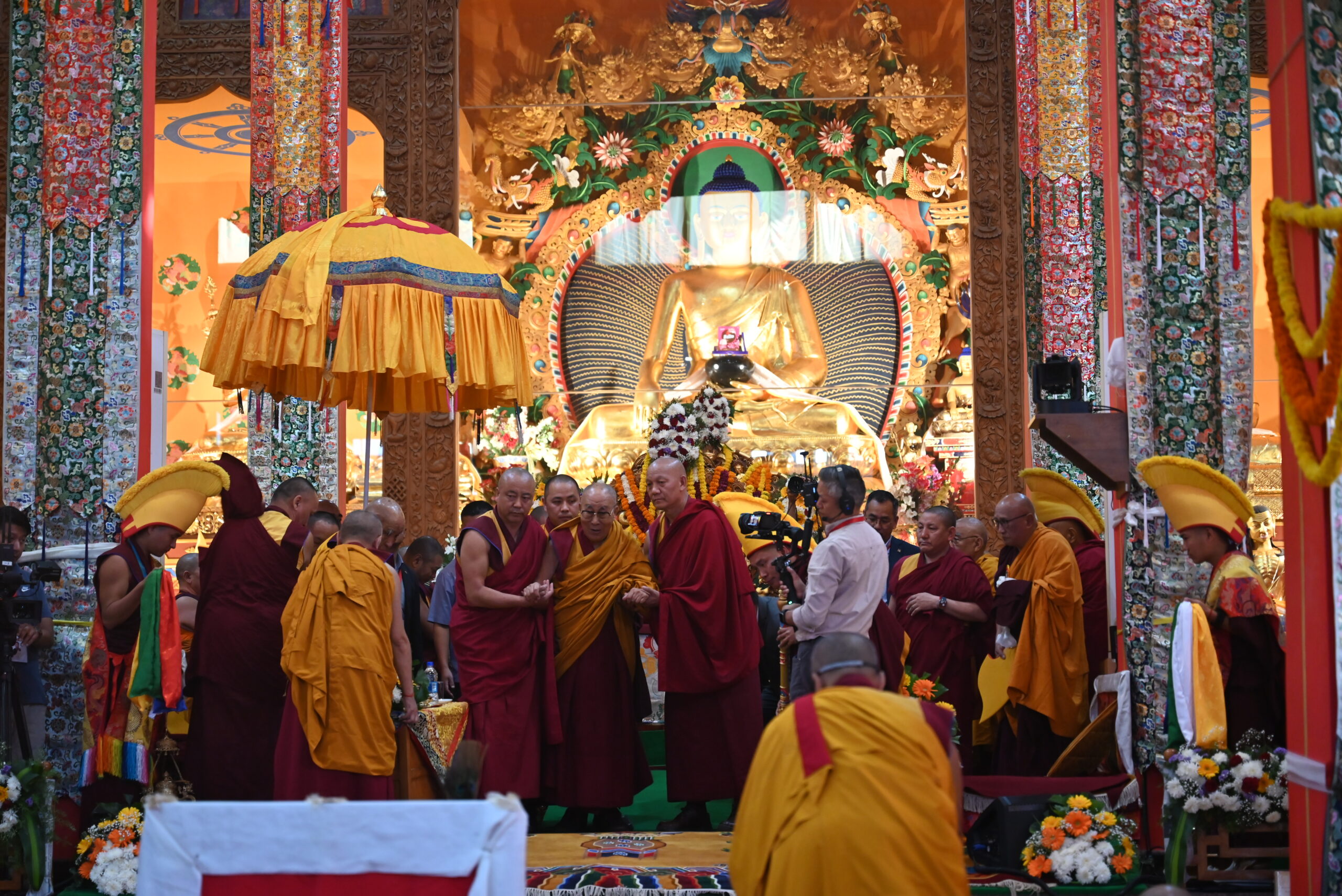
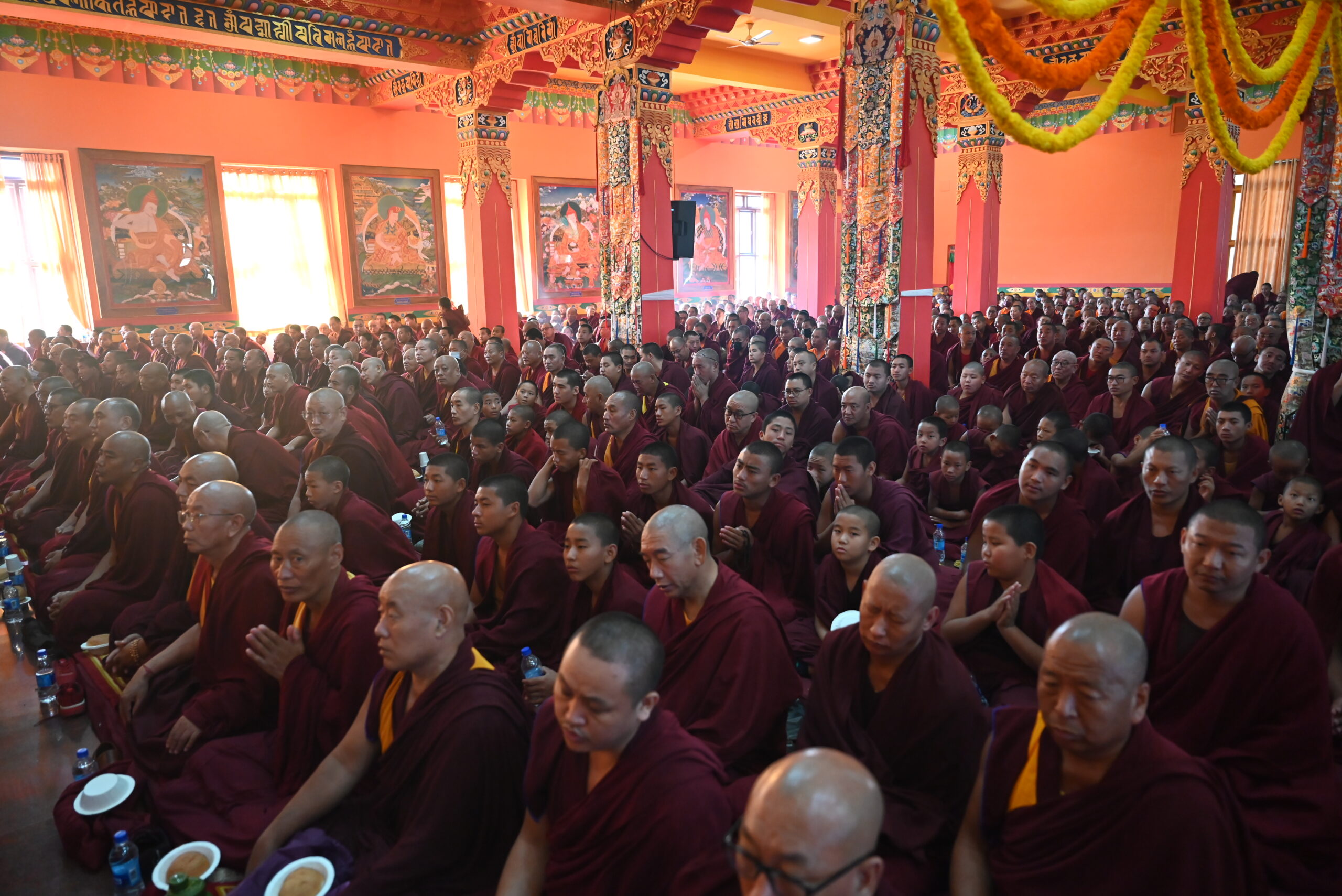
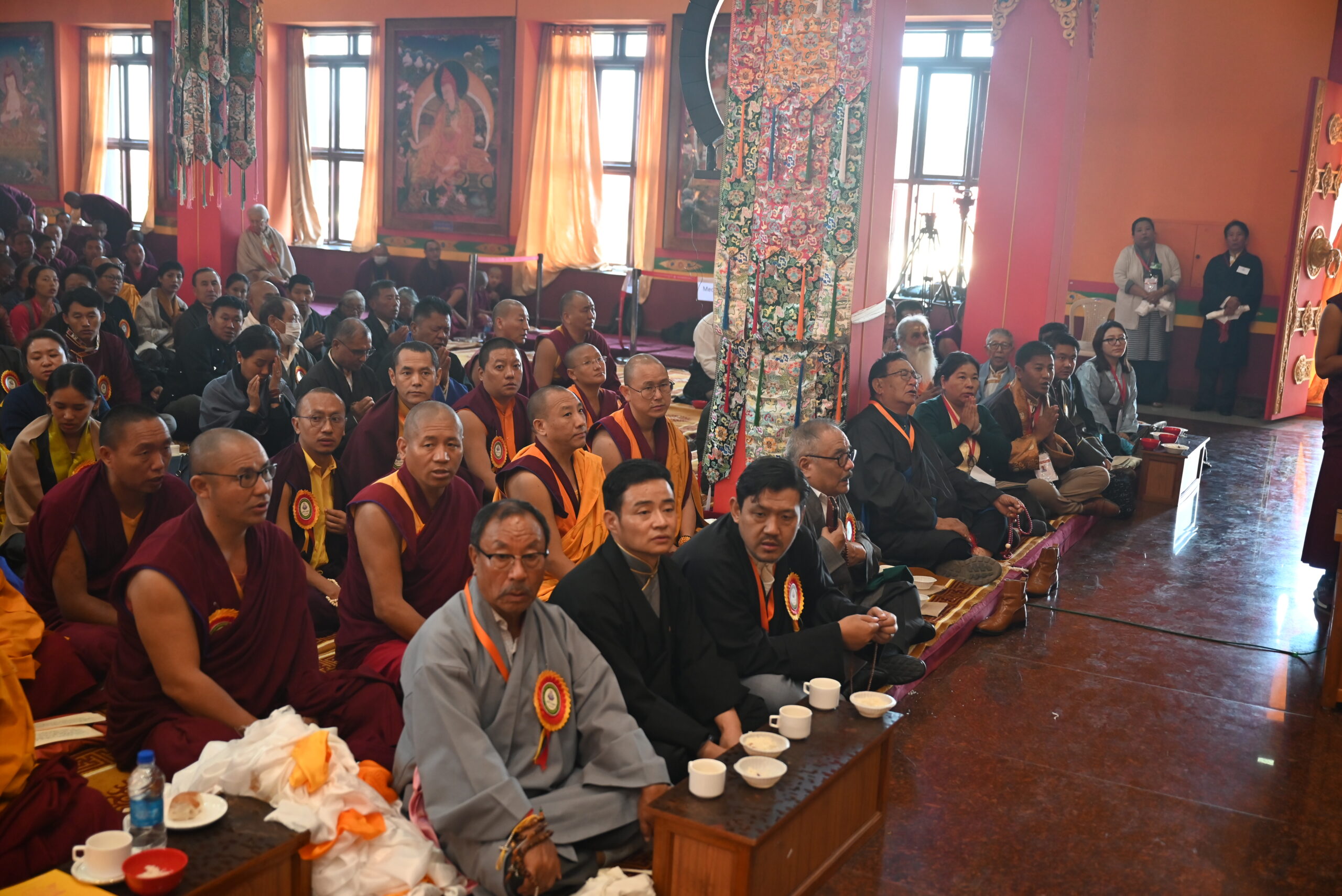
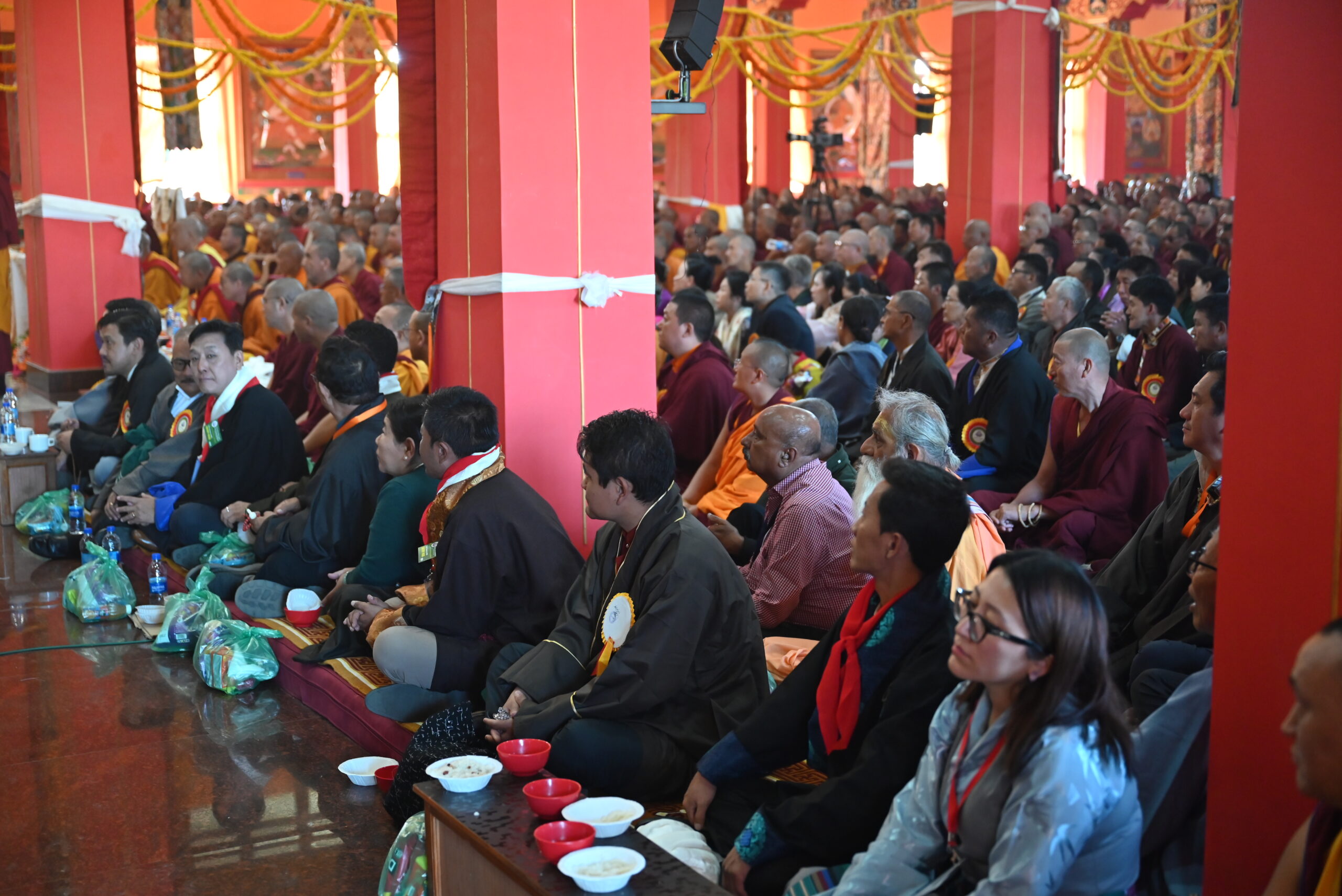
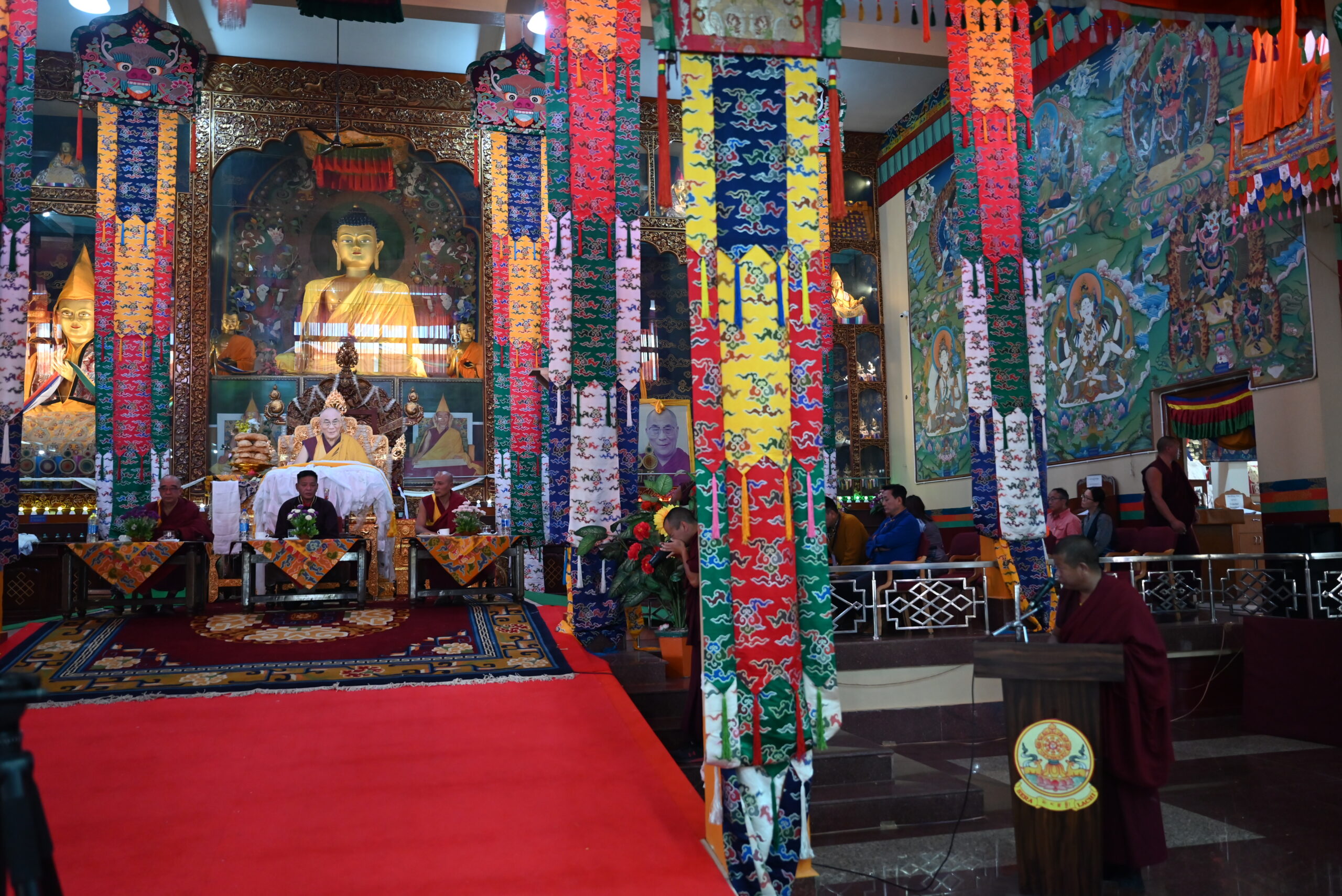
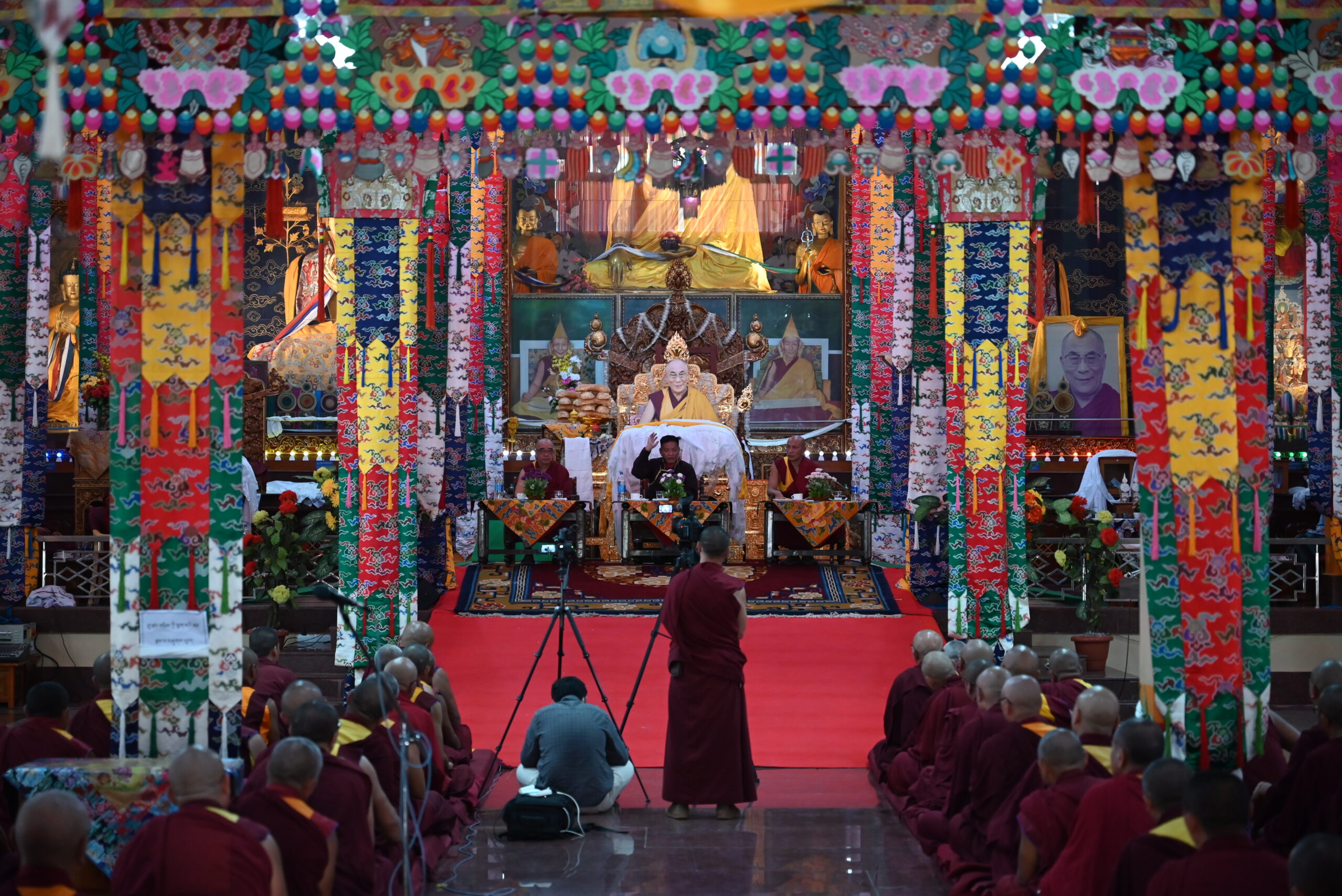
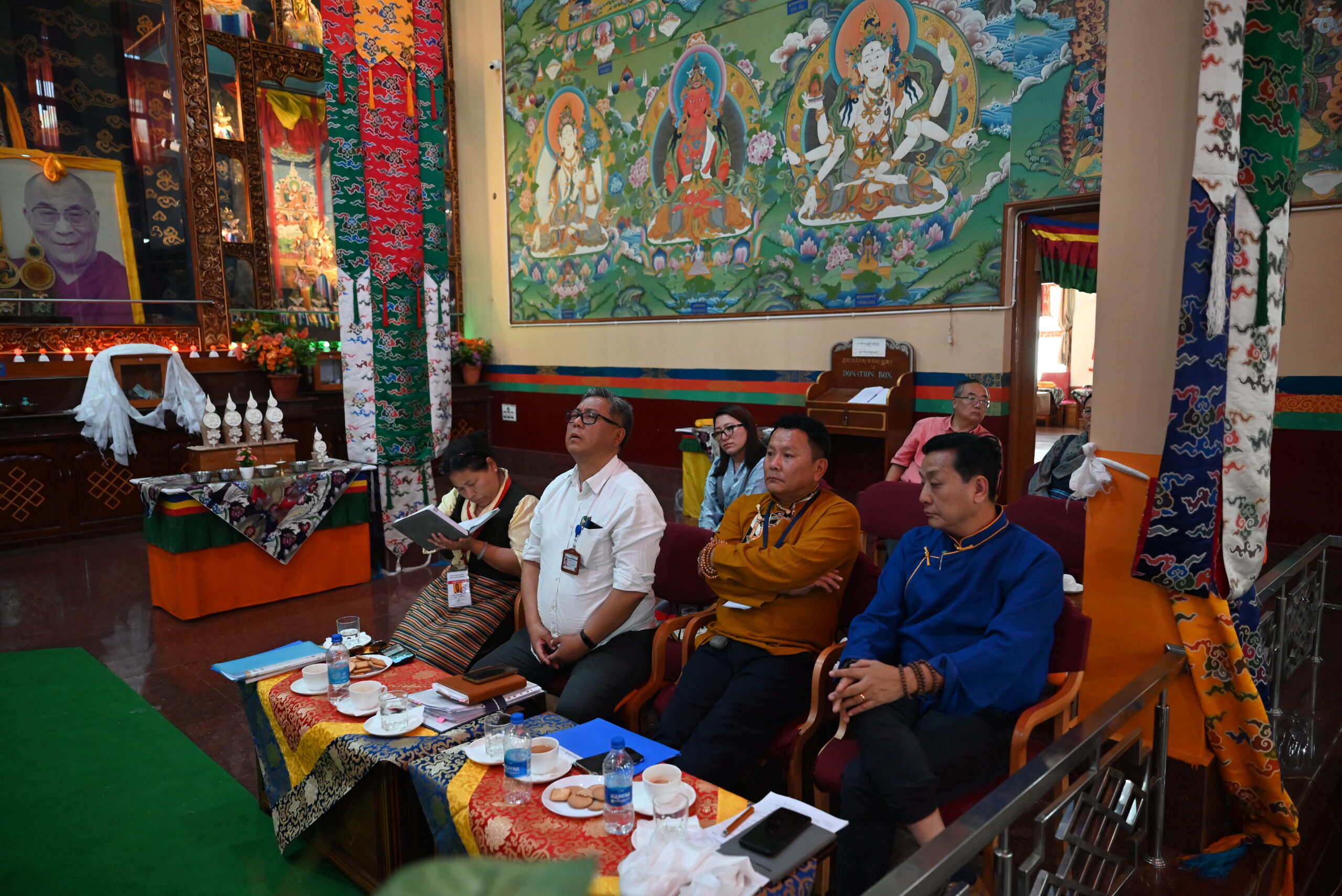
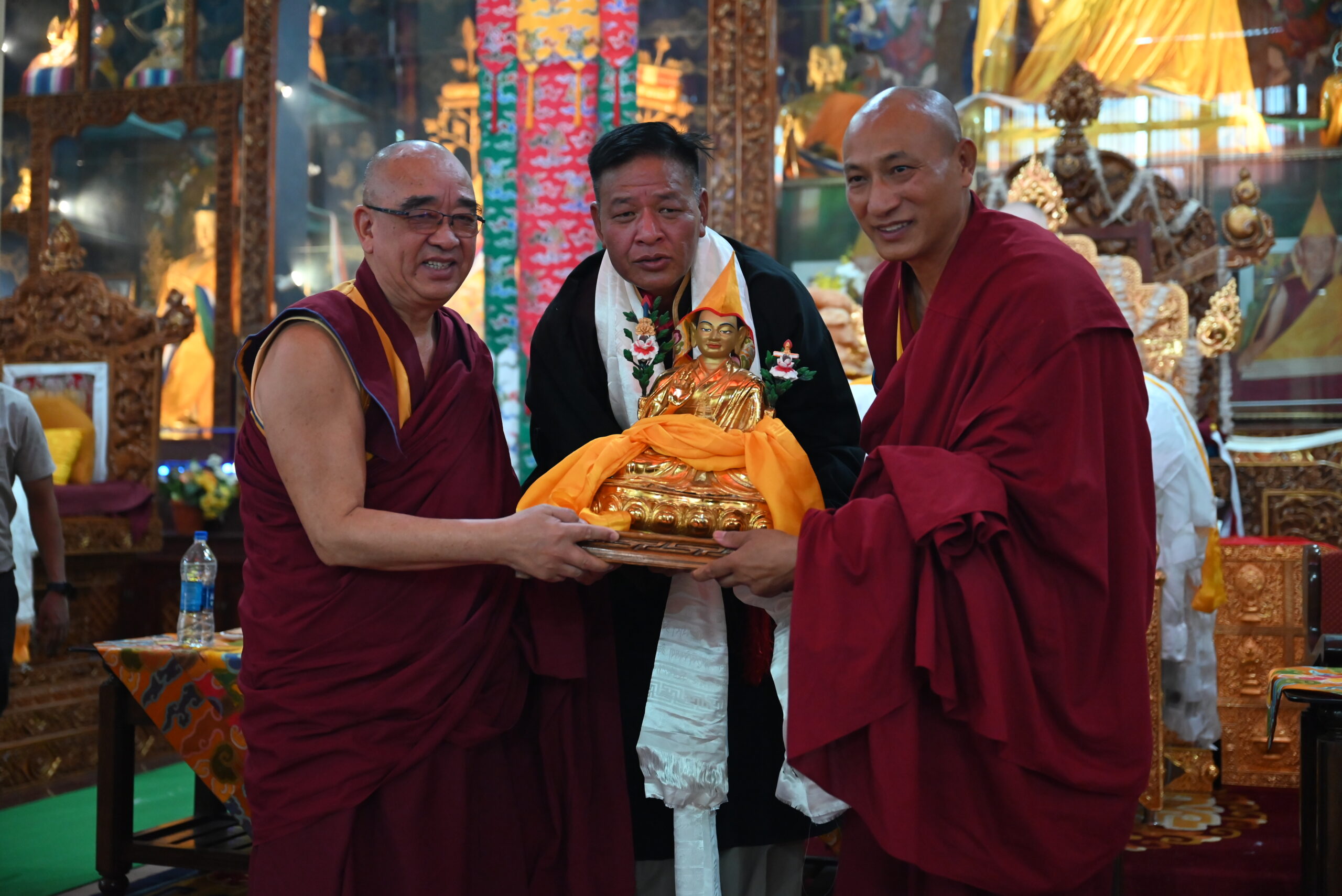
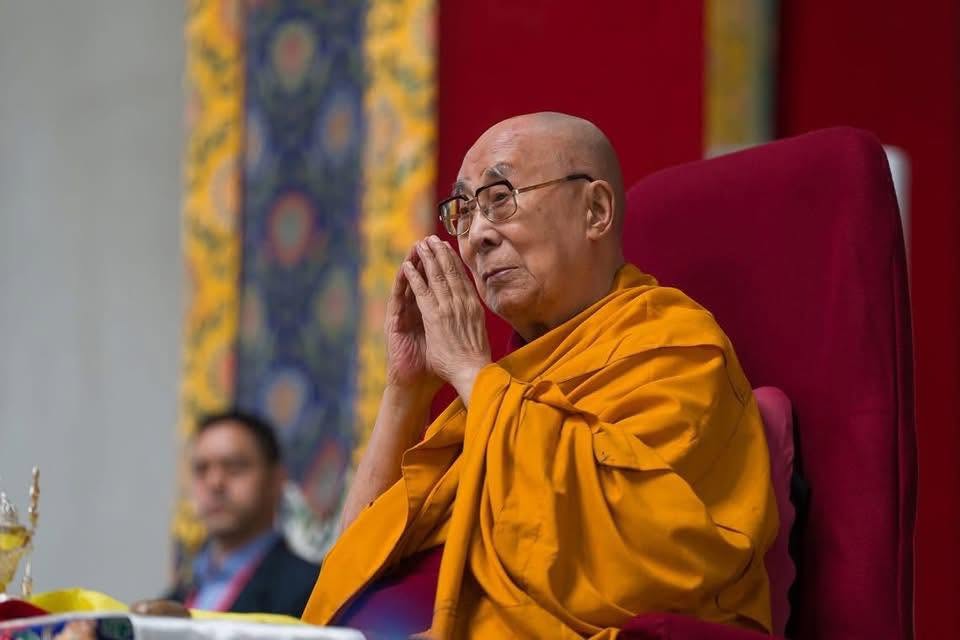
On 12 February 2025, as part of his first-day official engagement, Sikyong attended a Long Life Prayer ceremony offered to His Holiness the 14th Dalai Lama at Tashi Lhunpo Monastery based on the prayer ‘Homage and offerings to the Sixteen Elders’. During the ceremony, Sikyong made an offering of mandala and three jewels, the statue, the stupa, and the scripture, representing Buddha’s body, speech, and mind.
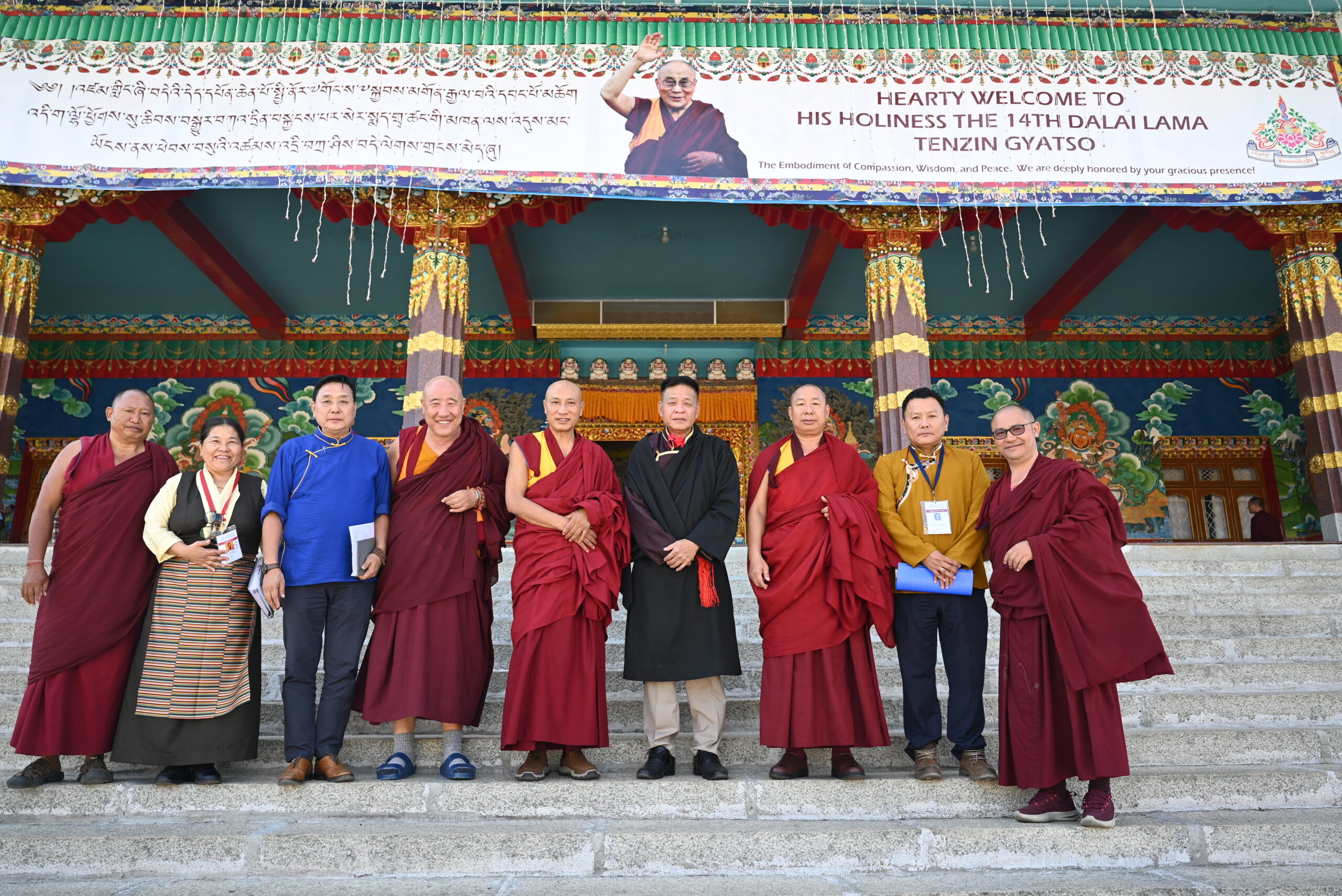
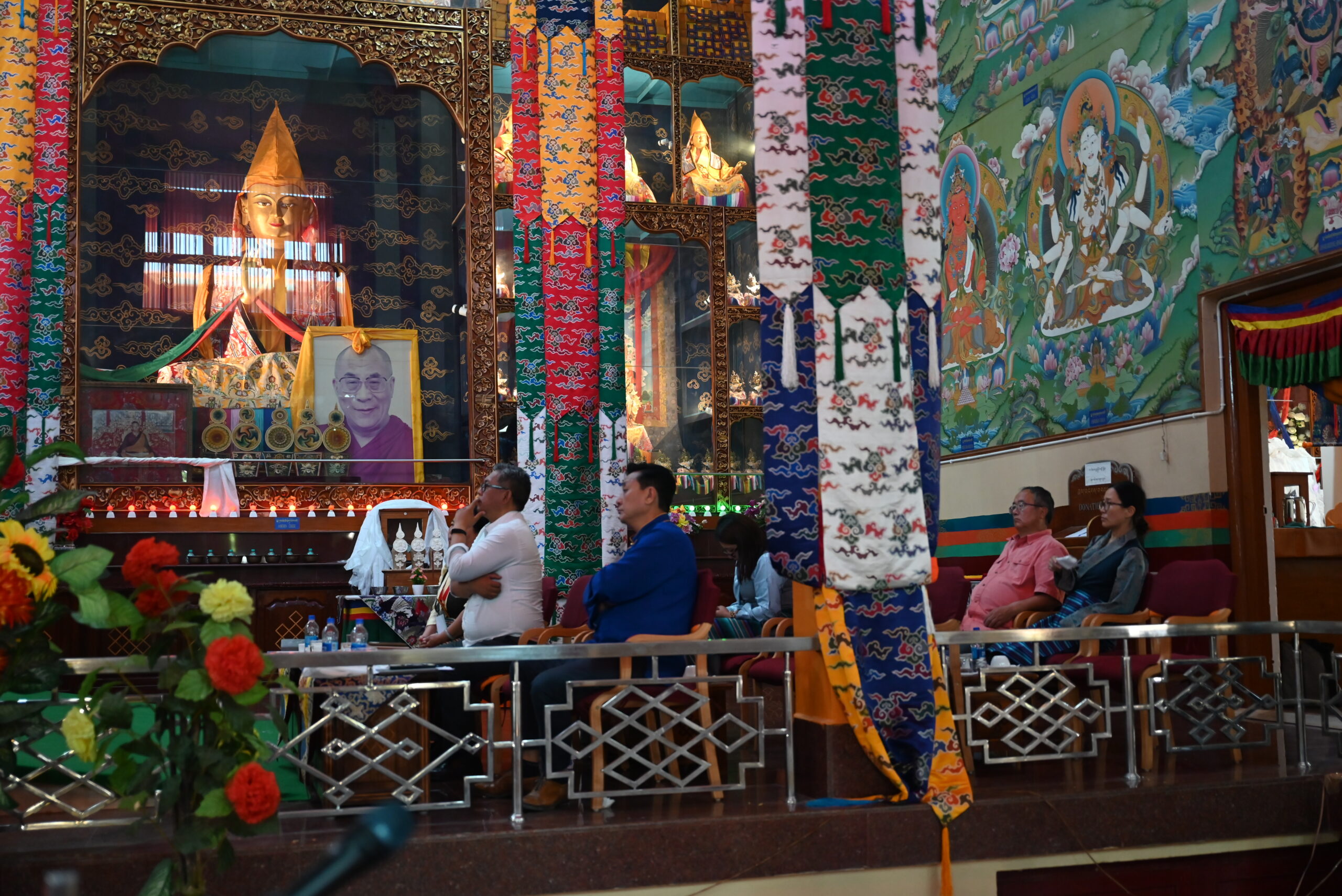
Alongside Sikyong, the long-life prayers offering was also attended by Tibetan parliamentarians Migyur Dorjee, Ngodup Dorjee, Lobsang Gyatso Sither and Lobsang Thupten. Also present were Jigme Tsultrim, Chief Representative Office of South Zone (CRO); Settlement Officer Gelek Jungney, Lugsum Samdupling Settlement; Settlement Officer Chime Dorjee, Dekyi Larsoe Settlement; Settlement Officer Norbu Tsering, Hunsur Rabgyeling Settlement; Settlement Officer Thupten Tsering, Kollegal Dhondenling Settlement; and Settlement Officer Rinchen Wangmo, Mundgod Deoguling Settlement.
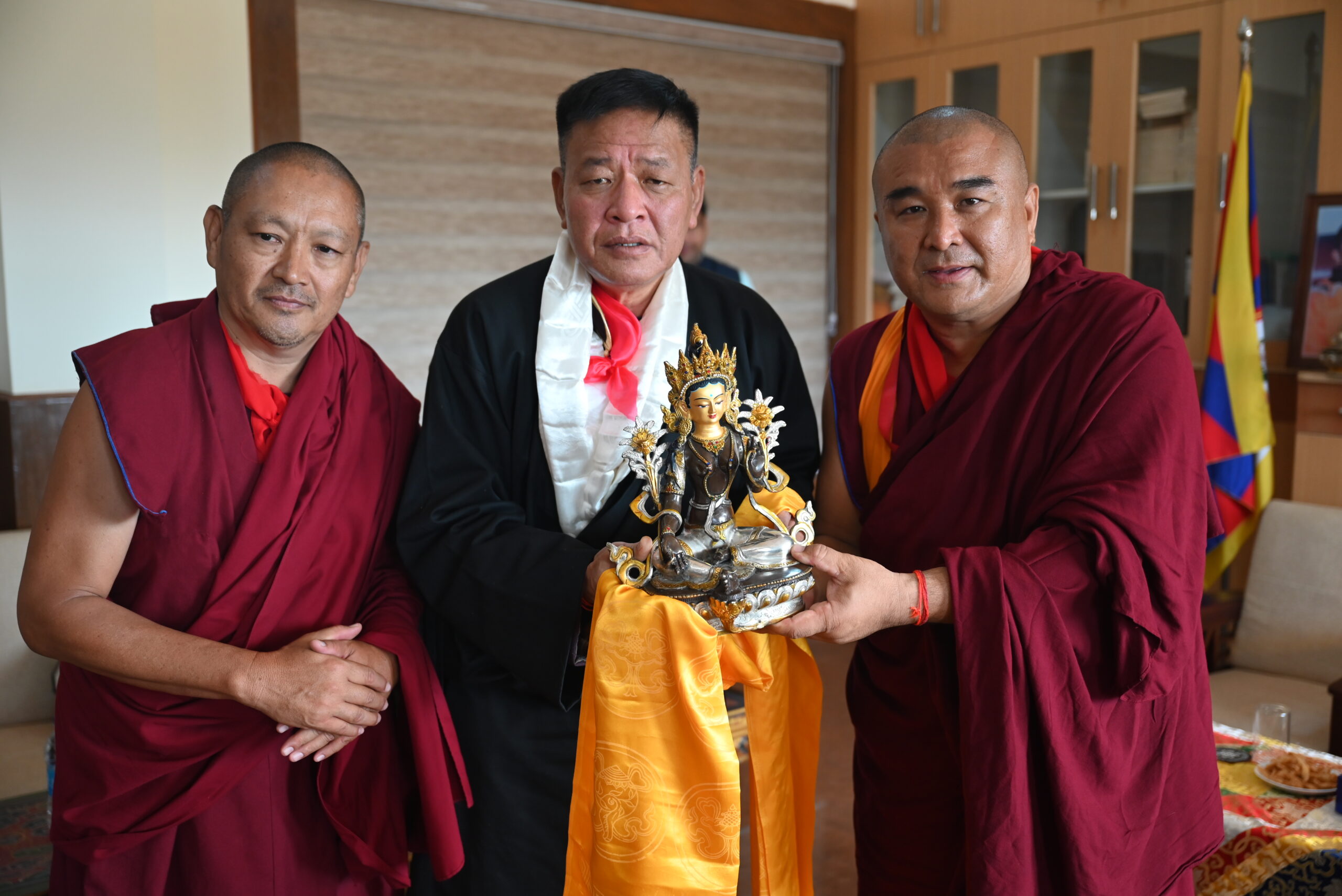
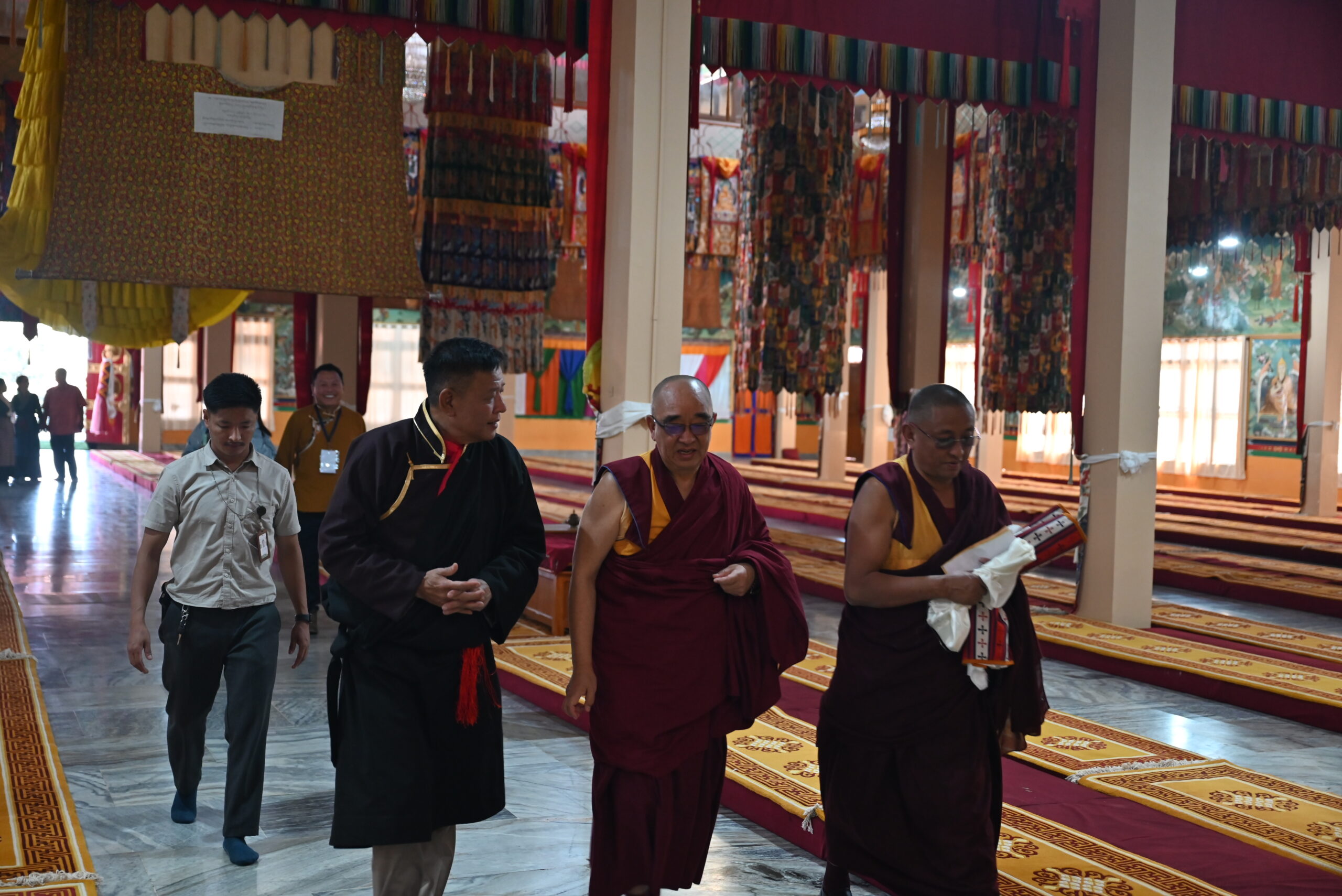
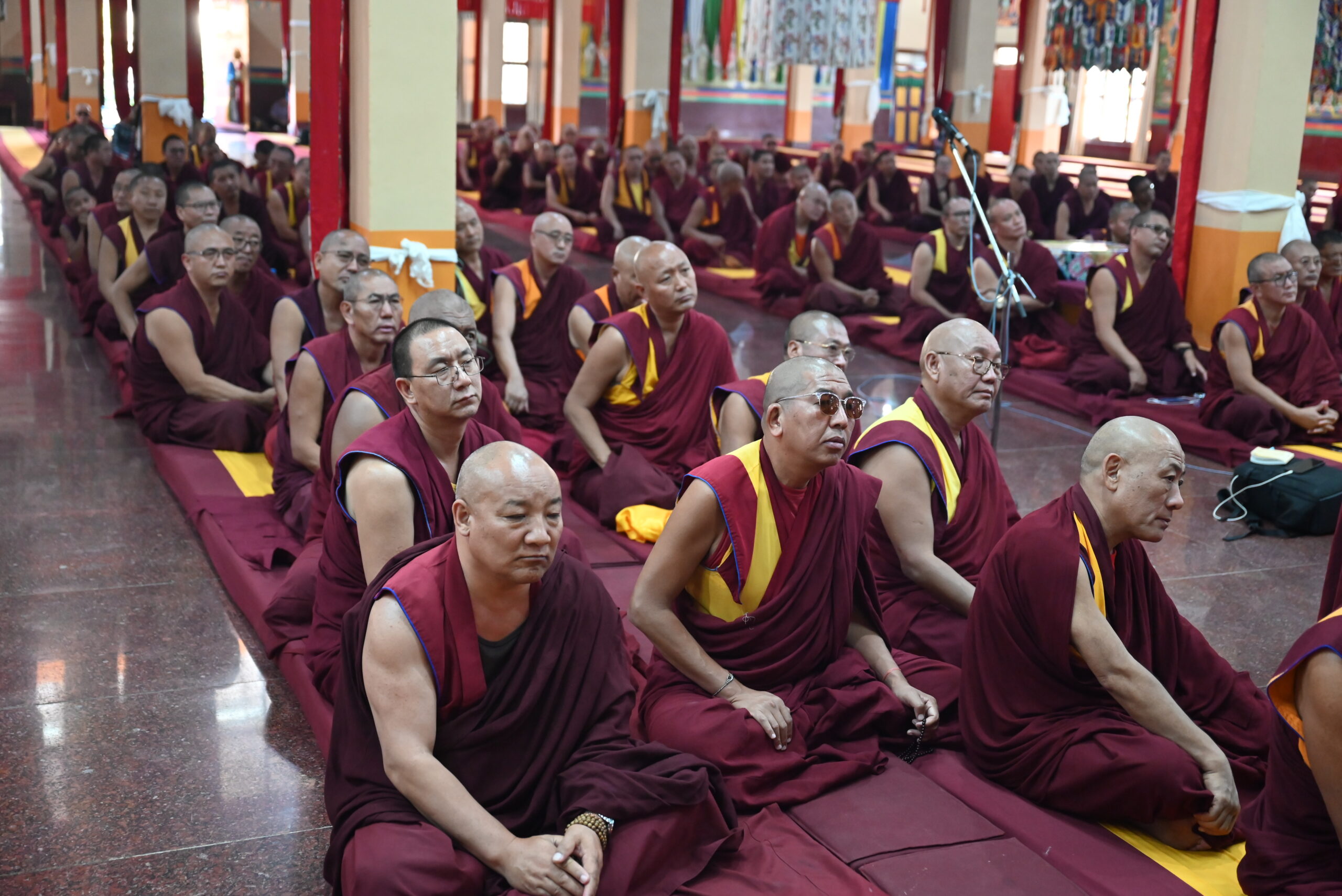
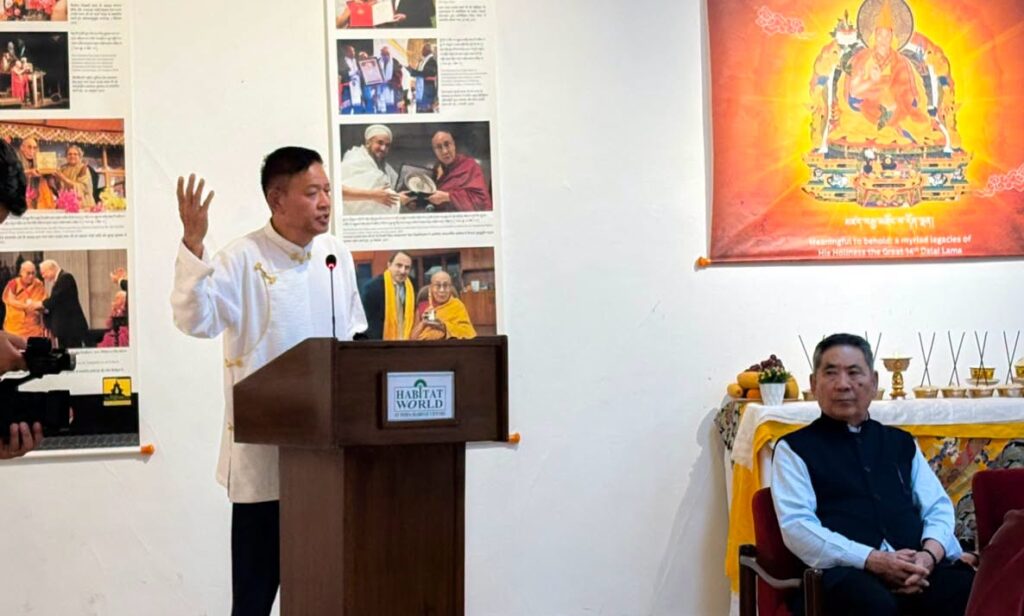
After lunch Sikyong Penpa Tsering visited and toured the premises of Sera Mey Monastery, followed by Sera Jey, where the abbots-led administrators and monks welcomed him. Sikyong then addressed the monks during a gathering, underlining the “Year of Compassion” celebration. “This year is an important year for all Tibetans as His Holiness the Dalai Lama reaches His 90th year” said Sikyong, while calling for every Tibetans to celebrate this historic milestone.”
Sikyong further emphasised that this year serves as an opportunity to reflect on His Holiness’ lifelong commitment to peace, nonviolence and the preservation of Tibetan identity. “We must honour His Holiness’ legacy by embodying the values of unity and compassion while strengthening our collective efforts for the Tibetan cause,” he added.
Sikyong further highlighted the importance of building strong relationships with local communities acknowledging the assistance and supports extended by government and people of India that has enabled Tibetans to sustain their community in exile while preserving its unique cultural and ethnic identity.
While calling for unity intact by not dignifying one divisive affiliation toward one’s religious sect and province, Sikyong stressed, “No matter what, we must stay united. Despite different political opinions between Rangzen and Uma, the ultimate objective is to strengthen the foundations of the Tibetan freedom struggle.” Sikyong encouraged the gathering to actively contribute to the collective cause and focus on what unites them rather than what divides them.
In addition, Sikyong Penpa Tsering introduced Dr Gyal Lo, who received his PhD from the University of Toronto, and lauded his meaningful contribution to Tibetan education and alerting the international community of PRC’s systematic erasure of Tibetan identity through repressive education policies.
Sikyong further stated, “As the world is changing so fast, we should also be aware of it. These days Chinese authorities are making more restrictions specially in Tibet. Chinese authorities have intensified their propaganda efforts in Tibet, aiming to distort historical narratives and suppress cultural identity. This campaign includes the dissemination of false information and the establishment of fake online platforms to manipulate perceptions both domestically and internationally. The Chinese government has been actively promoting a narrative that portrays Tibet as an integral part of China, despite historical evidence to the contrary. This effort is characterised by several key strategies:” However, Sikyong reiterated the Central Tibetan Administration’s commitment to upholding democratic values and ensuring the representation of diverse perspectives within the Tibetan struggle.
During the gathering, Sikyong also addressed key issues concerning the Tibetan community, including efforts to enhance education, sustain cultural preservation programs and improve socio-economic conditions. He reaffirmed the administration’s dedication to serving the Tibetan people and ensuring their welfare in exile while striving for a lasting resolution to the Tibetan issue.
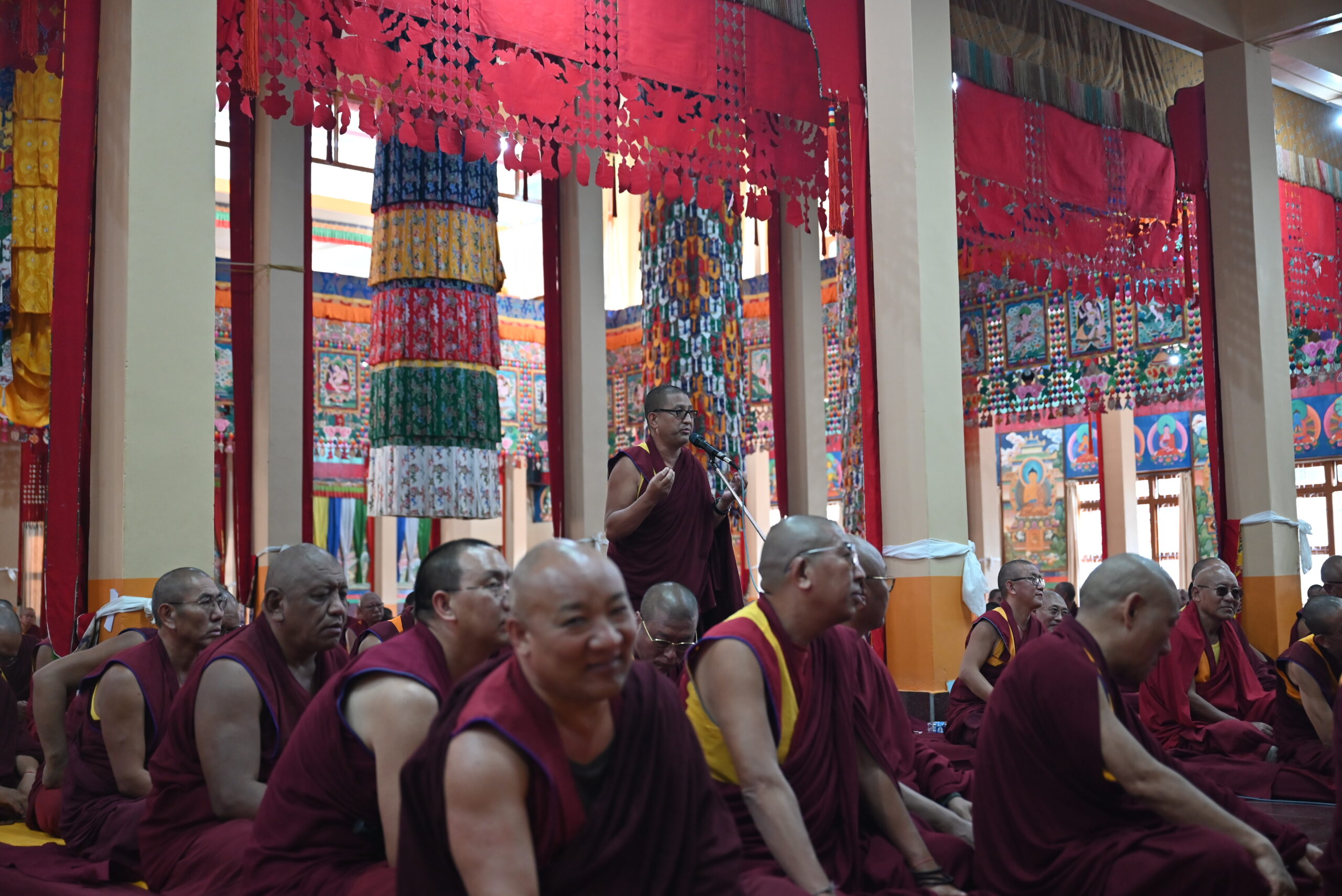
The event concluded with an interactive questions and answers session.