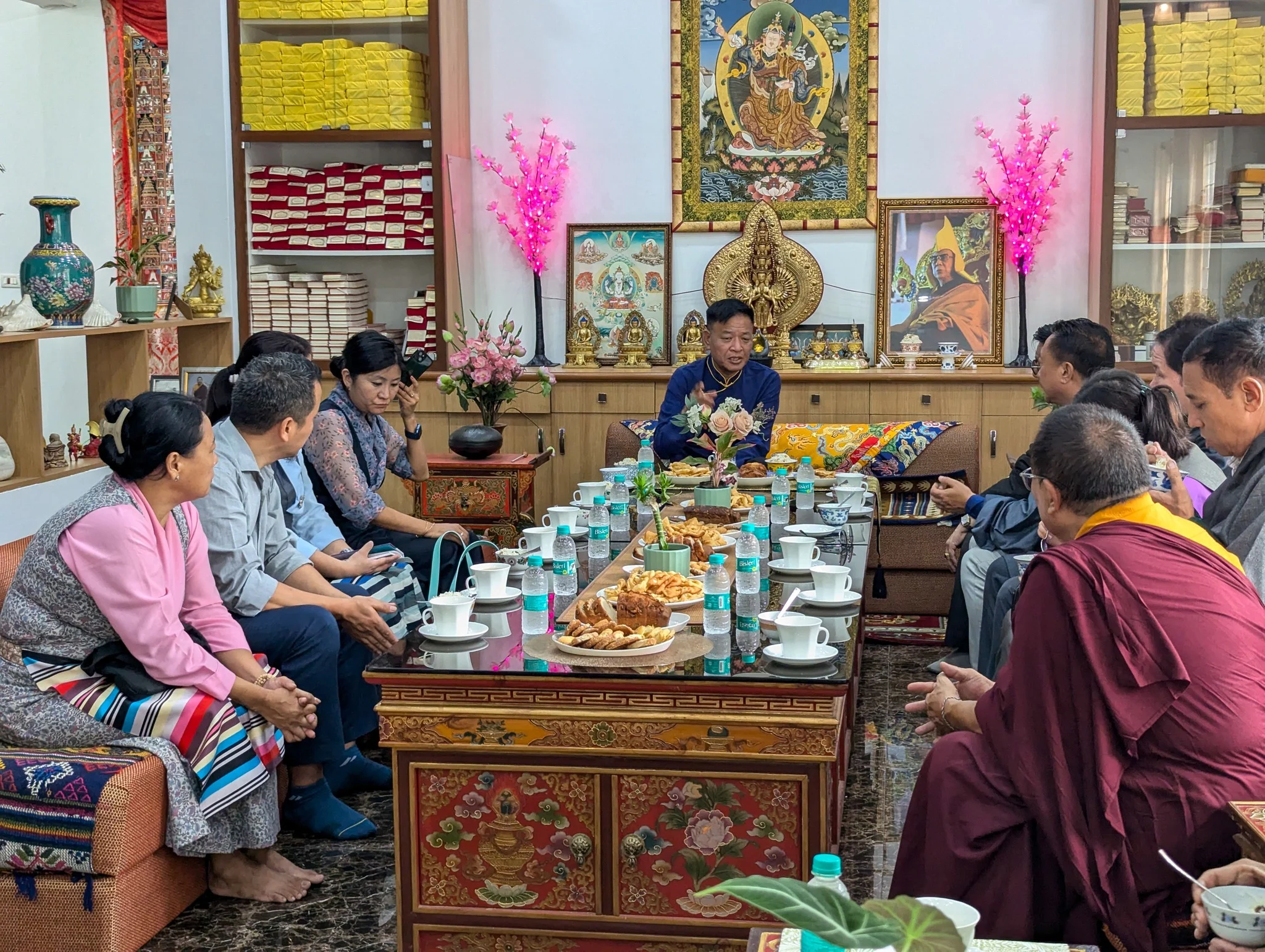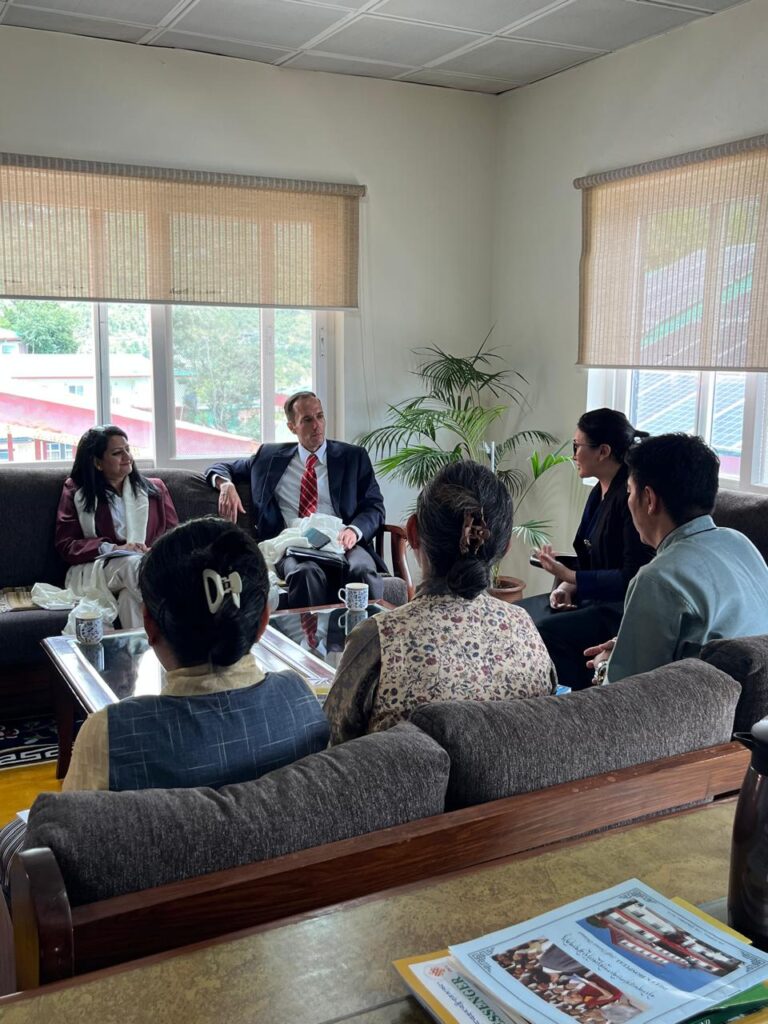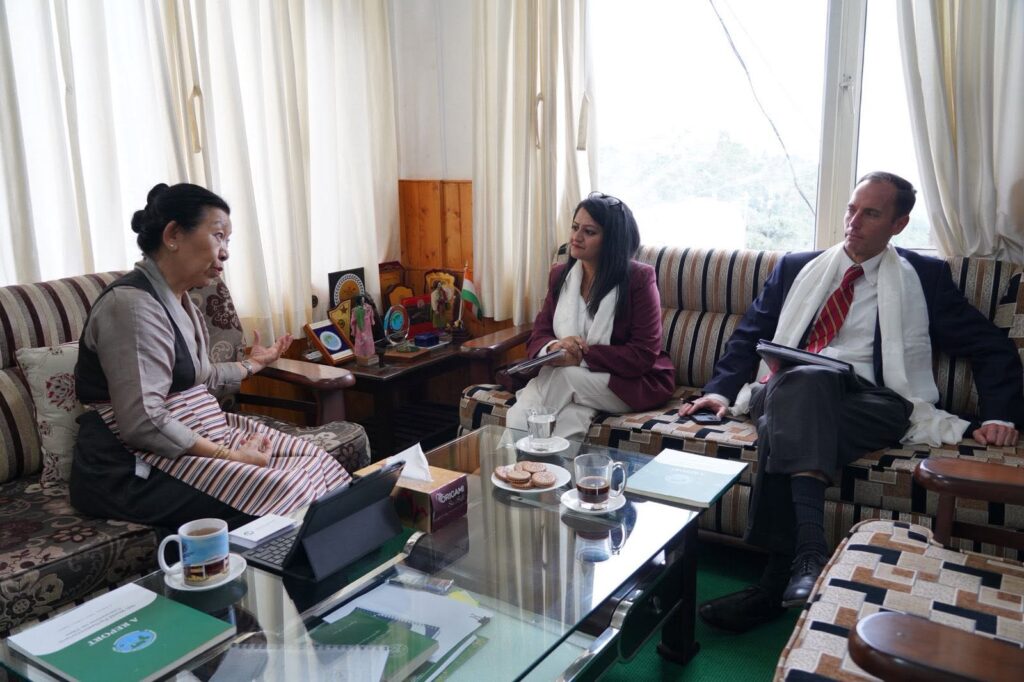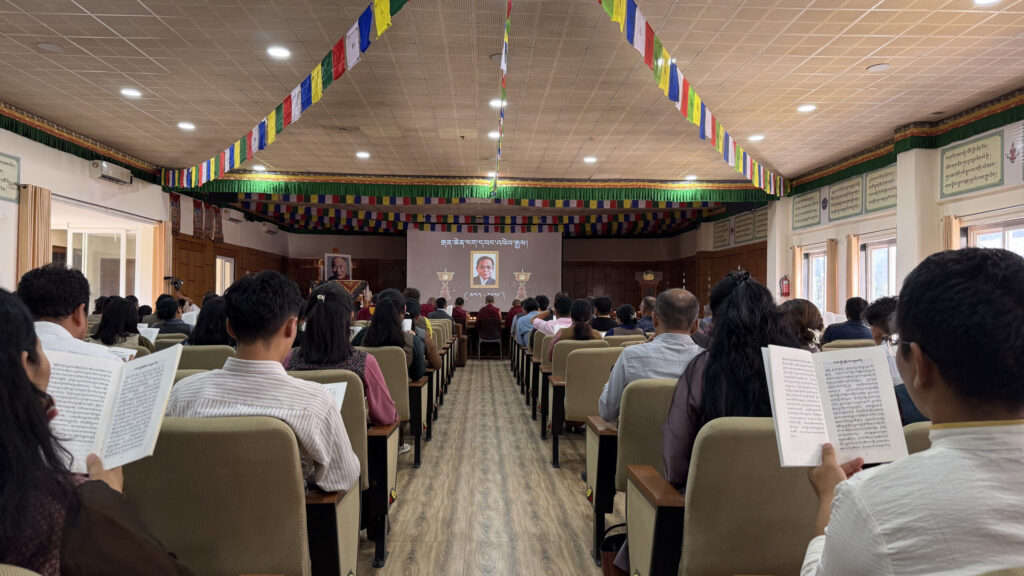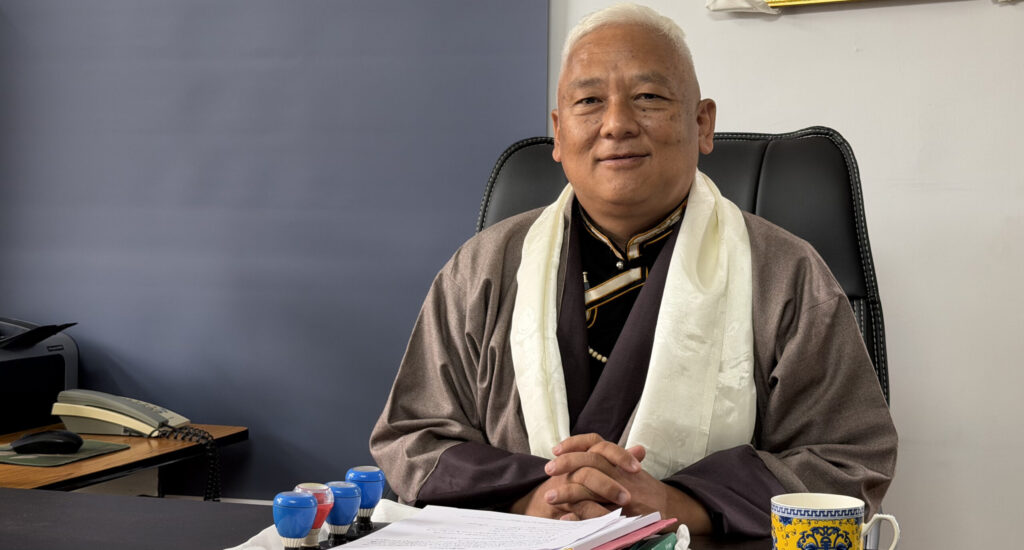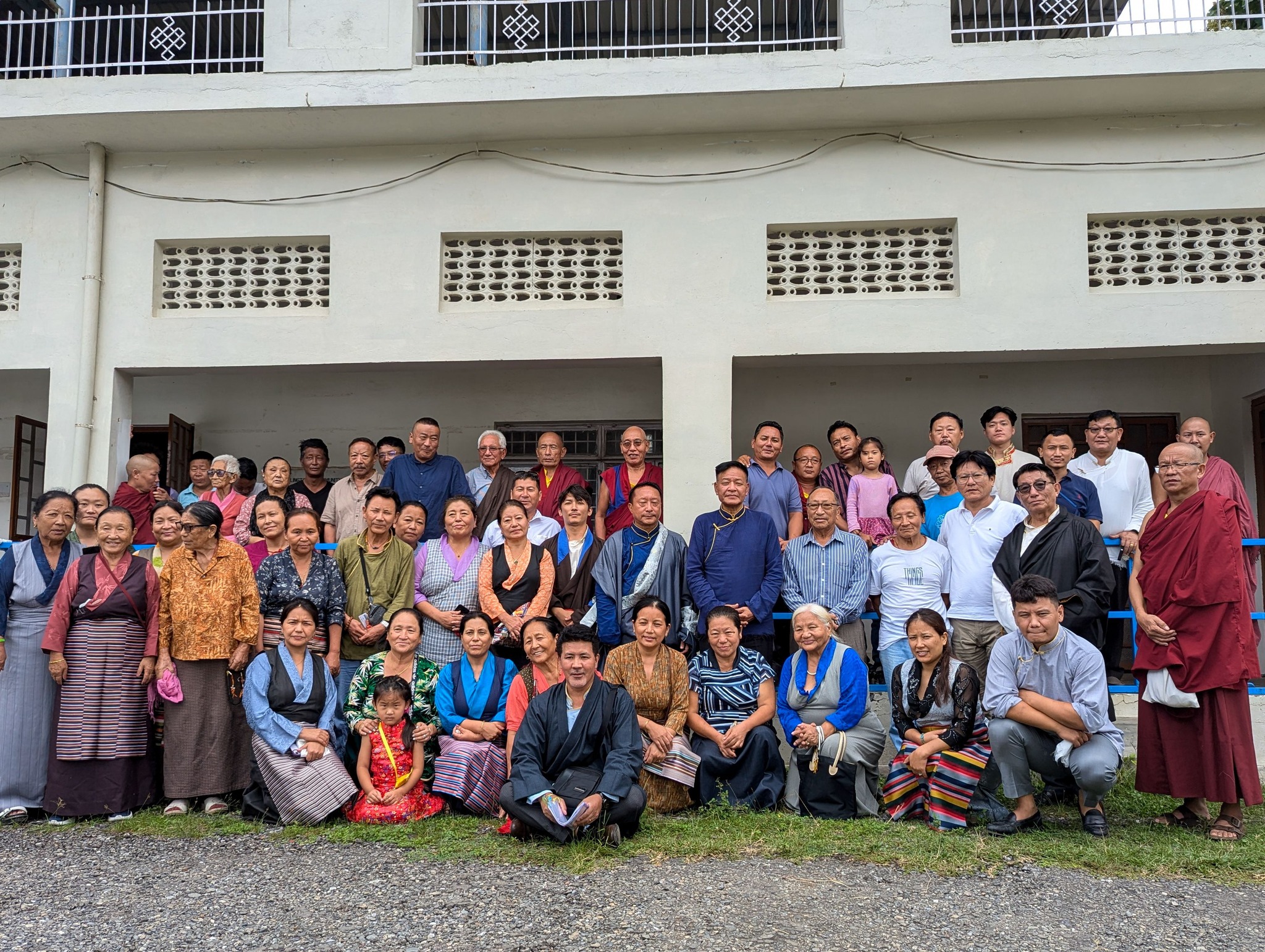
Dehradun: On the morning of 28 September 2024, Sikyong Penpa Tsering began his official visit to Tibetan Settlements in the Dehradun area. Upon arrival at Manduwala Tibetan Settlement, Sikyong was warmly welcomed by the local Tibetan Settlement Officer Dondup Gyalpo, the President of the Local Tibetan Assembly, the President of the Local Tibetan Freedom Movement, representatives from various monasteries, and representatives from both governmental and non-governmental Tibetan organizations in the area.
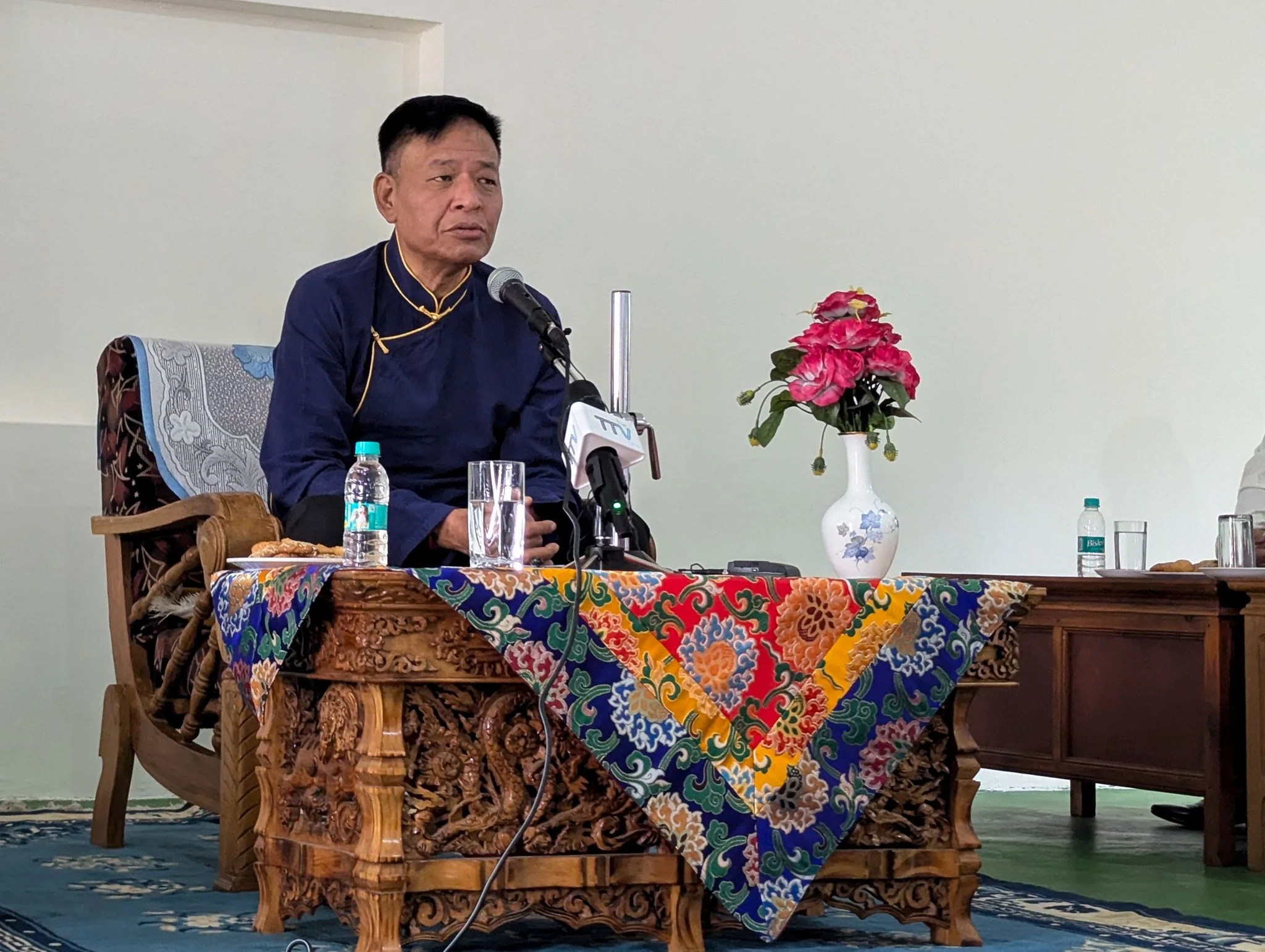
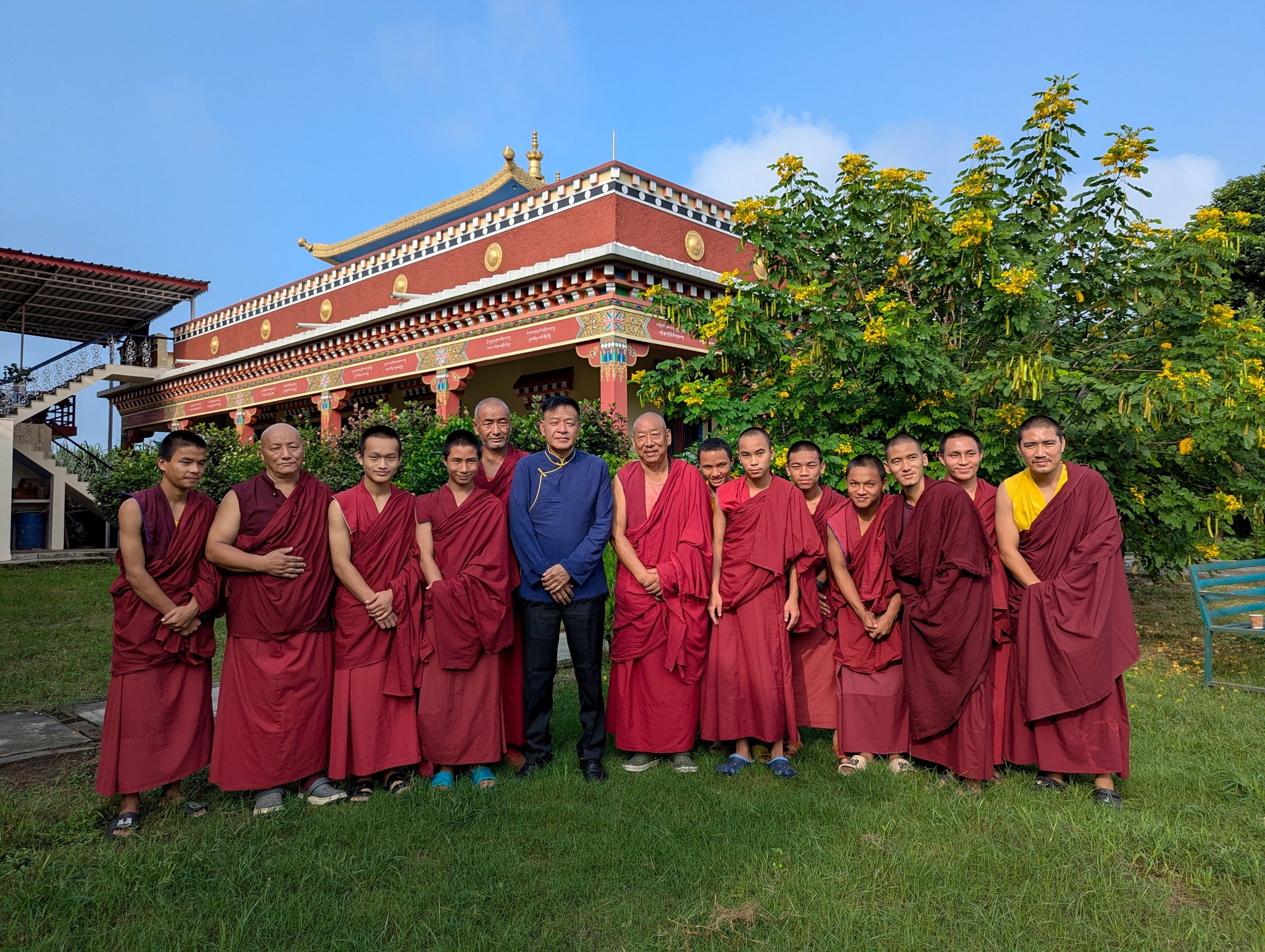
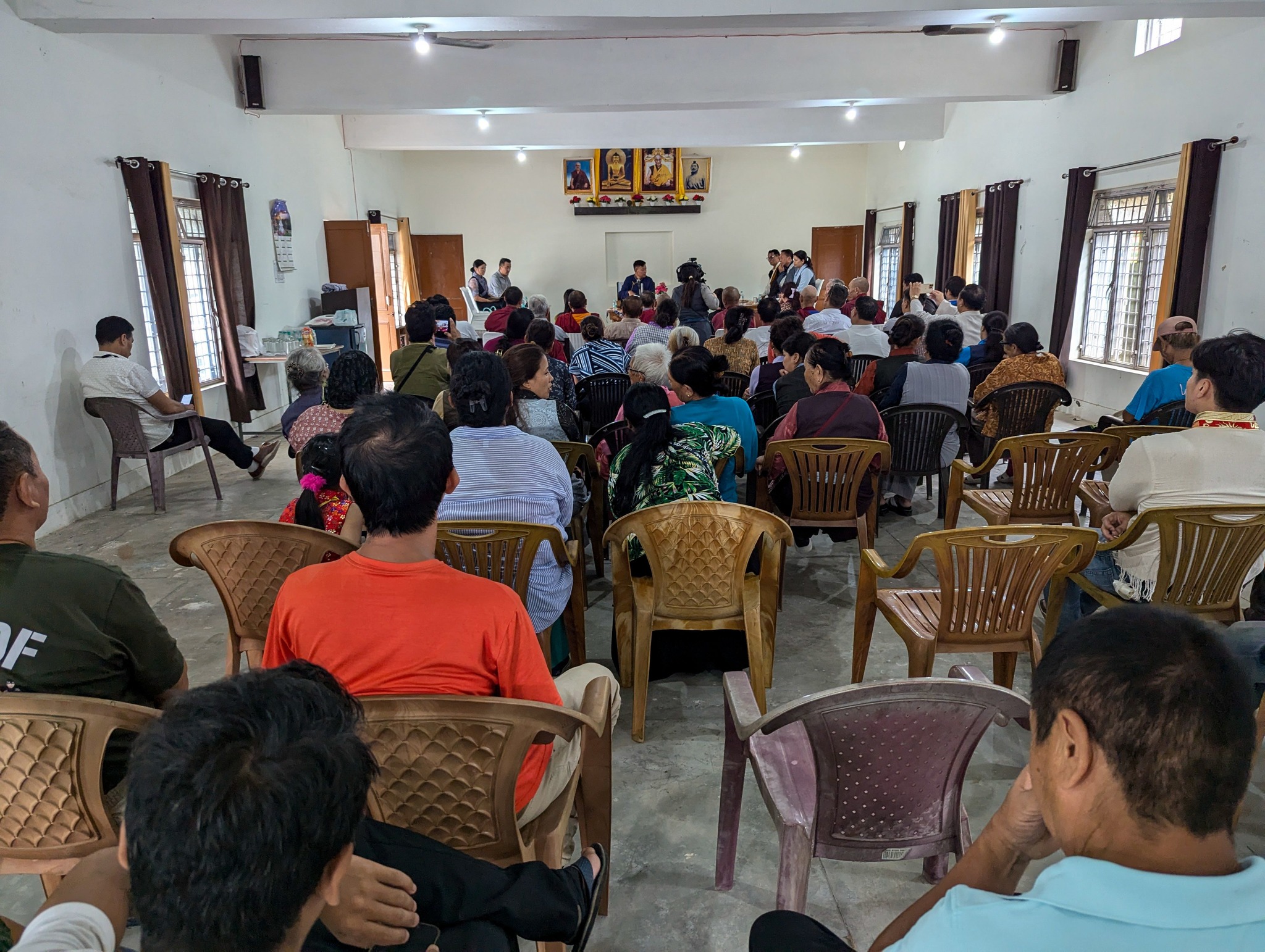
After the welcome, Sikyong visited Gesar Temple, Zamön Gyalyung Ling Monastery, and Palpung Kunkhyab Chöling Monastery. Subsequently, he delivered a speech to the public at the Lingtsang Community Hall (Manduwala).
At the beginning of the speech program, Dehradun Tibetan Settlement Officer Dondup Gyalpo welcomed the Sikyong and presented the annual report of the settlement. Afterwards, Sikyong addressed the gathering.
In his speech, the Sikyong praised the local organisations of Lingtsang settlement for their ongoing efforts to address their local issues. He also promised that the Central Tibetan Administration would provide as much support as possible based on the fundamental needs of the local people.
Sikyong highlighted the challenge of the decreasing number of monks in Tibetan Buddhist monasteries in exile and stressed that, according to the records of the Department of Religion and Culture, the number of monks has decreased over the past three years. He further noted that the majority of current monks are from Himalayan communities.
He pointed out that among all refugee communities worldwide, only Tibetans have a fully democratic system in exile. For the future stability of the Tibetan community, including the Central Tibetan Administration, he stressed the importance of abiding by local laws, properly registering organisations, following correct procedures for receiving foreign funds, and carefully preserving land ownership documents. He announced that the CTA plans to offer workshops to raise awareness about Indian laws.
Similarly, Sikyong explained that Chinese President Xi Jinping is forcibly transforming all ethnicities into Chinese people with communist ideology. He clarified that in Tibet, there are increasing restrictions on teaching the Tibetan language, and private schools teaching Tibetan are being closed.
He reminded everyone of the value of the Tibetan language, especially as the medium for priceless Buddhist scriptures and philosophical texts. In connection with this, he explained that the Department of Religion and Culture is digitising important texts to create a Tibetan digital library to preserve Tibetan Buddhism.
Furthermore, he mentioned that the Tibetan language has now entered the field of artificial intelligence.
Additionally, Sikyong explained that this year, through the joint strategic efforts of the Central Tibetan Administration, the International Campaign for Tibet, and other Tibet-related organisations, they were able to establish the Resolve Tibet Act in the United States. He elaborated that this act recognises the Tibet-China conflict as an unresolved international issue, acknowledges Tibetans’ right to self-determination, Shows that the U.S. government is challenging China’s false narrative that Tibet has been a part of China since ancient times, clarifies that “Tibet” refers to all three traditional provinces of Tibet.
Sikyong emphasised that the establishment of such legislation marks a new step forward in the Tibetan freedom struggle.