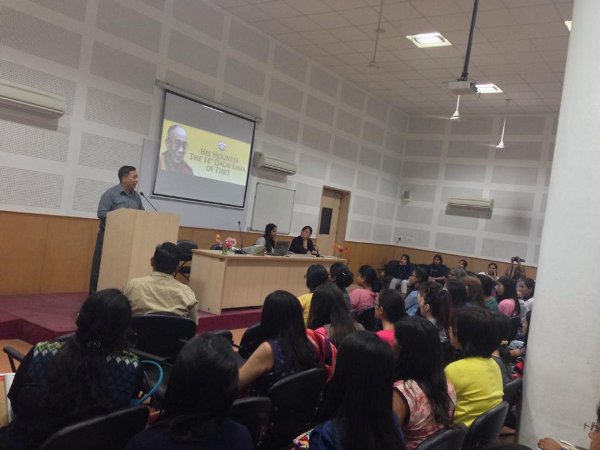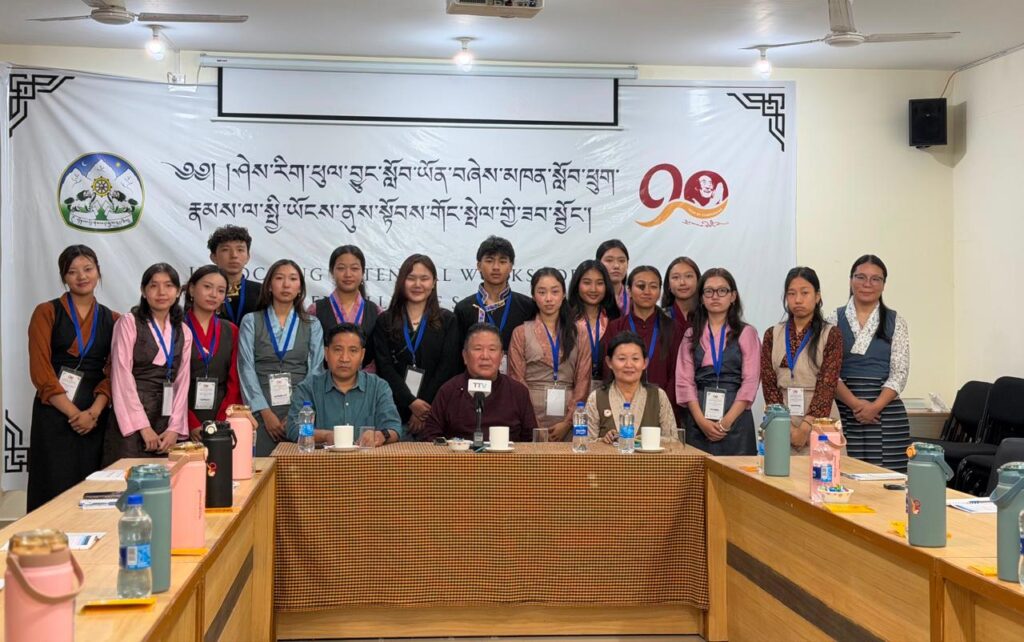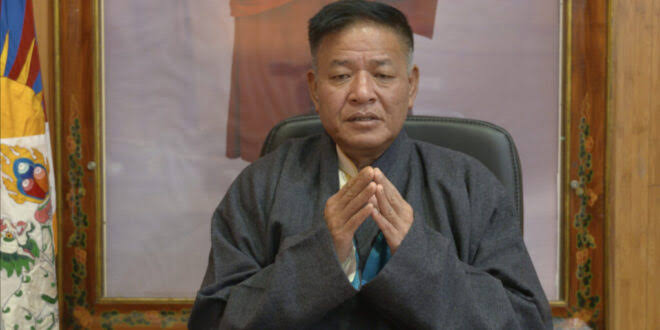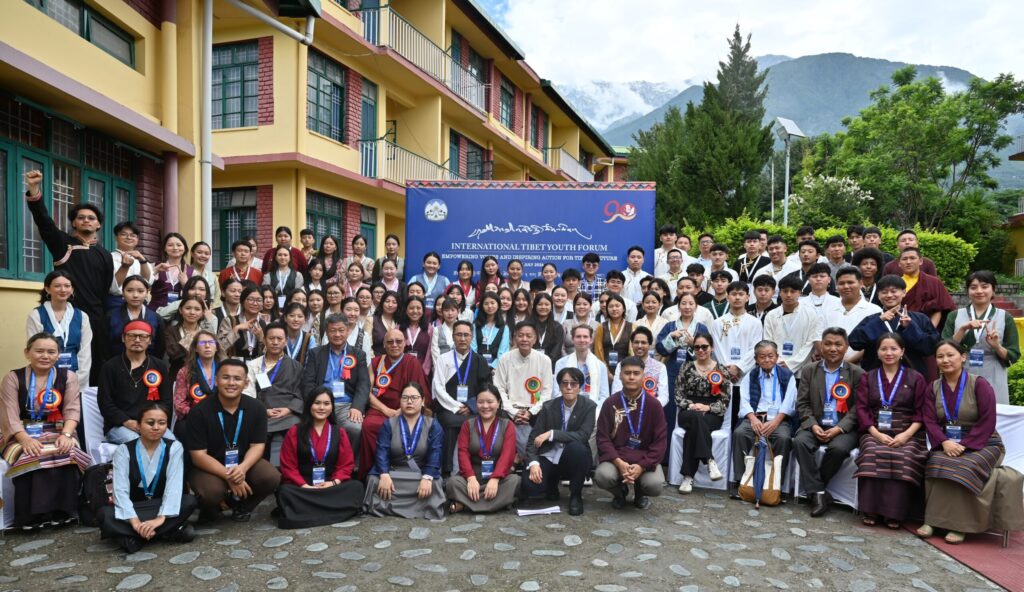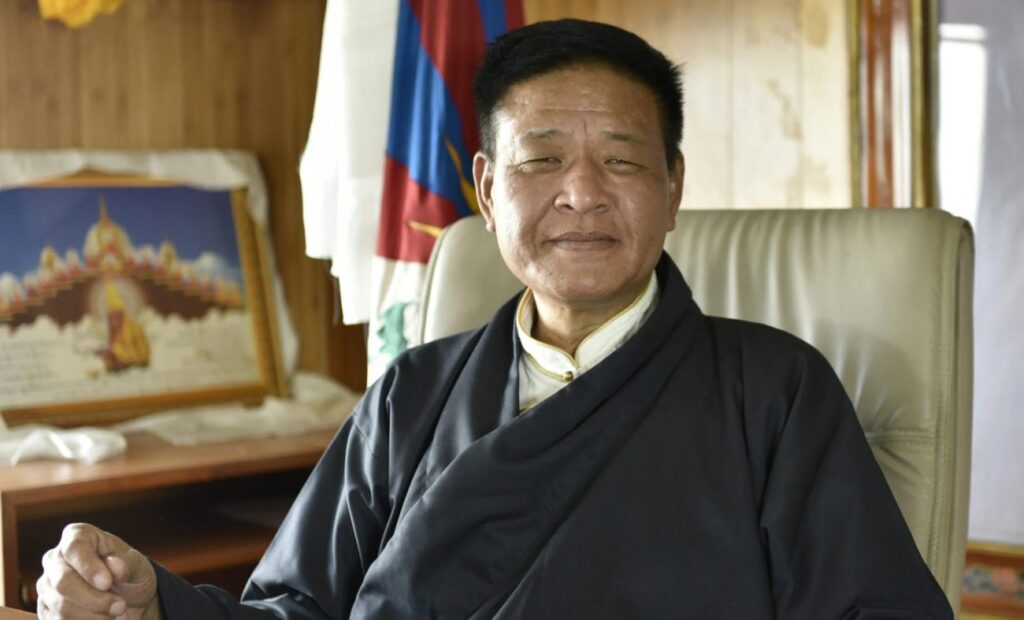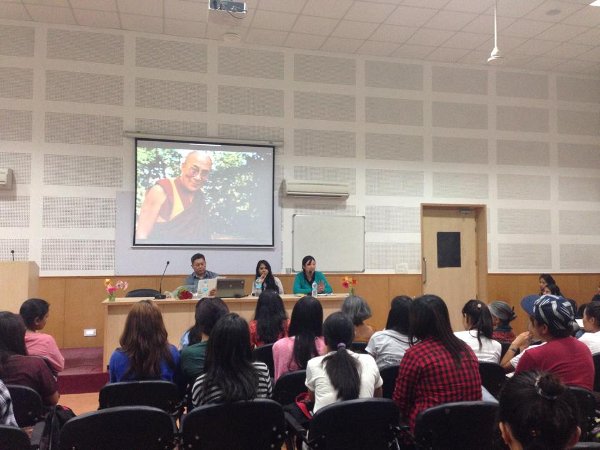
NEW DELHI: At the invitation of the organisers of ‘A Day for Tibet’ programme at the Indraprastha College for Women, University of Delhi, Mr Jigme Tsultrim, head of the India-Tibet Co-ordination Office (ITCO) based in Delhi, addressed the event.
In his talk, he gave a brief overview about the Tibetan history and the current situation inside Tibet. He said the Chinese government’s repressive policies in Tibet have led to a series of self-immolation protests in Tibet.
He said despite the rising power of China, Tibetans remain undeterred in their determination to find a peaceful resolution to the Tibet issue through dialogue.
The CTA is firmly committed to engage in dialogue with the Chinese leadership to seek genuine autonomy in Tibet through the Middle Way Approach policy.
Mrs. Lobsang Yangtso, a Ph.D candidate in Chinese Studies from JNU, talked about the importance of the Tibetan plateau to South Asia, development and environment issue of Tibet, developmental policies of China in Tibet and the impact of mining and dam construction on the Tibetan nomadic life and grasslands.
Ms. Rashi Jauhi, deputy program director of SFT, India, spoke about the Tibetan movement in exile and the role played by student movements in world history. Explaining the impact of Tibet’s occupation by China on India, she spoke on how Indians can also take part in the Tibetan struggle and shared her experiences of using non-violence as a strategy.
This was the first-ever educational programme on Tibet held in IP College. Students and teachers showed keen interest and raised many questions about Tibet and its environment issue.