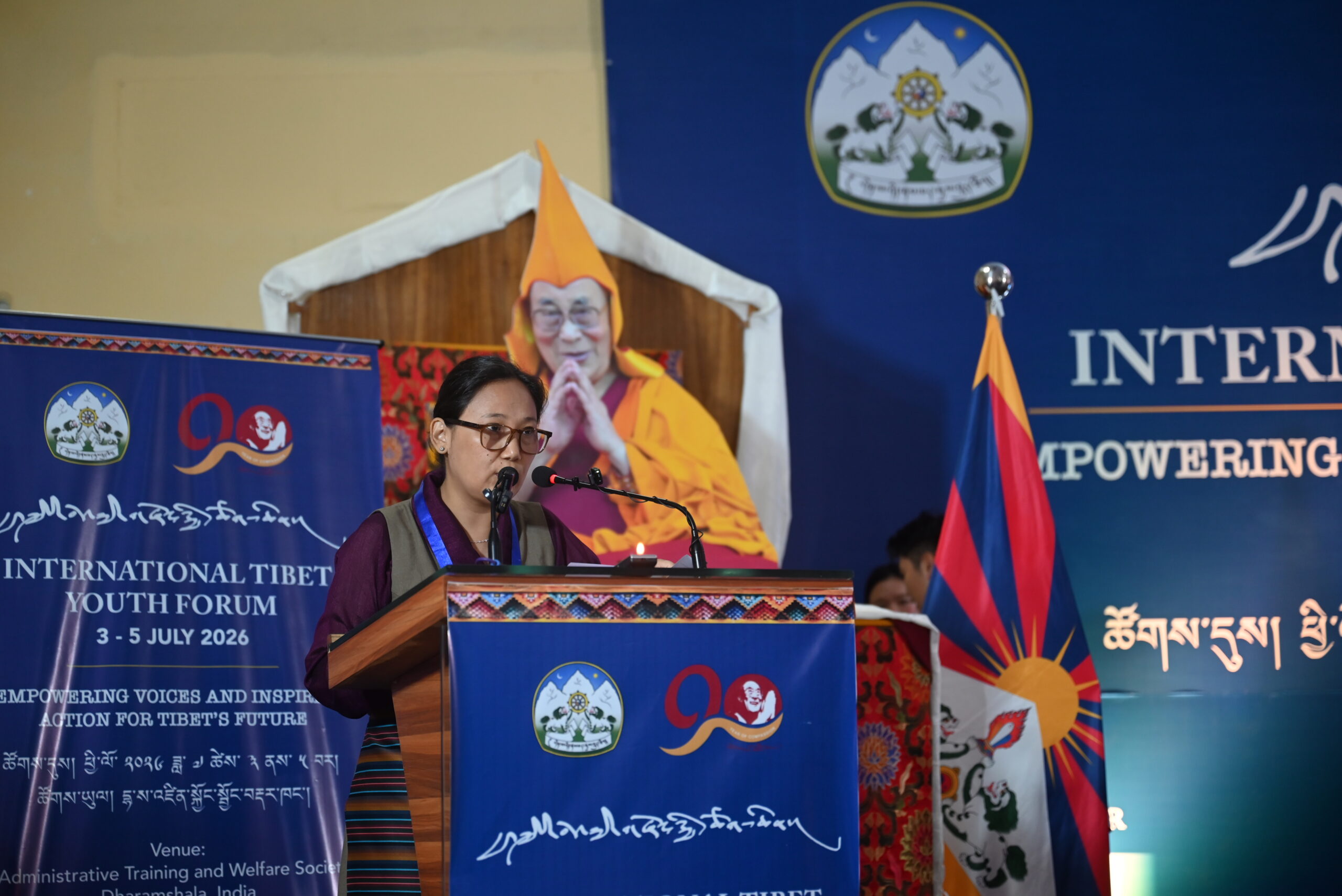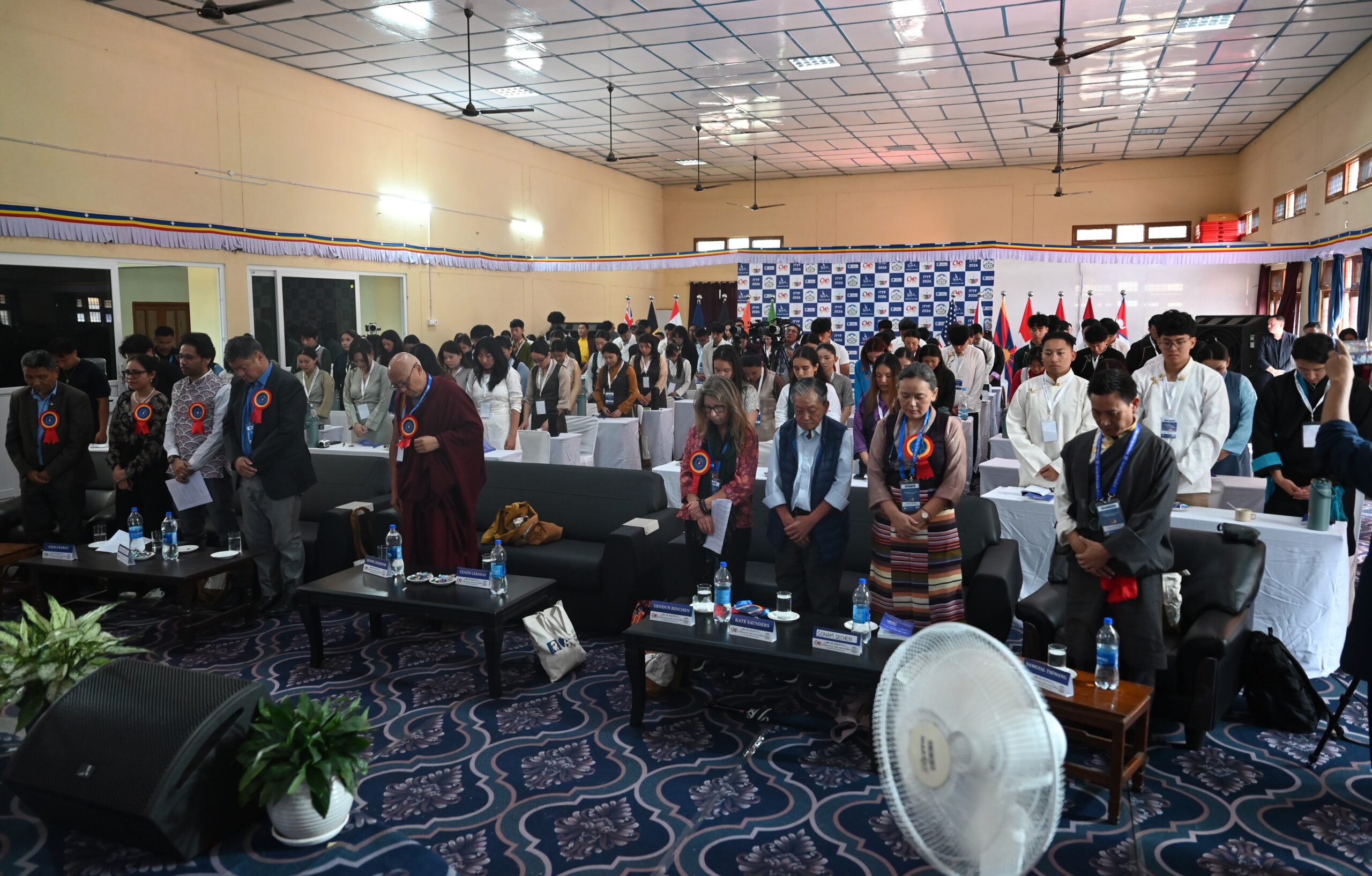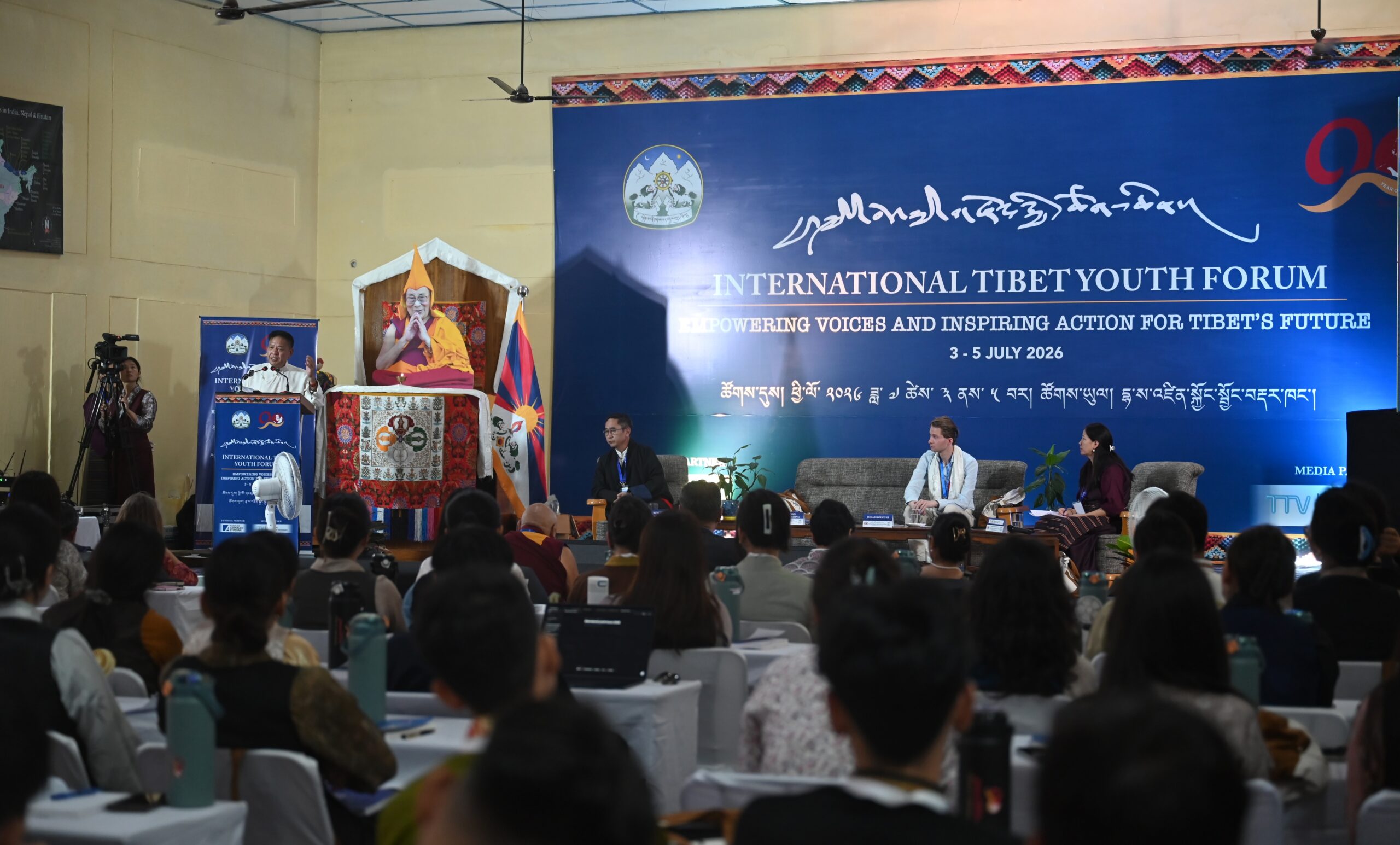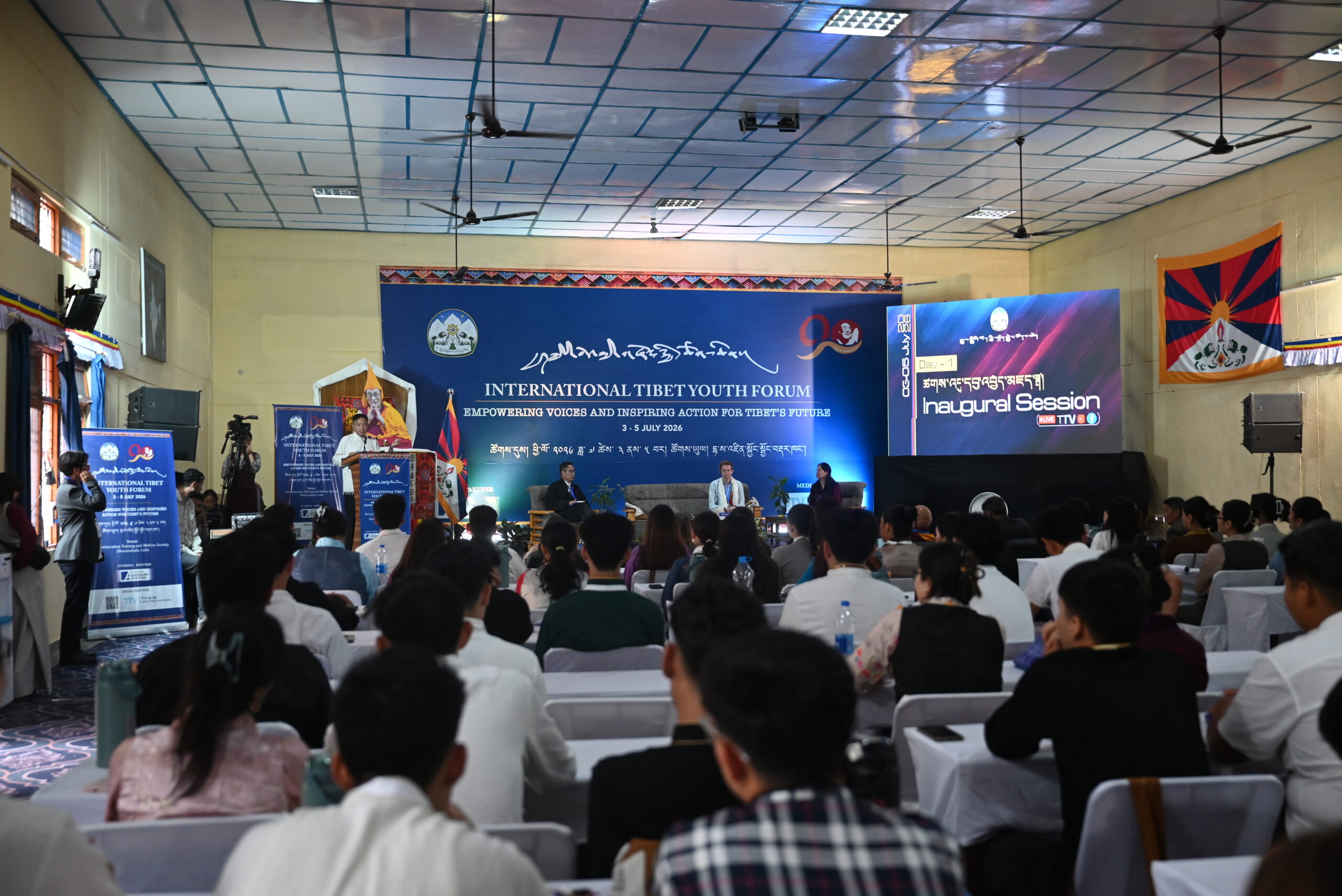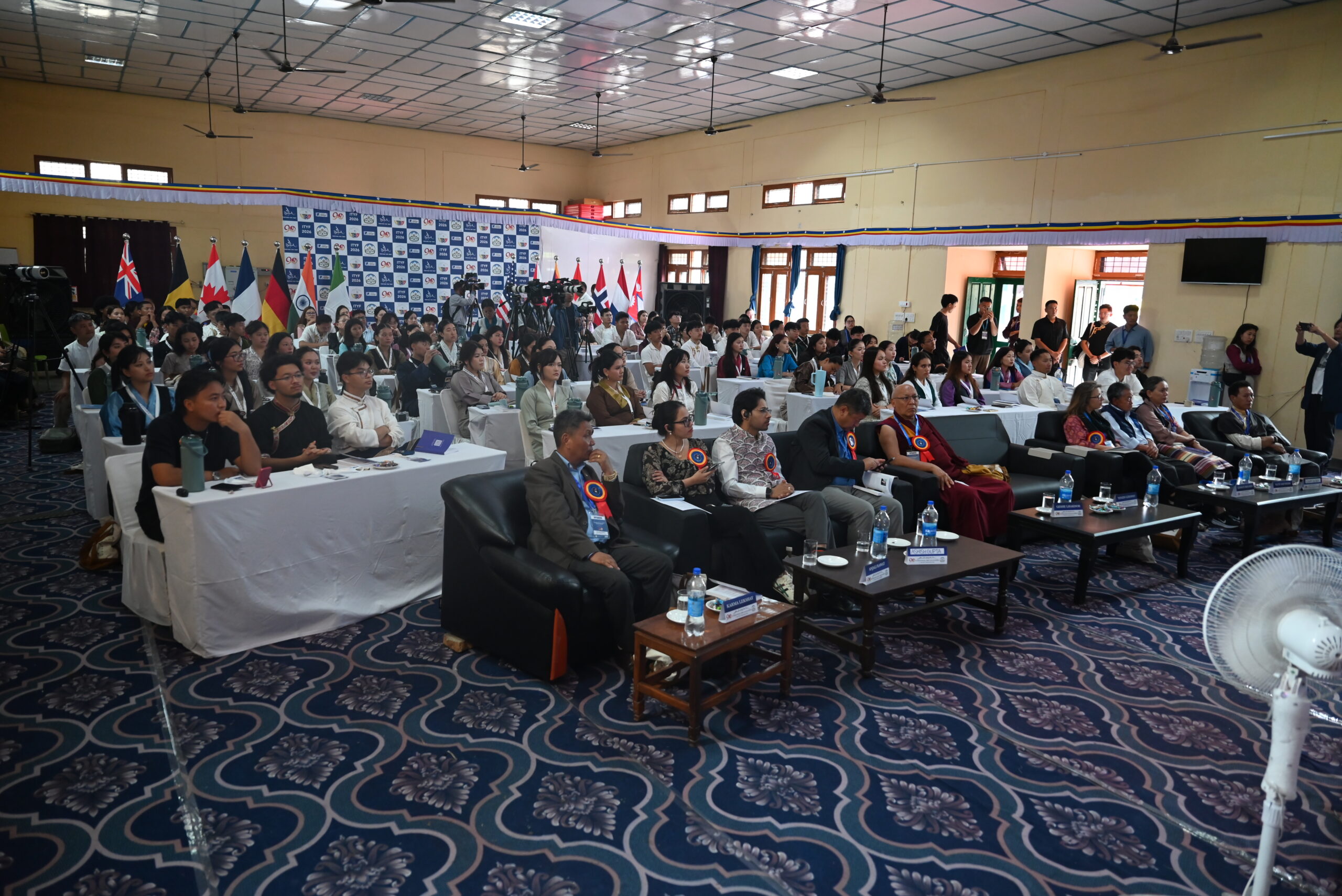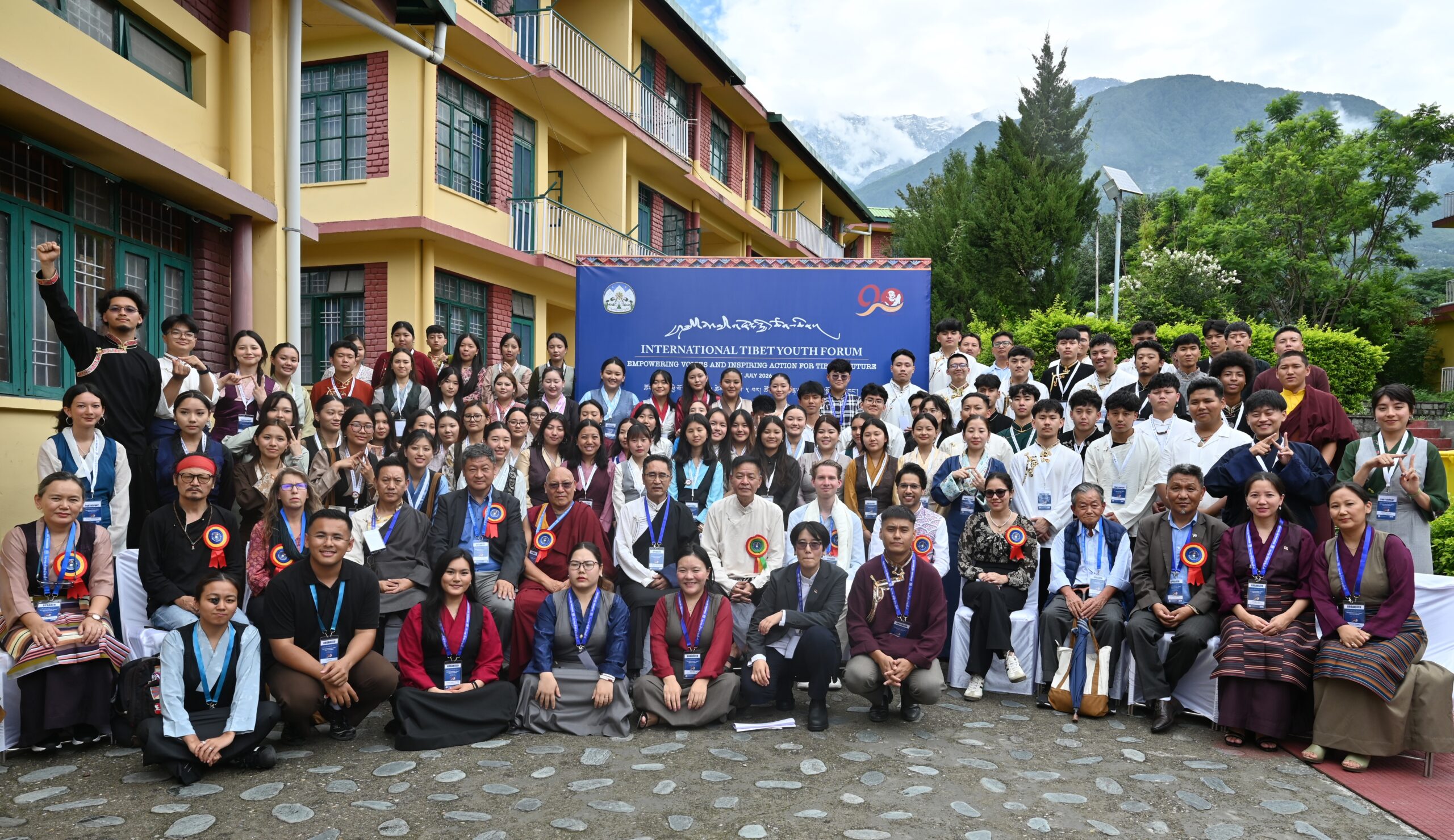

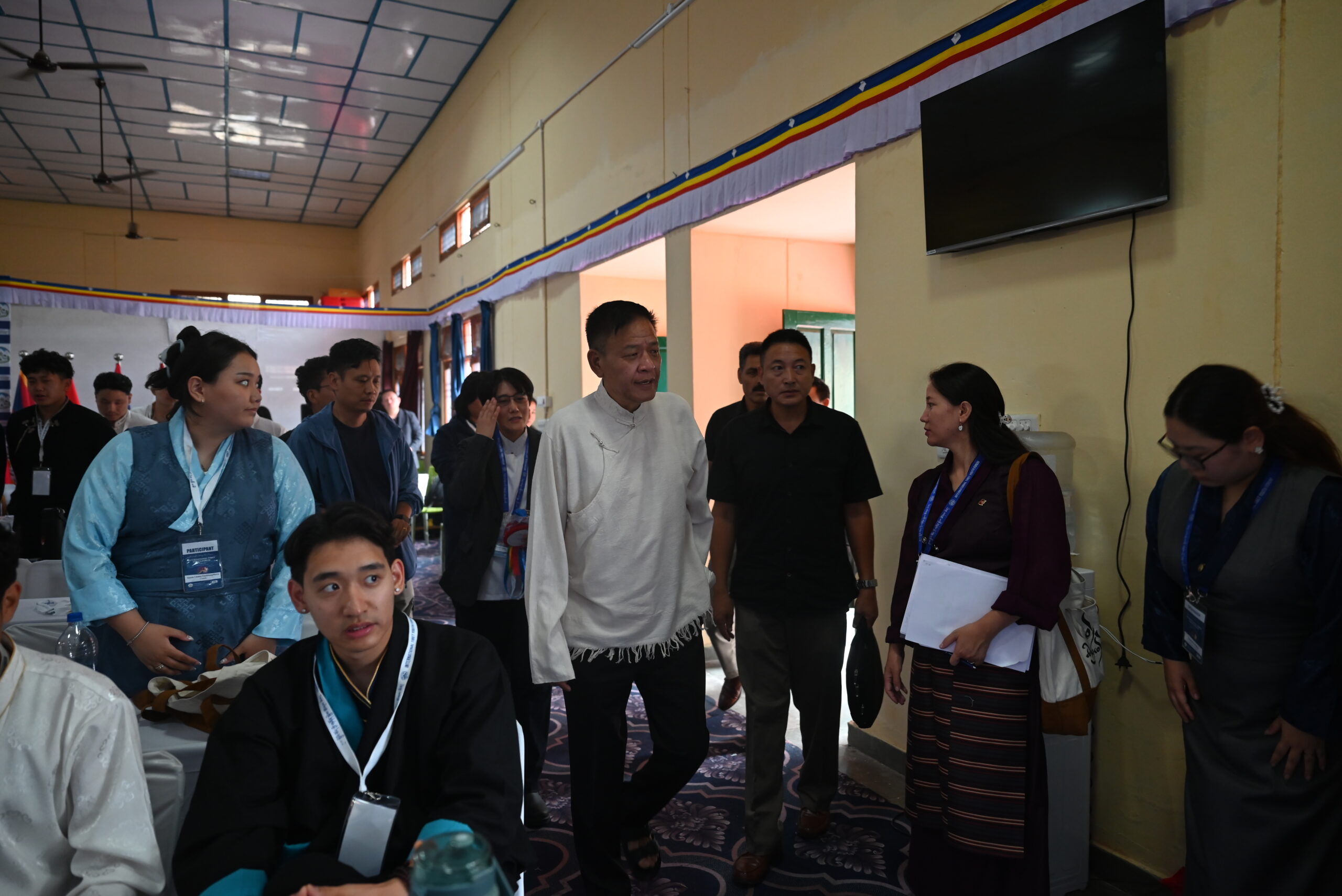
Dharamshala: The fourth edition of the International Tibet Youth Forum commenced this morning in Dharamshala, bringing together 98 Tibetan youth representatives from 13 countries. Organised by the Department of Information and International Relations, Central Tibetan Administration, the three-day forum is being held from 3 to 5 July at the Administrative Training and Welfare Society in Dharamshala and will culminate with participants joining the official celebration of His Holiness the 14th Dalai Lama’s birthday on 6 July. The annual forum provides a platform for young Tibetans from across the world to exchange ideas, strengthen dialogue, enhance advocacy skills, expand their networks, and foster collaborative learning, with the aim of inspiring more effective action for the Tibetan cause.
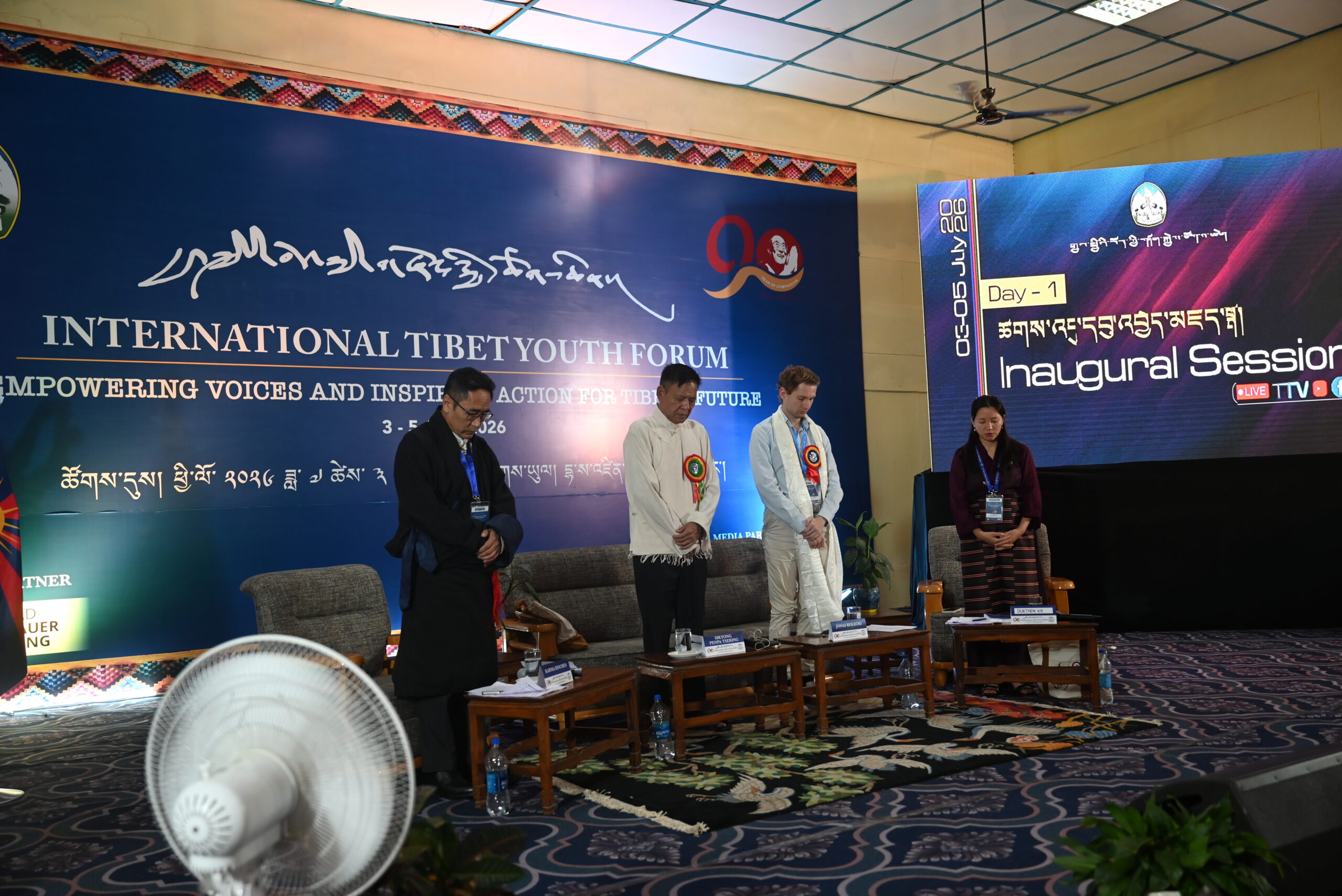
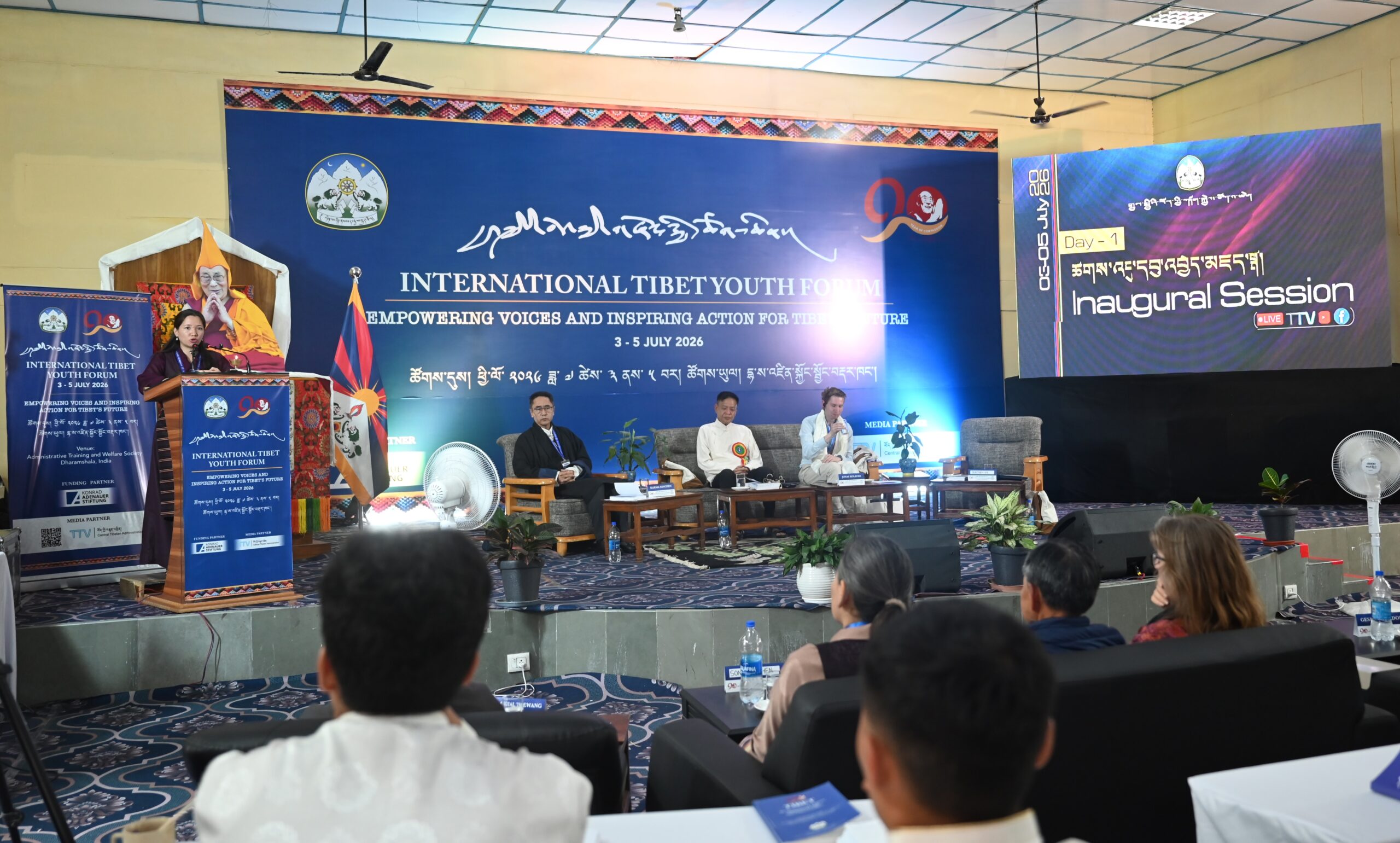
Sikyong Penpa Tsering attended the inaugural ceremony as the chief guest, formally opening the forum by lighting a ceremonial butter lamp before the portrait of His Holiness the Dalai Lama. The ceremony also observed a minute of silence in memory of Lobga Rangzen, a 52-year-old Tibetan activist who self-immolated in front of the United Nations headquarters in New York on 2 July, paying tribute to his sacrifice.
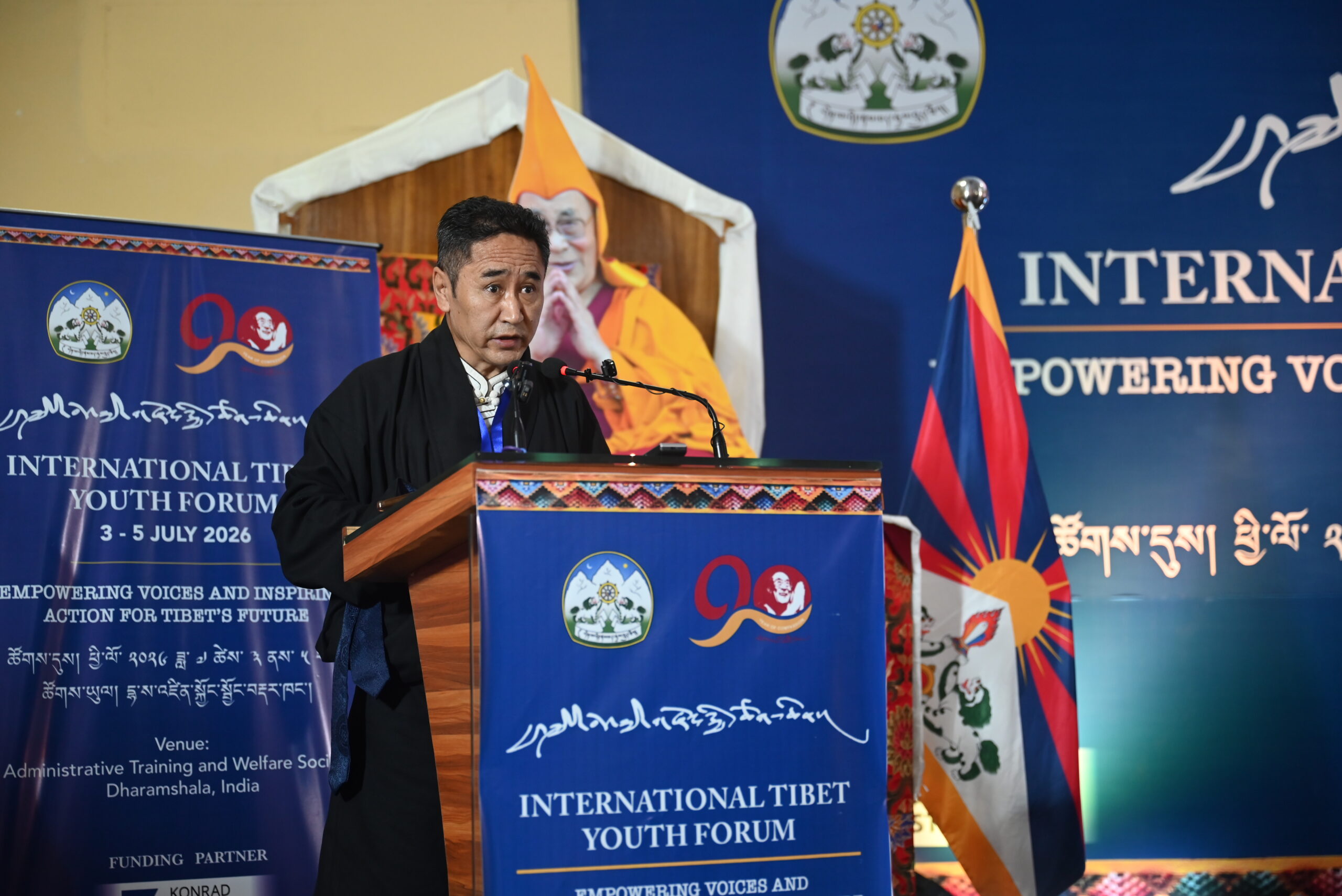
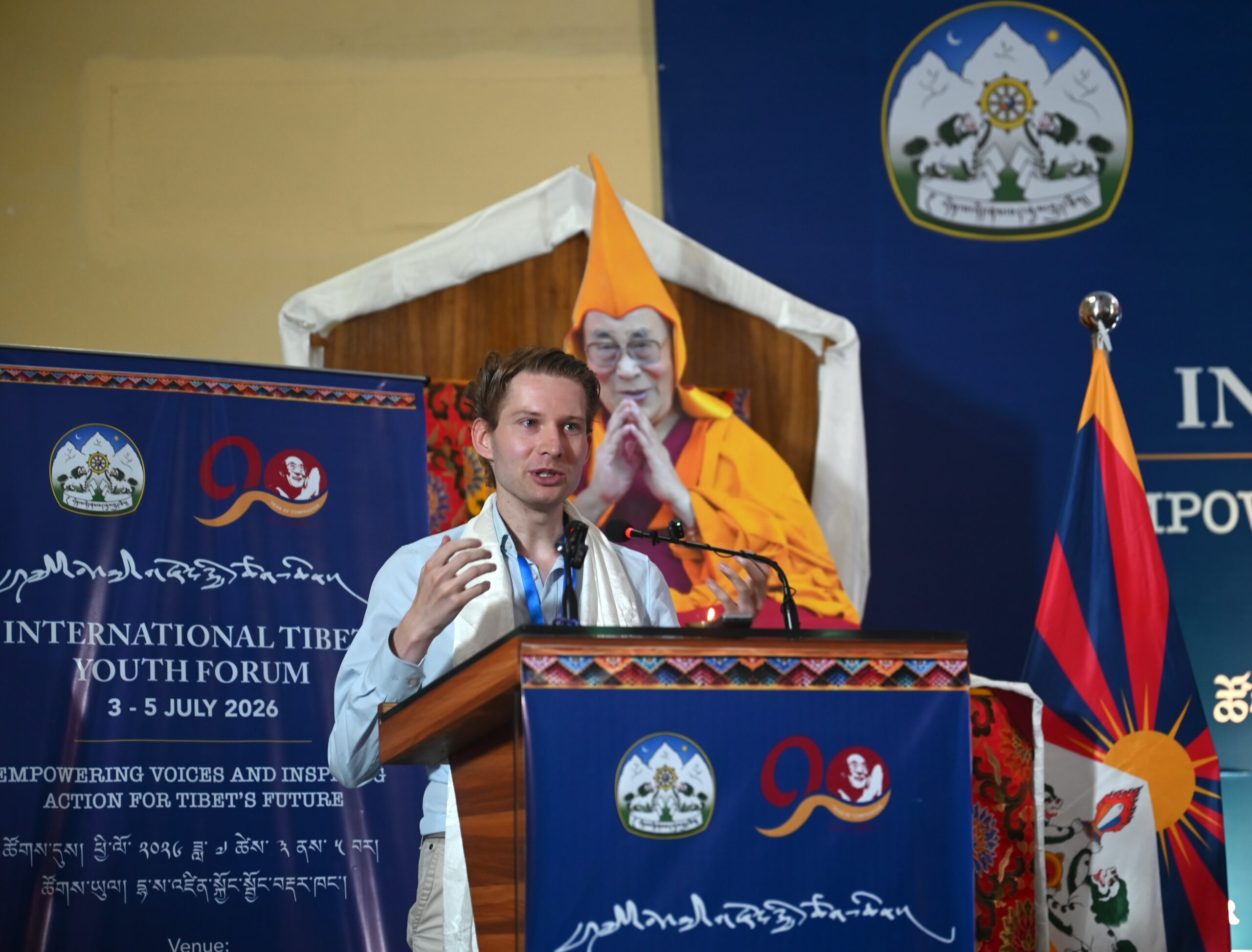
Secretary Karma Rinchen of the Department of Information and International Relations opened the ceremony with a welcome address, introducing the forum’s special guest, Jonas Kolecki, an expert on German-Polish relations. He also introduced the speakers who will lead the plenary and special sessions during the three-day forum.
In his address, Secretary Karma Rinchen outlined the forum’s three primary objectives: to equip Tibetan youth with greater knowledge and confidence, to provide a platform for exchanging ideas and exploring solutions for the Tibetan cause, and to strengthen global advocacy efforts by deepening participants’ understanding of the realities inside Tibet. He stressed that, in light of China’s increasing assimilation policies targeting minorities, its continued promotion of false narratives on Tibet, and the recent implementation of the Ethnic Unity and Progress Law, it has become essential to undertake more effective international advocacy.
Addressing the participants, the Secretary urged Tibetan youth from different parts of the world to make the most of the forum by actively learning and contributing. He emphasised the importance of understanding the Tibetan cause and the policies of the Central Tibetan Administration, expressing confidence that wherever they go and on whatever platform they represent Tibet, Tibetan youth will leave a meaningful impact while upholding their national identity.
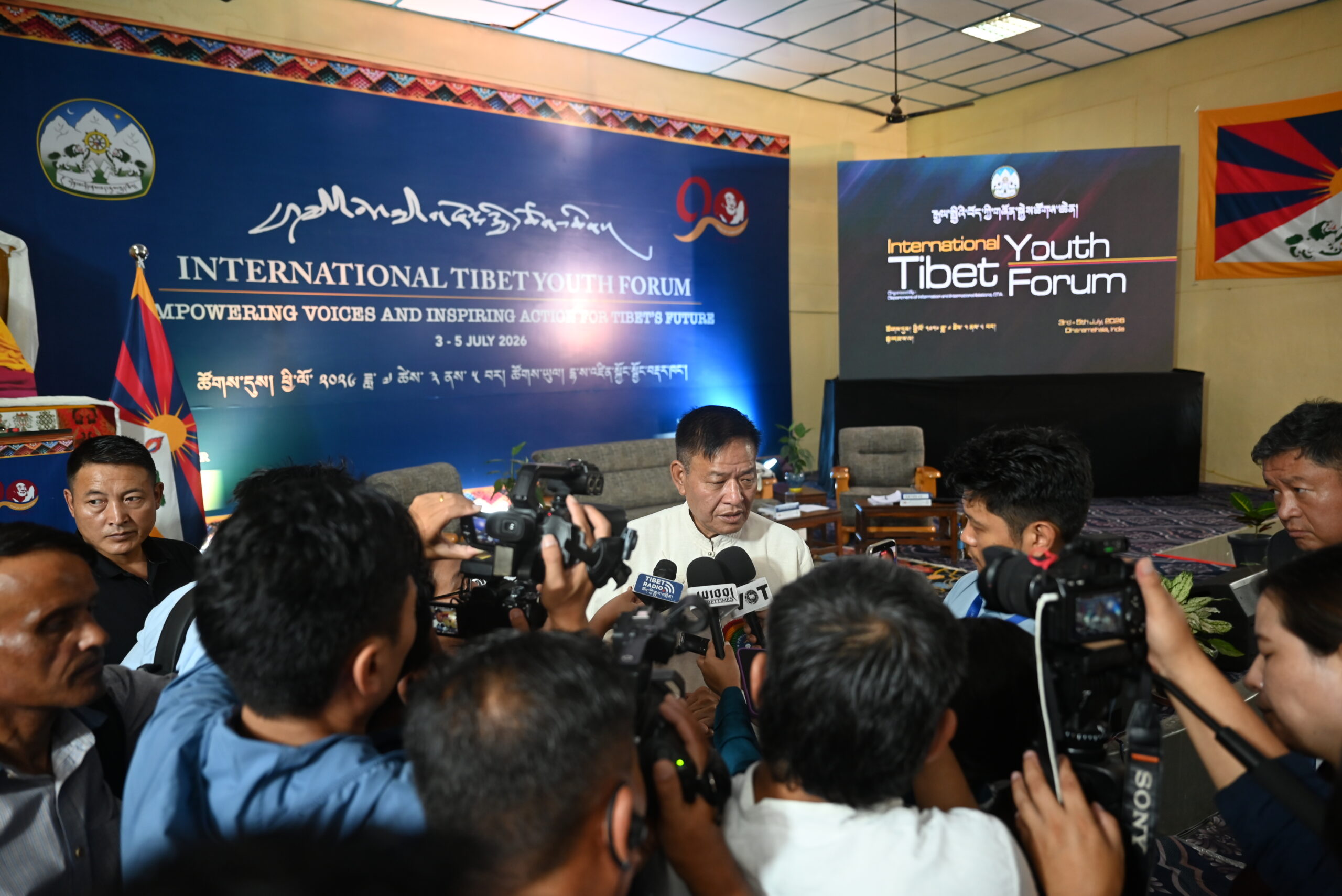
Sikyong Penpa Tsering began his address by informing participants of the self-immolation of Lobga Rangzen, a Tibetan from Karze (Ch: Ganzi TAP), Tibet, who set himself on fire in front of the United Nations headquarters in New York. Describing the act as a profound sacrifice for the Tibetan cause, he announced that the Kashag would hold a prayer gathering later today, to mourn his passing and honour his sacrifice. Reflecting on the more than 157 Tibetans who have self-immolated, Sikyong noted that most were between 17 and 35 years old, the same generation represented at the forum. He stressed that these young Tibetans had neither experienced an independent Tibet nor witnessed the Cultural Revolution, but had instead grown up under China’s continuing repression in Tibet. It was this lived reality, he said, that compelled them to make the ultimate sacrifice in the hope of advancing the Tibetan cause and drawing the world’s attention to their people’s plight.
Turning to the purpose of the forum, Sikyong said the Kashag has consistently launched initiatives to engage and empower Tibetan youth, with the foremost goal of cultivating the next generation of leaders. He observed that the generation of officials who came directly from Tibet is rapidly diminishing, leaving the future of the Tibetan movement in the hands of first- and second-generation Tibetans born in exile. Stressing that the survival of the Tibetan cause rests squarely on the shoulders of young Tibetans, he said preserving everything His Holiness the Dalai Lama has painstakingly built over decades in exile would depend on their commitment, vision, and leadership.
Emphasising the qualities of leadership, Sikyong said that knowledge is its foundation. He urged participants to understand their identity, roots, ancestral hometowns in Tibet, and the geography and history of their homeland, stating that a true leader must possess a deep understanding of their people and nation. He encouraged the youth to make the most of the three-day forum by learning from every session and discussion.
Highlighting the work of the youth-led Voluntary Tibet Advocacy Group (V-TAG), Sikyong called for its members to take on responsibilities suited to their individual strengths and work proactively and independently. He encouraged participants from different countries to establish regular contact with their elected representatives, parliamentarians, and policymakers over the coming year through meetings, correspondence, and outreach. He also urged them to engage with think tanks that shape government policies and to broaden their own perspectives by reading widely and listening to diverse viewpoints, enabling them to better understand global affairs and advocate effectively for Tibet.
Sikyong further underscored that the Central Tibetan Administration remains a unique and fully functioning democratic institution in exile, recognised internationally through the tireless efforts and far-reaching vision of His Holiness the Dalai Lama. He said it was the responsibility of the younger generation to safeguard this democratic legacy, strengthen its institutions, and establish enduring traditions and protocols that would sustain the Tibetan struggle in the years ahead. Noting that women constituted the majority of the forum’s 98 participants, he welcomed their strong representation and encouraged them to seize leadership opportunities as part of the continued empowerment of Tibetan women.
Concluding his address, Sikyong expressed his hope that the forum would help produce a new generation of capable Tibetan leaders over the next decade who would carry forward the Tibetan cause with dedication and resolve.
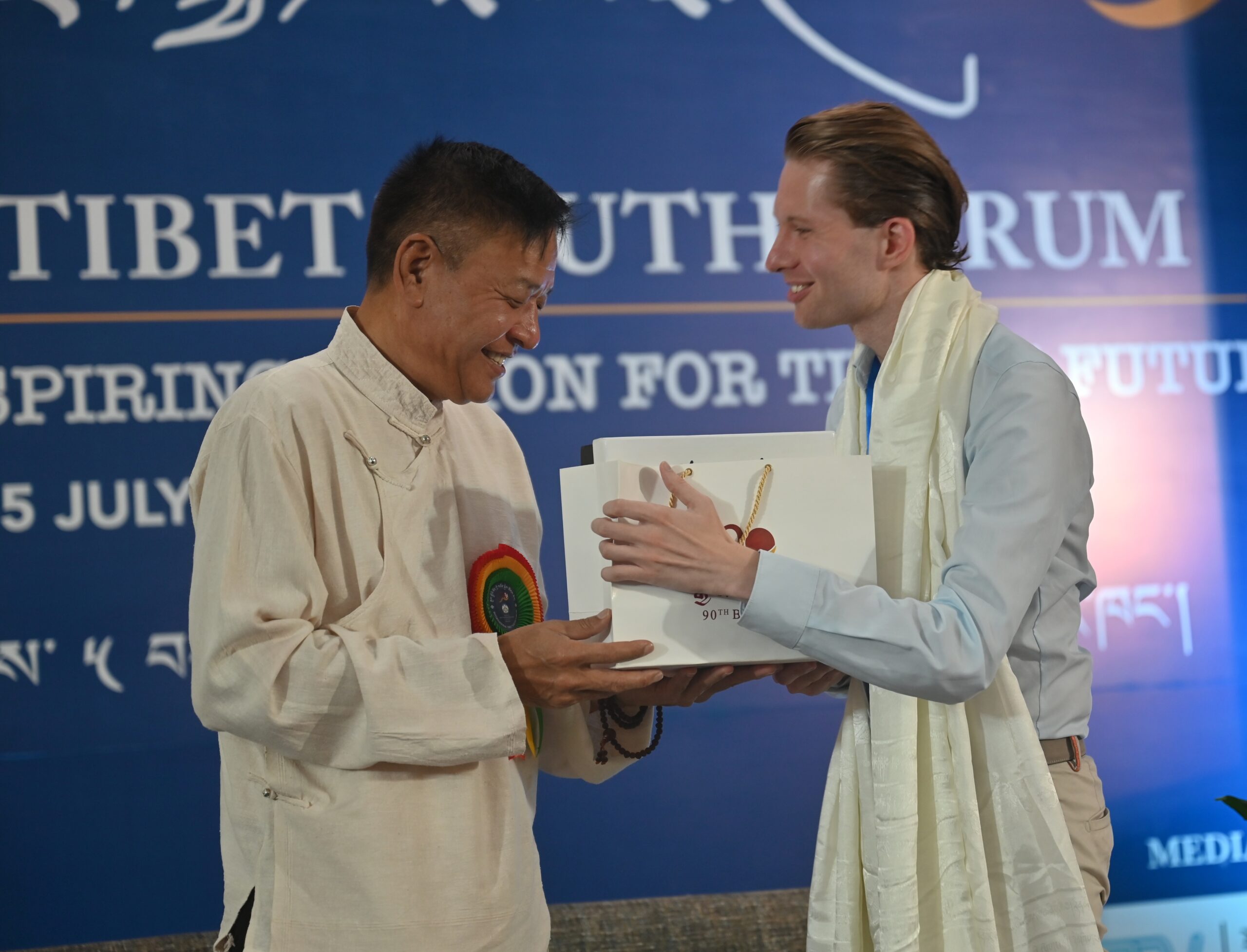
Jonas Kolecki, an expert on German-Polish relations, delivered a special address highlighting the importance of culture as a powerful tool for advancing the Tibetan cause. Drawing from his own cultural background, he emphasised that a living and vibrant culture serves as a form of soft power capable of strengthening a people’s identity and international support. Encouraging Tibetan youth to become ambassadors of their culture, he urged them to actively promote Tibetan heritage while engaging with local governments and participating in political processes at various levels to build broader awareness and support for Tibet.
The inaugural ceremony on the first day concluded with a vote of thanks delivered by Joint Secretary Dukthen Kyi, Head of the Tibet Advocacy Section at the Department of Information and International Relations.
The opening day of the forum featured the first plenary and training sessions centred on strengthening Tibetan identity, global advocacy, and youth leadership. Under the theme “Keeping Tibet Alive: Youth, Identity, and the Struggle for Freedom,” participants heard presentations from Ven. Geshe Lhakdor, Director of the Library of Tibetan Works and Archives, and Tibetan writer, poet, and activist Tenzin Tsundue. This was followed by a session on “Bridging Cultures, Building Alliances: Communication for Global Tibetan Advocacy” led by Secretary Tenzin Lekshay, Executive Director of the Tibet Policy Institute, Central Tibetan Administration. The training programme included sessions on strategic communication and countering disinformation by Tibet specialist Kate Saunders.
The Second day of the forum will have an eyewitness testimony by former Tibetan political prisoner Gendun Rinchen, followed by leadership and advocacy during times of conflict conducted by Karma Lekshey and Sonam Dechen of the Tibetan Centre for Conflict Resolution, and the use of AI and digital advocacy for Tibet by Marianne Tseten Dolma, Founder and Managing Director of Select Your Product and a member of V-TAG Austria.