
His Holiness says today’s world follows path of dialogue and peace [Thursday, 24 June 2010, 5:03 p.m.]
 |
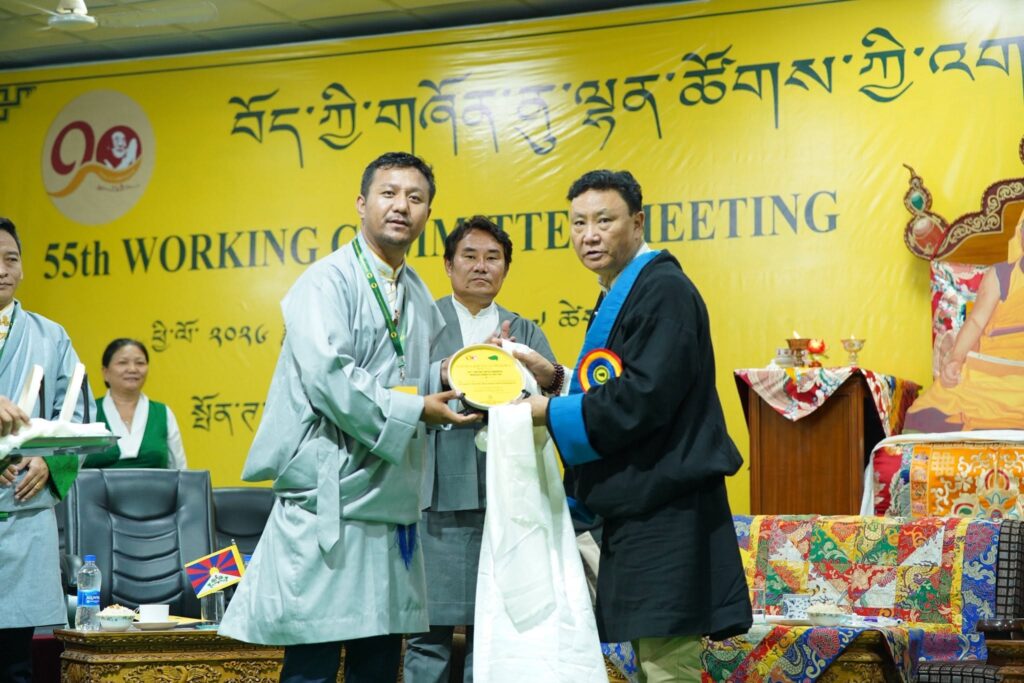
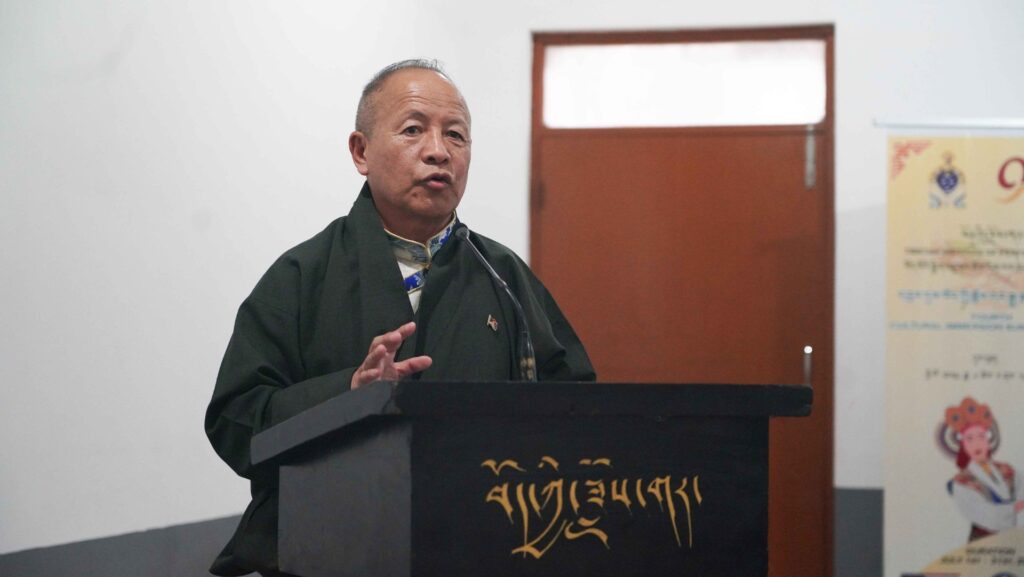
| His Holiness the Dalai Lama speaks to Japanese university students and educationists at Yokohama Grand Intercontinental Hotel in Yokohama, Japan, on 24 June 2010/Photo by Tenzin Choejor/OHHDL |
Yokohama:
His Holiness the Dalai Lama today said the people in today’s world are
thinking more about the peace, dialogue, environment issues and
developing positive inner values above everyday problems.”Although
there are problems here and there, but the overall picture show that
our world is getting better. People have begun to think of peace,
dialogue and environment issues. They have also realised that material
development only does not lead to total happiness, and instead look for
inner values and moral ethics,” His Holiness during his interaction
with around 100 Japanese university students and educationists in
Yokohama this afternoon.Greeting the gathering, His Holiness
expressed his happiness in meeting with youngsters as he said the 21st
century belongs to the young people. Speaking on world peace
and its current situation, His Holiness said: “The United States and
Russia had agreed to reduce nuclear warheads, this is a very good sign.
Earlier, nations survived by themselves, today, we have all began to
realize that we are interdependent. Concept of war has also changed.”His
Holiness said that the 20th century has been a century of violence, but
the later part of it has made us realise the mistake and the world has
become more mature. “During the World War II, Japan has suffered
greatly, but out of the tragedy of nuclear bomb, Japanese have come out
strongly rebuilding the nation to one of the most develop nations. This
is very good, so you are in a very good position to lead the peace
movement in this world,” he said.His Holiness gave a brief explanation about his two missions in his life – the promotion of human value and religious harmony. His
Holiness praised Japan for its long history, and the traditional Shinto
religion, which is known for its principles of love for natural
environment. His Holiness said it is a matter of concern that
despite being a developed nation, many young people in Japan suffer
from depression and loneliness. “I suggest that people should look at
the things broadly, study English and venture out to help the other
less developed nations. Many part of the world need your experience and
expertise, if you look beyond your nation, there is no room for
depressions and suicides,” he said.When asked about why Tibetan
people are cheerful and loving to all the living creatures despite
being in difficult situation, His Holiness said: “Tibetan culture is a
culture of non-violence, peace and compassion. There may be some
exceptions, but on the whole people are gentle. This gentle culture
needs to be preserved. It is founded on Buddhist teaching, so
practicing its values in our day to day life is very important.” Mr Akira Ikegami, a noted Japanese journalist and a TV commentator, moderated the discussion. Kodhansha, a major publishing company in Japan organised this interaction session in collaboration with Tibet House Japan. –Based on report filed by Tsewang Gyalpo Arya, Office of Tibet, Japan