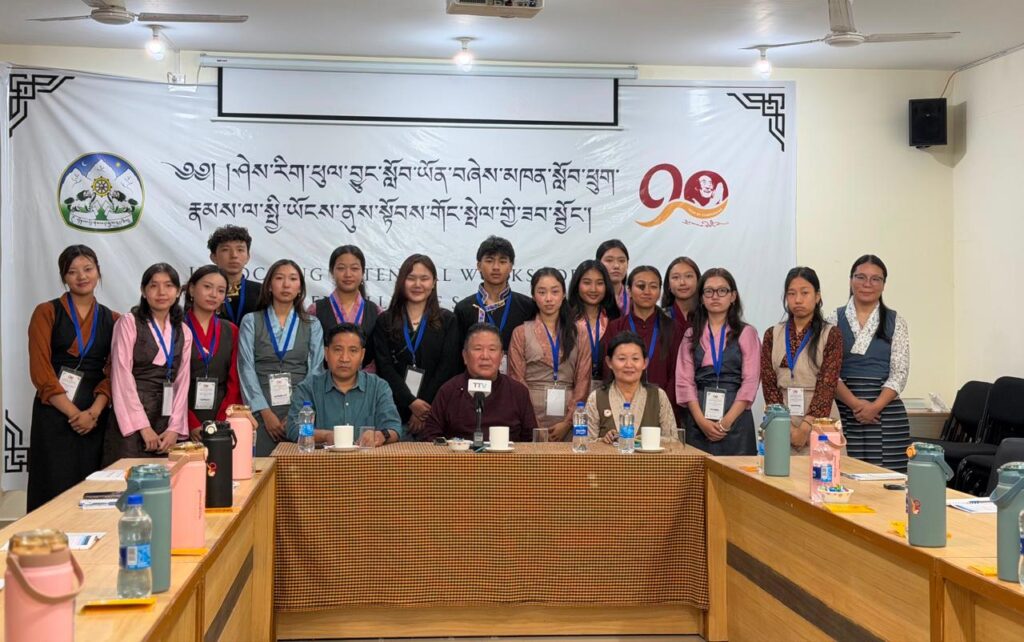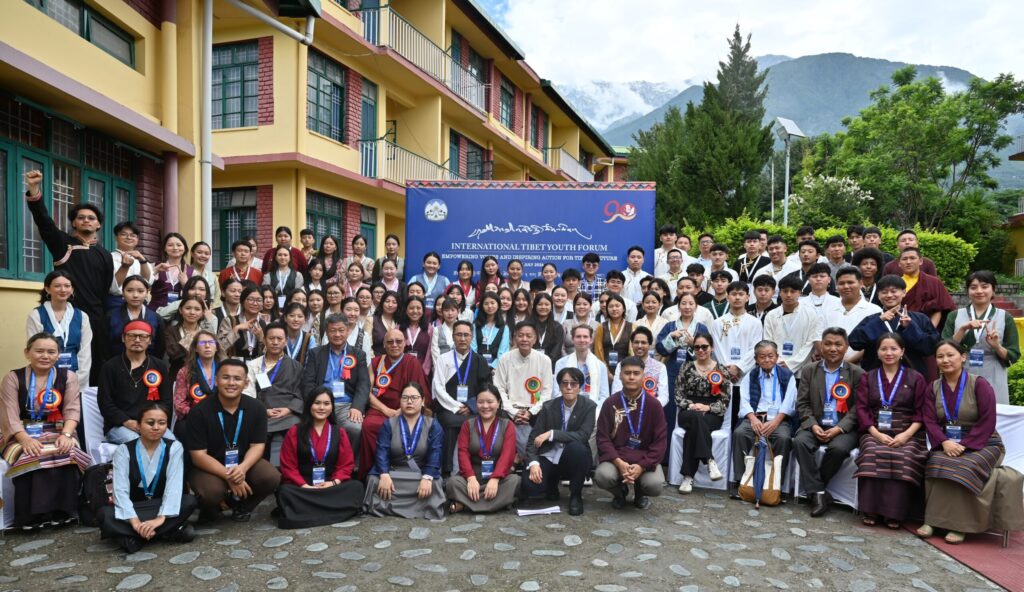
DHARAMSHALA: An experiential leadership workshop for Tibetan school prefects was held at the College for Higher Tibetan Studies, Sarha from 7 – 11 April. Over 34 school prefects from 17 Tibetan schools across India and Nepal attended the workshop.
The 5-day workshop was organised by the Department of Education, Central Tibetan Administration to bolster leadership qualities in Tibetan children. The workshop was conducted by Mr. Sanjay Upendram, CEO of Amarthi Consulting based in Hyderabad. The workshop focused on strategic thinking, team work and conflict management, emotional intelligence, communication and leadership styles.
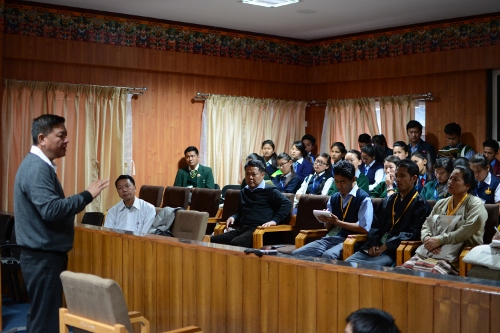
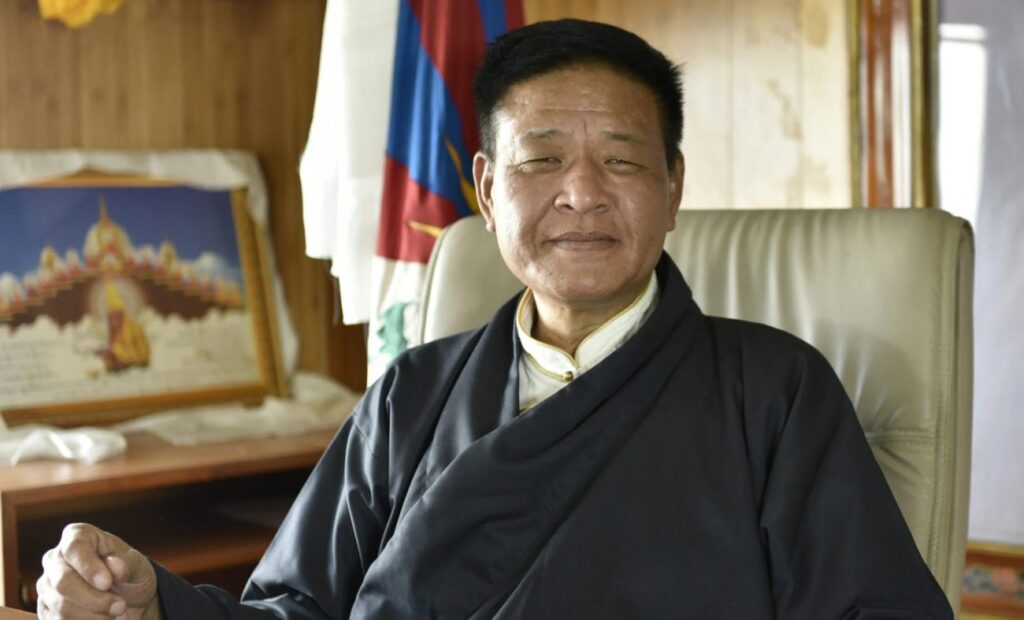
The students met various dignitaries and officials of the Central Tibetan Administration during the course of their workshop, including Sikyong Dr. Lobsang Sangay and Mr. Penpa Tsering, Speaker of the Tibetan Parliament-in-Exile.
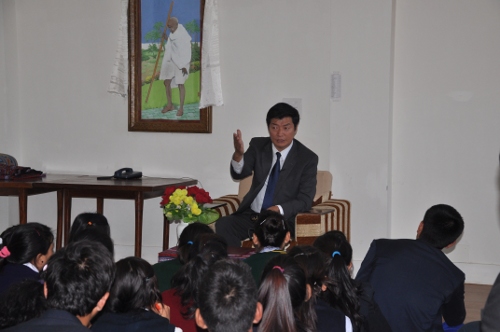
Sikyong Dr Lobsang Sangay, in a candid session with the students, spoke about the importance of leadership qualities in a person to become responsible adults in life. He also talked about the sustenance of Tibetan culture and language to safeguard the Tibetan identity.
“Through education, we strive to inculcate the ethics and capabilities in our children to meet the challenges of the modern world while preserving our language, culture and traditions. The youth today will be tomorrow’s leaders, building our future and contributing to our collective development, Sikyong said.
Sikyong Dr. Lobsang Sangay also talked about the rapid demographic changes taking place in the exile Tibetan community.
“We must bear in mind that the year 2020 will mark 70 years since the invasion of Tibet by the People’s Republic of China. By then, the generation of Tibetans with memories of a free Tibet will have greatly dwindled. His Holiness the Dalai Lama will turn 85 and by that year he will have led the Tibetan people for 70 uninterrupted years. The next generation of Tibetan leadership inside and outside Tibet has to cope with a crucial and challenging reality. Tibetans inside Tibet will have no personal memories of traditional Tibet, while Tibetans outside of Tibet will know only a life lived in exile. Exile Tibetans constitute only 2.5 percent of six million Tibetans but it is likely there will be equal number of Tibetans in the West and in India, Nepal and Bhutan,” he said, urging the students to develop their leadership qualities to push the movement forward.
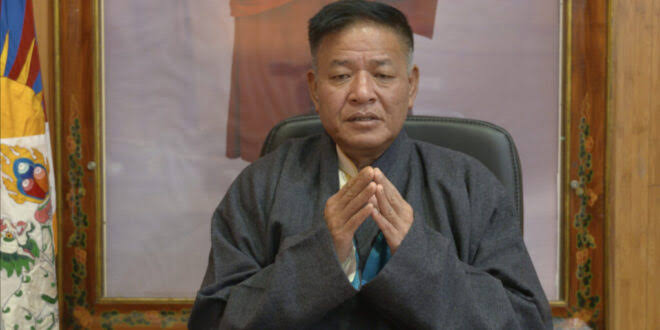
Mr. Penpa Tsering, Speaker of the Tibetan Parliament-in-Exile, in his meeting with the Tibetan school prefects, spoke about the evolution of exile Tibetan community, particularly the Central Tibetan Administration. He also talked about the roles performed by the Tibetan Parliament-in-Exile as well as the democratic process of electing the members of the Tibetan Parliament.
The students also met Mr. Thubten Samphel, Executive Director of Tibet Policy Institute, a think tank based in Dharamshala. He talked about the Sino-Tibetan Dialogue and the Middle Way Approach of the Central Tibetan Administration which seeks for a genuine autonomy for the Tibetan people within the framework of the Chinese constitution.