
Kalon Tripa inaugurates LTWA’s newly built complex[Wednesday, 5 May 2010, 4:39 p.m.]
 |
| Geshe Lhakdor, director of LTWA explains to Kalon Tripa about the new scanner during the occasion. Photos by Sonam Tsering, LTWA. |
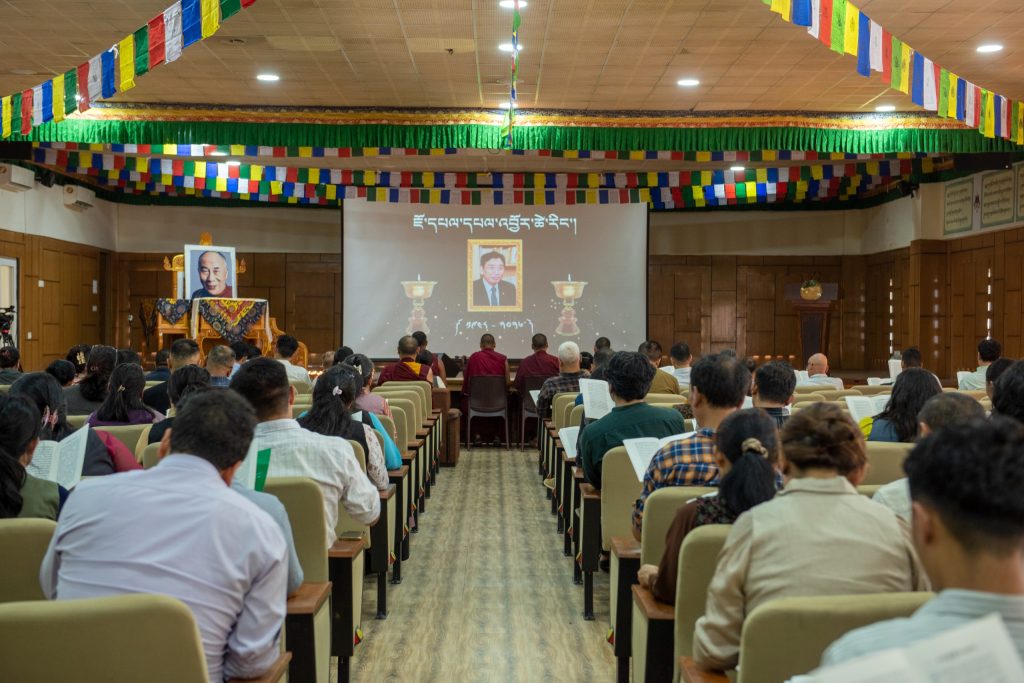
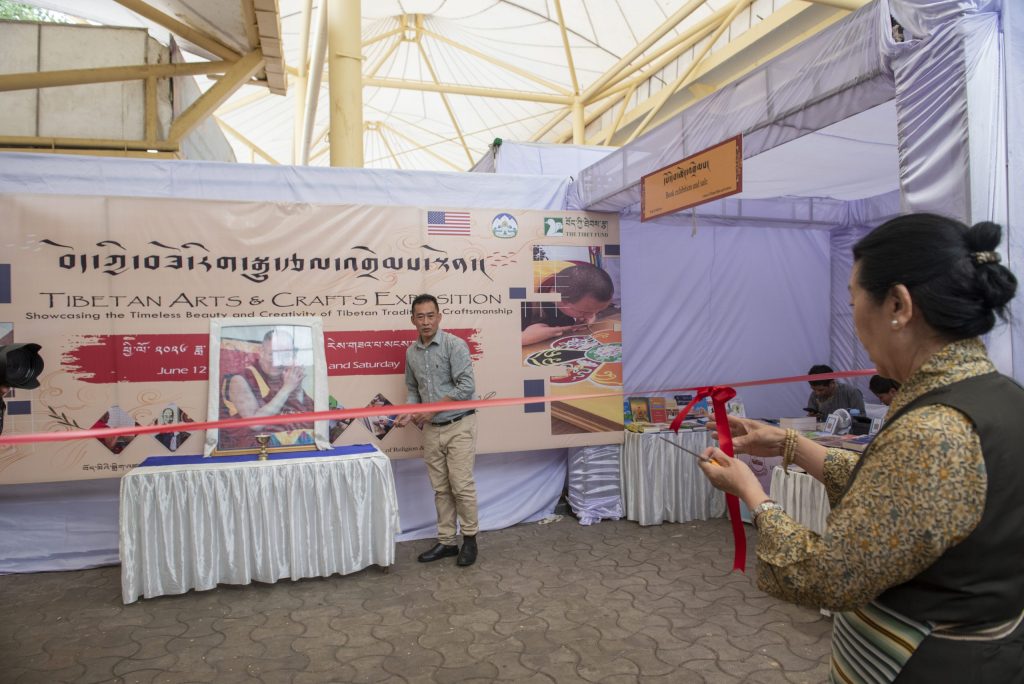
Dharamshala: Kalon Tripa Prof. Samdhong Rinpoche inaugurated the newly built complex of the Library of Tibetan Works & Archives (LTWA) by lighting the lamp offered at the altar of the Buddha and His Holiness the Dalai Lama in order to enhance the important work of the library. The complex consists of a hall, a museum and a recording studio, equipped with modern facility.The function was attended by the Chief Justice Commission, Justice Commissioners, Speaker Penpa Tsering and Members of Tibetan Parliament, the Kashag, heads of autonomous bodies of Central Tibetan Administration, Tibetan Settlement Officer of Dharamsala, Venerable lamas of different Buddhist monasteries in Dharamsala, heads of NGOs, scholars, and staffs of the library.
 |
| Kalon Tripa addresses the inauguration of LTWA’s newly built hall. |
Venerable Geshe Lhakdor, Director of the library, outlined the various activities of LTWA in his introductory speech. He also gave details about future endeavours of the library on preservation, dissemination and promotion of the valuable Tibetan religion and culture. He thanked the Ministry of Culture, Government of India, for funding the building of the hall and for the continuous support from the Government of India. Speaker Penpa Tsering commended the library’s endeavours to facilitate classes to the staffs and interested students in future in a larger and at much improved level.The Chief guest on the occasion, Kalon Tripa Prof. Samdhong Rinpoche in his address said, “LTWA is one of the most important institutes among the various disciplines formed by the great considerations of His Holiness the Dalai Lama.”
 |
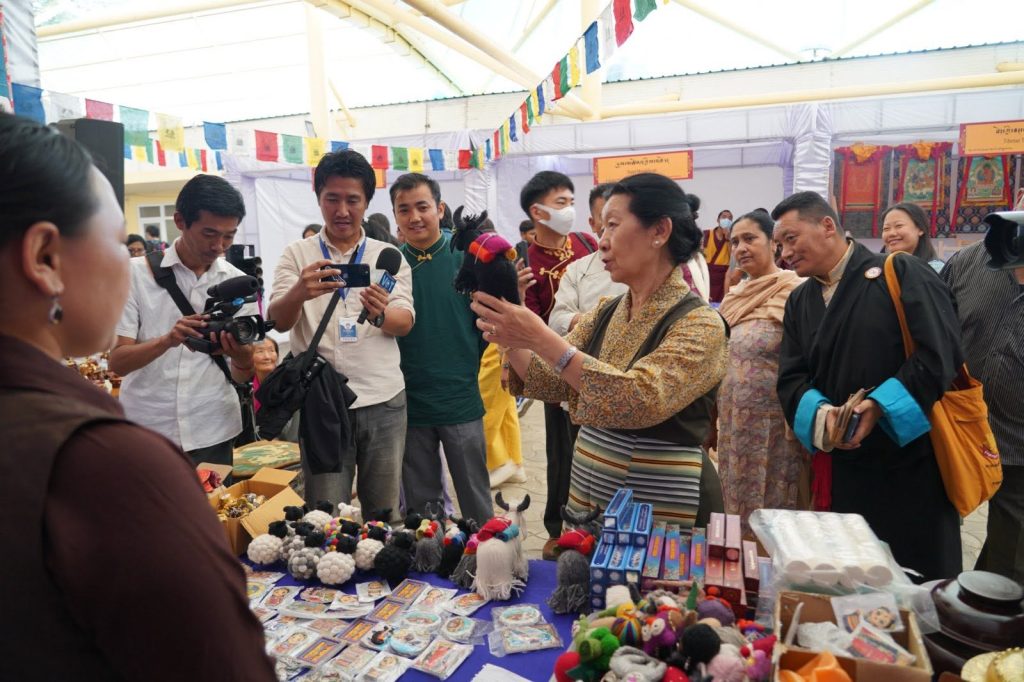
| Dignitaries visit photo exhibition on the occasion. |
“There is no other country in the world other than Tibet having largest number of translated books,” said Kalon Tripa. He further commented the valuable system of archives of Tibet, prevalent as early as the late seventh century.“We should preserve our holy texts in exile where we are free; we should not let our precious religion and culture to deteriorate because of carefree nature”, added the Kalon Tripa.