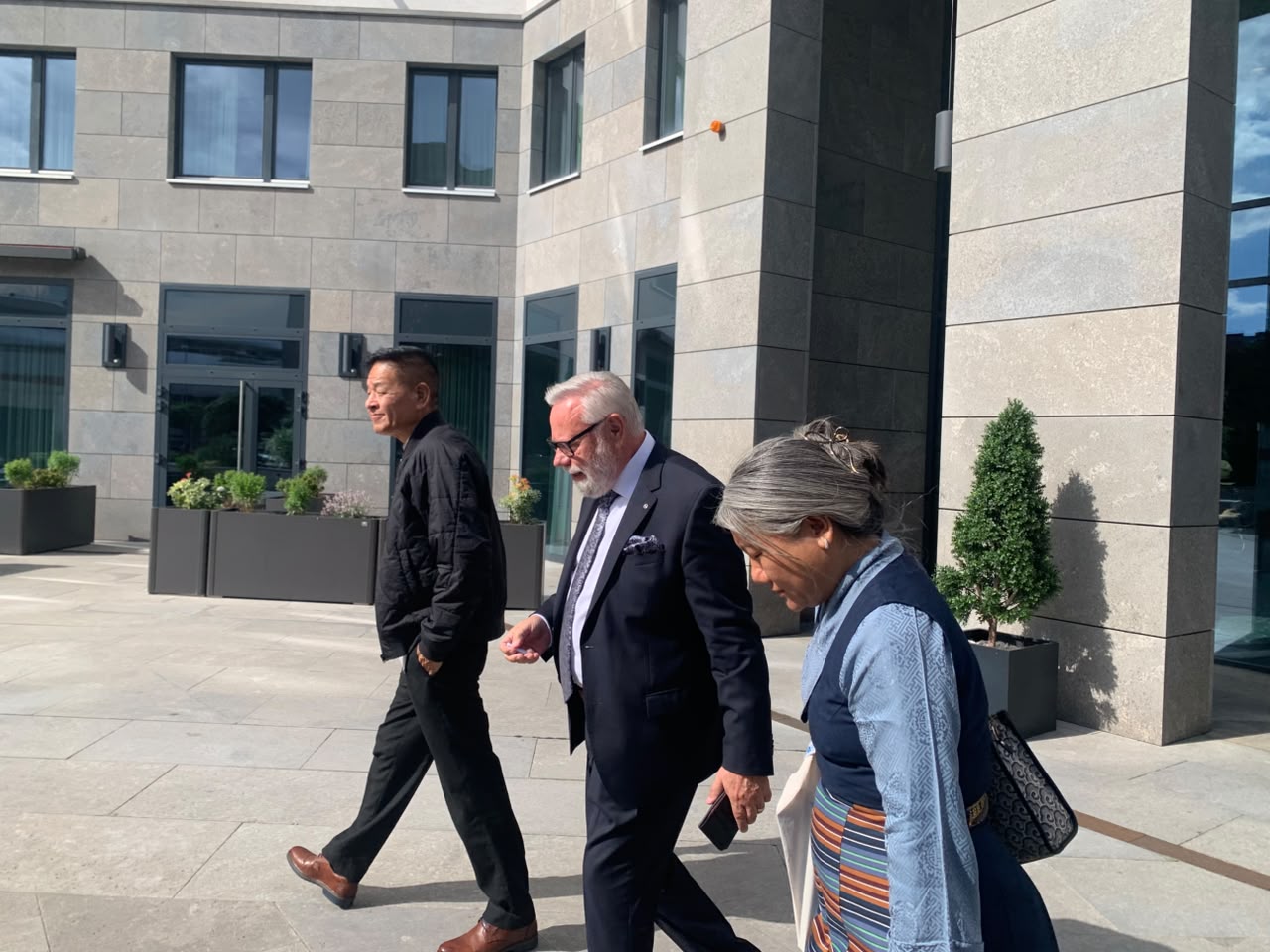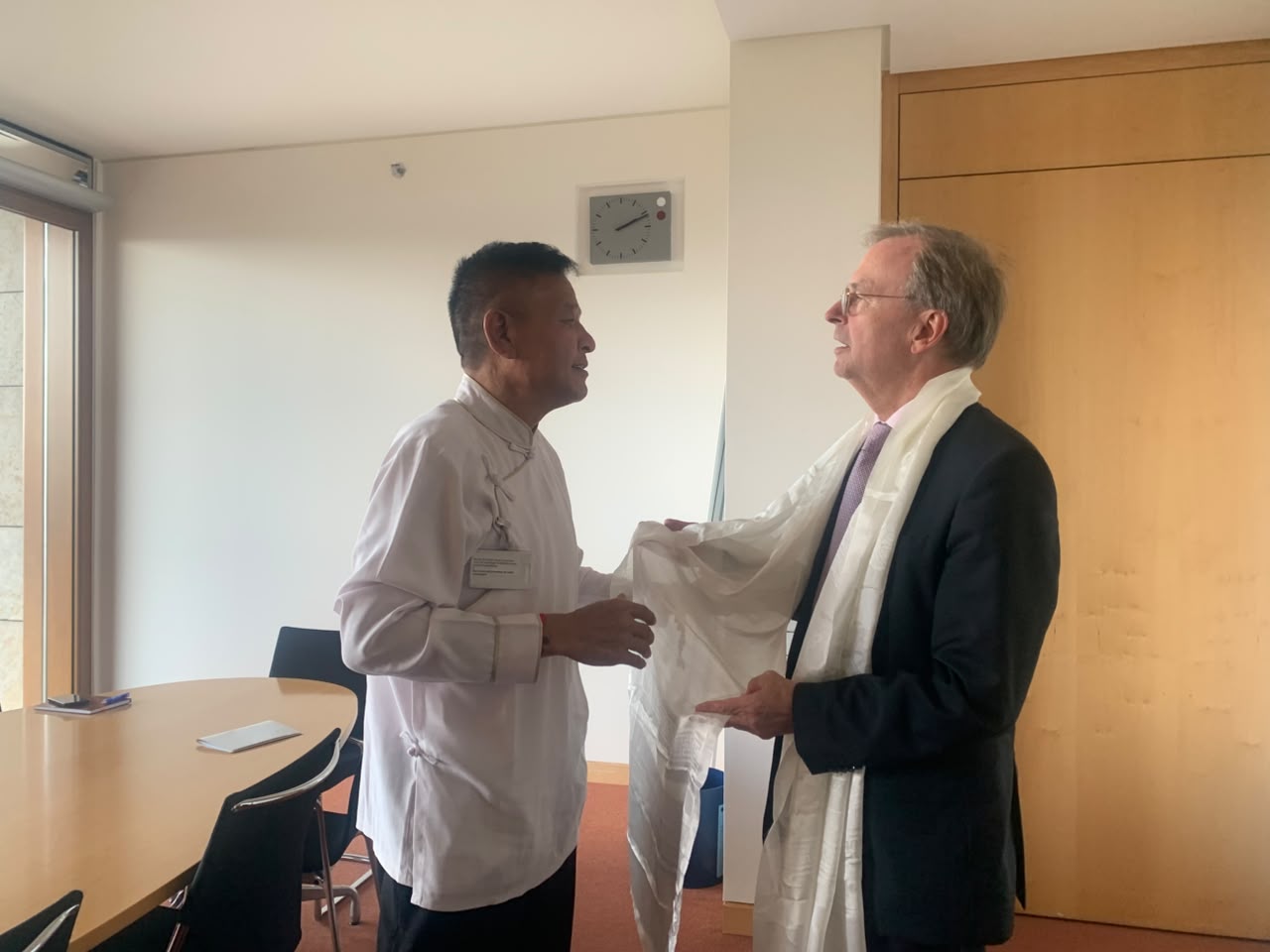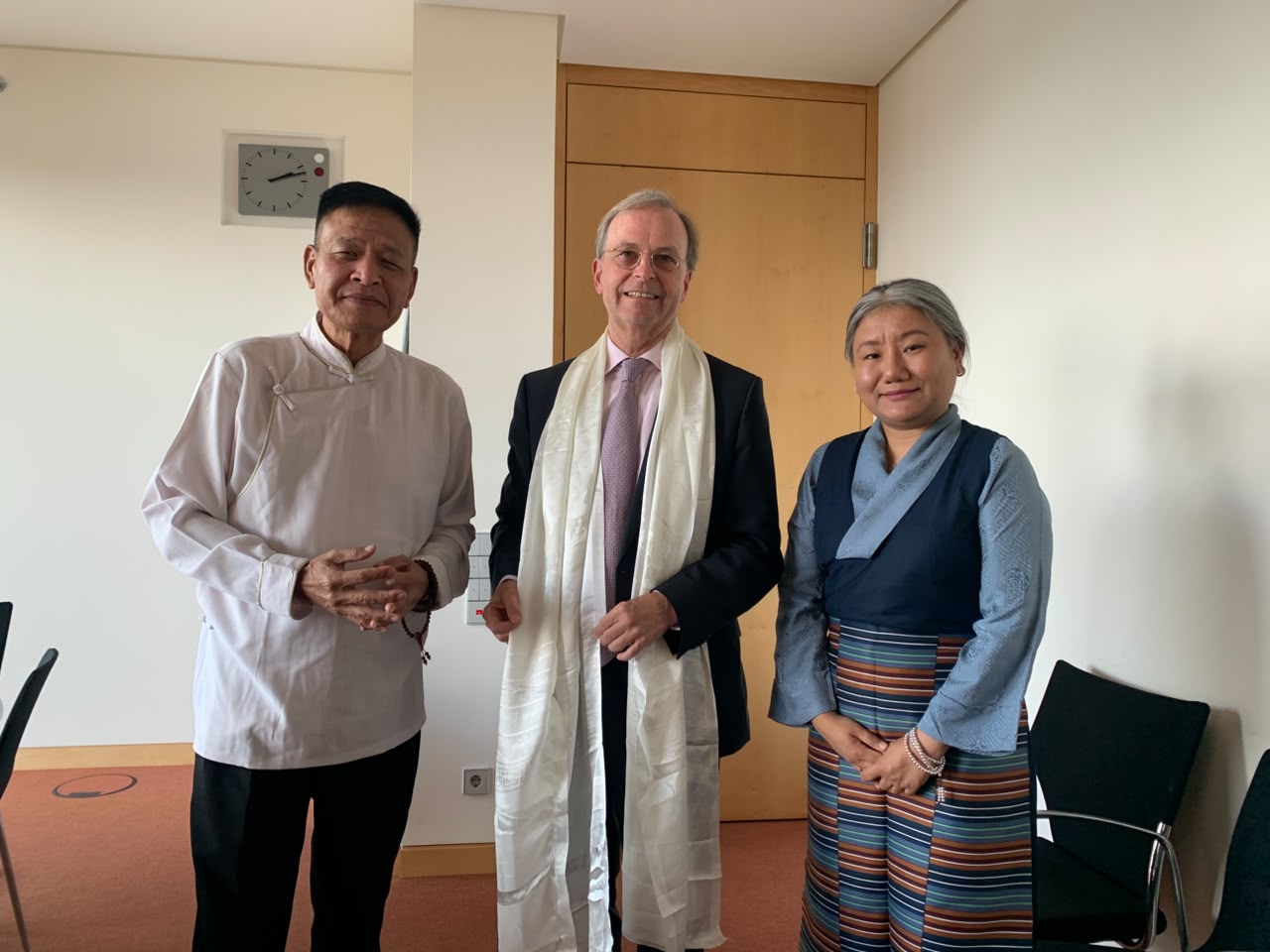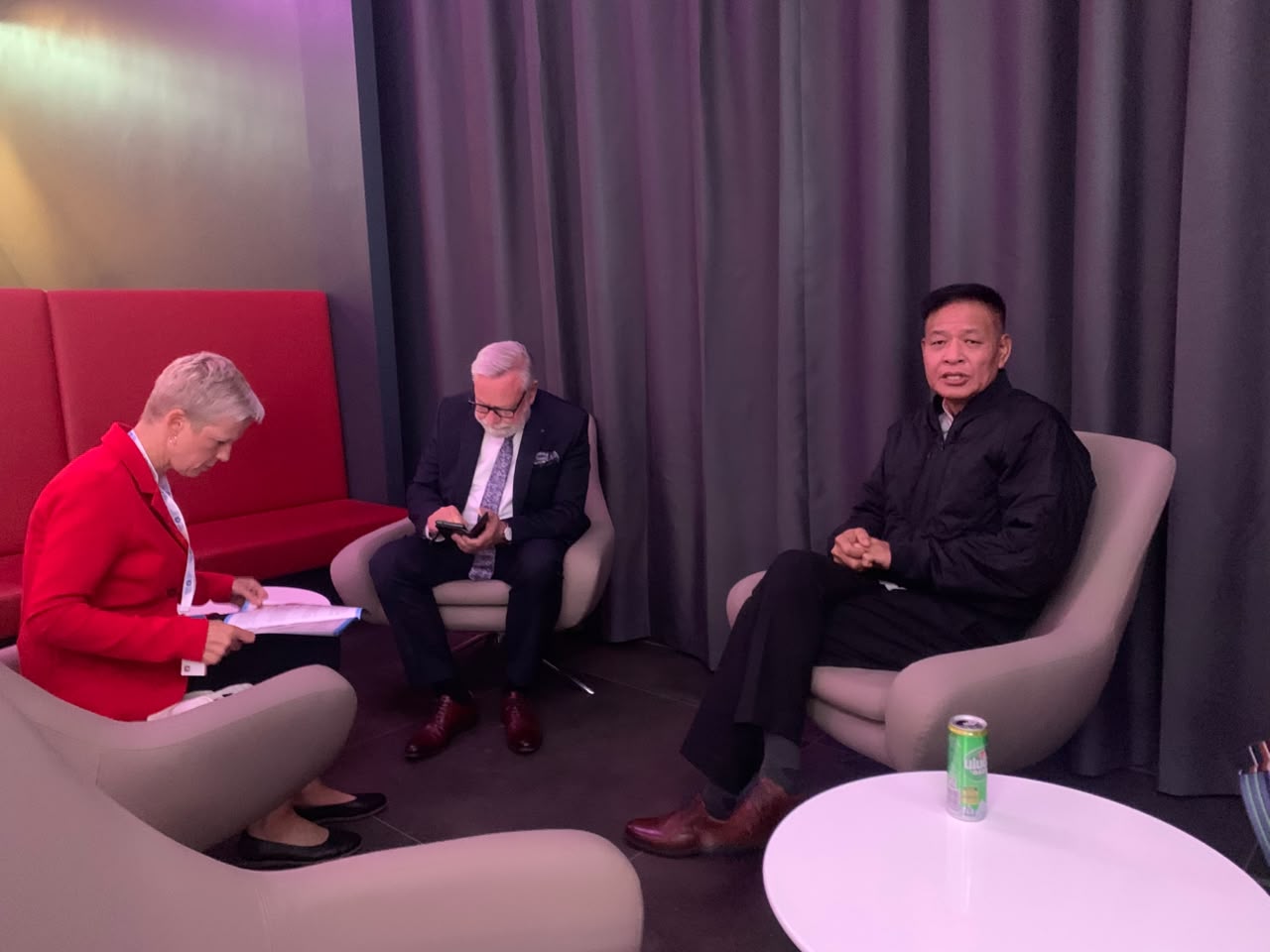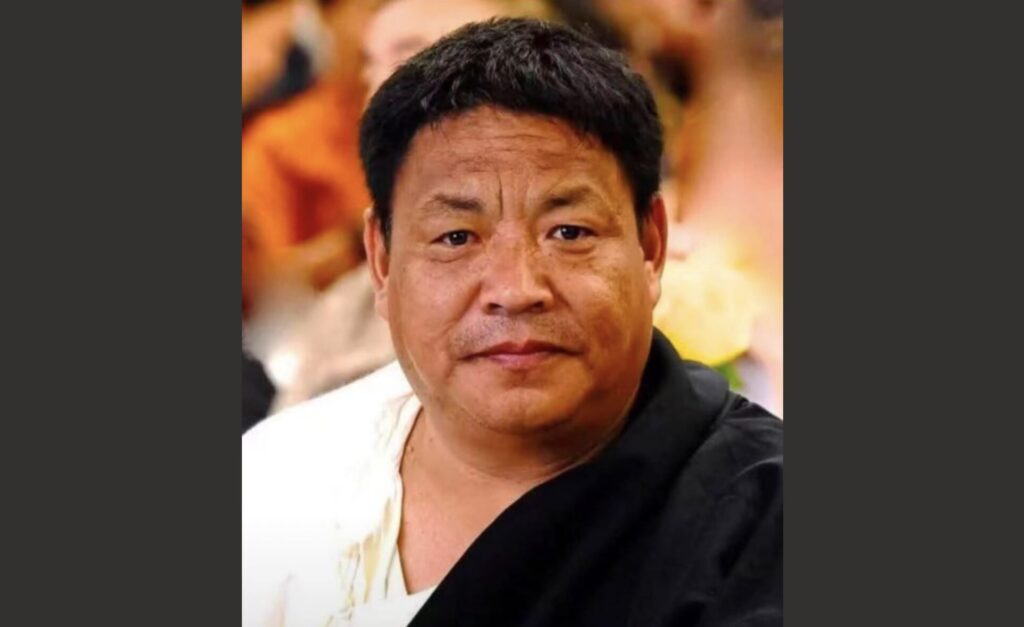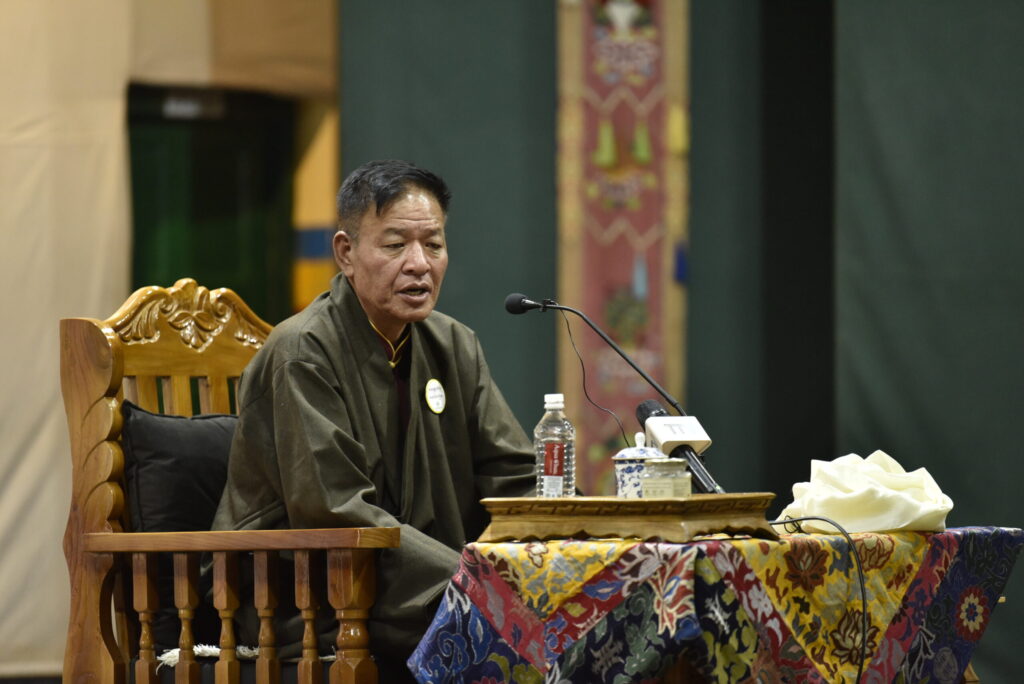
Berlin: Sikyong Penpa Tsering arrived in Berlin on the morning of 11 May 2026 as part of his official visit to Germany. In the afternoon, he met with Hon. MP Thomas Rachel, Chairman of the Parliamentary Group on Freedom of Religion or Belief at the German Bundestag, for a wide-ranging discussion on the current situation inside Tibet, the well-being of His Holiness the Dalai Lama, and China’s policies toward Tibetans.
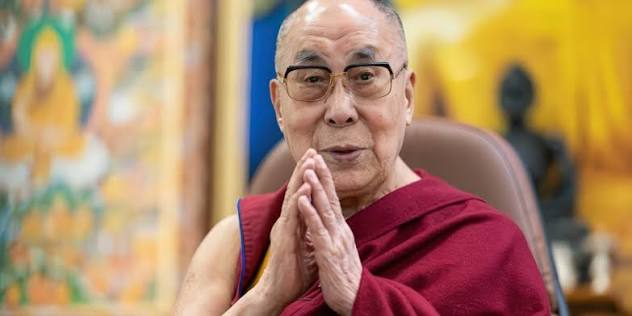
At the outset of the meeting, Sikyong Sharing updates on His Holiness’s health, Sikyong informed the German parliamentarian that he had recently met His Holiness in India following his successful left knee replacement surgery. He noted that despite the surgery, His Holiness remains in good spirits and continues to be committed to serving humanity as long as his physical condition permits. Sikyong further conveyed that His Holiness’s overall health and cognitive abilities have improved considerably in recent months and that he had been meeting hundreds of visitors daily before taking a period of rest for post-surgical recovery.
The discussion then turned to the historical and contemporary situation in Tibet. Sikyong provided an overview of Tibet’s modern history, beginning with China’s invasion of Tibet in 1950 and the subsequent imposition of the so-called 17-Point Agreement under military pressure. He recalled how His Holiness the Dalai Lama sought to work within the framework of the agreement for nearly a decade before being compelled to flee into exile in 1959 due to worsening repression.
Sikyong highlighted the extensive destruction that followed, including the devastation of Tibetan religious and cultural institutions during the Cultural Revolution, the destruction of approximately 6,000 monasteries, and the immense human suffering endured by Tibetans under Chinese rule. He also emphasised Tibet’s historical status as an independent nation with a rich civilisational heritage and a long history extending over two millennia.
Addressing current developments, Sikyong expressed concern over Beijing’s intensified assimilation policies under President Xi Jinping. He explained that restrictions on religious freedom, language rights, education, and cultural expression have become increasingly severe. Tibetan language instruction has been drastically reduced in schools, monasteries are subjected to extensive state control and surveillance, and Tibetan children are increasingly being separated from their cultural roots through state-run boarding school systems.
Sikyong also highlighted the extensive surveillance infrastructure imposed across Tibet, including facial recognition technologies, DNA collection, and digital monitoring systems. He warned that such technologies are increasingly being exported beyond China and pose broader concerns for democratic societies worldwide.
Regarding the issue of the future reincarnation of His Holiness the Dalai Lama, Sikyong reiterated that the Chinese government’s attempts to control the recognition process through regulations such as Order No. 5 fundamentally contradict Tibetan Buddhist traditions. He stressed that the authority to determine the reincarnation of the Dalai Lama rests solely with His Holiness and the established religious traditions of Tibetan Buddhism.
Sikyong also elaborated on the Central Tibetan Administration’s commitment to the Middle Way Approach, which seeks a peaceful and mutually beneficial resolution to the Sino-Tibetan conflict through dialogue and negotiations. He noted that despite decades of repression, Tibetans have remained committed to non-violence, inspired by the leadership and teachings of His Holiness the Dalai Lama.
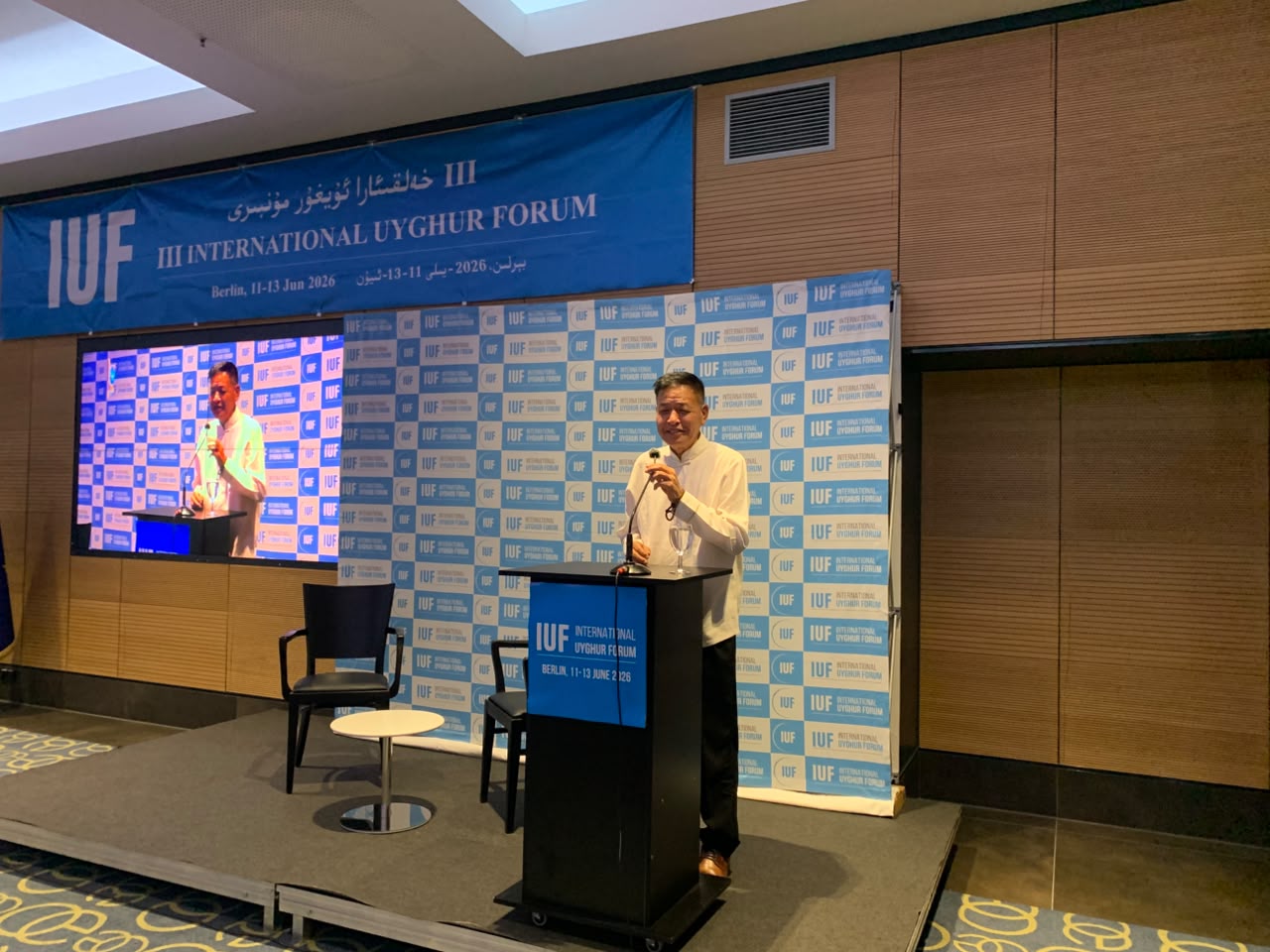
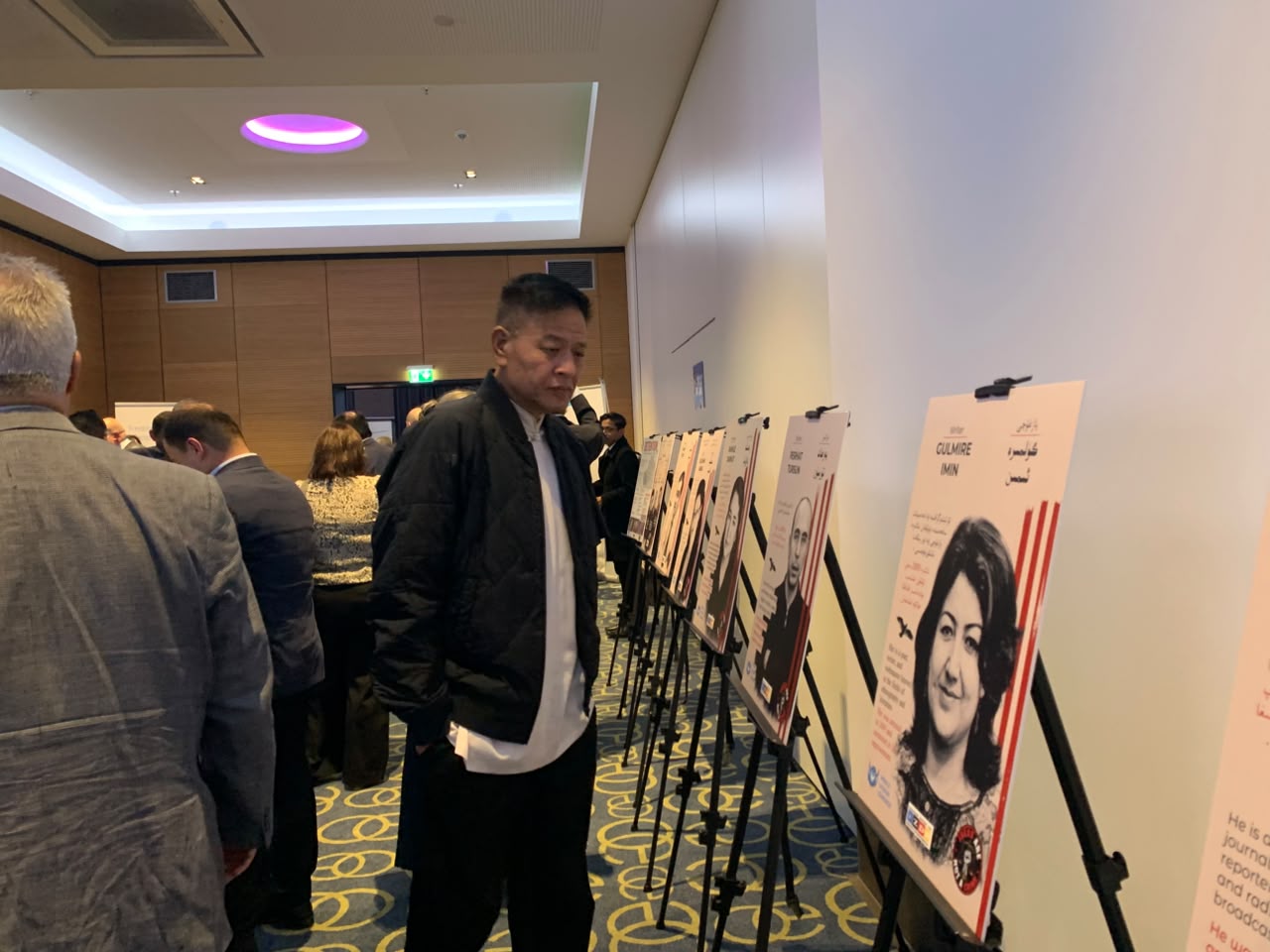
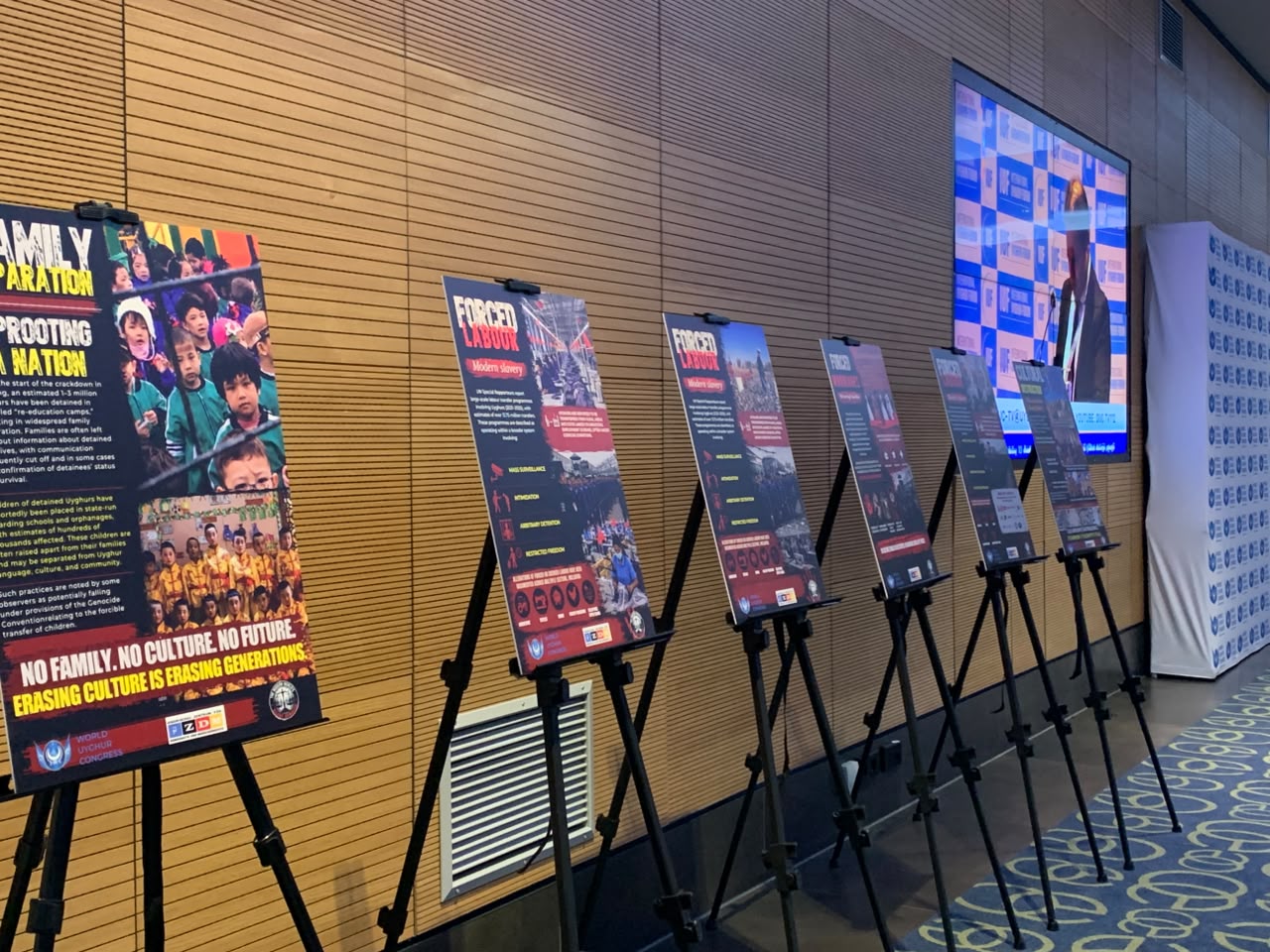
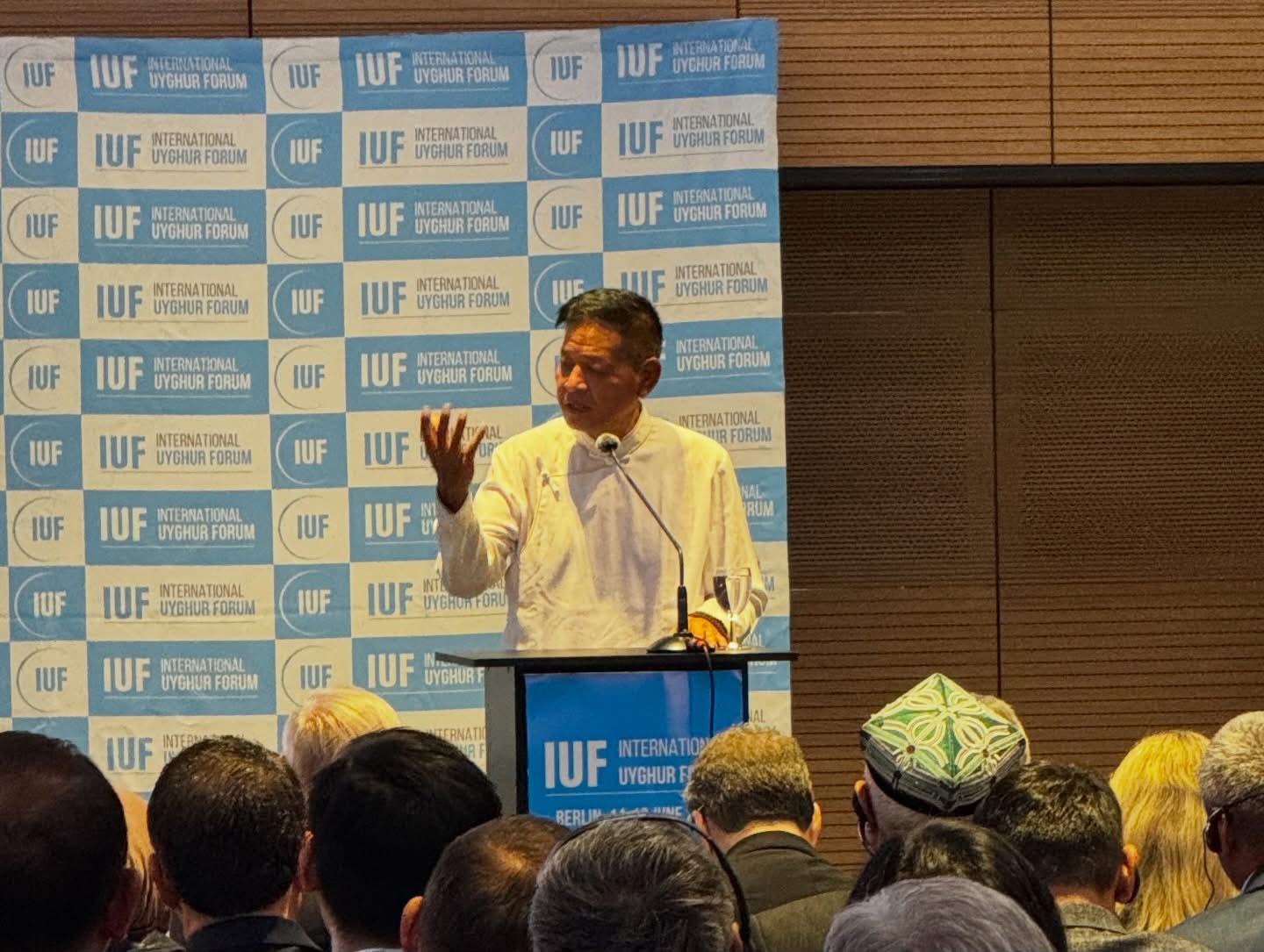
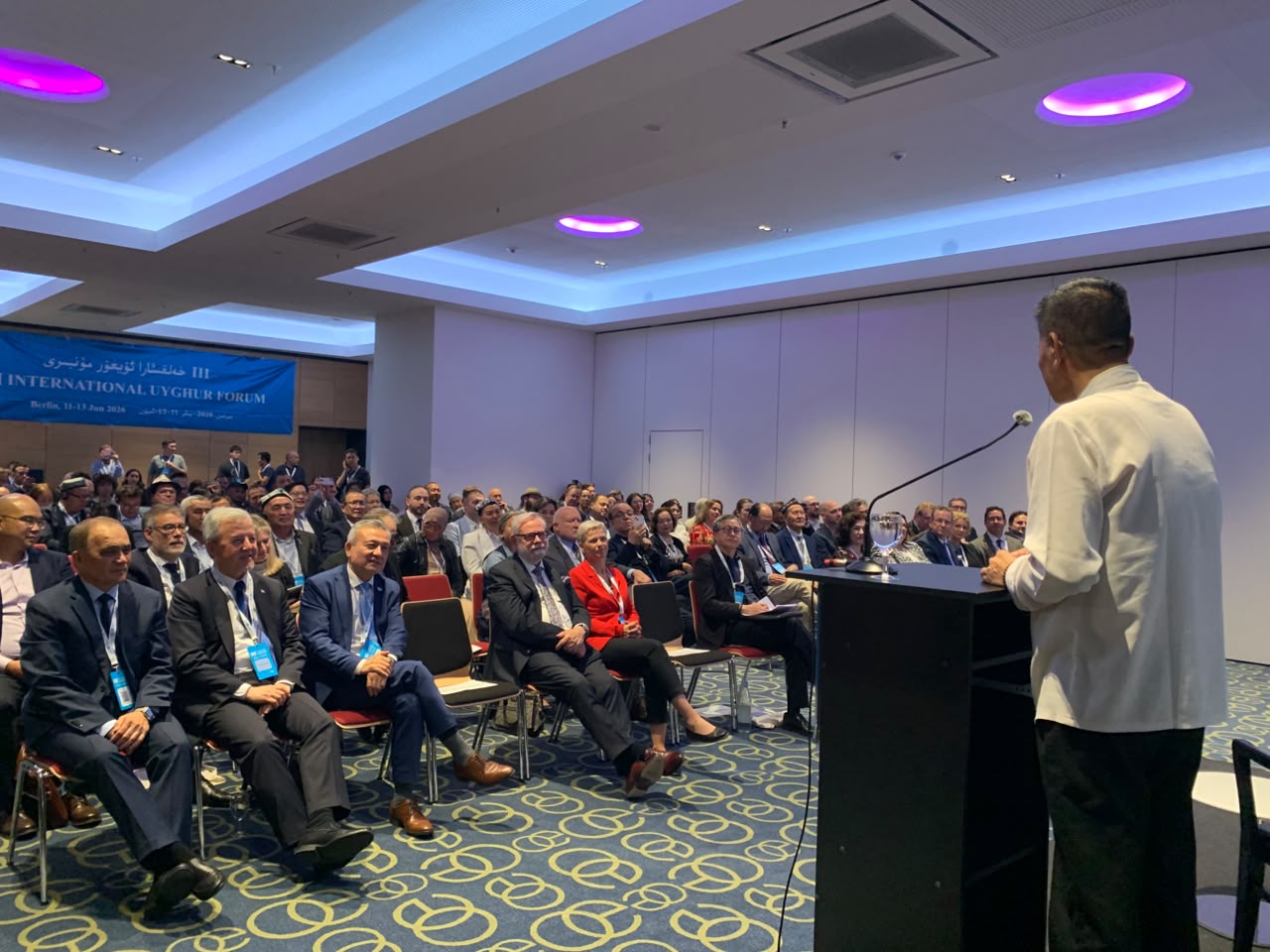
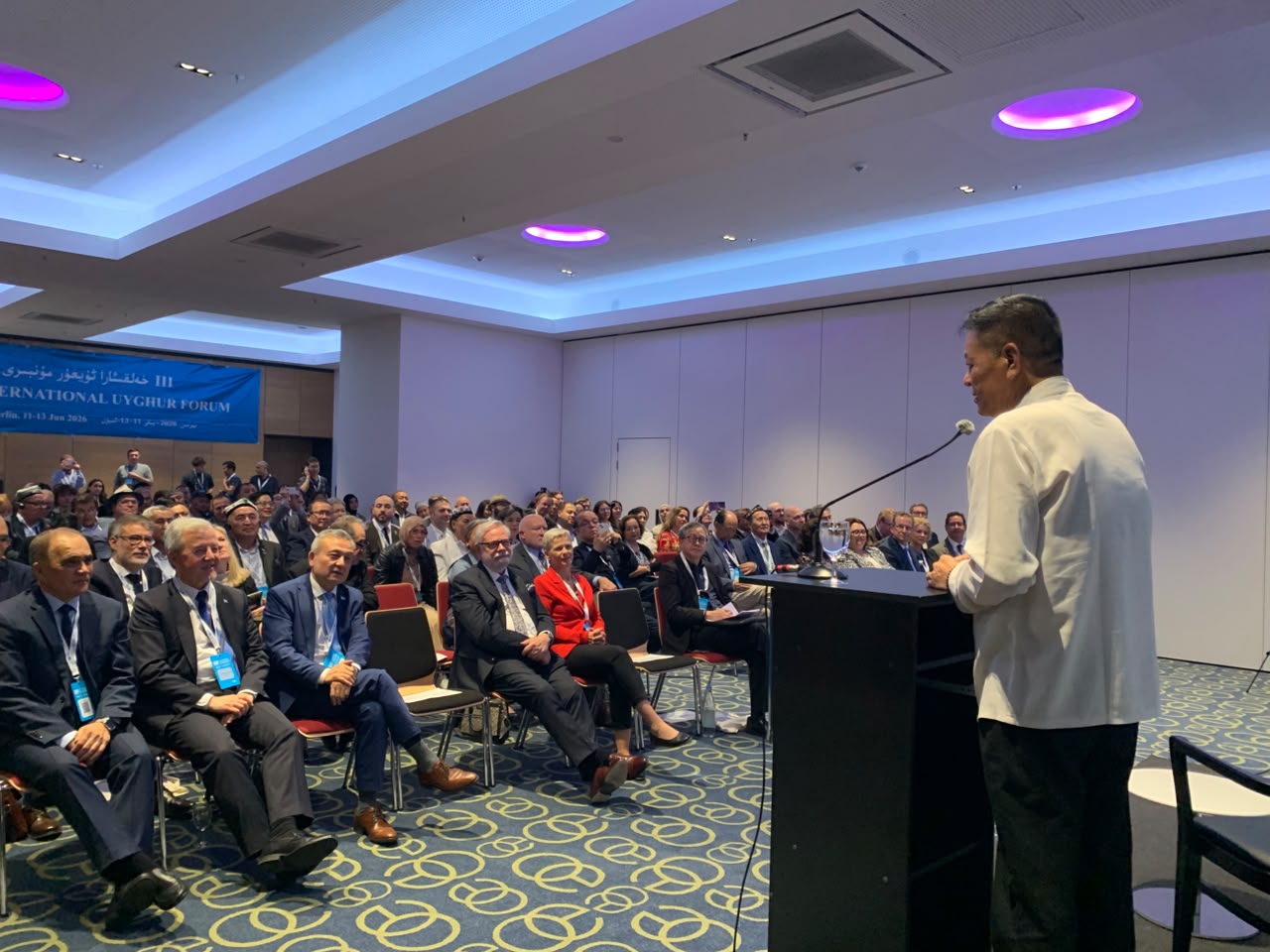
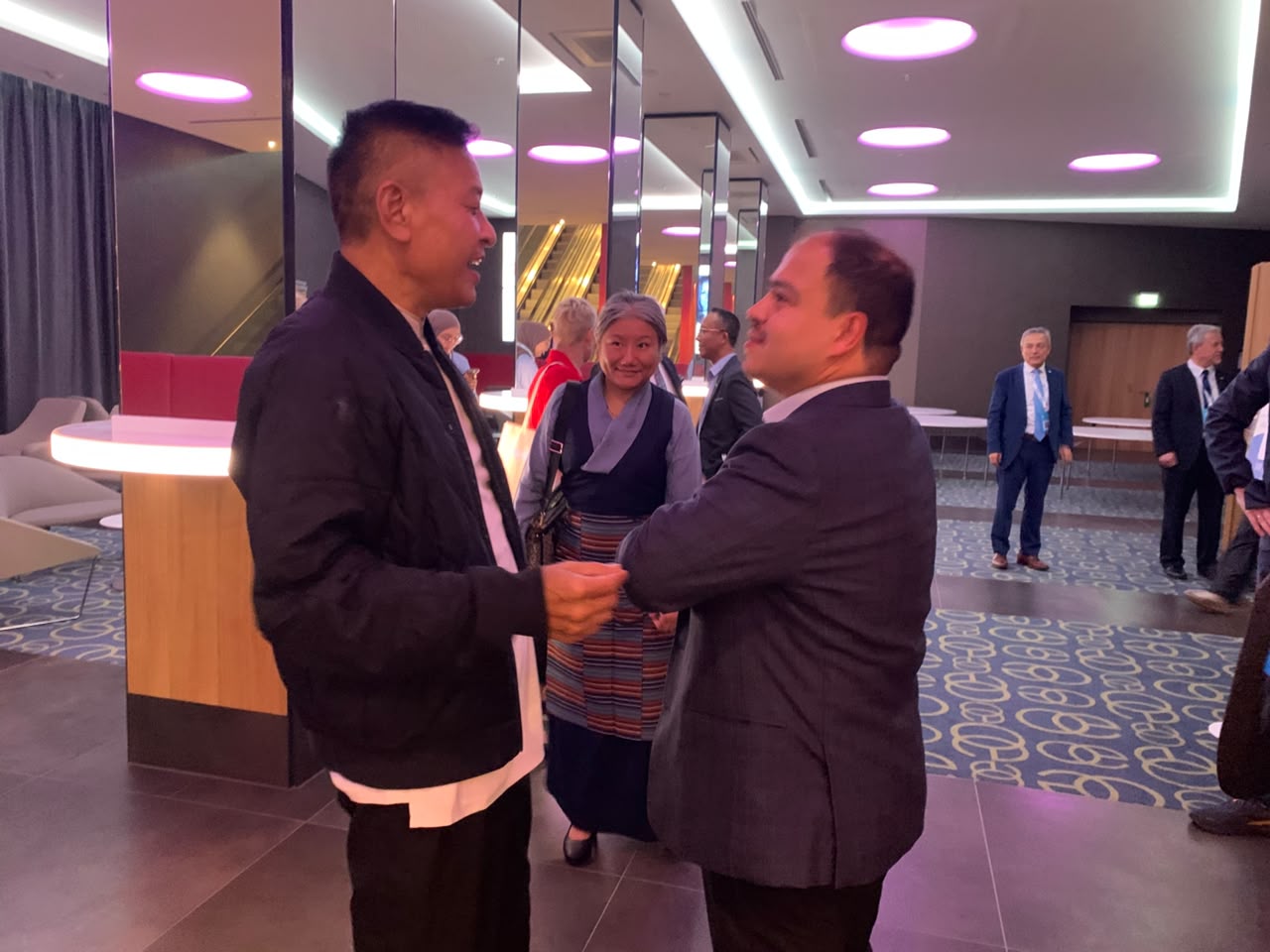
Later that evening, Sikyong Penpa Tsering participated in the opening ceremony of the International Uyghur Forum held in Berlin. The event brought together political leaders, parliamentarians, human rights advocates, and representatives of communities affected by Chinese government policies.
Opening remarks were delivered by Turgunjan Alawdun, President of the World Uyghur Congress; Ambassador Dr. Klement Ruey-sheng Gu, Representative of the Taipei Representative Office in Germany; Jiří Oberfalzer, Vice President of the Czech Senate; Yves-François Blanchet, Leader of the Bloc Québécois of Canada; Olivier Faure, Member of the French Parliament; Penpa Tsering, Sikyong of the Central Tibetan Administration; Antoinette Guhl, Senator from France; Mesud Gülbahar, Vice Chair of Hasene; and Dolkun Isa, President of the Uyghur Center for Democracy and Human Rights.
In his address, Sikyong congratulated the organisers and expressed appreciation for the opportunity to join the gathering despite his busy schedule following the formation of the new Kashag after his re-election for a second term.
Emphasising the importance of greater coordination among communities affected by Beijing’s policies, Sikyong called for a more strategic and united approach among Tibetans, Uyghurs, Mongolians, Hong Kongers, and Taiwanese. He observed that while these communities have long engaged in advocacy independently, the time has come to move beyond periodic meetings and develop coordinated strategies to address common challenges.
Sikyong stated that the struggle increasingly reflects a broader global contest between democratic values and authoritarian governance. He stressed that democracies must work together to defend freedom, human rights, and cultural diversity in the face of growing authoritarian influence.
Drawing attention to China’s assimilation policies, Sikyong noted the demographic changes taking place in Tibet, East Turkestan, and Southern Mongolia, as well as the implementation of policies such as the so-called “Ethnic Unity and Progress” initiatives, which he said aim to erode the distinct identities, languages, religions, and cultures of non-Han peoples.
He further highlighted the environmental consequences of China’s development policies, particularly in Tibet. Referring to China’s plans to construct the world’s largest hydropower dam on the Yarlung Tsangpo (Brahmaputra) River, Sikyong cautioned that such projects could have far-reaching environmental and geopolitical implications for downstream countries while causing irreversible ecological damage on the Tibetan Plateau.
Sikyong also warned about China’s export of surveillance technologies and governance models to other countries. He stressed that concerns about China’s policies extend beyond Tibet, Uyghurs, and other affected communities and increasingly involve broader questions about global governance, civil liberties, and democratic values.
Despite these challenges, Sikyong encouraged participants not to lose hope. While acknowledging China’s growing power and influence, he noted that the country also faces significant internal challenges. He urged affected communities to remain vigilant, strengthen cooperation, and prepare strategically for future opportunities that may emerge.
Concluding his remarks, Sikyong expressed optimism about continued collaboration among Tibetans, Uyghurs, Mongolians, Hong Kongers, Taiwanese, and their international supporters. He wished the International Uyghur Forum a productive and successful gathering and looked forward to further discussions during the following days of the conference.
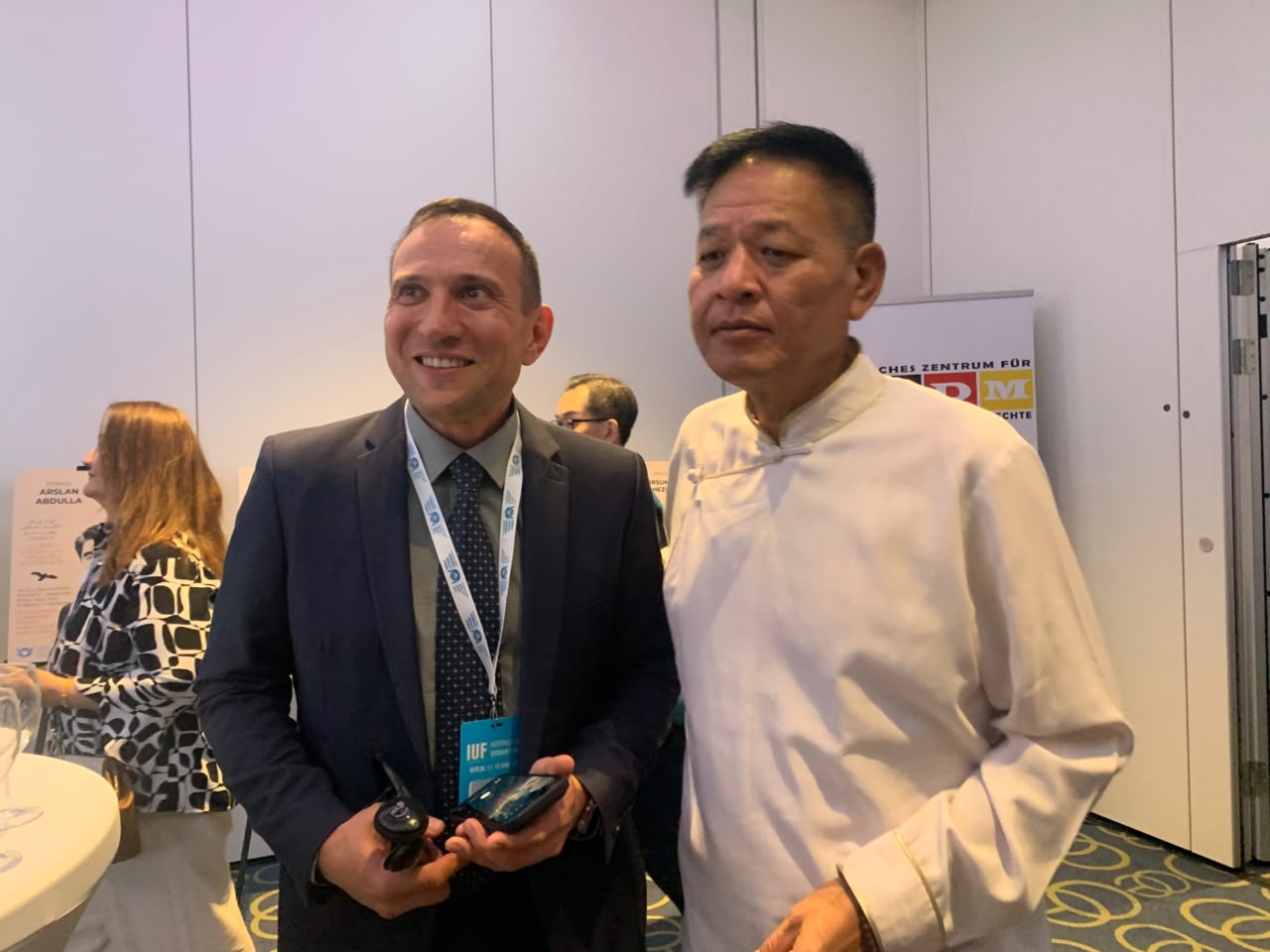
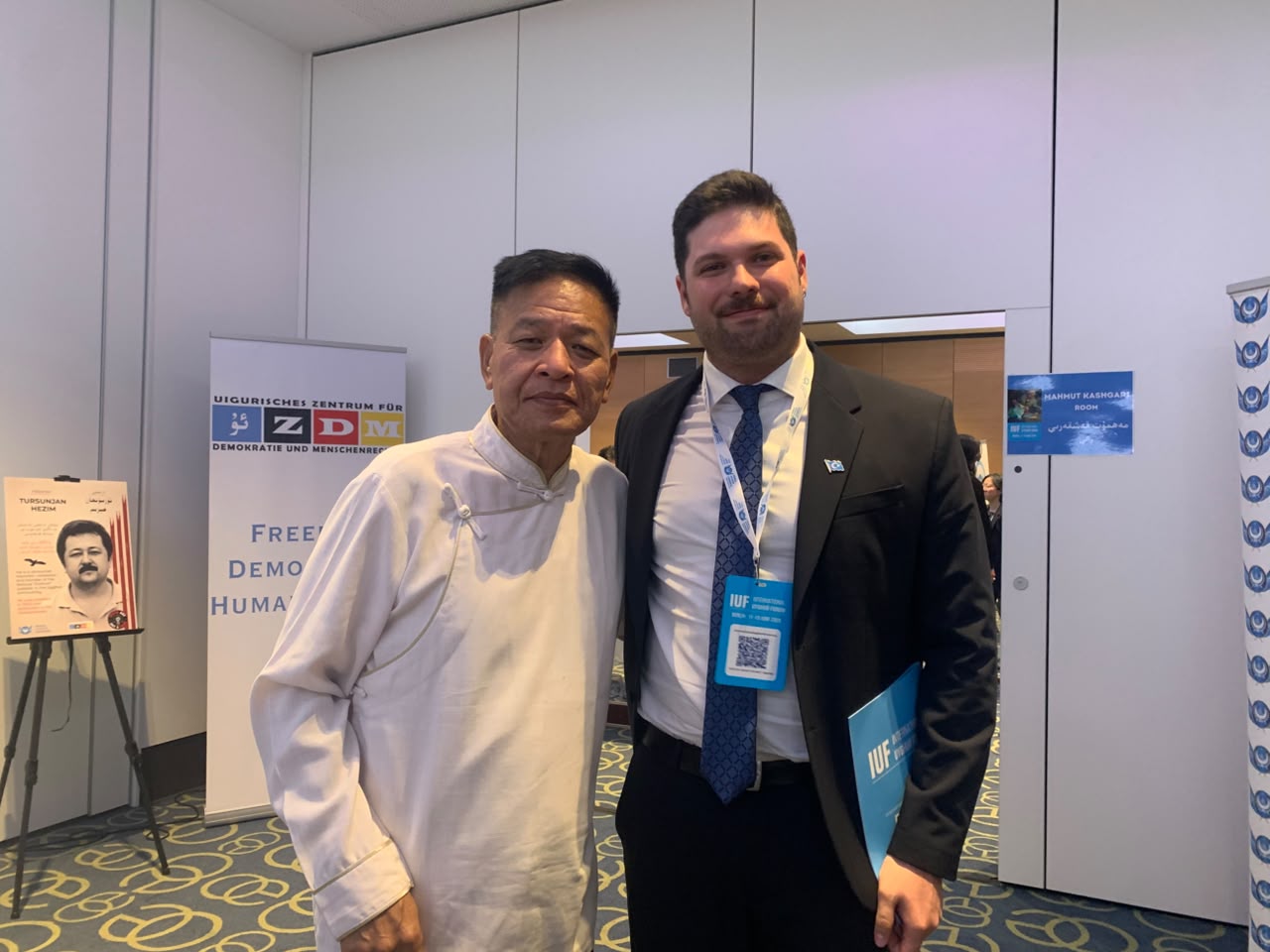
Thinlay Chukki, Representative of His Holiness the Dalai Lama, and Phuntsok Topgyal, UN Advocacy Officer of the Office of Tibet, and Dundup Donka, President of Tibetan Community of Germany also participated in the International Uyghur Forum. On the sidelines of the event, Sikyong held meetings with various dignitaries and representatives attending the forum.
-Report filed by the Tibet Bureau in Geneva