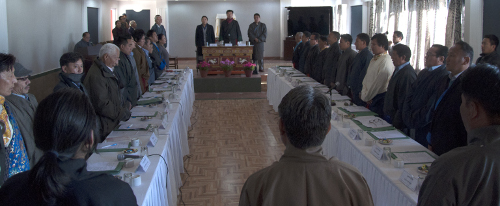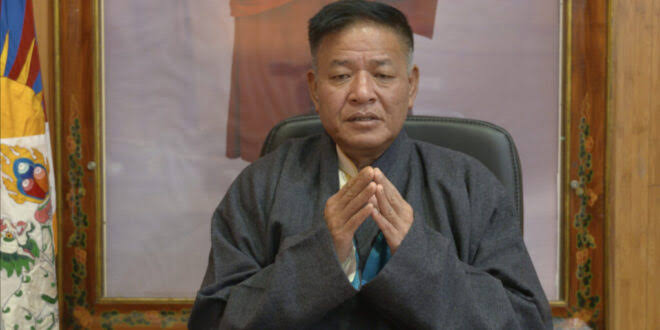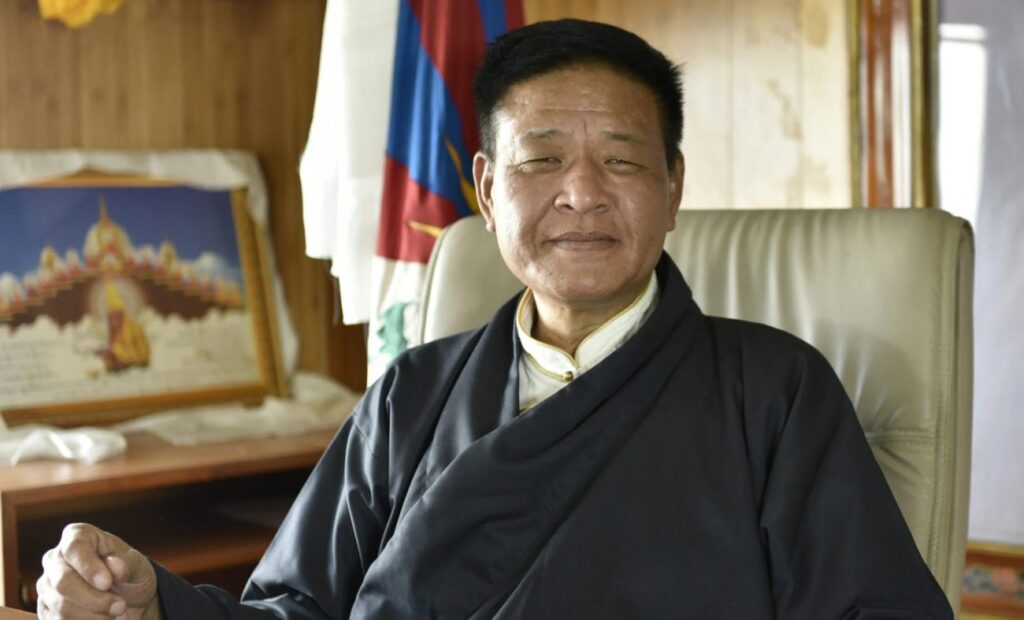

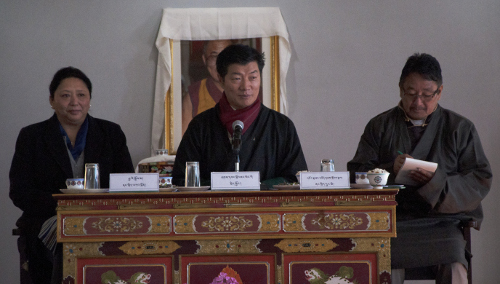
DHARAMSHALA: Sikyong Dr Lobsang Sangay today opened the first-ever conference of Tibetan handicraft centres located across India and Nepal in Dharamshala.
Over 28 representatives from 16 handicraft centres across India and Nepal are participating in the two-day conference being presided over by Home Kalon Dolma Gyari. They will deliberate on seven main agendas, which include issues regarding ownership and management of real estate owned by the handicraft centres, transfer of administrative powers of these centres from the settlement officer to the local managing director of the handicraft society, audit of the accounts of the societies by the CTA’s Office of the Auditor General.
Addressing the participants, Sikyong Dr. Lobsang Sangay spoke about the importance of such conferences to maximise the profitability of these handicraft centres and improve the economic condition of the Tibetan community.
“Since becoming the Sikyong, I have visited over 95% of the Tibetan settlements in India. I also went to the various handicraft centres of these settlements during my visits. Some of these centres are running very effectively while some are in poor conditions. Therefore, such conferences will help to increase the effectiveness and efficiency of these centres,” he said.
“The Tibetan handicraft centres are established with the sole purpose of developing the economic condition of the Tibetan people. So, the handicraft centres should duly use their resources to mitigate the sufferings of the poor people,” he said, adding that unoccupied houses belonging to these handicraft centres should be rented to poor families at minimal rates.
Speaking on the political situation of Tibet, he said, since the devolution of political authority by His Holiness the Dalai Lama to the elected leadership, the 14th Kashag of the Central Tibetan Administration has launched various campaigns to raise awareness and garner international support for the Tibet issue.
“In view of the grim situation prevailing inside Tibet, the 14th Kashag has launched the three phased integrated CAN strategy: Consolidation, Action and negotiation, to push the Tibetan struggle forward. Hundreds of Tibetans have set themselves on fire in protest against the repressive policies of the Chinese government in Tibet. Therefore, the Tibetan administration, on its part, has launched various campaigns in India and abroad to make the people of the world aware of the genuine aspirations of the Tibetan self-immolaters,” he said.
“Parliaments across the world as well as intellectuals and world leaders have expressed support to the non-violent and mutually beneficial Middle Way Approach of the Central Tibetan Administration to resolve the issue of Tibet,” he said.
Sikyong also underscored the importance of maintaining harmonious relations with the local Indian people and the importance of education for Tibetans to strengthen the Tibetan movement.