My Dear Fellow Tibetans and Friends,
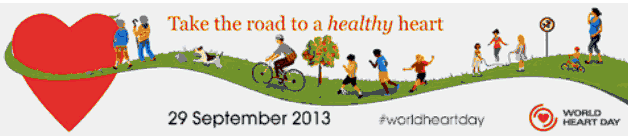
Today on 29 September, we mark World Heart Day to give attention to the importance of maintaining a healthy heart in order to lead a healthy productive life. The heart pumps blood throughout the body and maintains circulation to every organ in the body. Our heart, however, is vulnerable and can be compromised to unhealthy life practices, such as smoking, alcohol consumption, unhealthy eating habits, lack of exercise and excessive stress.
According to the World Health Organisation, cardiovascular diseases are one the major causes of death worldwide, claiming 17.3 million lives every year. It is expected that more than 23 million people will die annually from cardiovascular diseases by 2030. Beyond the threat of infectious communicable diseases (tuberculosis, hepatitis, and HIV/AIDS), our community must not overlook the danger of cardiovascular diseases in our community. The incidence of cardiovascular diseases is rising in the Tibetan communities due to changing life habits resulting from progress in social conditions in recent years. Our Department of Health’s Health Information System data show that from January to May 2012, one out of every Tibetans suffer from cardiovascular disease. Cardiovascular disease ranks second only to upper respiratory infection in the top ten watch-list diagnoses at Tibetan refugee health facilities across India and Nepal.
The theme of this World Heart Day 2013, as laid out by the World Heart Foundation, addresses the importance of of a life-course approach to the prevention and control of cardiovascular diseases with the focus on women and children. Heart disease is the number 1 killer of women globally causing 1 in every 3 female deaths. Contrary to traditional belief that only older people and men are affected by cardiovascular diseases, women are actually equal at risk. Educating women and men about this truth will encourage them to take action to protect themselves and their family. For children, the risk for cardiovascular diseases can begin before birth during the fetal developmental stage with further increases during childhood with exposure to unhealthy diet, lack of exercise and exposure to second-hand smoking. This makes children vulnerable to cardiovascular diseases unless action is taken to prevent it. With a healthy life-course approach, healthy children will become healthy productive adults and, in turn, healthy families and communities.
A healthy heart is achieved by maintaining a healthy lifestyle. Some important aspects to bear in mind to maintain healthy hearts are:
- Avoid smoking or tobacco use
- Eat low fat food and drink low fat milk. Avoid eating food that contains high fat and high sugar content
- Incorporate regular exercise regimen into daily life and decrease sedentary lifestyle such as excessive television viewing
- Get enough sleep
- Maintain a healthy body weight
- Limit alcohol to a healthy amount. Don’t drink excessively
- Make a habit of getting regular screenings of your blood pressure and cholesterol levels
- Spread awareness about the importance of maintaining a healthy heart in your schools and communities
In conclusion, I urge all adults and children to take the road to a healthy heart. Together, we can adopt active healthy practices to prevent the devastating impact of heart disease and stroke.
Thank you.
Kalon Dr. Tsering Wangchuk
Department of Health
Central Tibetan Administration