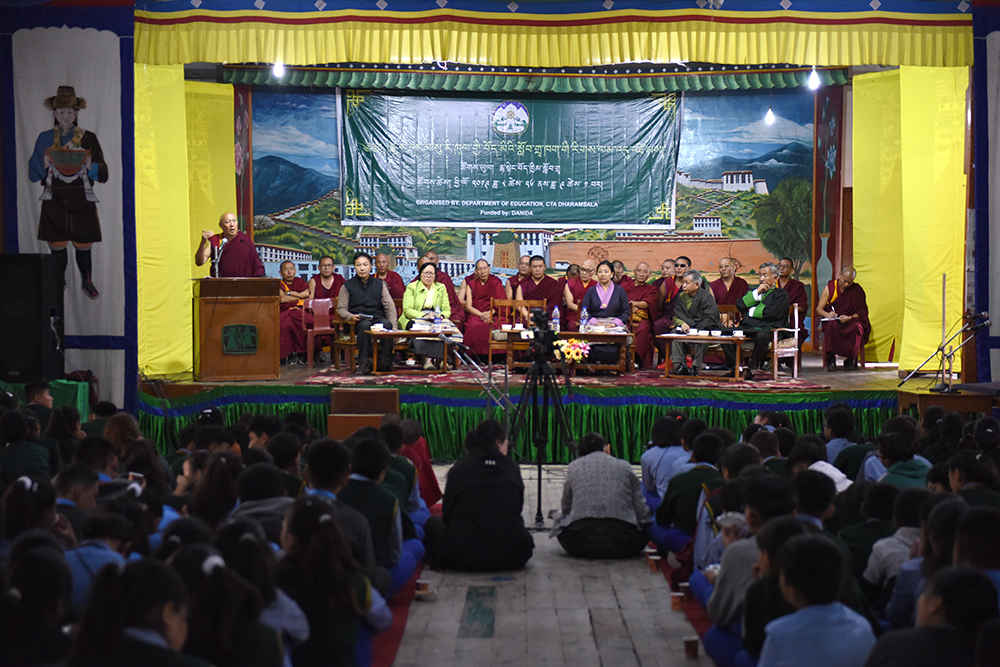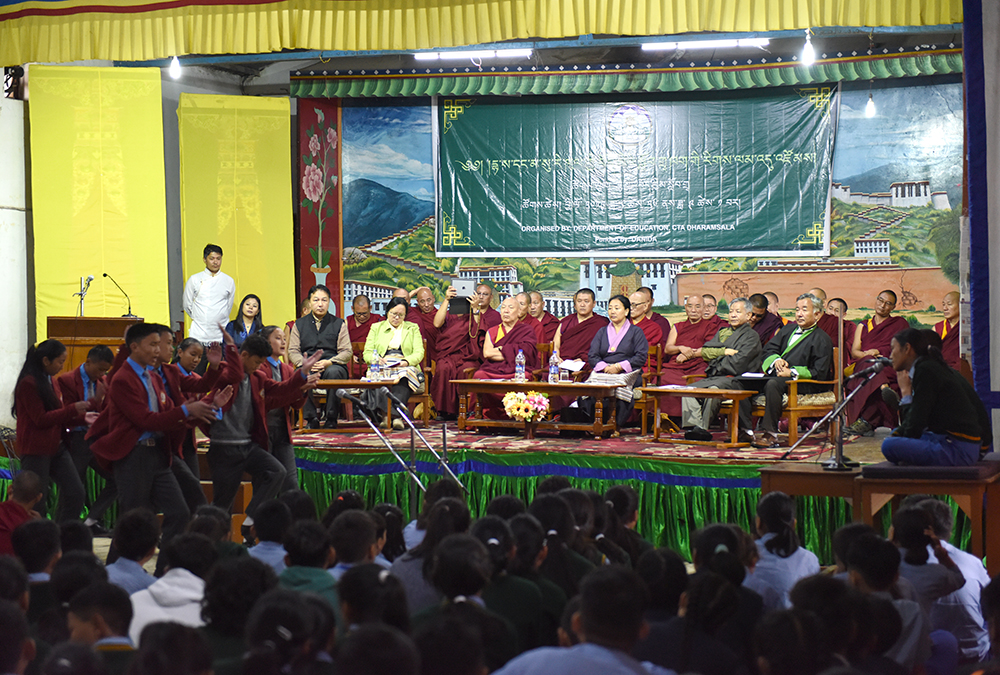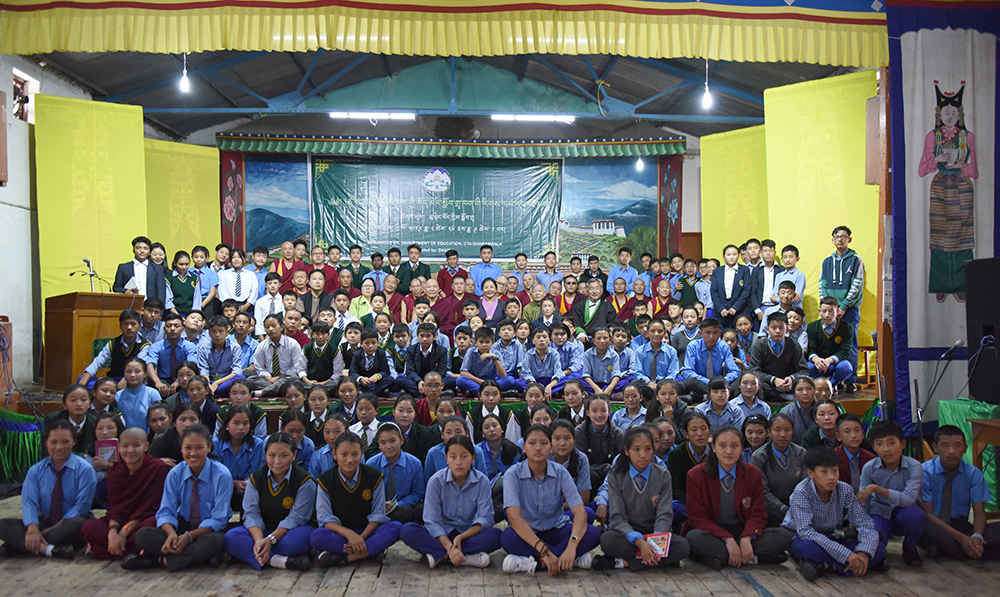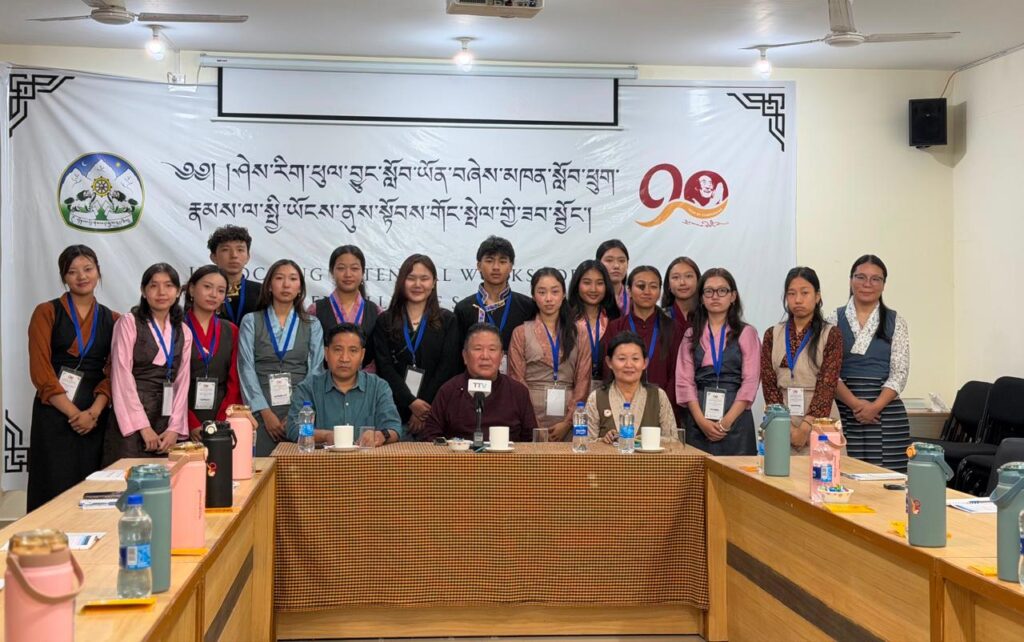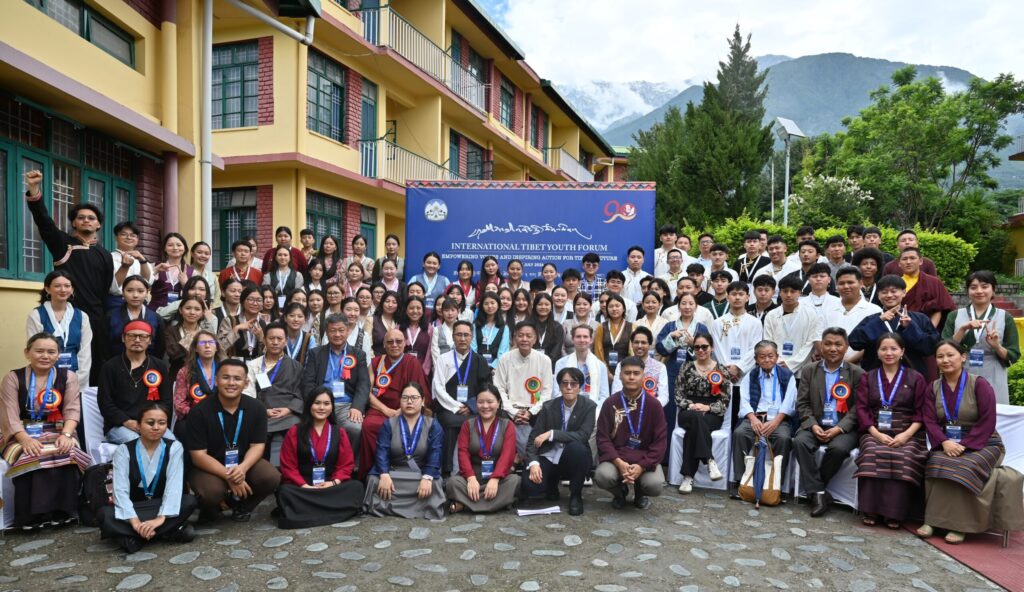

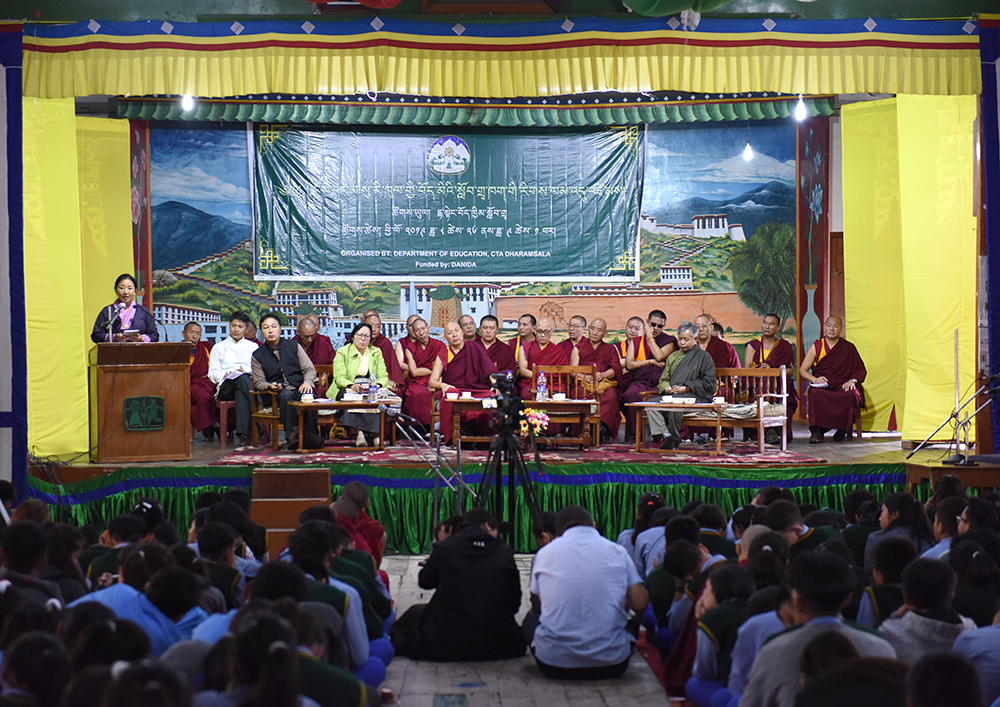
Dharamshala: The inauguration of a week-long Buddhist Philosophical Debate between Tibetan schools was held earlier today at upper TCV hall. A total of 142 students from various Tibetan schools in exile are participating in the debate on Tibetan Buddhist dialectics. There are 67 students from Tibetan schools around Dharamshala, 59 students from Tibetan schools around Mussoorie and two schools who have won the debates in the preceding years. Accompanying the students are 20 Buddhist Philosophy teachers of the respective schools. The dialectic debate is organised by the Department of Education of the Central Tibetan Administration, in an effort to boost understanding of traditional Tibetan wisdom among Tibetan students.
The inauguration ceremony of the Buddhist dialectic debate was held with the presence of Geshe Lhakdor and Kalon Dr Pema Yangchen of Department of Education as the Chief guests. The inaugural ceremony was also attended by Tenzin Dorjee, head of the academic section DoE, Upper TCV Director, Principal, and Education Director, Philosophy teachers of the schools participating in the debate and the students.
Academic section head Tenzin Dorjee delivered the welcome note and presented the schedule of the seven-day program. He further spoke about similar debates held in the preceding years in various regions.
Following which the actual debate between the schools began.
Chief Guest of the ceremony, Geshe Lhakdor delivered the importance of Debate emphasising on ways to improve the standard of debate in respective schools.
Geshe Lhakdor said “We humans have a brain, unlike any other sentient being. We can use our brain to differentiate the good from bad, long-term from short-term and so on and so forth”
Geshe Lhakdor further spoke about the advantages and helpfulness of Riglam (the study of logic). He stressed on the importance of using the system of Riglam in daily life not just as theoretical learning but practical exercises as well. He suggested everybody question and analyse about the pros and cons of whatever one does in life through means of Riglam. Geshe Lhakdor further said Riglam should be practiced not only through Buddhism but rather should be inculcated in debating by reasoning on the modern education that we study.
Geshe-la also emphasised the need for inculcating Riglam in the Tibetan community as a whole so as to become a wiser community that shuns rumors disturbing the peace of the community.
Geshe-la further narrated the History of Riglam. He further taught about how to perform the debate physically and verbally, and the mindset that one needs to have during the debate.
Finally, he concluded by urging everybody to practice Riglam in one’s daily life chores and lead a happy life.
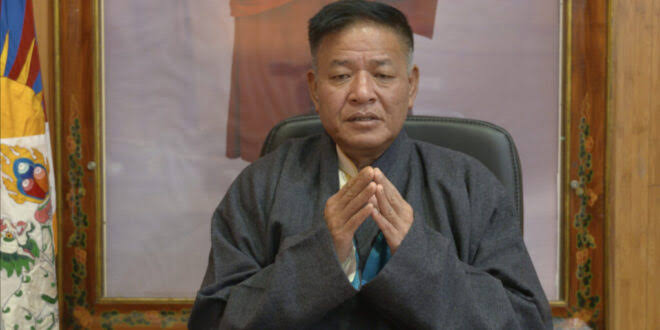
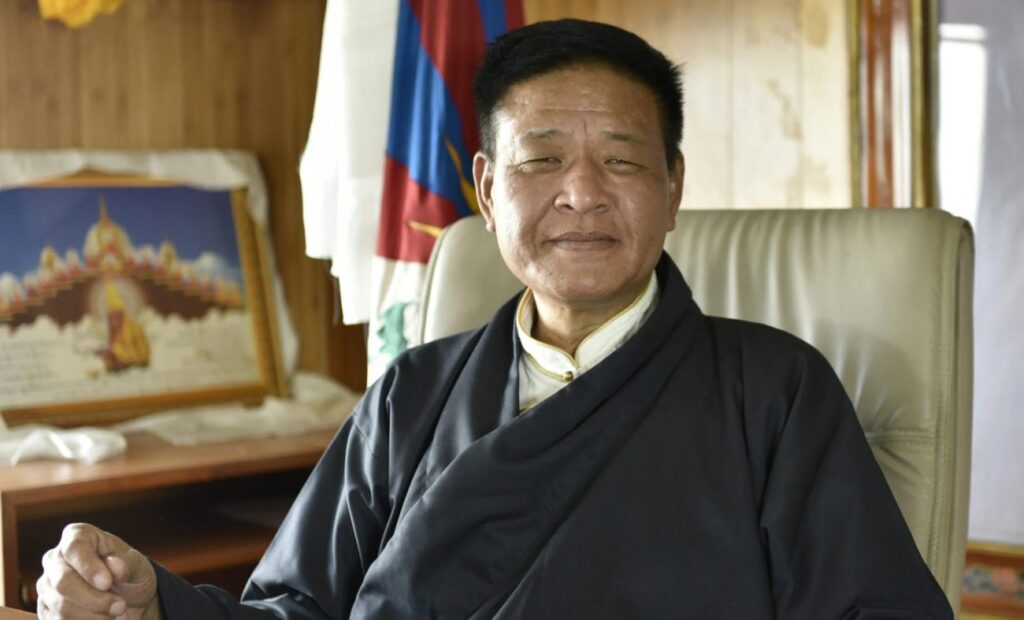
Kalon Dr Pema Yangchen in her key-note address asserted that the students should feel fortunate to be able to get such precious opportunity, therefore, urged them to strive hard and put efforts in learning. She said that in the past the opportunity to learn Riglam was only available in the monasteries and nunneries whereas now it is available for the students and layperson. She credited His Holiness the Dalai Lama and his vision that now Riglam is taught in schools. She mentioned that Riglam being one of the major fields of studies greatly benefits the way of thinking and gives a deeper understanding of learning either in academic subjects or in normal life. She thanked the teachers and students for the support enabling to fulfill a part of His Holiness’s wish.
She further spoke about the relevance of the education policy and Riglam. She stated that the Riglam is in a way also fulfilling the aims of the education Policy.
She further advised the students to engage in active interrogation during the learning process so to clarify one’s own doubt as she alleged that questioning is the right way of learning.
Finally, Ngodup Tenpa, Traditional section head DoE, delivered the vote of thanks.