DHARAMSHALA: The 19th National Congress of the Chinese Communist Party concluded this Tuesday, after almost seven days of closed-door meeting at the Great Hall of the People in Beijing.
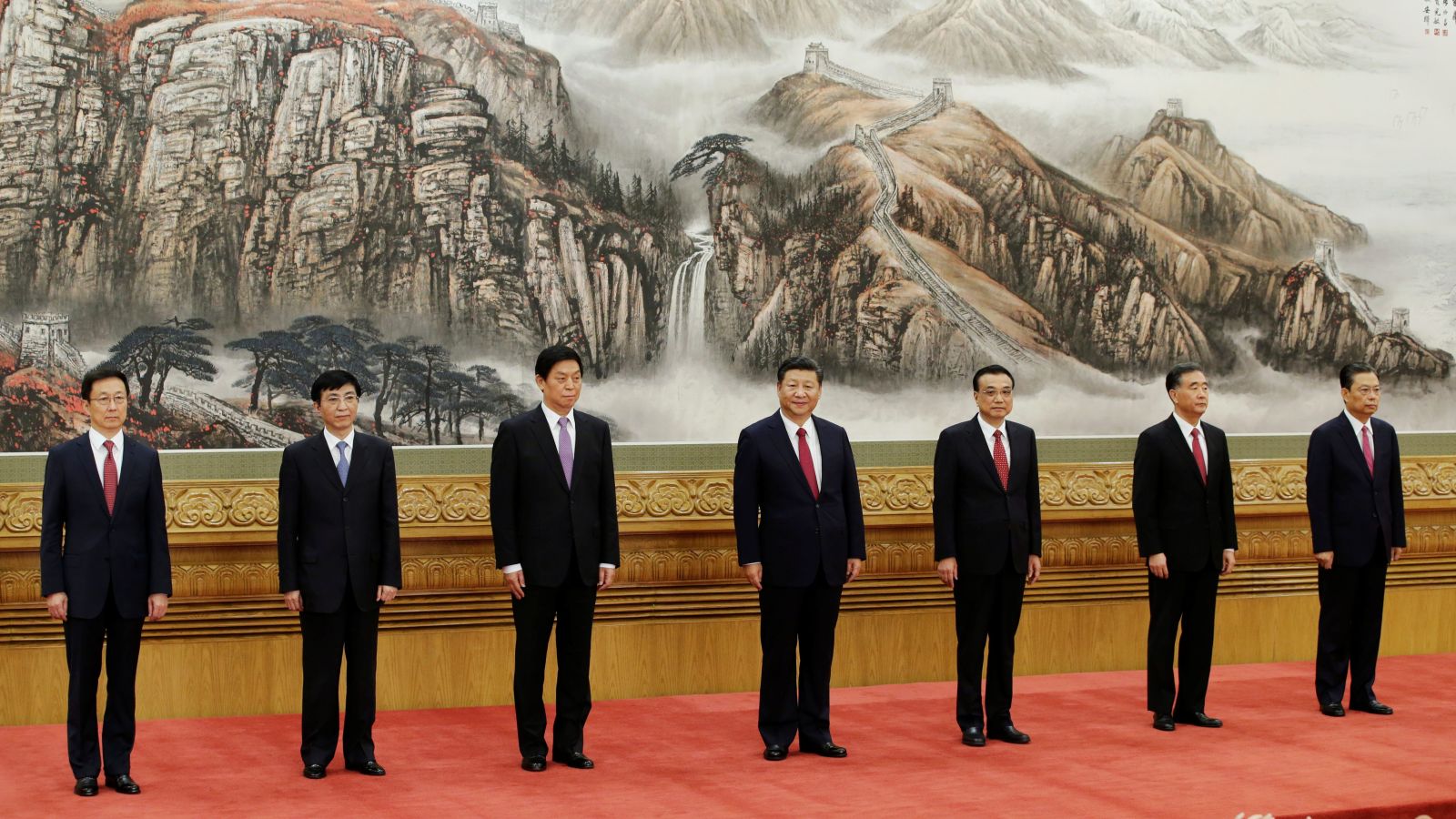
The most significant outcome of the 19th national congress was the announcement of the new seven-member politburo committee, the most powerful body in the Chinese communist party structure. The announcement was made on Wednesday, a day after the 19th national party congress concluded.
Apart from President Xi and Premiere Li Keqiang who retained their positions, the five new members elevated to the new leadership team are Li Zhanshu, 67, the president’s chief of staff since Xi took power in 2012; Wang Yang, 62, former party secretary of Chonqqing and Guangdong provinces; Wang Huning, 62, a senior policy advisor to Xi and his two immediate predecessors; Zhao Leji, 60, former party secretary of Qinghai and Shanxi Provinces; and Han Zheng, 63, former mayor and party boss of Shanghai. These new faces are seasoned politicians who as a group appear to strike a balance between Xi’s loyalists and others. Their specific government or party positions, for the time being, have not been announced.
The five new members were promoted to the seven member politburo from the broader 25-member Politburo committee after months of intense horse trading and power struggles in the lead up to the 19th national party congress.
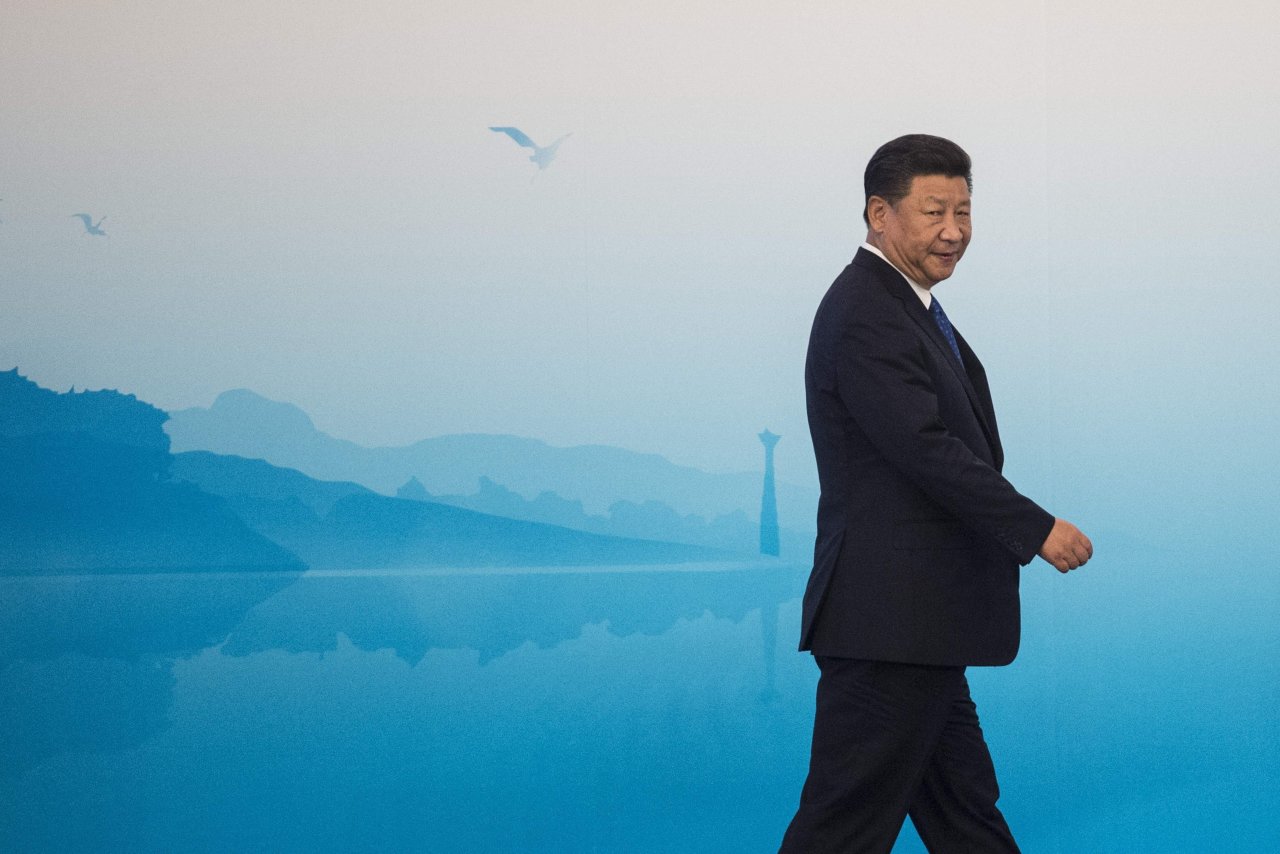
Apart from the announcement of the new leadership team, a key takeaway from the 19th National Congress was the further consolidation of President Xi Jinping’s power. President Xi’s name and ideology has been inserted into the Chinese constitution by a unanimous vote to incorporate ‘Xi Jinping thought’ into the constitution, which technically elevates him to a position at par with Mao Zedong, founder of the Chinese Communist party.
This move means that any challenge to president Xi will now be seen as a challenge to the Communist Party, which is unthinkable in China.
President Xi Jinping has also used the term ‘new era’ often in his inaugural speech, which is interpreted as the party’s way of saying this is the third era of modern China, namely the Mao era of national consolidation, Deng era economic transformation and the third and ongoing Xi era of China as a global power with vast ambitions (OBOR).
Despite all these speculations, the central question of whether President Xi intends to rule China beyond the traditional second five-year term has remained unanswered for the most part. The fact that the new appointees to the politburo committee were all in their 60s (and likely to retire at the end of this five-year term) has further fuelled speculation about the President’s long-term intentions beyond 2022.