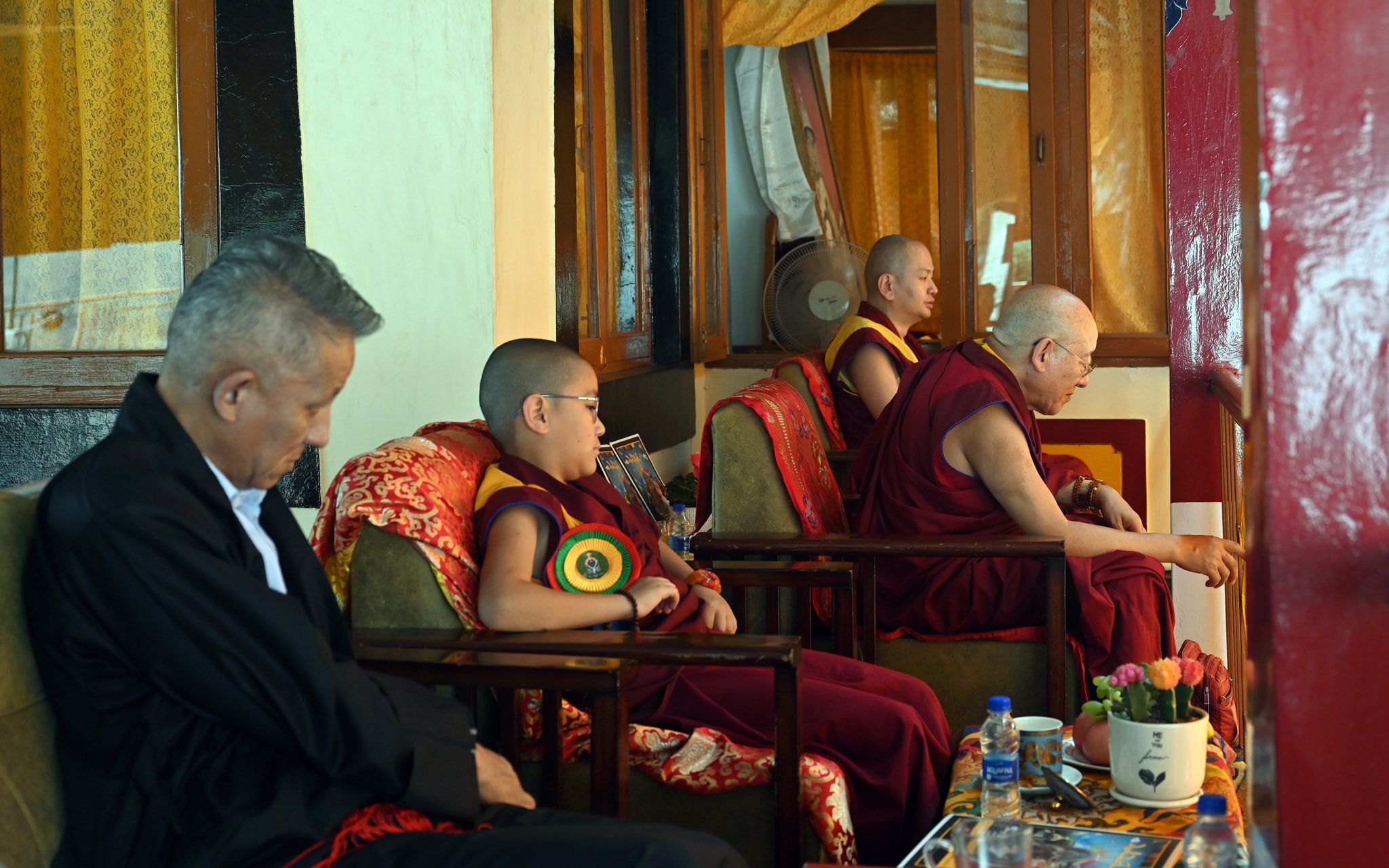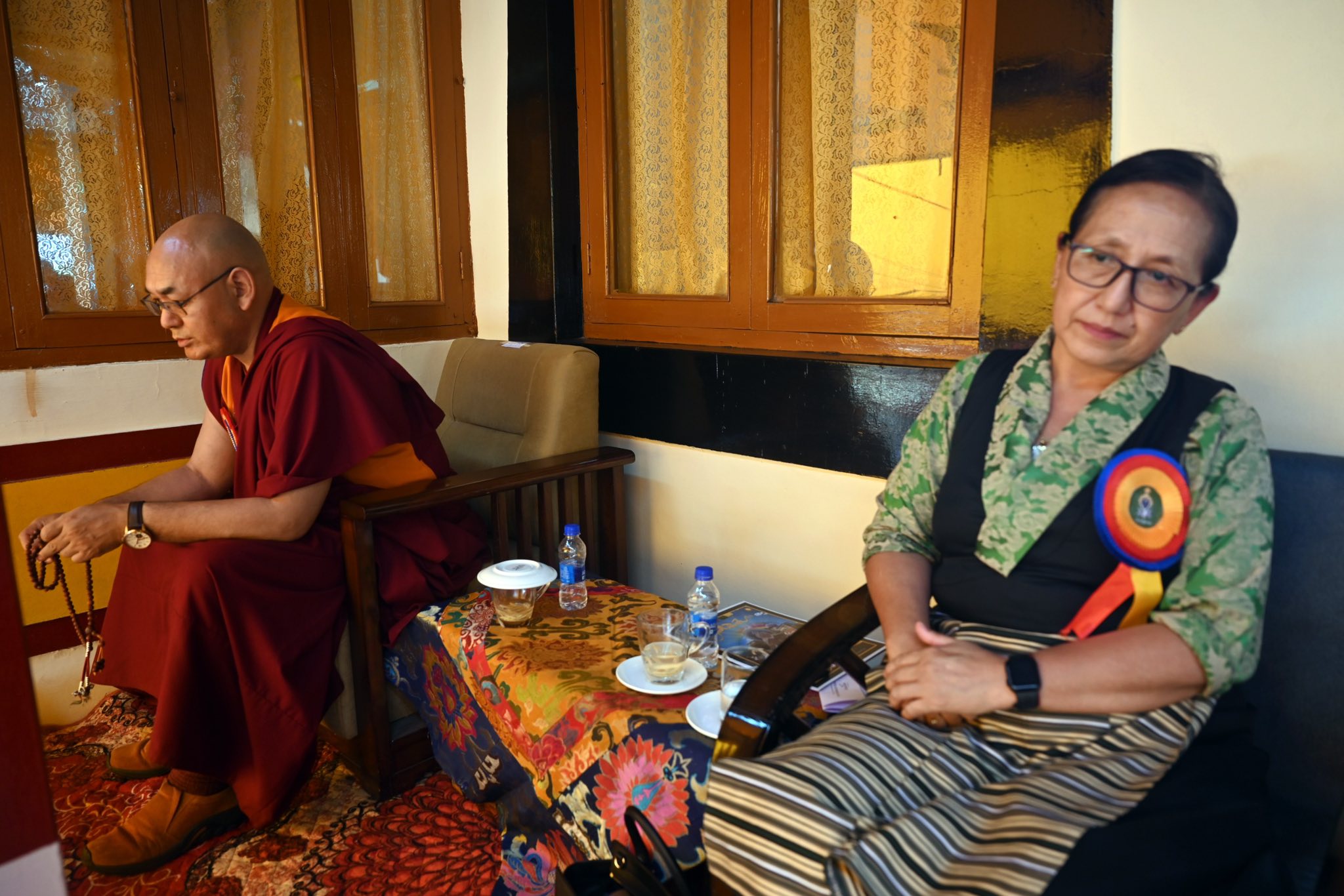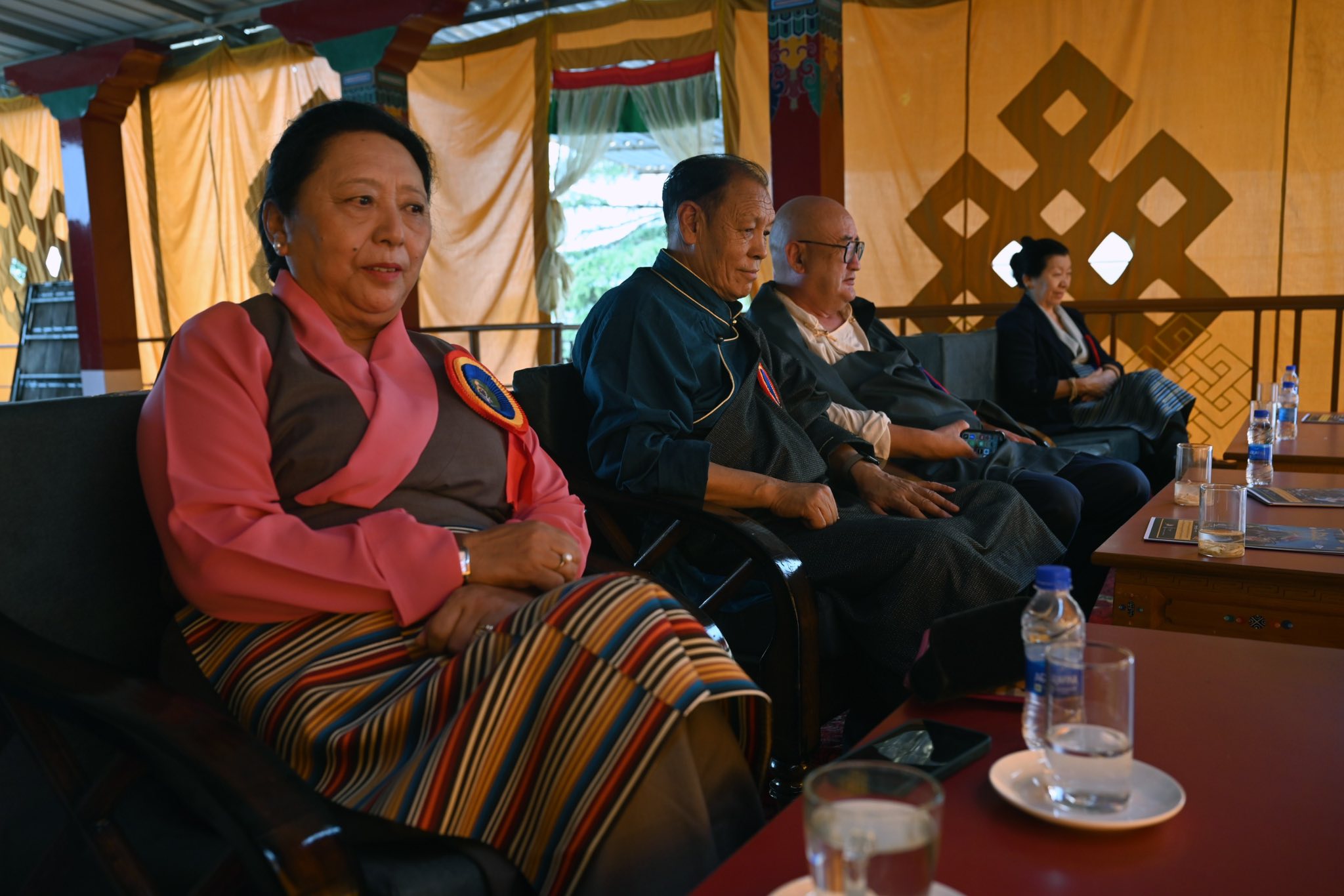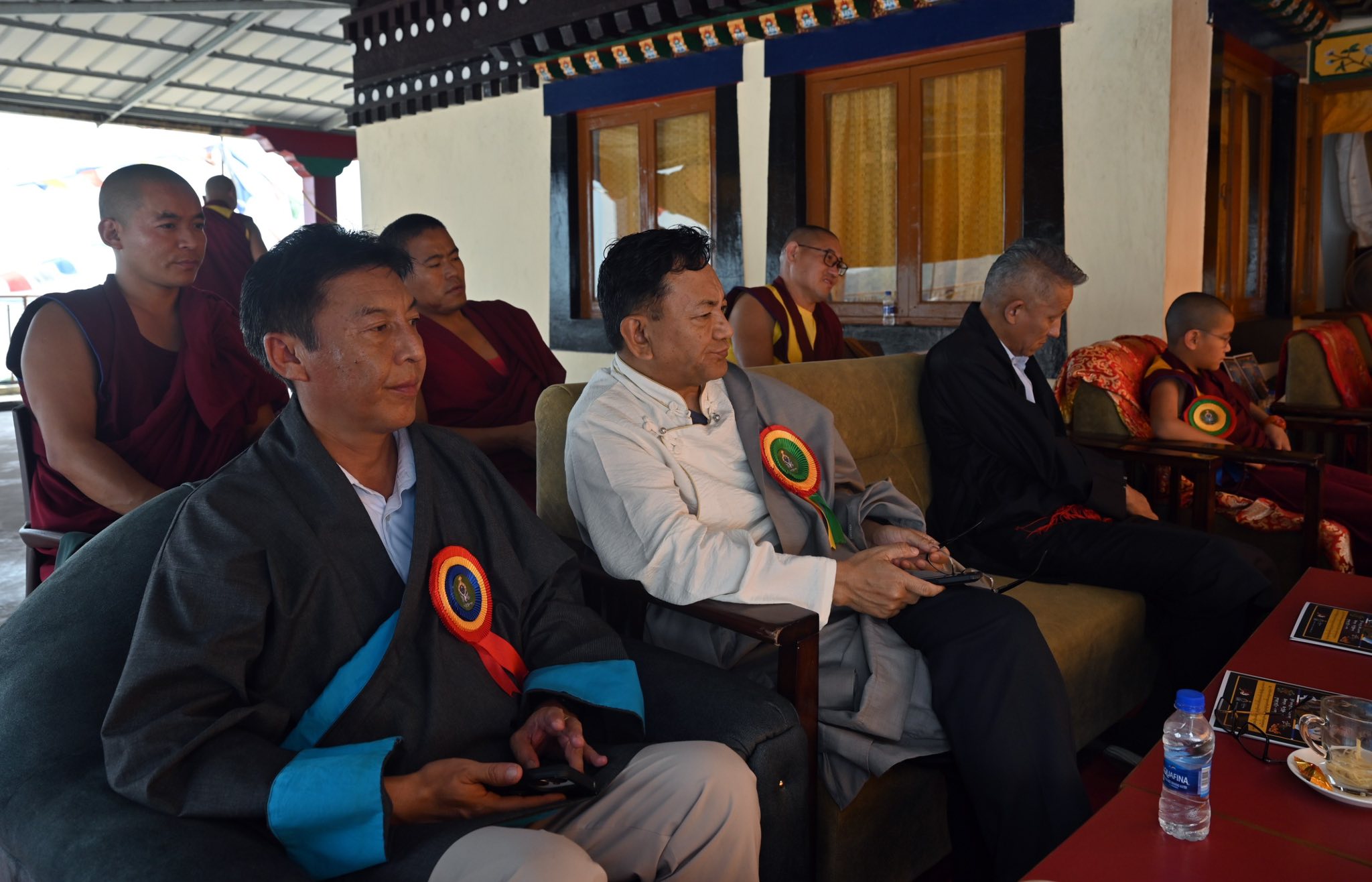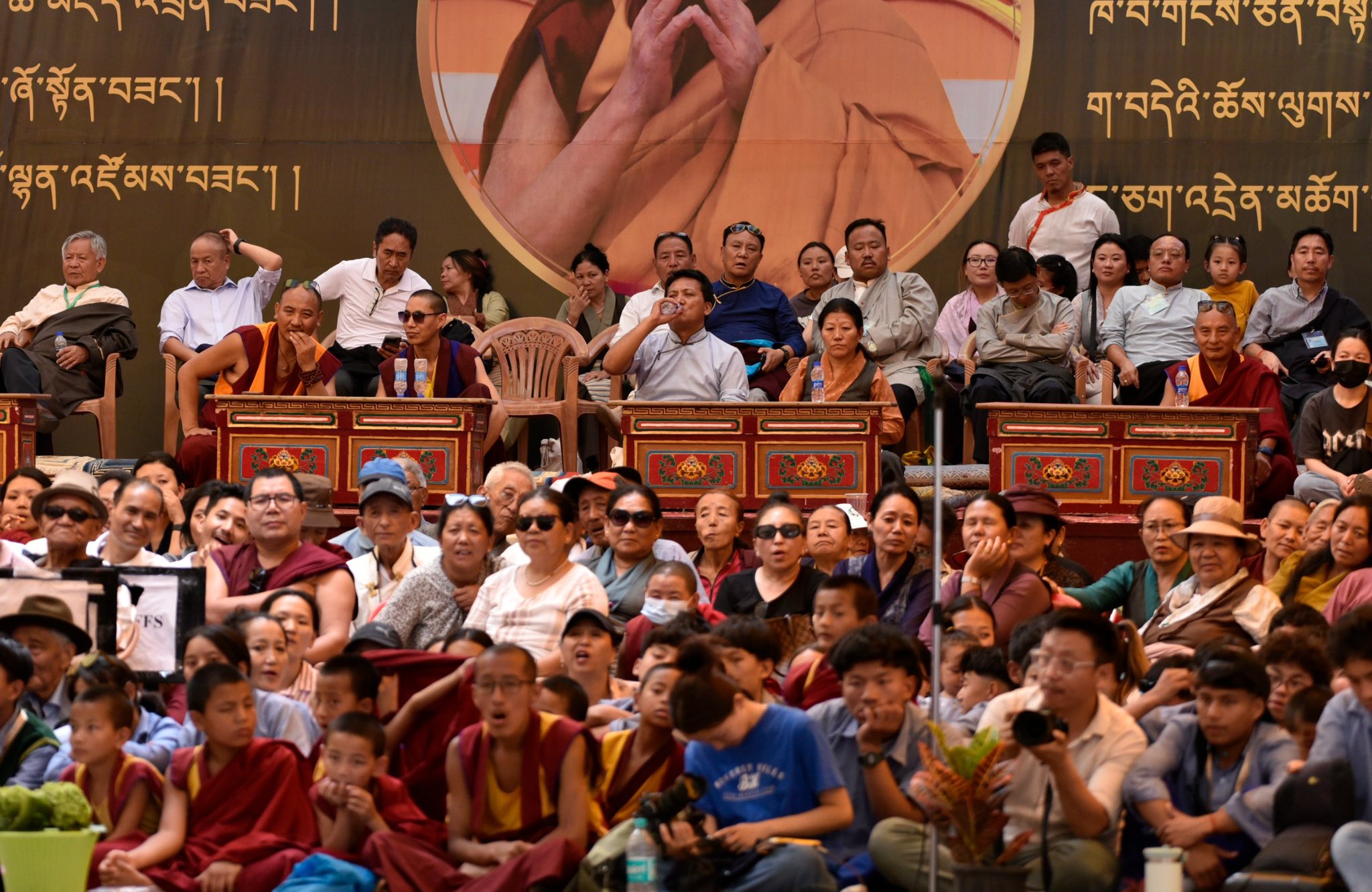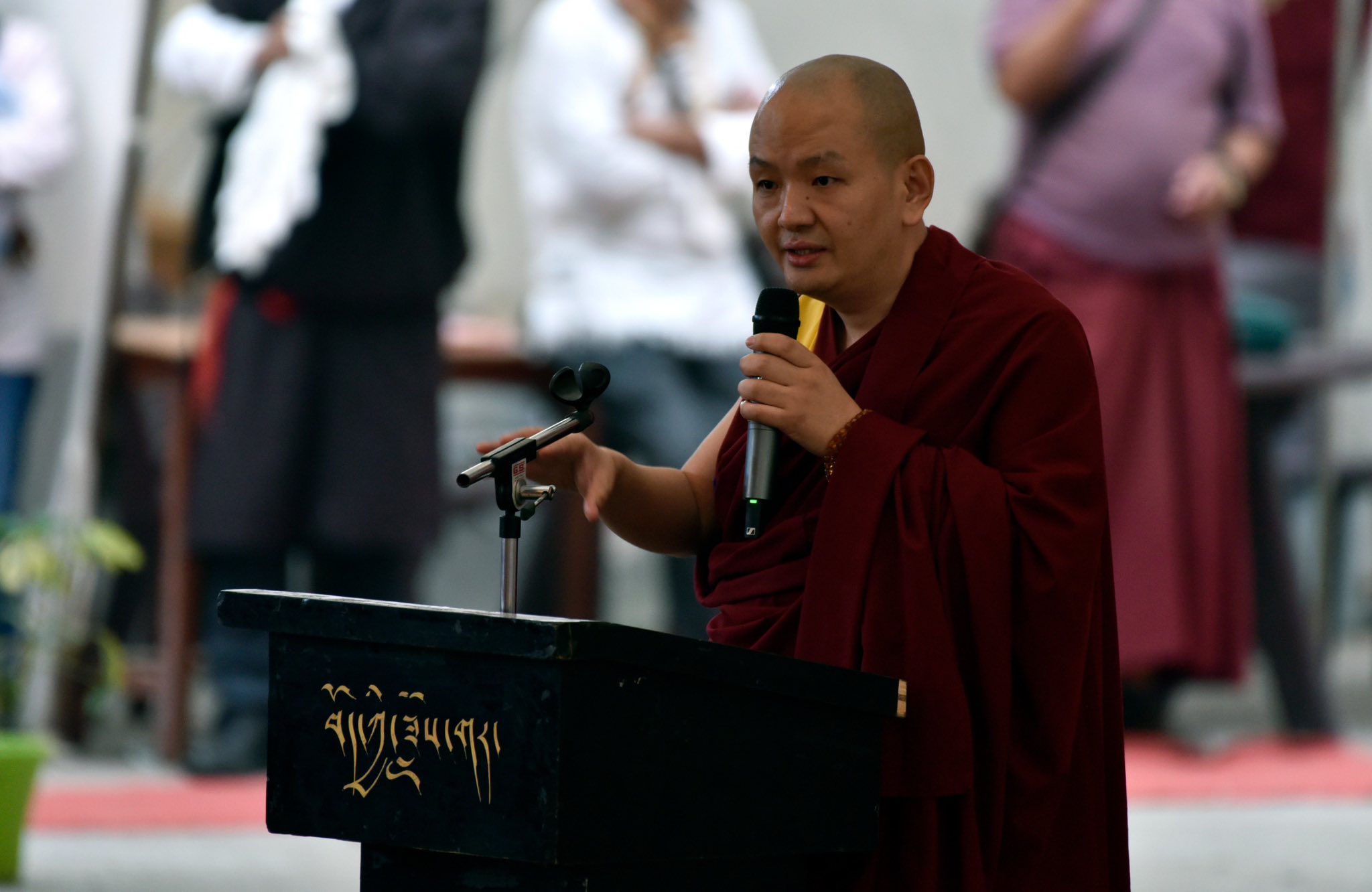
Dharamshala: After 13 days of vibrant Tibetan opera performances from 14 different troupes from various Tibetan diaspora communities, the 28th Shoton Festival concluded yesterday on 20 May 2025 with an insightful keynote speech from closing ceremony’s chief guest Kyabje Kundeling Tatsak Rinpoche.
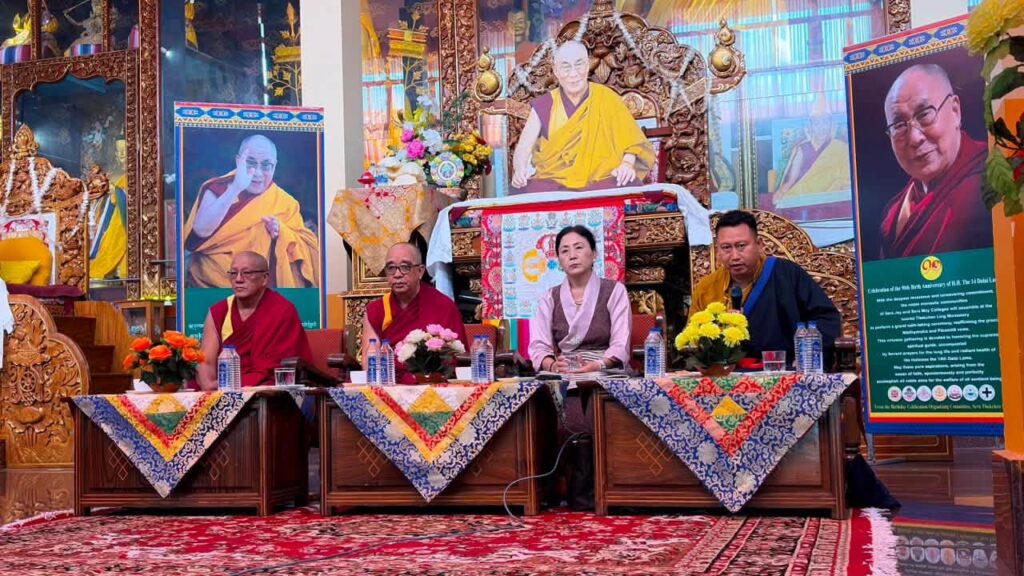
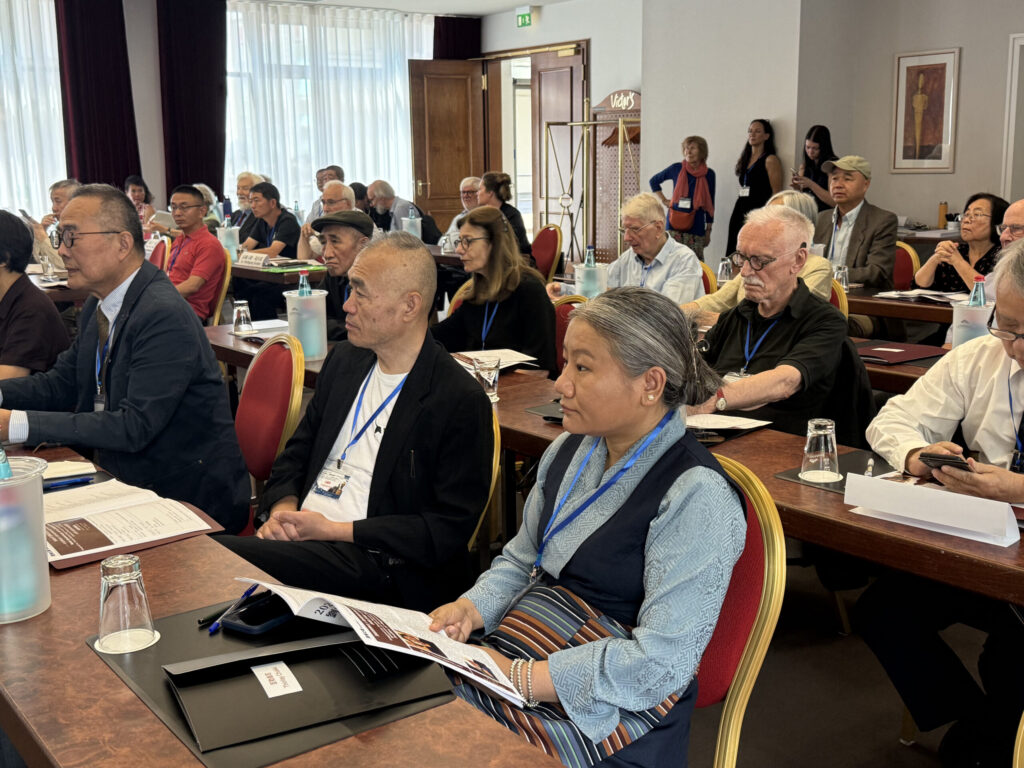
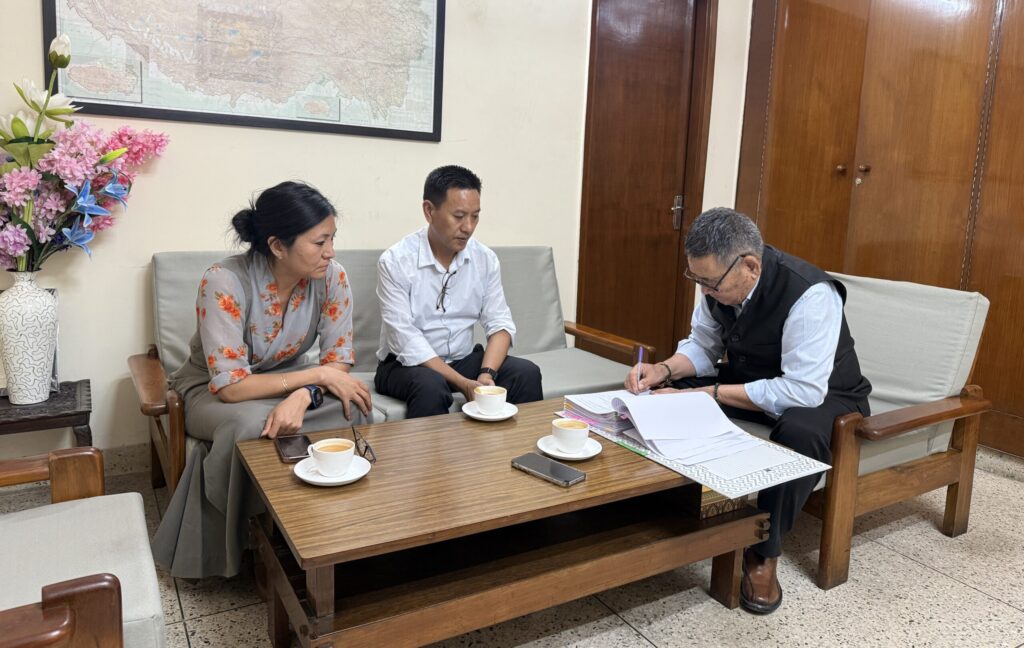
Officiating Sikyong Dolma Gyari, Kalon (Minister) of the Department of Security, attended the event as its special guest, alongside Tibetan Chief Justice Commissioner Yeshi Wangmo, Speaker Khenpo Sonam Tenphel, Deputy Speaker Dolma Tsering Teykhang, Justice Commissioner Dawa Phunkyi, Justice Commissioner Phagpa Tsering, Election Commissioner Lobsang Yeshi, Public Service Commissioner Karma Yeshi, and Auditor General Tashi Topgyal. Members of the Standing Committee of the Tibetan Parliament in Exile and secretaries of the various departments under the Central Tibetan Administration were also in attendance. Also in attendance were Nechung Kuten Rinpoche and Lhagyal Choktrul Rinpoche.
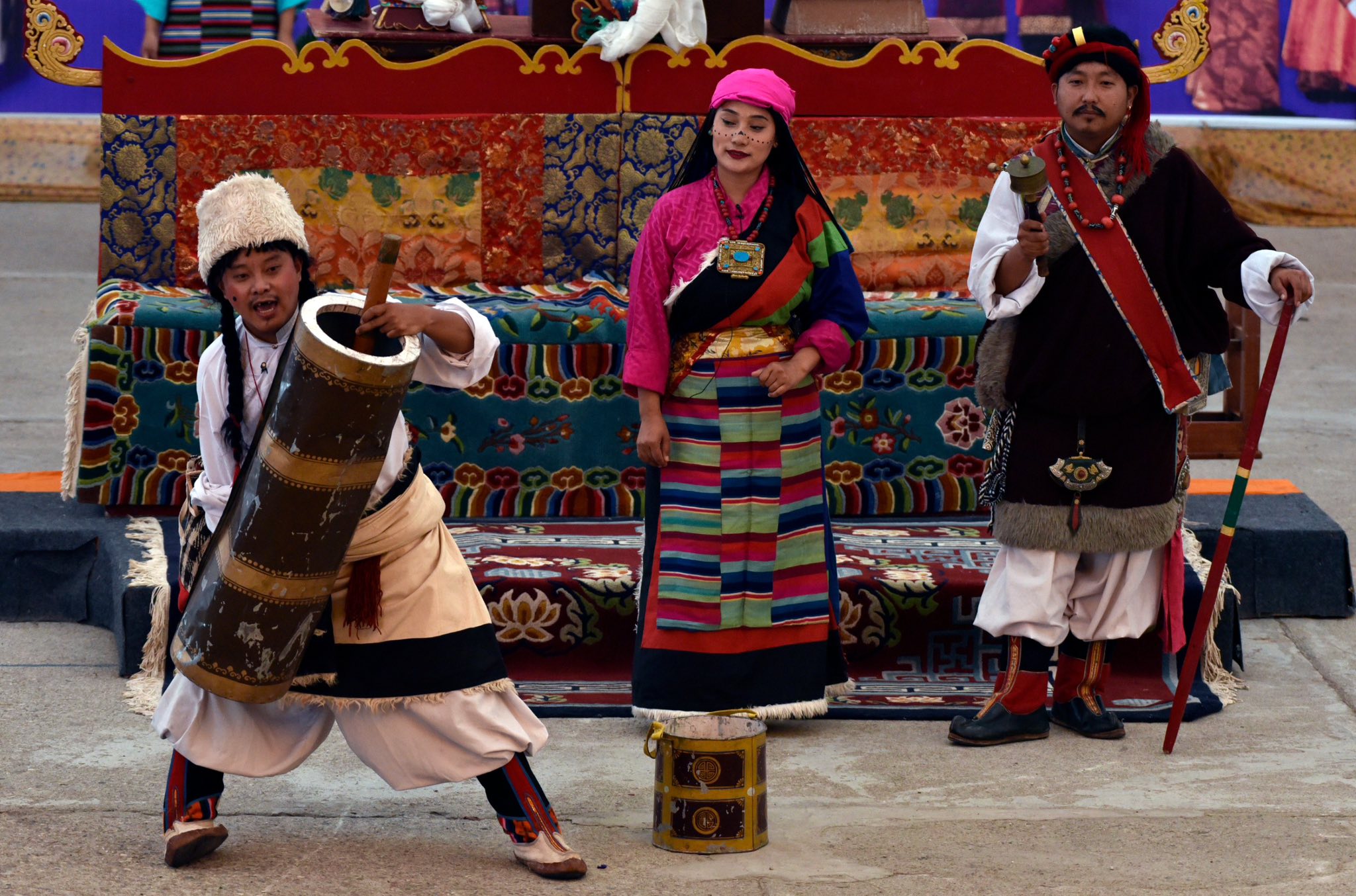
The final day of the festival featured a performance of the Tibetan opera Drowa Sangmo by the Tibetan Institute of Performing Arts. This was followed by the presentation of souvenirs from the Department of Religion and Culture, conferred by the Officiating Sikyong to all participating troupes. Subsequently, Kyabje Kundeling Tatsak Rinpoche graciously awarded certificates and souvenirs on behalf of the Department of Religion and Culture and the Tibetan Institute of Performing Arts to troupes who partook in the festival more than 20 years.
Before concluding the ceremony, Chief Guest Kyabje Kundeling Tatsak Rinpoche expressed deep appreciation to both the participants and organisers for commemorating the 28th Shoton Festival, held in celebration of His Holiness the Dalai Lama’s 90th birthday. “From a spiritual standpoint, it is a sacred duty to honour our guide for his wisdom and compassion. From a temporal perspective, it is equally important to recognise His Holiness’ tireless efforts in advancing the wellbeing and continuity of our traditions.” Rinpoche also praised the festival’s traditional performances as vital to the preservation and celebration of Tibet’s rich cultural heritage.
Reflecting on the challenges faced by the Tibetan people, Rinpoche urged perseverance. “At a time when our cultural heritage is increasingly at risk, I offer my heartfelt gratitude to all the artists and performers who continue to uphold and transmit our traditions. His Holiness, in his recent audience with festival participants, reminded us not to lose heart, but to remain steadfast in our dedication and struggle.”
Rinpoche went on to reflect on the unique legacy of Tibetan civilisation—from its early origins to its flourishing under the great emperors. He underscored the depth and richness of Tibet’s linguistic, religious, and artistic traditions of Tibetan opera.
“Every civilisation experiences both ascent and decline—neither is permanent. Our current challenges too shall pass. What matters is that we continue to carry the torch of our heritage with courage and responsibility.”
“We have safeguarded our traditions through decades of adversity. It is now the responsibility of the younger generations to take up this mantle, ensuring that our cultural and spiritual heritage not only survives, but thrives for generations to come,” Rinpoche concluded.